

01
1 hour
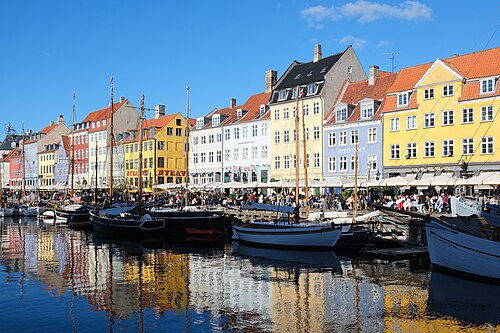
Nyhavn
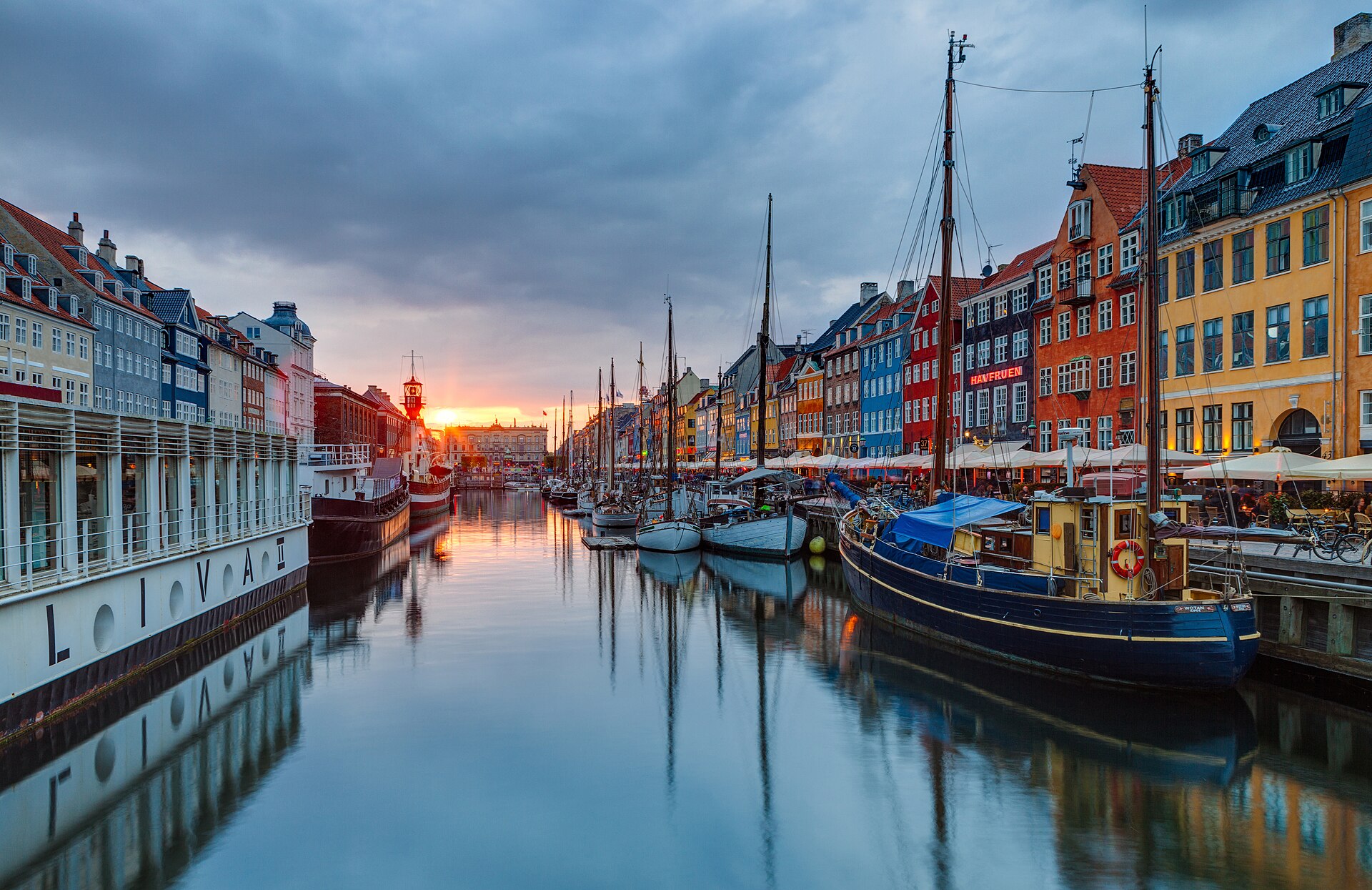
Nyhavn is a canal cut inland from Copenhagen's harbour with a quay down each side, addressed as Nyhavn 1-71, 1051 København K.
- Must see
- Historic monument
- Copenhagen
Language · 11 published
Country guide
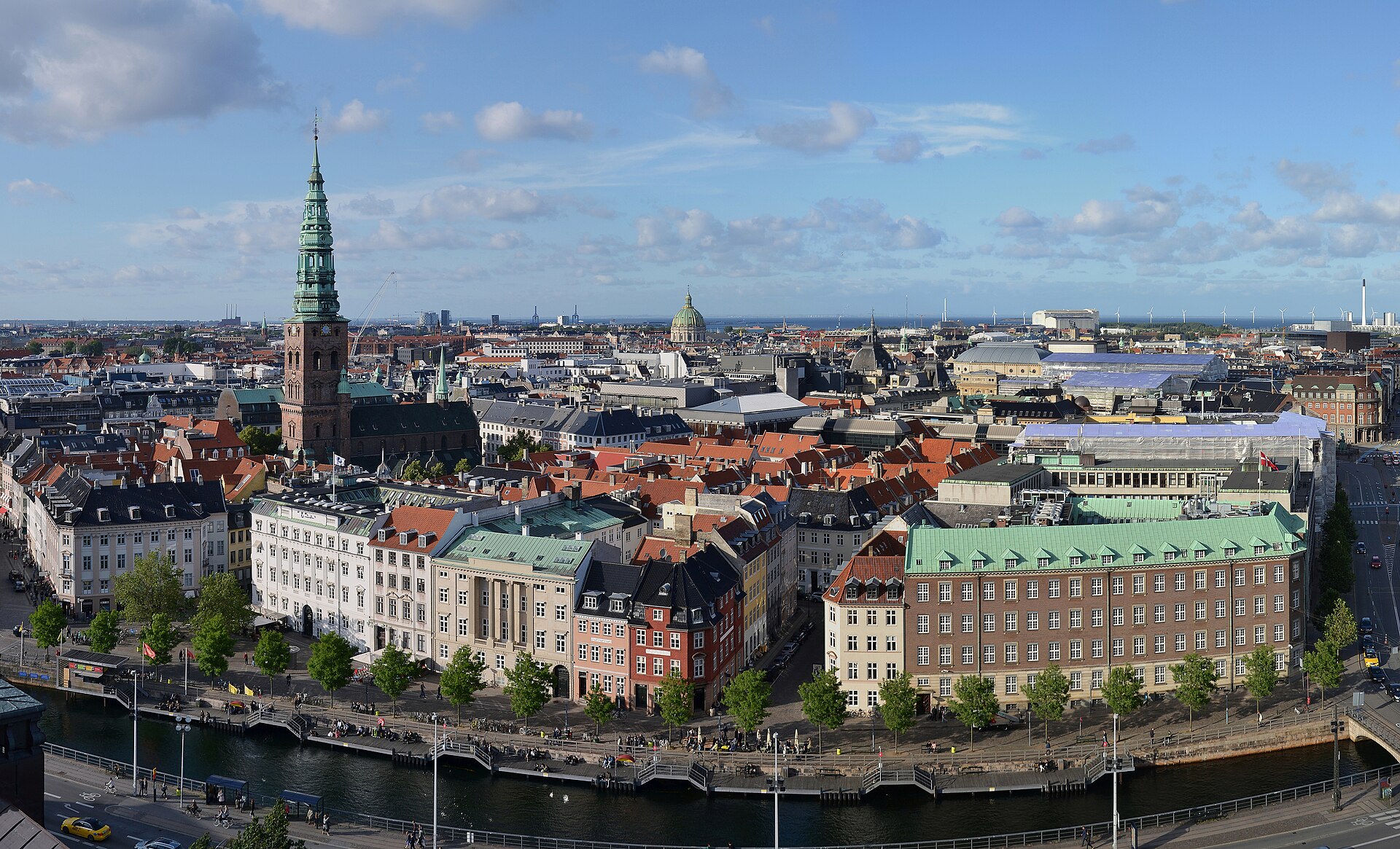
Denmark is the southernmost of the Scandinavian countries: the northern Jutland peninsula, which shares a short land border with Germany, plus an archipelago of 406 islands lying between the North Sea and the Baltic. Its population passed 6 million in May 2025, and roughly 40 per cent of that lives on Zealand alone — the largest island, and the one carrying Copenhagen. The land is flat and mostly arable, low, with sandy coasts, so a Danish route is measured in water crossings rather than in altitude. Beyond continental Denmark, the Kingdom also includes the Faroe Islands and Greenland.
Reviewed by Elena Voss · Roavina Travel Editor
Every city catalogued in this country so far, ranked by how much there is to see.
Photograph · Pudelek · CC BY-SA 4.0
Ranked by importance — sitelinks, pageviews and heritage status, not editor preference.
29 places match
Category
Typical visit duration
Interests
Nyhavn is a canal cut inland from Copenhagen's harbour with a quay down each side, addressed as Nyhavn 1-71, 1051 København K.
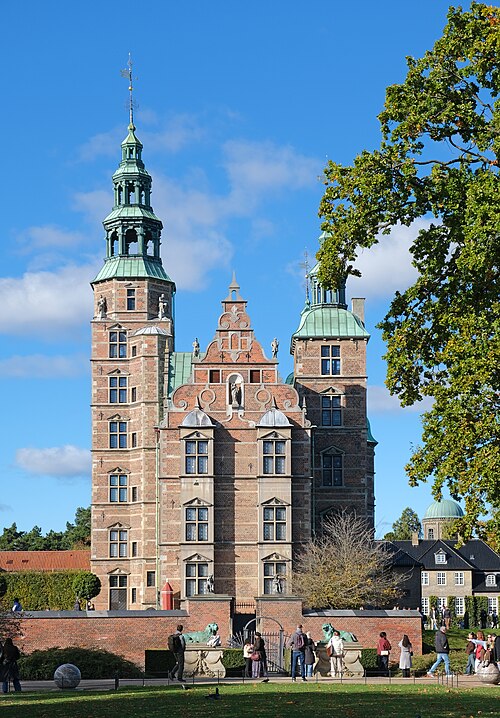
Rosenborg Slot
Rosenborg is a small Renaissance castle standing in the King's Garden, Kongens Have, a few streets north of the medieval centre of Copenhagen.
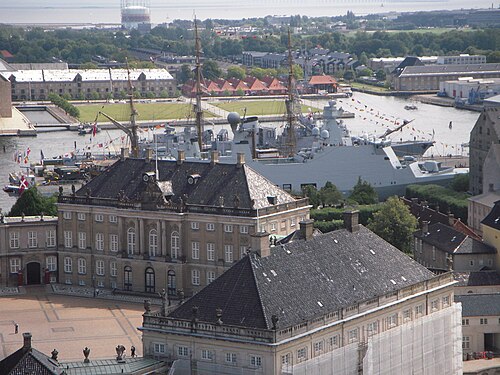
Amalienborg is the Danish royal family's home in Copenhagen: four almost identical rococo palaces set around an octagonal square, with Frederik V's equestrian statue at the centre and the dome of the Marble Church closing one axis.
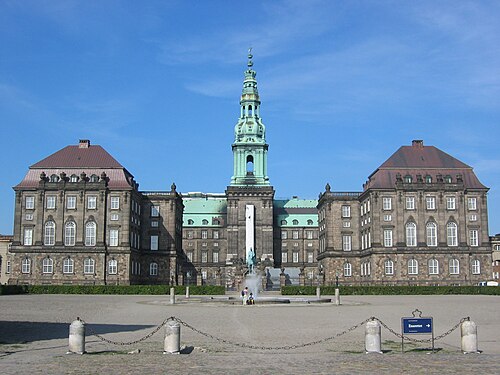
Christiansborg Slot
Christiansborg Palace, locally known as Christiansborg Slot, stands on Slotsholmen island in central Copenhagen.
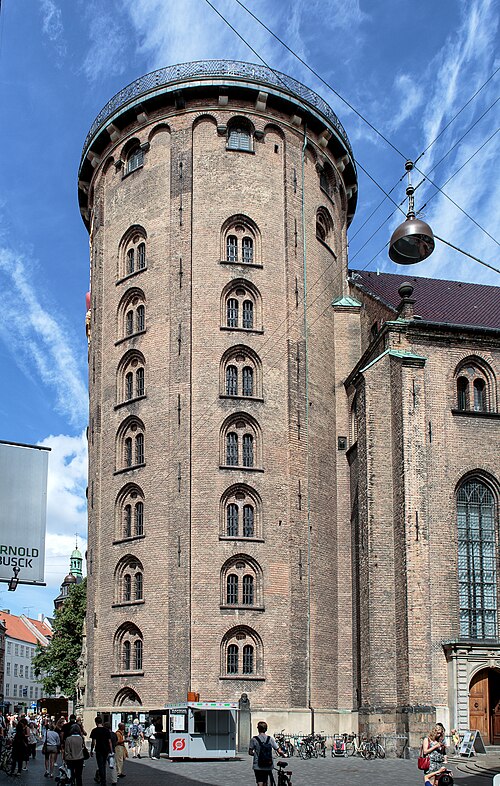
Rundetårn
Rundetaarn, the Round Tower, is a seventeenth-century observatory tower on Købmagergade in the medieval core of Copenhagen, and the thing that makes it unusual is that it has no staircase for most of its height.
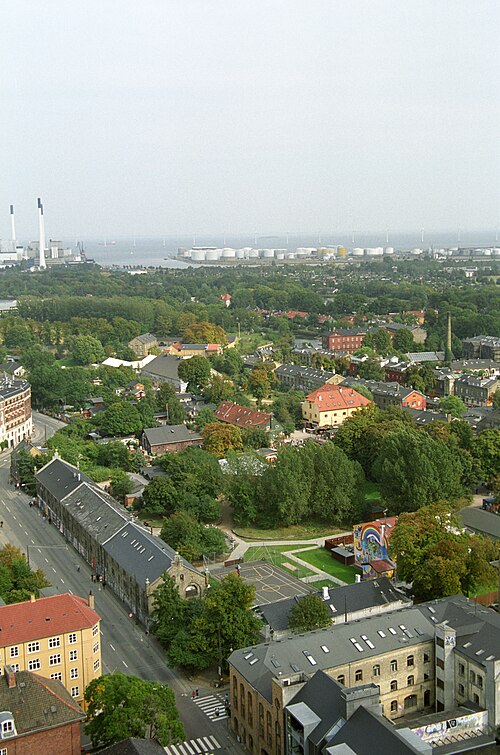
Christiania
Freetown Christiania is an autonomous district in Copenhagen, Denmark, established in 1971 when squatters occupied former military barracks. The area operates under collective self-governance and has developed a distinctive countercultural identity.
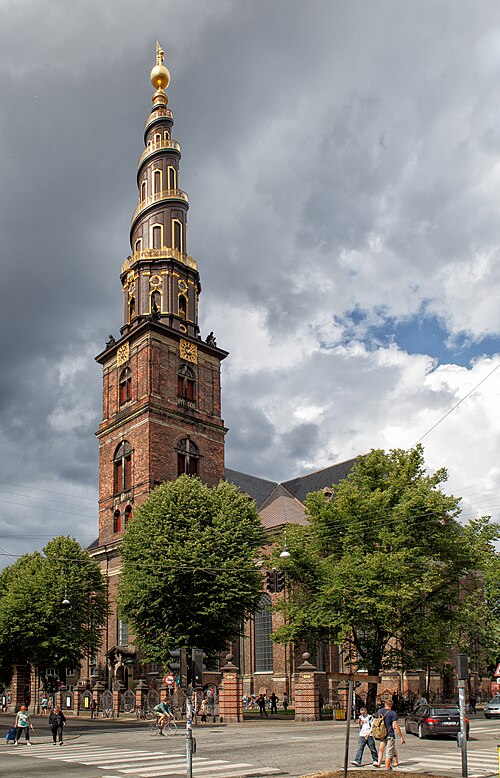
Vor Frelsers Kirke
The Church of Our Saviour, known locally as Vor Frelsers Kirke, stands as a prominent baroque church in Copenhagen. Its most distinctive feature is an external corkscrew spire with an external winding staircase that visitors can climb.
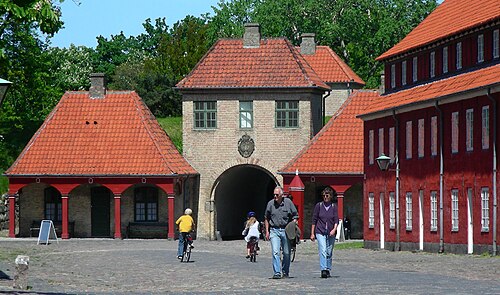
Kastellet is one of the best-preserved star fortresses in Northern Europe, located in Copenhagen near the Langelinie promenade.
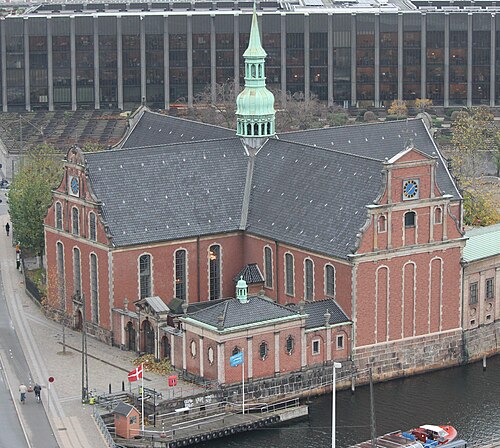
Holmens Kirke
Holmen Church, or Holmens Kirke, is a historic church in central Copenhagen’s Holmen district. The building began as an anchor forge in the 1560s before being converted into a church for the Danish navy.
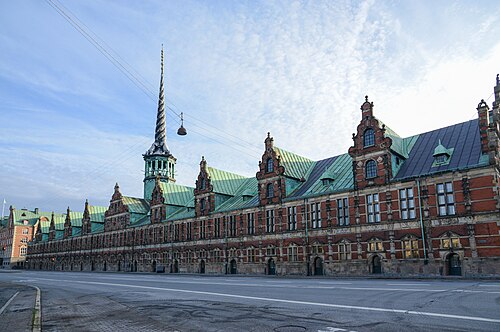
Børsen is a historic former stock exchange building on Slotsholmen in central Copenhagen. Built in the Dutch Renaissance style during the seventeenth century, it served the city’s commercial life for centuries.
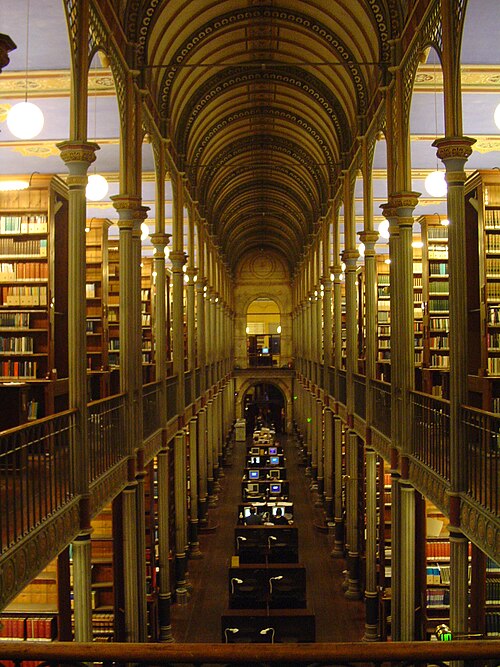
Københavns Universitetsbibliotek Fiolstræde
Copenhagen University Library on Fiolstræde is an academic library in the Latin Quarter of central Copenhagen. Its primary role is to support University of Copenhagen students, researchers, and teaching, making it a working institution rather than a conventional museum.
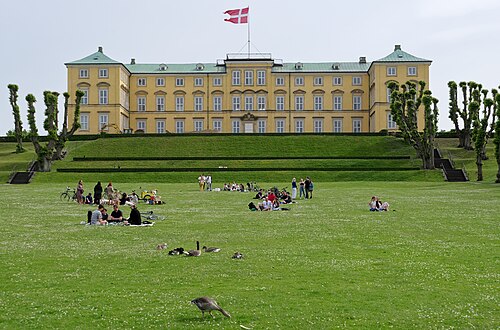
Frederiksberg Slot
Frederiksberg Palace is a Baroque residence situated in Frederiksberg, adjacent to Copenhagen. Constructed in the early eighteenth century, it served as a royal summer palace and remains an emblem of Danish architectural heritage.
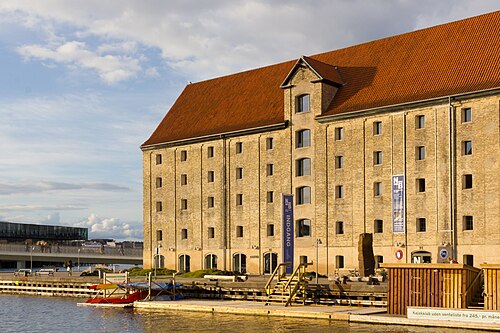
Nordatlantens Brygge
North Atlantic House, known locally as Nordatlantens Brygge, is a cultural centre on Copenhagen's harbourfront. The building occupies a converted warehouse in the Christianshavn district, part of the revitalised harbour area.

Trekroner
Trekroner is a sea fort located at the entrance to Copenhagen harbour. The fortification sits on an artificial island near the northern tip of Refshaleøen.
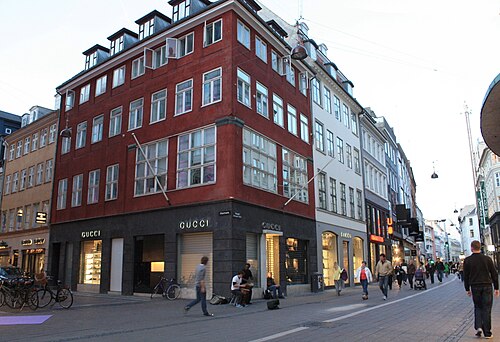
Strøget is Copenhagen’s principal pedestrian shopping route through the historic city centre. It links City Hall Square with Kongens Nytorv through a connected sequence of streets and squares.
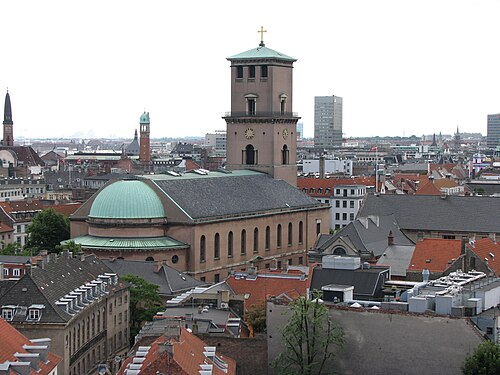
Vor Frue Kirke
Vor Frue Kirke, known in English as the Church of Our Lady, stands as Copenhagen's cathedral and serves as the National Cathedral of Denmark.
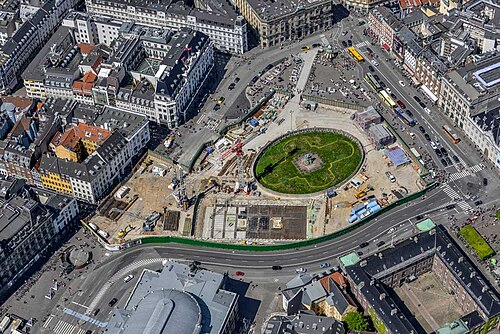
Kongens Nytorv is Copenhagen’s largest public square and one of the city centre’s main meeting points. King Christian V’s equestrian statue stands at its centre, while the Royal Danish Theatre and Hotel D’Angleterre frame the surrounding streets.
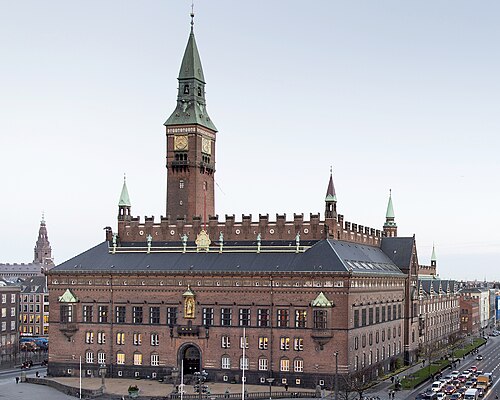
Københavns Rådhus
Copenhagen City Hall, or Københavns Rådhus, is the seat of Copenhagen’s municipal government on City Hall Square. Completed in 1905 and designed by Martin Nyrop, the building is a major example of National Romantic architecture with medieval Danish influences.
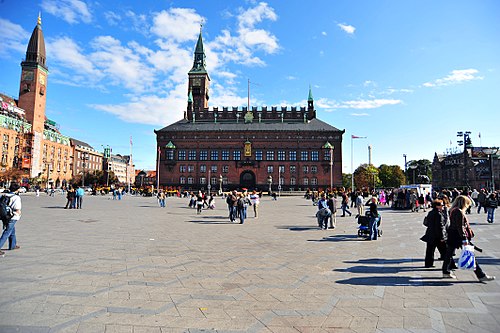
Rådhuspladsen
Rådhuspladsen, known in English as City Hall Square, is a major public square in central Copenhagen. It serves as a prominent gathering point and transportation hub in the Danish capital.
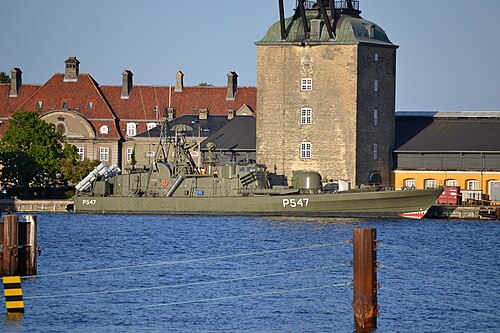
P547 Sehested
HDMS Sehested, also known locally as P547 Sehested, is a retired Royal Danish Navy vessel preserved as a museum ship in Copenhagen. The fast attack craft represents Cold War-era naval technology and Danish maritime defence history.
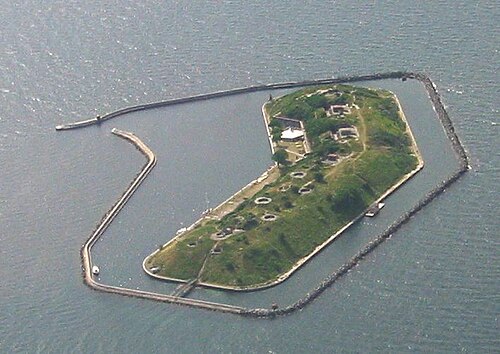
Flakfortet is an artificial island fort in the Øresund, reached across open water from Copenhagen rather than from a city street. Its identity comes from the combination of a coastal-defence installation, surviving military structures and an exposed maritime setting.
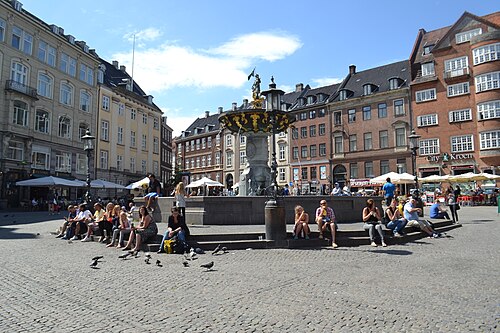
Gammeltorv is Copenhagen’s oldest square and one of the central public spaces in the Indre By district. The name means Old Market, recalling the square’s medieval role as a marketplace and gathering place.
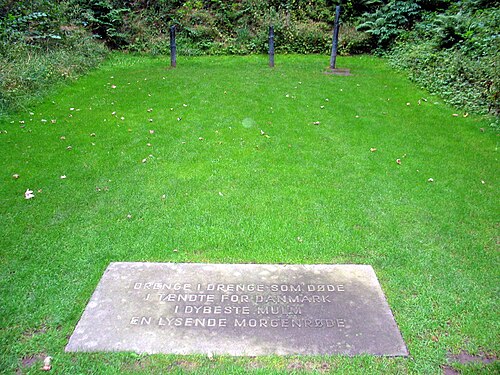
Mindelunden
Ryvangen Memorial Park, also called Mindelunden, is a Copenhagen memorial site dedicated to Danish resistance fighters executed during the German occupation in the Second World War.
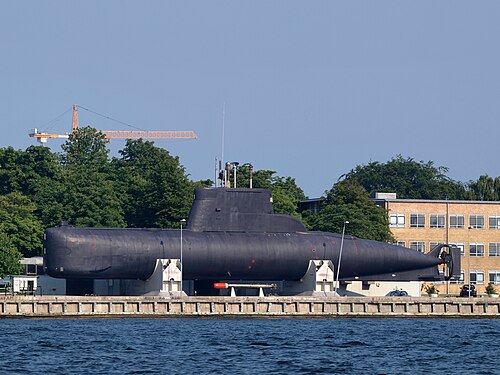
HDMS Sælen is a retired Danish submarine preserved as a museum vessel in Copenhagen. Its name means “Seal.” The submarine offers a direct encounter with Cold War naval technology and the confined environment in which submariners lived and worked.
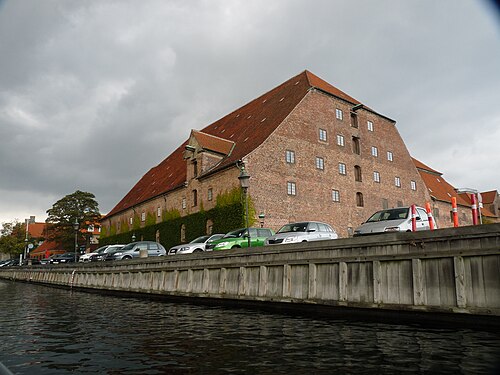
Christian 4.s Bryghus
Christian IV's Brewhouse, known locally as Christian 4.s Bryghus, is a historic Copenhagen building associated with King Christian IV and the early seventeenth century. The brewhouse connects the city’s architecture with royal commercial enterprise and Denmark’s brewing heritage.
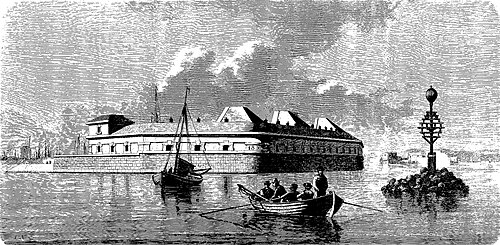
Prøvestenen is a historic coastal fortification on a small artificial island southeast of Copenhagen's inner harbour. The site formed part of Denmark's naval defences and represents 18th-century coastal military engineering.
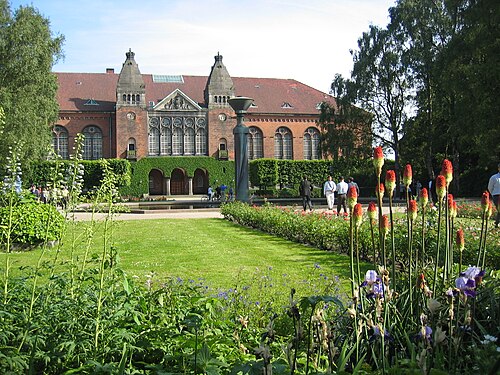
Det Kongelige Biblioteks Have
The Royal Library Garden, known locally as Det Kongelige Biblioteks Have, is a quiet green space in central Copenhagen beside the Royal Library.
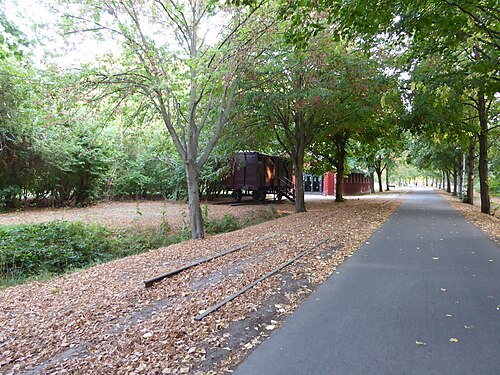
Vestvolden is a historic fortification system forming a semicircular defensive ring around Copenhagen's western approaches. Constructed in the late 19th and early 20th centuries, it represents one of the largest remaining military earthworks in Northern Europe.
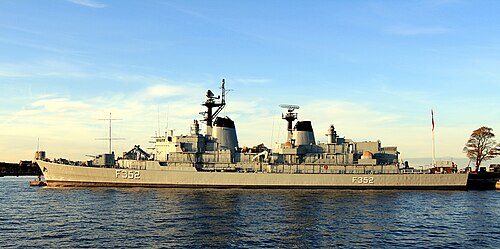
HDMS Peder Skram is a preserved Royal Danish Navy frigate berthed at Holmen, Copenhagen’s historic naval district. Commissioned in 1966 and serving until 1988, it represents Denmark’s Cold War fleet in a form visitors can physically enter.
Source: OpenStreetMap contributors, Wikidata ·
Five to seven days allows three or four days in Copenhagen and time for one rail-linked extension such as Odense, Aarhus or North Zealand. Adding Jutland and several islands requires extra nights rather than longer day trips.
Denmark’s New to Denmark portal is the official short-stay visa reference. Check the passport-specific rule and Schengen conditions there, including which country is responsible for an application on a multi-country trip.
Copenhagen Airport has direct metro and rail connections. Intercity trains link Copenhagen, Odense, Aarhus and Aalborg, while Rejseplanen combines train, bus and ferry options even when fares remain operator-specific.
May through August provides Denmark’s longest days and the broadest seasonal opening pattern. Coastal weather can still change quickly, and island ferry frequency should be checked outside the main summer period.
Denmark prices goods in Danish kroner (DKK), not euros. Payment conditions are not recorded here; keep an alternative available for any terminal or small operator that does not accept the preferred card.
Use 112 for emergencies in Denmark. The supply is 230 V across Type C, E, F and K sockets, and mains tap water is recorded as safe.