
26
45 min
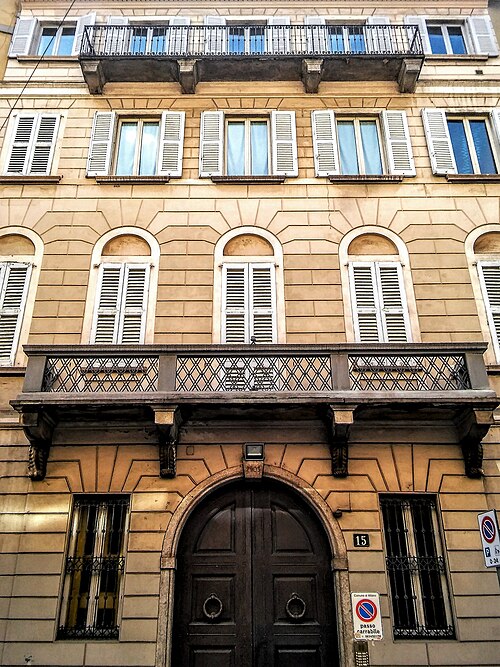
Mapelli Palace
Palazzo Mapelli
Mapelli Palace, or Palazzo Mapelli, is a historic palace in Milan.
- Notable
- Historic site
City guide · Italy
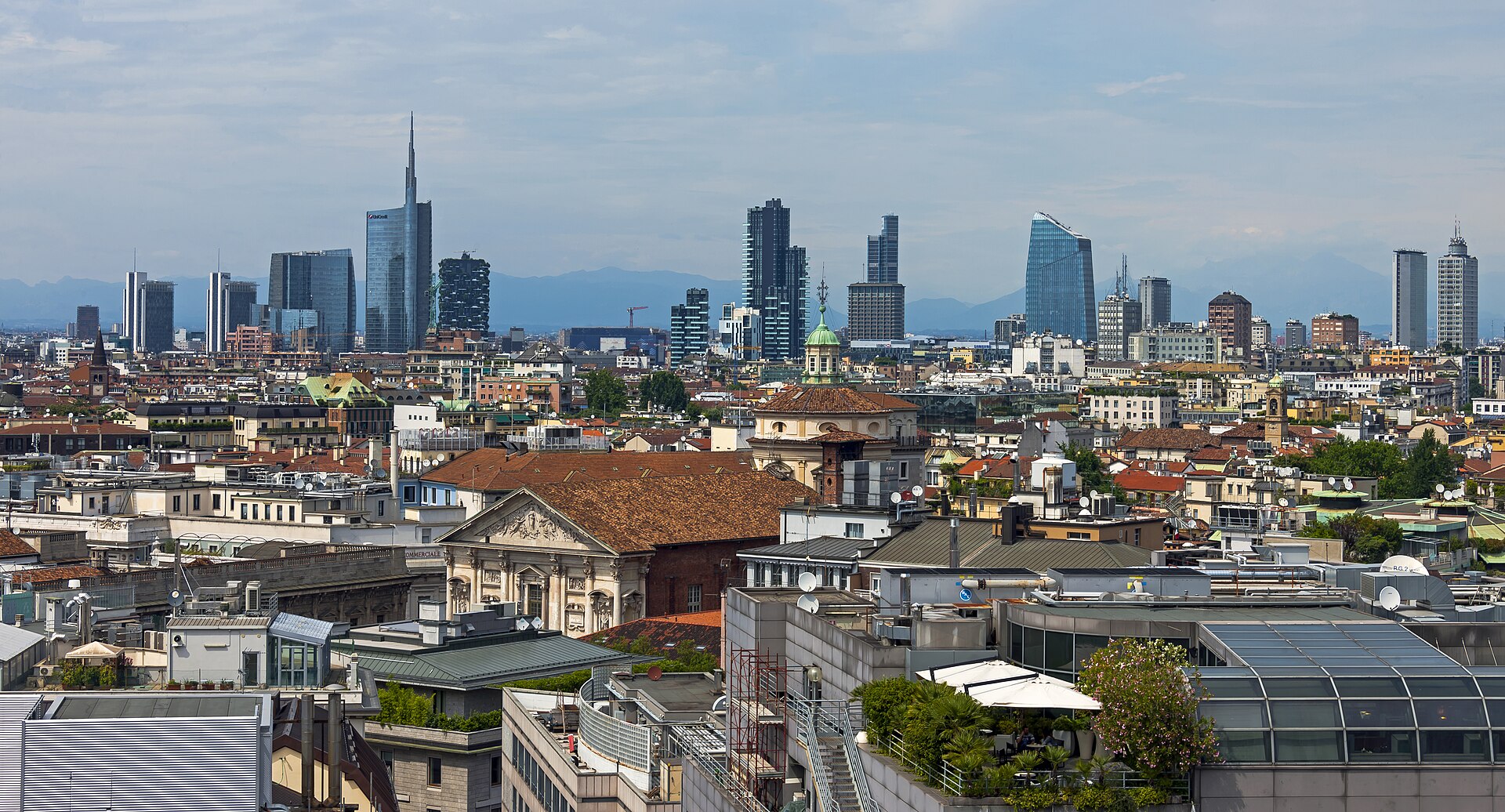
Milan is organised around a compact historic centre, with the Duomo, Galleria Vittorio Emanuele II and La Scala close enough to combine on foot. Brera lies imme...
Photograph · Daniel Case · CC BY-SA 3.0
Set your days, your pace and the hours you actually want to be out. The planner works around closing days and travel time, and leaves room to eat.
Editorial responsibility: Elena Voss · Roavina Travel Editor
Milan is organised around a compact historic centre, with the Duomo, Galleria Vittorio Emanuele II and La Scala close enough to combine on foot. Brera lies immediately north, the Navigli canals sit to the southwest, and the modern Porta Nuova district rises around Garibaldi station. Longer journeys connect the centre with Santa Maria delle Grazie, San Siro and outer design districts.
Checked 2026-08-26
November · November is cool and damp in Milan, with a 10.7°C mean high and 76.7 mm of rain.
Ranked by importance — sitelinks, pageviews and heritage status, not editor preference.
38 places match
Category
Typical visit duration
Good for
Interests
Palazzo Mapelli
Mapelli Palace, or Palazzo Mapelli, is a historic palace in Milan.

Palazzo e Torre Rasini
Palazzo e Torre Rasini stands as a notable architectural presence in Milan. This tower and palace complex represents an element of the city's built heritage, contributing to the urban fabric of Italy's second-largest city.
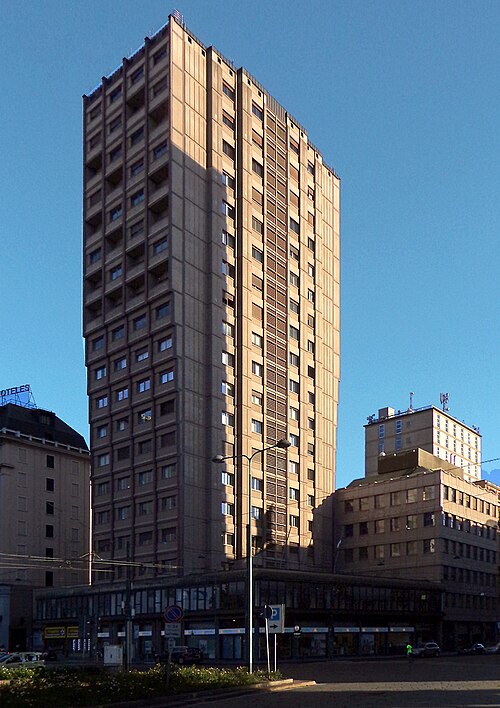
Torre Turati
Turati Tower, known locally as Torre Turati, is a prominent skyscraper in Milan, Italy. The building stands as a significant example of modern commercial architecture in the city's business district.
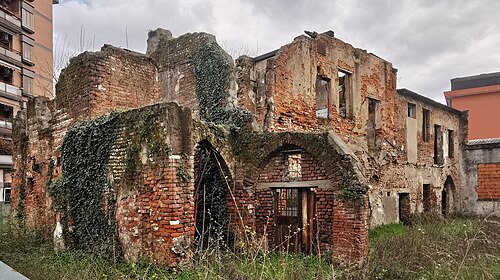
Monastero di San Nicolao
The Monastery of San Nicolao is a historic religious complex in Milan associated with Benedictine tradition.

Transatlantico Conte Biancamano
The Conte Biancamano command bridge is a preserved section of an Italian ocean liner inside Milan's National Museum of Science and Technology Leonardo da Vinci.
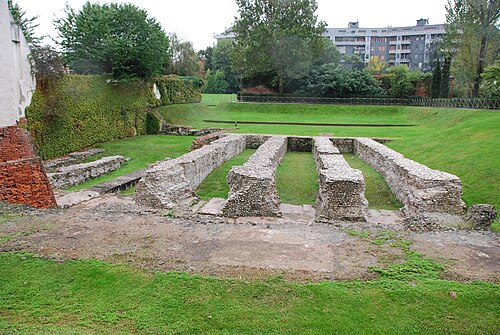
Anfiteatro Romano
The Anfiteatro Romano is Milan's ancient Roman amphitheatre, located in the city centre near Piazza dell'Amphiteatro. This archaeological site represents one of the most significant remnants of Mediolanum, the Roman settlement that preceded modern Milan.
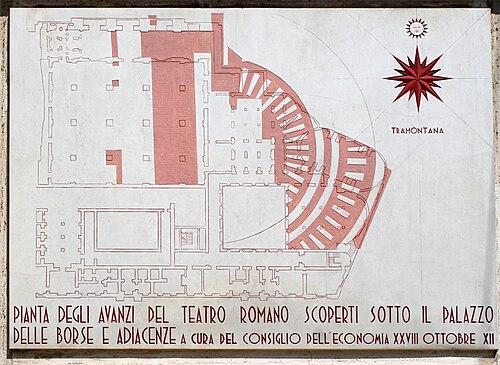
Teatro Romano
The Roman Theatre of Milan, locally known as Teatro Romano, stands as a significant archaeological remnant of the city's ancient past under Roman rule. This open-air amphitheatre once accommodated theatrical performances and public gatherings during the imperial era.
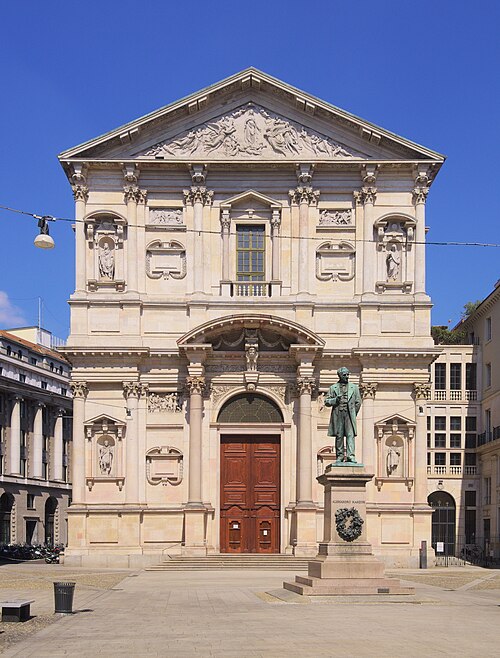
Chiesa di San Fedele
San Fedele Church, or Chiesa di San Fedele, is a sixteenth-century church in central Milan beside Piazza San Fedele. The church is an active parish and a significant example of Counter-Reformation architecture.
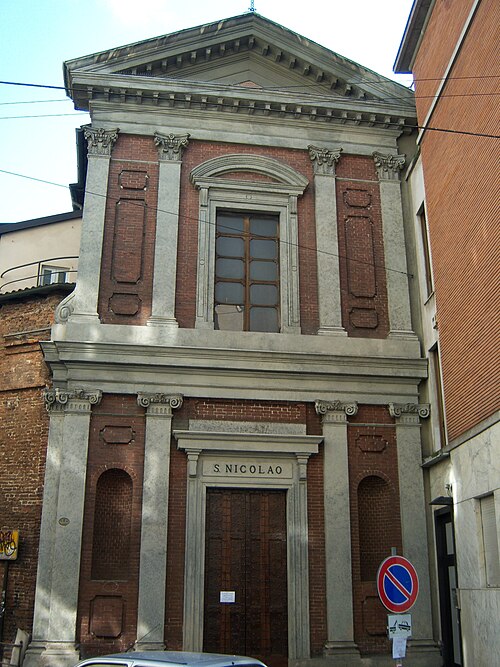
Chiesa di San Nicolao
San Nicolao Church, or Chiesa di San Nicolao, is a historic religious building in Milan. It belongs to the city’s broad ecclesiastical heritage and offers a quieter alternative to the major cathedral and basilica circuit.

Chiesa di San Pietro in Gessate
San Pietro in Gessate is a fifteenth-century Renaissance church in Milan’s Porta Vittoria area.
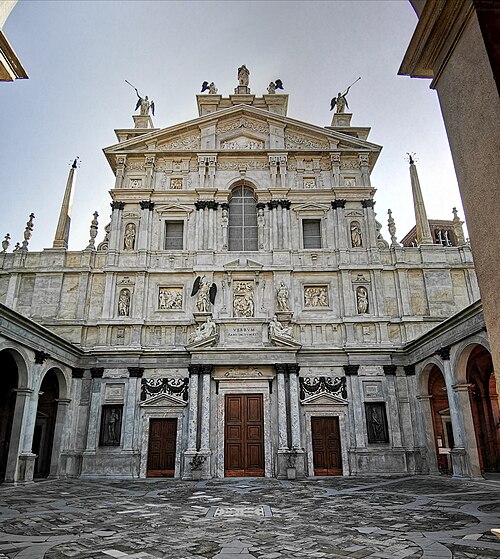
Chiesa di Santa Maria dei Miracoli presso San Celso
Santa Maria presso San Celso is a Renaissance church in Milan, formally known as Chiesa di Santa Maria dei Miracoli presso San Celso. It stands adjacent to the older San Celso church, creating a distinctive architectural pairing.
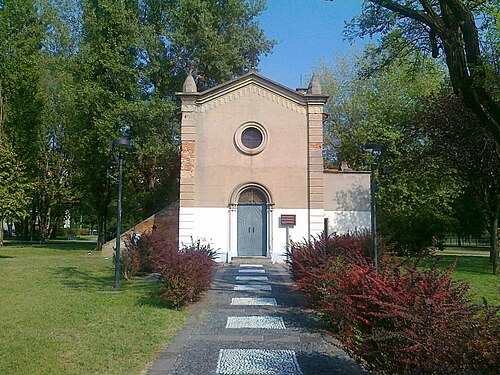
Chiesa di Santa Maria Maddalena
Santa Maria Maddalena, also known as Chiesa di Santa Maria Maddalena, is a Catholic church within Milan’s urban fabric.
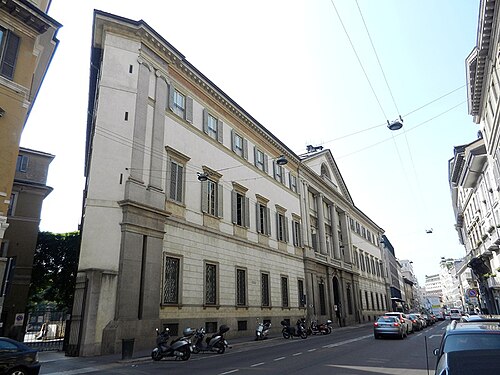
Palazzo Serbelloni is a privately owned Neoclassical palace at Corso Venezia 16 in Milan.
Use the Duomo as the central reference point. The fashion quadrilateral and Brera are north of it, Castello Sforzesco and Parco Sempione are west, and the Navigli and Porta Ticinese districts are south and southwest. Milano Centrale is northeast of the old centre, while Porta Garibaldi serves the Porta Nuova business district. Grouping sights by these zones avoids repeated cross-city travel.
Checked 2026-08-26
Walk inside the historic centre and use ATM metro, tram and bus services for longer moves. Milan has five metro lines, while surface routes connect neighbourhoods beyond the rail corridors. Contactless bank cards and mobile devices can be used on ATM services, and the system calculates the applicable fare. Check the operator map before travelling to outer sites or changing fare zones.
Checked 2026-08-26

Suggested stay for a first visit: 2–3 days. Build the visit around the historic centre, Brera and the castle, then add Navigli, Porta Nuova or an outer attraction as time allows.
Yes. The Duomo, Galleria Vittorio Emanuele II, La Scala, Brera and Castello Sforzesco form a practical walking core, although the metro is useful for crossing between wider districts.
ATM operates the city's metro, tram, bus and trolleybus network. Use rail for cross-city movement and surface services where the metro does not directly reach the destination.
Yes. ATM accepts supported contactless cards and mobile devices on its services and calculates the applicable fare, provided the same payment method is used throughout the journey.
Treat Navigli, Porta Nuova, San Siro and other outer districts as separate clusters. They sit beyond the compact Duomo-Brera-castle core and usually require a dedicated transit leg.

