
.jpg)


32
30 min
Basilica di San Calimero
Basilica di San Calimero is a historic Roman Catholic church near Corso di Porta Vigentina in southern central Milan.
- High
- Place of worship
- Milan
Country guide
Italy holds 62 World Heritage Sites, more than any other country, spread across 301,340 km2 of land that runs from the Alps down into the middle of the Mediterr...
Photograph · Timothy A. Gonsalves · CC BY-SA 4.0
Reviewed by Elena Voss · Roavina Travel Editor
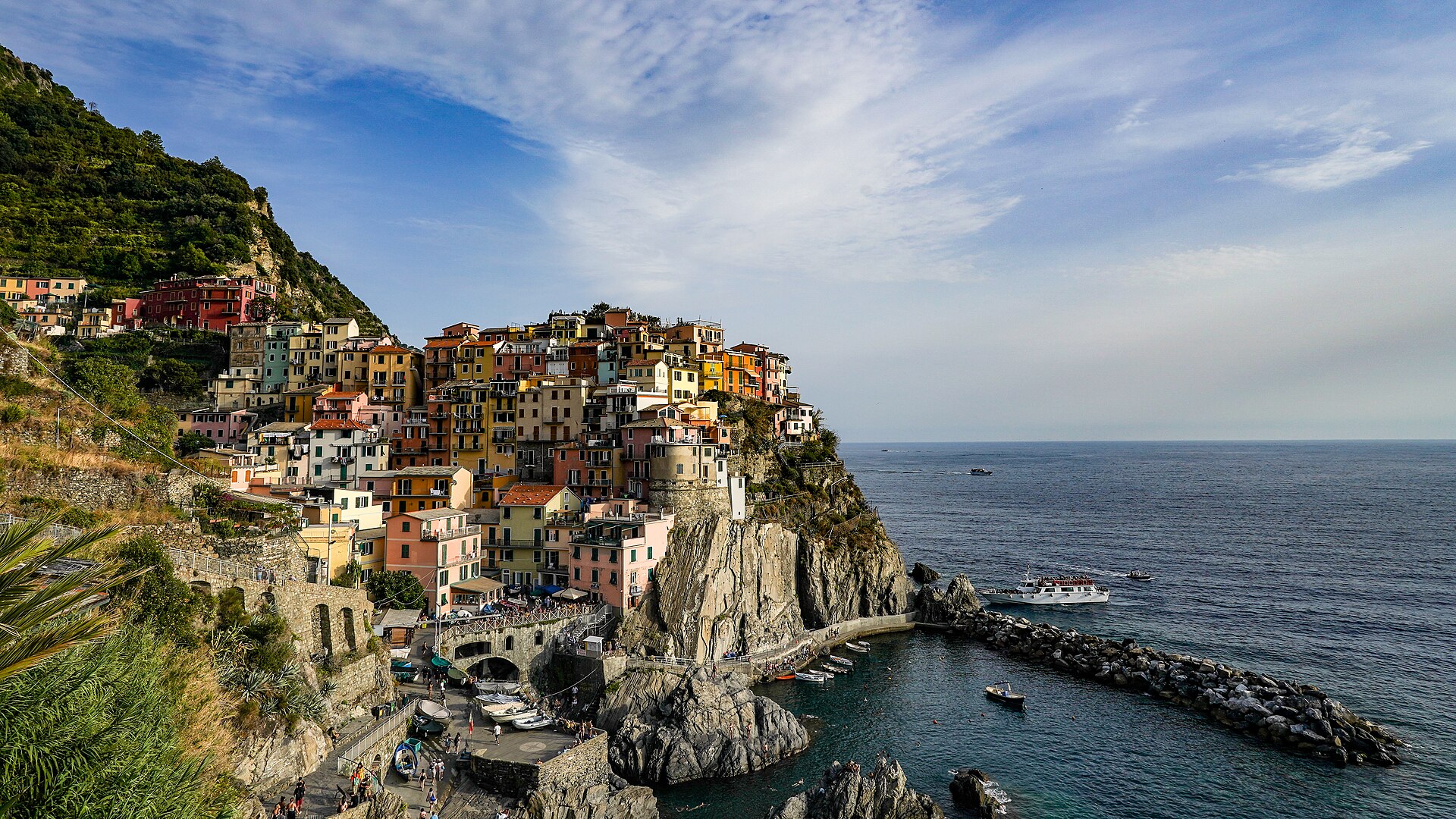
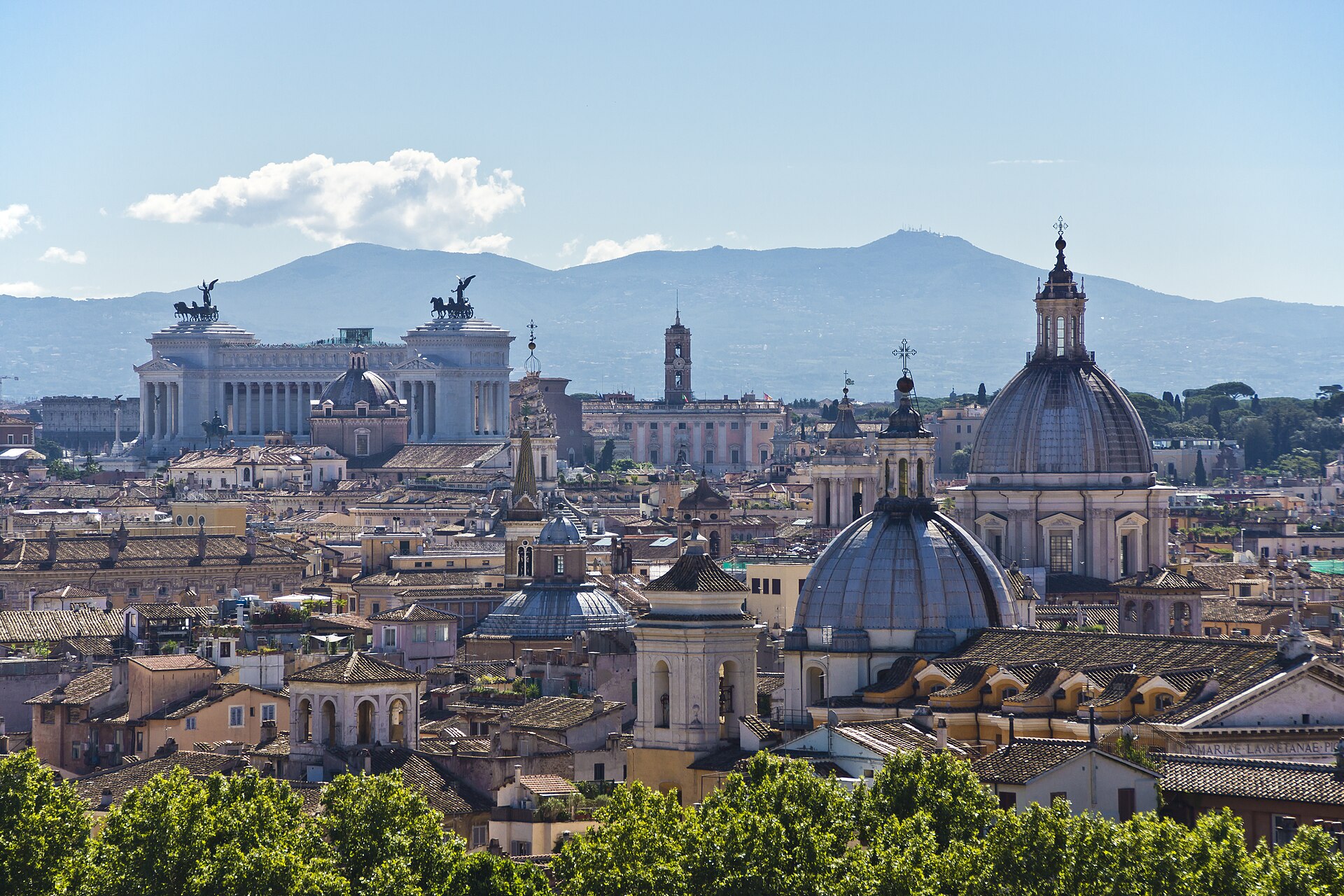
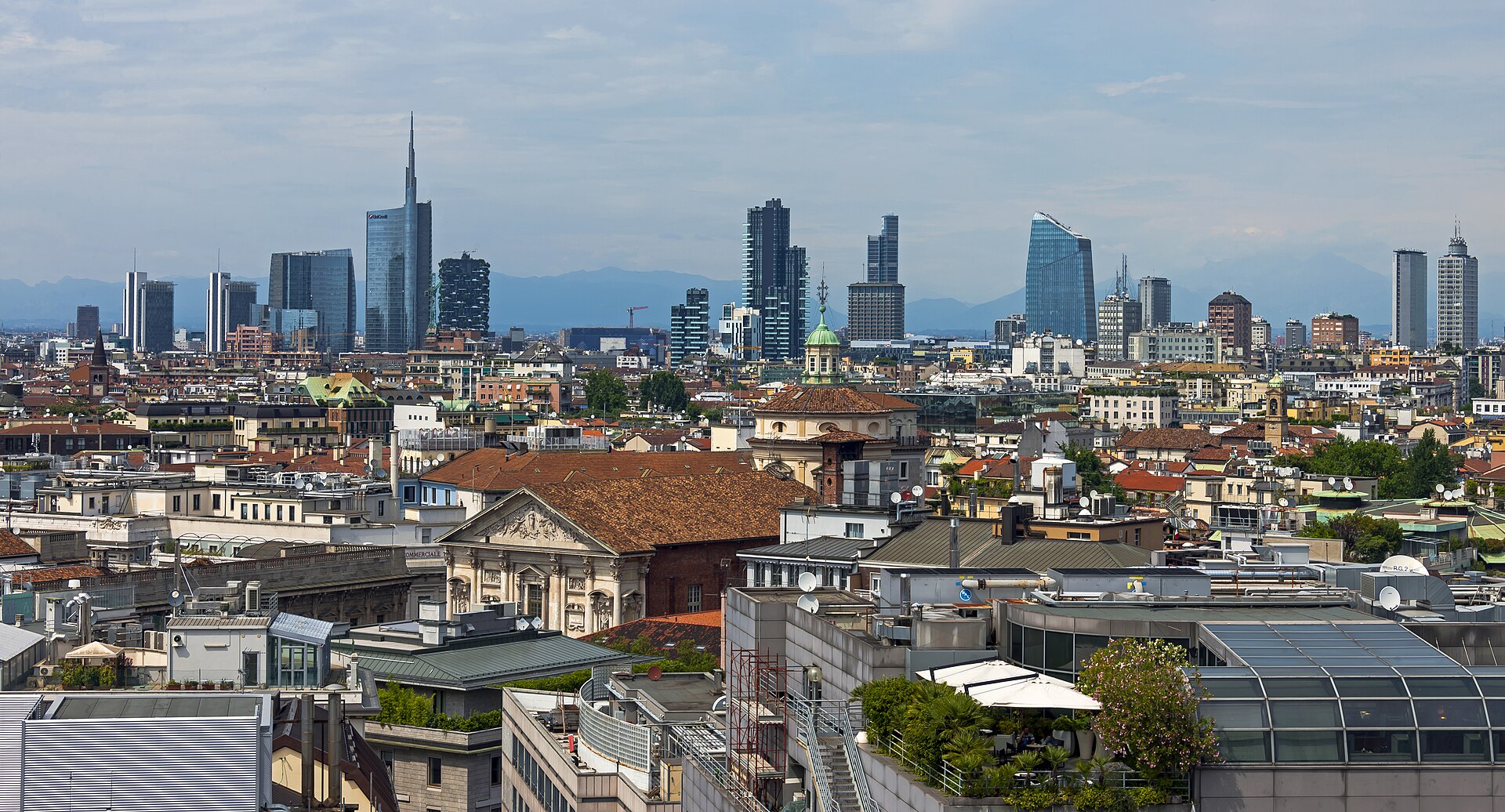
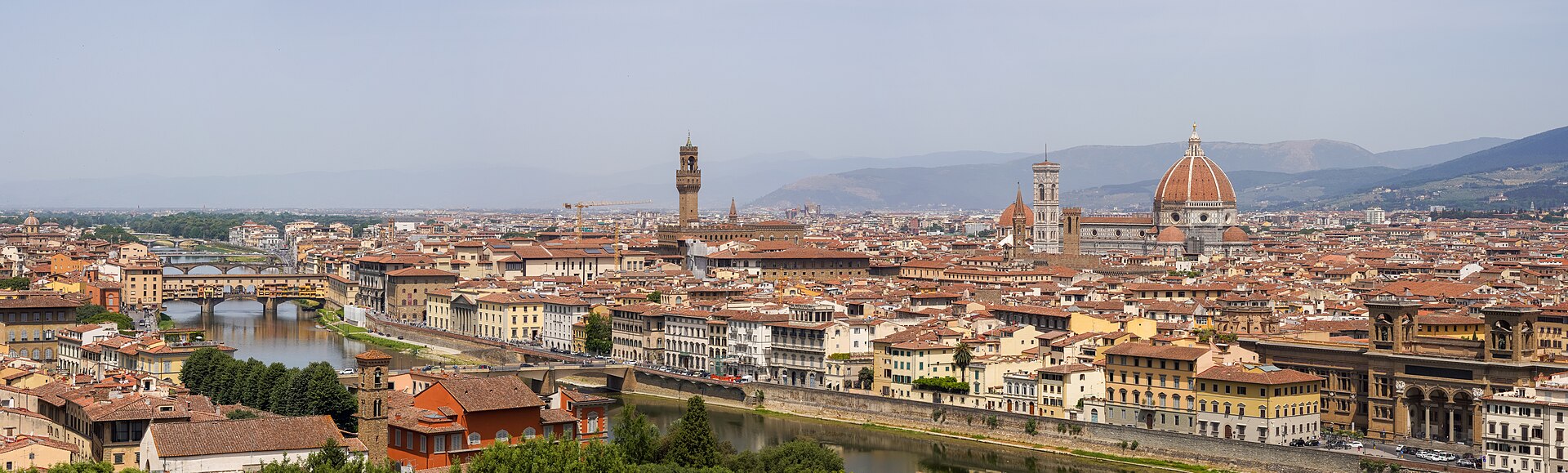
Italy holds 62 World Heritage Sites, more than any other country, spread across 301,340 km2 of land that runs from the Alps down into the middle of the Mediterranean. The distances between its cities are short and the differences between them are not: Venice has no roads, Naples sits under a volcano on a bay, Florence fits inside a walkable Renaissance grid, and Milan keeps its art indoors and works for a living. Rome is the capital and the obvious first trip; the argument is always about what comes second. Nearly 800 islands hang off the coast, and Sicily and Sardinia are each large enough to be a trip of their own.
Checked 2026-08-25
Every city catalogued in this country so far, ranked by how much there is to see.
Photograph · Bert Kaufmann from Roermond, Netherlands · CC BY-SA 2.0
Photograph · Daniel Case · CC BY-SA 3.0
Photograph · Wikibusters · CC BY-SA 4.0

Photograph · Martin Falbisoner · CC BY-SA 4.0
Ranked by importance — sitelinks, pageviews and heritage status, not editor preference.
40 places match
Category
Typical visit duration
Interests
Basilica di San Calimero is a historic Roman Catholic church near Corso di Porta Vigentina in southern central Milan.

Basilica di Sant’Eufemia
Basilica di Sant'Eufemia is a historic church in Milan, located in the city centre near the Roman ruins and the remains of the ancient circus.
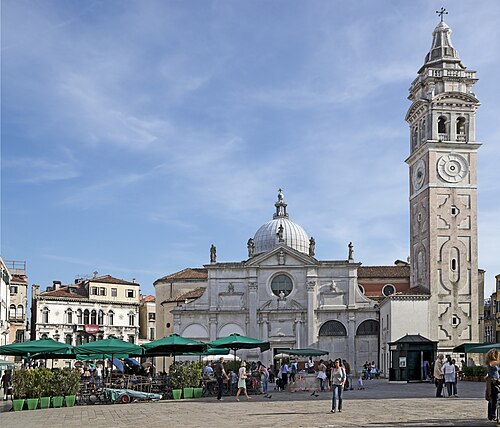
Chiesa di Santa Maria Formosa
Santa Maria Formosa is a historic church in the large and unusually shaped Campo Santa Maria Formosa in Venice’s Castello district.
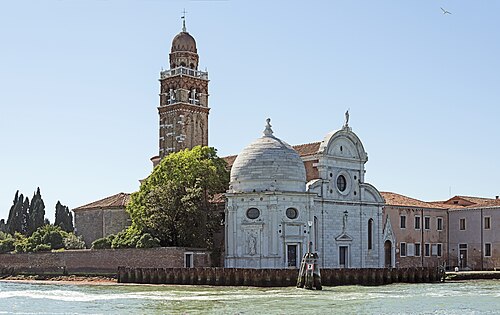
San Michele in Isola is a Renaissance church on the island of San Michele in the Venetian Lagoon.
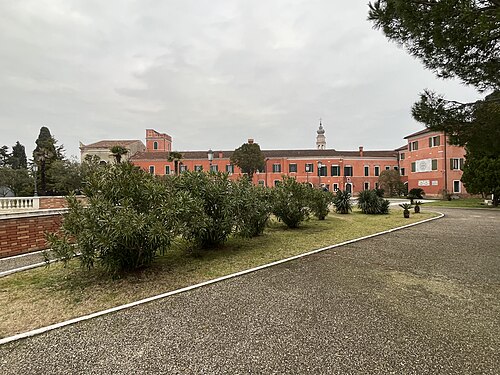
Monastero di San Lazzaro
The Monastery of San Lazzaro degli Armeni is an Armenian Catholic monastery located on a small island in the Venetian Lagoon.
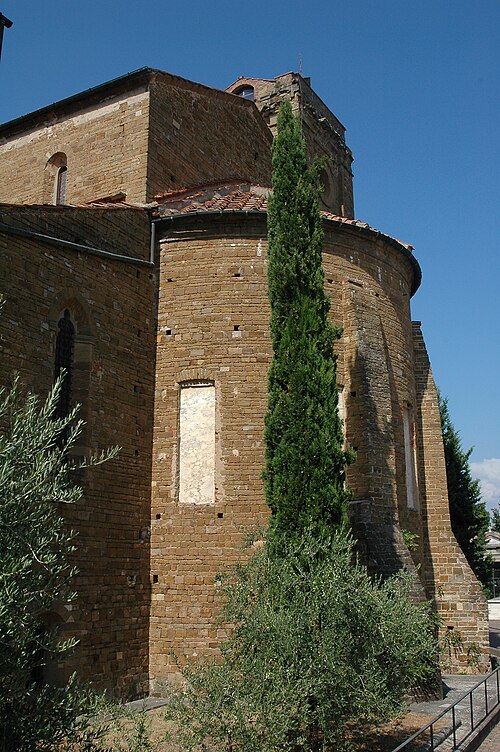
Abbazia di San Miniato al Monte is a historic basilica standing on one of Florence's highest hills, overlooking the city centre and the Arno valley.
Santi Biagio e Carlo ai Catinari
Chiesa dell'Ascensione di Nostro Signore Gesù Cristo
Ten to fourteen days can combine Milan, Venice, Florence, and Rome by high-speed train. Give Venice more than a transfer night and Rome several separate sightseeing days; rural Tuscany needs different transport planning from the rail-linked cities.
Italy is in the Schengen Area, but visa and passport requirements vary by nationality and route. Use Italy's official visa portal to confirm the applicable rule before travel rather than relying on another Schengen trip.
High-speed trains connect Milan, Venice, Florence, and Rome, with regional rail and coaches serving smaller places. Drivers must check ZTL restrictions before entering historic centres because access controls are local and can generate fines.
April to June and September to October broadly suit the north-to-Rome rail route. Lagoon conditions in Venice, summer heat in Rome, and seasonal rural services in Tuscany should be checked independently.
Italy uses the euro (EUR). Carry a modest cash reserve for small purchases while using cards where accepted, and verify the euro amount at the terminal instead of accepting an unexamined conversion.
Italy routes emergency calls through 112. Travellers encounter a 230 V supply and Type C, F, or L receptacles. No tap-water assessment is recorded for Italy; obtain current local advice at the destination.