

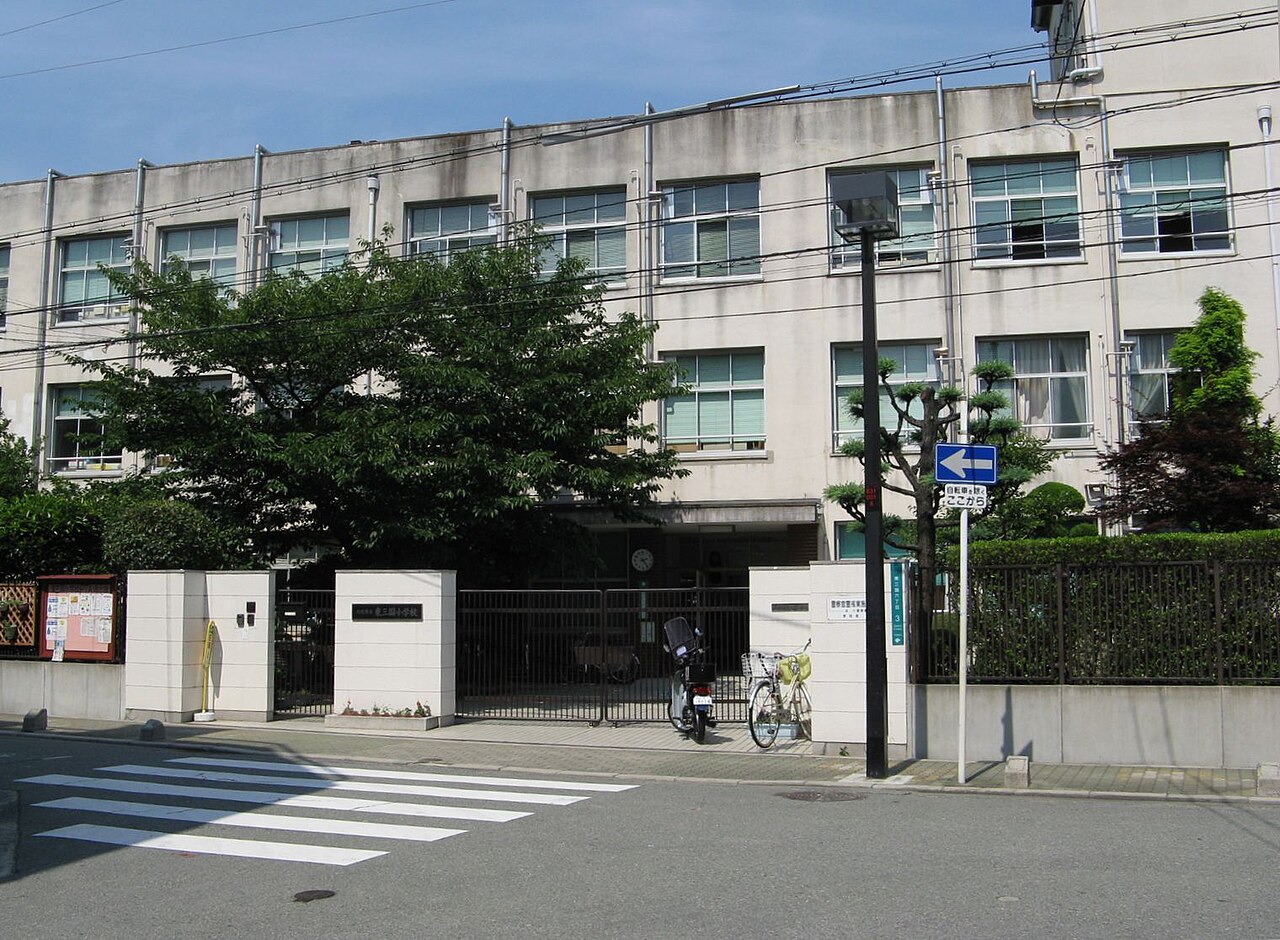
34 min walk
Higashimikuni Elementary School
- Must see
- Place of worship
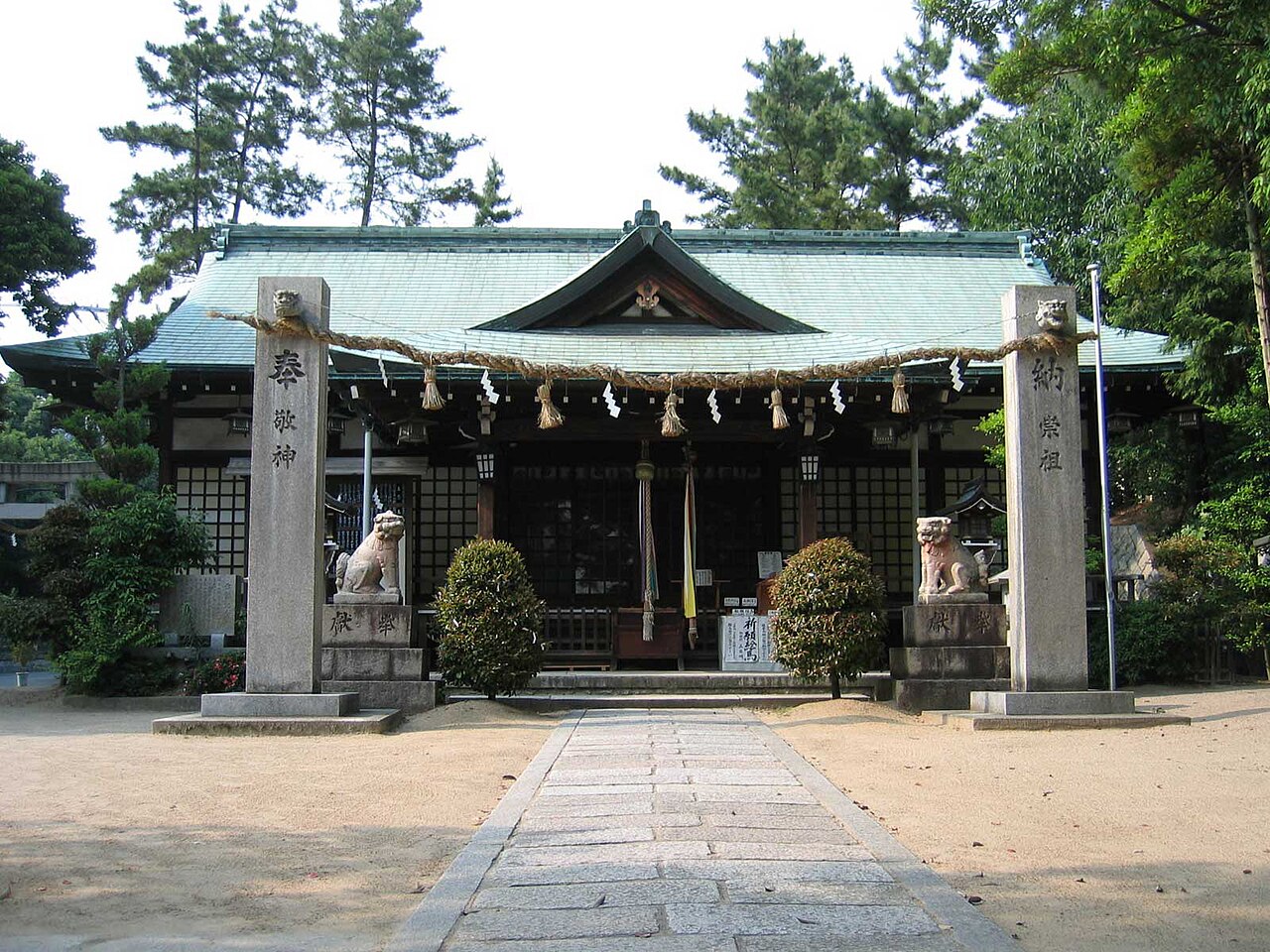
Place of worship · Osaka
素盞嗚尊神社
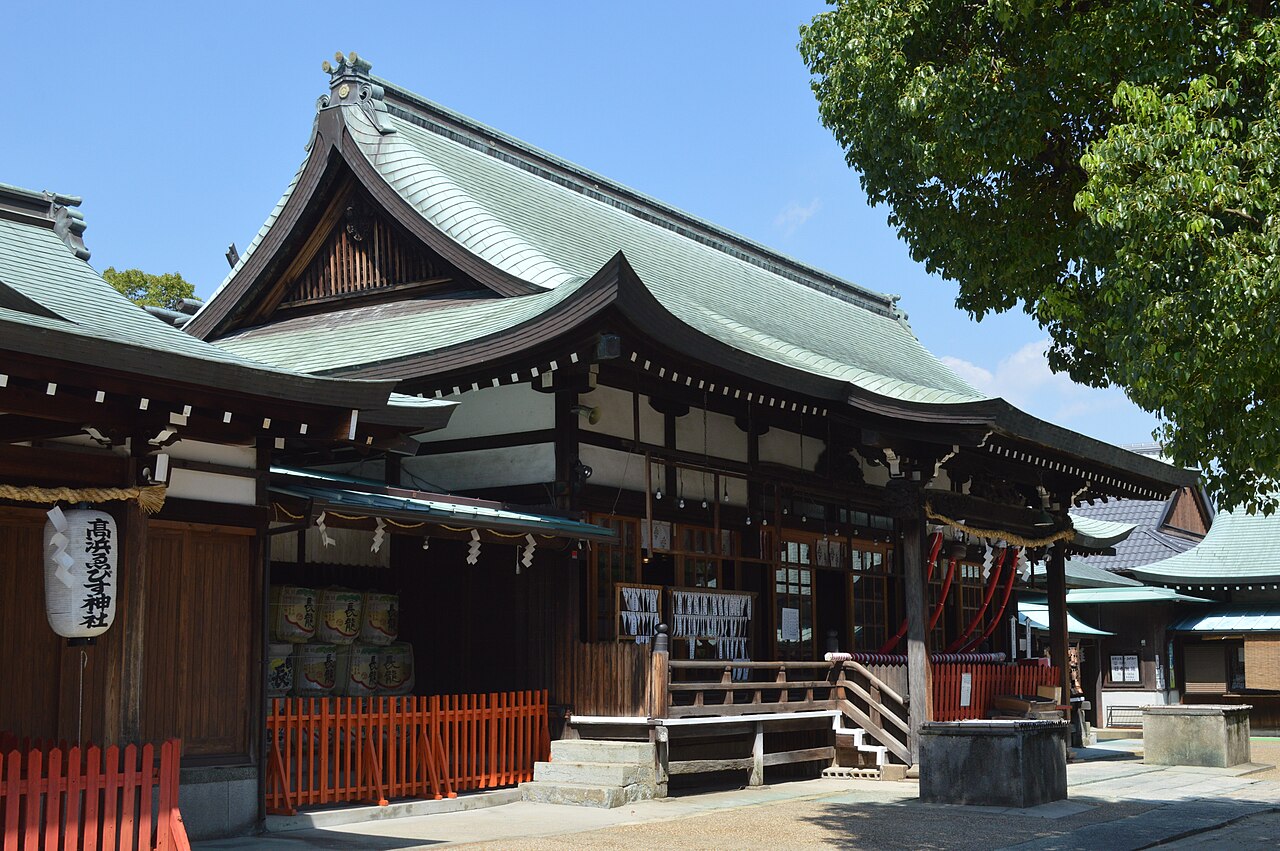
Known locally as 素盞嗚尊神社, Susanoo-no-Mikoto Shrine is a Shinto place of worship in Osaka dedicated to Susanoo-no-Mikoto, a major figure in Japanese mythology associated with storms and the sea. The shrine’s identity is devotional and local: it is a neighbourhood sanctuary embedded in the city, rather than a museum, landscaped spectacle, or staged attraction. Expect a compact visit shaped by prayer, quiet observation, and respect for people using the grounds. The Japanese name is especially useful because it identifies this particular shrine more precisely than the English name alone.
Checked 2026-09-02 · Source
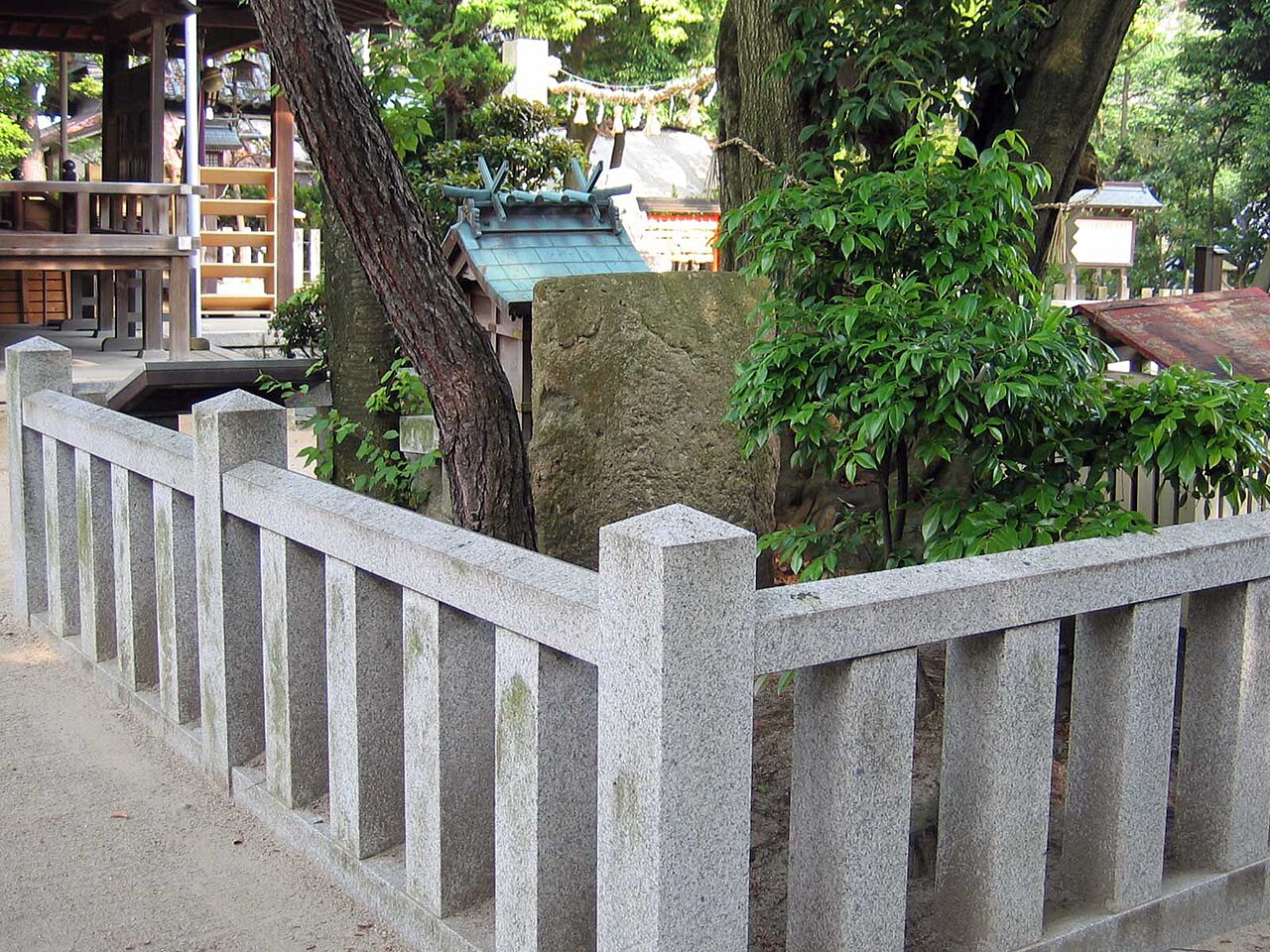
The grounds are the main experience at 素盞嗚尊神社. Follow the approach from the surrounding Osaka streets towards the worship area and notice the change from ordinary urban space to a consecrated setting. Shrine buildings, boundary features, and the place of prayer provide the principal points of attention; visible signs may add context to the site. There is no recorded museum interior, permanent exhibition, or visitor-centre programme to plan around. Instead, observe the layout and the way worshippers use the space, leaving room for their movements and allowing the shrine itself to set the pace.
Checked 2026-09-02 · Source
Allow approximately fifteen to forty-five minutes for a visit. The shorter end covers the approach, a quiet look at the shrine buildings, and a respectful prayer. Use the longer end if you want to read signs, observe architectural details, make permitted exterior photographs, or pause with the atmosphere. Susanoo-no-Mikoto Shrine suits a focused urban stop rather than a half-day excursion. Its compact scale makes it easy to place between other Osaka plans, provided you leave flexibility for worshippers and local activity on the grounds. Move at the site’s rhythm instead of treating the visit as a timed attraction.
Checked 2026-09-02 · Source
Plan a daylight visit, when the approach and grounds are easier to understand and the surrounding streets are more comfortable to navigate. An early visit may provide a calmer atmosphere, but do not build an itinerary around an assumed ceremony, quiet period, or event. Osaka’s summer heat and humidity can make an outdoor stop tiring, while cooler weather may be more comfortable for lingering. Keep your timing adaptable if worship is taking place, and give religious activity priority over sightseeing. A flexible schedule lets you notice the transition into sacred space and move through the grounds without rushing.
Checked 2026-09-02 · Source
No admission price is recorded for 素盞嗚尊神社, so this guide does not publish a fee or claim that entry is free. No standard visitor ticket, advance reservation, or timed-entry arrangement is recorded either. Treat the site as a place of worship and follow instructions displayed on the grounds. If you wish to pray, make an offering, or obtain a devotional item, follow the shrine’s own directions for that action. Those activities should not be confused with admission, and this page attaches no price to them.
Checked 2026-09-02 · Source
Use the Japanese name 素盞嗚尊神社 together with the exact OpenStreetMap way identity when checking a route. Osaka’s rail and bus network can bring you into the wider area; from there, a walk or taxi may be practical depending on your starting point. No specific interchange is confirmed for this shrine. Japanese addresses use block-and-building numbering, so compare the map pin with surrounding streets before setting off. Showing the Japanese name to station staff or a driver can help distinguish this shrine from places with similar English names. Keep the map identity available until the final approach is clear.
Checked 2026-09-02 · Source
Susanoo-no-Mikoto Shrine is an active religious setting, not a themed photo attraction. Keep voices low near worshippers, avoid blocking the approach, and do not stand in the centre of a sacred pathway. Observe local practice before joining any prayer ritual, and do not touch structures, ornaments, or offerings unless invited. Ask before photographing people or restricted areas. If rain, heat, or a ceremony makes the grounds crowded, shorten the visit and give people using the shrine priority. Wear suitable footwear for outdoor ground. Access is limited, but the approach, surfaces, and route that cause difficulty are not identified.
Checked 2026-09-02 · Source
Read signs on arrival and follow instructions from shrine personnel. Exterior buildings, gates, approaches, and architectural details may be suitable subjects when permitted, while interiors or marked private areas should remain unphotographed. Keep cameras away from people who are praying, ask before photographing individuals, and avoid flash if it could disturb worshippers. Large equipment, tripods, and drones can obstruct a compact sacred space, so use them only with clear permission. Take a few careful images, then put the camera away and give attention to the shrine’s atmosphere and local use. A respectful photograph records the setting without turning worship into a performance.
Checked 2026-09-02 · Source
The shrine is locally known as 素盞嗚尊神社. Use this Japanese name when checking signs, map results, or asking for directions in Osaka.
The shrine is dedicated to Susanoo-no-Mikoto, a major figure in Japanese mythology associated with storms and the sea.
Allow approximately fifteen to forty-five minutes for the approach, a respectful prayer, observing the grounds, and permitted exterior photography.
No verified opening timetable is recorded for this shrine. Plan a daylight visit and follow any current notices displayed at the grounds.
No admission price is recorded for the shrine, so this guide does not publish a fee or claim that entry is free.
Access is recorded as limited, but the approach, surfaces, and routes that create the limitation are not identified. Assess the approach on arrival.
Loading the interactive map…
The interactive map could not be loaded.
Last updated:
Source: OpenStreetMap contributors, Wikidata ·