
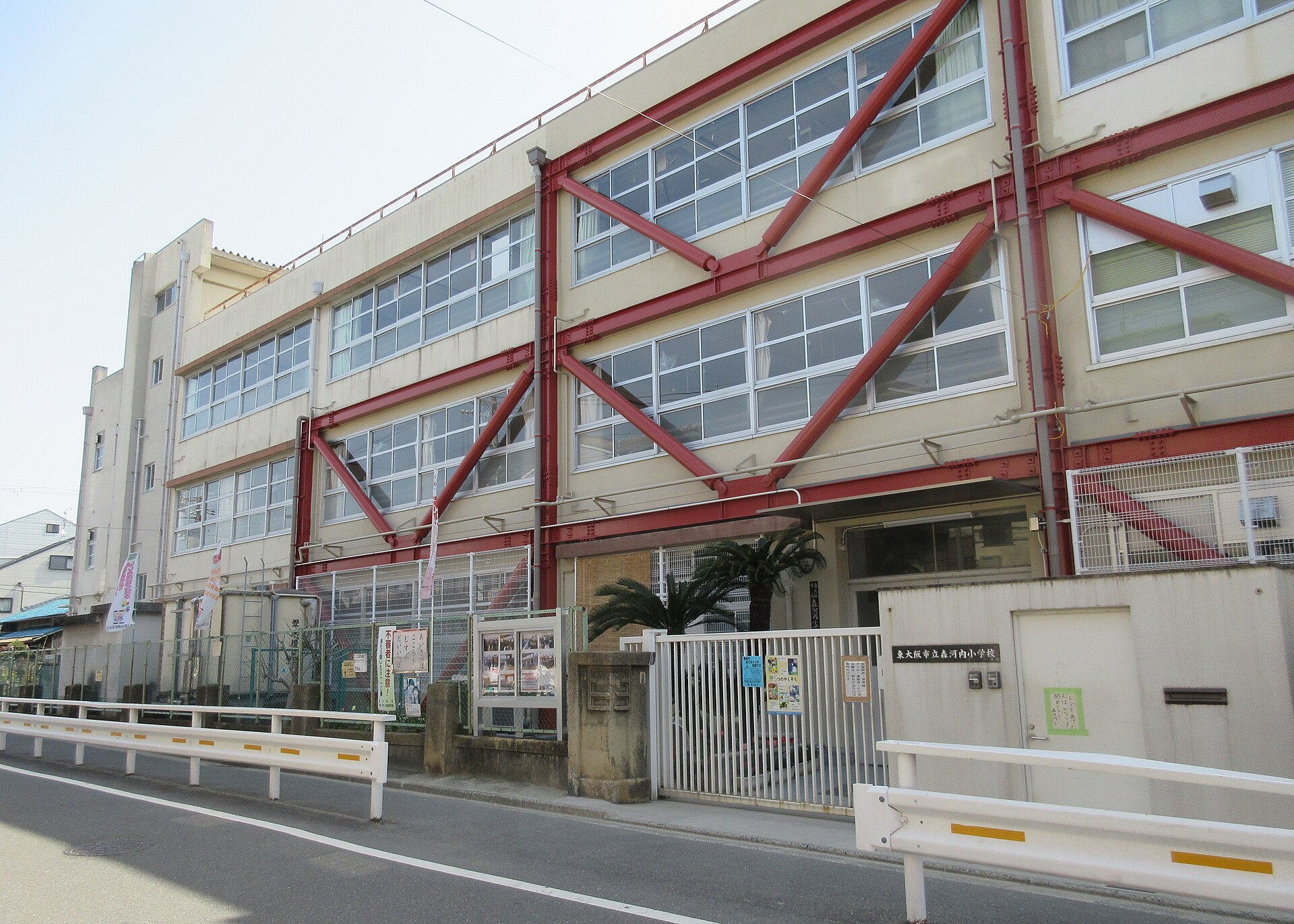
7 min walk
東大阪市立森河内小学校
- High
- Place of worship
Language · 11 published
Place of worship · Osaka
諏訪神社
Reviewed by Elena Voss · Roavina Travel Editor
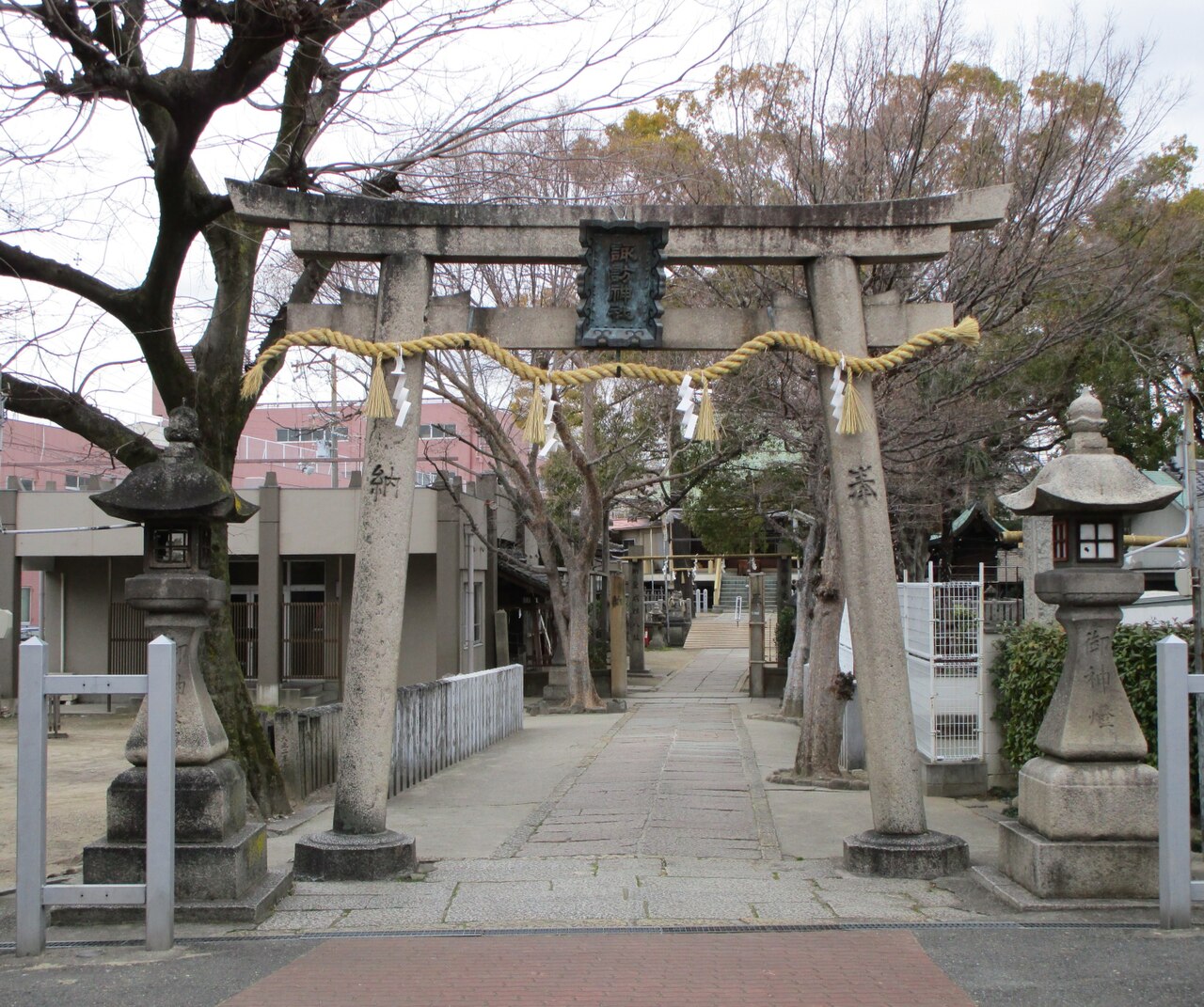
This place is a Place of worship.
Suwa Shrine is a Shinto shrine in Osaka, also known locally as 諏訪神社. It belongs to the wider tradition of shrines devoted to Suwa Myojin, associated with wind, water, and martial protection. For travelers, it offers a small religious site where everyday worship and neighborhood life meet within Osaka’s metropolitan setting. Suwa Shrine is a Shinto shrine in Osaka, known locally as 諏訪神社. It belongs to the broader network of shrines dedicated to Suwa Myojin, a deity associated with wind, water, and martial protection. The shrine serves as a place of worship and community gathering within the urban fabric of Osaka. The shrine represents an example of traditional Japanese religious architecture and practice maintained within a major metropolitan environment. It is identified as a notable visitor place within Osaka's verified production city pool, though expectations should match its character as a neighborhood shrine rather than a landmark complex.
Checked 2026-08-26 · Source
The grounds provide the intimate atmosphere typical of an urban Shinto shrine. Look for the torii marking the sacred entrance, the approach to the worship hall, sacred ropes, paper streamers, and devotional details. The setting is suited to quiet observation and prayer rather than a long museum visit or an extensive architectural tour. The shrine grounds typically contain structures common to Shinto sites, including a torii gate marking sacred entrance space, a main hall for prayers and offerings, and subsidiary structures for ritual purposes. Visitors may observe shimenawa sacred ropes, paper streamers, and other traditional religious ornaments. Worshippers and visitors should expect a compact urban shrine setting rather than expansive grounds. Seasonal decorations may appear during festivals.
Checked 2026-08-26 · Source
Allow about fifteen to thirty minutes for a calm visit. That gives enough time to enter respectfully, notice the shrine’s architectural details, make an offering if you wish, and pause in the grounds. A festival visit or a personal interest in Shinto customs can naturally take longer than a brief neighborhood stop. A visit to Suwa Shrine typically requires a modest time commitment appropriate for a neighborhood shrine rather than a major destination complex. Most visitors spend between fifteen and thirty minutes for prayer, observation, and brief contemplation. Those participating in formal rituals or visiting during festival periods may extend their stay. The compact nature of urban shrines generally precludes lengthy exploration. Visitors combining this site with surrounding attractions should allocate time accordingly without expecting extensive grounds or multiple exhibition areas.
Checked 2026-08-26 · Source
The shrine works well as a short stop during an Osaka day, especially when you want a quieter contrast with busy commercial districts. Early morning or evening can feel more peaceful than the middle of the day. Summer visits are hot and humid, so keep the outdoor nature of the grounds in mind. Visitors should verify current accessibility before planning their trip, as shrine opening patterns vary considerably between establishments. Some shrines maintain continuous ground access while restricting building interiors, others operate on defined schedules. Seasonal considerations include summer heat and humidity in Osaka, which may affect comfort during outdoor portions of visits. Early morning and evening visits may offer quieter atmosphere regardless of formal operational status. A flexible visit lets travellers connect Suwa Shrine with the rest of the day without treating one room, viewpoint or photograph as the whole experience.
Checked 2026-08-26 · Source
General shrine visits are centered on worship and moving through the grounds, not on a ticketed exhibition. Bring a small amount of cash if you would like to place an offering at the worship hall. Any devotional purchase or special ceremony is separate from simply entering the shrine grounds.
Checked 2026-08-26 · Source
Suwa Shrine is part of Osaka’s urban environment, so plan the final approach through ordinary city streets after traveling by local rail, subway, bus, taxi, bicycle, or on foot. Use the mapped OpenStreetMap location for the last part of the route. The shrine is best treated as a neighborhood stop rather than a large destination complex.
Checked 2026-08-26 · Source
Treat the site as an active place of worship. Bow at the torii, keep to the side of the approach where appropriate, and speak quietly. Use purification facilities respectfully when available, and take care around gravel, steps, or uneven paving. Do not interrupt people who are praying, especially during ceremonies or festivals.
Checked 2026-08-26 · Source
The exterior grounds and architectural details make suitable subjects for quiet photography. Keep cameras away from worshippers during prayer and avoid treating the sanctuary as a backdrop for intrusive shots. Follow any signs on site, avoid flash where it may disturb worship, and ask before using tripods or taking commercial photographs.
Checked 2026-08-26 · Source
It is a Shinto shrine in Osaka dedicated to the tradition of Suwa Myojin, associated with wind, water, and martial protection.
Plan roughly fifteen to thirty minutes for prayer, observation, and a quiet pause in the grounds.
Enter respectfully through the torii, keep your voice low, and use the shrine’s worship and purification customs with care.
Yes. Its compact urban setting suits a brief cultural pause between other Osaka neighborhoods and attractions.
The shrine belongs to the wider Suwa Myojin tradition, connected with wind, water, and martial protection.
Quiet exterior photography is appropriate, while worshippers, prayer moments, and restricted areas should be treated with respect.
Loading the interactive map…
The interactive map could not be loaded.
Last updated:
Source: OpenStreetMap contributors, Wikidata ·