Roavina

Country guide

Japan

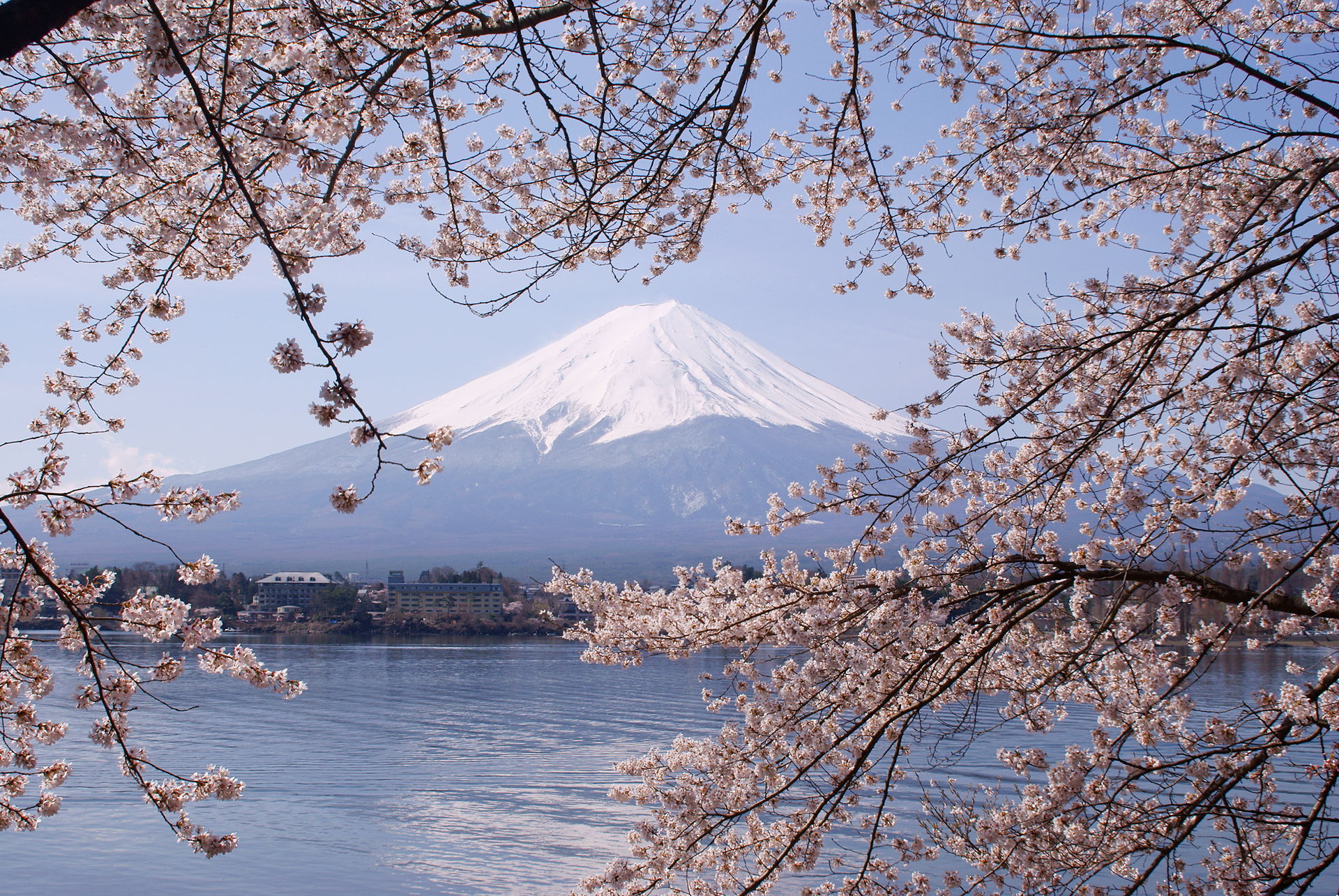
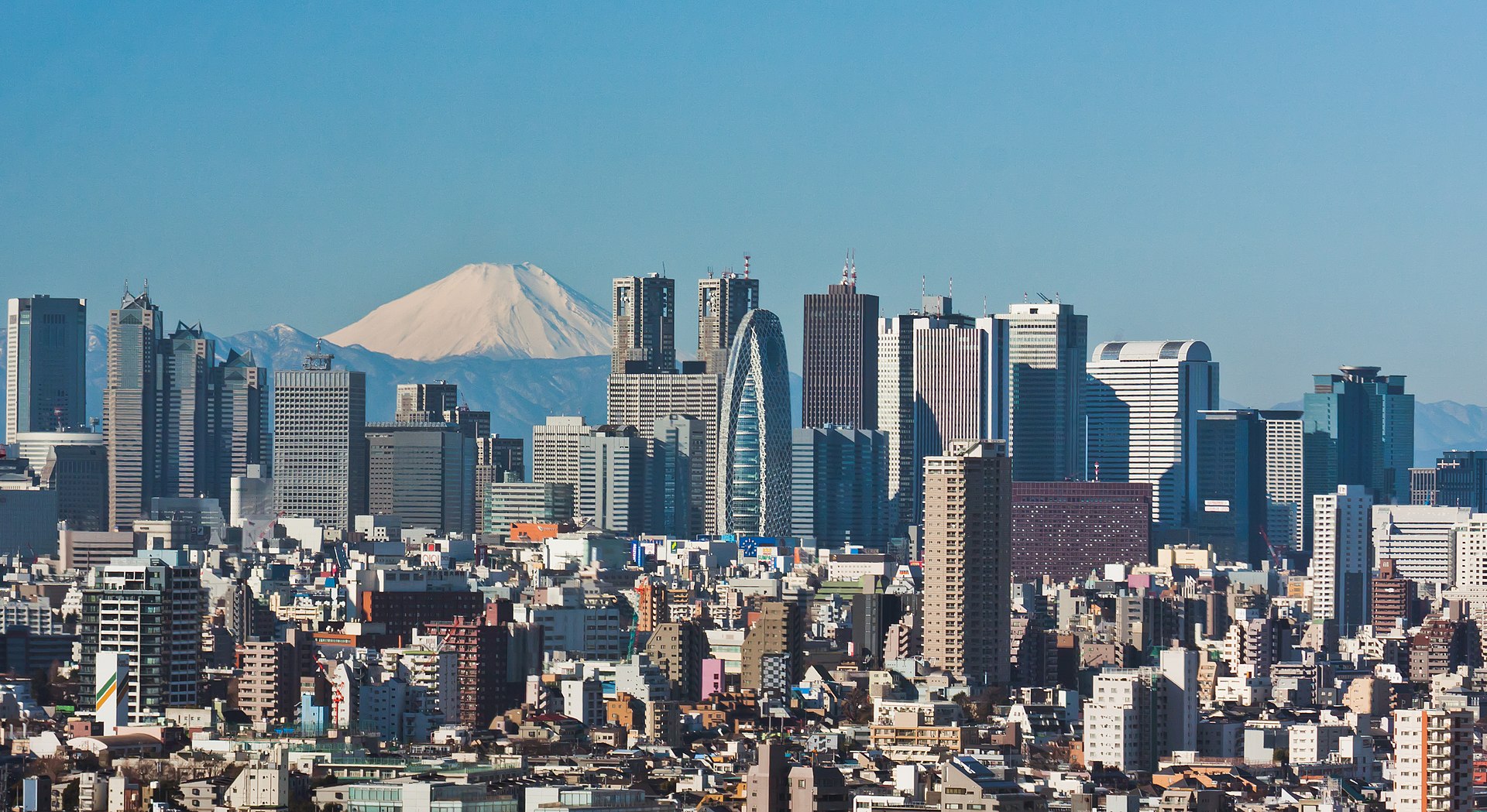
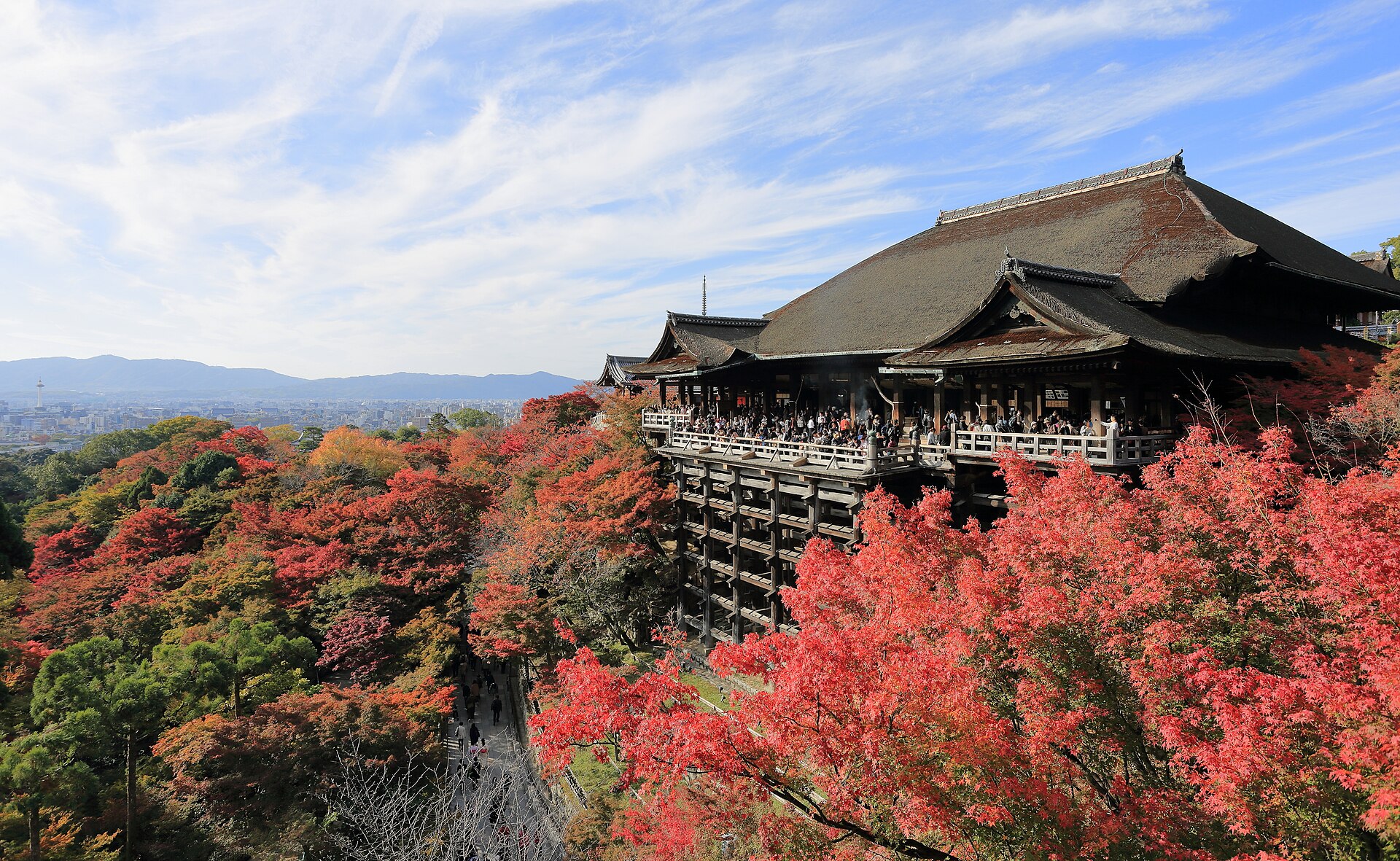
A photograph of Japan
Photograph · Midori · CC BY 3.0

Around three quarters of Japan is mountain and forest, which pushes almost everyone onto the eastern coastal plains and makes the country far narrower in practice than 377,975 km2 suggests. Forty-seven prefectures, eight traditional regions and more than 14,000 smaller islands, and yet a first visit usually runs along a single rail corridor with Tokyo at one end and Kyoto and Osaka at the other. Tokyo is the capital and largest city of a country of almost 123 million people. Hokkaido in the north and Okinawa in the south are different climates rather than day trips, and both need their own week.

Reviewed by Elena Voss · Roavina Travel Editor

Cities

Every city catalogued in this country so far, ranked by how much there is to see.

Practical information

Language spoken
Japanese
National practical orientation; regional and minority languages may also be used
Dialling code
+81
International calling code; local area and mobile prefixes still apply
Currency
Japanese yen (JPY)
Use the official local currency; card acceptance varies by place
Emergency number
110 police · 119 fire and ambulance
Use only for an emergency; tourist assistance may use a separate number
Plug type
Type A · 100 V
Check that chargers support the recorded voltage before using an adapter
Tap water
Safe from the mains
JNTO states that tap water is safe to drink

Planning a visit

  1. January: seasonal closure recorded
  2. February: seasonal closure recorded
  3. March: seasonal closure recorded
  4. April: seasonal closure recorded
  5. May: seasonal closure recorded
  6. June: seasonal closure recorded
  7. July: seasonal closure recorded
  8. August: seasonal closure recorded
  9. September: seasonal closure recorded — this month
  10. October: seasonal closure recorded
  11. November: seasonal closure recorded
  12. December: seasonal closure recorded

Top things to see

Ranked by importance — sitelinks, pageviews and heritage status, not editor preference.

  1. Takeshita Street Takeshita Street
    201 45 min

    Takeshita Street

    Takeshita Street is a narrow pedestrian shopping street in Harajuku, running from the area beside Harajuku Station toward the northern end of Omotesando. The street is known for youth fashion, accessories, cosmetics, novelty goods, crepes and quick-service food.

    • Notable
    • Historic monument
    • Tokyo
  2. tenryu-ji tenryu-ji
    202 45 min

    tenryu-ji

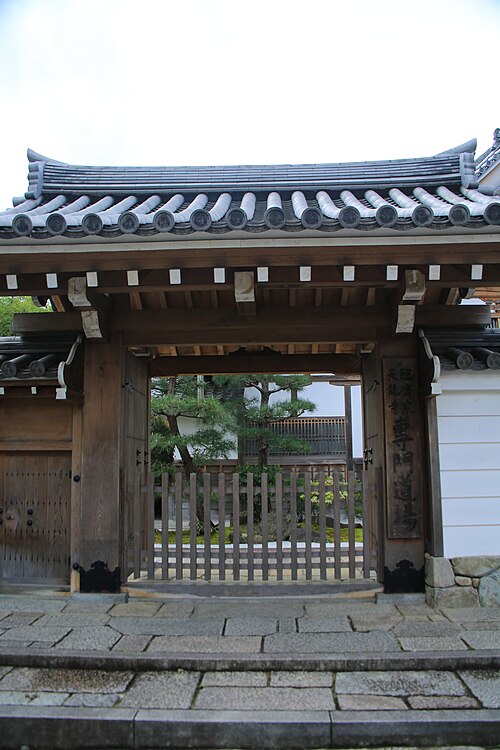
    Tenryu-ji is a Zen Buddhist temple in Kyoto's Arashiyama district. It ranks among the city's five great temples and holds World Heritage status as part of the Historic Monuments of Ancient Kyoto.

    • Notable
    • Historic monument
    • Kyoto
  3. Tokyo Character Street Tokyo Character Street
    203 45 min

    Tokyo Character Street

    Tokyo Character Street is a commercial attraction located in Tokyo Station's Ichibangai shopping area beneath Marunouchi. The destination features shops and displays centered on popular Japanese characters from animation, manga, and related media franchises.

    • Notable
    • Historic monument
    • Tokyo
  4. Tokyo International Forum Tokyo International Forum
    204 45 min

    Tokyo International Forum

    Tokyo International Forum is a major convention and exhibition center in the Marunouchi district near Tokyo Station. The complex comprises multiple halls and exhibition spaces designed for international conferences, trade shows, concerts, and corporate events.

    • Notable
    • Historic monument
    • Tokyo
  5. Yanaka Ginza Yanaka Ginza
    205 45 min

    Yanaka Ginza

    谷中銀座

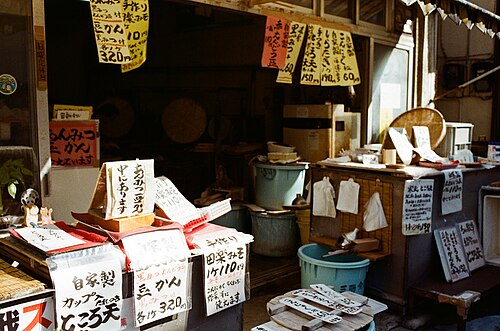
    Yanaka Ginza is a historic shopping street in Tokyo's Yanaka district, part of the traditional shitamachi downtown area.

    • Notable
    • Historic monument
    • Tokyo
  6. 日本橋 日本橋
    206 45 min

    日本橋

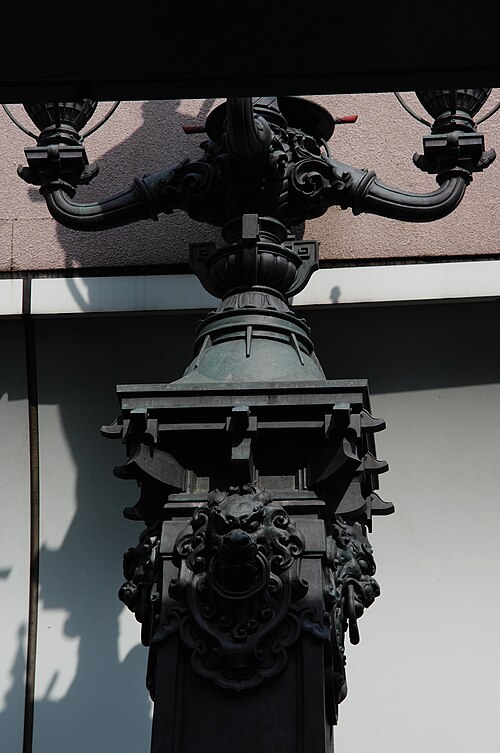
    Nihonbashi Bridge is a historic bridge in central Tokyo, Japan. The current structure is a reconstruction of the original wooden bridge first built in 1603 during the Edo period.

    • Notable
    • Historic monument
    • Tokyo
  7. 道頓堀 / Doutonbori Street 道頓堀 / Doutonbori Street
    207 45 min

    道頓堀 / Doutonbori Street

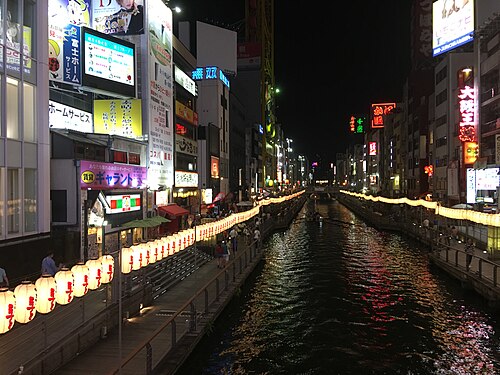
    Dotonbori is a principal entertainment and dining district in Osaka's Chuo Ward, centred on a canal of the same name. The area traces its origins to the early 17th century when merchant Yasui Doton initiated canal construction.

    • Notable
    • Historic monument
    • Osaka
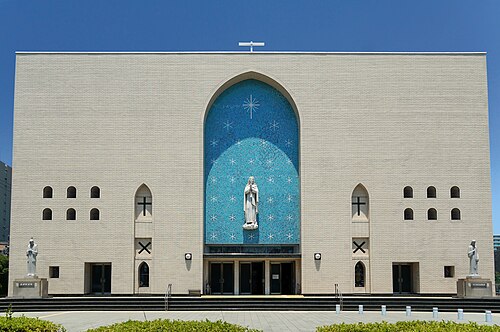
  8. Grand Cathedral of the Virgin Mary of Osaka Grand Cathedral of the Virgin Mary of Osaka
    209 30 min

    Grand Cathedral of the Virgin Mary of Osaka

    カトリック玉造教会

    Osaka-Takamatsu Cathedral St. Mary’s is the cathedral of the Catholic Archdiocese of Osaka-Takamatsu and the home of Tamatsukuri Catholic Church. The present cathedral was designed by Eikichi Hasebe and dedicated on 21 March 1963.

    • High
    • Place of worship
    • Osaka
  9. Rakurakuso
    210 1 hour

    Rakurakuso

    がんこ 京都 亀岡 楽々荘

    • Notable
    • Restaurant or café
    • Kyoto
  10. The Garden Oriental Osaka
    211 1 hour

    The Garden Oriental Osaka

    ザ・ガーデンオリエンタル・大阪

    • Notable
    • Restaurant or café
    • Osaka
  11. 10W Gallery
    212 1 hour

    10W Gallery

    • Notable
    • Art and culture venue
    • Osaka

Source: OpenStreetMap contributors, Wikidata ·

Common questions

How long should a first trip to Japan be?

Ten to fourteen days supports four or five days in Tokyo, three or four in Kyoto, and two or three in Osaka. Add Nara or Himeji only after those bases have enough time, and avoid turning every rail stop into a hotel change.

What entry documents are needed for Japan?

Japan's visa exemption or visa requirement depends on passport and travel purpose. Confirm the current rule through Japan's Ministry of Foreign Affairs or the embassy responsible for the traveller's residence.

What is the best way to travel around Japan?

The Tokaido Shinkansen links Tokyo, Kyoto, and Osaka, while local rail and buses cover city travel. An IC card simplifies many local journeys but does not replace every reserved long-distance ticket, and luggage forwarding can reduce friction between bases.

When is a practical time to visit Japan?

March to May and October to November are broad options for the main-island route, with blossom and autumn periods creating concentrated demand. Confirm regional weather and reservations for the exact cities rather than assuming one national season behaves uniformly.

What money and payment basics apply in Japan?

Japan uses the yen (JPY). Electronic payment is common but not universal, so carry some yen for smaller businesses, ticket machines, or rural transport without assuming that one stored-value card works for every purchase.

What practical safety details should I save for Japan?

Japan's emergency numbers are 110 for police and 119 for fire or ambulance. Type A sockets operate at 100 V, which is lower than in the other wave-A countries, and mains tap water is recorded as safe.