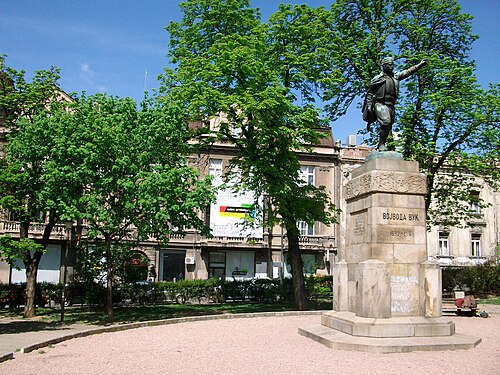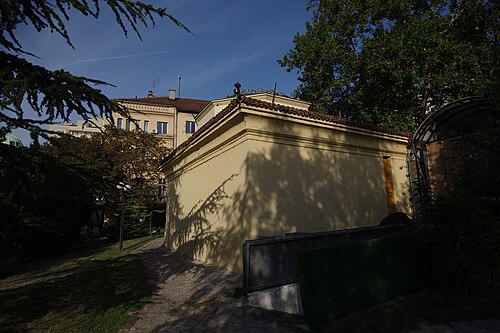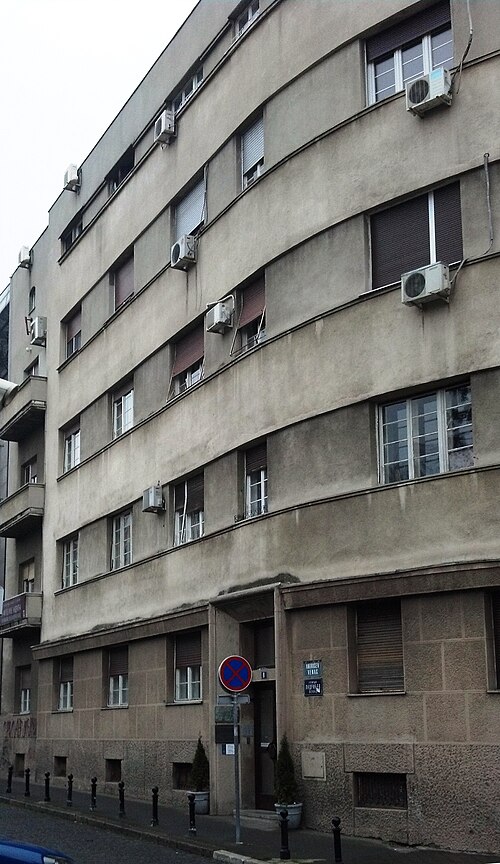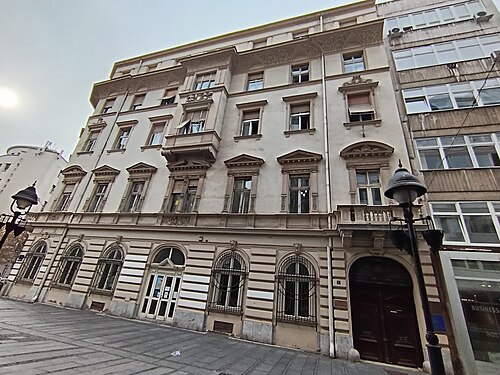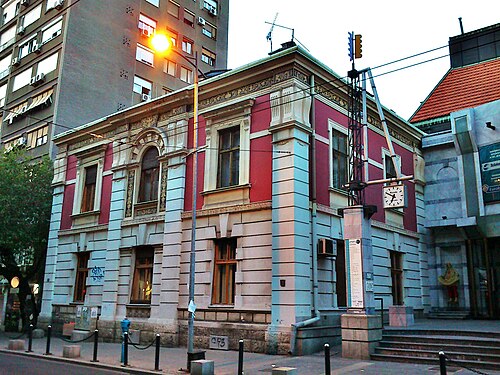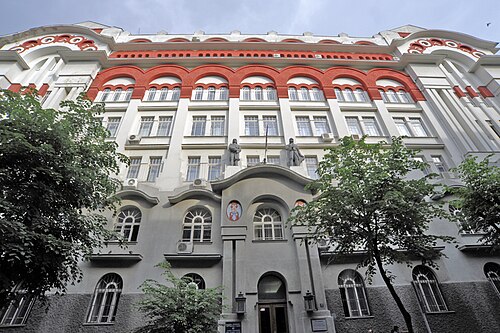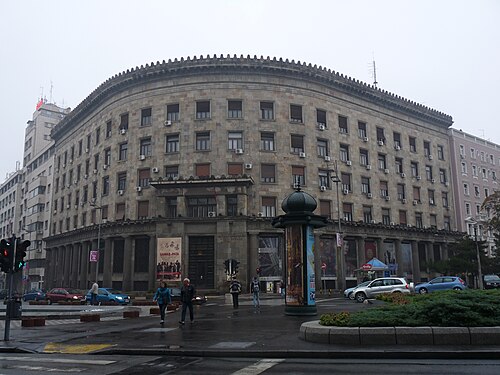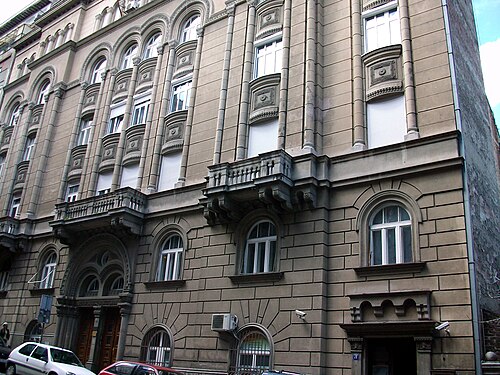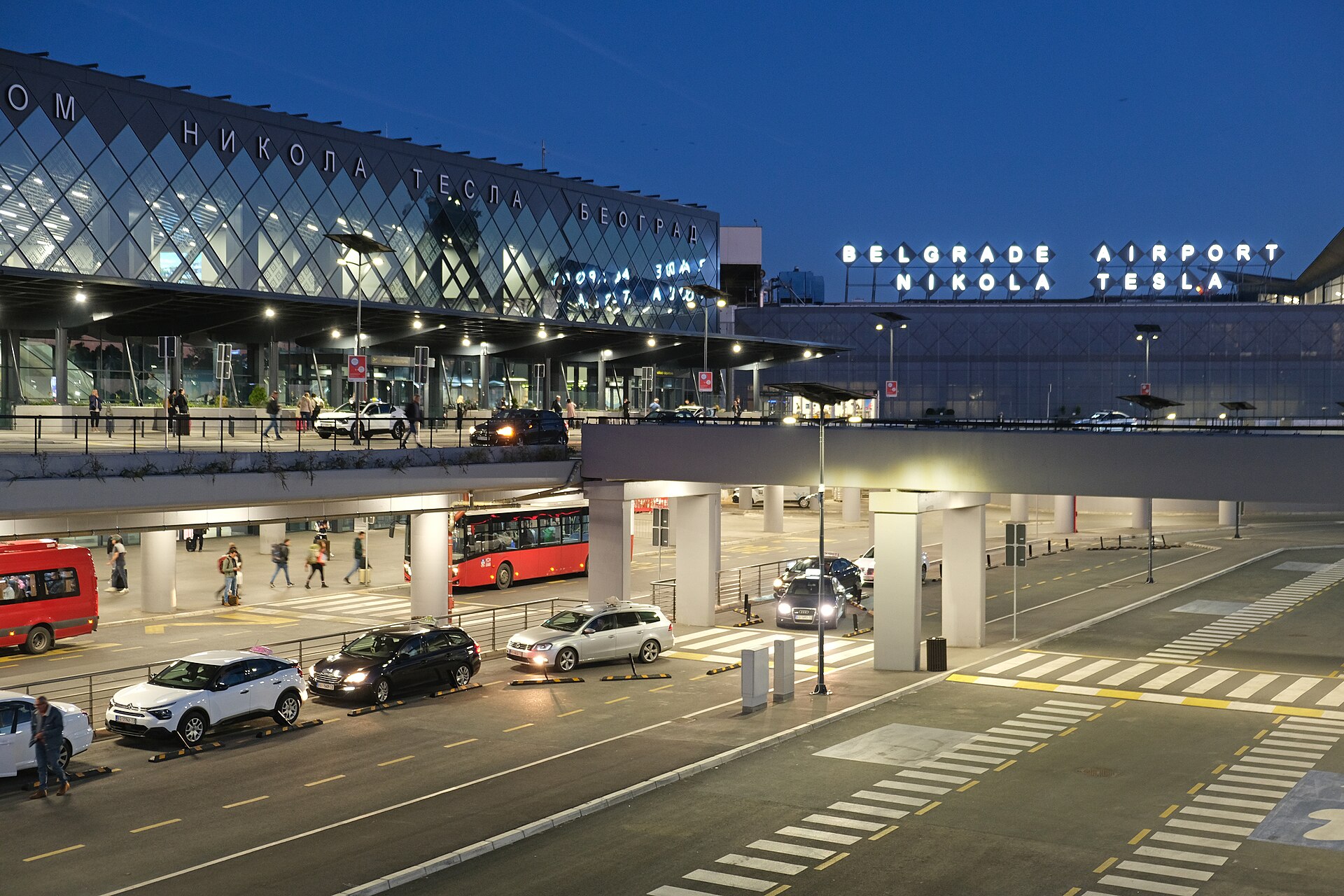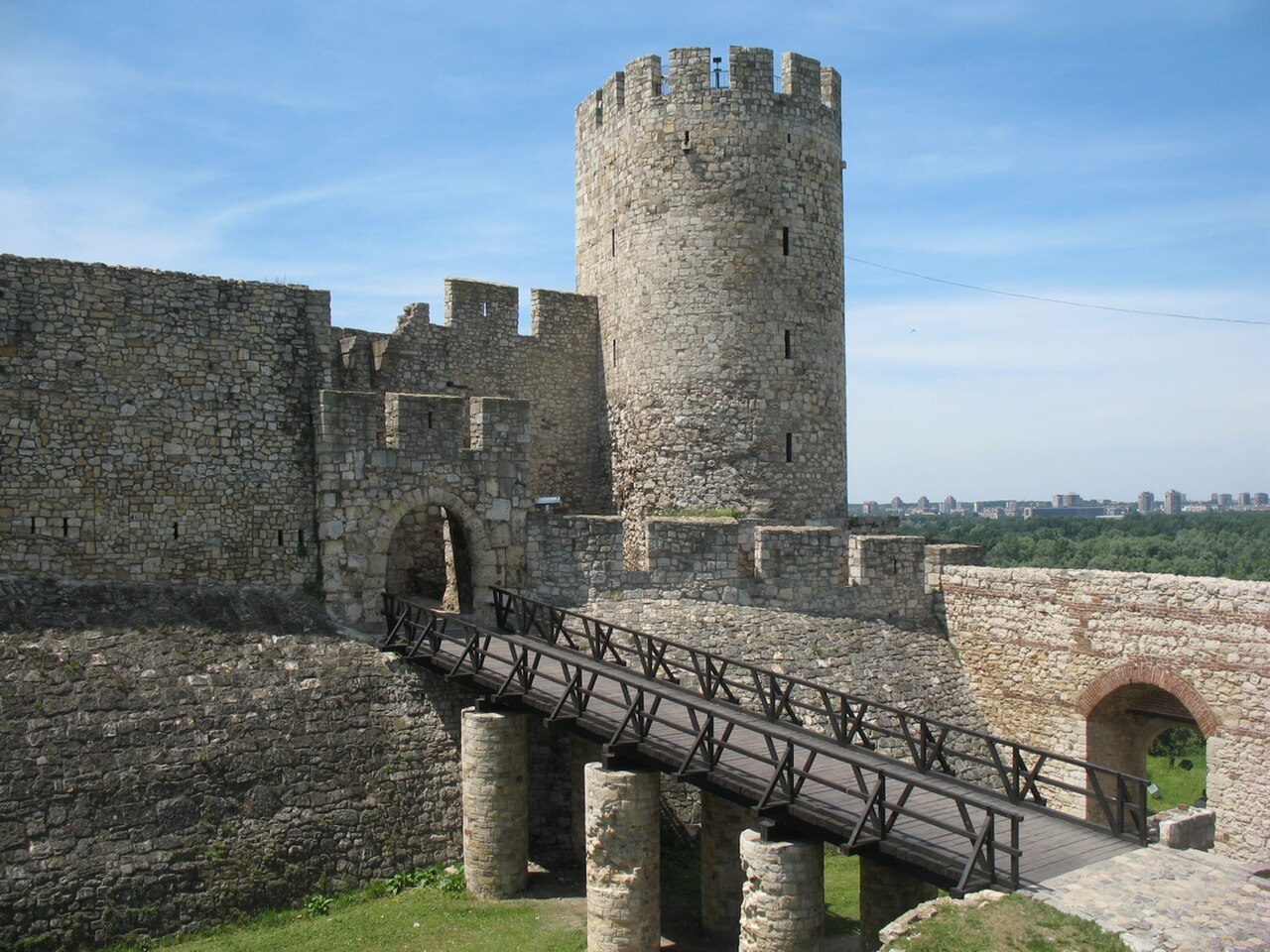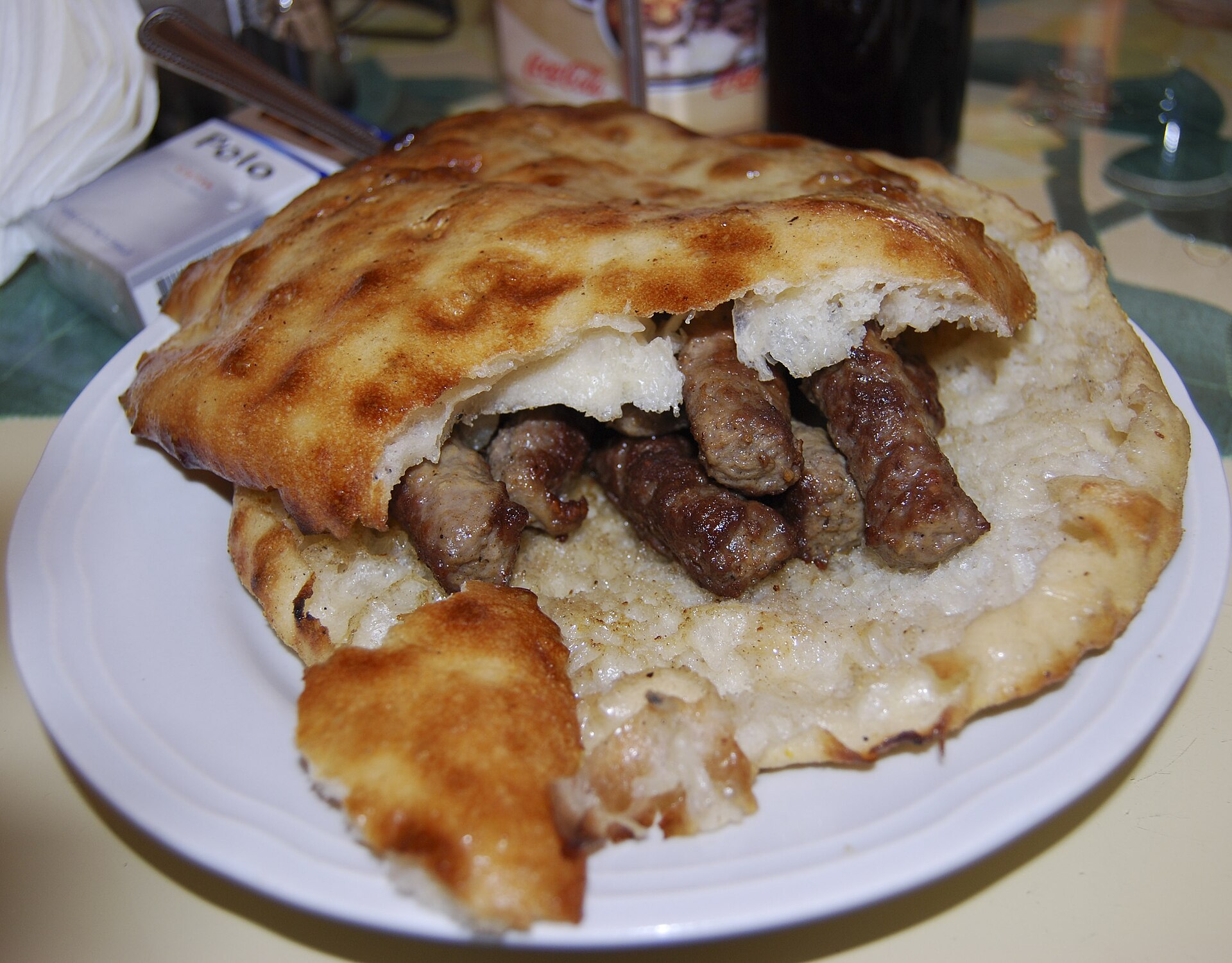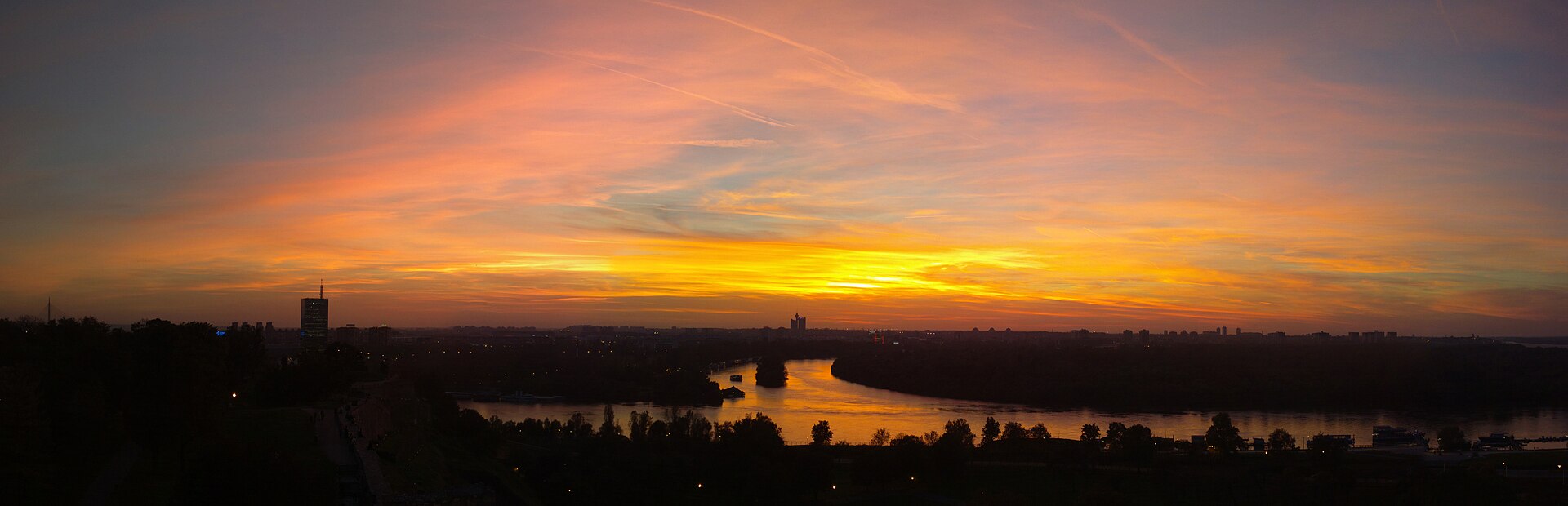
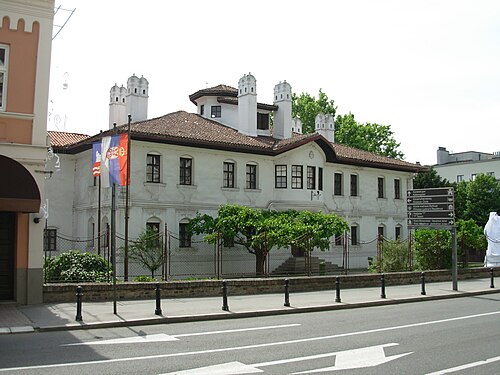
A photograph of Belgrade

City guide · Serbia

Belgrade

Belgrade is 389.12 km² holding 1,197,714 people, and it stands on the point where the Sava runs into the Danube. That confluence is why the city exists and why...

Photograph · Vladimir Nolic · CC BY-SA 4.0

1,817 Places
10 Districts
Suggested stay
2–3 days
Getting around
Tram, bus and on foot

Turn this list into a plan

Set your days, your pace and the hours you actually want to be out. The planner works around closing days and travel time, and leaves room to eat.

Plan Belgrade

Reviewed by Elena Voss · Roavina Travel Editor

Belgrade is 389.12 km² holding 1,197,714 people, and it stands on the point where the Sava runs into the Danube.

That confluence is why the city exists and why it has been fought over so relentlessly: it has been battled over in 115 wars and razed 44 times. The name Beograd means white city.

The administrative area holds 1,682,720 people across 3,234.96 km² in 17 municipalities. The part a visitor uses is a fraction of that — the old town on the ridge above the rivers, and the streets running down from it.

Checked 2026-08-23

Practical information

Language spoken
Serbian
Written in both Cyrillic and Latin; English is understood in tourist districts
Dialling code
+381 11
Belgrade landlines; drop the leading 0 of 011 when calling from abroad
Currency
Serbian dinar (RSD)
Euros are not accepted; cards are widely taken in Belgrade
Emergency number
112
One number across the country; 194 reaches an ambulance directly
Plug type
Type C and F · 230 V
Standard European two-pin
Tap water
Not recorded
No verified national source in the dataset

Planning a visit

September · September moderates to a 23.9°C mean high in Belgrade with 204 sunshine hours and 55.3 mm of rain.

  1. January: viable with meaningful trade-offs
  2. February: viable with meaningful trade-offs
  3. March: good time to visit
  4. April: best time to visit
  5. May: best time to visit
  6. June: good time to visit
  7. July: viable with meaningful trade-offs
  8. August: viable with meaningful trade-offs
  9. September: best time to visit — current month
  10. October: best time to visit
  11. November: good time to visit
  12. December: viable with meaningful trade-offs

Sources

Top things to see

Ranked by importance — sitelinks, pageviews and heritage status, not editor preference.

  1. Princess Ljubica's Residence Princess Ljubica's Residence
    07 1 hour

    Princess Ljubica's Residence

    Конак кнегиње Љубице

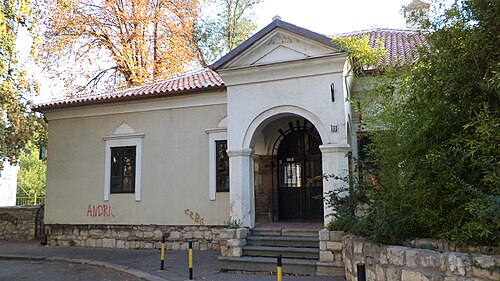
    Princess Ljubica’s Residence is an 1830 house commissioned as a representative court for the Obrenović dynasty. Hadži Nikola Živković, Prince Miloš Obrenović’s official builder, designed and supervised its construction.

    • Must see
    • Museum
    • Stari Grad
  2. Ethnographic Museum Ethnographic Museum
    08 1 hr 30 min

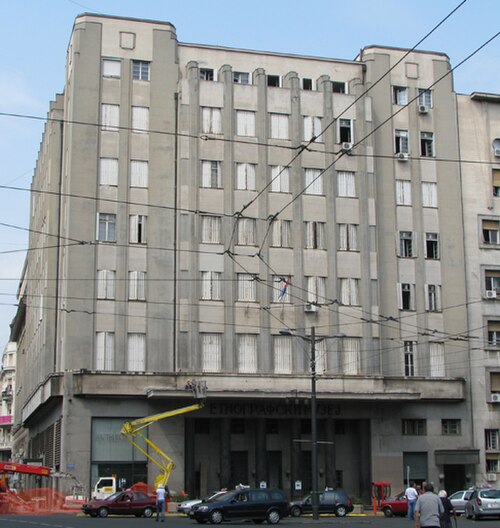
    Ethnographic Museum

    Етнографски музеј

    Belgrade’s Ethnographic Museum is a focused introduction to everyday culture in Serbia and the wider South Slavic world.

    • Must see
    • Museum
    • Stari Grad
  3. National Theatre in Belgrade National Theatre in Belgrade
    09 45 min

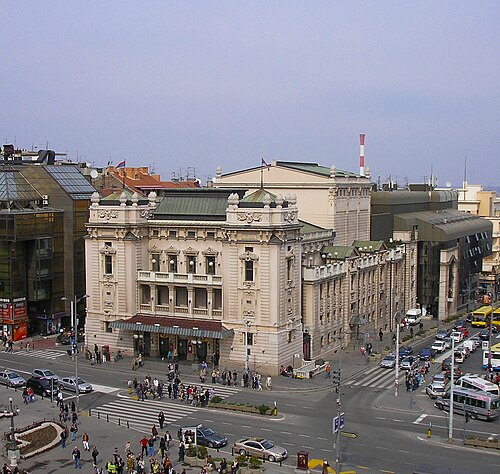
    National Theatre in Belgrade

    Народно позориште у Београду

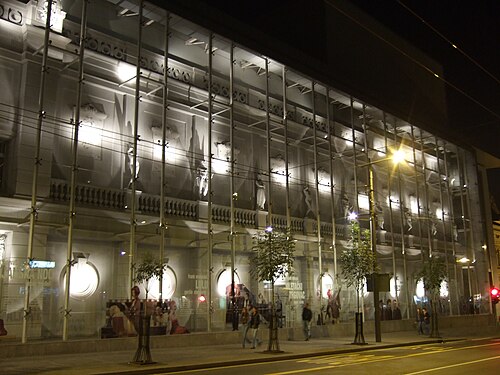
    The National Theatre opened on Republic Square in 1868, modelled by the architect Aleksandar Bugarski on Milan's La Scala and Moscow's Bolshoi rather than on a local precedent, at a time when Serbia was asserting itself as a modern European…

    • Must see
    • Art and culture venue
    • Stari Grad
  4. Royal Palace Royal Palace
    10 1 hr 30 min

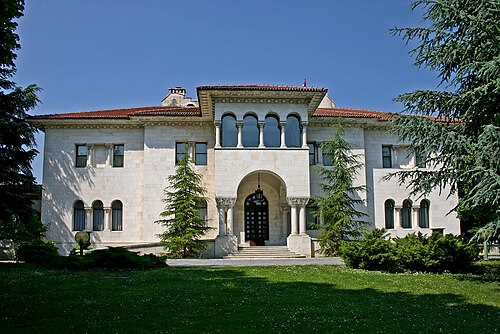
    Royal Palace

    Краљевски двор

    The Royal Palace was built between 1912 and 1929 in Dedinje for King Alexander I Karađorđević, its construction interrupted by the Balkan Wars and the First World War and finished only after Alexander proclaimed the Kingdom of Yugoslavia in 1929.

    • Must see
    • Museum
    • Savski Venac
  5. House of Flowers House of Flowers
    11 1 hr 30 min

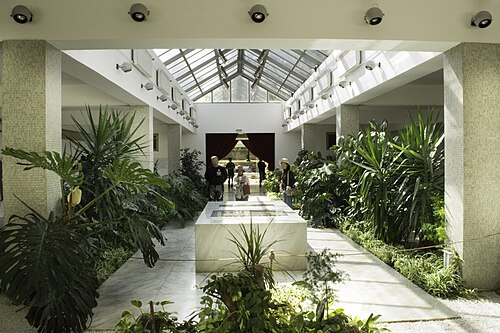
    House of Flowers

    Кућа цвећа

    The House of Flowers is Tito's grave, and it was built as a greenhouse.

    • Must see
    • Museum
    • Savski Venac
  6. Museum of Vuk and Dositej Museum of Vuk and Dositej
    12 45 min

    Museum of Vuk and Dositej

    Музеј Вука и Доситеја

    The Museum of Vuk and Dositej is a single-house museum in the Stari Grad district of Belgrade dedicated to two figures of the Serbian Enlightenment: Dositej Obradović (1742–1811), writer and Serbia's first Minister of Education, and Vuk Stefanović Karadžić (1787–1864)…

    • Must see
    • Museum
    • Stari Grad
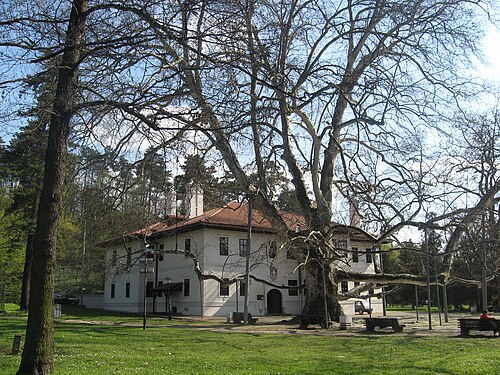
  7. Residence of Prince Miloš Residence of Prince Miloš
    13 45 min

    Residence of Prince Miloš

    Конак кнеза Милоша Обреновића

    The Residence of Prince Miloš was built between 1830 and 1834 for Miloš Obrenović, the prince who led Serbia's second uprising against Ottoman rule and secured its autonomy, and it is one of the few surviving buildings from that transitional…

    • Must see
    • Museum
    • Savski Venac
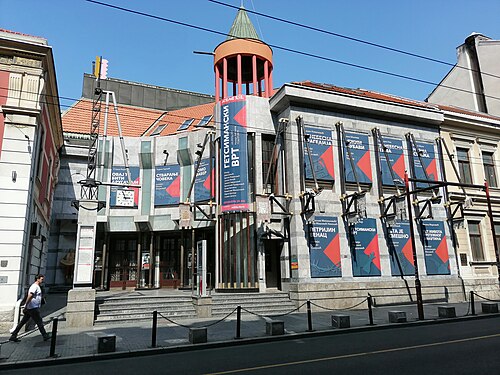
  8. Atelje 212 Atelje 212
    14 2 hours

    Atelje 212

    Атеље 212

    Atelje 212 is a repertory theatre in central Belgrade, opened on 12 November 1956 with a staging of Goethe's Faust directed by Mira Trailović.

    • Must see
    • Art and culture venue
    • Stari Grad
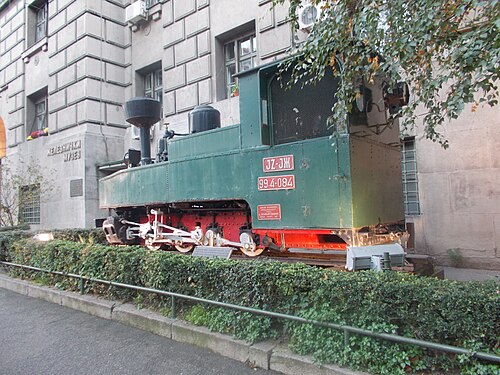
  9. Railway Museum Railway Museum
    15 1 hour

    Railway Museum

    Железнички музеј

    The Railway Museum in Savski Venac is the national collection of Serbian and former Yugoslav railway history, founded on 1 February 1950. Its first exhibition, in 1953, was titled "Through the History of Yugoslav Railways".

    • Must see
    • Museum
    • Savski Venac
  10. Museum of Applied Arts Museum of Applied Arts
    16 1 hr 30 min

    Museum of Applied Arts

    Музеј примењене уметности

    The Museum of Applied Art on Vuka Karadžića street holds over 37,000 objects spanning 2,400 years of applied art, founded on 6 November 1950. Its oldest pieces are Ancient Greek coins from the fourth century BC.

    • Must see
    • Museum
    • Stari Grad
  11. Hammam of Prince Miloš Hammam of Prince Miloš
    17 15 min

    Hammam of Prince Miloš

    Амам кнеза Милоша

    The Hammam of Prince Miloš is a Turkish-style bathhouse built in 1836-37, and it is currently a bath nobody can bathe in: OpenStreetMap's own record of the site, last checked 27 April 2026, lists its opening hours as switched off.

    • Must see
    • Museum
    • Savski Venac
  12. Museum of Ivo Andrić Museum of Ivo Andrić
    18 1 hr 30 min

    Museum of Ivo Andrić

    Музеј Иве Андрића

    The Museum of Ivo Andrić is a memorial museum in Belgrade dedicated to Ivo Andrić, the writer and Nobel Prize laureate whose work is central to Yugoslav and Serbian literary memory.

    • Must see
    • Museum
    • Stari Grad
  13. Belgrade City Museum Belgrade City Museum
    19 2 hours

    Belgrade City Museum

    Музеј града Београда

    The Belgrade City Museum (Muzej grada Beograda) was founded in 1903, when the city assembly voted to build a collection documenting Belgrade itself rather than the wider Serbian state.

    • Must see
    • Museum
    • Savski Venac
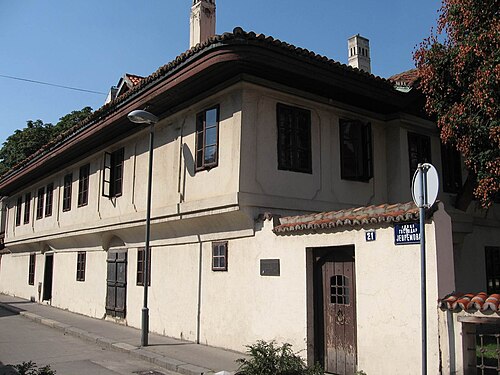
  14. Jevrem Grujić's House Jevrem Grujić's House
    20 10 min

    Jevrem Grujić's House

    Дом Јеврема Грујића

    The house known today as Jevrem Grujic's House is one of the oldest preserved civic houses in Belgrade's old town, built in the early decades of the nineteenth century, in the years after the Serbian uprisings when the town's Ottoman-era…

    • Must see
    • Museum
    • Stari Grad
  15. Belgrade Post Museum Belgrade Post Museum
    21 1 hr 30 min

    Belgrade Post Museum

    ПТТ музеј

    Belgrade Post Museum presents Serbia’s postal, telegraph and telephone heritage through historical equipment, documents and postal artefacts. The museum occupies the ground floor of the First Telephone Exchange building at Majke Jevrosime 13, at the corner of Palmotićeva Street.

    • Must see
    • Museum
    • Stari Grad
  16. Historical Museum of Serbia Historical Museum of Serbia
    22 1 hour

    Historical Museum of Serbia

    Историјски музеј Србије

    The Historical Museum of Serbia (Istorijski muzej Srbije) was established in 1963 as the national institution charged with collecting material on Serbian history from the medieval state through the twentieth century, distinct from the archaeology-focused National Museum next to Republic…

    • Must see
    • Museum
    • Stari Grad
  17. Jewish Historical Museum Jewish Historical Museum
    23 1 hour

    Jewish Historical Museum

    Јеврејски историјски музеј

    The Jewish Historical Museum (Jevrejski istorijski muzej) opened in 1948, founded by the historian Lavoslav Kadelburg and colleagues under the Federation of Jewish Communities of Yugoslavia, and it remains housed inside the federation's own building on Kralja Petra street in…

    • Must see
    • Museum
    • Stari Grad
  18. Manak's House Manak's House
    24 45 min

    Manak's House

    Манакова кућа

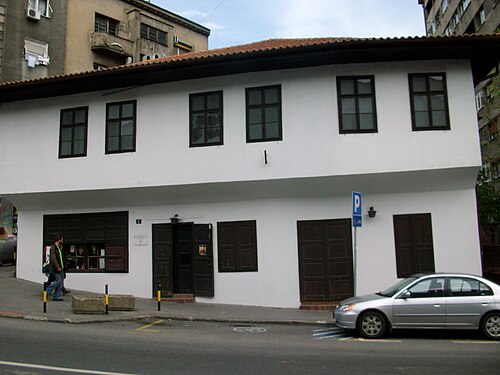
    Manak House is a timber-framed merchant house in Savamala, Belgrade, that now holds an ethnographic collection inside the walls it was actually lived in.

    • Must see
    • Museum
    • Savski Venac
  19. Memorial Museum of Nadežda and Rastko Petrović Memorial Museum of Nadežda and Rastko Petrović
    25 1 hr 30 min

    Memorial Museum of Nadežda and Rastko Petrović

    Музеј Надежде и Растка Петровића

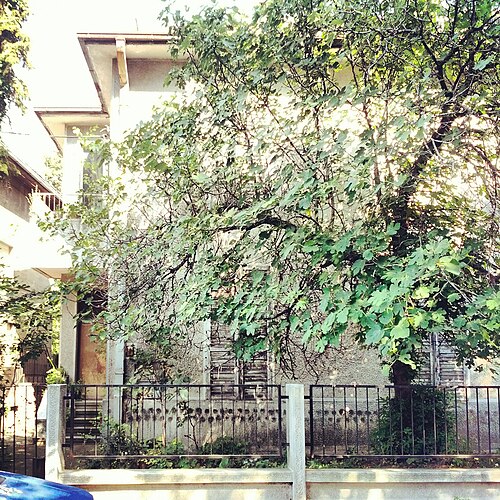
    The Memorial Museum of Nadežda and Rastko Petrović occupies the Petrović family home at Ljube Stojanovića 25 in Belgrade’s Professor’s Colony.

    • High
    • Museum
    • Palilula
  20. Museum of pedagogy in Belgrade Museum of pedagogy in Belgrade
    26 1 hr 30 min

    Museum of pedagogy in Belgrade

    Педагошки музеј

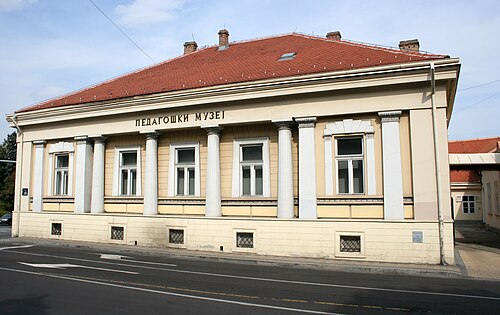
    The Museum of Pedagogy in Belgrade is devoted to the history of Serbian schooling. Its permanent exhibition, The Ten Centuries of the Serbian School, follows education in Serbia from the 9th century to the beginning of the 20th century.

    • High
    • Museum
    • Stari Grad
  21. House of King Peter I of Serbia House of King Peter I of Serbia
    27 1 hr 30 min

    House of King Peter I of Serbia

    Кућа Краља Петра

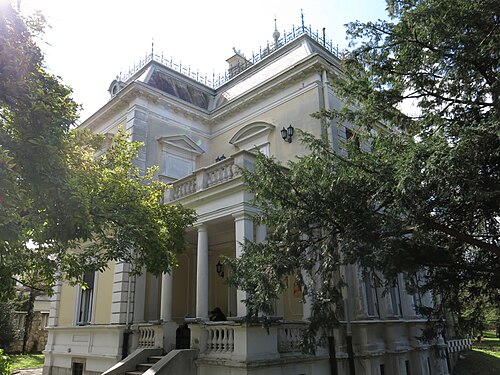
    House of King Peter I of Serbia is a historic villa in Senjak with a specific royal history.

    • High
    • Museum
    • Savski Venac
  22. Museum of Theatrical Arts of Serbia Museum of Theatrical Arts of Serbia
    28 1 hr 30 min

    Museum of Theatrical Arts of Serbia

    Музеј позоришне уметности

    The Museum of Theatrical Arts of Serbia is a specialist Belgrade institution that preserves the country’s theatre memory through objects, images, documents, and recorded material.

    • Notable
    • Museum
    • Stari Grad
  23. Yugoslav Drama Theatre Yugoslav Drama Theatre
    29 1 hour

    Yugoslav Drama Theatre

    Југословенско драмско позориште

    Yugoslav Drama Theatre, known locally as Jugoslovensko dramsko pozorište, is a Belgrade institution founded in 1947.

    • Notable
    • Art and culture venue
    • Savski Venac
  24. Museum of Paja Jovanović Museum of Paja Jovanović
    30 1 hr 30 min

    Museum of Paja Jovanović

    Музеј Паје Јовановића

    The Museum of Paja Jovanović is a compact Belgrade collection devoted to the Serbian painter Paja Jovanović.

    • Notable
    • Museum
    • Vračar
  25. Museum of Science and Technology Belgrade Museum of Science and Technology Belgrade
    31 1 hr 30 min

    Museum of Science and Technology Belgrade

    Музеј науке и технике

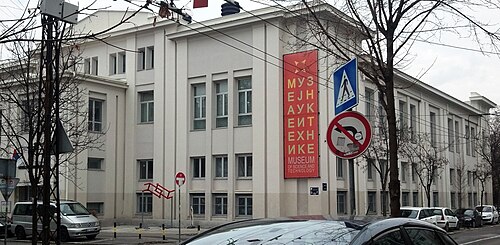
    The Museum of Science and Technology Belgrade is a specialist museum at Skenderbegova 51, devoted to the material history of science, technology and everyday technical life.

    • Notable
    • Museum
    • Stari Grad

Source: OpenStreetMap contributors, Wikidata ·

Where to base yourself

District boundaries come from OSM administrative relations, so a district page holds exactly the places inside it — plus, for the islands and the coast, the nearest district by proximity.

How the city is laid out

Two Belgrades, split by the Sava.

Old Belgrade sits on the ridge on the right bank, above the confluence. The fortress is at the point; Stari Grad, the old town, runs back from it; Vračar rises behind that with the Church of Saint Sava on top; Dorćol drops north towards the Danube and Savamala south towards the Sava.

New Belgrade is on the left bank of the Sava, built from 1948 onward on empty ground to demonstrate that Yugoslavia was at the forefront of progress. It is towers and boulevards on a grid and it is a different city.

Zemun, further up the Danube on the left bank, was a separate town under Austria-Hungary until the twentieth century and still reads as one — low houses, a hill with a tower, and the border of an empire running through it.

Checked 2026-08-23

Getting around

Trams, buses, trolleybuses and walking. There is no metro.

A metro has been discussed for decades and is not in operation; anyone reading about the Belgrade metro is reading about a construction programme, not a way to get across the city today.

The old town is compact and the walk from the fortress to the Church of Saint Sava takes about half an hour, all of it through the parts a visitor came for. New Belgrade and Zemun need transport.

Taxis are cheap by western European standards and are the usual way across the river at night.

Checked 2026-08-23

More city guides

Common questions

How many days does Belgrade need?

Two to three. Two cover the fortress, Kalemegdan, the old town and the Church of Saint Sava. A third adds Zemun on the Danube and a look at New Belgrade.

Is there a metro?

No. Belgrade runs trams, buses and trolleybuses, and a metro has been discussed for decades without entering service. The old town is walkable and taxis are cheap.

What does Beograd mean?

White city. The name is literal.

Why is the city so scarred?

It stands where the Sava meets the Danube, which made it the frontier between empires. It has been fought over in 115 wars and razed 44 times.

What is the difference between Old and New Belgrade?

The Sava. Old Belgrade is the ridge above the confluence with the fortress at its point. New Belgrade is on the left bank, built from 1948 on empty ground as a demonstration of Yugoslav modernity.

Which districts should I stay in?

Stari Grad for the old town, Vračar behind it for a quieter residential base, Dorćol towards the Danube and Savamala on the Sava for the nightlife. Zemun is a separate town in feel and is further out.