Stockholm Olympic Stadium
Stockholms stadion
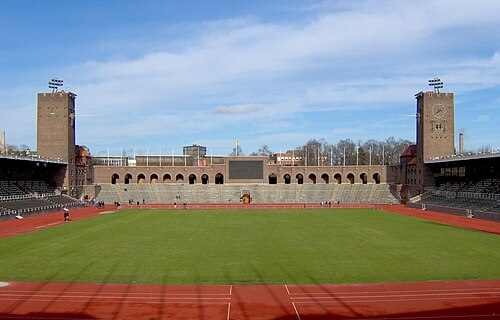
Stockholms stadion is a historic sports arena in Stockholm, Sweden. Built for the 1912 Summer Olympics, it remains one of the world's oldest active Olympic stadiums.
- Must see
- Historic monument
City guide · Sweden
Stockholm spreads across islands joined by bridges, ferries and rail, but its central visitor districts form a manageable chain. Gamla Stan, Norrmalm, Djurgårde...
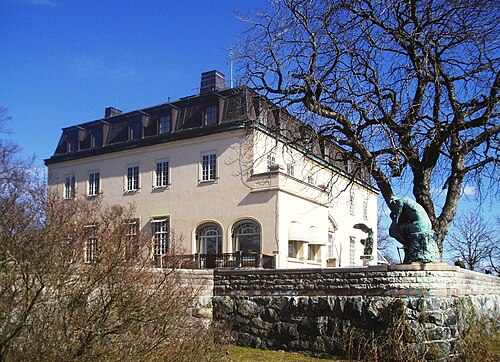
Photograph · JZ · CC BY-SA 3.0
Set your days, your pace and the hours you actually want to be out. The planner works around closing days and travel time, and leaves room to eat.
Reviewed by Elena Voss · Roavina Travel Editor
Stockholm spreads across islands joined by bridges, ferries and rail, but its central visitor districts form a manageable chain. Gamla Stan, Norrmalm, Djurgården, Östermalm and Södermalm each reward a separate walking block. Public transport closes the gaps, while boats are part of the useful network rather than only sightseeing. Plan by island and district so repeated water crossings do not consume the day.
Checked 2026-08-26
September · September in Stockholm has mean high 16.6°C, mean low 10.2°C, rainfall 53.3 mm, 12.0 rain days. Mild temperatures make outdoor sightseeing workable despite regular precipitation. A mixed indoor-outdoor plan keeps a September visit to Stockholm comfortable.
Ranked by importance — sitelinks, pageviews and heritage status, not editor preference.
100 places match
Category
Typical visit duration
Interests
Stockholms stadion
Stockholms stadion is a historic sports arena in Stockholm, Sweden. Built for the 1912 Summer Olympics, it remains one of the world's oldest active Olympic stadiums.
Prins Eugens Waldemarsudde
Prince Eugen's Waldemarsudde is a former royal residence and artist's home on Djurgården in central Stockholm. Prince Eugen, Duke of Närke, lived here and worked as a landscape painter.
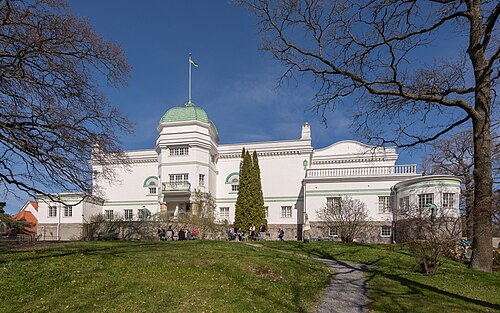
Thielska galleriet
Thiel Gallery, or Thielska galleriet, is an art museum on Djurgården in Stockholm.
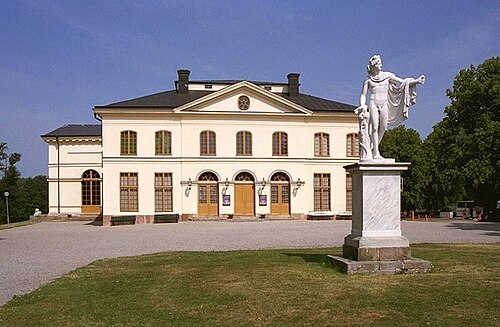
Drottningholms Slottsteater
Drottningholm Palace Theatre is a historic court theatre located on the grounds of Drottningholm Palace, a UNESCO World Heritage site near Stockholm. Built in 1766, it is one of the best-preserved 18th-century theatres in Europe.
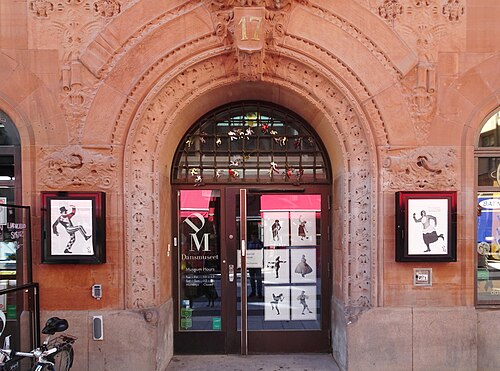
Dansmuseet
Dansmuseet, Stockholm’s Dance Museum, explores dance as art, performance, and cultural expression. Its collections connect Swedish and international traditions through costumes, artefacts, and documentary material.
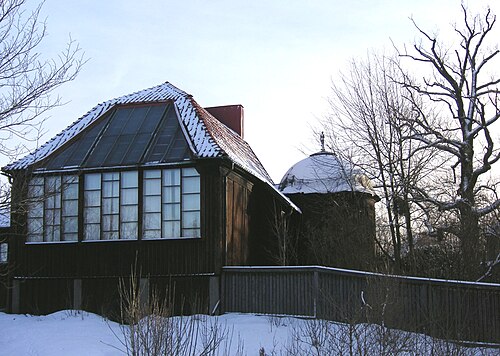
The Carl Eldh Studio Museum is an artist's studio museum located in Stockholm, Sweden. It preserves the workspace and residence of Carl Eldh, one of Sweden's foremost sculptors of the early twentieth century.
Almgrens Sidenväveri & Museum
Almgren Silk Weaving Museum occupies a historic industrial site preserving Stockholm's silk weaving heritage. Established by the Almgren family, this working museum maintains original looms and equipment from a once-thriving textile industry.
Bergianska trädgården
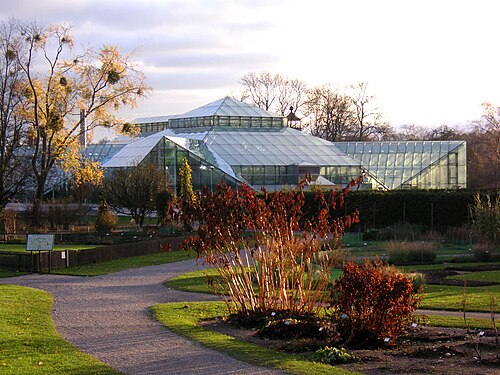
Bergian botanic garden, or Bergianska trädgården, is a botanical garden in northern Stockholm beside Brunnsviken. Connected with Stockholm University, it combines public garden displays with botanical research and education.
Sven-Harrys konstmuseum
Sven-Harry's Art Museum, or Sven-Harrys konstmuseum, is a Stockholm art museum devoted to visual art in dedicated gallery spaces. It gives a visitor an indoor cultural stop within the city, with exhibitions presented for public viewing.
Stockholms gamla observatorium
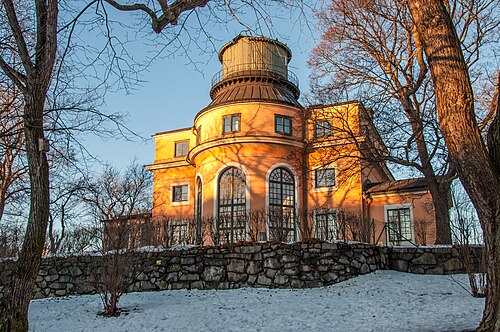
Stockholm Observatory, also known as Stockholms gamla observatorium, is a historic astronomical facility in Stockholm. It belongs on a city walk for travellers interested in science, architecture and the intellectual history of Sweden.
Kina slott
The Chinese Pavilion at Drottningholm, called Kina slott in Swedish, is a royal pleasure pavilion on Lovön near Stockholm.
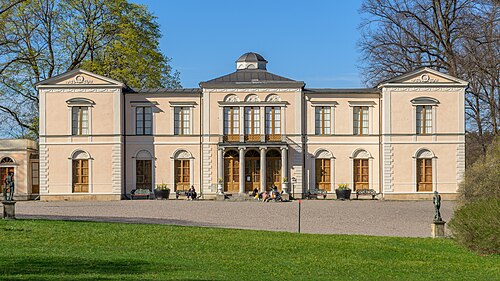
Rosendals slott
Rosendal Palace, known locally as Rosendals slott, is a royal palace situated on Djurgården island in central Stockholm. The palace was constructed as a pleasure palace for King Karl XIV Johan in the 1820s.
Svindersvik is a historic estate in Nacka municipality, just southeast of central Stockholm. Its waterfront position combines a preserved manor-house setting with views across the water towards the city.
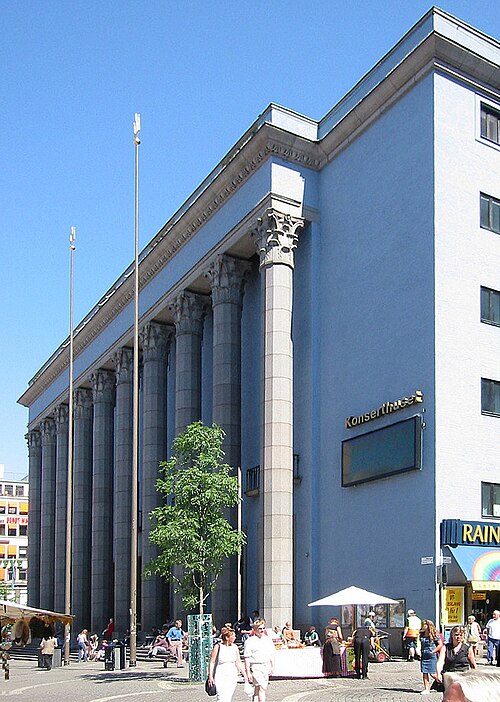
Konserthuset
Stockholm Concert Hall, or Konserthuset, is a major concert venue at Hötorget in central Stockholm.
Mälaren is Sweden’s third-largest lake and one of the geographical features that defines Stockholm. Fresh water reaches the capital from the inland lake through a landscape of bays, islands and wooded shores.
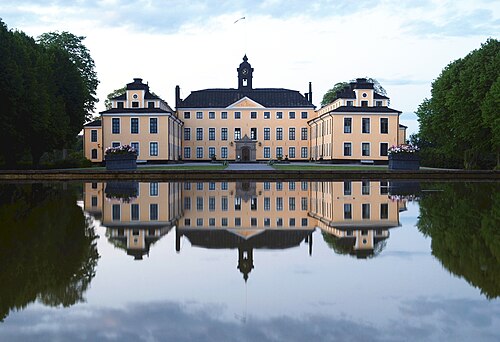
Ulriksdals slott
Ulriksdal Palace, or Ulriksdals slott, is a royal palace in Solna, north of Stockholm city centre. The palace belongs to Sweden’s royal heritage and sits within extensive parkland and gardens.
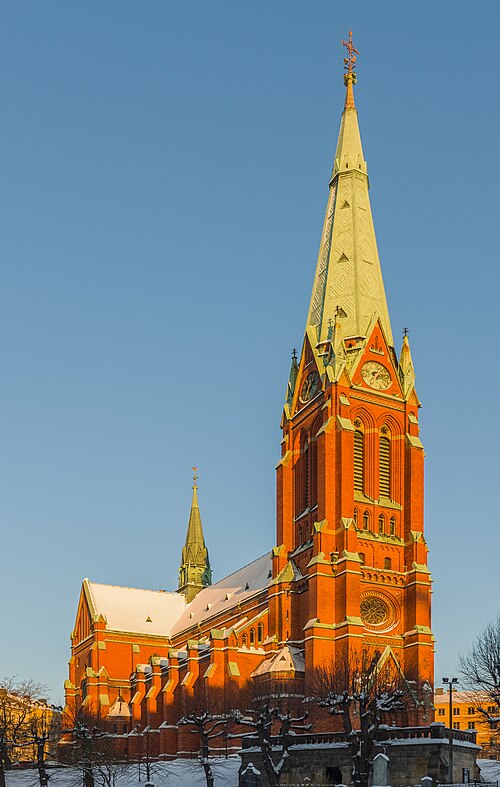
Sankt Johannes kyrka
Saint John’s Church, known in Swedish as Sankt Johannes kyrka, is a working place of worship in Stockholm. It forms part of the city’s ecclesiastical heritage and urban character, offering travellers an architectural landmark as well as a religious space.
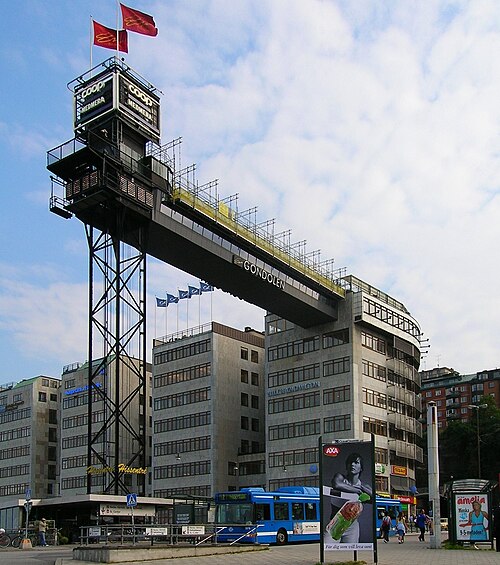
Katarinahissen
Katarina Elevator, or Katarinahissen, is a historic vertical transport landmark in Stockholm’s Södermalm district. It links the lower area around Slussen with the higher ground near Mosebacke.
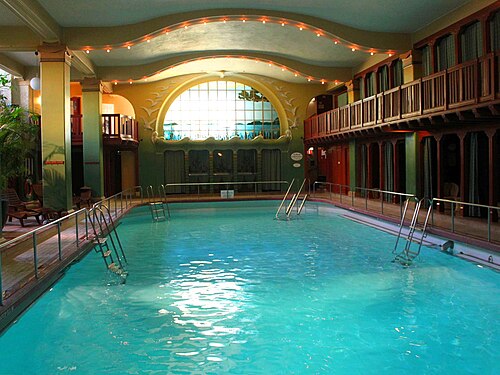
Centralbadet is a historic bathhouse and spa in central Stockholm, combining swimming, relaxation, treatments, and early twentieth-century architectural character. It is a place for slowing down rather than rushing between exhibits.
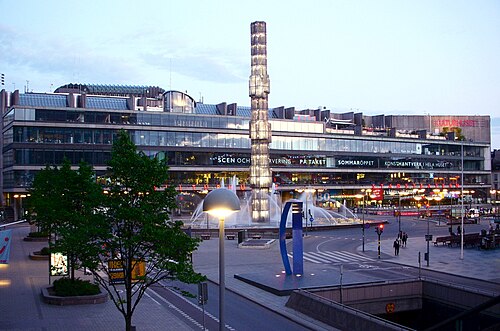
Kulturhuset
The House of Culture, known locally as Kulturhuset, is a prominent cultural centre located in central Stockholm. It occupies a significant position within the city's cultural infrastructure, serving as a multi-purpose venue for artistic and community activities.
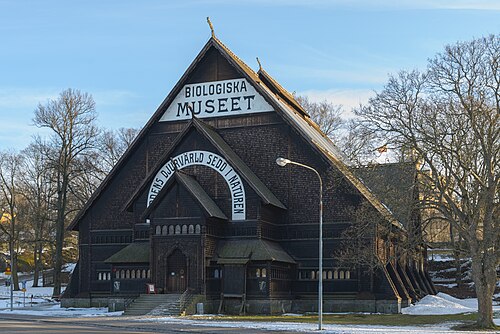
Biologiska museet
Biologiska museet is a historic natural-history museum in Stockholm devoted to wildlife, habitats and traditional ways of presenting nature.
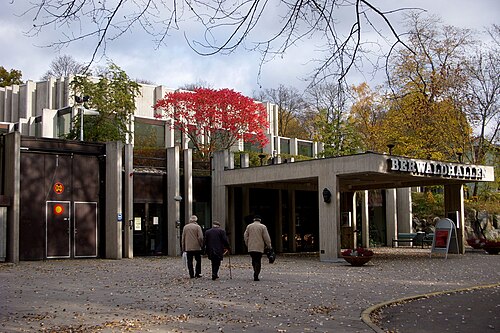
Berwaldhallen
Berwald Hall, or Berwaldhallen, is a Stockholm concert hall and the home venue of the Swedish Radio Symphony Orchestra. Named after composer Franz Berwald, it is a significant destination for travellers interested in orchestral music and Swedish cultural life.
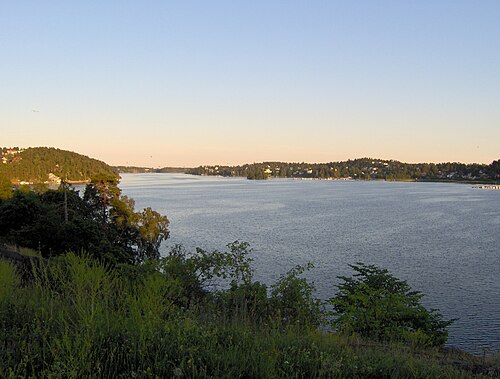
Edsviken is a sheltered inlet of the Baltic Sea in northern Stockholm, where coastal water, rocky Scandinavian terrain, vegetation, and residential surroundings meet.
Confidencen
Theater Confidencen is a Stockholm theatre whose identity is created by live performance rather than by a permanent exhibition. Its character comes from the meeting of performers and audience, the production chosen, and the particular occasion announced in the programme.
Adolf Fredriks kyrka
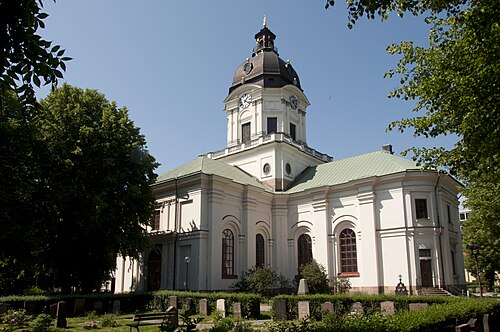
Adolf Fredrik Church, or Adolf Fredriks kyrka, is an active Church of Sweden parish church in central Stockholm’s Norrmalm district.
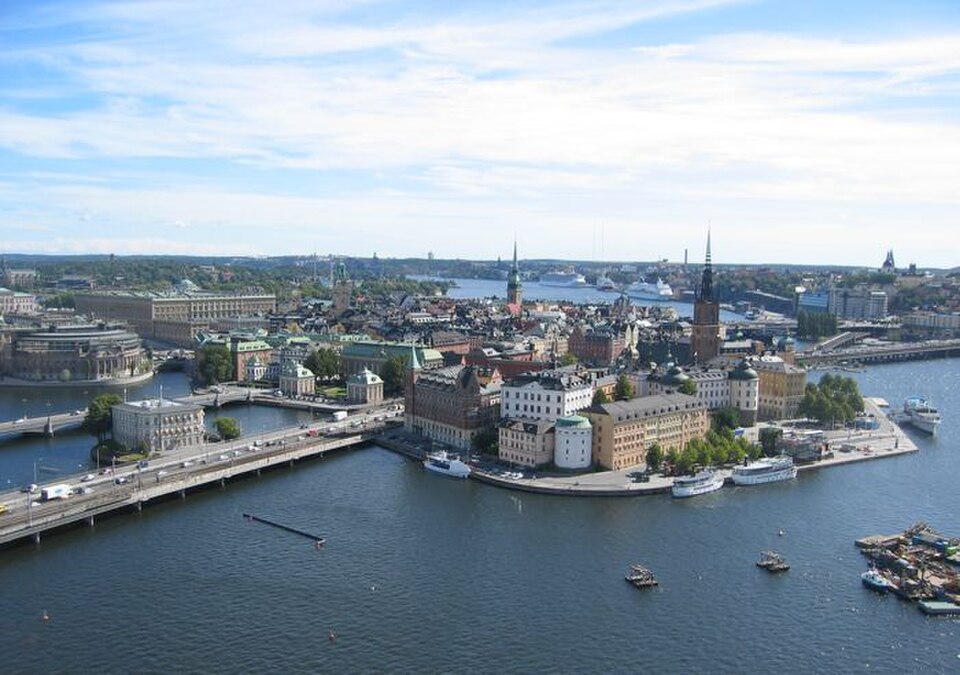
Gamla Stan is the historic hinge between the northern and southern halves of central Stockholm. Norrmalm, the main commercial and transport centre, lies immediately north; Östermalm and museum-rich Djurgården continue east. Södermalm rises south of the old town, while Kungsholmen and Vasastan extend west and northwest. The official visitor guide identifies seven central districts with distinct characters. Combine adjacent districts on foot, and treat the archipelago or distant suburbs as separate outings.
Checked 2026-08-26
Use the SL network of metro, commuter rail, tram, bus and selected local boats for moves between districts. The centre is compact enough for substantial walking, but water and rail lines determine the quickest route more than straight-line distance. Use one valid SL ticket product consistently and check the official journey planner before island connections. Djurgården can be reached by tram or ferry, while outer archipelago travel requires separate route planning.
Checked 2026-08-26
Three to four days suit a first visit. Use the first days for Gamla Stan, Norrmalm, Djurgården and Södermalm, then reserve additional time for a longer island or archipelago route.
May through September gives the most useful daylight for walking between districts and using boat connections. Winter can still work for museums and indoor culture, but outdoor sightseeing time is much shorter.
Yes, within one district and between several central islands. Bridges, hills and water make some apparently short cross-city routes slower, so use public transport when changing from one side of the centre to another.
Yes. Selected local boat services form part of the wider public transport network. Check the SL journey planner and ticket conditions for the specific route rather than assuming every sightseeing or archipelago boat is included.
Gamla Stan and Norrmalm combine naturally, while Östermalm and Djurgården make another coherent block. Södermalm deserves its own walking route, especially when viewpoints and evening stops are included.