Yavuz Selim Mosque
Yavuz Sultan Selim Cami
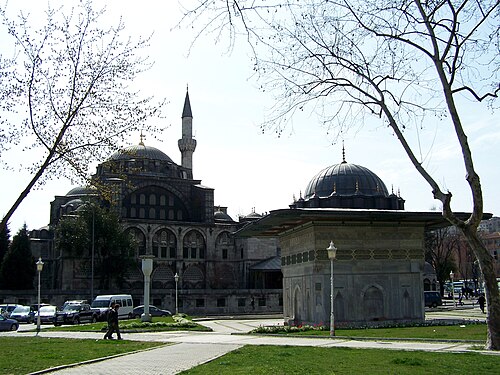
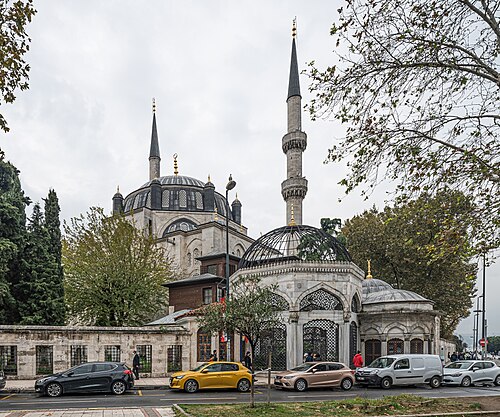
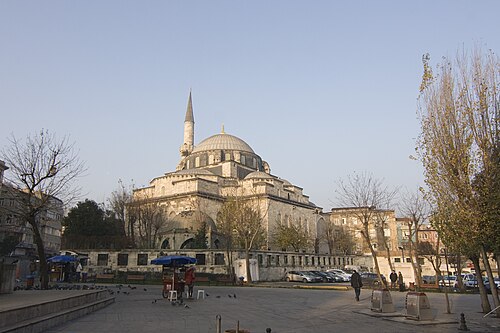
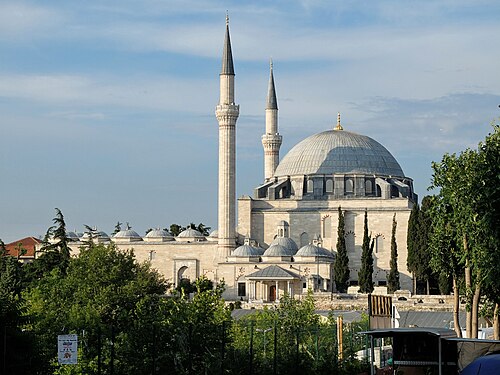
Yavuz Selim Mosque crowns the top of the fifth hill of the historic peninsula, above the Golden Horn, and it is a memorial as much as it is a mosque.
- Must see
- Historic site
- Fatih
City guide · Türkiye
Two continents, three empires and one strait that everything else is arranged around. The old capital rewards a plan: the great monuments sit within a twenty-mi...
Photograph · Ben Morlok · CC BY-SA 2.0
Set your days, your pace and the hours you actually want to be out. The planner works around closing days and travel time, and leaves room to eat.
Editorial responsibility: Elena Voss · Roavina Travel Editor
Two continents, three empires and one strait that everything else is arranged around. The old capital rewards a plan: the great monuments sit within a twenty-minute walk of each other in Fatih, and almost everything else is a ferry ride away.
Checked 2026-08-23
November · November in Istanbul has mean high 15.3°C, mean low 8.5°C, rainfall 84.7 mm, and 12.9 rain days. Cool, wet conditions limit long exposed sightseeing days. A flexible November itinerary in Istanbul is more realistic than a long exposed walking day.
Ranked by importance — sitelinks, pageviews and heritage status, not editor preference.
44 places match
Category
Typical visit duration
Good for
Interests
Yavuz Sultan Selim Cami
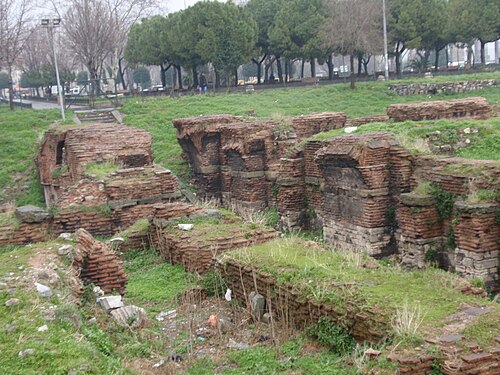
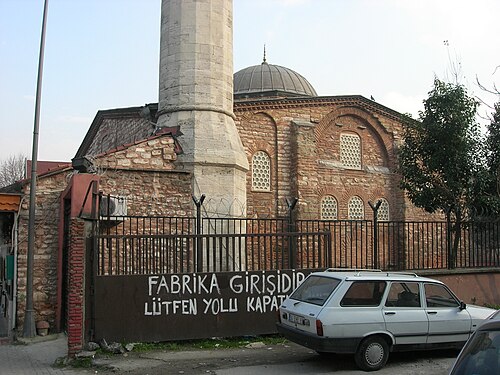
Yavuz Selim Mosque crowns the top of the fifth hill of the historic peninsula, above the Golden Horn, and it is a memorial as much as it is a mosque.
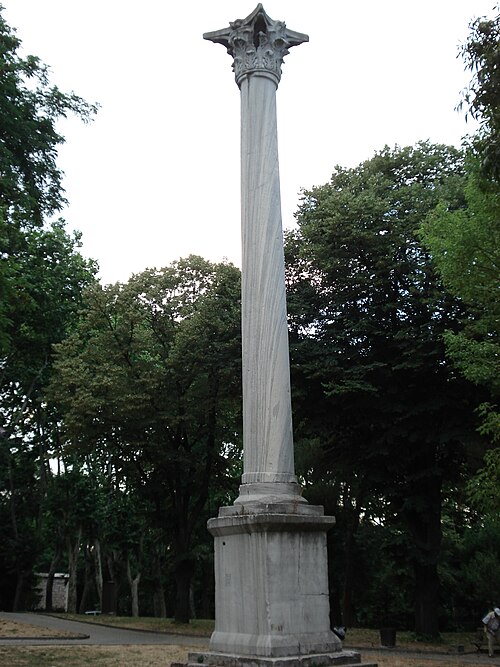
Gotlar Sütunu
Near the Sarayburnu end of Gülhane Park, well away from the gate most visitors use, a single fluted shaft with a Corinthian capital stands among the trees carrying a Latin inscription: FORTVNAE REDVCI OB DEVICTOS GOTHOS — to Fortuna, who…
Kıztaşı
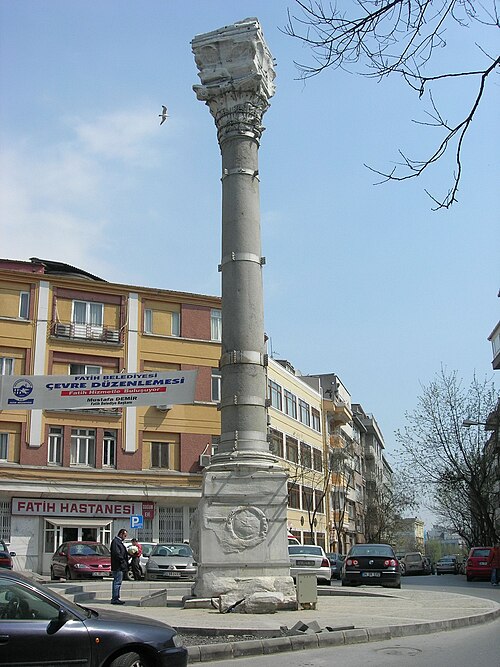
A single granite column stands in a small railed square off Kıztaşı Caddesi in Fatih, and almost everybody who has heard of Istanbul has never heard of it.
Kılıç Ali Paşa Camii
The man who paid for this mosque was born Giovanni Dionigi Galeni in Le Castella, in Calabria, around 1519.
Abide-i Hürriyet
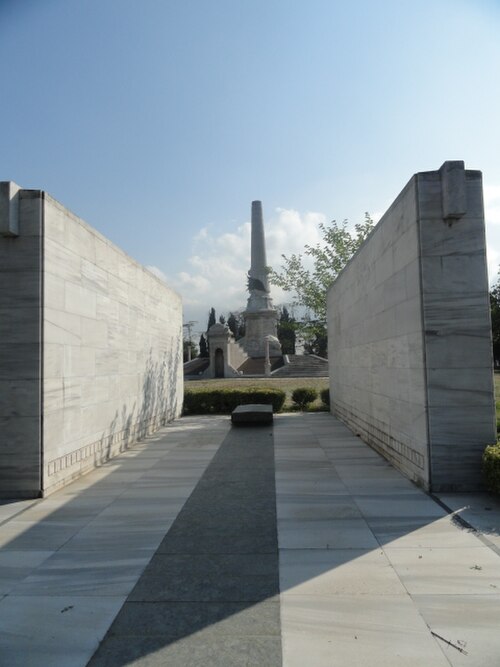
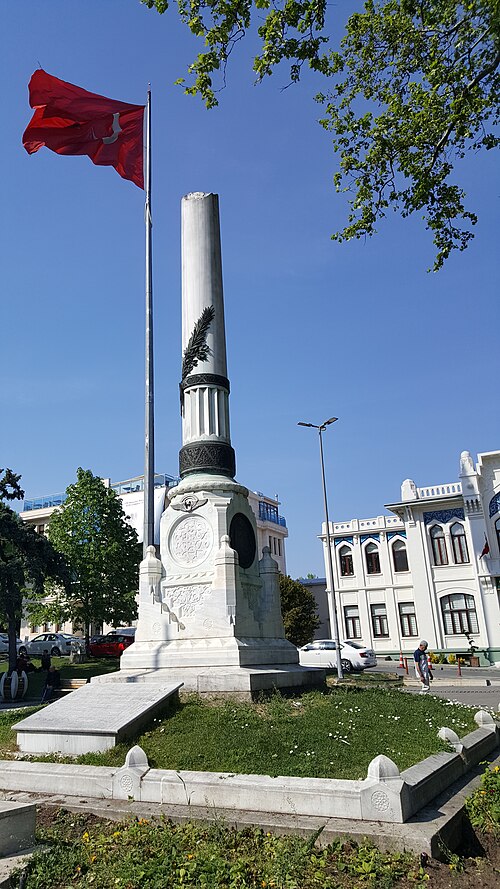
The Monument of Liberty is an Ottoman-era memorial in Şişli commemorating the officers and soldiers who died putting down the countercoup of 31 March 1909 against the Young Turk constitutional government, an episode known in Turkish as the 31 Mart…
Arkadyos Sütunu
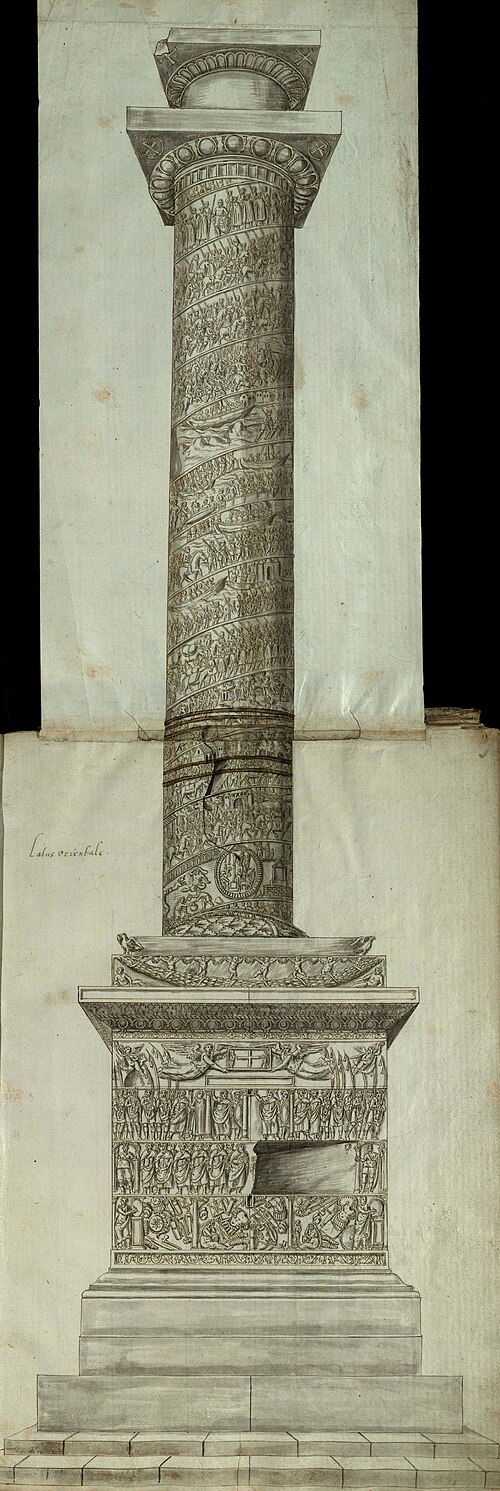
The Column of Arcadius is one of Constantinople's lost monuments, and what is left of it is the reason to come: a stump of imperial propaganda wedged between apartment blocks in Fatih.
Yeni Valide Camii
Step off the ferry at Üsküdar and this is the complex immediately in front of you, hard against the square rather than set back from it.
Yoros Kalesi
Yoros Castle stands on the headland where the Bosphorus opens into the Black Sea, which is the whole explanation for it.
Eksarhhane
Eksarhhane is a historic building in the Fener district that housed the seat of the Bulgarian Exarchate, the autocephalous Bulgarian Orthodox church established in 1870 and centred in Istanbul until the Ottoman Empire's Bulgarian population and administration shifted after the…
Alman Çeşmesi
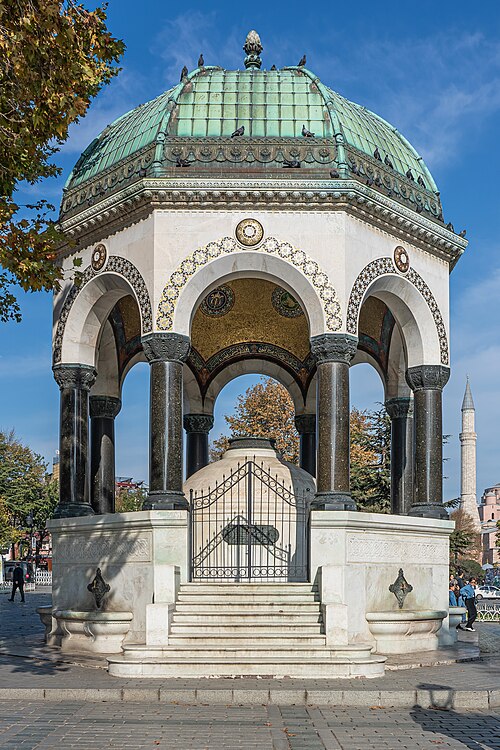
The German Fountain is an octagonal, neo-Byzantine gazebo fountain standing in Sultanahmet Square, a gift from German Emperor Wilhelm II to Sultan Abdul Hamid II to mark the Kaiser's 1898 state visit to Istanbul.
III. Ahmet Çeşmesi
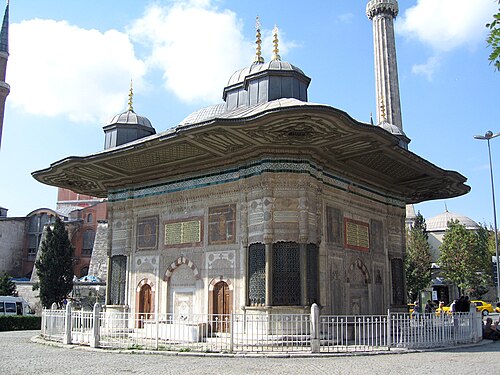
The Fountain of Ahmed III stands just outside the Imperial Gate of Topkapı Palace, built in 1728 by Sultan Ahmed III during the Tulip Period, the era of Ottoman architecture known for its ornate, floral Baroque-influenced style.
Ayios Polieuktos Kilisesi
For a few years in the sixth century this was the largest church in Constantinople, and it was built by a woman making a point.
Hz. Cabir Cami
A working neighbourhood mosque in Ayvansaray that began as a Byzantine church, and nobody is entirely sure which one.
The Prison of Anemas is a historic Byzantine structure located within the walls of Istanbul, Turkey. It forms part of the larger Blachernae Palace complex in the northwestern section of the city.
Hava Şehitleri Anıtı
The Aviation Martyrs' Monument, known locally as Hava Şehitleri Anıtı, stands as a memorial dedicated to aviators who lost their lives in service.
Gazi Atik Ali Paşa Camii
Gazi Atik Ali Pasha Mosque is an Ottoman mosque in Istanbul, Turkey. Its local name is Gazi Atik Ali Paşa Camii. The structure represents historical Islamic architecture within the urban fabric of the city.
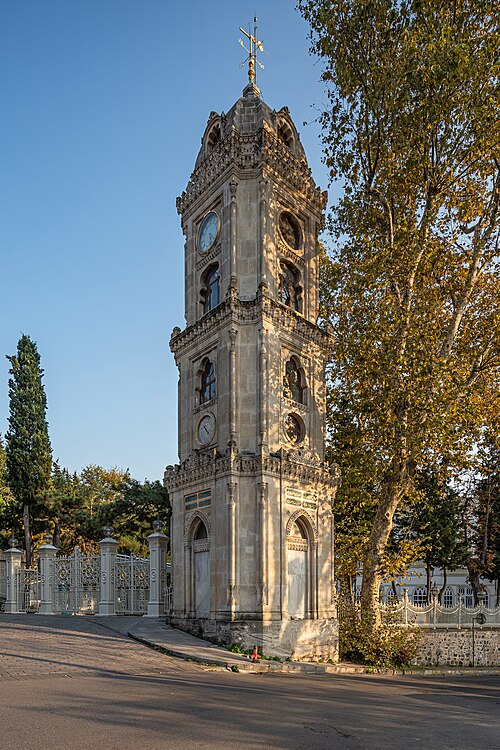
Yıldız Clock Tower is a historic clock tower situated in the Yıldız district of Istanbul, Turkey. The structure stands as an architectural landmark within the broader Yıldız Palace complex area, reflecting Ottoman-era design influences.
Büyükada Eski Rum Yetimhanesi
The Büyükada Greek Orthodox Orphanage, known locally as Büyükada Eski Rum Yetimhanesi, stands on Büyükada, the largest of Istanbul's Princes' Islands. This timber structure ranks among the world's largest wooden buildings.
Arif Sarıca Köşkü
District boundaries come from OSM administrative relations, so a district page holds exactly the places inside it — plus, for the islands and the coast, the nearest district by proximity.
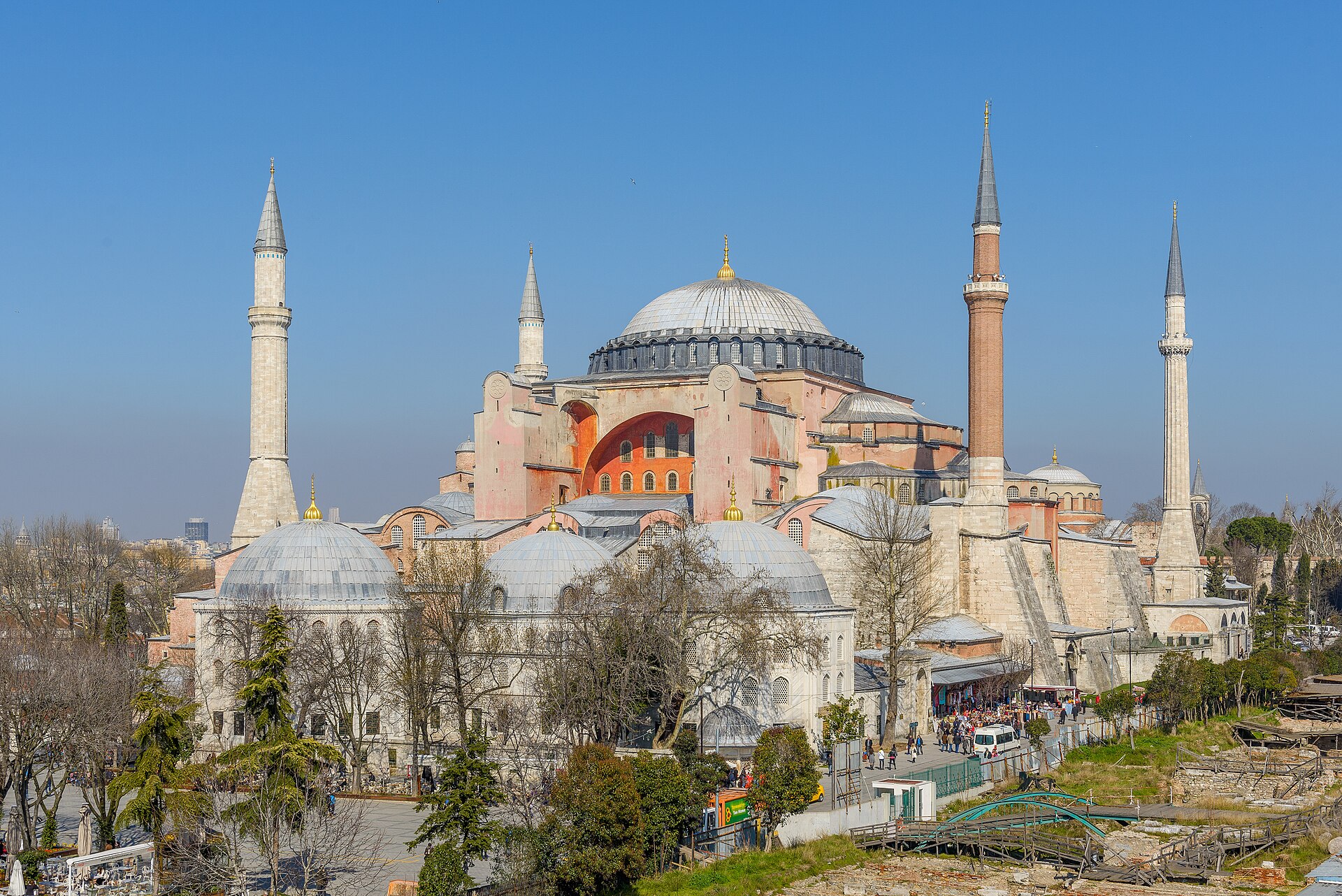
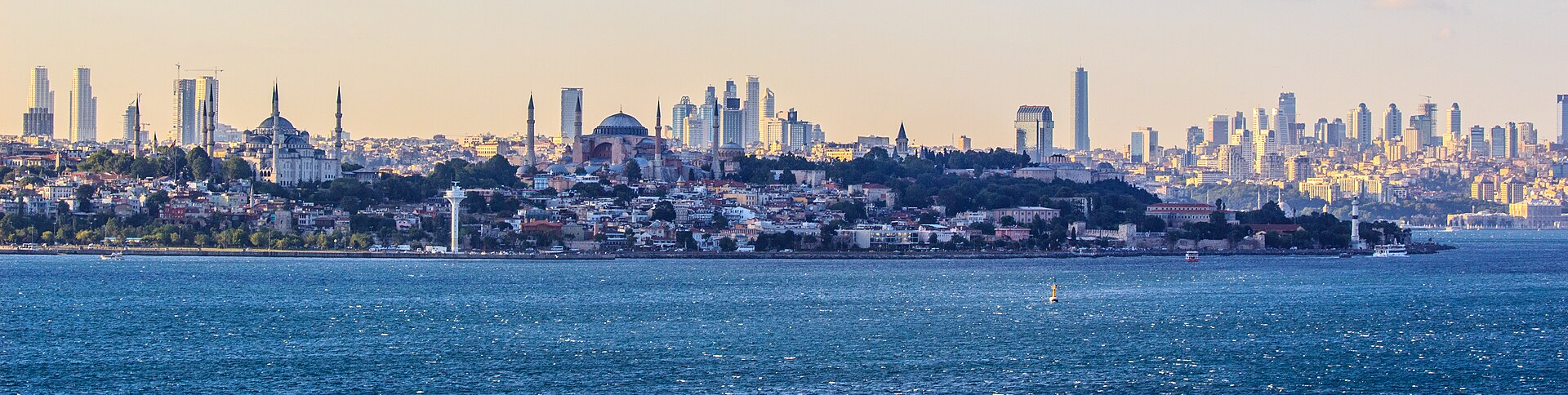
South of the Horn, in Fatih, the monumental core is walkable end to end: Hagia Sophia, the Blue Mosque, the Basilica Cistern and Topkapı sit inside one square kilometre.
North of the Horn, Beyoğlu climbs from Karaköy to Taksim and is where the city eats and drinks late. Across the Bosphorus, Kadıköy and Üsküdar are residential, cheaper and reached best by ferry rather than by bridge.
Checked 2026-08-23
One contactless card covers tram, metro, funicular, bus and ferry, and it is the only ticket most visitors need.
The T1 tram threads the monumental core; the M2 metro crosses the Horn to Taksim. Ferries are the fastest way between the European and Asian sides and cost the same as a tram ride. Traffic on the bridges is unpredictable enough that a taxi is rarely faster.
Checked 2026-08-23
Suggested stay for a first visit: 3–5 days. Five lets you add Beyoğlu, a Bosphorus ferry and one of the Asian-side neighbourhoods.
Yes, outside prayer times. Shoulders and knees should be covered, shoes come off at the door, and women cover their hair; scarves are lent at the larger mosques.
The scheduled public ferry runs the same water as the tourist cruises for a fraction of the fare, and stops at neighbourhoods you can walk around before catching the next one back.
Fatih puts you inside walking distance of the monuments. Beyoğlu is livelier at night and still two tram stops away. The Asian side is cheaper and quieter but adds a ferry to every sightseeing day.
April to June and September to October are warm without the July heat or the cruise-ship peak. January and February are cold and wet but the queues disappear.