Burj Khalifa
برج خليفة
Burj Khalifa is the 828-metre tower that Emaar opened in Downtown Dubai on 4 January 2010, and what a visitor actually buys a ticket to is a small part of it.
- Must see
- Historic monument
Language · 11 published
City guide · United Arab Emirates
Dubai is a long coastal city rather than a compact centre. Historic districts cluster around Dubai Creek, the modern business and visitor core follows Sheikh Zayed Road, and resort districts continue southwest through Dubai Marina and Palm Jumeirah. A practical visit groups sights by corridor because crossing between old Dubai, Downtown and the marina repeatedly wastes time. The metro handles the main north-south spine, while taxis and buses cover the final connection to places away from it.
Reviewed by Elena Voss · Roavina Travel Editor
Set your days, your pace and the hours you actually want to be out. The planner works around closing days and travel time, and leaves room to eat.
Ranked by importance — sitelinks, pageviews and heritage status, not editor preference.
52 places match
Category
Typical visit duration
برج خليفة
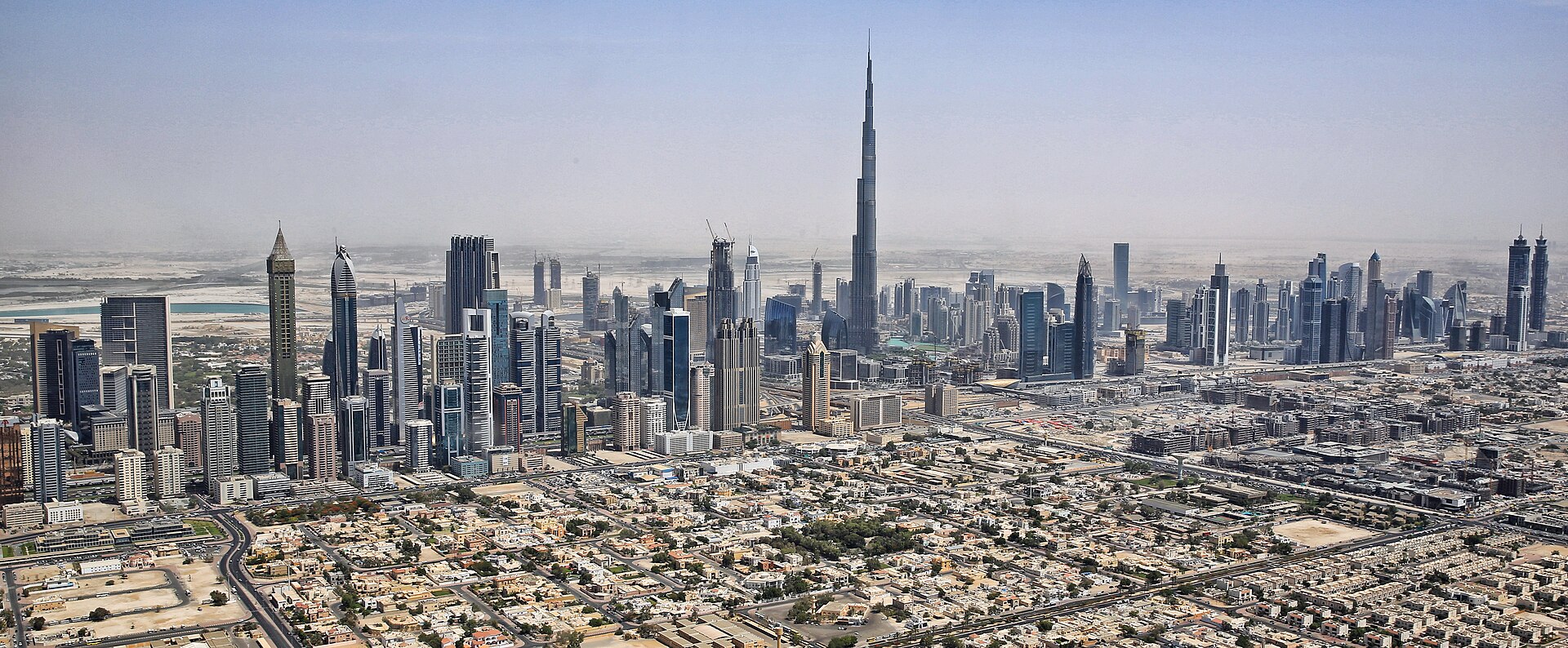
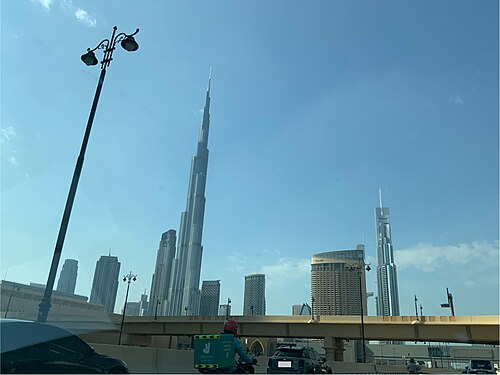
Burj Khalifa is the 828-metre tower that Emaar opened in Downtown Dubai on 4 January 2010, and what a visitor actually buys a ticket to is a small part of it.
دبي مول
Dubai Mall stands on Financial Centre Road in Downtown Dubai, at the foot of Burj Khalifa, and its operator Emaar describes it as the most visited retail and lifestyle destination in the world, welcoming over 100 million visitors a year.
متحف المستقبل
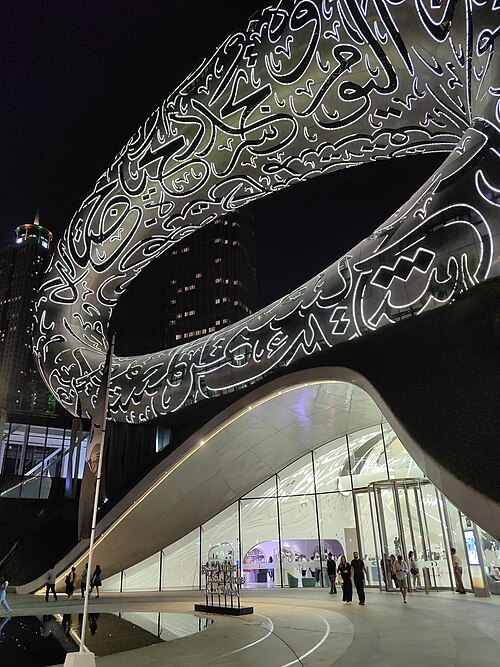
The Museum of the Future is a steel torus standing on a planted green mound beside Jumeirah Emirates Towers on Sheikh Zayed Road, with an oval void cut through its centre.
برواز دبي
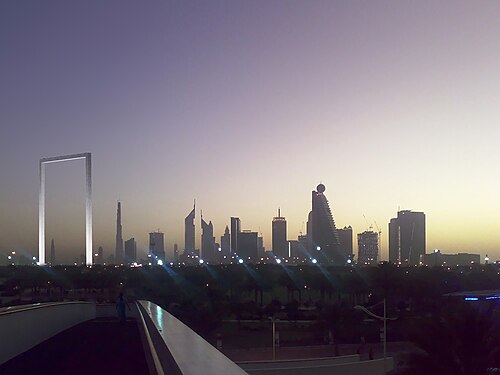
Dubai Frame is a picture frame built at architectural scale in Zabeel Park, and it is run by Dubai Municipality rather than by a commercial operator.
حي الفهيدي التاريخي
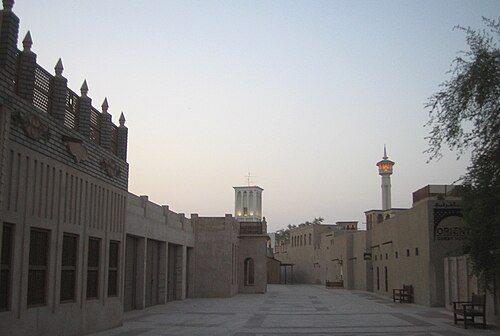
Al Fahidi Historical Neighbourhood stands on the Bur Dubai bank of Dubai Creek, a few streets of low coral-stone houses left standing while the rest of the city went vertical.
Deira Gold Souk
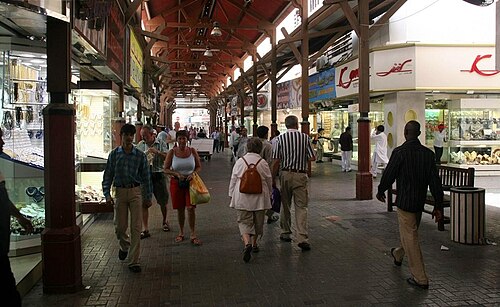
Deira Gold Souk is an open-air jewellery market in Al Ras, at the northern end of Deira, a few hundred metres back from the Dubai Creek waterfront.
حصن الفهيدي
Al Fahidi Fort, known locally as حصن الفهيدي, stands as Dubai's oldest existing building. Constructed in 1787, this coral-stone and mortar fortification served defensive purposes before later uses as a palace, garrison, and prison.
متحف الاتحاد
Etihad Museum, known locally as متحف الاتحاد, is a cultural institution in Dubai dedicated to preserving and presenting the history of the United Arab Emirates.
Al Shindagha Museum is a cultural institution situated in the historic Al Shindagha district along Dubai Creek.
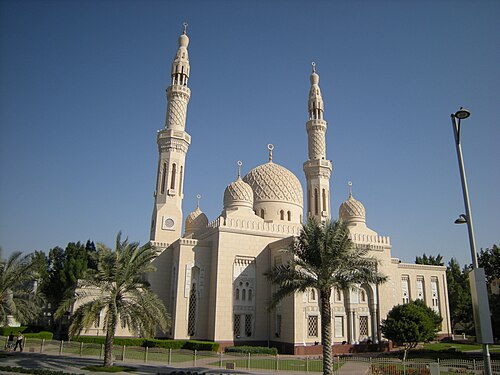
Jumeirah Mosque is a prominent Islamic landmark in Dubai, situated in the Jumeirah district. It stands as one of the few mosques in the United Arab Emirates open to non-Muslim visitors, offering structured cultural programmes.
سوق التوابل
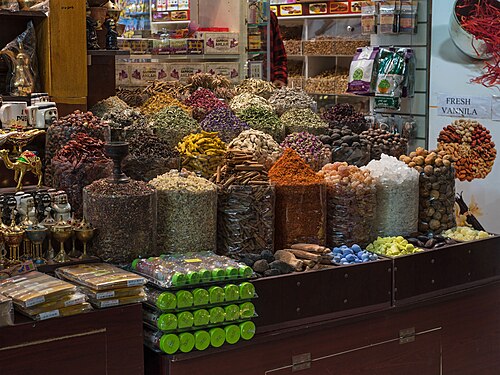
Dubai Spice Souk is a traditional market in Deira, Dubai's historic commercial district. The souk forms part of the older trading quarter near Dubai Creek, where merchants have conducted business for generations.
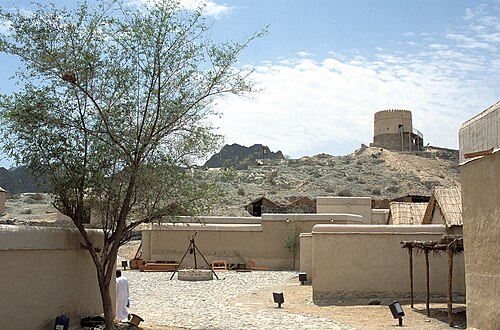
Hatta Heritage Village is a reconstructed traditional mountain settlement located in the Hatta enclave of Dubai, within the Hajar Mountains.
دبي باركس
Dubai Parks and Resorts is a large integrated leisure destination in Dubai, United Arab Emirates. It encompasses multiple theme parks and entertainment zones within one complex.
Jameel Arts Centre is a contemporary art institution on Dubai’s Jaddaf Waterfront. It is a place for exhibitions, commissions, research and public programmes, with a quieter atmosphere than the city’s large entertainment venues.
سوق دبي للمنسوجات
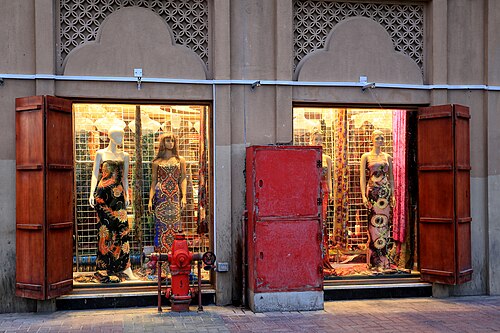
Dubai Textile Souk, known locally as سوق دبي للمنسوجات, is a traditional market located in the Bur Dubai district near the Dubai Creek.
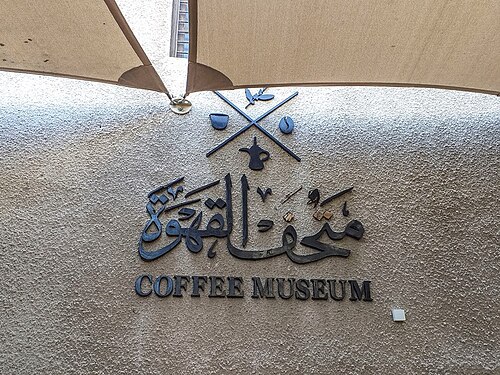
Coffee Museum
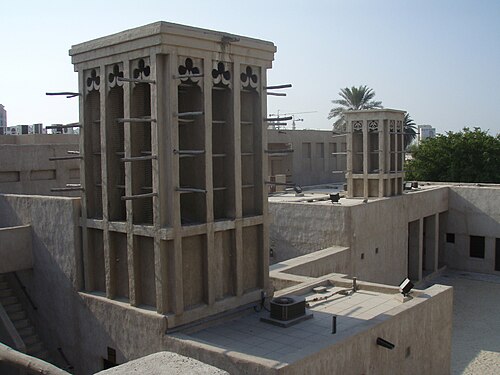
Dubai Coffee Museum is a compact cultural museum in the Al Fahidi Historical Neighbourhood, housed in a traditional wind-tower building.
Saeed Al Maktoum House is a historic Dubai residence associated with the Al Maktoum ruling family. The house offers a direct connection with the emirate’s pre-oil past and with the traditional architecture of the Gulf.
مسجد دبي الكبير
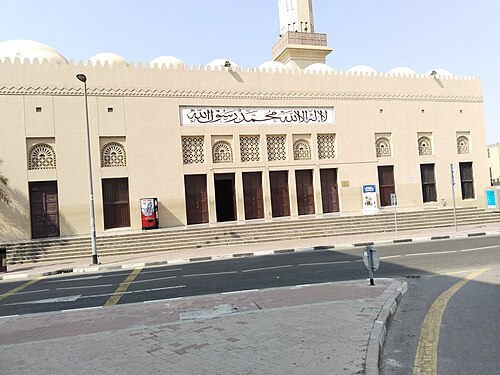
Grand Mosque is an active Islamic place of worship and an architectural landmark in Dubai. It is different from a museum or a purpose-built visitor attraction because prayer and religious life remain its central purpose.
المسجد الشيعي الإيراني، بر دبي
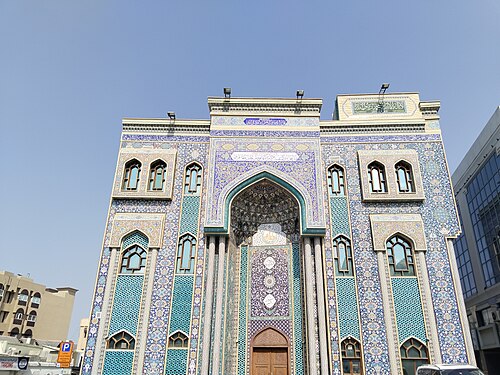
The Iranian Mosque, also known as the Shia Iranian Mosque, stands in Bur Dubai's historic district. This place of worship serves Dubai's Iranian Shia Muslim community and reflects Persian architectural influences.
Al Farooq Omar Bin Al Khattab
Al Farooq Omar Bin Al Khattab Mosque is an active Islamic place of worship in Dubai, United Arab Emirates. It is named after Omar Bin Al Khattab, an important historical figure in Islam.
موقع جميرا الأثري
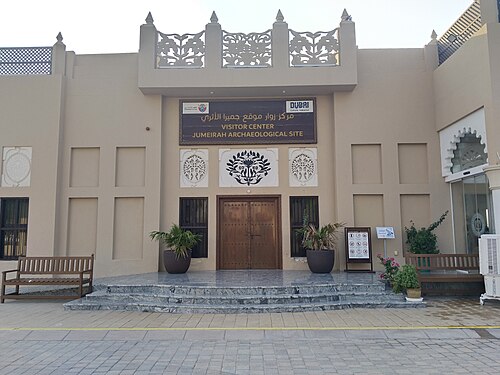
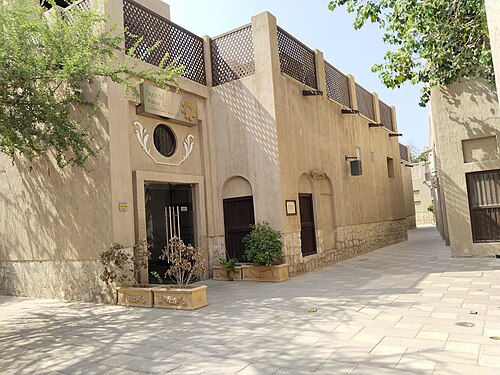
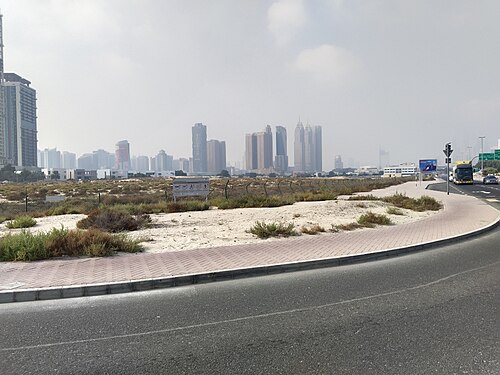
Jumeirah Archaeological Site is a place of archaeological and historical interest in Dubai’s Jumeirah area. It represents evidence of past human activity and settlement within a district now known for modern urban development.
موقع ساروق الحديد الأثري
Saruq Al Hadid Archaeological Site is an important archaeological location in Dubai emirate. Finds from the site connect it with ancient metallurgy, craft production and trade.
موقع الصفوح الأثري
Al Sufouh Archaeological Site is a heritage location in western Dubai, in the Al Sufouh area near the coastline between Dubai Marina and Palm Jumeirah.
حديقة مشرف الوطنية
Mushrif Park is a major public park in Dubai, known locally as حديقة مشرف الوطنية. The park occupies a substantial green space in the eastern part of the city, offering a natural environment distinct from Dubai's urban core.
بحيرات القدرة
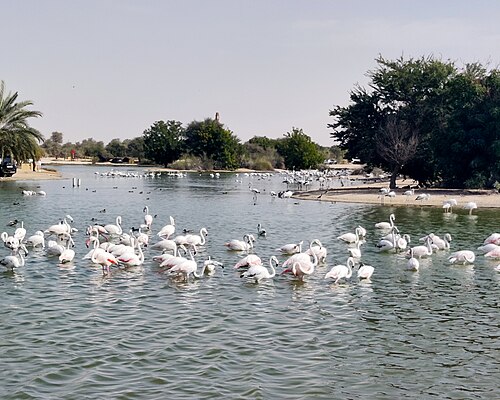
Al Qudra Lakes is a man-made desert oasis in Dubai’s Dubailand area, where interconnected bodies of water sit among open arid plains.
Bluewaters Island is a man-made island development off the coast of Jumeirah Beach Residence in Dubai. It is primarily known as the location of Ain Dubai, one of the world's largest observation wheels.
حي دبي للتصميم
Dubai Design District, known locally as حي دبي للتصميم, is a purpose-built creative quarter in Dubai dedicated to design, fashion, and arts.
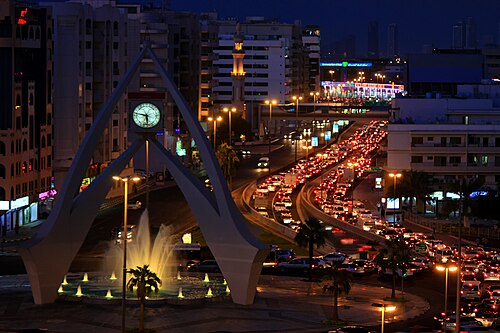
Deira Clocktower is a prominent roundabout monument located in the Deira district of Dubai, United Arab Emirates.
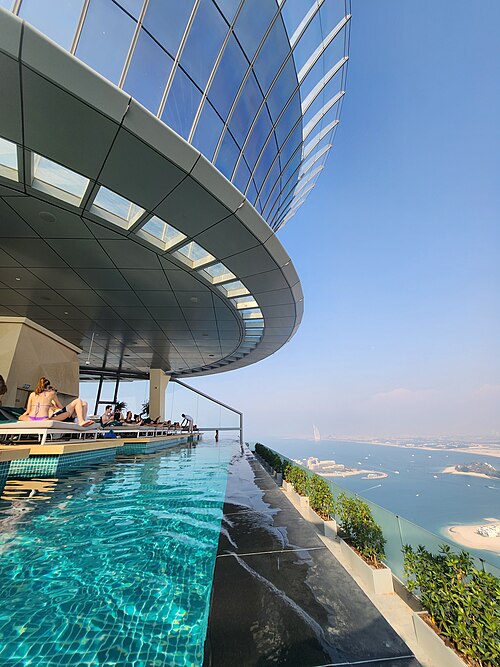
Aura Skypool is an elevated pool venue located in Dubai, positioned high above the city with panoramic views across the skyline and surrounding waters. The attraction functions as a swimming and leisure destination combining pool access with observation-level vantage points.
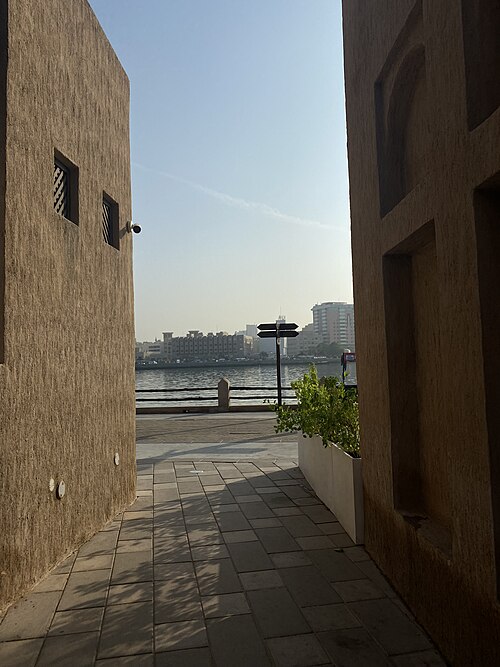
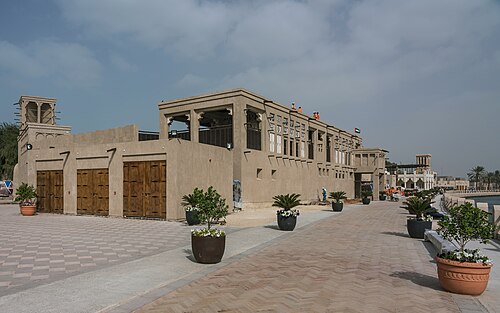
Al Seef Dubai is a waterfront destination along Dubai Creek, developed as a mixed-use leisure and retail precinct. The area blends contemporary architecture with design elements evoking traditional Emirati heritage.
Coins Museum
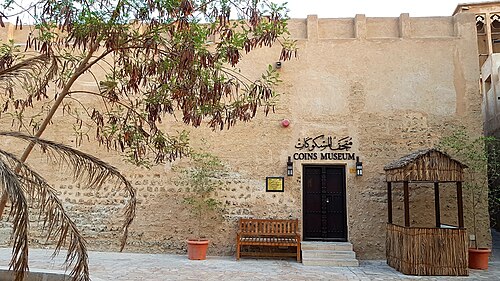
Dubai Coins Museum is a specialised numismatic museum focused on the history of currency. Its displays connect coins with trade, political authority, economic life and cultural exchange.
Women's museum
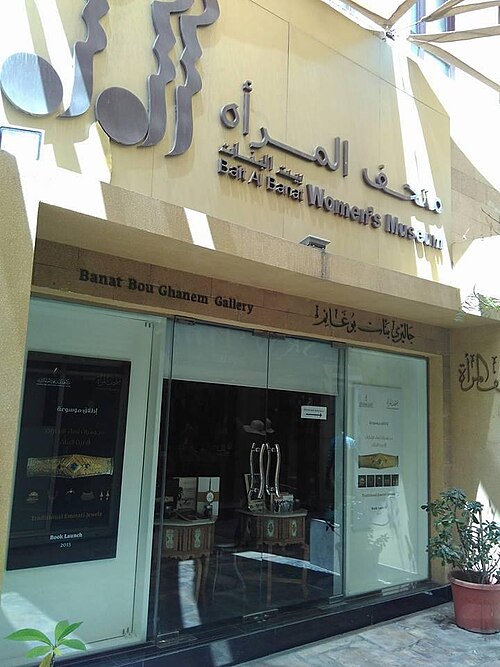
The Women's Museum in Dubai is a cultural institution dedicated to documenting and celebrating the contributions of women to the United Arab Emirates. Located in the historic Al Fahidi district, it occupies a renovated traditional house.
Dubai Municipality Museum is a cultural institution operated by Dubai Municipality, the government body responsible for city services and urban planning.
دبي جاردن جلو
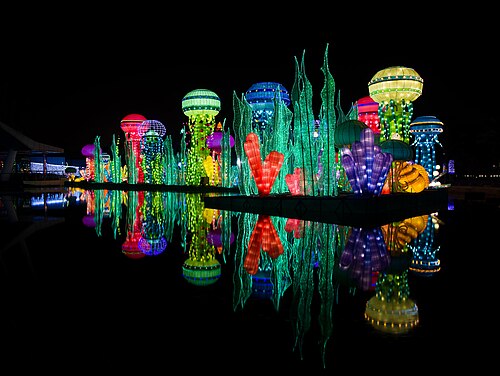
Dubai Garden Glow is an illuminated theme park in Dubai, United Arab Emirates. The attraction features elaborate light installations and sculptures, creating a nighttime entertainment destination.
Dubai Crocodile Museum is a specialist attraction devoted to crocodiles and wildlife education. The museum offers a focused alternative to Dubai’s better-known skyscrapers, shopping centres and entertainment complexes.
متحف الغموض
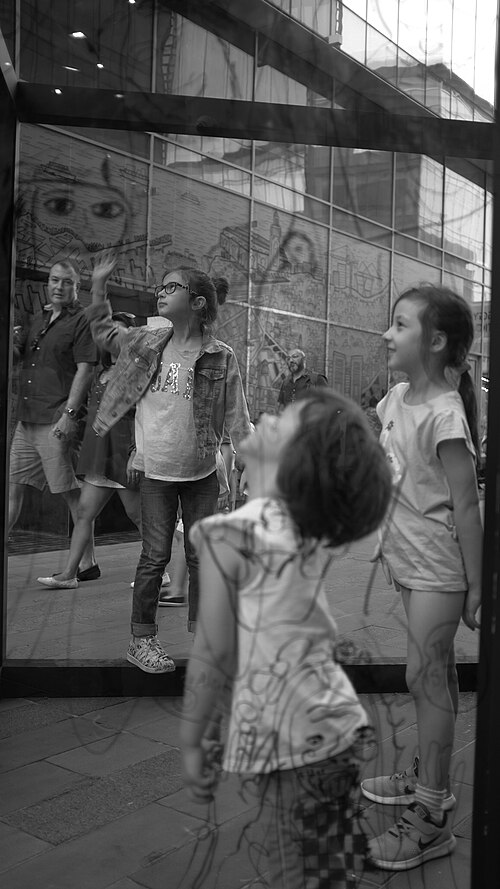
The Museum of Illusions in Dubai is an attraction dedicated to optical illusions, visual tricks, and perceptual phenomena. It presents interactive exhibits that challenge visitors' understanding of reality through carefully constructed rooms, installations, and displays.
Majlis Ghorfat Umm Al Sheif is a historic majlis in Dubai’s Jumeirah area. A majlis is a traditional meeting or gathering space, and this building represents the social and architectural heritage of an earlier Dubai.
متحف دبي للصور المتحركة
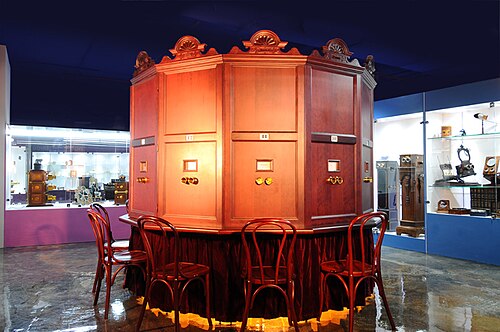
The Dubai Moving Image Museum is a cultural institution in Dubai dedicated to the history and evolution of moving images. It traces the development of visual storytelling from early precursors of cinema through to modern filmmaking technologies.
Sheikh Obaid bin Thani House is a heritage building in Dubai, United Arab Emirates. It represents traditional Emirati architecture and serves as a cultural landmark preserving the emirate's historical built environment.
Al-Oshoosh Archeological Site
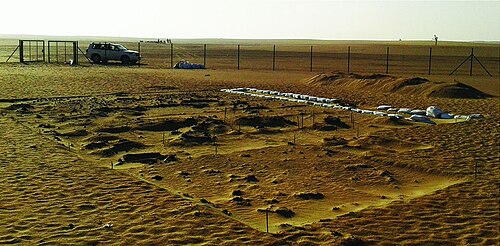
Al-Ashoosh, locally known as the Al-Oshoosh Archeological Site, is an archaeological location in the Dubai emirate.
كنيسة القديسة مريم الكاثوليكية
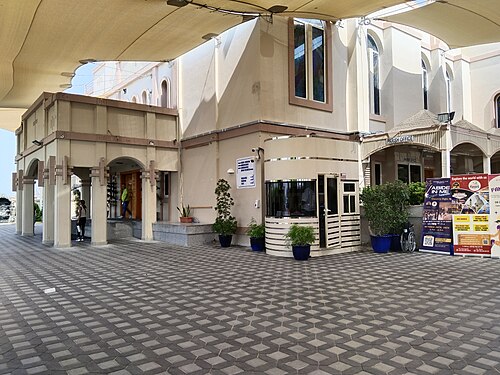
St. Mary's Catholic Church is an active Catholic place of worship in Dubai. It serves the Catholic community through Mass, prayer and religious ceremonies.
St Francis of Assisi Church
St. Francis of Assisi Catholic Church in Jebel Ali serves the Catholic community in Dubai's industrial corridor. The church operates under the Apostolic Vicariate of Southern Arabia, providing spiritual services to a diverse congregation of expatriate workers and residents.
Al Rahim Mosque
Masjid Al Rahim, also known locally as Al Rahim Mosque, is an active place of Islamic worship in Dubai. It belongs to the living religious landscape of the United Arab Emirates rather than functioning as a conventional museum or monument.
Heritage House is a cultural attraction in Dubai, United Arab Emirates. It forms part of the city's efforts to preserve and present traditional Emirati architecture and domestic life.
Al Ahmadiya School is a historic educational institution in Dubai, representing the emirate's early commitment to formal schooling. Established in the early twentieth century, it served as a pioneering centre of learning during a transformative period in the region's development.
Al Marmoom Heritage Village is a Dubai cultural attraction set within the wider Al Marmoom desert landscape. It presents elements of Emirati heritage and the traditional way of life that developed before the emirate's rapid modern growth.
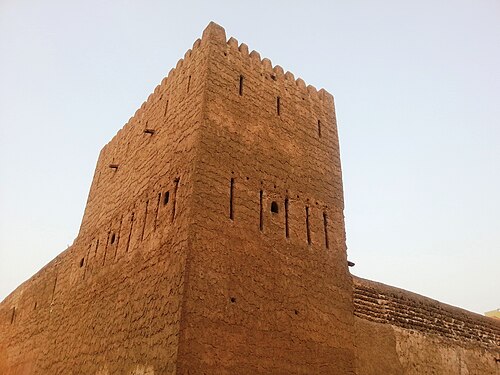
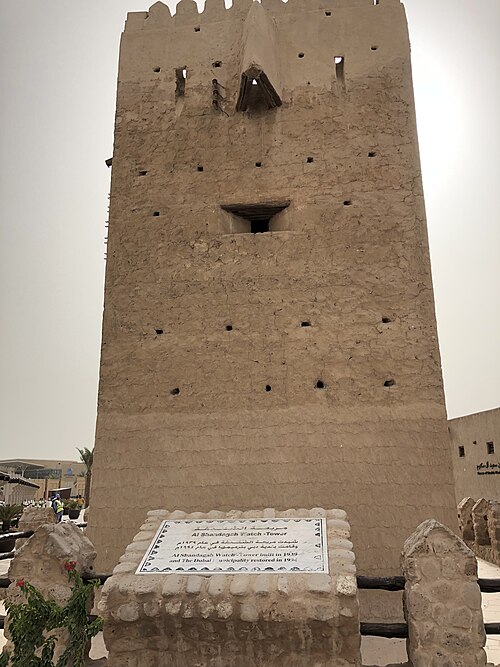
Al Shandagah Watch Tower is a historic defensive structure in Dubai’s Al Shandagah area. It represents the watchtowers that helped protect coastal settlements and monitor movement along the Arabian Gulf.
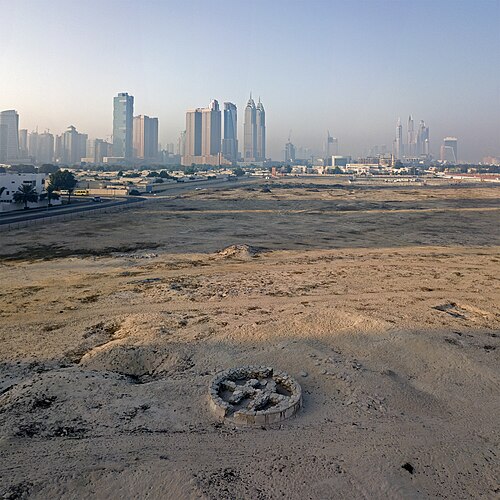
Al Sufouh Umm an-Nar Tomb is a Bronze Age burial monument in Dubai’s Al Sufouh area. The tomb belongs to the Umm an-Nar cultural tradition, which flourished in the third millennium BCE around the Arabian Gulf.
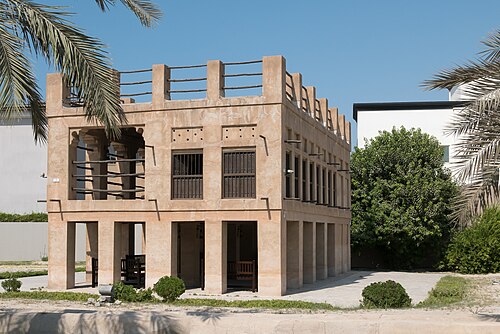
AYA is an immersive visitor attraction in Dubai, designed around experience-led entertainment rather than a conventional museum collection. The name identifies a contemporary stop within the city’s large portfolio of leisure destinations.
The National Gallery in Dubai is an art institution presenting collections and exhibitions to the public. It operates as a cultural venue within the city's developing arts landscape.
وو-هوو!
Woo-hoo! is listed as a visitor attraction in Dubai and is included in the city’s tourism landscape. Its name gives the place a playful identity, while the available description places it among Dubai’s broad range of visitor experiences.
نافورة دبي
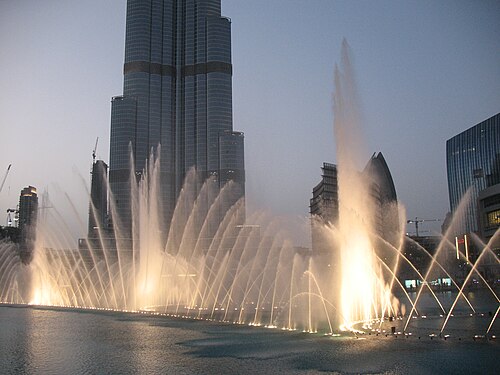
The Dubai Fountain is a choreographed water and light show staged on the Burj Lake, the artificial lake that lies between the Burj Khalifa, Dubai Mall and Souk Al Bahar in Downtown Dubai.
Source: OpenStreetMap contributors, Wikidata ·
District boundaries come from OSM administrative relations, so a district page holds exactly the places inside it — plus, for the islands and the coast, the nearest district by proximity.
Dubai Creek divides the older quarters of Deira and Bur Dubai, where souks, abra crossings and the Al Fahidi district sit close together. Downtown Dubai and Business Bay form a separate cluster around Burj Khalifa and Dubai Mall. Farther southwest, the coast becomes the main organising line: Jumeirah, Madinat Jumeirah, Palm Jumeirah and Dubai Marina are successive districts, not one walkable resort zone. Desert attractions and Hatta require separate trips and should not be combined with a dense central sightseeing day.
Checked 2026-08-26
Use the Dubai Metro for the airport, old-city connections and the Sheikh Zayed Road corridor, then switch to tram, bus or taxi for districts beyond easy walking distance. The Red and Green lines connect the main urban spine and the creek-side districts, while the Dubai Tram serves Marina and links with the Palm monorail area. Stations can still be a long outdoor walk from a destination, especially in hot weather, so route planning should include the final kilometre rather than treating every metro label as doorstep access.
Checked 2026-08-26
Three to four days cover the main visitor corridors without crossing the city repeatedly. Use one day for the creek and old Dubai, one for Downtown, and one for the Jumeirah-Marina coast. Add a fourth only for a separate desert or Hatta trip.
November through March is the practical outdoor season. Summer heat makes long walks and exposed transfers difficult, so a warm-season itinerary needs shorter outdoor blocks and more time for air-conditioned transport and indoor attractions.
The metro is the best backbone for the airport, creek-side interchange points, Downtown and Sheikh Zayed Road. It does not place every attraction within a short walk, so tram, bus or taxi connections remain part of most days.
Keep Deira, Bur Dubai and Al Fahidi together; combine Burj Khalifa and Dubai Mall in a Downtown day; and treat Palm Jumeirah, Madinat Jumeirah and Dubai Marina as the coastal corridor. This avoids long backtracking.
The creek-side sights are the most walkable cluster, especially Al Fahidi, the souks and the abra crossings. The wider city is not compact, and distances between named districts are often too large for sightseeing on foot.