
32
1 hour
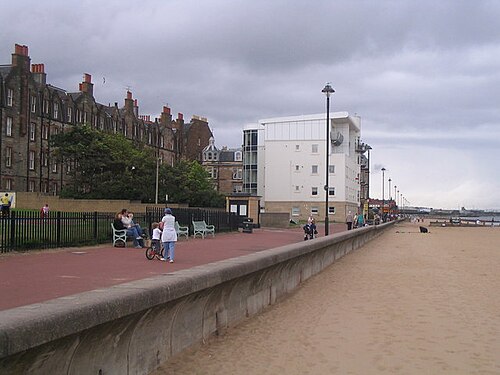
Portobello Beach
Portobello Beach is a coastal suburb and sandy beach located to the east of Edinburgh city centre, along the Firth of Forth.
- Must see
- Nature site
City guide · United Kingdom
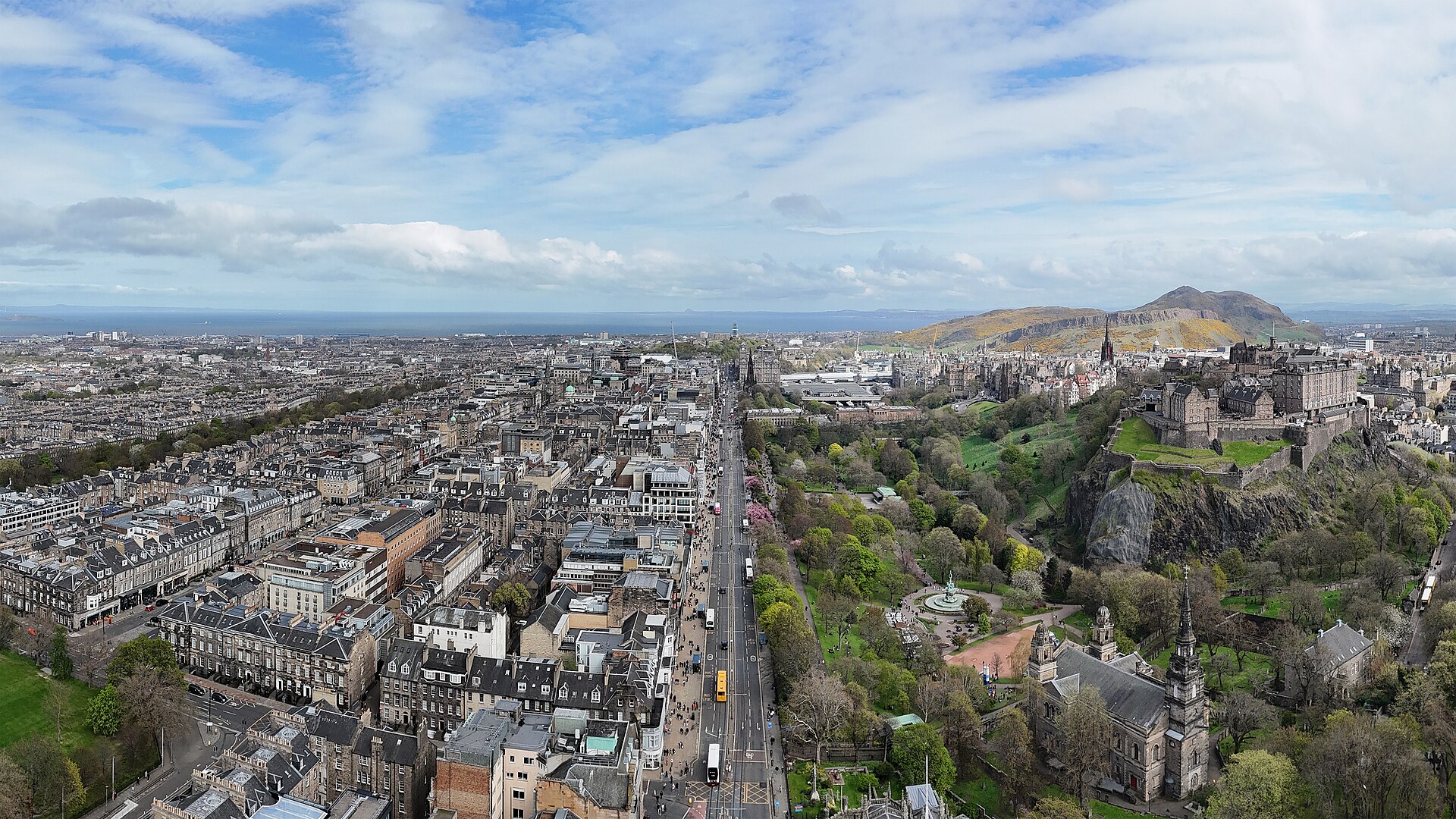
Edinburgh is built around a dramatic ridge-and-valley centre, with the Old Town and New Town facing each other across Princes Street Gardens. Most major central...
Photograph · 瑞丽江的河水 · CC BY-SA 4.0
Set your days, your pace and the hours you actually want to be out. The planner works around closing days and travel time, and leaves room to eat.
Reviewed by Elena Voss · Roavina Travel Editor
Edinburgh is built around a dramatic ridge-and-valley centre, with the Old Town and New Town facing each other across Princes Street Gardens. Most major central sights are walkable, but steep streets, closes and cobbles slow the route. Buses and trams connect the centre with Leith, the airport and outer districts. Plan uphill and downhill sections deliberately rather than treating the map as flat.
Checked 2026-08-26
September · September balances a 16.5°C mean high and 9.4°C mean low in Edinburgh with 63.7 mm of normal rain across 10.2 rain days.
Ranked by importance — sitelinks, pageviews and heritage status, not editor preference.
101 places match
Category
Typical visit duration
Interests
Portobello Beach is a coastal suburb and sandy beach located to the east of Edinburgh city centre, along the Firth of Forth.
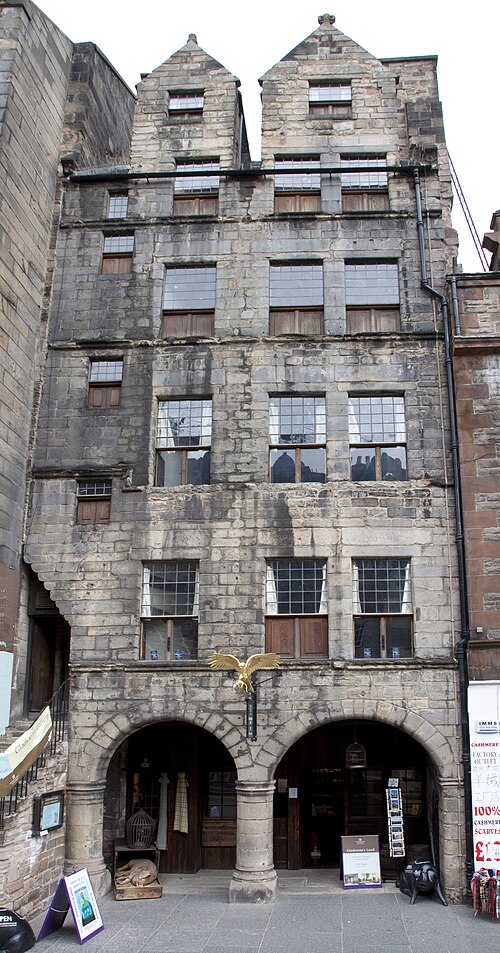
Gladstone’s Land is a preserved seventeenth-century tenement on Edinburgh’s Royal Mile. The tall, narrow building shows how Old Town residents and merchants used vertical space in a crowded medieval city.

Georgian House
The Georgian House is a historic townhouse at 7 Charlotte Square in Edinburgh’s New Town. Operated by the National Trust for Scotland, it presents upper-class domestic life through rooms, furnishings and architectural detail associated with Georgian Edinburgh.
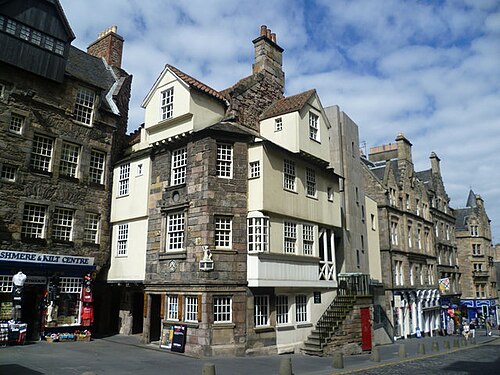
John Knox House stands on the High Street section of Edinburgh’s Royal Mile.
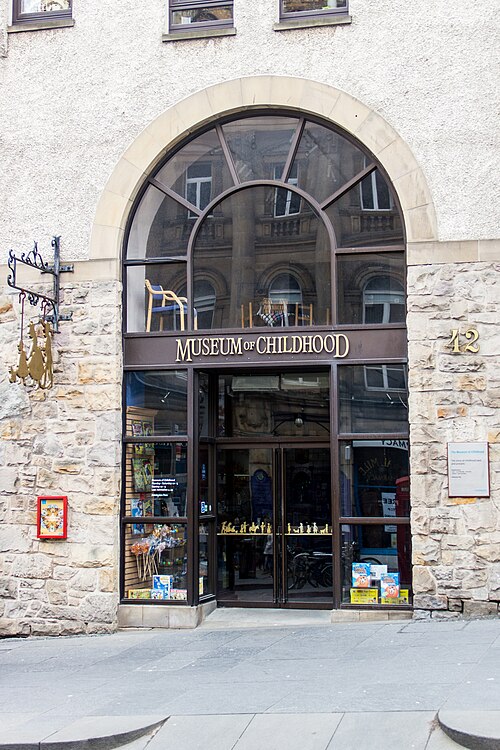
The Museum of Childhood is on Edinburgh’s Royal Mile in the Old Town. Its subject is the history of childhood, using objects connected with children’s lives, play and experiences across different periods.
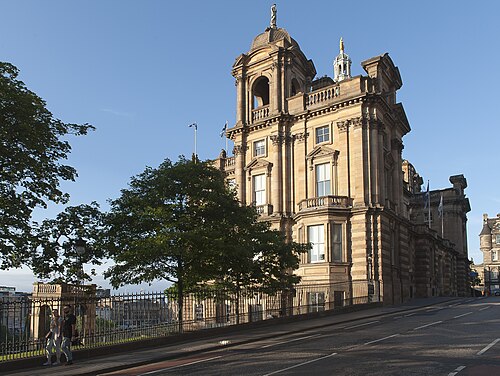
Museum on the Mound is an Edinburgh museum devoted to money, banking and finance. It occupies part of the former Bank of Scotland headquarters on The Mound, the central slope linking Edinburgh’s Old and New Towns.
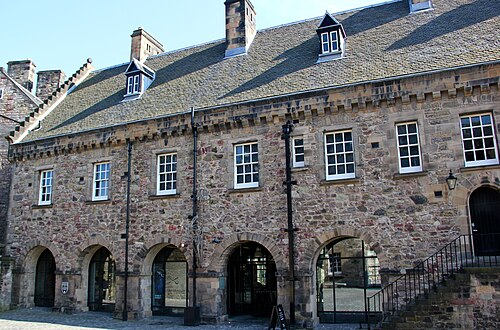
The National War Museum is a military history museum located within Edinburgh Castle in Scotland's capital city. It occupies a former storehouse building within the castle complex, which sits atop Castle Rock, a volcanic plug dominating the city skyline.
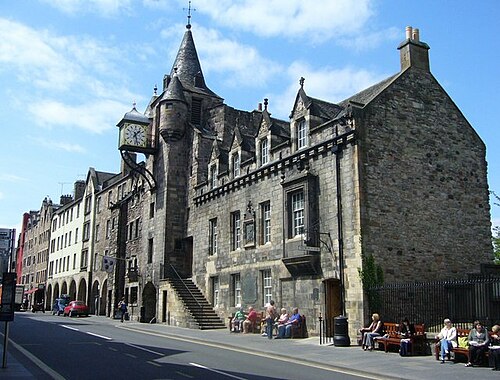
The People's Story Museum
People's Story Museum presents Edinburgh's social history through the experiences of ordinary residents. It occupies the historic Canongate Tolbooth on the Royal Mile, giving the visit a strong connection with the surrounding Old Town.
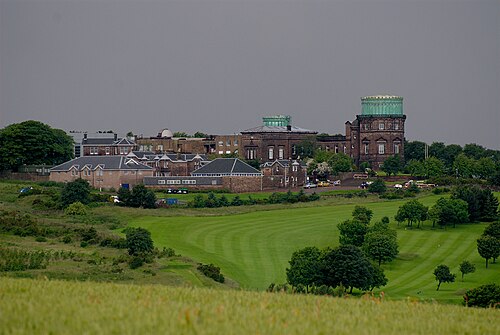
Royal Observatory, Edinburgh
Royal Observatory Edinburgh is a working astronomical research institution on Blackford Hill, south of the city centre. The present observatory site dates from 1896 and continues to support astronomical science rather than operating as a conventional museum.

City Observatory is a historic astronomical complex on Calton Hill, one of Edinburgh's most recognisable viewpoints. Founded in 1818, the observatory represents an important chapter in Scottish scientific history and forms part of the wider heritage landscape on the hill.
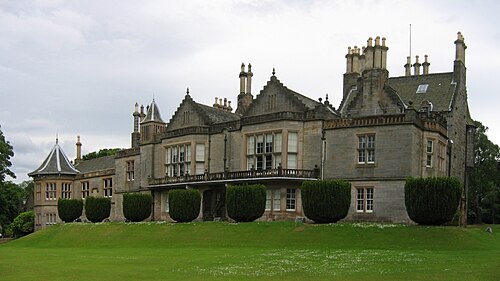
Lauriston Castle is a historic tower house situated in northwest Edinburgh, Scotland. The property comprises a 16th-century tower with later additions, set within notable gardens overlooking the Firth of Forth.
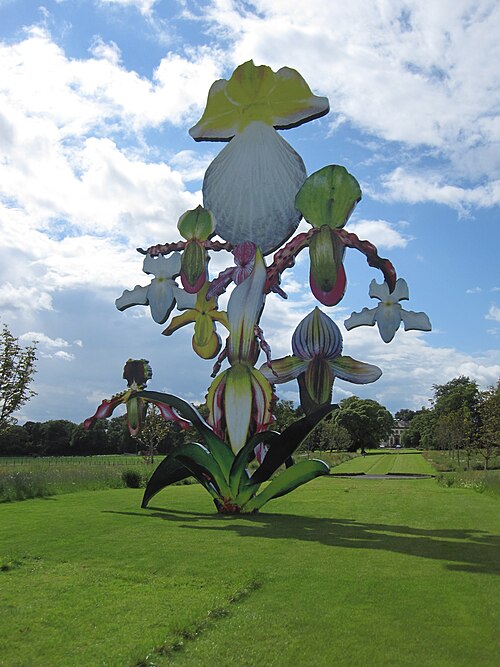
Jupiter Artland is a contemporary sculpture park and art gallery located on the outskirts of Edinburgh. The venue occupies extensive grounds and presents large-scale artworks by international artists within a designed landscape setting.
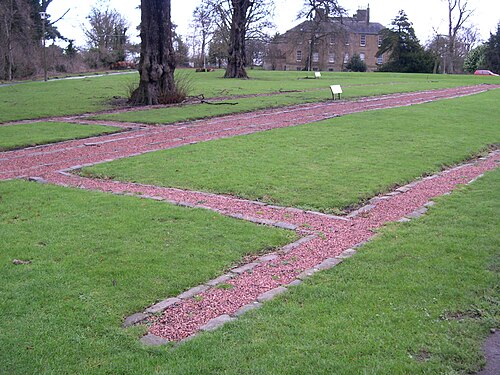
Cramond Roman Fort and Civil Settlement
Cramond Roman Fort and Civil Settlement is an archaeological site located in the Cramond area of Edinburgh, Scotland.

Duddingston Loch is a freshwater loch situated in Edinburgh, Scotland. It forms part of Holyrood Park and lies near the village of Duddingston. The loch is a notable natural feature within Scotland's capital city, offering a habitat for various wildlife.
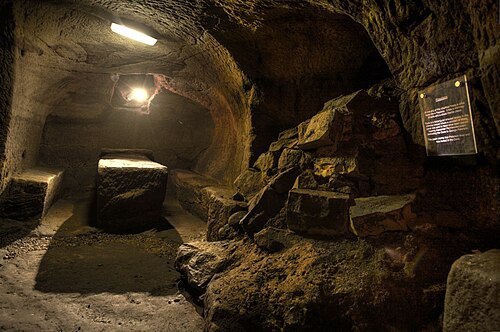
Gilmerton Cove is a mysterious underground site located in the Gilmerton area of Edinburgh, Scotland.

Grassmarket Market occupies the historic Grassmarket in Edinburgh's Old Town, beneath Edinburgh Castle and Castle Rock. The area has served as a marketplace for centuries and remains a social and commercial meeting place within the city's historic core.
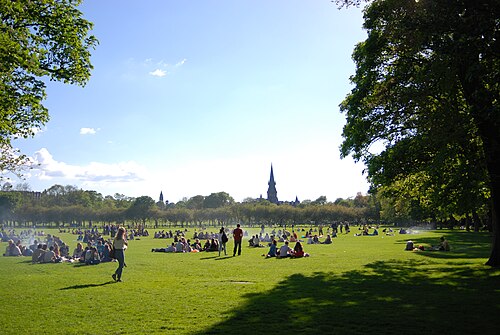
The Meadows is a large public park in Edinburgh, Scotland, situated south of the city centre. This open green space serves as a recreational area for residents and visitors alike.

Blackford Hill is an elevated open space in southern Edinburgh, Scotland. It forms part of the city's broader parkland and offers elevated terrain above the surrounding urban area.
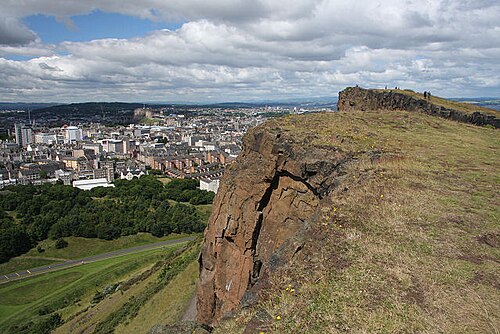
Salisbury Crags is a striking basalt cliff formation rising above Edinburgh city centre within Holyrood Park. Ancient volcanic activity created the hard rock ridge, while later glacial shaping helped form its steep faces and sloping ground.
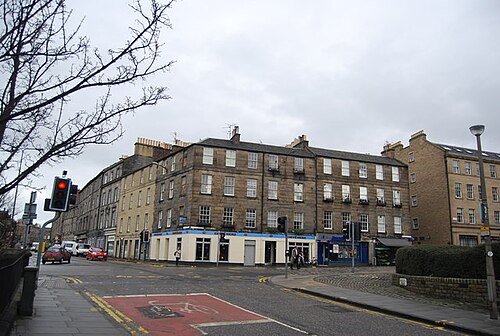
Stockbridge Market is a neighbourhood market in Stockbridge, north of Edinburgh’s city centre. It brings independent traders and local shoppers together in a street-based setting within an area known for Victorian architecture, small businesses and a strong village-like atmosphere.
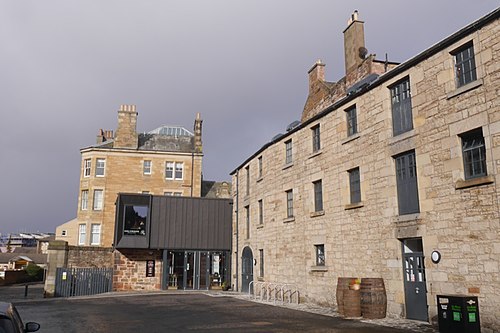
Holyrood Distillery is a whisky and gin distillery in Edinburgh’s Holyrood area, near the foot of Arthur’s Seat. It belongs to the city’s modern drinks landscape while drawing on Scotland’s wider distilling tradition.
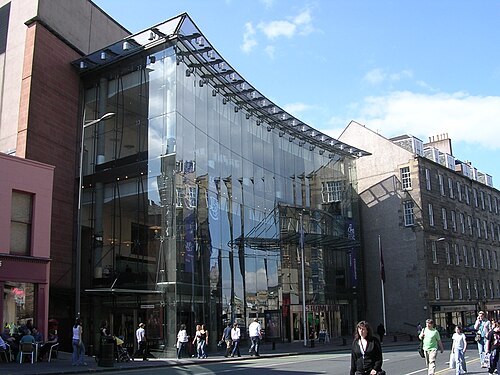
Festival Theatre
Edinburgh Festival Theatre is a major performing arts venue in Edinburgh, Scotland. It stands as one of the city's principal theatres, hosting a diverse programme of opera, ballet, musical theatre, and drama.
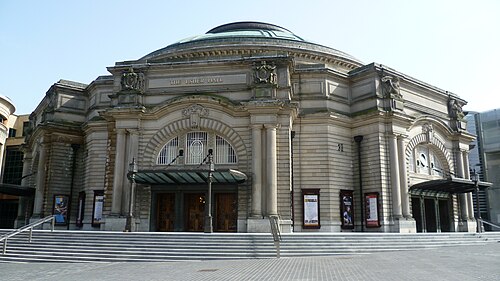
Usher Hall is a major concert venue in central Edinburgh, Scotland. This Victorian-era auditorium was built for musical performance and remains a working cultural venue.
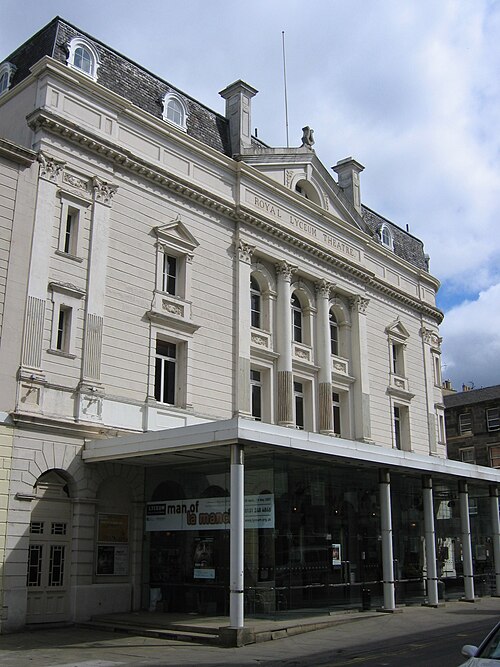
The Royal Lyceum Theatre is a producing theatre in central Edinburgh, established in 1883. It is one of Scotland’s important theatrical venues, presenting its own productions alongside visiting work.
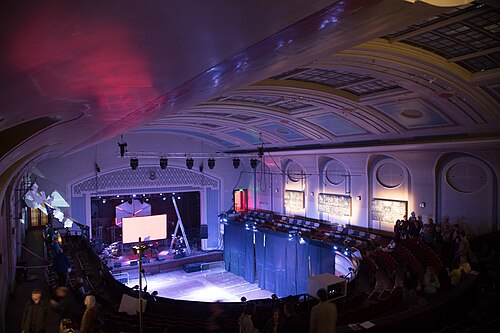
Leith Theatre is a historic performing-arts venue in Leith, the former port town incorporated into Edinburgh in 1920. The building belongs to the district’s cultural heritage and reflects Leith’s long community identity alongside its connection to the wider city.
The Old Town follows the Royal Mile ridge from Edinburgh Castle to Holyrood, with closes descending sharply on both sides. Across the valley, the Georgian New Town extends north from Princes Street. Calton Hill stands east of the central station, while the Meadows and university districts spread south. Leith forms a separate waterfront centre to the northeast, and Portobello lies farther east on the coast. Arthur’s Seat and Holyrood Park need their own weather-dependent block.
Checked 2026-08-26
Walk between the Old Town and New Town, allowing extra time for slopes and cobbled surfaces. Lothian buses cover the city and surrounding districts, while the tram links the airport, city centre, Leith and Newhaven corridor. Contactless payment is available on the principal bus network, and official journey tools show current services. Use transit for Leith, Portobello and outer attractions rather than extending an already steep central walking day.
Checked 2026-08-26
Two to three days suit a first visit. One day can follow the Old Town ridge, another can cover the New Town and museums, and a third allows Leith or a weather-dependent outdoor route.
May through September offers longer daylight for viewpoints and neighbourhood walks. Festival periods can change availability and crowd levels, so confirm dates before choosing accommodation.
The central sights are close enough to walk, but steep gradients, steps and cobbles make distances feel longer. Group the Old Town ridge and New Town separately instead of repeatedly crossing the valley.
Use the tram or city buses from central Edinburgh. Leith is a separate waterfront district, so it works better as a coherent half-day than as a quick detour between Old Town sights.
The principal Lothian bus network accepts contactless payment and applies its current fare rules through the operator system. Use the same card or device consistently and review current visitor guidance before boarding.