Scotland Street School Museum
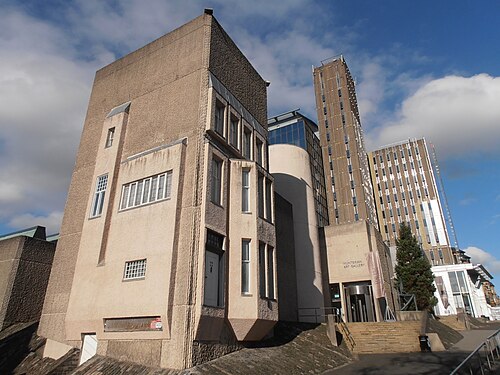
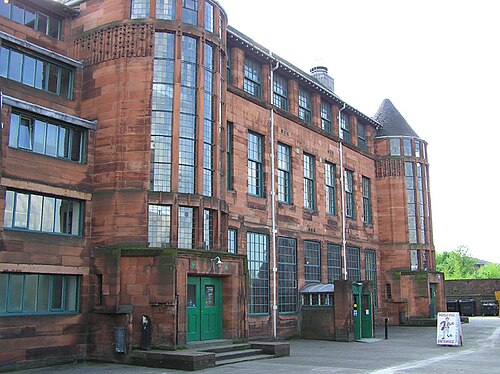
Scotland Street School Museum occupies a former Glasgow school building designed by Charles Rennie Mackintosh. It combines architectural interest with the social history of Scottish education.
- Must see
- Museum
- Glasgow
Country guide
The United Kingdom is 244,376 km² holding 69,281,437 people, and it is four countries rather than one: England, Scotland, Wales and Northern Ireland, with Londo...
Photograph · Colin · CC BY-SA 4.0
Reviewed by Elena Voss · Roavina Travel Editor
The United Kingdom is 244,376 km² holding 69,281,437 people, and it is four countries rather than one: England, Scotland, Wales and Northern Ireland, with London, Edinburgh, Cardiff and Belfast as their capitals. Three of the four run parliaments of their own over devolved matters, and the law splits three ways — England and Wales, Scotland, Northern Ireland. A visitor meets that in small practical things rather than at a border. London alone holds about 9.1 million of the total, which is why so many trips never leave it, and why the ones that do feel like arriving somewhere else.
Checked 2026-08-25
Every city catalogued in this country so far, ranked by how much there is to see.
Photograph · Ilya Grigorik · CC BY-SA 3.0
Photograph · 瑞丽江的河水 · CC BY-SA 4.0
Photograph · Daniel Nisbet from Manchester, United Kingdom · CC BY 2.0
Ranked by importance — sitelinks, pageviews and heritage status, not editor preference.
89 places match
Category
Typical visit duration
Interests
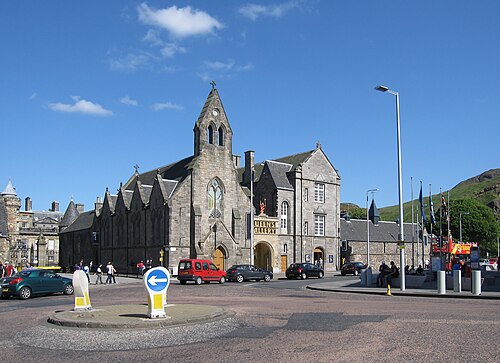
Scotland Street School Museum occupies a former Glasgow school building designed by Charles Rennie Mackintosh. It combines architectural interest with the social history of Scottish education.
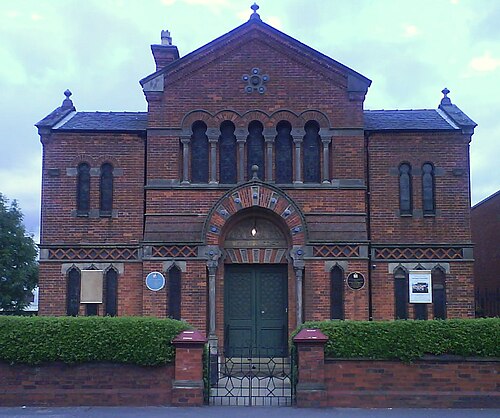
Manchester Jewish Museum occupies a former Spanish and Portuguese synagogue in Cheetham Hill. The Grade II* listed building was completed in 1874 and served as a place of worship for nearly a century before closing in 1984.
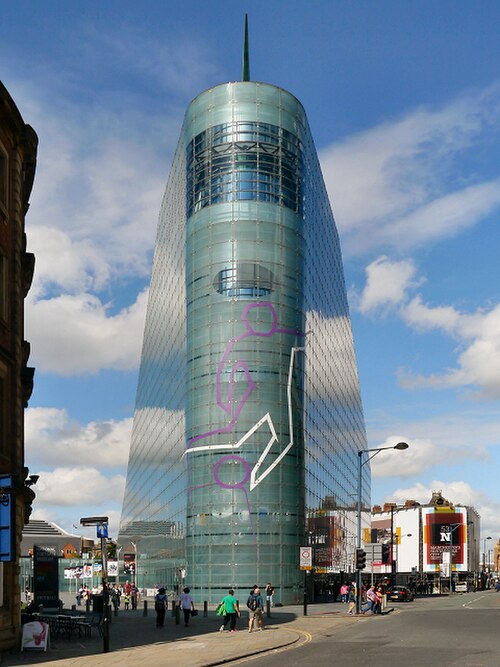
National Football Museum uses four floors of the Urbis building at Cathedral Gardens to tell the history and culture of the English game. It is not organised by club allegiance.
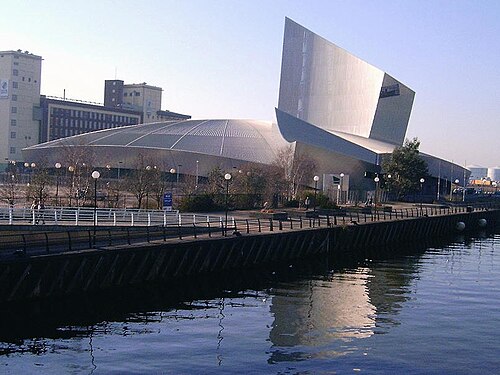
IWM North is Imperial War Museums’ branch at Trafford Wharf, opened in 2002 as the family’s first museum outside south-east England.
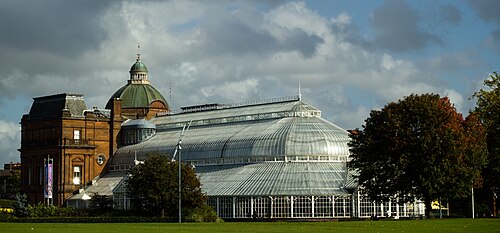
The People’s Palace is a museum and public glasshouse in Glasgow Green, the city’s oldest park. It presents Glasgow’s social history through the lives, work, homes, politics, leisure, and communities of ordinary residents.
Glasgow Science Centre sells several distinct visitor products; one ticket does not automatically cover every building or session. Science Mall Day Entry is the main interactive visit.
Hunterian Museum
The Hunterian Museum and Art Gallery is Scotland's oldest public museum, founded in 1807 following the will of Dr William Hunter, a pioneering anatomist and collector.
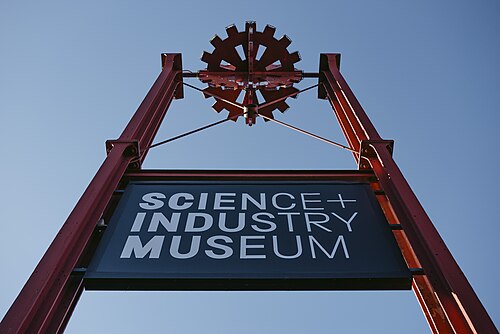
Science and Industry Museum occupies part of the former Liverpool Road railway complex, where Manchester’s industrial past is interpreted through working machinery, experiments and locally made technologies.
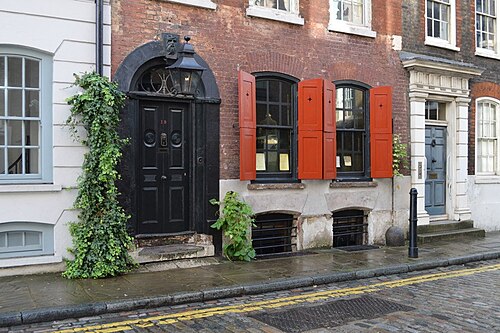
Dennis Severs’ House is an immersive historic house in Spitalfields, created by American artist Dennis Severs inside a Georgian terraced home.
David Livingstone Museum
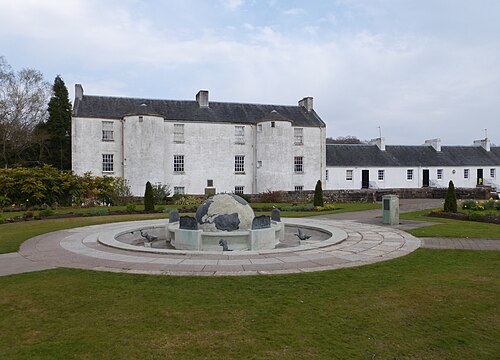
The David Livingstone Centre, also known as the David Livingstone Museum, is a heritage attraction in Blantyre, about eleven kilometres south-east of Glasgow city centre.
Trinity House
Trinity House of Leith is a historic maritime building in Edinburgh's port district of Leith. The structure served as the headquarters for the Incorporation of Masters and Mariners, a guild governing seafaring activities.
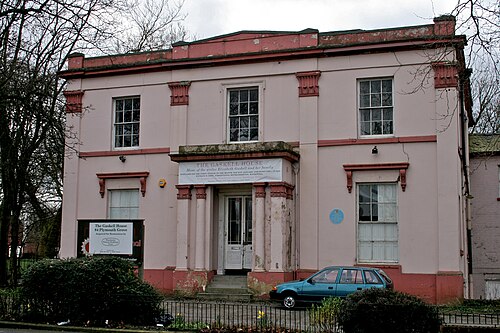
Elizabeth Gaskell's House is a literary heritage house museum in Manchester. It was the home of the Victorian novelist Elizabeth Gaskell, author of Cranford, North and South, and Wives and Daughters.
Greater Manchester Police Museum & Archives
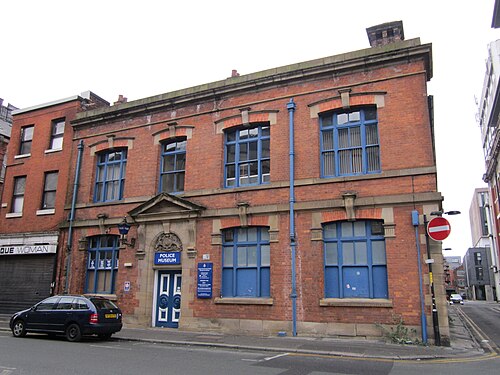
Greater Manchester Police Museum and Archives occupies a former police station in Manchester’s Northern Quarter.
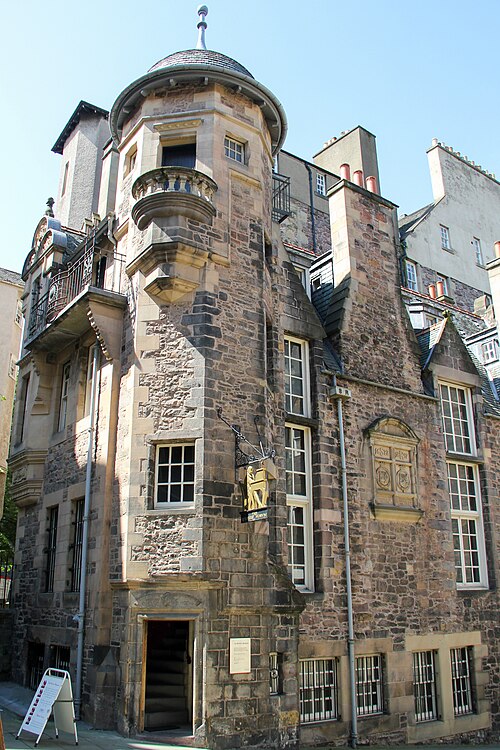
The Writers' Museum is a literary museum in Edinburgh dedicated to Scottish writers. It celebrates the lives and works of Robert Burns, Sir Walter Scott, and Robert Louis Stevenson.
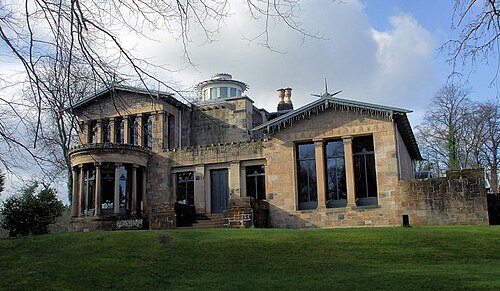
Holmwood House is a historic villa in Glasgow, designed by Alexander 'Greek' Thomson and completed in 1858.
The King's Gallery
The King's Gallery is a royal art gallery within the Palace of Holyroodhouse grounds at the eastern end of Edinburgh's Royal Mile.
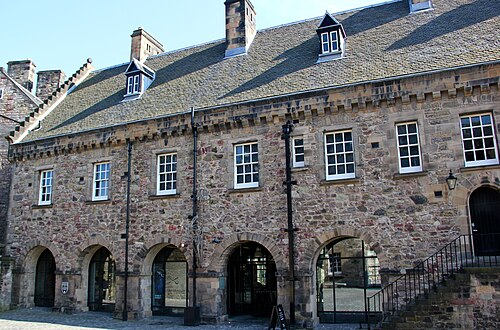
The National War Museum is a military history museum located within Edinburgh Castle in Scotland's capital city. It occupies a former storehouse building within the castle complex, which sits atop Castle Rock, a volcanic plug dominating the city skyline.
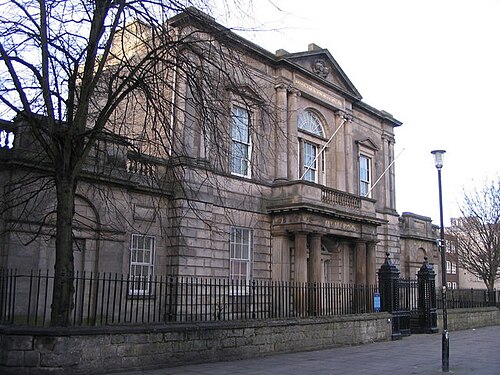
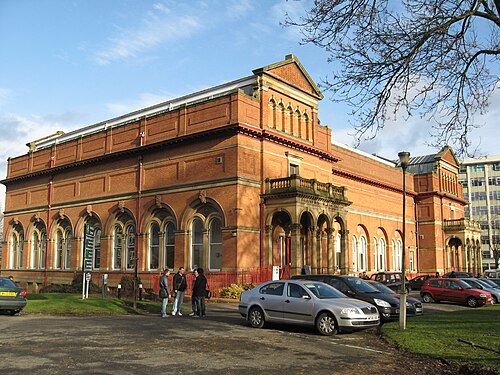
Salford Museum and Art Gallery is a local-history museum and art gallery in Salford, set beside Peel Park.
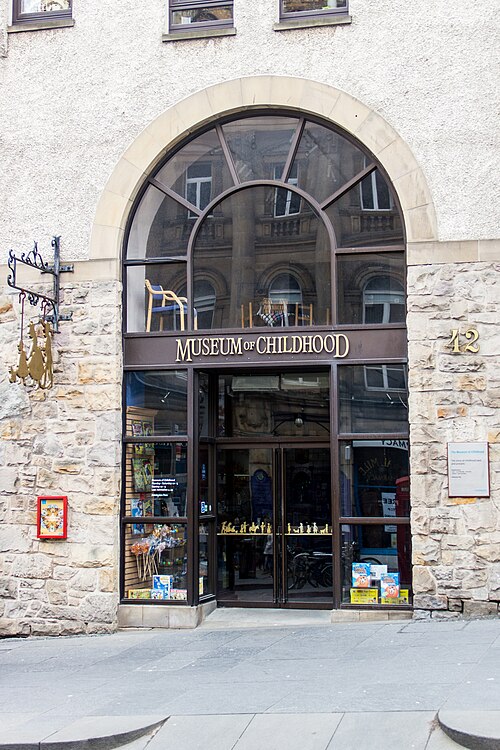
The Museum of Childhood is on Edinburgh’s Royal Mile in the Old Town. Its subject is the history of childhood, using objects connected with children’s lives, play and experiences across different periods.
St Cecilia's Hall is an eighteenth-century concert hall and music museum in Edinburgh. It is recognised as Scotland's oldest purpose-built concert hall and remains connected with the University of Edinburgh.
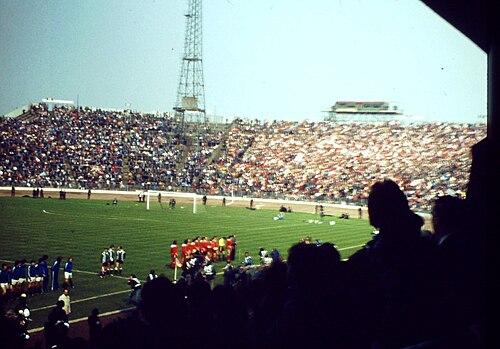
Scottish Football Museum is housed at Hampden Park, Scotland's national stadium, and explores the history and heritage of football in Scotland.
The People's Story Museum
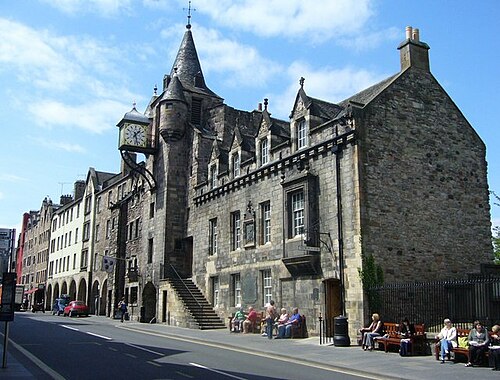
People's Story Museum presents Edinburgh's social history through the experiences of ordinary residents. It occupies the historic Canongate Tolbooth on the Royal Mile, giving the visit a strong connection with the surrounding Old Town.
St Mungo Museum of Religious Life & Art
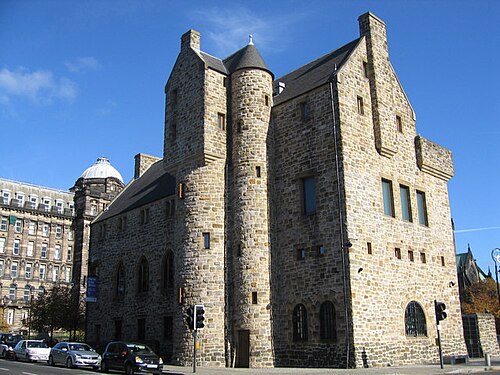
St Mungo Museum of Religious Life and Art is a museum in Glasgow dedicated to the study and display of religious art and artefacts from across the world.
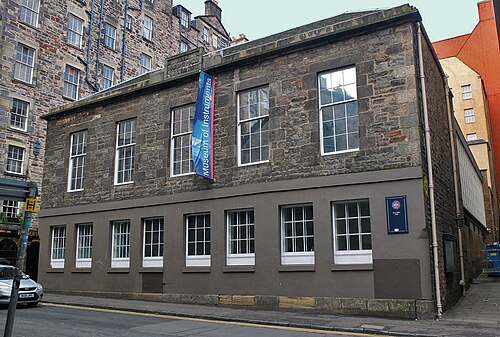
Talbot Rice Gallery is an art gallery located in Edinburgh, Scotland. It forms part of the University of Edinburgh and is situated within the Old College building on South Bridge.
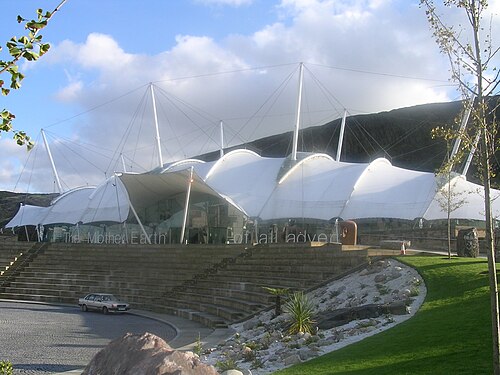
Dynamic Earth is a science centre and visitor attraction in Edinburgh, Scotland. It explores the story of planet Earth through interactive exhibits and immersive experiences.
Ten to fourteen days can cover four or five days in London, two in Manchester, and two or three each in Edinburgh and Glasgow. The Highlands, Lake District, or Welsh national parks need dedicated nights and should not be squeezed into London day trips.
UK document rules depend on nationality and trip purpose, and many visitors now need an Electronic Travel Authorisation before boarding. Check the linked UK government visa service for both visa and ETA status shortly before travel.
Intercity rail is the practical spine between London, Manchester, Edinburgh, and Glasgow, with advance fares usually distinct from flexible tickets. Each city runs its own local fare system, so London's contactless cap is not a nationwide travel pass.
May to June and September are useful planning windows for this route, but conditions vary between southern England and Scotland. Festival dates in Edinburgh and rural transport in national parks can matter more than the national seasonal label.
The United Kingdom uses pound sterling (GBP). Contactless payment is widespread in major cities, but keep another payment method for rural services or terminals that do not share London's payment arrangements.
Use 999 or 112 for emergencies in the United Kingdom. Type G sockets supply 230 V, and mains tap water is recorded as safe; save rail disruption information as well when the itinerary depends on several city-to-city journeys.