.jpg)

1 min walk
African American Civil War Memorial
- High
- Historic monument
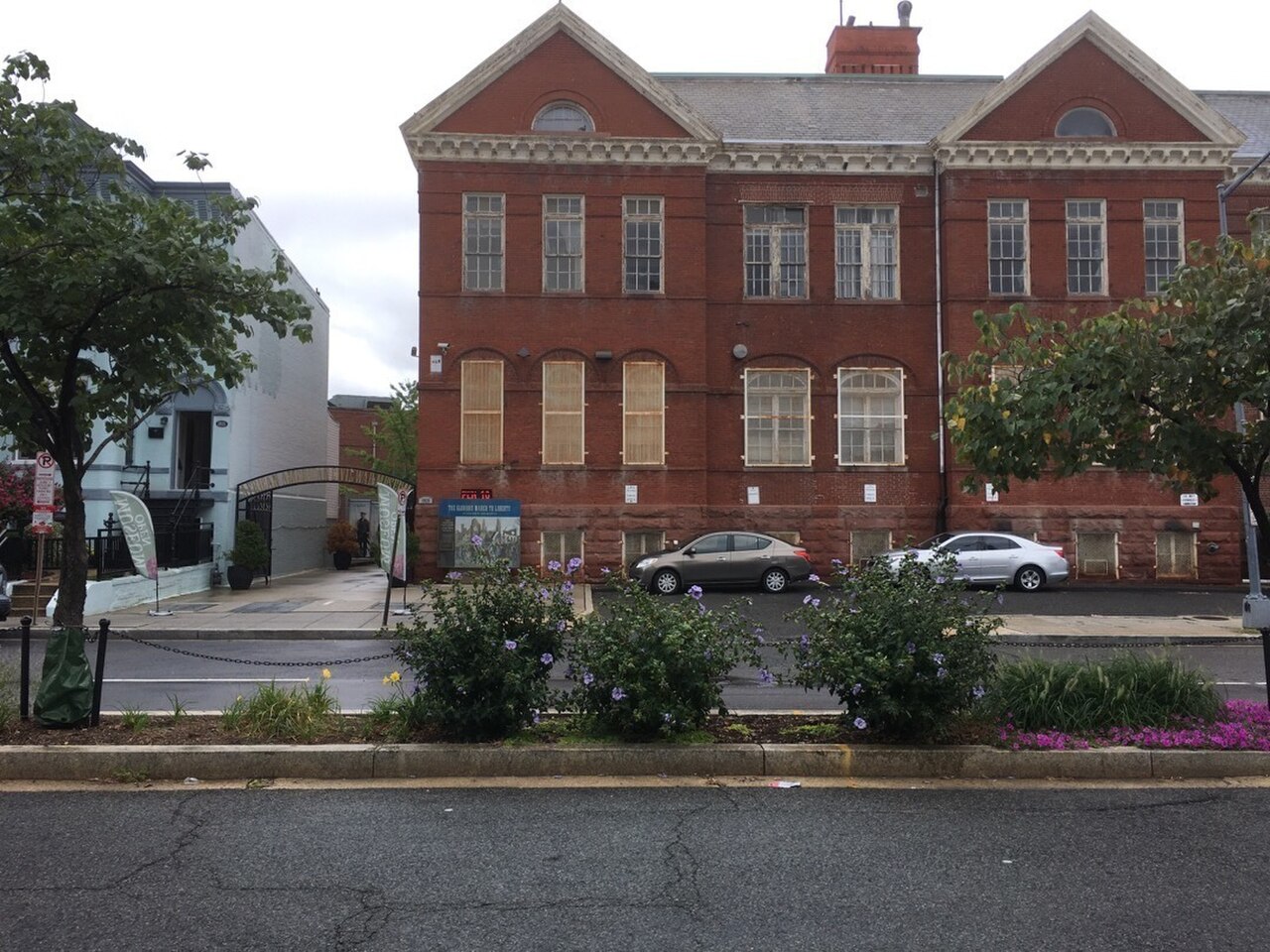
Museum · Washington
| Per person | Free entry |
|---|
Checked 2026-08-31 · Source
Read from the OpenStreetMap access tags; anything not listed has no tag recorded.
Set the group type to family in the planner and the day window contracts to about three quarters of a solo day.
The African American Civil War Museum in Washington, D.C. tells the story of Black military service and citizenship during the American Civil War era. Its central focus is the United States Colored Troops, the Black soldiers who fought for the Union, alongside the wider history of emancipation and the struggle for equal rights. The museum stands beside the African American Civil War Memorial, creating an indoor and outdoor experience in the U Street area. This is a focused historical visit for travelers who want individual service stories, military history, and the long consequences of emancipation presented together.
Checked 2026-08-26 · Source
The exhibits follow the formation, service, and legacy of the United States Colored Troops. Displays address recruitment, battles, military life, and the experience of Black soldiers during and after the war. Artifacts, documents, and interpretive material bring collective events back to personal lives. The neighboring memorial adds an outdoor commemorative element, centered on Ed Hamilton’s bronze sculpture The Spirit of Freedom. Read the indoor displays before standing with the sculpture outside; that sequence connects the historical narrative with the names, sacrifice, and freedom represented by the memorial. The museum’s strength is its clear concentration on a perspective that deserves dedicated attention rather than a brief paragraph in a larger Civil War survey.
Checked 2026-08-26 · Source
Allow about one to two hours for the indoor museum, then add time for the outdoor memorial and its inscriptions. The interior is compact, so a focused visitor can follow the main story without spending an entire afternoon. Travelers interested in military history, African American history, emancipation, or family research may want to linger over documents and personal accounts. The combined visit works best at an unhurried pace: read enough of the interpretation to understand the United States Colored Troops, then pause outdoors with The Spirit of Freedom. If you are exploring U Street and Shaw on foot, the museum can anchor a broader neighborhood walk without taking over the whole day.
Checked 2026-08-26 · Source
The indoor galleries provide shelter from Washington’s humid summers, cold winters, and wet weather, while the memorial is most comfortable when the outdoor conditions are mild. Morning can offer a calmer atmosphere for reading and reflection. The U Street corridor is active throughout the day, and special events can make the surrounding streets busier. Combine the museum with a neighborhood walk when you have time to pause at the memorial rather than treating it as a quick photograph. A clear day gives the outdoor sculpture and inscriptions more room to breathe, while a rainy day can favor a shorter exterior visit followed by more time inside.
Checked 2026-08-26 · Source
The museum’s mission and compact scale make it a focused cultural stop in the U Street area. Plan the visit around the indoor exhibits and the connected memorial rather than expecting a large multi-building museum complex. The historic subject is the main reason to come: displays cover Black Union soldiers, recruitment, battles, daily service, emancipation, and the postwar fight for equal rights. If you are traveling with a group, leave enough time for everyone to read the personal stories and inscriptions. The memorial is not a substitute for the museum; the two parts serve different purposes, with the interior explaining the history and the outdoor sculpture providing a place for commemoration.
Checked 2026-08-26 · Source
The museum is in Washington’s Shaw area near the U Street corridor. U Street station, served by the Green and Yellow lines, provides nearby Metrorail access, and bus routes run through the surrounding streets. Walking from other central Washington neighborhoods is possible, though the distance can be substantial. Street parking exists but is competitive in this busy urban district; visitors arriving by car should expect city traffic and active curb regulations. The museum pairs naturally with a walk through U Street and Shaw, where the urban setting adds context to a visit centered on African American history and community memory.
Checked 2026-08-26 · Source
The museum is compact and can feel crowded during busy periods or special events. The memorial stands outdoors, so rain, heat, cold, and slippery paving can affect the time you want to spend reading and reflecting there. Keep personal belongings close in the active U Street corridor and allow extra time if traffic or street activity changes your walking route. Inside, give other visitors space to read the displays. The subject matter is serious, and the best visit leaves room for quiet attention rather than hurried movement. If you are combining the stop with other attractions, remember that neighborhood travel takes time even when the map distance looks short.
Checked 2026-08-26 · Source
The outdoor African American Civil War Memorial and The Spirit of Freedom provide a natural place for respectful photography from the public exterior. Inside the museum, follow gallery signs and staff directions for exhibits and documents. Flash can distract other visitors and may be unsuitable around sensitive materials, so leave it off unless a clear instruction permits it. Avoid blocking display cases or turning a commemorative space into a staged photo setting. Personal photographs can help preserve the visit, but the museum’s historical content deserves attention beyond the camera. Images intended for publication or commercial use require separate permission from the institution or rights holder.
Checked 2026-08-26 · Source
The museum is the indoor exhibition space about the United States Colored Troops and Black Civil War history. The memorial is the outdoor commemorative sculpture and setting beside it.
It explains Black Union military service, including recruitment, battles, daily life, emancipation, citizenship, and the postwar struggle for equal rights.
Allow about one to two hours for the indoor exhibits, with additional time for the outdoor memorial and its inscriptions.
U Street station is nearby and is served by the Green and Yellow Metrorail lines.
The Spirit of Freedom is a bronze sculpture by Ed Hamilton at the connected African American Civil War Memorial.
The outdoor memorial offers a place for respectful photography from the public exterior. Inside, follow gallery signs and staff directions.
Loading the interactive map…
The interactive map could not be loaded.

Last updated:
Source: OpenStreetMap contributors, Wikidata ·