


.jpg)
1 min walk
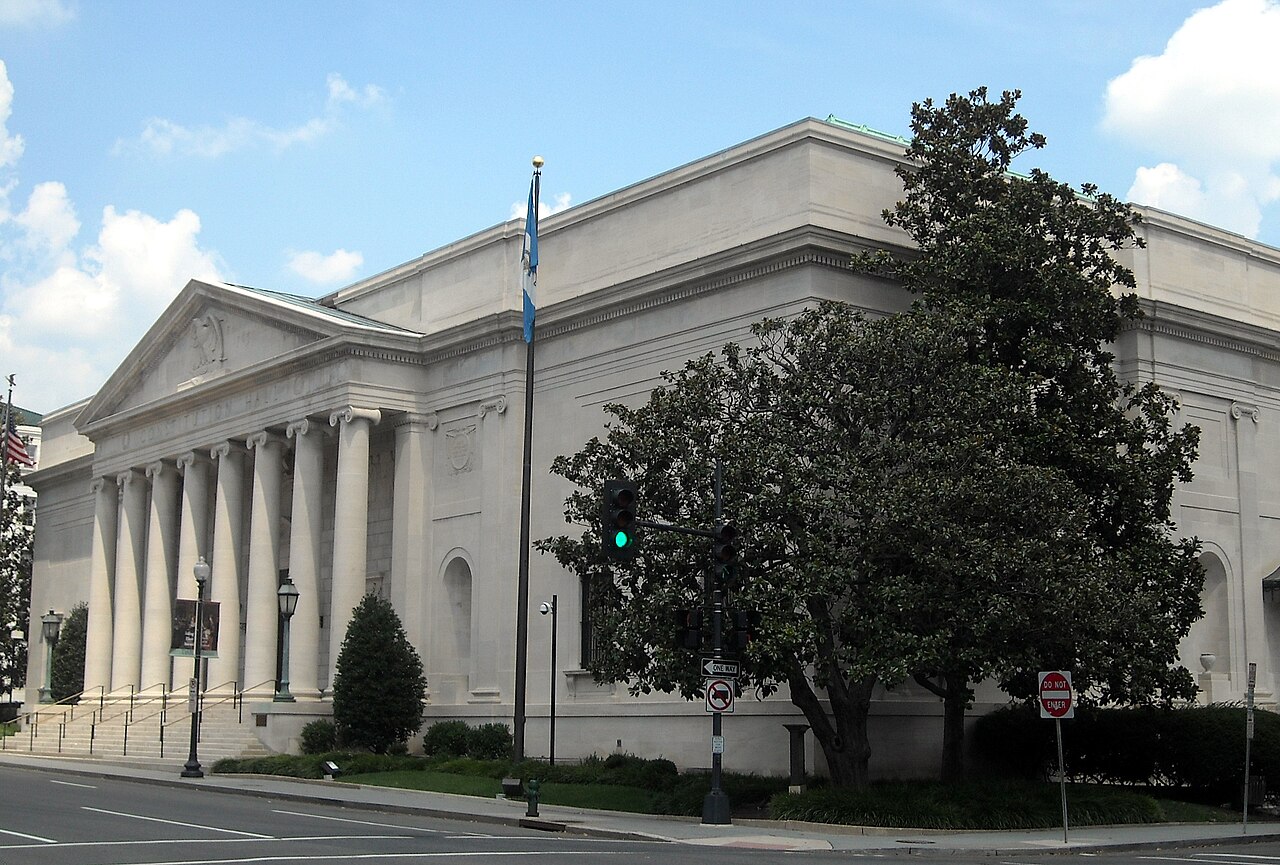
DAR Constitution Hall
- High · Heritage site
- Art and culture venue
Language · 11 published
Museum · Washington
Closed today, Sunday. Next open Monday at 10:00 — the planner will not place a stop here on a Sunday.
Plan around itReviewed by Elena Voss · Roavina Travel Editor
| Monday | 10:00 – 16:00 |
|---|---|
| Tuesday | 10:00 – 16:00 |
| Wednesday | 10:00 – 16:00 |
| Thursday | 10:00 – 16:00 |
| Friday | 10:00 – 16:00 |
| Saturday | 10:00 – 17:00 |
| Sunday | Closed |
Checked 2026-08-31 · Source
Read from the OpenStreetMap access tags; anything not listed has no tag recorded.
Set the group type to family in the planner and the day window contracts to about three quarters of a solo day.
This place is a Museum. It opened in 1910.
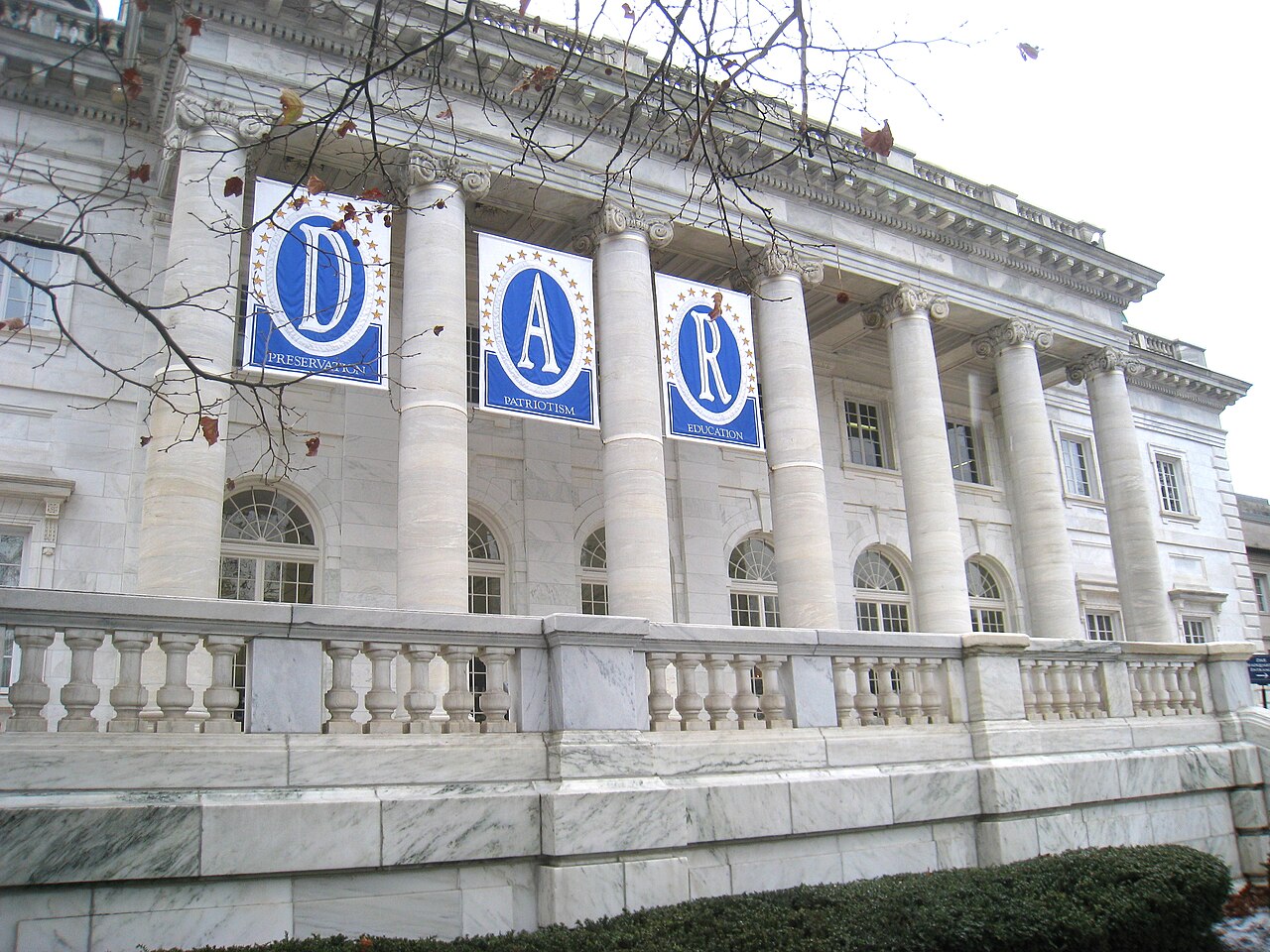
The DAR Museum is a period-room and decorative-arts museum in Washington, D.C., housed within the headquarters of the Daughters of the American Revolution. Its rooms present American domestic interiors and objects from the colonial period through the early twentieth century. Rather than displaying isolated objects in rows alone, the museum uses furnished settings to show how people lived, decorated rooms, and used household goods in different eras. The museum also connects visitors with the DAR’s preservation and historical interests, making it a rewarding stop for travelers drawn to furniture, textiles, architecture, family history, and the material details of everyday American life.
Checked 2026-08-26 · Source
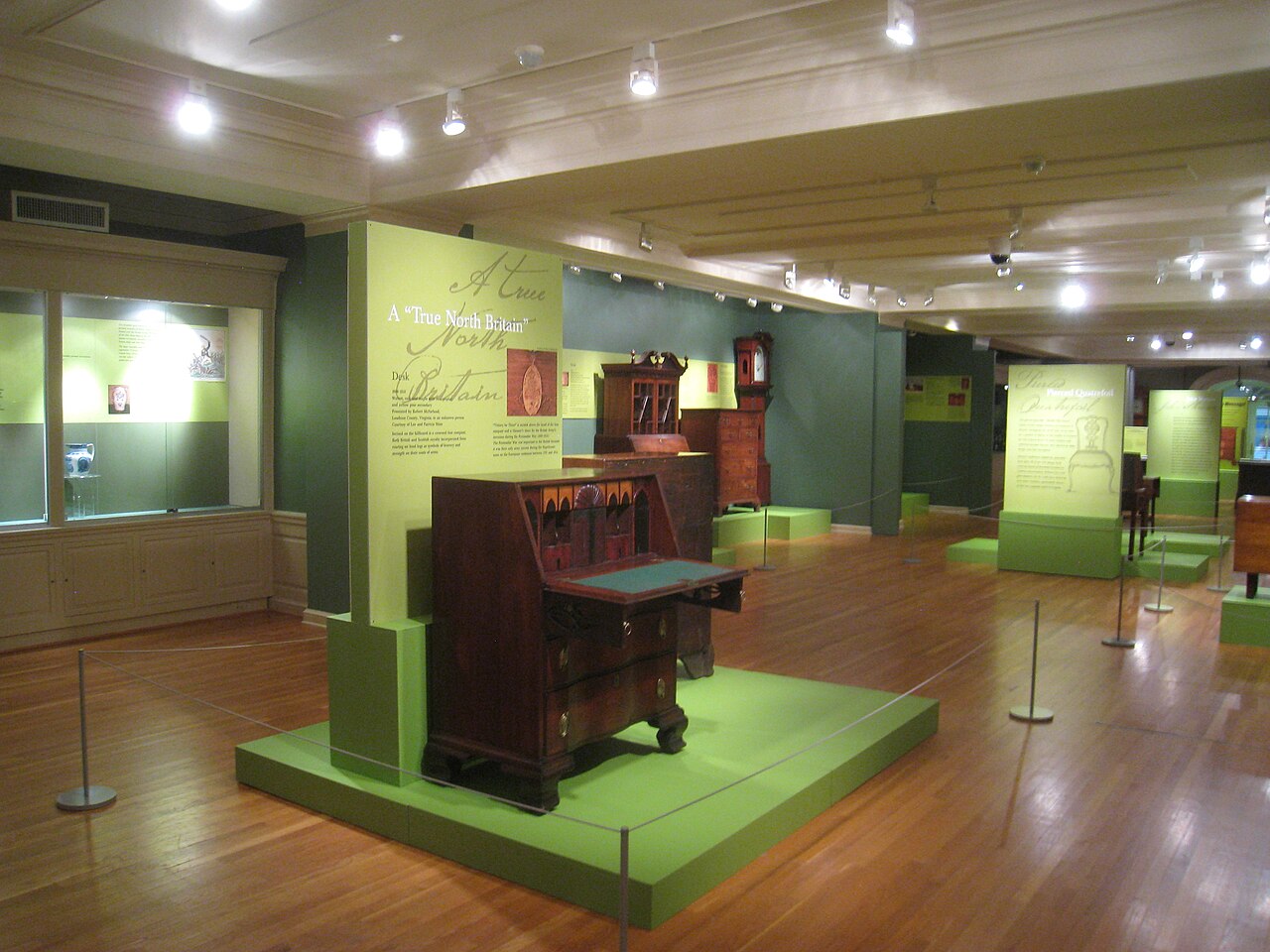
The museum contains thirty-one period rooms representing different American regions and historical eras. Furnishings include furniture, textiles, ceramics, silver, and other decorative arts objects dating from the seventeenth through the early twentieth centuries. Look for changes in room arrangement, craftsmanship, materials, and taste as you move between settings. The museum’s research library and archives support genealogical and historical study, adding depth beyond the furnished rooms. For a first visit, compare several interiors rather than spending the entire time on one object: the value lies in seeing how domestic life and design changed across generations. The setting within the DAR headquarters also gives the visit an institutional character distinct from the large federal museums nearby.
Checked 2026-08-26 · Source
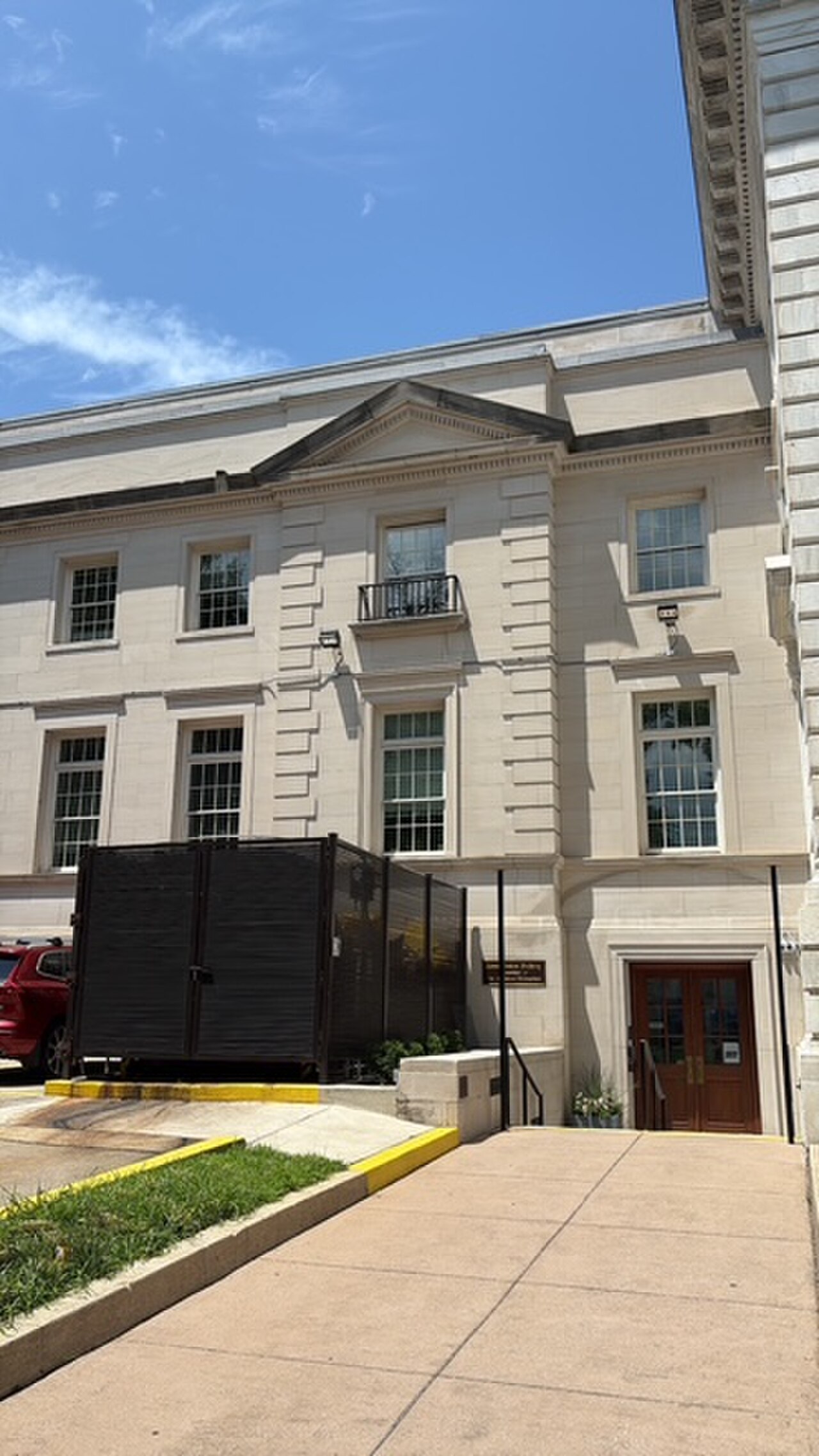
Set aside about one to two hours for the period rooms and decorative arts. That is enough time to walk through the principal interiors, read selected labels, and compare furniture, textiles, ceramics, and silver across periods. Visitors deeply interested in American furniture, historic interiors, genealogy, or material culture may want longer. The museum also fits well into a downtown cultural day because its compact scale leaves time for the White House area, Constitution Hall, or the National Mall. Move slowly enough to notice room details, but keep the visit focused: the period-room arrangement works best when each space is understood as part of a changing American domestic landscape.
Checked 2026-08-26 · Source
The DAR Museum offers an indoor cultural experience in every season. Spring and autumn are comfortable periods for walking through downtown Washington, while summer heat and winter cold make the museum a useful indoor pause near the White House and National Mall. Its specialized subject usually suits travelers seeking a more focused atmosphere than the city’s largest institutions. Weekday planning can fit naturally into a day of downtown sightseeing, while visitors interested in a quieter look should leave enough time for unhurried reading. The surrounding federal district can become busy with pedestrians, traffic, demonstrations, or public events, so allow flexibility when walking to the entrance.
Checked 2026-08-26 · Source
The DAR Museum is operated by the Daughters of the American Revolution rather than the Smithsonian Institution. That distinction matters when planning a museum day: its admission arrangements belong to a private historical organization, not to the federal museum system on the Mall. The principal reason to visit is the collection of thirty-one furnished period rooms and the decorative objects displayed within them. If you are visiting with family or friends, plan time for everyone to compare rooms and discuss how domestic interiors changed from the colonial period through the early twentieth century. The museum’s focused scale makes it easy to combine with nearby downtown landmarks without treating it as an all-day commitment.
Checked 2026-08-26 · Source
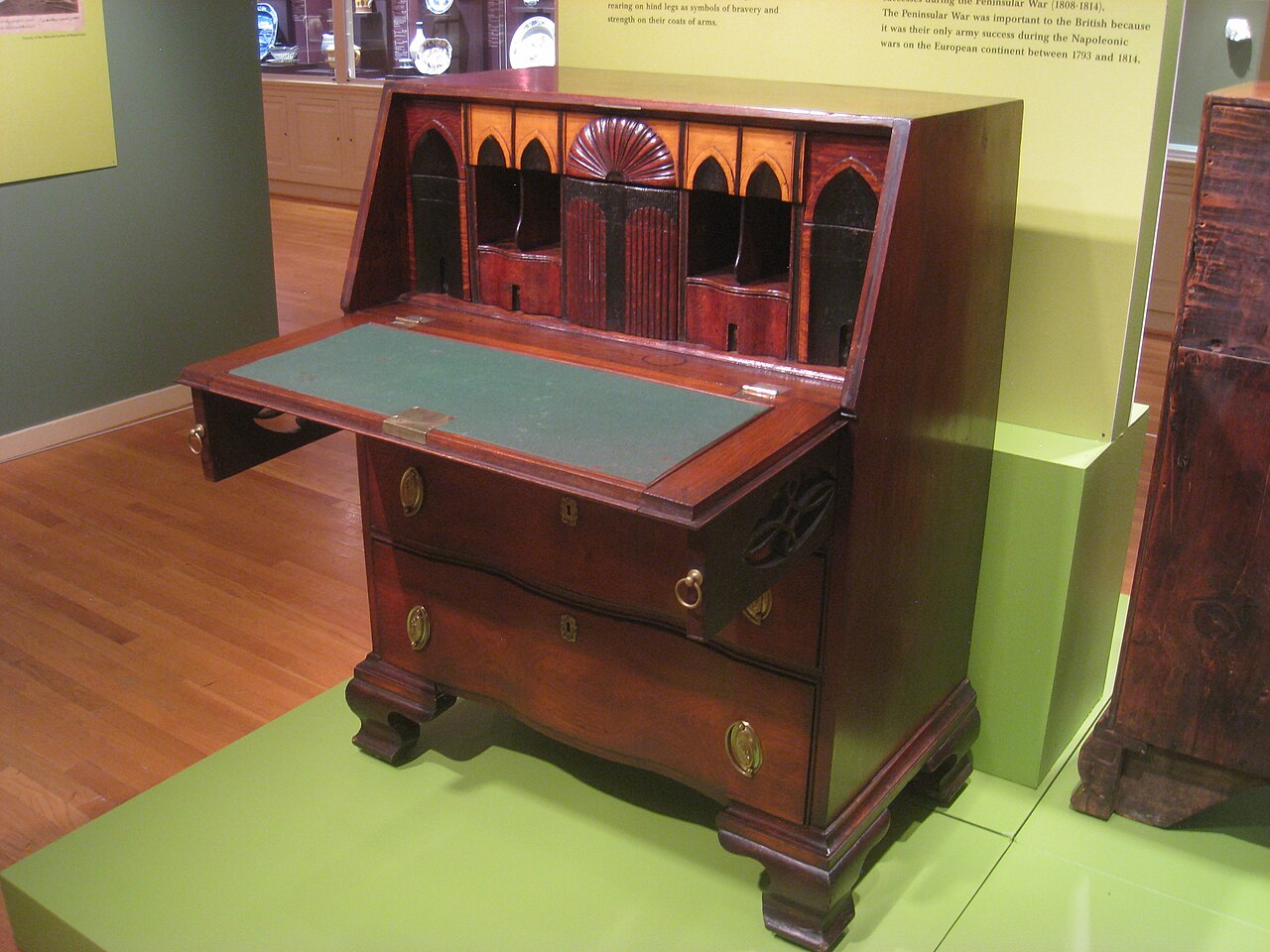
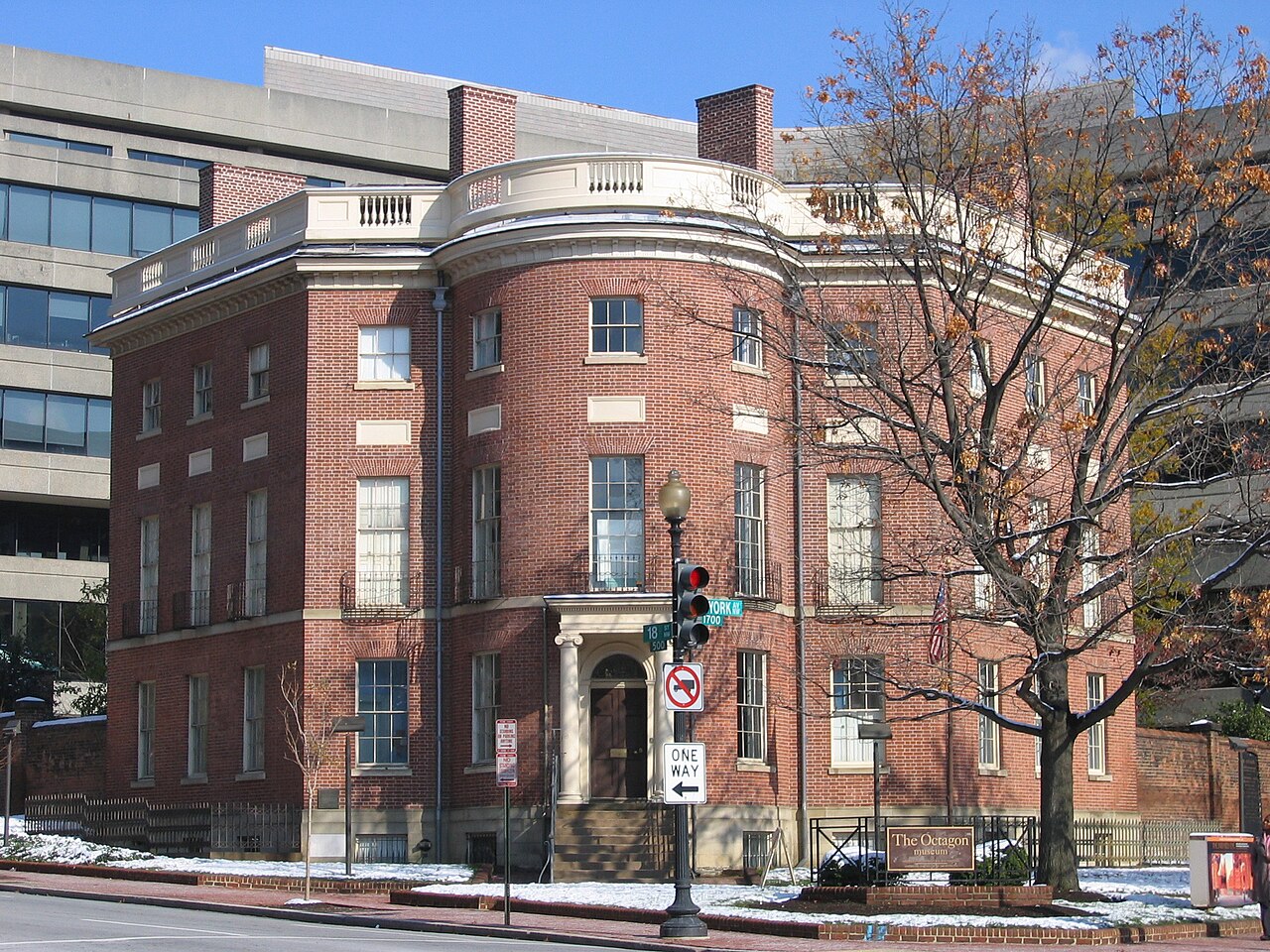
The museum is in downtown Washington near the White House and the National Mall. Farragut West station, served by the Blue, Orange, and Silver lines, and Farragut North station on the Red line are the nearby Metrorail options, each followed by a walk through the federal district. Bus routes serve the surrounding streets. Street parking is limited and heavily regulated, while commercial garages provide alternatives for drivers. Walking from nearby downtown landmarks is practical, but allow time for security-conscious federal streets, crossing traffic, and event-related changes. The museum’s location makes it a natural addition to a central Washington walking itinerary.
Checked 2026-08-26 · Source
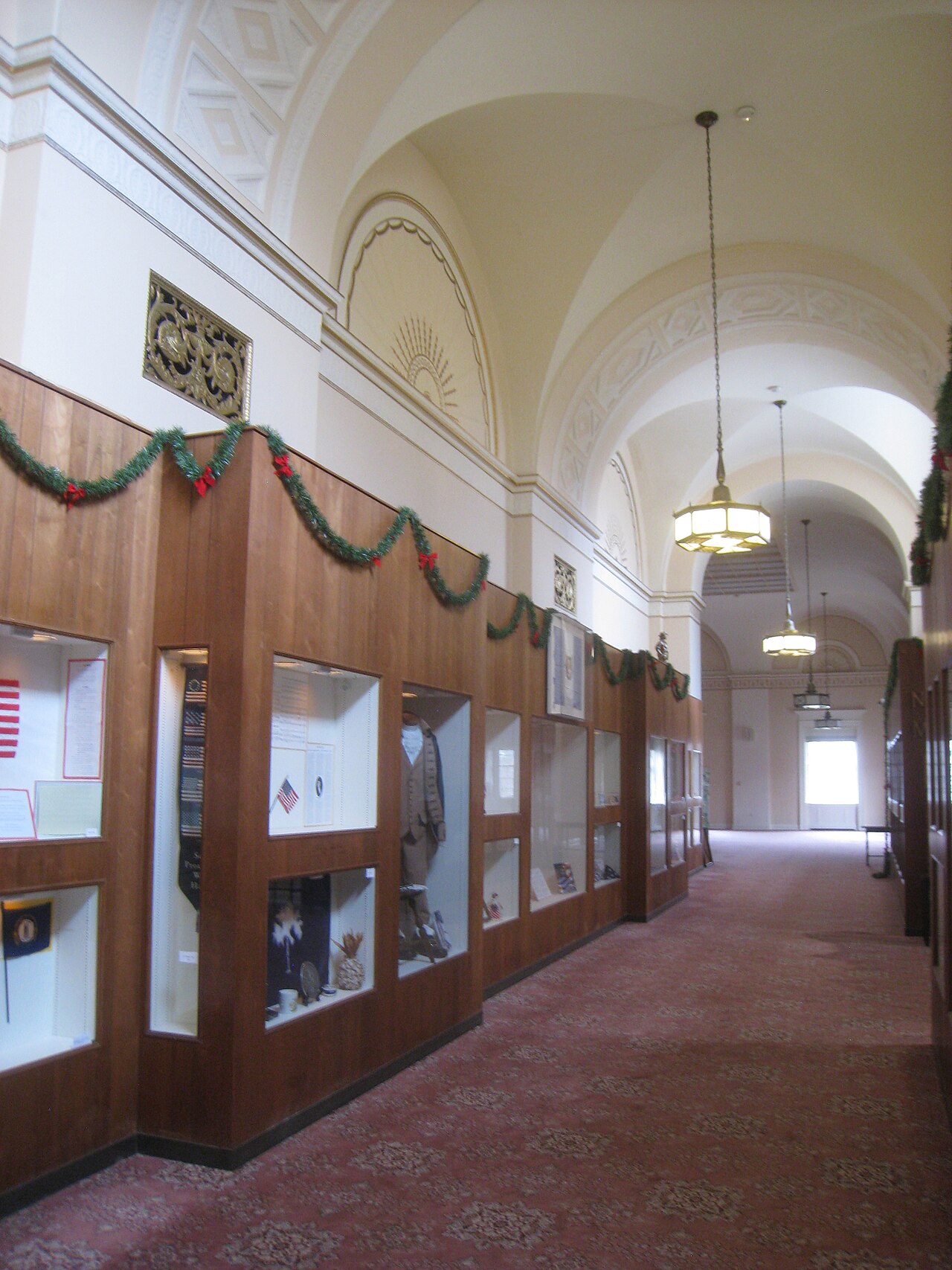
The museum occupies space within an active organizational headquarters, so arrival can feel different from entering a large public museum. Historic interiors contain delicate furnishings and objects; stay on designated visitor routes and avoid touching displays. Downtown Washington can have heavy pedestrian traffic, demonstrations, security controls, and temporary street restrictions, all of which can change the most convenient walking approach. Historic-building conditions can also affect movement through rooms. If mobility is a concern, plan the route with the building’s period setting in mind. The visit rewards patience: the rooms are intimate, and rushing through them makes it harder to notice the craftsmanship that defines the collection.
Checked 2026-08-26 · Source
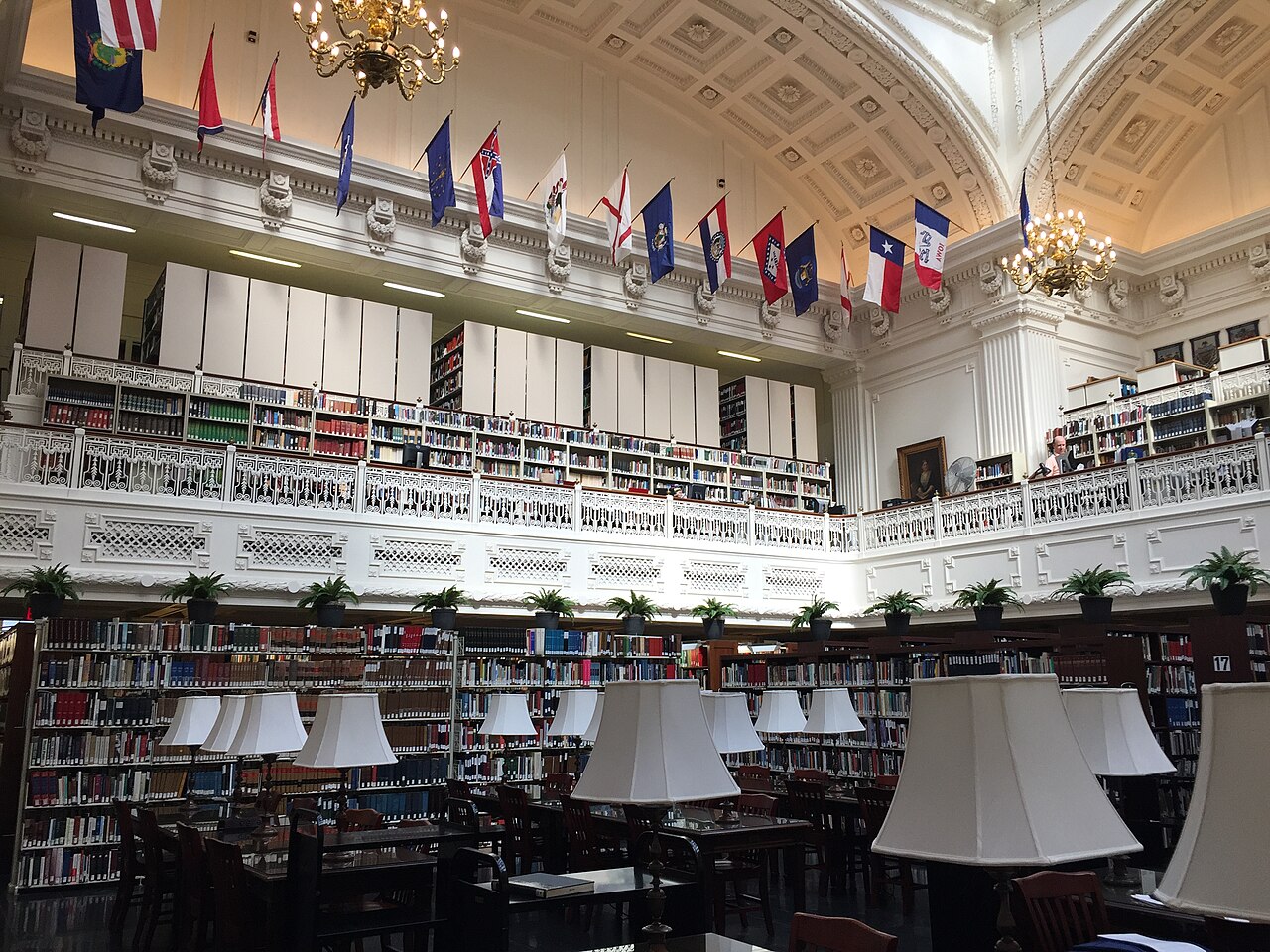
Treat the period rooms as furnished historic interiors and follow the signs and staff directions in each space. Flash photography can disturb other visitors and can be unsuitable around sensitive objects, so keep it off unless clearly permitted. Tripods, selfie sticks, and commercial equipment can interfere with narrow viewing routes and usually require special permission in museum settings. If you photograph a room, step aside so other visitors can see it and avoid leaning toward furniture or display objects. Personal photographs are most useful when they support careful observation of furnishings, textiles, ceramics, and room design. Images intended for publication require attention to institutional and copyright permissions.
Checked 2026-08-26 · Source
No. The DAR Museum is maintained by the private Daughters of the American Revolution organization, not the Smithsonian Institution.
The museum features thirty-one period rooms representing American regional styles and historical eras.
You can see furnished American interiors, furniture, textiles, ceramics, silver, and other decorative arts dating from the seventeenth through early twentieth centuries.
Plan about one to two hours for the period rooms and decorative-arts displays.
Farragut West and Farragut North are the nearby Metrorail stations, followed by a walk through downtown Washington.
The museum holds a research library and archives that support genealogical and historical study.
Loading the interactive map…
The interactive map could not be loaded.
Last updated:
Source: OpenStreetMap contributors, Wikidata ·