

2 min walk
Renwick Gallery
- Must see · Heritage site
- Museum
Language · 11 published
Museum · Washington
Closed today, Sunday. Next open Monday at 10:30 — the planner will not place a stop here on a Sunday.
Plan around itReviewed by Elena Voss · Roavina Travel Editor
| Monday | 10:30 – 14:00 |
|---|---|
| Tuesday | Closed |
| Wednesday | Closed |
| Thursday | Closed |
| Friday | Closed |
| Saturday | Closed |
| Sunday | Closed |
Closed to visitors between 11:30 – 13:00
Checked 2026-08-31 · Source
Read from the OpenStreetMap access tags; anything not listed has no tag recorded.
Set the group type to family in the planner and the day window contracts to about three quarters of a solo day.
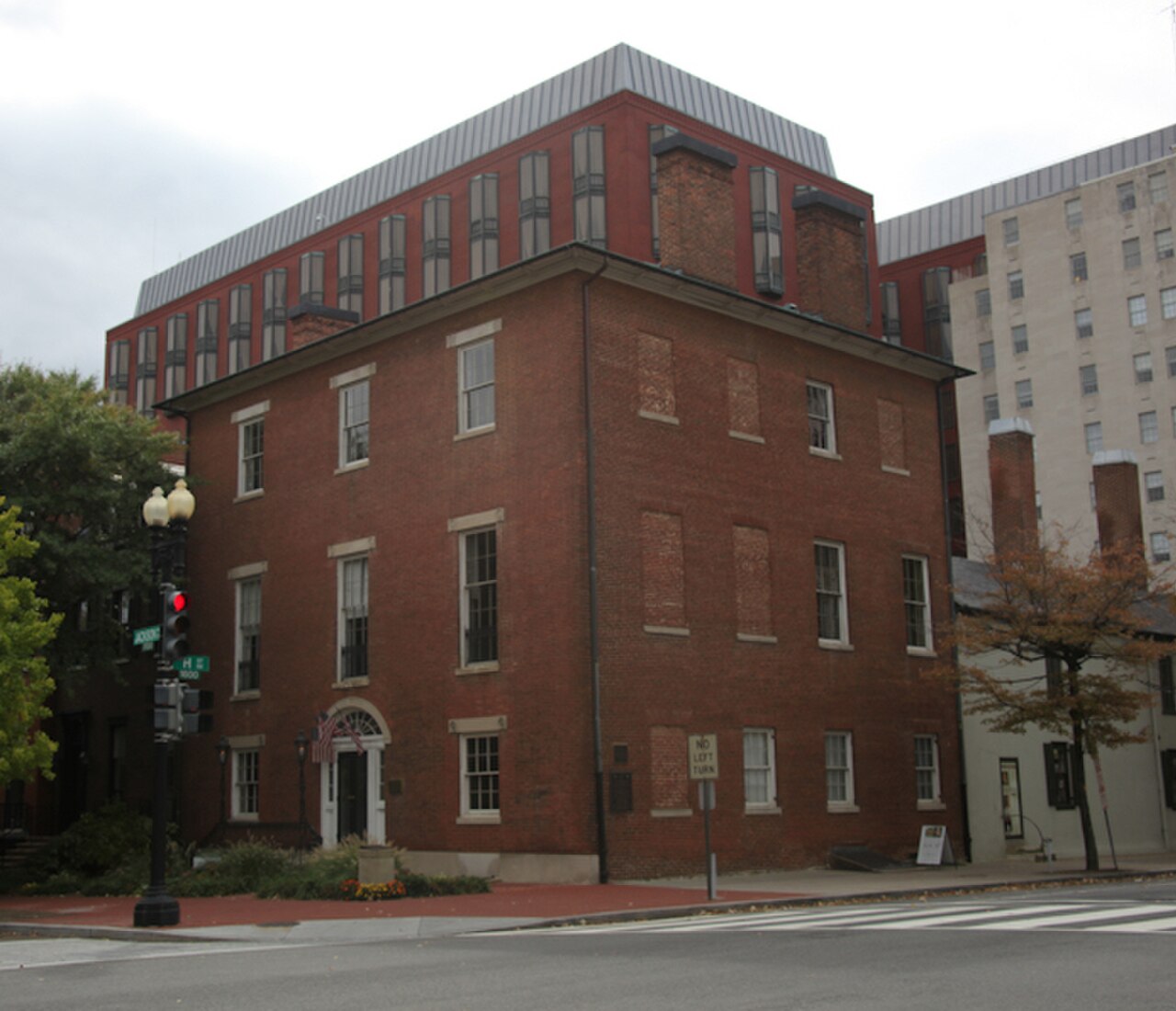
This place is a Museum. It was established in 1818. It was built in the Federal architecture style. It was designed by Benjamin Henry Latrobe. It carries the National Historic Landmark heritage designation.
Decatur House is a historic house museum located near the White House in Washington, D.C. It was built in 1818 for Commodore Stephen Decatur, a celebrated naval hero of the War of 1812. The house stands as one of the oldest surviving residences on Lafayette Square and has been associated with prominent figures in American naval and Washington social history. The property reflects Federal-style architecture and serves as a tangible connection to early nineteenth-century Washington. Its proximity to the White House has made it a significant witness to presidential neighborhood history. The house is now operated as a museum by the White House Historical Association.
Checked 2026-08-26
The interior of Decatur House preserves period rooms and furnishings that illustrate life in early Washington. Visitors can explore spaces that reflect both the original Decatur residence and later adaptations by subsequent occupants. The house contains architectural details from the Federal period, including decorative elements and room configurations. Exhibits and displays relate to Stephen Decatur's naval career and the broader social history of Lafayette Square. The slave quarters at Decatur House are of particular historical significance, representing one of the few remaining such structures in an urban setting near the White House. These quarters offer important interpretation of enslaved people's lives in the capital.
Checked 2026-08-26
A visit to Decatur House typically requires careful planning due to its location in a high-security zone near the White House. The compact nature of the historic house suggests a visit of moderate duration, though individual pacing varies considerably. Visitors interested in architectural history, naval heritage, or the interpretation of slavery in Washington will likely spend additional time examining exhibits and reading interpretive materials. The surrounding Lafayette Square area offers complementary historical context that visitors may wish to explore before or after their house tour. Combining Decatur House with nearby attractions could extend the overall visit to this portion of central Washington.
Checked 2026-08-26
Visitors should consult the White House Historical Association or official channels for current opening schedules before planning a visit. The house's location near the White House means that security conditions in the surrounding area may affect accessibility at any time. Seasonal variations in Washington tourism may influence visitor experience, with spring and fall generally offering more comfortable walking conditions in the Lafayette Square area. Special events or presidential activities nearby can occasionally restrict pedestrian access. Advance verification of operating status is strongly recommended due to potential changes in security protocols. Check the operator's own site for the travel date before relying on a schedule or fare.
Checked 2026-08-26
Admission policies and any applicable fees should be confirmed directly with the White House Historical Association before visiting. Some historic house museums in Washington operate with suggested donations, fixed admission, or free entry depending on institutional policy. Group rates, educational discounts, or special access programs may be available but require direct inquiry. Visitors should not assume pricing information found on third-party websites remains current. Membership in supporting organizations sometimes provides reciprocal benefits. Budget-conscious travelers should verify all costs in advance, particularly when combining this visit with other ticketed attractions in the presidential neighborhood. Check the operator's own site for the travel date before relying on a schedule or fare.
Checked 2026-08-26
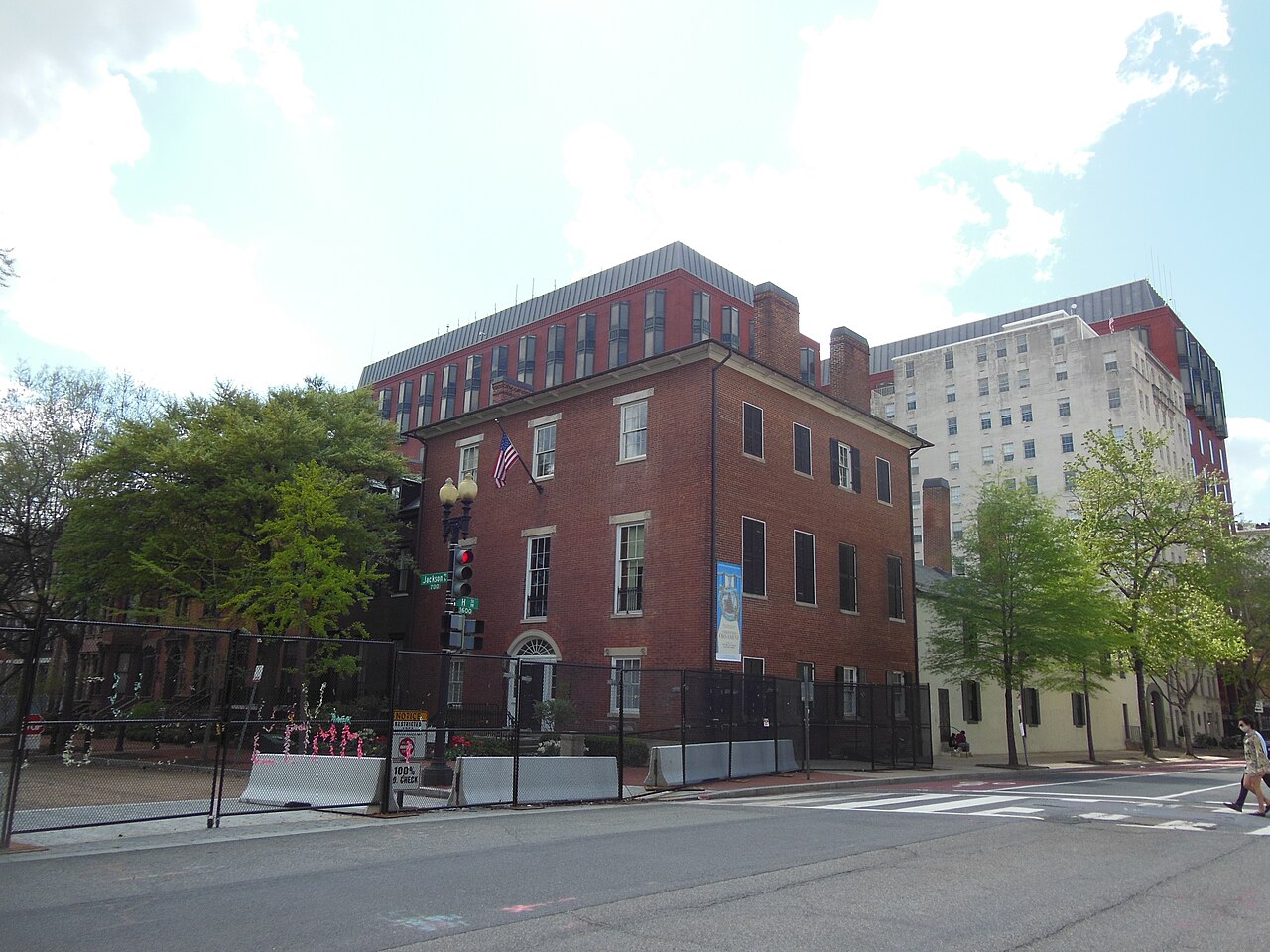
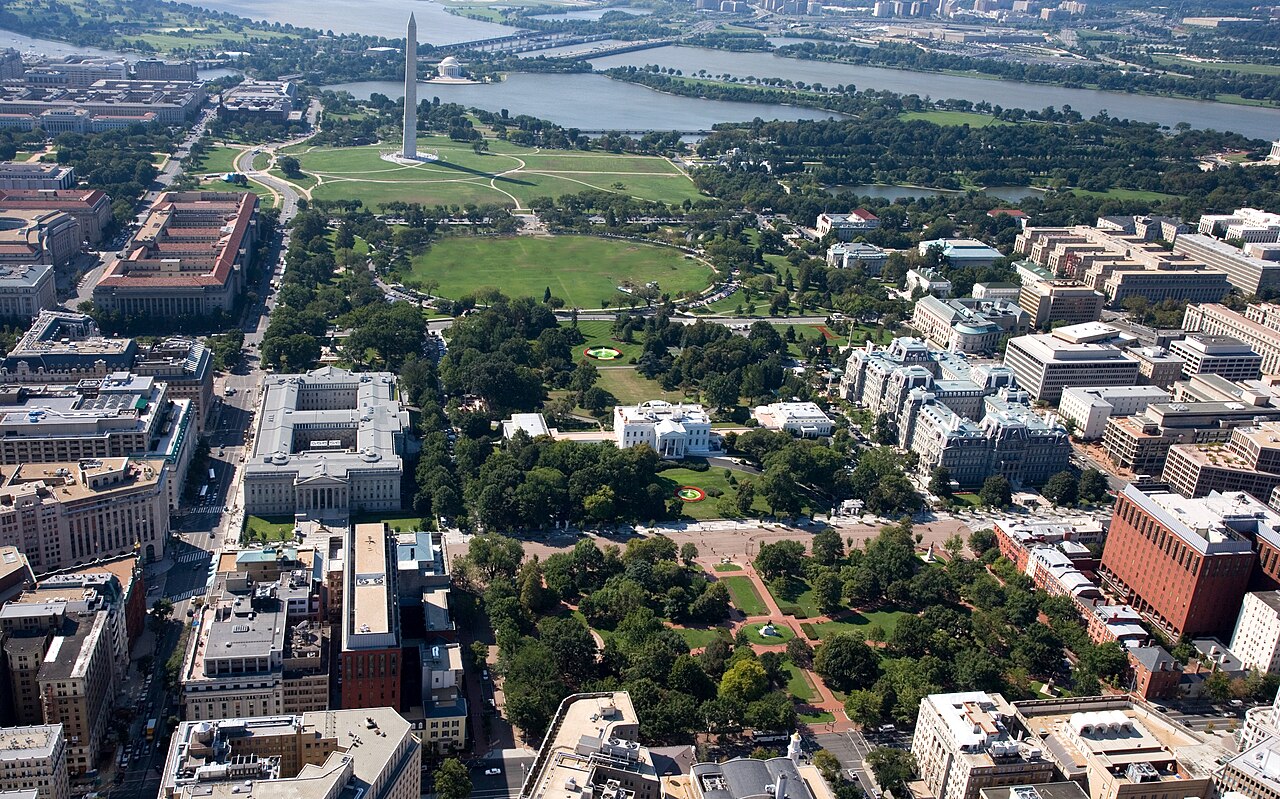
Decatur House occupies a prominent position on Lafayette Square, directly north of the White House in central Washington, D.C. The location is accessible via multiple public transportation options serving the downtown area. Metrobus routes and the Washington Metro subway system provide regional access, with walking required from the nearest stations. Street parking in this vicinity is extremely limited and subject to complex restrictions. Visitors should anticipate security perimeter considerations that may affect pedestrian approaches from certain directions. Bicycle and shared mobility services operate in the broader downtown area. Walking from nearby accommodations or other National Mall attractions represents a common access method for tourists.
Checked 2026-08-26
The immediate vicinity of Decatur House operates under elevated security protocols due to White House proximity. Visitors must carry valid identification and comply with any law enforcement instructions. Bag restrictions, barrier placements, and pedestrian flow controls may apply without advance notice. Photography regulations can be more stringent here than at typical historic sites. Street closures and motorcade activity cause unpredictable access disruptions. The urban environment presents standard city hazards including traffic, uneven surfaces, and crowded conditions. Summer heat and humidity in Washington require hydration precautions. Winter visits may involve icy conditions. Visitors should remain alert to their surroundings and avoid restricted zones clearly marked by authorities.
Checked 2026-08-26
Photography policies at Decatur House should be confirmed on-site or in advance with staff, as historic house museums frequently impose interior restrictions to protect collections. Flash photography and tripods are commonly prohibited in such settings. The exterior of Decatur House on Lafayette Square offers photographic opportunities subject to security considerations governing the White House perimeter. Law enforcement personnel may question or restrict photography that appears to document security arrangements. Drone operation is prohibited throughout this airspace. Visitors should respect privacy of any residential or official occupants in adjacent buildings. Commercial photography typically requires advance arrangement and possible permitting through appropriate authorities.
Checked 2026-08-26
No. Decatur House is operated by the White House Historical Association, a private nonprofit organization, rather than the National Park Service.
Visitors should contact the White House Historical Association directly to determine current access procedures. Check the operator's own site for the travel date before relying on a schedule or fare.
Specific accessibility features are Not recorded pending review. Historic houses of this period often present challenges; direct inquiry with the operator is recommended.
Contact the White House Historical Association for current programming information. Check the operator's own site for the travel date before relying on a schedule or fare.
The house was built for Decatur in 1818 following his naval victories in the War of 1812. He lived there only briefly before his death in 1820.
The slave quarters are among the few remaining such structures in an urban setting near the White House, providing rare physical evidence of enslaved people's presence in the capital.
Loading the interactive map…
The interactive map could not be loaded.
Last updated:
Source: OpenStreetMap contributors, Wikidata ·