

_(53822867194).jpg)


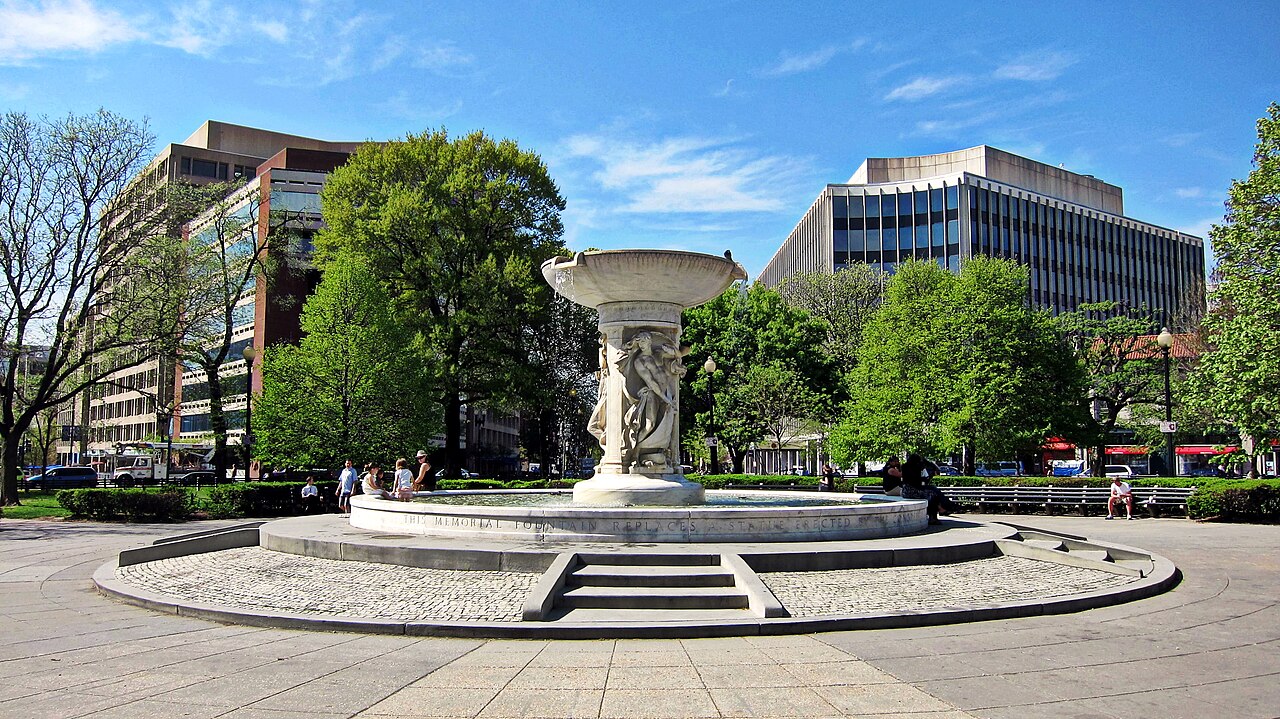
3 min walk
Dupont Circle
- High
- Historic monument
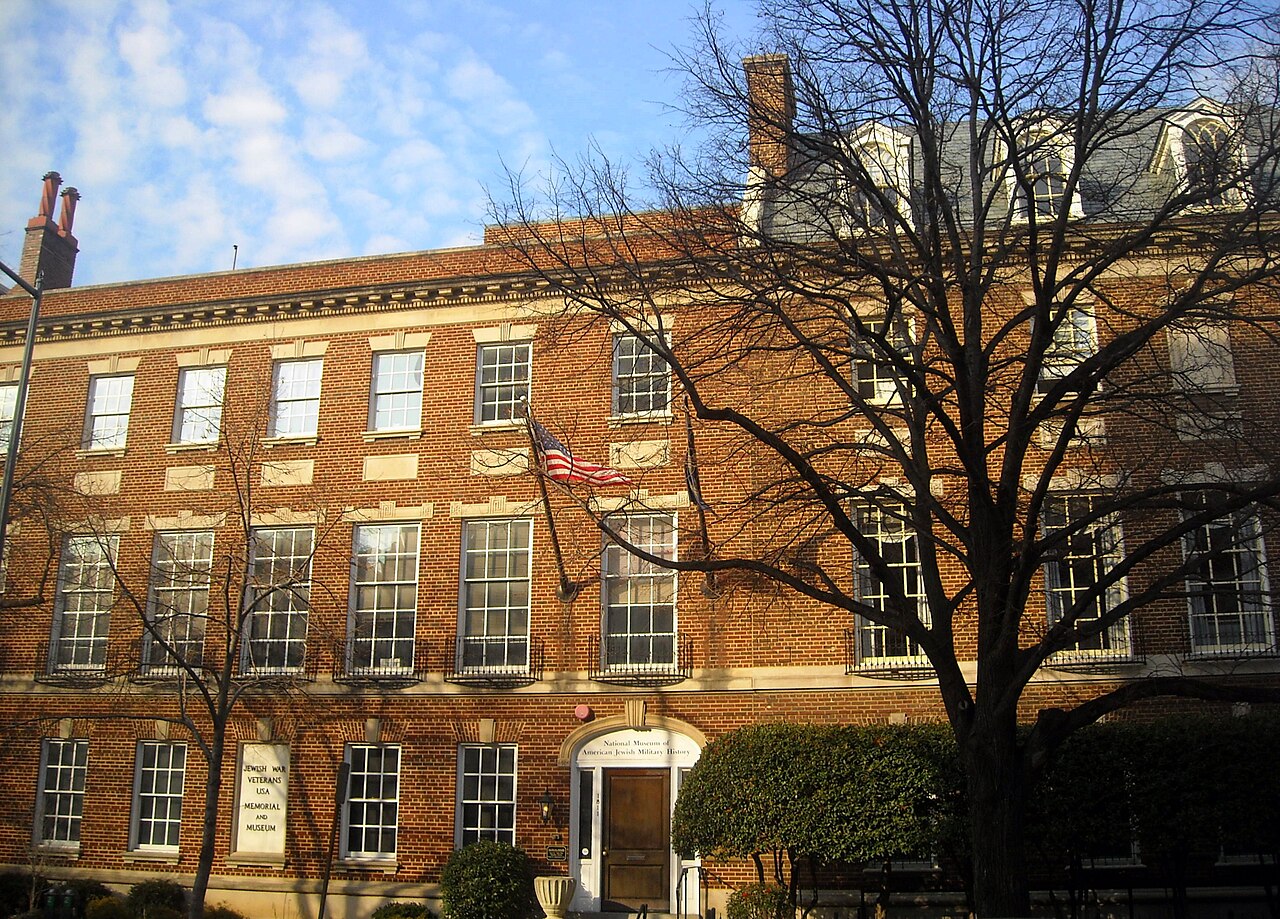
Museum · Washington
National Museum Of American Jewish Military History
| Per person | Free entry |
|---|
Checked 2026-08-31 · Source
Read from the OpenStreetMap access tags; anything not listed has no tag recorded.
Set the group type to family in the planner and the day window contracts to about three quarters of a solo day.
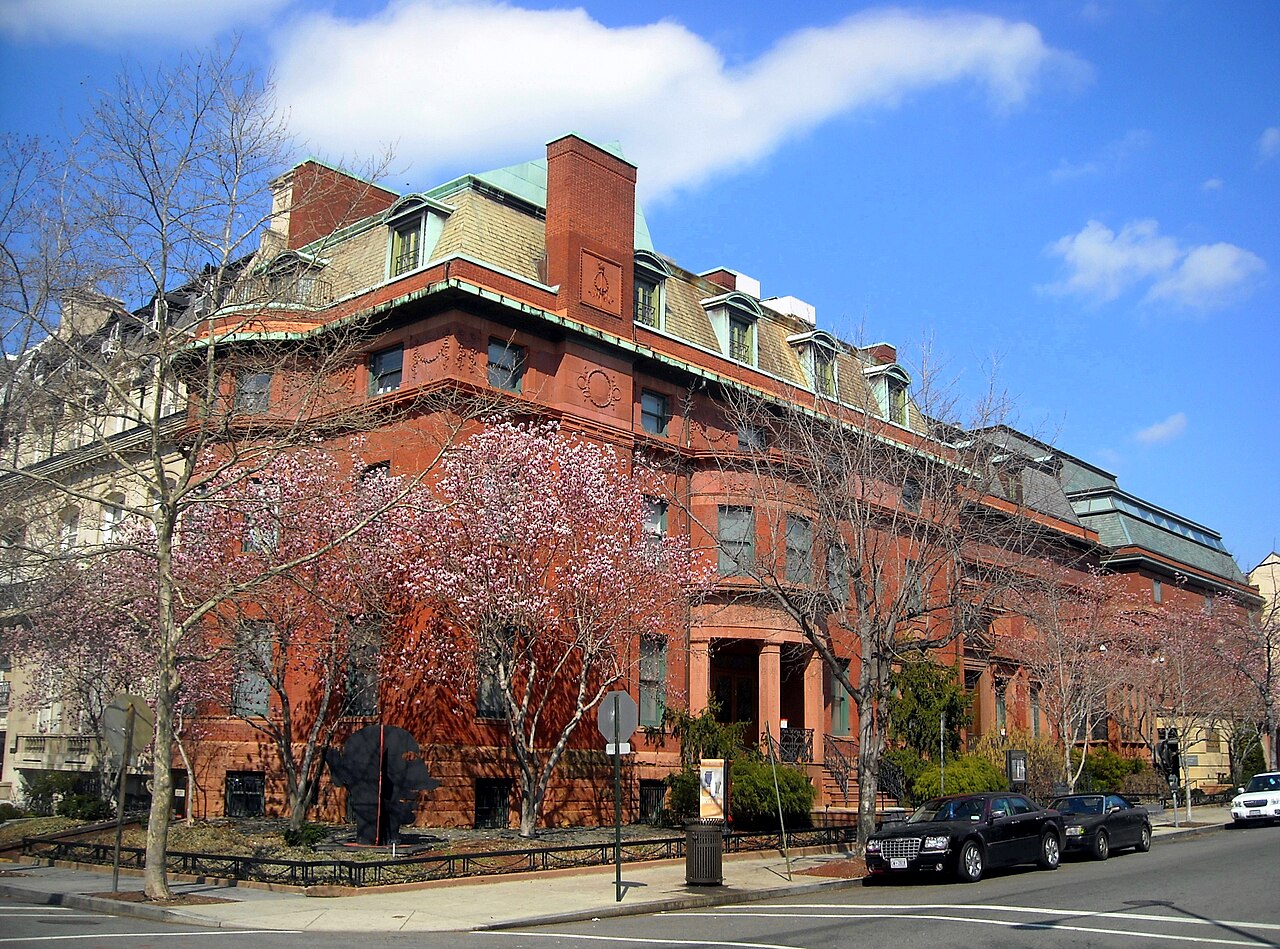
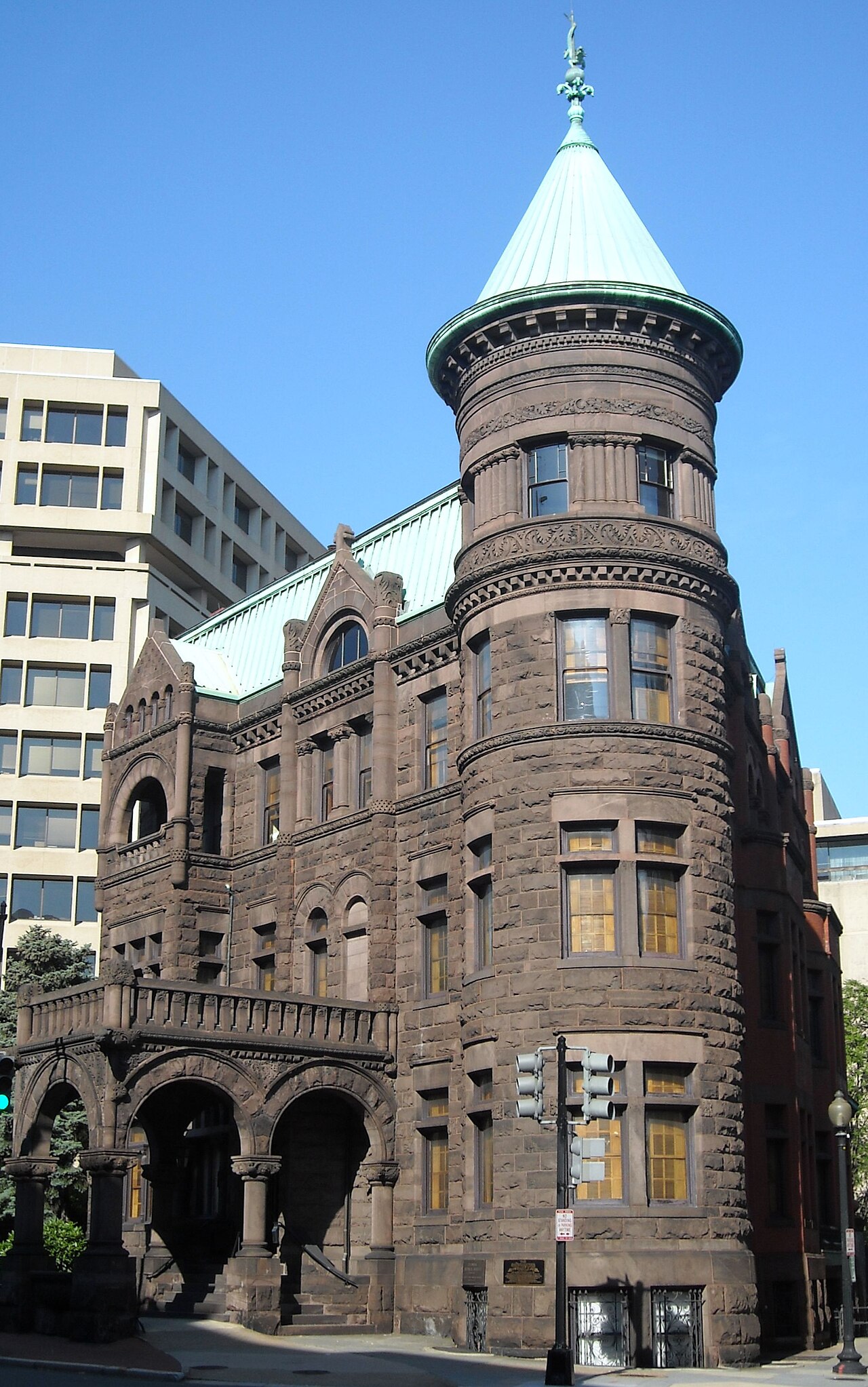
The National Museum of American Jewish Military History is a specialist museum in Washington, D.C., devoted to the military service of American Jews. Its story reaches across the Revolutionary War, later American conflicts, and contemporary operations, placing individual service within a broader history of citizenship, identity, and discrimination. The museum is both a memorial and an educational institution, making it particularly relevant to travelers interested in military history, Jewish American heritage, veterans, and personal stories that broader national narratives can overlook. dedicated to documenting and preserving the contributions of American Jews to the nation's military service. It honors veterans across all branches and conflicts, from the Revolutionary War to contemporary operations. The institution serves as both memorial and educational center, ensuring recognition of Jewish Americans who served despite historical challenges including discrimination. Its mission encompasses collecting artifacts, maintaining archives, and presenting narratives that might otherwise remain overlooked in broader military histories. The museum addresses military history and related themes; parental discretion applies based on child maturity and family discussions of conflict. No specific children's programming details are recorded.
Checked 2026-08-26 · Source
Expect a collection-led visit built around uniforms, medals, photographs, documents, and personal belongings connected with Jewish American service members. The museum's themes include military participation across different periods, Jewish chaplains, women in service, decorated personnel, and the lives of veterans. Archival material also gives the institution value for family-history and scholarly research. Move between objects and written accounts rather than looking only for large military hardware: the museum's strength is the personal and communal record preserved in its collections.
Checked 2026-08-26 · Source
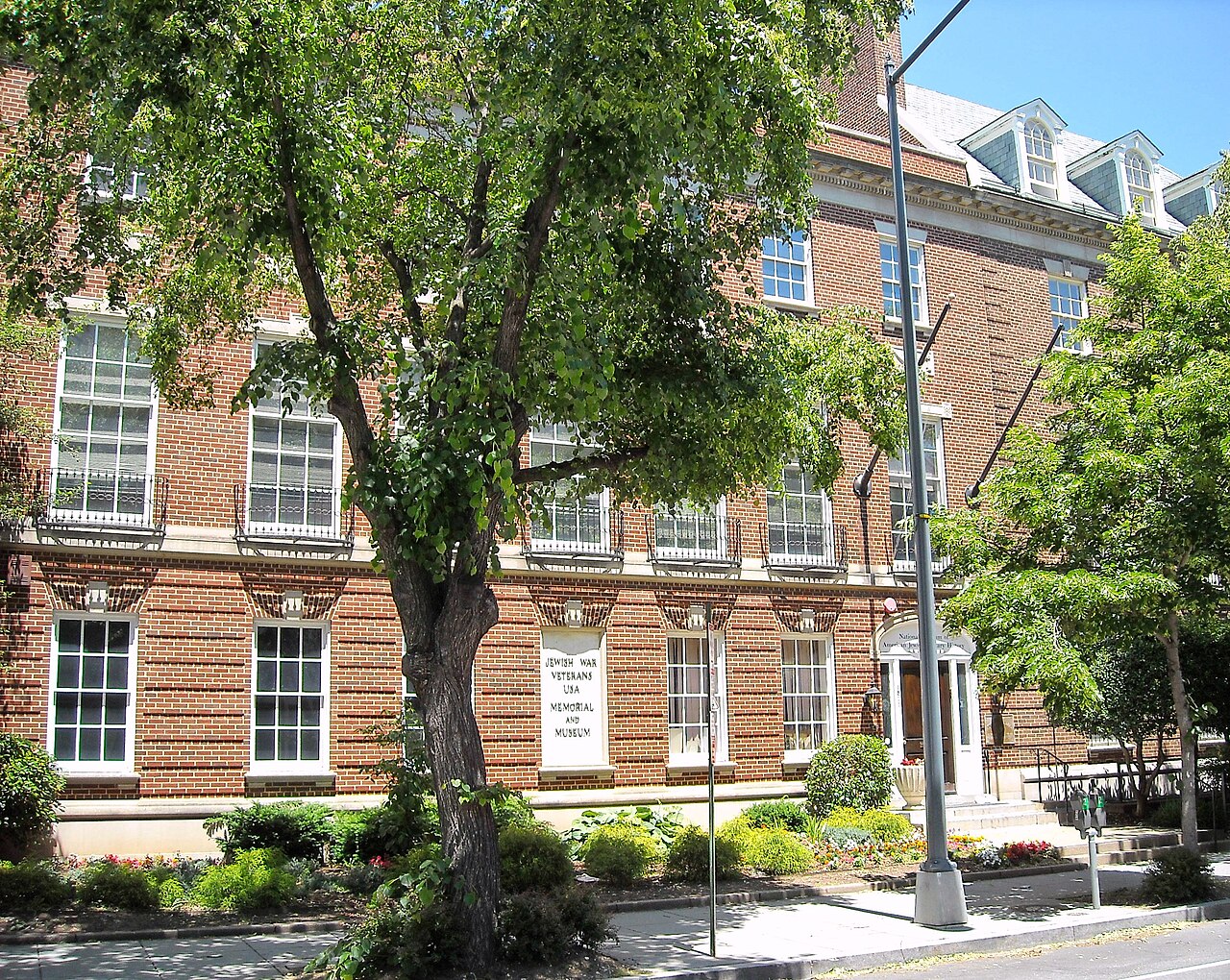
Plan roughly one to two hours for a meaningful visit. That allows time to examine the artifacts, read the accompanying stories, and follow the museum's long chronology of Jewish American military participation. Visitors researching a relative or a particular conflict may need considerably longer, especially if archival material becomes part of the visit. A quicker visit can focus on the central displays, but the museum rewards a slower pace because many of its stories are carried by small objects and documents.
Checked 2026-08-26 · Source
The museum suits a weekday visit when you want to read in a quieter atmosphere. Washington's spring and summer tourist seasons bring more people to the city, while federal holidays can change the rhythm of the surrounding district. Allow additional time if your visit coincides with a national commemoration connected with military service, such as Memorial Day or Veterans Day. The museum's official website is nmajmh.org, which provides the institution's own point of reference for planning a visit.
Checked 2026-08-26 · Source
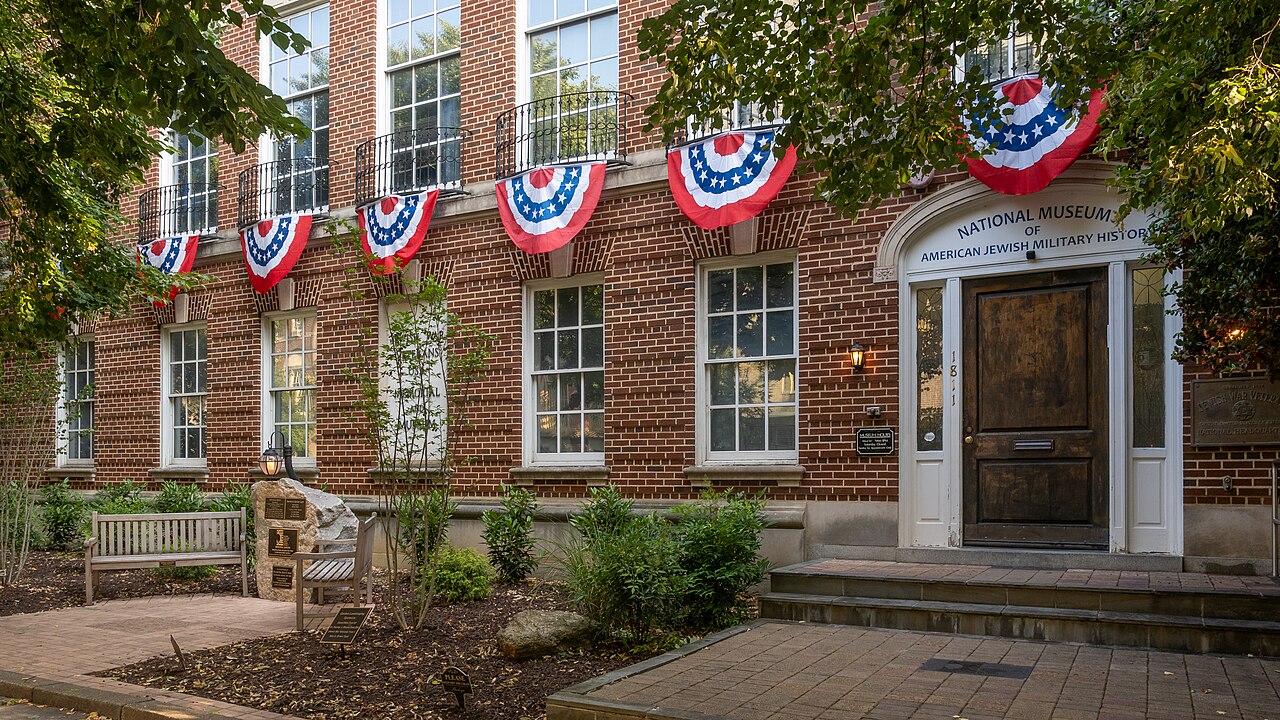
The visit centers on the museum's exhibitions and collections, with the institution's own website serving as the relevant starting point for visitor information. Set aside time for the museum itself rather than treating it as a passing outdoor landmark. Its educational purpose makes the experience suitable for travelers who want context and personal testimony alongside objects. If you are visiting for family research, consider that the archival dimension may be as important to your plans as the public displays.
Checked 2026-08-26 · Source

The museum is part of Washington's central urban transport network, where Metrorail and bus services connect the main districts. Walking is practical from nearby central attractions, while driving in the urban core can be inconvenient because parking is limited and garages charge fees. Bicycle infrastructure serves parts of the city. Build navigation time into your route, particularly if you are combining the museum with other military or civic sights. The official museum website is nmajmh.org.
Checked 2026-08-26 · Source
This is a focused history museum whose subjects include war, death, discrimination, duty, and veteran experience. Younger visitors may engage best when an adult provides context for the material. The collection rewards close reading, so avoid planning it as a rushed stop between distant attractions. Crowds may increase around national military commemorations. In the surrounding city, construction, security arrangements, summer humidity, and winter cold can affect walking time. Leave room in your schedule for a thoughtful indoor visit rather than only a quick circuit.
Checked 2026-08-26 · Source

The museum's strongest photographic subjects are the uniforms, medals, photographs, documents, and personal effects that tell individual service stories. Use the displays as historical evidence rather than treating them as decorative objects. Keep equipment compact in gallery spaces and avoid interrupting other visitors who are reading. A quiet, documentary approach suits the museum's memorial character. Photographs of objects and display cases can help you remember names, units, and dates after the visit, especially when several generations of service are represented.
Checked 2026-08-26 · Source
It documents the military service of American Jews across conflicts from the Revolutionary War to contemporary operations.
Collections include uniforms, medals, photographs, documents, and personal effects belonging to service members.
Yes. The museum's themes include Jewish chaplains, women in military service, veterans, and recipients of military decorations.
Allow about one to two hours, with additional time if you are examining archival material or researching a family member.
It is located in Washington, D.C., within the city's central public-transport and walking network.
Yes. Its archival materials support genealogical and scholarly research connected with Jewish American military service.
Loading the interactive map…
The interactive map could not be loaded.
Last updated:
Source: OpenStreetMap contributors, Wikidata ·