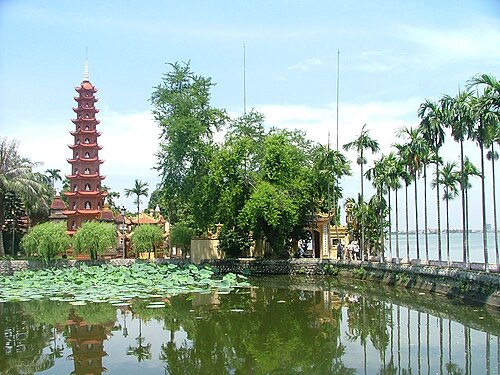
Trấn Quốc Pagoda
Chùa Trấn Quốc
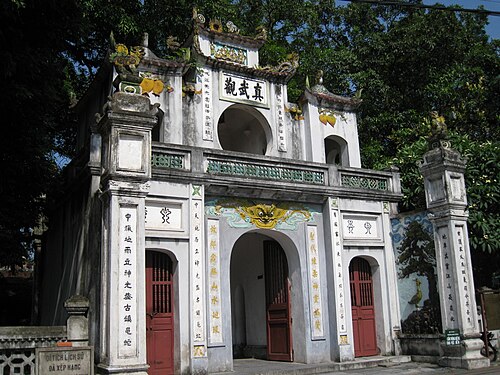
Tran Quoc Pagoda, known locally as Chùa Trấn Quốc, is a Buddhist temple situated on a small island near the southeastern shore of West Lake in Hanoi, Vietnam.
- High
- Place of worship
- Hanoi
Country guide
Vietnam covers 331,344.82 km² and its 2025 population estimate is 102,300,000, held mostly in two river deltas at opposite ends of a long, narrow country: the R...
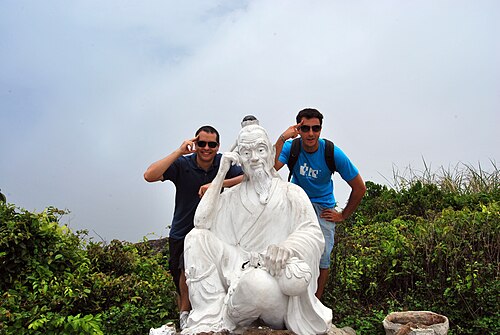
Photograph · Jakub Hałun · CC BY 4.0
Reviewed by Elena Voss · Roavina Travel Editor
Vietnam covers 331,344.82 km² and its 2025 population estimate is 102,300,000, held mostly in two river deltas at opposite ends of a long, narrow country: the Red River in the north around Hanoi, the Mekong in the south below Ho Chi Minh City. Hanoi is the capital and Ho Chi Minh City the largest city, and the ground between the two is the trip — a coast measured in days rather than hours, usually broken into three or four stops instead of run in one go. Which end a traveller starts from decides the order of everything after it.
Checked 2026-08-25
Every city catalogued in this country so far, ranked by how much there is to see.
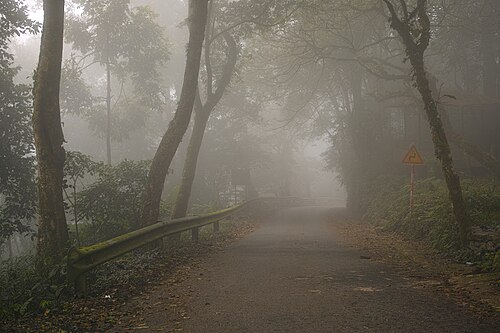
Photograph · Clay Gilliland · CC BY-SA 2.0
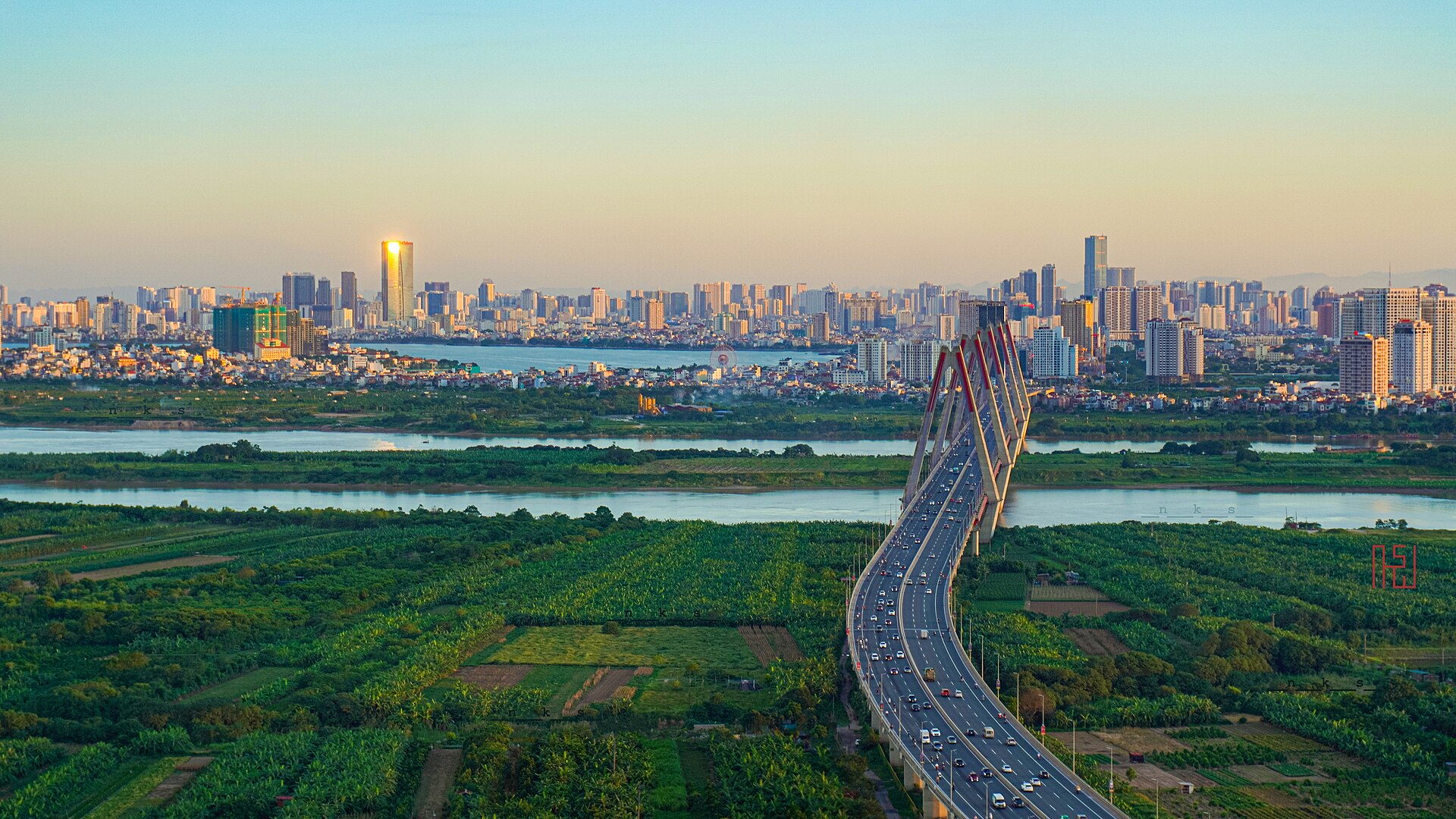
Photograph · NKSTTSSHNVN · CC BY-SA 4.0
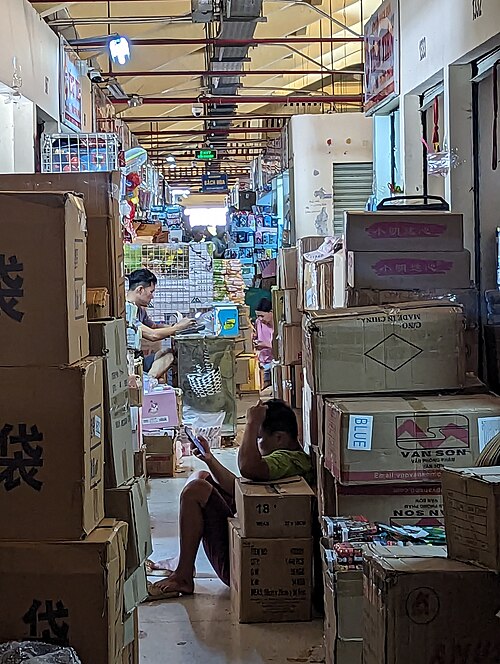
Photograph · Cuong Tran · Public domain
Ranked by importance — sitelinks, pageviews and heritage status, not editor preference.
126 places match
Category
Typical visit duration
Interests
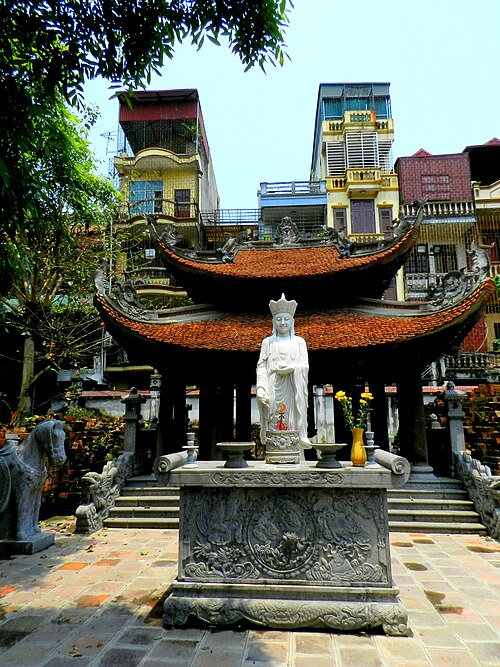
Chùa Trấn Quốc
Tran Quoc Pagoda, known locally as Chùa Trấn Quốc, is a Buddhist temple situated on a small island near the southeastern shore of West Lake in Hanoi, Vietnam.
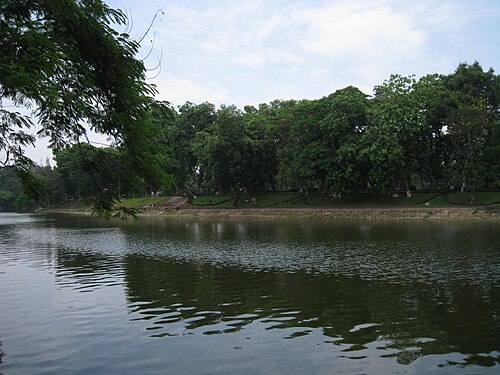
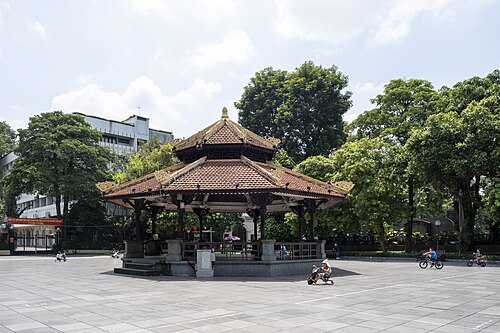
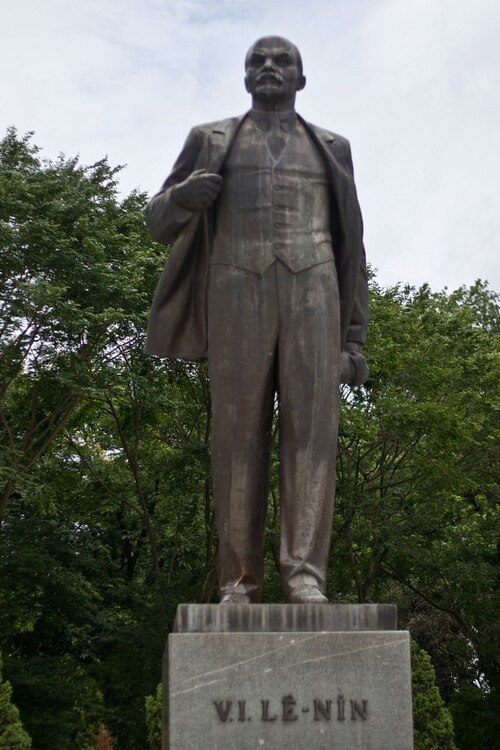
Công viên Lê-nin
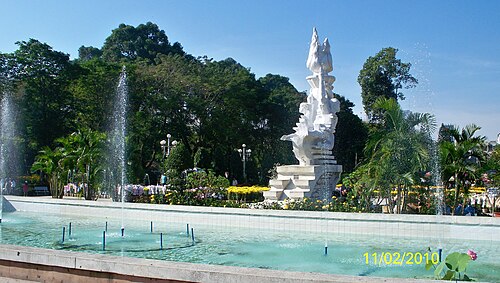
Lenin Park, locally known as Công viên Lê Nin, is a public green space in Hanoi named after the Russian revolutionary leader Vladimir Lenin.
Công viên Lê Văn Tám
Le Van Tam Park is a public green space in Ho Chi Minh City, named after Le Van Tam, a Vietnamese historical figure. Its main appeal is the contrast between shaded parkland and the dense metropolitan streets around it.
Cầu Mống
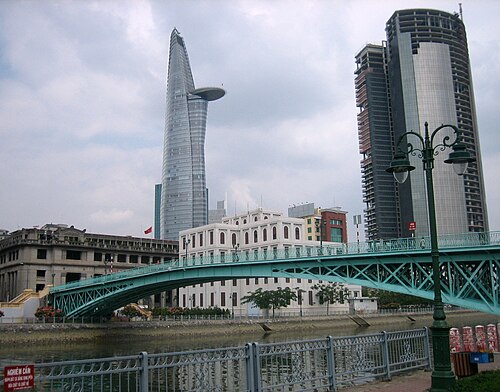
Mong Bridge is a historic bridge structure in Ho Chi Minh City, Vietnam, crossing a waterway within the dense urban landscape. The bridge forms part of the city’s colonial-era infrastructure and remains a practical crossing for pedestrians and traffic.
Chùa Thiên Trù
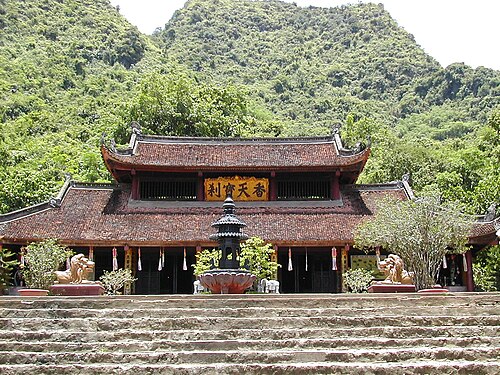
The Perfume Pagoda, known locally as Chùa Hương, is a vast complex of Buddhist temples and shrines built into the limestone Huong Tich mountains southwest of Hanoi.
Đền Ngọc Sơn
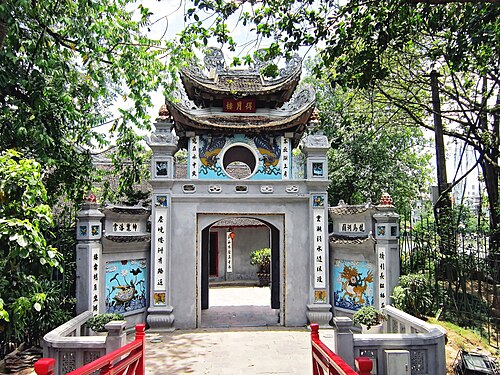
Ngoc Son Temple, locally Đền Ngọc Sơn, stands on Jade Island in Hoan Kiem Lake, central Hanoi. The temple honors national heroes including Tran Hung Dao, scholar Van Xuong, and La To, patron of physicians.
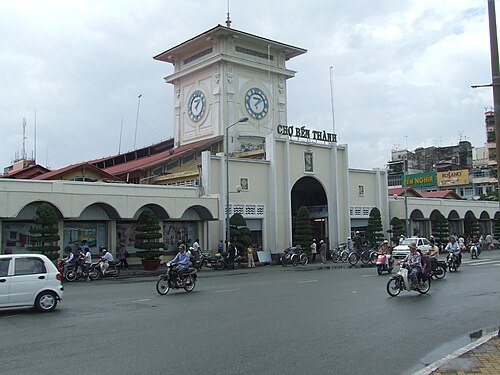
Chợ Bến Thành
Ben Thanh Market, known locally as Chợ Bến Thành, stands as one of Ho Chi Minh City's most recognised commercial landmarks. The market occupies a central position in District 1, with its distinctive clock tower visible from surrounding streets.
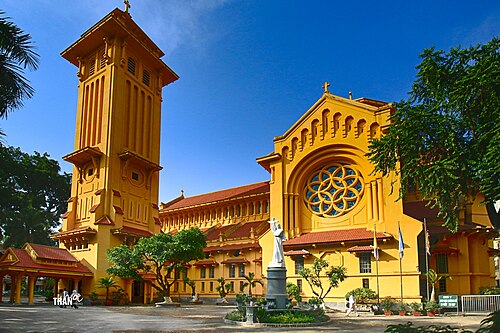
Nhà thờ Cửa Bắc
Cua Bac Church, known locally as Nhà thờ Cửa Bắc, stands as a Catholic church in Hanoi, Vietnam. The structure reflects colonial-era religious architecture and serves as a functioning place of worship.
Công viên Thủ Lệ
Thu Le Park, also known as Công viên Thủ Lệ, is a public park and recreational destination in Hanoi. It combines open green space with an animal-display experience, giving visitors a place to slow down within the capital.
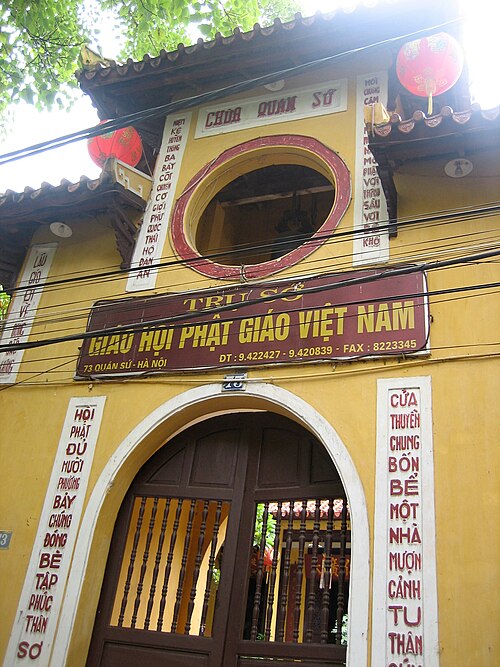
Chùa Quán Sứ
Quan Su Pagoda, known locally as Chùa Quán Sứ, is a Buddhist temple in Hanoi. It serves as the headquarters of the Vietnam Buddhist Sangha, the national Buddhist organization.
Đền Quán Thánh
Quan Thanh Temple is a Taoist temple in Hanoi, Vietnam, dedicated to Tran Vu, a principal deity in Taoist mythology associated with the north.
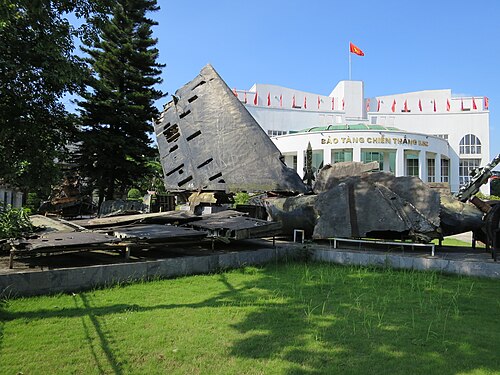
Bảo tàng Chiến thắng B52
The B-52 Victory Museum is a military history museum in Hanoi commemorating the 1972 aerial campaign known in Vietnam as Dien Bien Phu in the Air.
Vườn hoa Lý Thái Tổ
Ly Thai To Park, locally known as Vườn hoa Lý Thái Tổ, is a public park in central Hanoi situated near Hoan Kiem Lake.
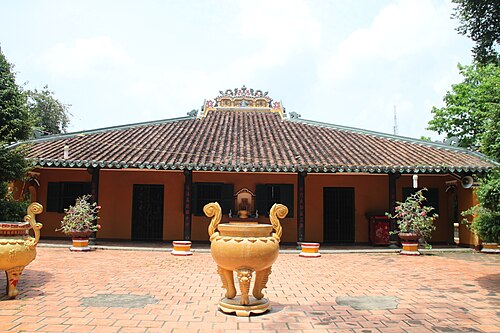
Chùa Giác Lâm
Giac Lam Pagoda is the oldest major Buddhist pagoda in Ho Chi Minh City and ranks among the most significant temple complexes in southern Vietnam.
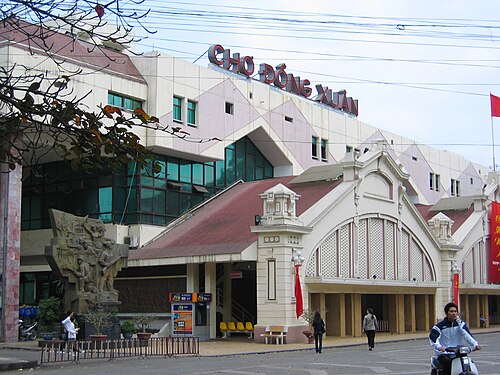
Chợ Đồng Xuân
Dong Xuan Market is a historic covered market in Hanoi's Old Quarter, operating as one of the city's principal wholesale and retail trading hubs.
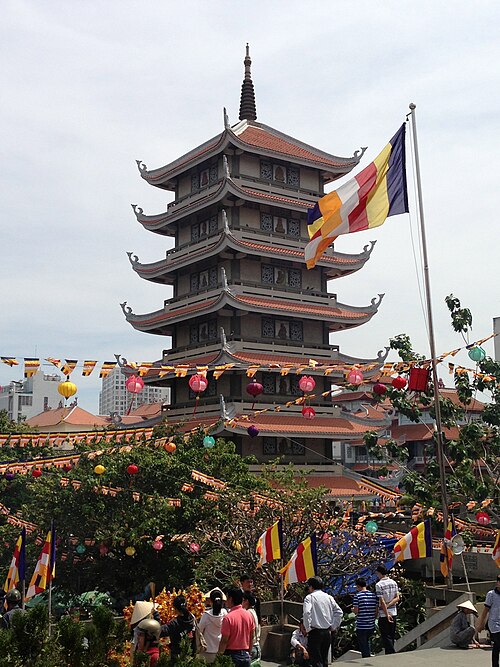
Chùa Vĩnh Nghiêm
Vinh Nghiem Pagoda is a Buddhist temple in Ho Chi Minh City, Vietnam. It stands as a notable religious and architectural landmark within the urban landscape.
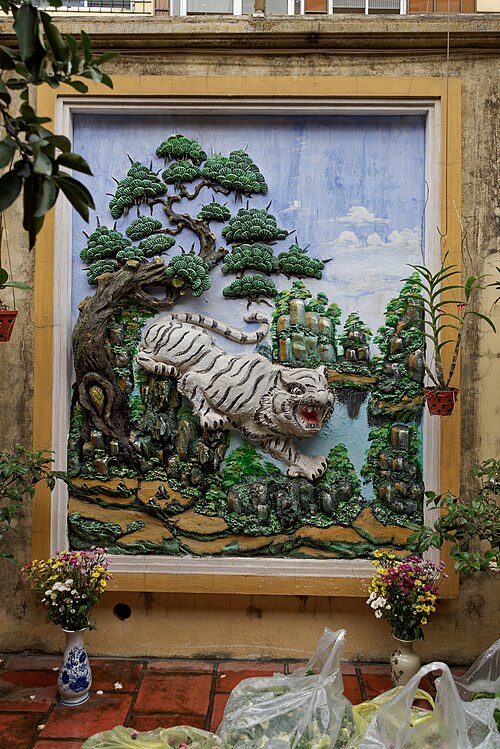
Đền Bạch Mã
Bach Ma Temple, known locally as Đền Bạch Mã, stands as one of Hanoi's most ancient spiritual sites.
Đền Hai Bà Trưng
Hai Ba Trung Temple, known locally as Đền Hai Bà Trưng, is a historic religious site in Hanoi dedicated to the Trung sisters, national heroines who led a rebellion against Chinese domination in the first century CE.
Công viên Văn hóa Đầm Sen
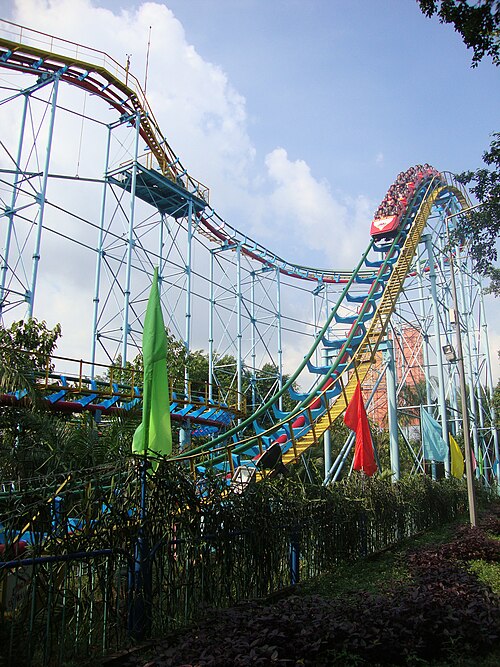
Dam Sen Cultural Park is a recreational complex in Ho Chi Minh City, Vietnam. The park combines cultural displays with amusement facilities, offering visitors a mix of entertainment and thematic experiences.
Tràng Tiền Plaza
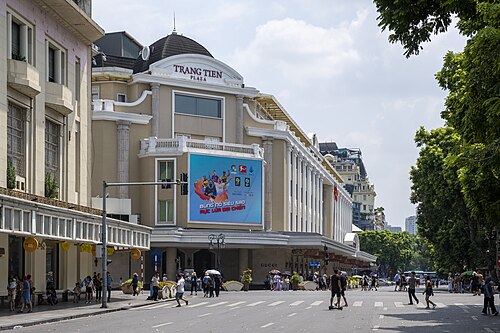
Trang Tien Plaza is a prominent shopping complex situated on Trang Tien Street in central Hanoi, occupying a strategic position near Hoan Kiem Lake.
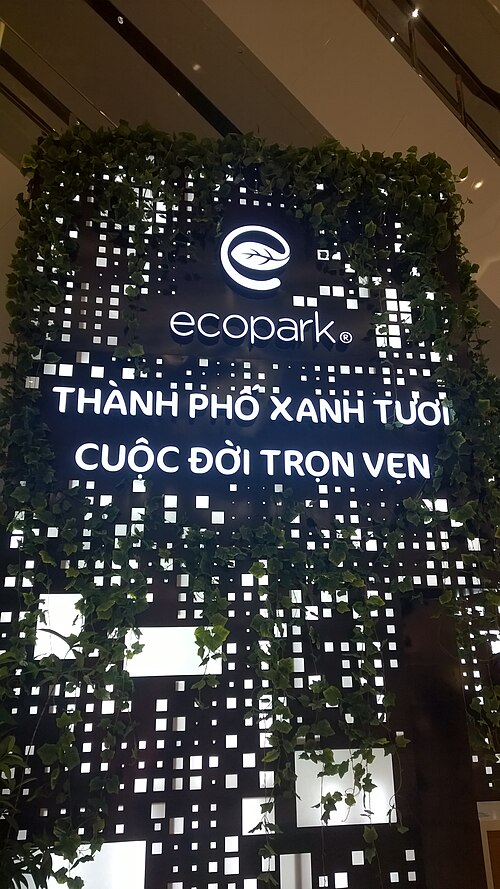
Aeon Mall Long Bien is a large-scale modern shopping complex situated on the eastern bank of the Red River in Hanoi.
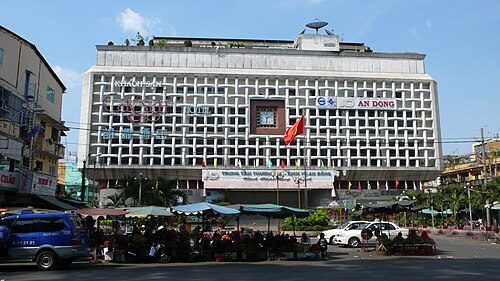
An Dong Market is a commercial marketplace located in Ho Chi Minh City, Vietnam. It operates as a retail and wholesale trading venue serving local residents and visitors seeking goods in a traditional market setting.
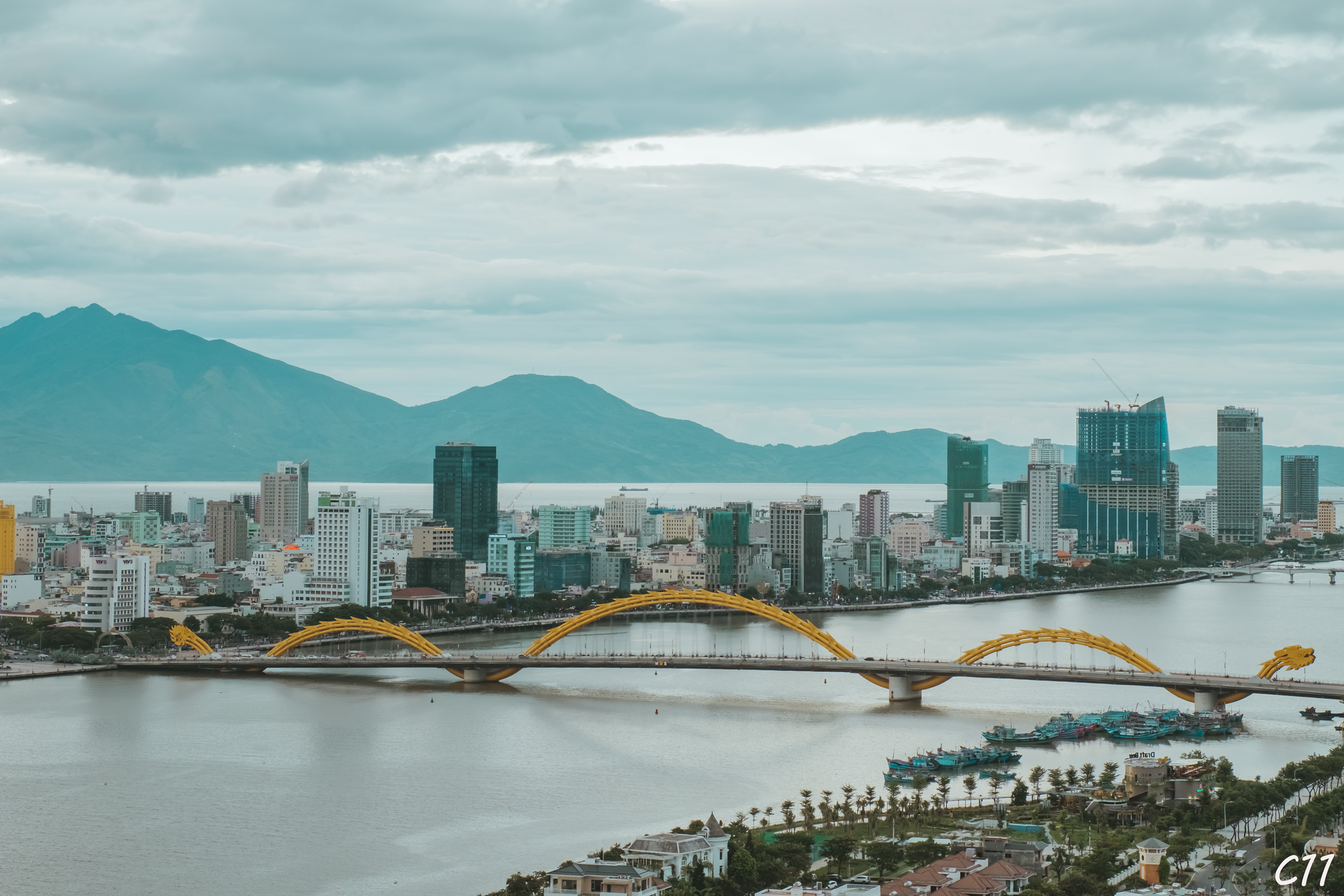
Ban Co Peak is a prominent elevated viewpoint located in Da Nang, a major coastal city in central Vietnam. The peak offers panoramic vistas over the surrounding landscape, including urban areas, coastline, and mountainous terrain.
Vườn quốc gia Ba Vì
Ba Vi National Park is a mountainous protected landscape west of Hanoi, rising above the Red River Delta. It is a strong choice when you want forest, cooler mountain air, and open countryside instead of another urban attraction.
Chợ Bình Tây
Binh Tay Market is the principal wholesale market of Cholon in Ho Chi Minh City’s District 6.
A north-to-south first trip needs about two weeks; with ten days, choose two regions such as Hanoi and the centre or Da Nang and Ho Chi Minh City. Overnight trains and domestic flights shorten distance but still consume transfer time.
Apply through Vietnam’s official electronic-visa portal if the passport and trip qualify. Confirm the approved entry point, validity dates and permitted stay before finalising the route, because an authorisation tied to one crossing should not be assumed valid for another.
Hanoi, Ho Chi Minh City and Da Nang are the key gateways for common itineraries. Domestic flights, the north-south railway and coaches connect regions; local systems vary, so use licensed taxis or recognised booking channels and verify the correct station or terminal.
Vietnam’s north, central coast and south have different wet and dry periods. Choose travel dates around the most weather-sensitive region: central beach conditions, northern mountain visibility and southern rainfall cannot be summarised by one nationwide “best month.”
The Vietnamese đồng is the recorded currency, and the high denomination numbers deserve a deliberate check before payment. Cash remains useful for small vendors and local transport; use reputable ATMs or banks and verify each zero on quoted VND prices.
Police, fire and ambulance are recorded as 113, 114 and 115; common power is Type A and C at 220 V. Tap-water advice is Not recorded here, so ask locally and keep transport-provider details available for long rail or coach journeys.