

01
2 hours
Albertina
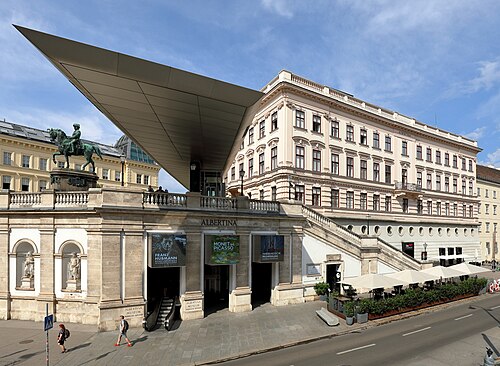
Albertina is a museum in a former Habsburg palace above Albertinaplatz, immediately behind Vienna’s State Opera.
- Must see
- Museum
- Vienna
Country guide
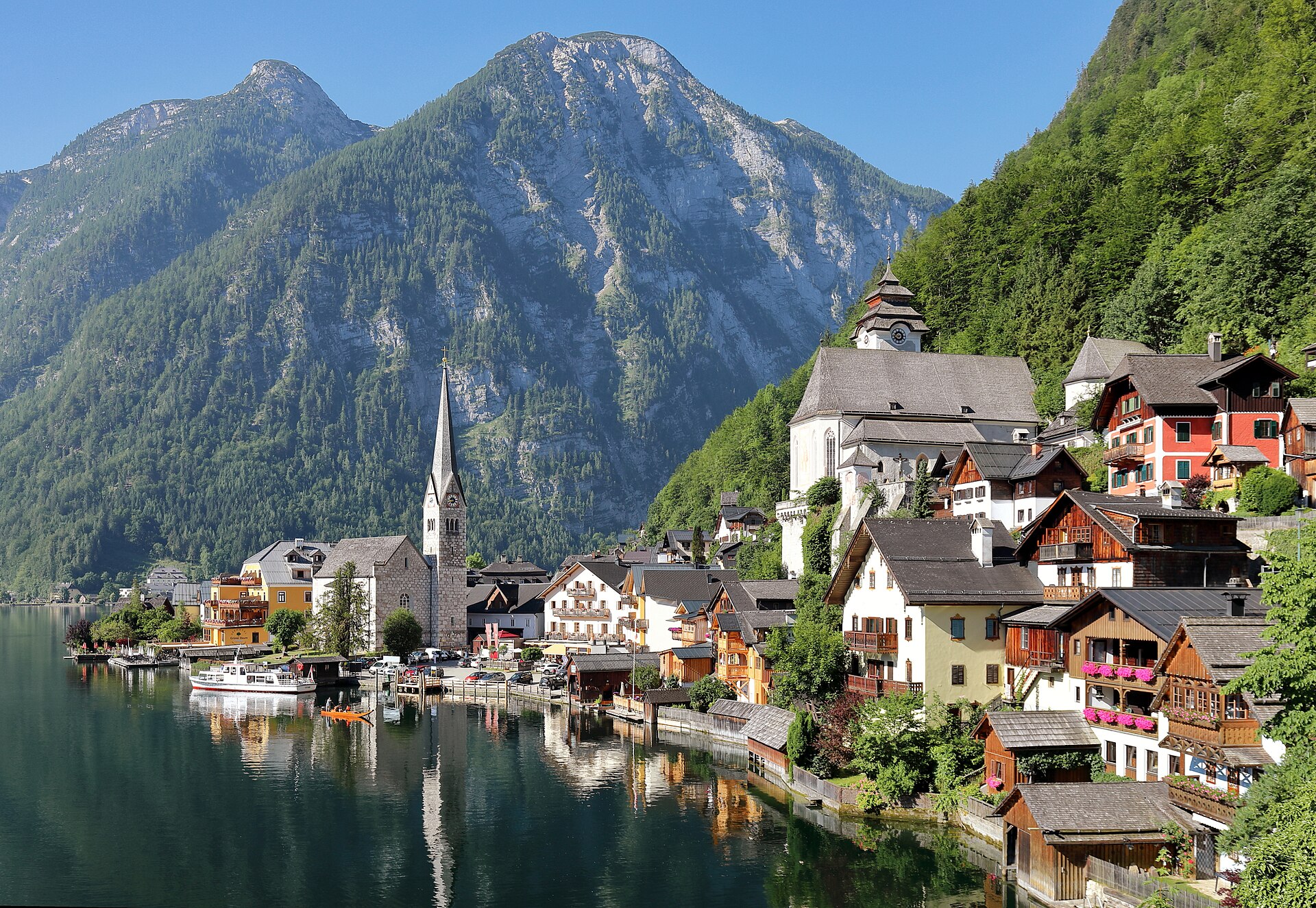
Austria is 83,879 km², and its nine states fall into two kinds of trip. Vienna, Lower Austria and Upper Austria lie along the Danube on level, easily crossed gr...
Photograph · C.Stadler/Bwag · CC BY-SA 4.0
Reviewed by Elena Voss · Roavina Travel Editor
Austria is 83,879 km², and its nine states fall into two kinds of trip. Vienna, Lower Austria and Upper Austria lie along the Danube on level, easily crossed ground, with Vienna alone holding 1,931,593 of the country's roughly nine million people. Tyrol, Salzburg, Vorarlberg and Styria are the Alpine states, entered by valley rather than by plain, and their capitals — Innsbruck, Salzburg, Bregenz, Graz — are each small enough to cross on foot in an afternoon. The distinction decides an itinerary: the Danube cities sit an hour apart by train and the mountain ones do not.
Checked 2026-08-25
Every city catalogued in this country so far, ranked by how much there is to see.
Photograph · Andrzej Otrębski · CC BY-SA 4.0
Ranked by importance — sitelinks, pageviews and heritage status, not editor preference.
18 places match
Category
Typical visit duration
Interests
Albertina is a museum in a former Habsburg palace above Albertinaplatz, immediately behind Vienna’s State Opera.
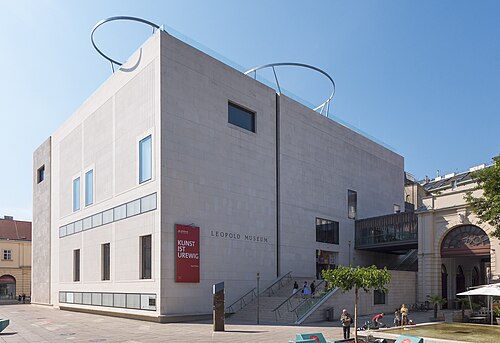
The Leopold Museum houses the collection assembled over five decades by the ophthalmologist and collector Rudolf Leopold, sold to the Austrian state in 1994 and opened to the public in this purpose-built home inside the MuseumsQuartier in 2001.
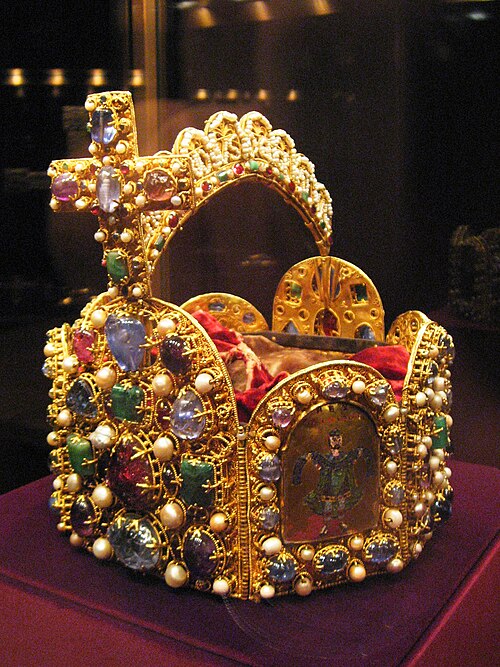
Kaiserliche Schatzkammer
The Imperial Treasury, the Kaiserliche Schatzkammer, holds the Habsburg dynasty's crown jewels and imperial regalia inside the Hofburg's Schweizerhof, the Swiss Courtyard at the historic core of the palace complex.
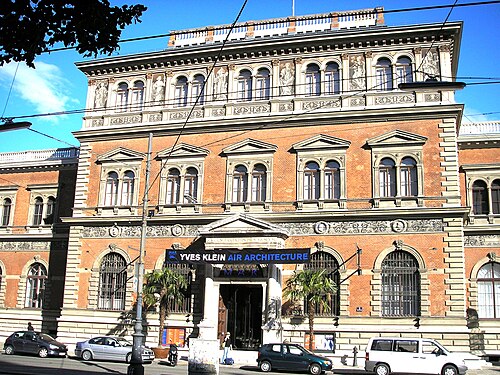
Museum für Angewandte Kunst
The MAK was the first museum of its kind on the continent, and it was founded to improve manufacturing.
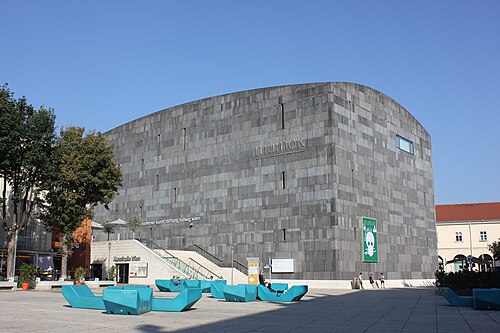
Museum Moderner Kunst Stiftung Ludwig Wien
mumok — the Museum Moderner Kunst Stiftung Ludwig — is Austria's largest museum of modern and contemporary art, and the darkest building on the MuseumsQuartier plaza by design.
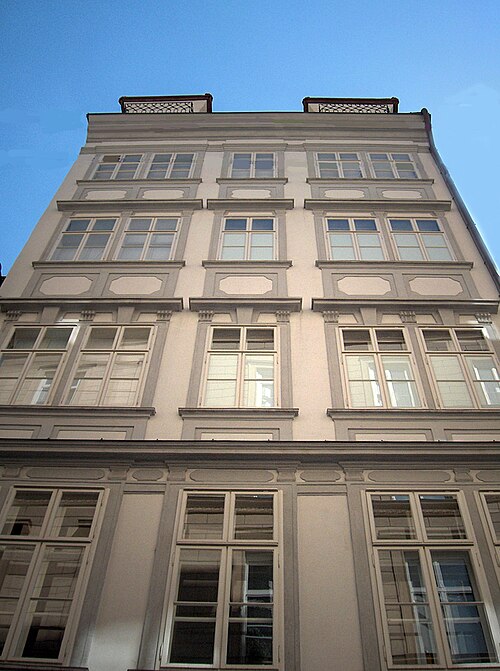
Mozarthaus Vienna, at Domgasse 5 in the Innere Stadt, is the only one of Wolfgang Amadeus Mozart's Viennese residences still standing.
Seven to ten days gives Vienna four days and leaves time for Salzburg, Innsbruck, or Graz by rail. Alpine excursions need flexible weather time and should not be treated as guaranteed additions to a tightly timed city route.
Austria follows Schengen entry rules, with document and visa requirements determined by nationality and route. Verify the current position through official Austrian or EU channels before departure.
ÖBB trains and coordinated buses link Vienna with Salzburg, Innsbruck, Graz, and other regions. Drivers need the correct motorway toll product, and some Alpine roads charge separately.
May to June and September suit many city-and-mountain routes, while December is a distinct winter-city period. Lift, pass, and high-road operating dates matter more than a national forecast for Alpine days.
Austria uses the euro (EUR). Cards are useful, but a euro cash reserve can help at smaller establishments; review the amount and currency before approving any terminal conversion.
Austria uses 112 as its general emergency line and 144 for ambulance dispatch. Its 230 V system takes Type C and F plugs. This guide holds no verified tap-water value, so leave that point unresolved until local guidance is checked.