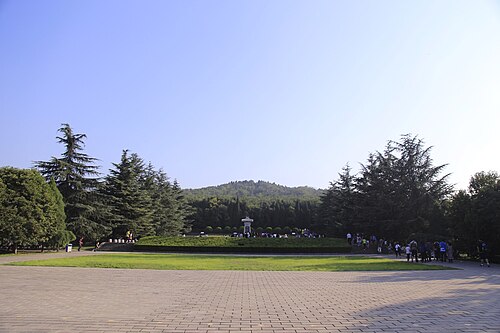
Mausoleum of the First Qin Emperor
秦始皇帝陵博物院丽山园
The Mausoleum of the First Qin Emperor is the burial complex associated with Qin Shi Huang, the ruler who unified China and established the Qin dynasty.
- Must see
- Historic monument
- Xi'an
Country guide
China covers 9.6 million km², third largest of any country, and holds more than 1.4 billion people — about 17 per cent of everyone alive. It is divided into 33...
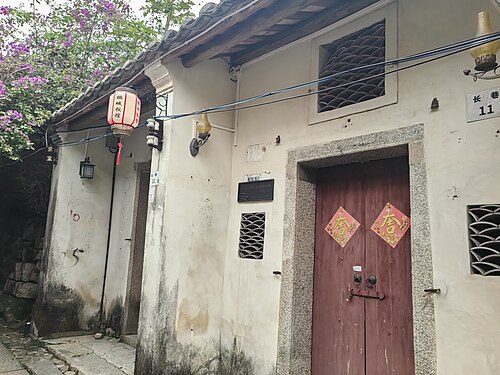
Photograph · Severin.stalder · CC BY-SA 3.0
Reviewed by Elena Voss · Roavina Travel Editor
China covers 9.6 million km², third largest of any country, and holds more than 1.4 billion people — about 17 per cent of everyone alive. It is divided into 33 province-level divisions, two of them special administrative regions.
Beijing is the capital; Shanghai is the most populous city by urban area. Between them the land runs from the Central Plain and the Yangtze and Yellow rivers out to desert, plateau, subtropical and temperate forest, and the Himalayas in the southwest. The first decision a visitor makes here is therefore not which sight to see but which climate to travel in.
Checked 2026-08-25
Every city catalogued in this country so far, ranked by how much there is to see.
Photograph · N509FZ · CC BY-SA 4.0
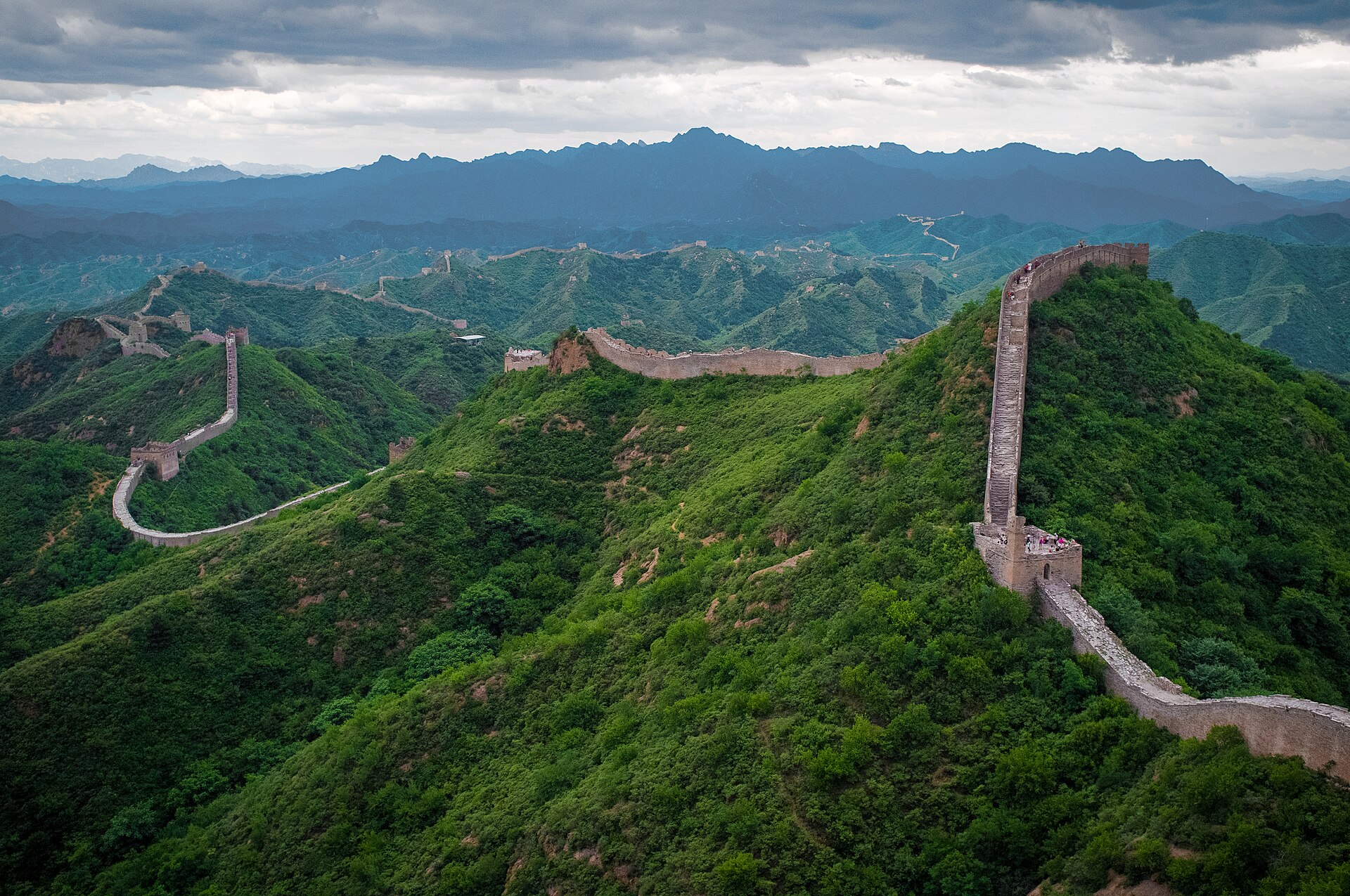
Photograph · King of Hearts · CC BY-SA 4.0
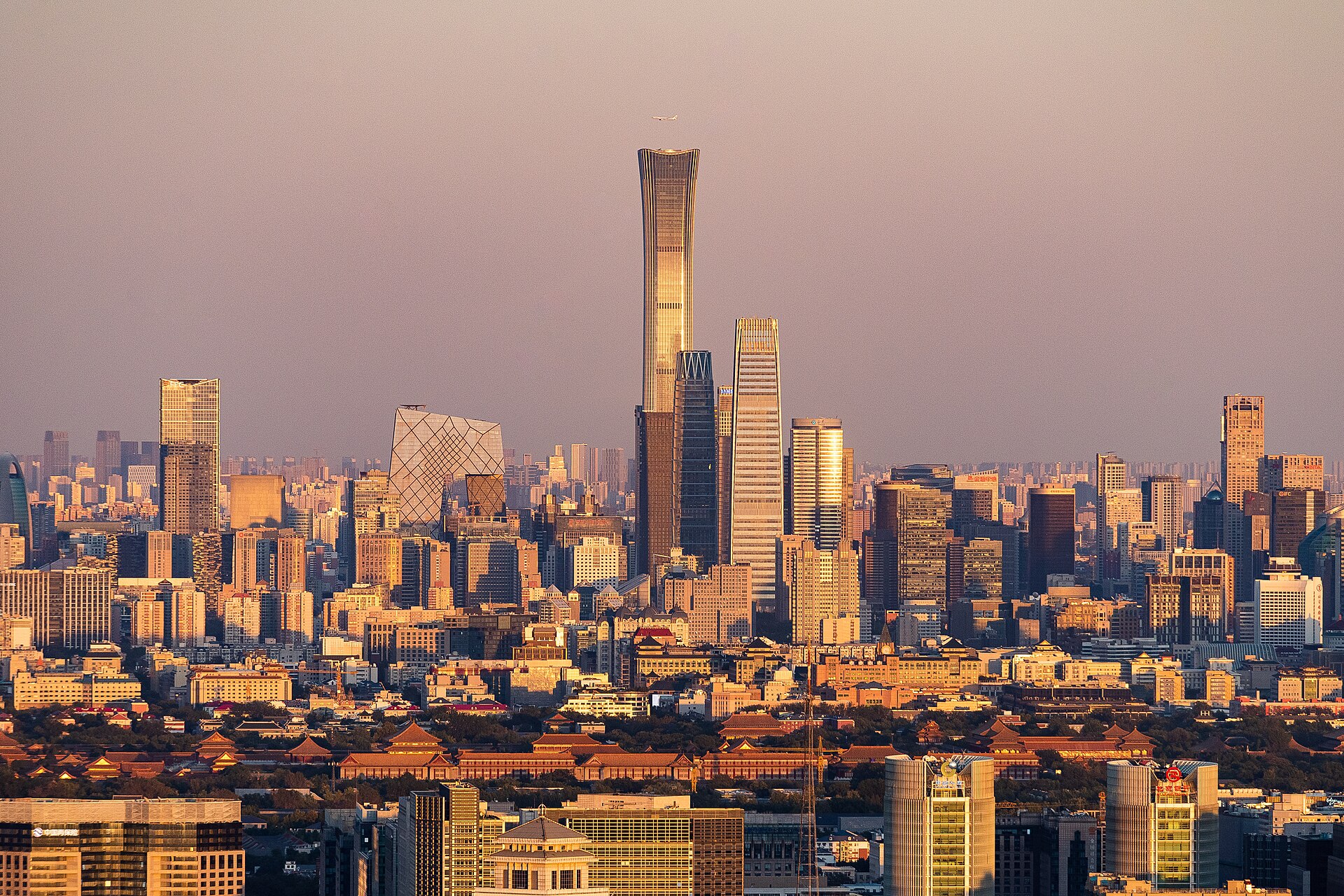
Photograph · Mustang Joe · CC0
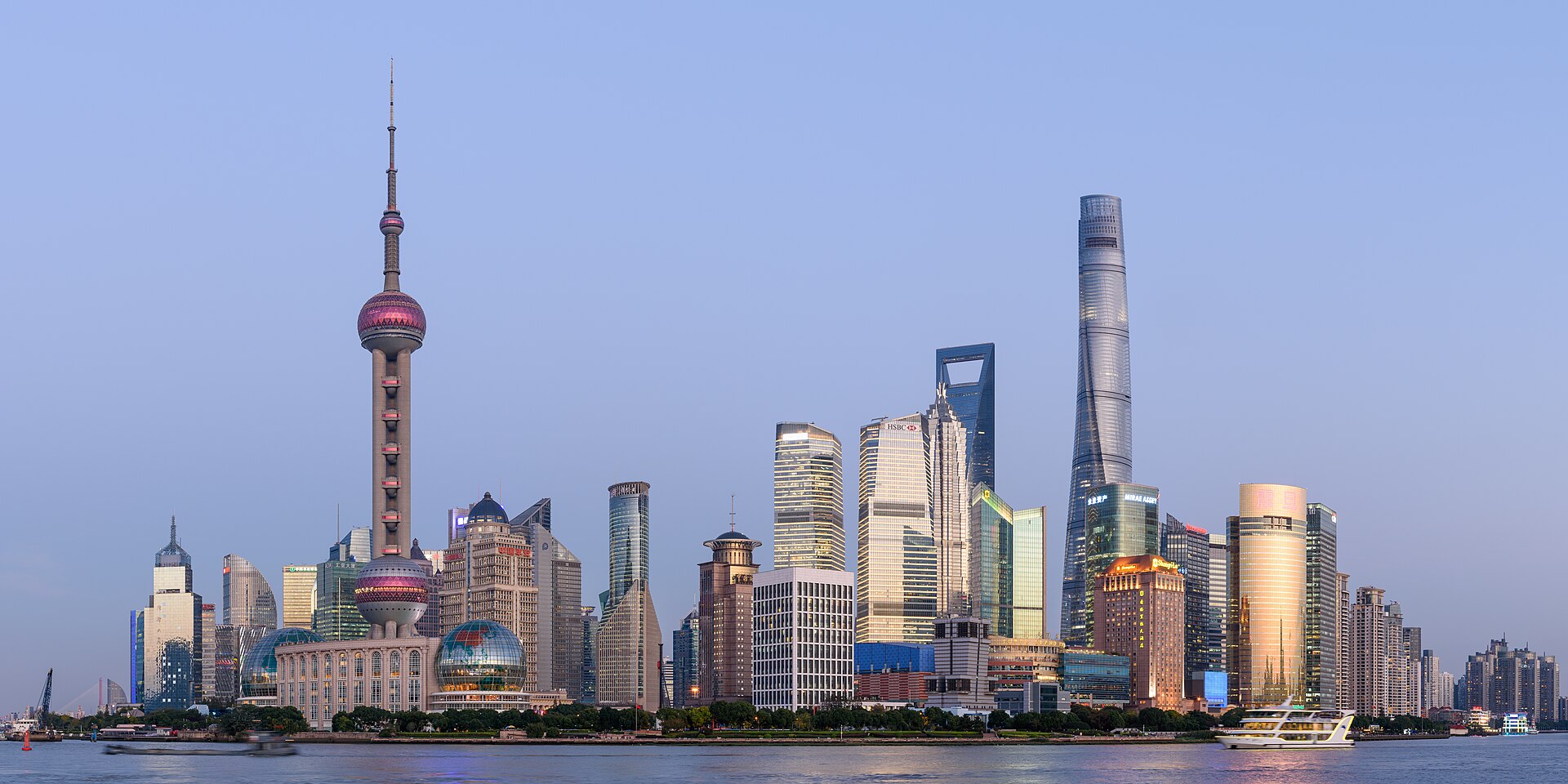
Photograph · Charlie fong · CC BY-SA 4.0
Photograph · ScareCriterion12 · CC BY-SA 4.0
Photograph · Charlie fong · CC BY-SA 4.0
Seasonal closures come from recorded opening hours.
Ranked by importance — sitelinks, pageviews and heritage status, not editor preference.
89 places match
Category
Typical visit duration
Interests
秦始皇帝陵博物院丽山园
The Mausoleum of the First Qin Emperor is the burial complex associated with Qin Shi Huang, the ruler who unified China and established the Qin dynasty.
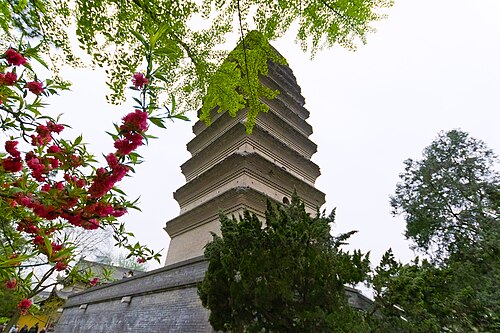
小雁塔
The Small Wild Goose Pagoda is a historic Buddhist pagoda in Xi'an, also known locally as 小雁塔. It is associated with the Jianfu Temple complex and preserves a major example of Tang Dynasty religious architecture.
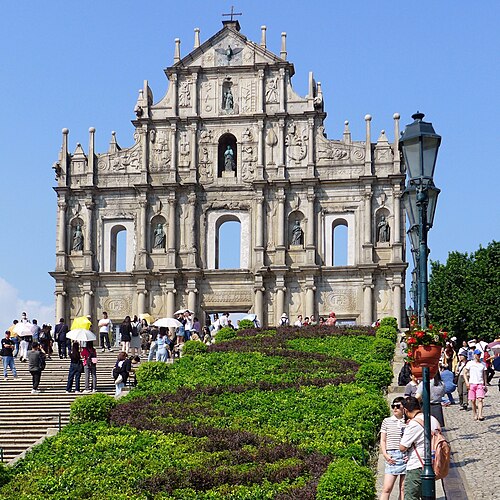
大三巴牌坊 Ruínas de São Paulo
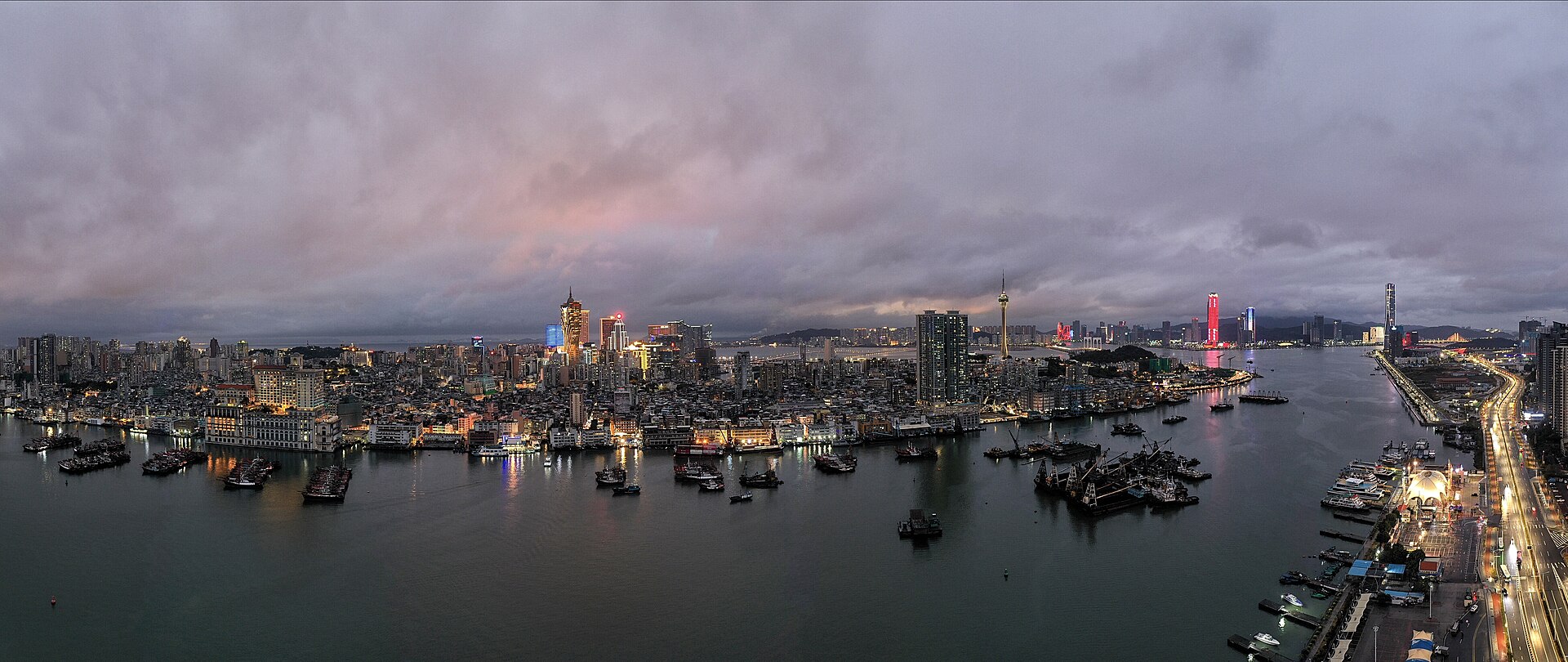
The Ruins of St. Paul's are the surviving granite facade of the Church of Mater Dei and the remains of St. Paul's College in Macau.
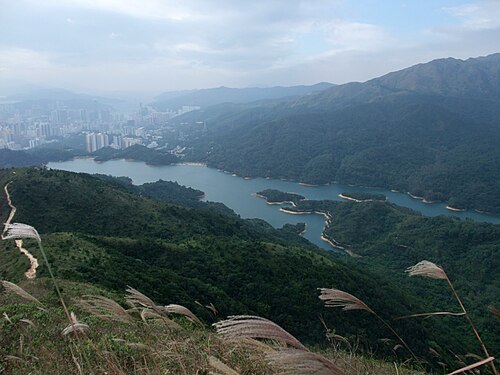
城門水塘 Shing Mun Reservoir
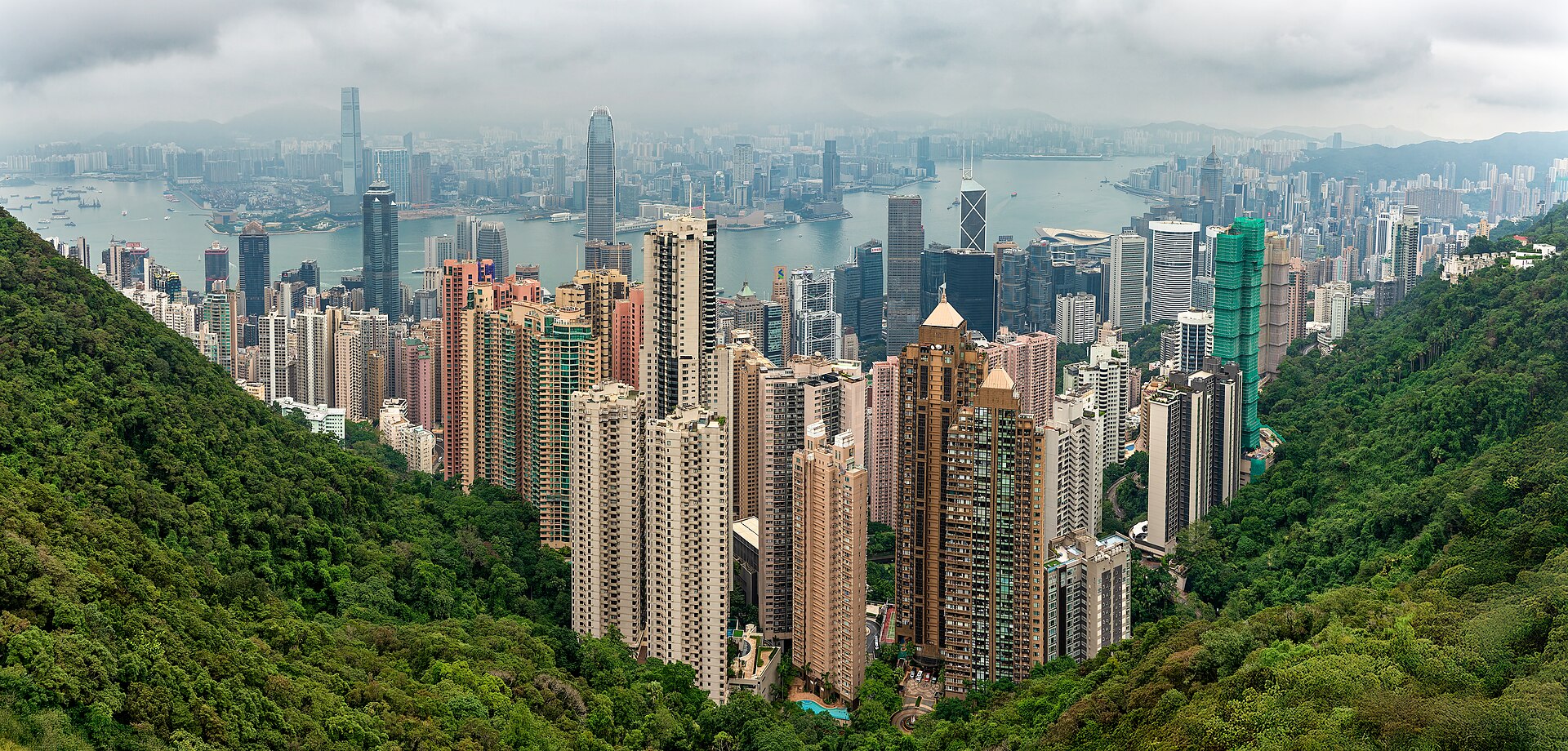
Shing Mun Reservoir is a water storage facility in the New Territories of Hong Kong. Constructed in the 1930s, it represents an important piece of colonial-era infrastructure.
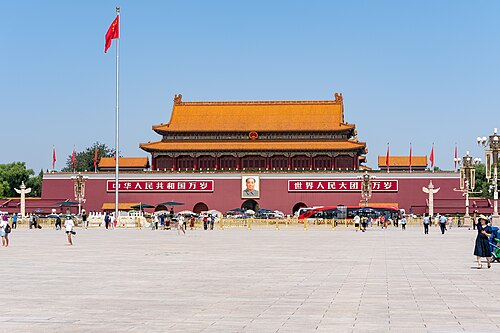
天安门广场
Tiananmen Square is a vast public plaza in central Beijing, China. The local name is 天安门广场. It holds significant historical and political importance as a ceremonial and gathering space.
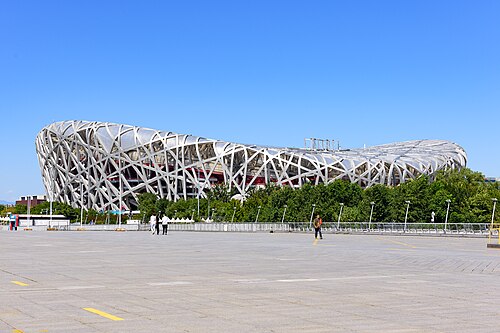
国家体育场
The National Stadium, locally known as 国家体育场, is a major sports venue in Beijing. It was constructed for the 2008 Summer Olympics and Paralympics, serving as the primary stadium for opening and closing ceremonies as well as athletics events.
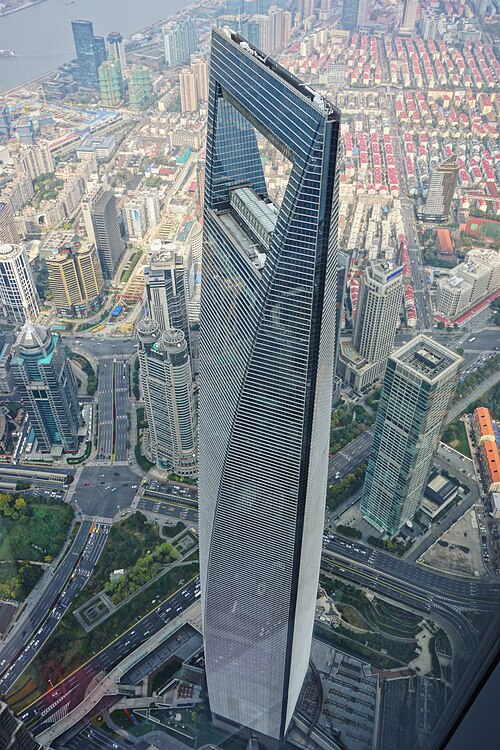
上海环球金融中心
Shanghai World Financial Center is a 492-metre, 101-storey skyscraper in Lujiazui, Pudong, completed in 2008 and designed by Kohn Pedersen Fox Associates.
上海中心大厦
Shanghai Tower is a landmark skyscraper in the Lujiazui financial district of Pudong, Shanghai. It is among the tallest buildings in the world by architectural height.
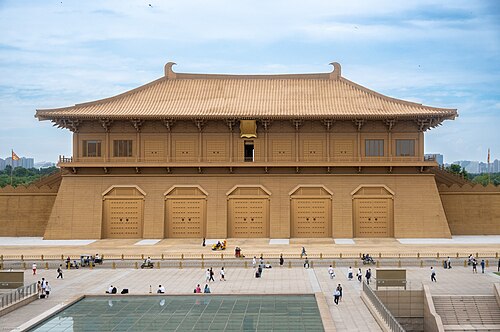
大明宫国家遗址公园
Daming Palace National Heritage Park is a major archaeological site and heritage park in Xi'an, China. It preserves the remains of Daming Palace, which served as the imperial palace complex of the Tang Dynasty.
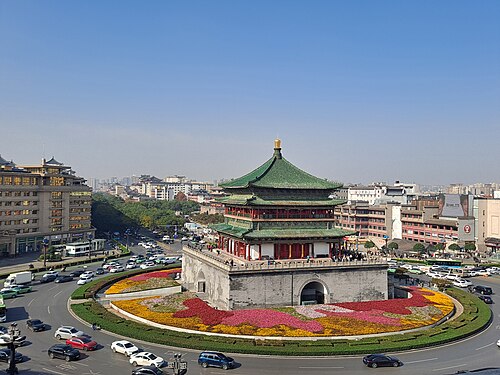
钟楼
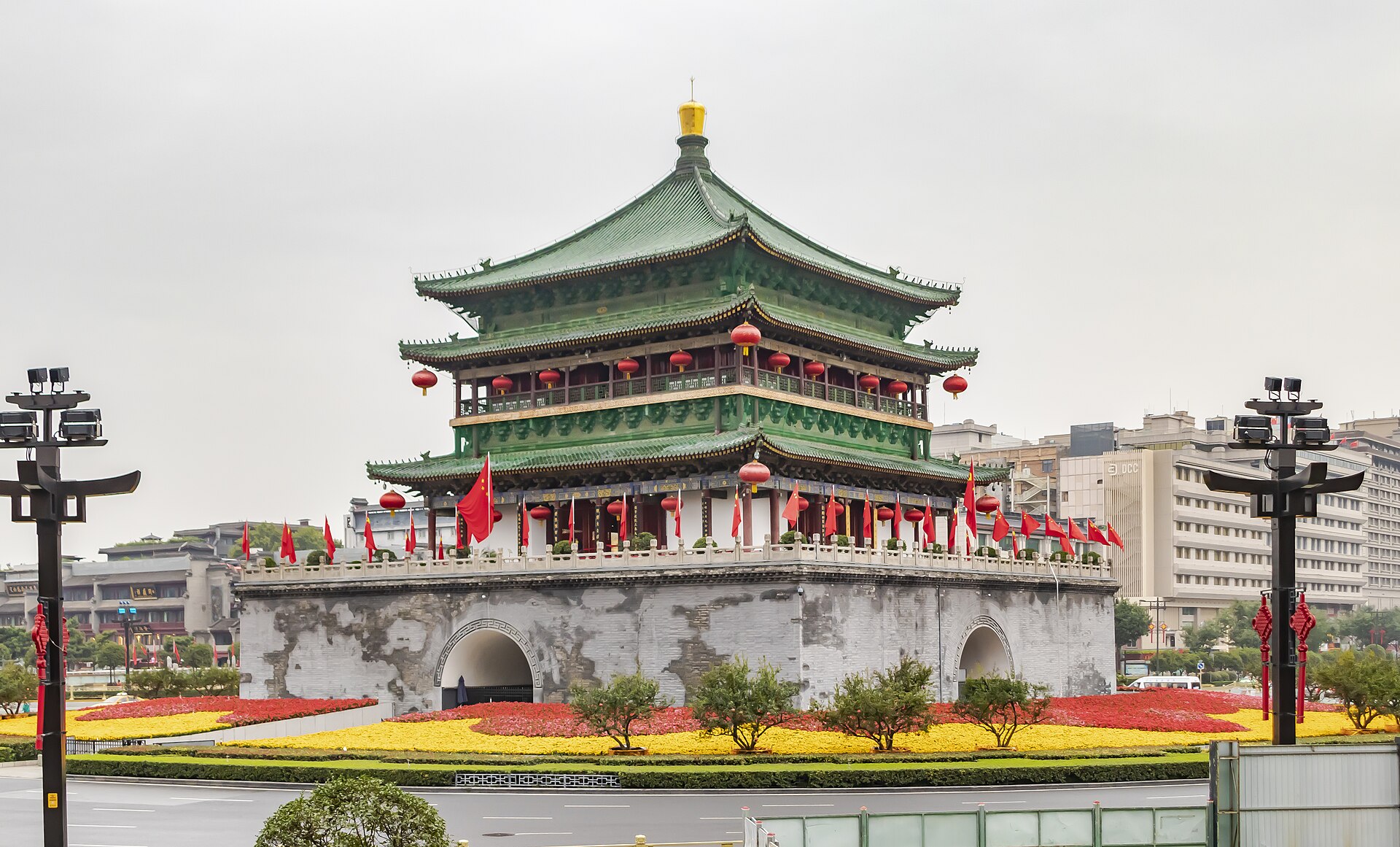
Xi'an Bell Tower stands at the symbolic center of the old city, where the main north-south and east-west axes meet. The Ming-dynasty landmark combines a monumental upper structure with tiered roofs and traditional decorative details.
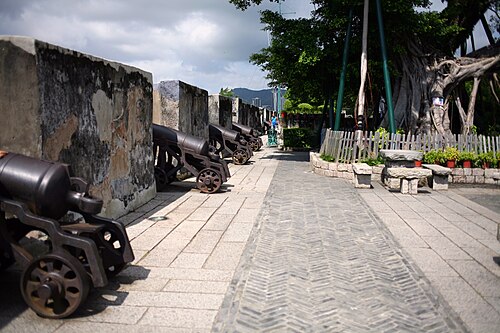
大炮台 Fortaleza do Monte
Fortaleza do Monte, also called 大炮台 (Da Pao Tai), is a historic military fortification on a hill in central Macau. Jesuits began building it in the early seventeenth century, and the fort later became part of Macau’s defensive system.
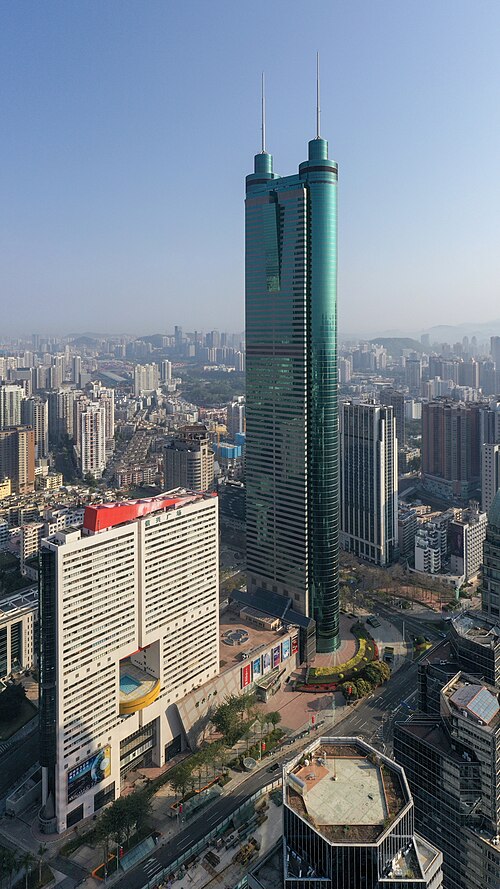
地王大厦
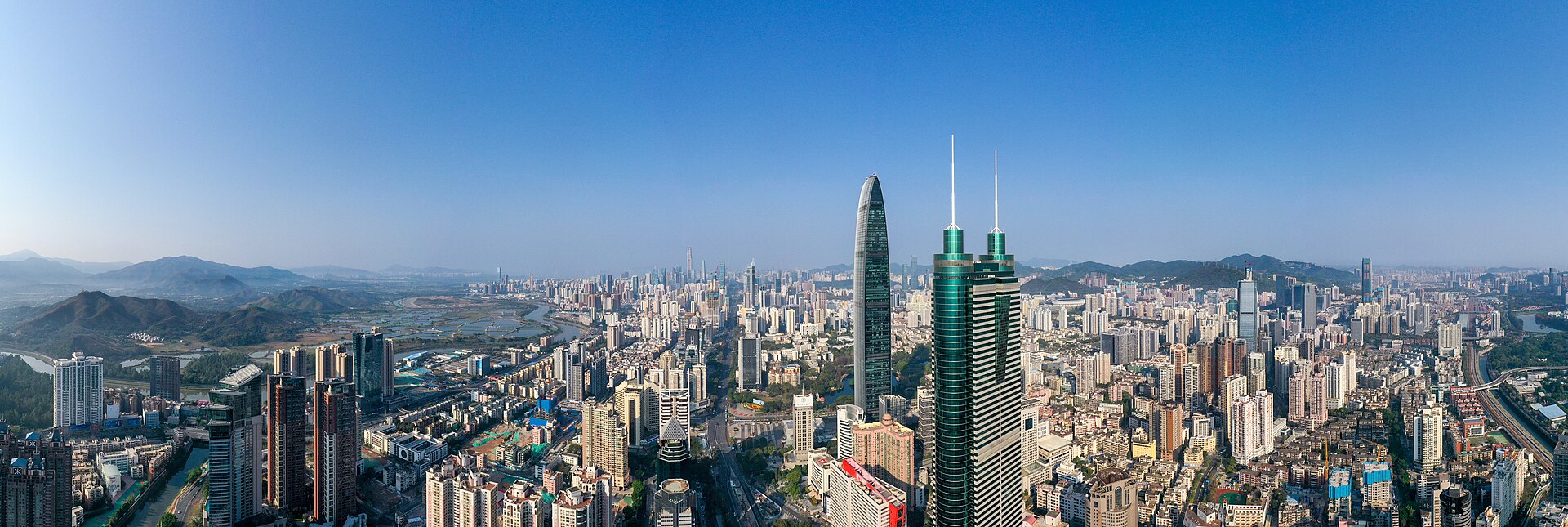
Shun Hing Square, known locally as 信兴广场, stands as a prominent commercial and architectural landmark in Shenzhen. The complex features one of the city's most recognizable skyscrapers, contributing to the distinctive skyline of this rapidly developed metropolis.
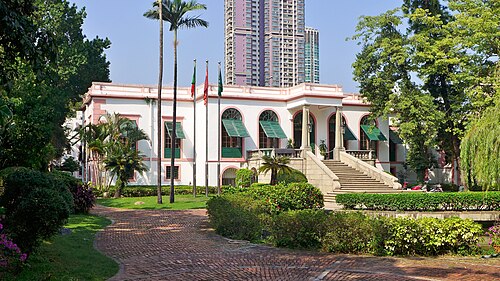
東方基金會會址 Casa Garden
Casa Garden, known locally as 東方基金會會址, is a historic residence on the Macau peninsula and the headquarters of the Orient Foundation.
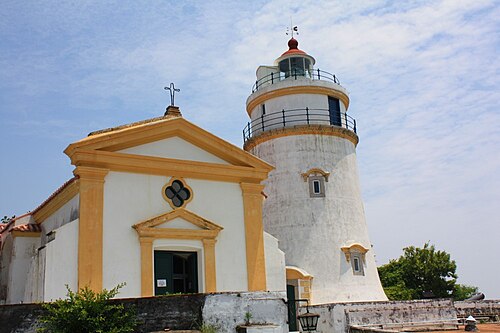
東望洋炮台 Fortaleza da Guia
Guia Fortress and Lighthouse is a historic military and navigational complex situated on Guia Hill, the highest point of the Macau Peninsula.
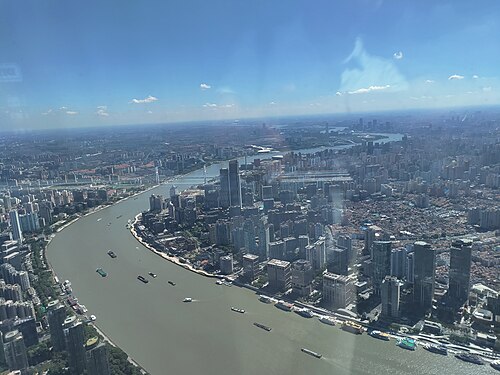
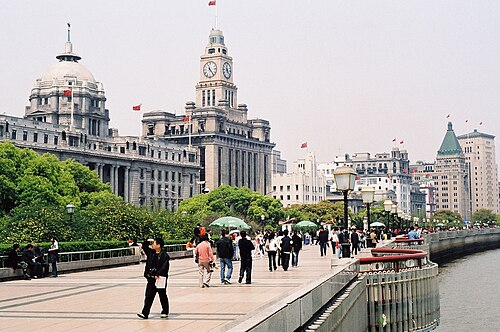
外滩
The Bund is Shanghai's historic waterfront promenade along the western bank of the Huangpu River. It features a concentration of early 20th-century colonial-era buildings representing various European architectural styles, including Neoclassical, Art Deco, and Beaux-Arts.
戒台寺
Jietai Temple, known locally as 戒台寺, is a historical Buddhist temple situated in the western outskirts of Beijing. The temple holds significant religious and cultural importance within China's Buddhist heritage.
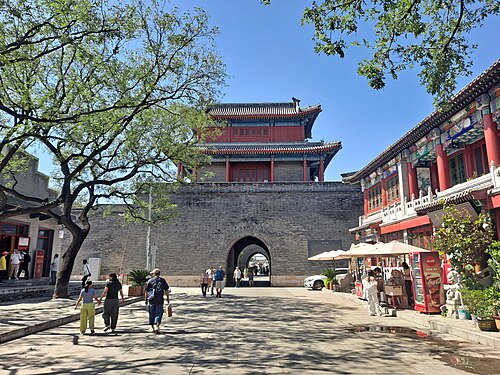
宛平城
Wanping Fortress, known locally as Wanping Cheng, is a historic walled settlement in Beijing's Fengtai District. Constructed during the Ming Dynasty as a military garrison, it served as a strategic defensive position guarding the western approaches to the capital.
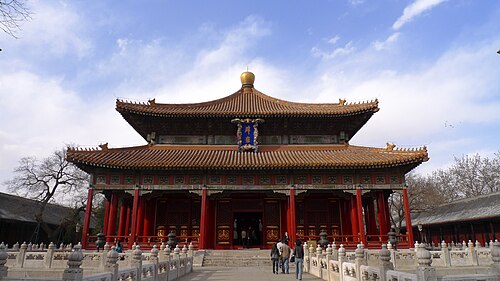
国子监
The Imperial College, or Guozijian, was the highest state educational institution and education administration of the Yuan, Ming and Qing dynasties.
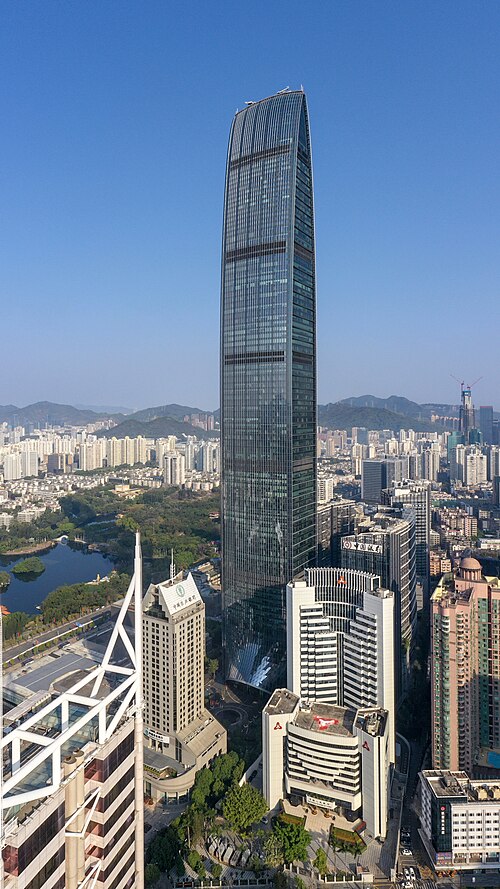
京基100
KK100, known locally as 京基100, is a supertall mixed-use tower in Shenzhen's Luohu District. It is one of the city's most recognizable skyline landmarks and contains office space and the St.
仁慈堂大樓 Santa Casa da Misericórdia
The Holy House of Mercy, or 仁慈堂大樓, is a historic charitable institution beside Senado Square in Macau. Founded in 1569 by Macau's first bishop, it became associated with care for orphans, widows and people in poverty.
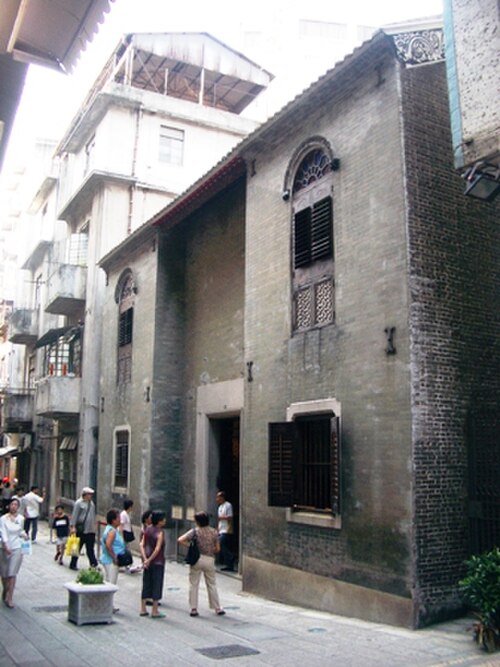
盧家大屋 Casa de Lou Kau
Casa de Lou Kau, locally called 盧家大屋, is a preserved merchant residence in Macau’s Historic Centre.
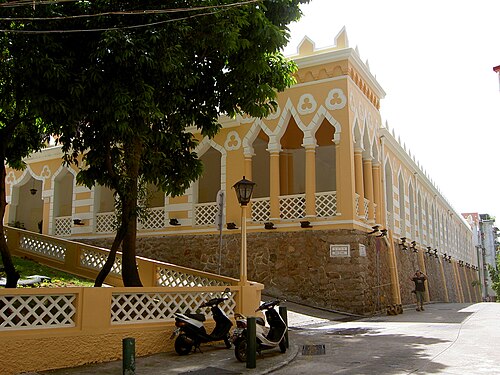
港務局大樓 Quartel dos Mouros
Moorish Barracks, locally known as 港務局大樓, is a historic building in Macau’s Historic Centre. Its design combines Islamic-influenced details with neoclassical elements, reflecting the layered architectural culture created during Portuguese administration.
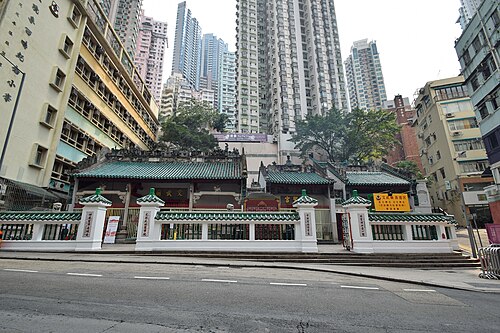
文武廟 Man Mo Temple
Sheung Wan Man Mo Temple, known locally as 文武廟 Man Mo Temple, is a historic Taoist temple complex situated in the Sheung Wan district of Hong Kong Island.
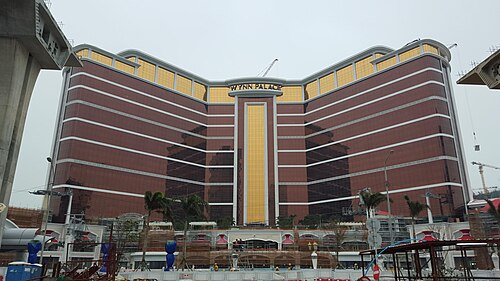
永利皇宮 Palácio Wynn
Wynn Palace is a luxury integrated resort on Macau’s Cotai Strip. The complex combines a hotel, casino, restaurants, retail spaces and entertainment in one large destination.
大鹏所城
Dapeng Fortress, known locally as 大鹏所城, is a historic military fortification in Shenzhen's Dapeng New District.
Twelve to eighteen days can link Beijing, Xi'an, and Shanghai by high-speed rail, with Shenzhen as a southern extension. Hong Kong and Macao need separate border planning and should not be treated as ordinary domestic stops on the same timetable.
Entry rules differ between mainland China, Hong Kong, and Macao, even within one journey. Check the official immigration authority for every border segment and match the permission to the passport, purpose, and exact itinerary.
High-speed rail and domestic flights cover mainland distances, while metros handle most urban journeys. Hong Kong uses Octopus and separate border controls, and Macao has its own formalities, so prepare payment and identity requirements for each jurisdiction.
April to May and September to October are only broad mainland planning windows. Beijing, Shanghai, the south, Hong Kong, and Macao have different heat, rain, and holiday pressures; the least flexible regional leg should set the dates.
Mainland China uses renminbi (CNY), while Hong Kong and Macao use HKD and MOP. Payment systems and card acceptance differ across those jurisdictions, so prepare the appropriate local method before crossing each border.
On the mainland, save 110 for police and 120 for medical help; Hong Kong and Macao use separate emergency systems. Mainland electricity is recorded as 220 V with Type A, C, and I sockets, while tap-water guidance is not recorded.