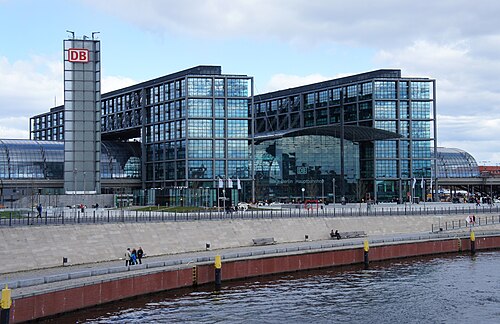
Berlin Central Station
Berlin Hauptbahnhof
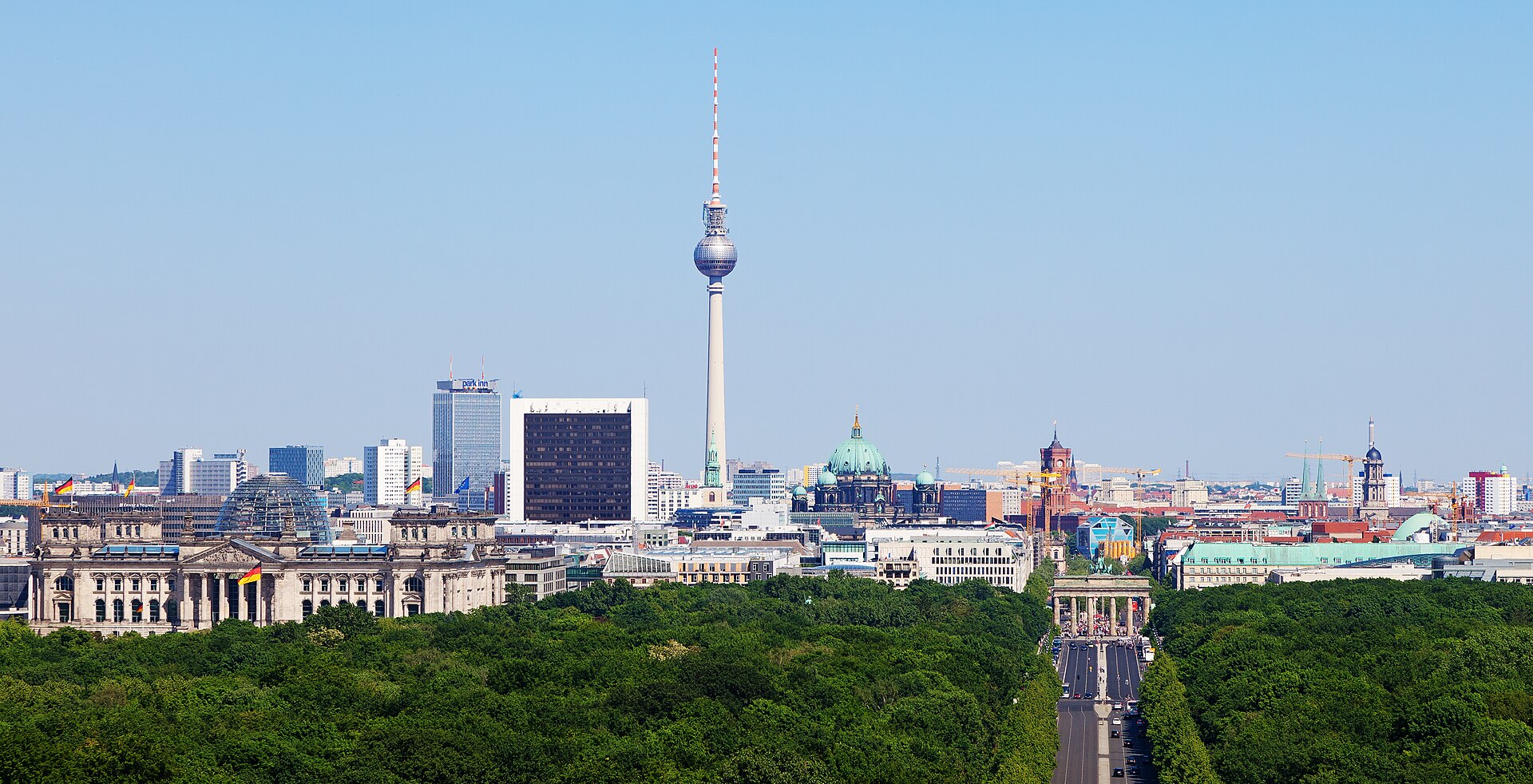
Berlin Central Station, known locally as Berlin Hauptbahnhof, is the city’s principal railway hub and one of Berlin’s most striking modern buildings.
- Must see
- Historic monument
- Berlin
Country guide
Germany runs from the Baltic and North Sea coasts in the north down to the Alps in the south, and its 16 states have kept enough separateness that the country r...
Photograph · Llez · CC BY-SA 3.0
Reviewed by Elena Voss · Roavina Travel Editor
Germany runs from the Baltic and North Sea coasts in the north down to the Alps in the south, and its 16 states have kept enough separateness that the country reads as a set of destinations rather than one. Over 83 million people live in them, more than any other European Union member. Berlin is the capital and the largest single city, Frankfurt is the financial centre, and the largest urban area is neither - it is the Ruhr, a belt of western towns that have grown into each other. Choosing between the Bavarian south, the Rhine, the Hanseatic north and the eastern cities is the actual planning decision; the distances are short and the places are not variations on one another.
Checked 2026-08-25
Every city catalogued in this country so far, ranked by how much there is to see.
Photograph · Thomas Wolf, www.foto-tw.de · CC BY-SA 3.0
Photograph · Thomas Wolf, www.foto-tw.de · CC BY-SA 3.0 de
Ranked by importance — sitelinks, pageviews and heritage status, not editor preference.
62 places match
Category
Typical visit duration
Interests
Berlin Hauptbahnhof
Berlin Central Station, known locally as Berlin Hauptbahnhof, is the city’s principal railway hub and one of Berlin’s most striking modern buildings.
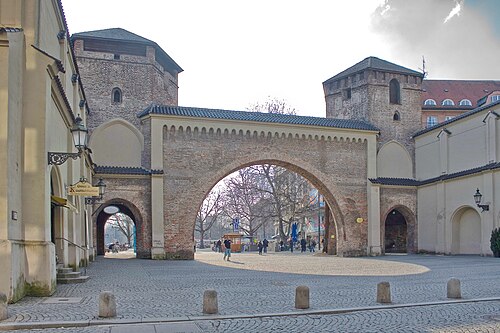
Sendlinger Tor is one of Munich's three remaining medieval city gates, standing at the southern end of the historic old town.
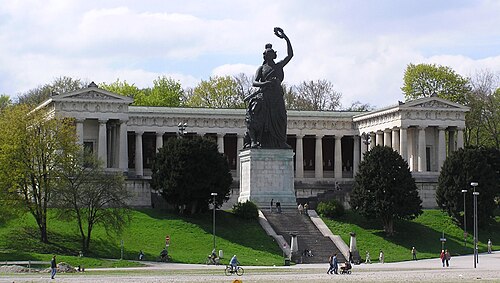
Ruhmeshalle is a sweeping nineteenth-century Doric colonnade on Munich’s Theresienwiese, the open grounds associated with Oktoberfest. Leo von Klenze designed the monument as a hall of fame for distinguished Bavarians.
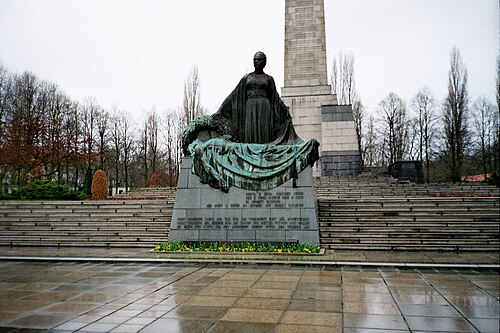
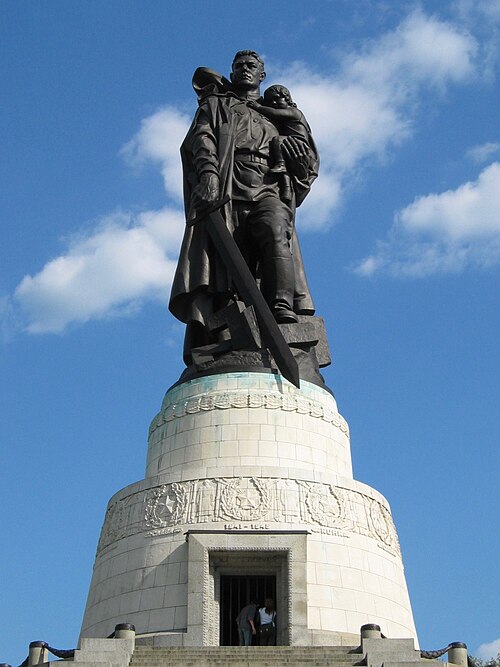
Sowjetisches Ehrenmal Schönholzer Heide
The Soviet War Memorial Schönholzer Heide is a monumental cemetery and memorial complex in Berlin’s Pankow district. It commemorates Soviet soldiers who died during the Battle of Berlin in 1945.
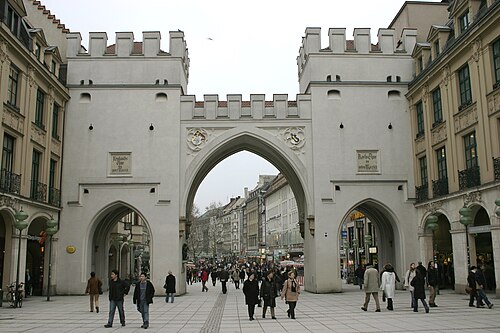
Karlstor
Karlstor is one of three remaining medieval city gates in Munich, Germany. It stands at the western end of Neuhauser Straße, marking the boundary between the historic city center and the Karlsplatz area.
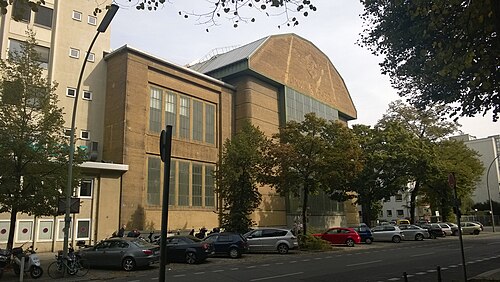
AEG Turbinenfabrik
AEG’s Turbine factory, known as the AEG Turbinenfabrik, is a landmark of Berlin’s industrial architecture in Moabit. Peter Behrens designed the building for AEG, and it was completed in 1909.
Cuvilliés-Theater
Cuvilliés Theatre is a historic rococo theatre in Munich’s Residenz complex. François de Cuvilliés designed the eighteenth-century court theatre for the Bavarian royal family, and the building remains one of Europe’s important surviving rococo theatre interiors.
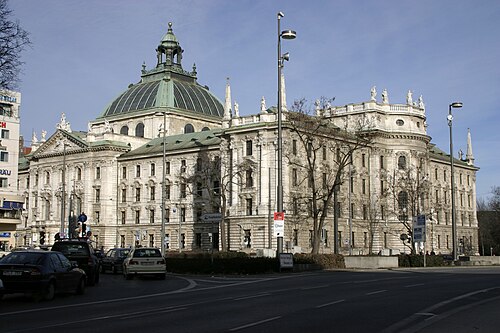
The Justizpalast is a historic courthouse building in Munich, Germany. Constructed in the late 19th century, it serves as a significant judicial and architectural landmark in the city.
Sowjetisches Ehrenmal
The Soviet War Memorial in Berlin is a monumental commemorative site erected by the Soviet Union to honor Red Army soldiers who fell in the Battle of Berlin in 1945.
Schloss Fürstenried
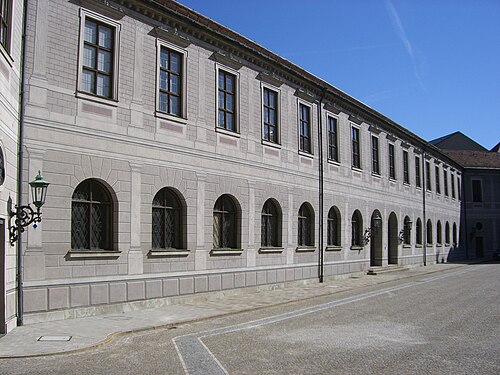
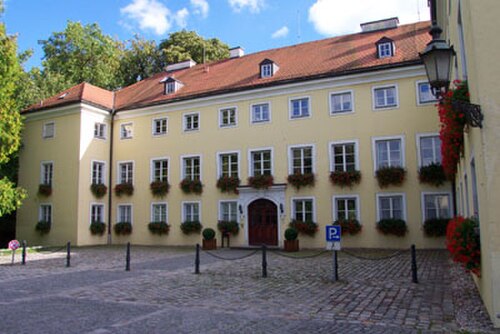
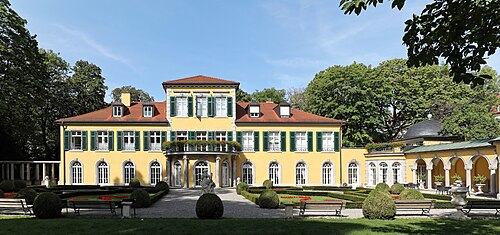
Fürstenried Palace, also known as Schloss Fürstenried, is a Baroque palace in Munich’s southwestern Fürstenried district. Elector Max Emanuel of Bavaria built it in the early eighteenth century as a hunting lodge.
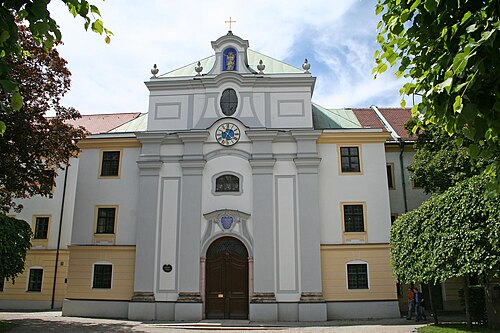
Sankt-Anna-Klosterkirche
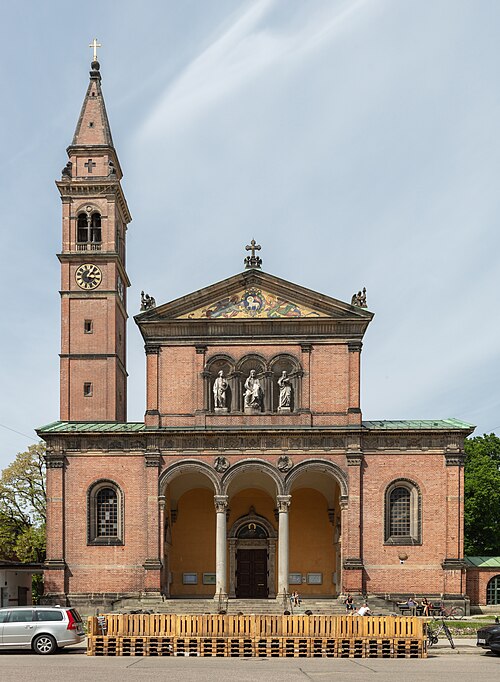
Abbey Church of St. Anna, locally known as Sankt-Anna-Klosterkirche, is a religious building in Munich and serves as the church of a Benedictine abbey. The church has an active religious purpose as well as architectural and cultural interest for visitors.
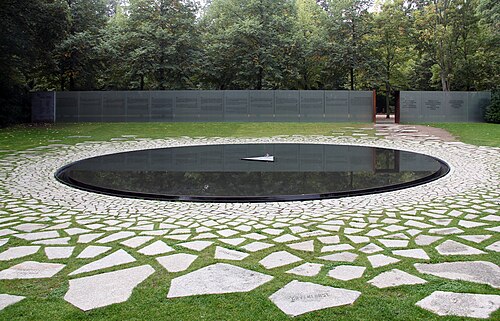
Denkmal für die im Nationalsozialismus ermordeten Sinti und Roma Europas
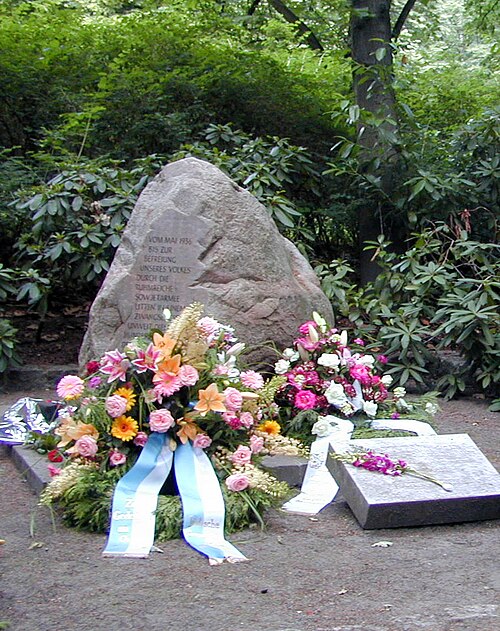
The Memorial to the Sinti and Roma victims of National Socialism is a Berlin monument dedicated to European Sinti and Roma murdered under Nazi rule.
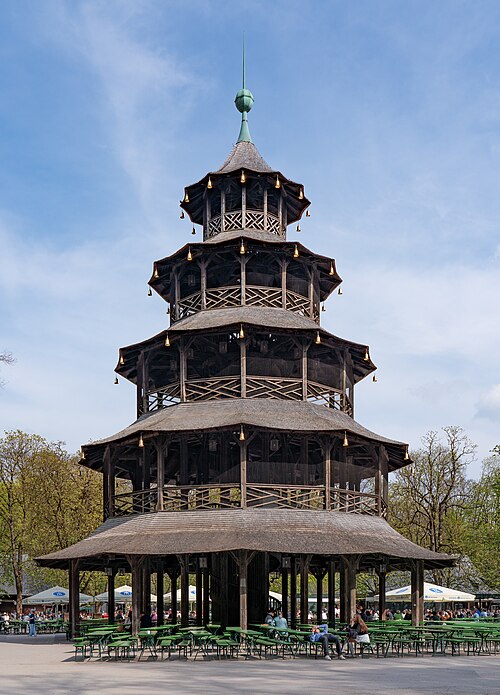
Chinesischer Turm
The Chinese Tower is a wooden pagoda-style structure located in Munich's Englischer Garten, one of the world's largest urban parks. Built in 1790, the tower stands approximately 25 metres tall and was designed by architect Johann Baptist Lechner.
Schloss Blutenburg
Blutenburg Castle, or Schloss Blutenburg, is a historic castle complex in western Munich beside the Würm River. The site began as a medieval ducal hunting residence and preserves the character of a compact Bavarian noble ensemble.
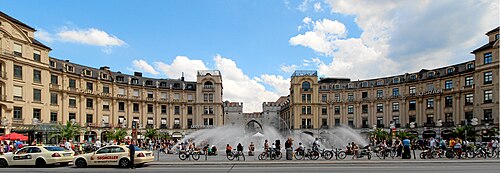
Karlsplatz (Stachus)
Karlsplatz, colloquially known as Stachus, is a major square in central Munich. The name Stachus derives from a former inn, the Beim Stachusgarten, which once stood nearby.
Schloss Hohenschönhausen
Hohenschönhausen Castle is a historic building in Berlin’s Hohenschönhausen district, within the Lichtenberg borough. The castle forms part of the neighbourhood’s architectural heritage and stands among residential streets and green surroundings.
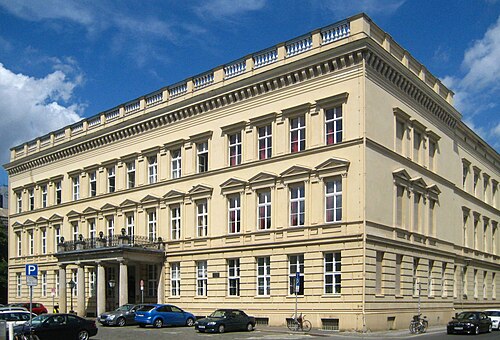
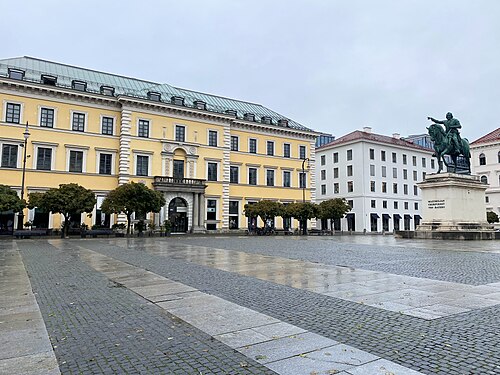
Palais am Festungsgraben is a historic palace building on Unter den Linden in central Berlin. Its name refers to the Festungsgraben, the former moat associated with Berlin’s defensive walls.
Kirche St. Ursula
St. Ursula is an active Catholic church in Munich, also known locally as Kirche St. Ursula. It serves the local Catholic community and welcomes visitors interested in religious architecture and the atmosphere of a working place of worship.
Schloss Ismaning
Ismaning Palace is a Baroque palace in the municipality of Ismaning, northeast of Munich. Unlike a palace preserved solely as a museum, it functions as a municipal administrative center and cultural venue.
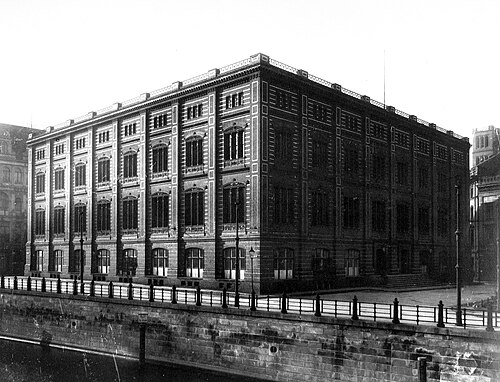
Bauakademie is a historic Berlin site associated with architectural education and Prussian building administration. The original nineteenth-century building became an important institution for architects and engineers, but it was badly damaged during the Second World War and later demolished.
Palais Arco-Zinneberg
Palais Arco-Zinneberg is a historic palace building in Munich, associated with the noble Arco family. The structure represents aristocratic residential architecture from the 19th century, reflecting the cultural and social prominence of its patrons.
Schloss Suresnes
Castle Suresnes, known locally as Schloss Suresnes, is a historic building in Munich. It gives travelers a chance to explore a less conventional architectural landmark within the city’s urban landscape.
Gedenkstätte Zwangslager Berlin-Marzahn
The Gedenkstätte Zwangslager Berlin-Marzahn is a memorial in Berlin’s Marzahn district commemorating a Nazi-era forced-labor camp. It belongs to the city’s wider landscape of remembrance and addresses the persecution and exploitation carried out under National Socialist rule.
Residenztheater
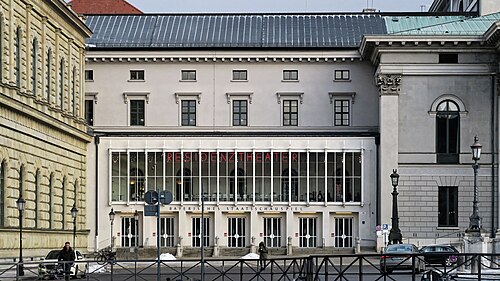
The Residenztheater is a prominent theatre located within the Munich Residenz complex, the former royal palace of the Wittelsbach monarchs in Bavaria.
Mariä Geburt
The Church of the Nativity of the Virgin Mary, known locally as Mariä Geburt, is a Catholic church in Munich. It is both a place of worship and part of the city’s religious architectural heritage.
Seven to ten days works for Berlin plus one connected region, or for a focused Rhine, Bavaria or northern-city route. Germany’s rail network makes multi-city travel practical, but changing bases every night still reduces useful time.
Germany’s Federal Foreign Office is the official visa reference. Review its nationality-specific entry rules and the Schengen application guidance for the passport and route being used.
Intercity and high-speed trains connect Germany’s major cities, with regional services completing shorter journeys. Deutsche Bahn publishes the integrated timetable; airport choice should follow the route rather than defaulting to one national gateway.
May through September favours outdoor city and countryside travel, while December has a distinct seasonal-market pattern. Alpine, North Sea and urban conditions differ enough that the intended region should determine clothing and reservations.
Germany uses the euro (EUR). Cash and card practices are not stated as a single national rule in the cited source, so travellers should carry a backup and check the payment method before ordering or boarding.
For Germany, 112 reaches medical and fire services and 110 reaches police. Type C and F plugs use 230 V, and mains tap water is recorded as safe.