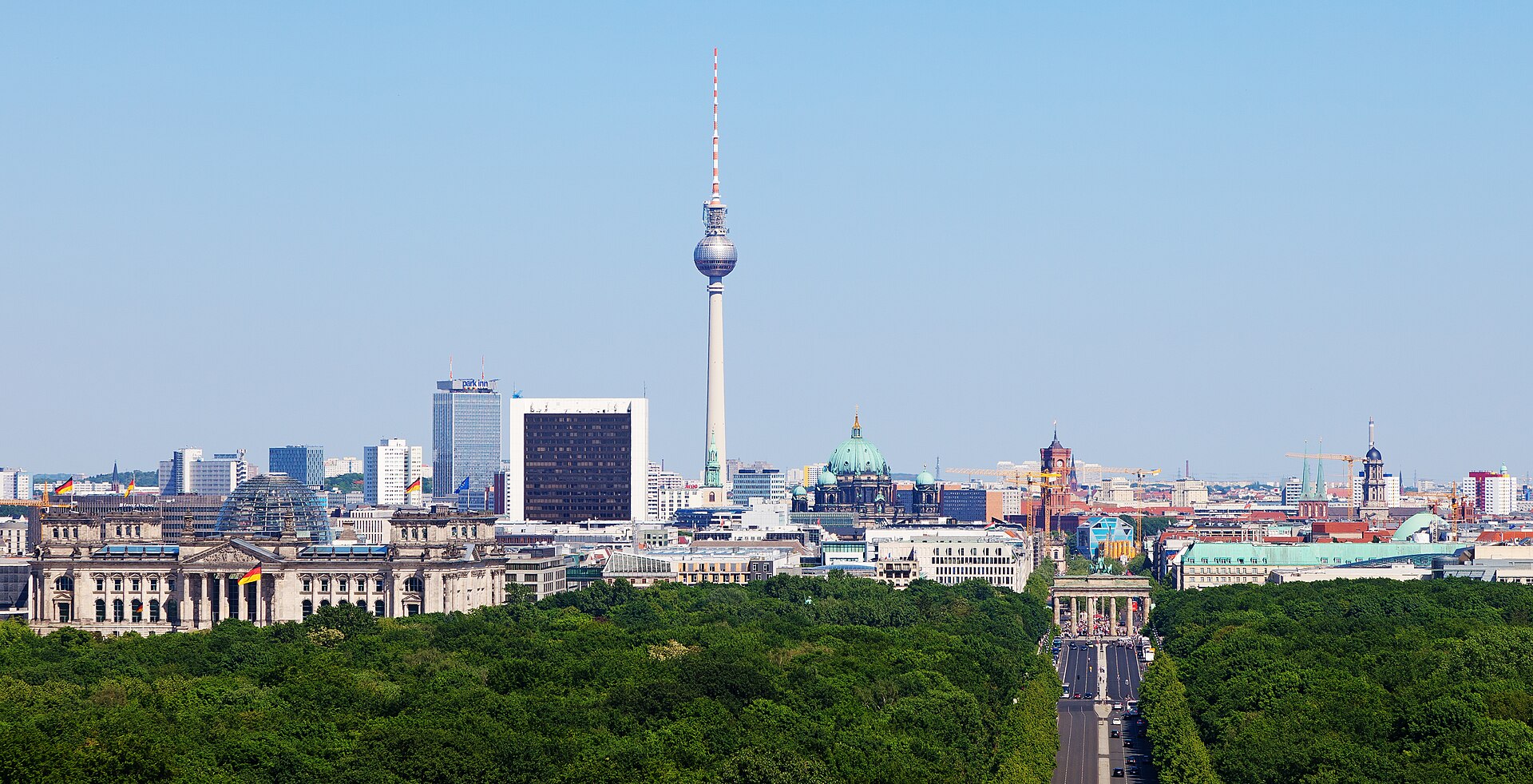
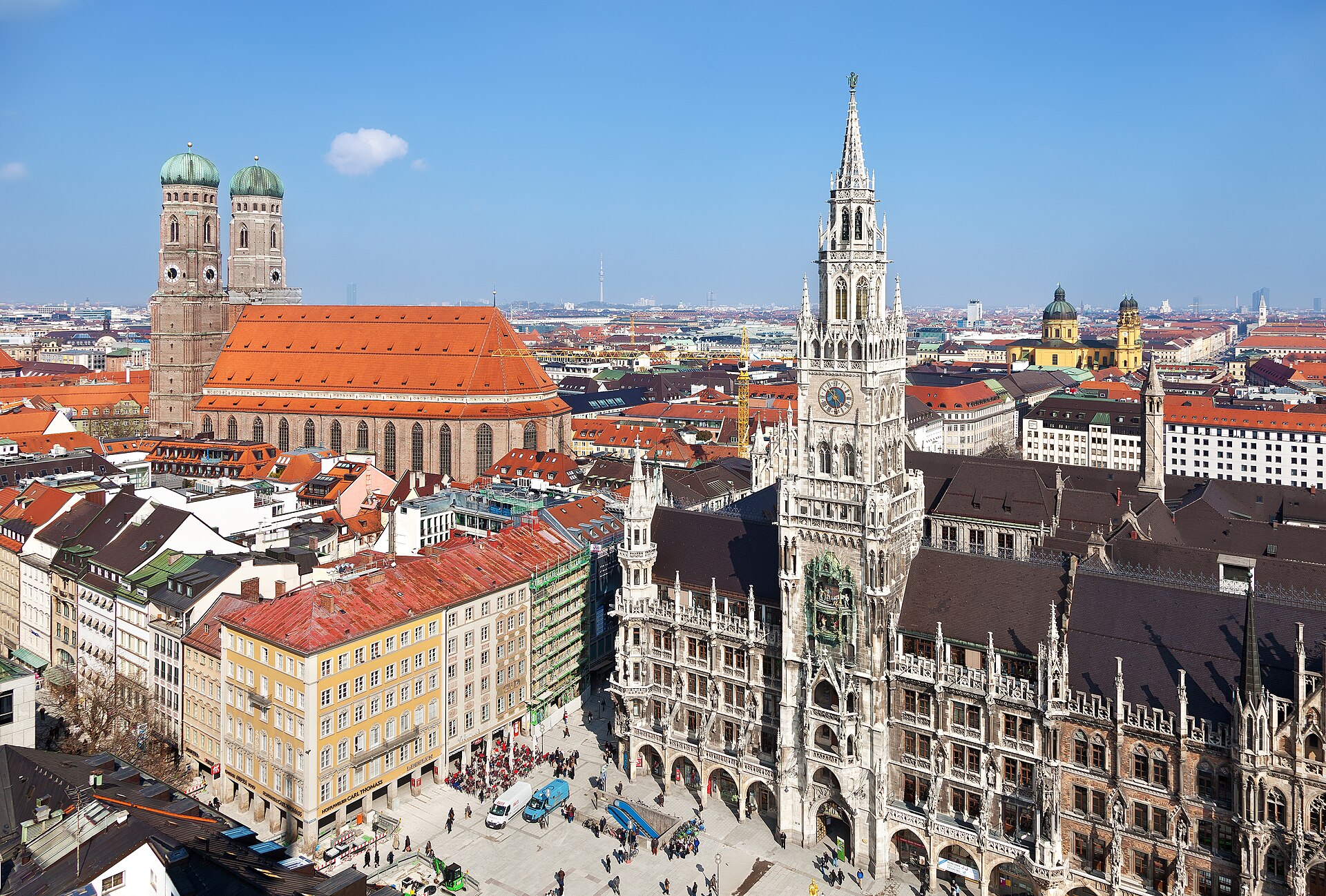
A photograph of Germany

Country guide

Places to visit in Germany — page 5

Germany runs from the Baltic and North Sea coasts in the north down to the Alps in the south, and its 16 states have kept enough separateness that the country r...

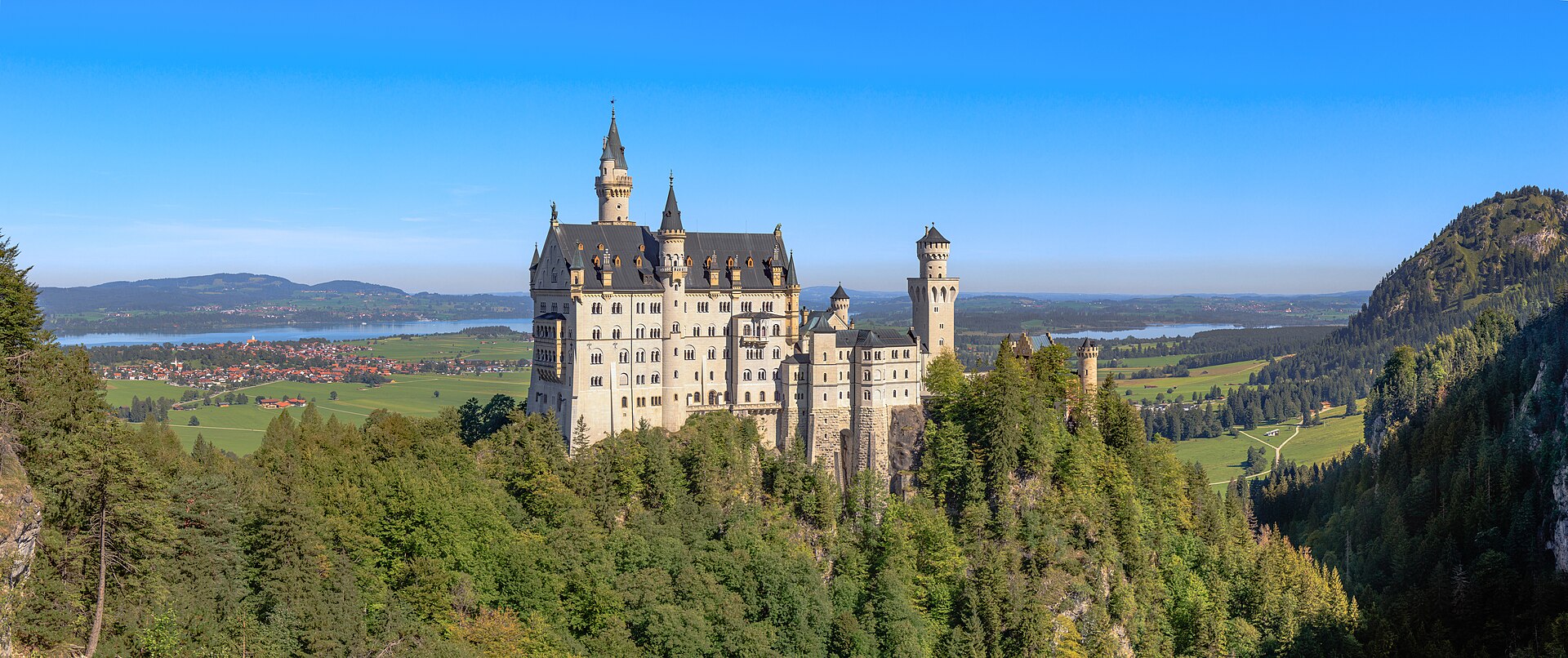
Photograph · Llez · CC BY-SA 3.0

21,822 Places
2Cities

Reviewed by Elena Voss · Roavina Travel Editor

Germany runs from the Baltic and North Sea coasts in the north down to the Alps in the south, and its 16 states have kept enough separateness that the country reads as a set of destinations rather than one. Over 83 million people live in them, more than any other European Union member. Berlin is the capital and the largest single city, Frankfurt is the financial centre, and the largest urban area is neither - it is the Ruhr, a belt of western towns that have grown into each other. Choosing between the Bavarian south, the Rhine, the Hanseatic north and the eastern cities is the actual planning decision; the distances are short and the places are not variations on one another.

Checked 2026-08-25

Cities

Every city catalogued in this country so far, ranked by how much there is to see.

Practical information

Language spoken
German
National practical orientation; regional and minority languages may also be used
Dialling code
+49
International calling code; local area and mobile prefixes still apply
Currency
Euro (EUR)
Use the official local currency; card acceptance varies by place
Emergency number
112 medical/fire · 110 police
Use only for an emergency; tourist assistance may use a separate number
Plug type
Type C and F · 230 V
Check that chargers support the recorded voltage before using an adapter
Tap water
Safe from the mains
Public drinking water is regulated under national drinking-water rules

Top things to see

Ranked by importance — sitelinks, pageviews and heritage status, not editor preference.

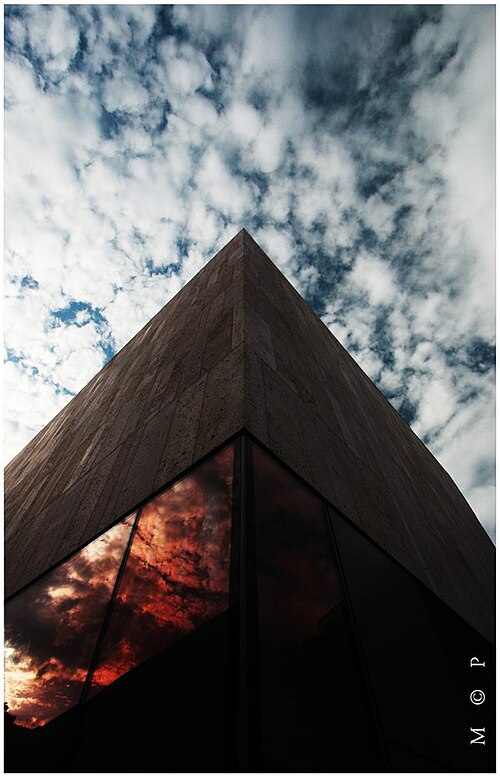
  1. Berggruen Museum Berggruen Museum
    101 1 hr 30 min

    Berggruen Museum

    Museum Berggruen

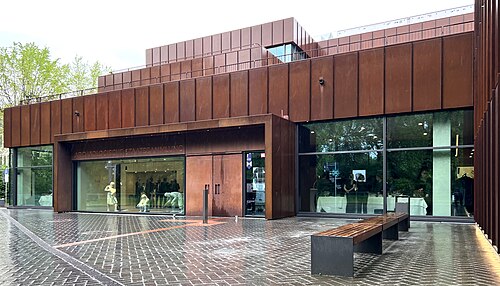
    Berggruen Museum, also known as Museum Berggruen, is a focused modern-art museum in Berlin’s Charlottenburg district. Its galleries present works associated with Pablo Picasso, Paul Klee, Henri Matisse, and Alberto Giacometti.

    • High
    • Museum
    • Berlin
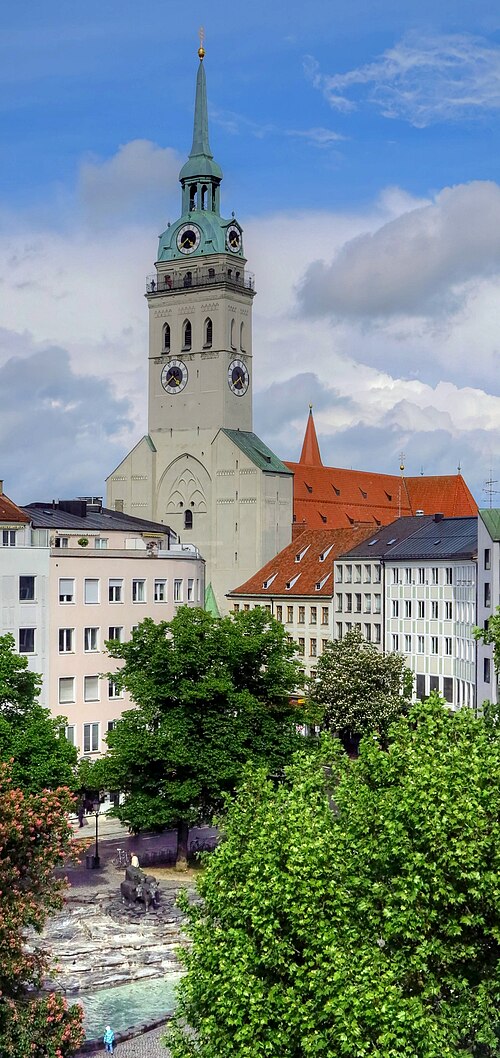
  2. St. Peter's Church St. Peter's Church
    102 30 min

    St. Peter's Church

    St. Peter

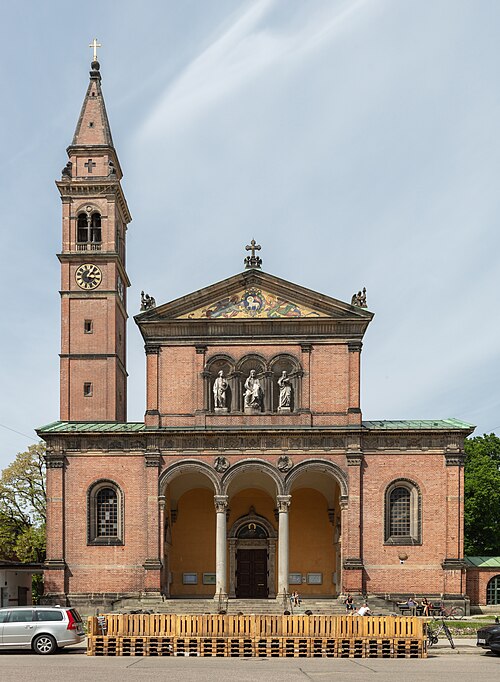
    St. Peter’s Church, known locally as St. Peter, is a historic church in Munich’s city centre. The building is one of the city’s notable religious landmarks and forms part of the architectural character of Munich’s historic core.

    • High
    • Place of worship
    • Munich
  3. Blutenburg Castle Blutenburg Castle
    103 45 min

    Blutenburg Castle

    Schloss Blutenburg

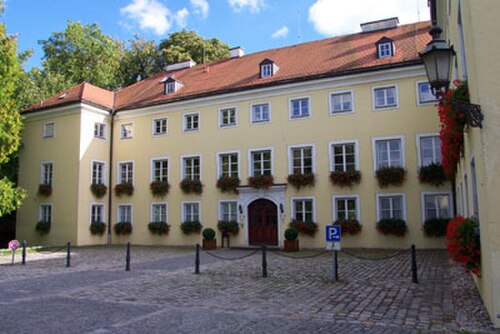
    Blutenburg Castle, or Schloss Blutenburg, is a historic castle complex in western Munich beside the Würm River. The site began as a medieval ducal hunting residence and preserves the character of a compact Bavarian noble ensemble.

    • High
    • Historic site
    • Munich
  4. Jewish Museum Munich Jewish Museum Munich
    104 1 hr 30 min

    Jewish Museum Munich

    Jüdisches Museum

    The Jewish Museum Munich, known locally as Jüdisches Museum, is a cultural institution in Munich dedicated to Jewish history, art, and culture in the city.

    • High
    • Museum
    • Munich
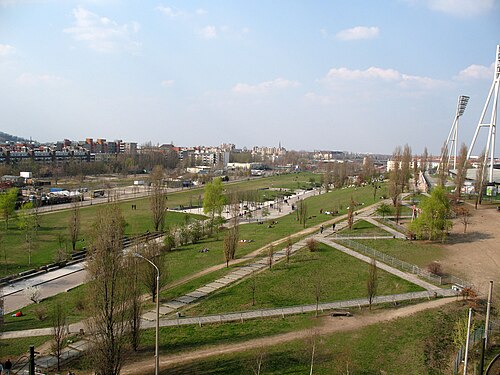
  5. Mauerpark Mauerpark
    105 1 hour

    Mauerpark

    Mauerpark is a public park in Berlin's Prenzlauer Berg district, occupying a former section of the death strip associated with the Berlin Wall. The name translates directly to Wall Park, referencing this divided history.

    • High
    • Nature site
    • Berlin
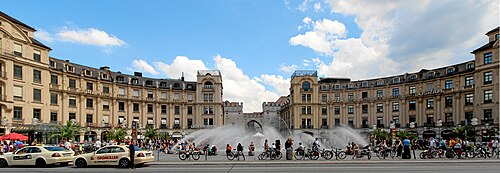
  6. Stachus Stachus
    106 45 min

    Stachus

    Karlsplatz (Stachus)

    Karlsplatz, colloquially known as Stachus, is a major square in central Munich. The name Stachus derives from a former inn, the Beim Stachusgarten, which once stood nearby.

    • High
    • Historic site
    • Munich
  7. Hohenschönhausen Castle Hohenschönhausen Castle
    107 45 min

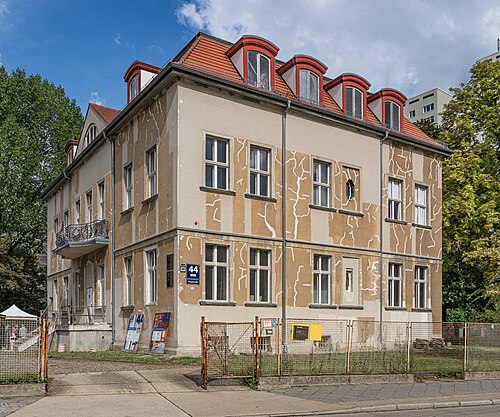
    Hohenschönhausen Castle

    Schloss Hohenschönhausen

    Hohenschönhausen Castle is a historic building in Berlin’s Hohenschönhausen district, within the Lichtenberg borough. The castle forms part of the neighbourhood’s architectural heritage and stands among residential streets and green surroundings.

    • High
    • Historic site
    • Berlin
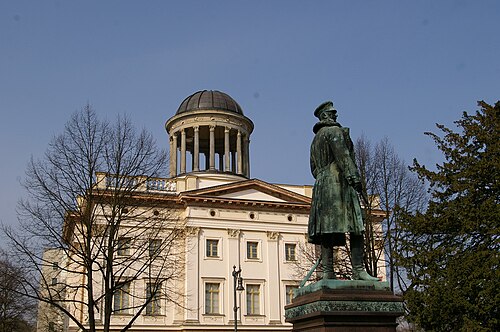
  8. Palais am Festungsgraben Palais am Festungsgraben
    108 45 min

    Palais am Festungsgraben

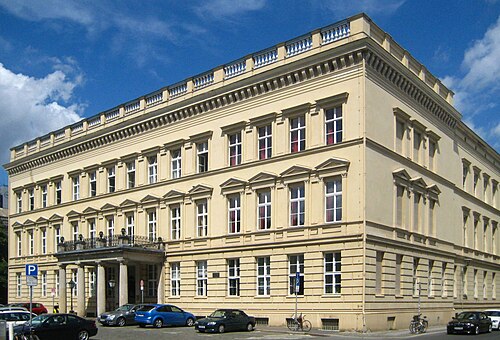
    Palais am Festungsgraben is a historic palace building on Unter den Linden in central Berlin. Its name refers to the Festungsgraben, the former moat associated with Berlin’s defensive walls.

    • High
    • Historic site
    • Berlin
  9. St. Ursula St. Ursula
    109 45 min

    St. Ursula

    Kirche St. Ursula

    St. Ursula is an active Catholic church in Munich, also known locally as Kirche St. Ursula. It serves the local Catholic community and welcomes visitors interested in religious architecture and the atmosphere of a working place of worship.

    • High
    • Historic site
    • Munich
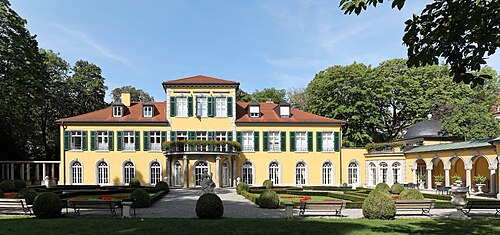
  10. Ismaning Palace Ismaning Palace
    110 45 min

    Ismaning Palace

    Schloss Ismaning

    Ismaning Palace is a Baroque palace in the municipality of Ismaning, northeast of Munich. Unlike a palace preserved solely as a museum, it functions as a municipal administrative center and cultural venue.

    • High
    • Historic site
    • Munich
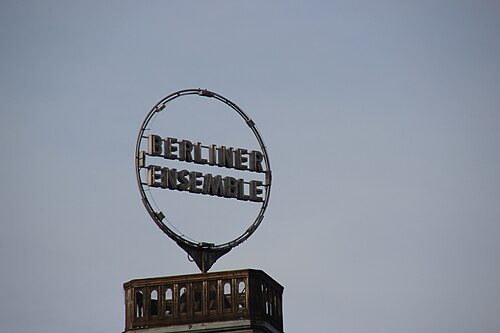
  11. Berliner Ensemble Berliner Ensemble
    111 1 hour

    Berliner Ensemble

    Berliner Ensemble is a theatre company and performance venue on Bertolt-Brecht-Platz in Berlin’s Mitte district. Bertolt Brecht and Helene Weigel founded it in 1949, and the institution remains closely associated with epic theatre, political engagement and Brecht’s ideas about performance.

    • High
    • Art and culture venue
    • Berlin
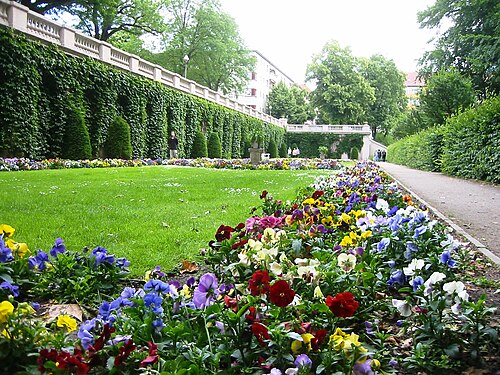
  12. Körnerpark Körnerpark
    112 1 hour

    Körnerpark

    Körnerpark is a formal public park in Berlin, designed around symmetry, axial views, clipped greenery, lawns, paths, and architectural framing. It feels more like a composed garden room than a stretch of untamed urban nature.

    • High
    • Nature site
    • Berlin
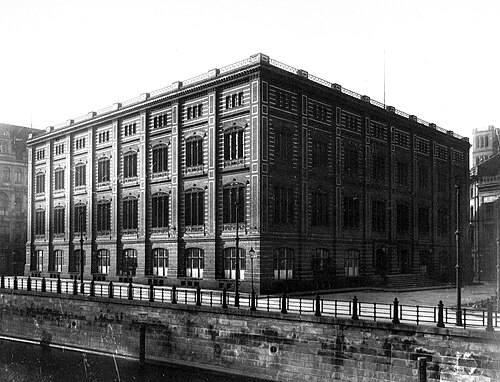
  13. Bauakademie Bauakademie
    113 45 min

    Bauakademie

    Bauakademie is a historic Berlin site associated with architectural education and Prussian building administration. The original nineteenth-century building became an important institution for architects and engineers, but it was badly damaged during the Second World War and later demolished.

    • High
    • Historic site
    • Berlin
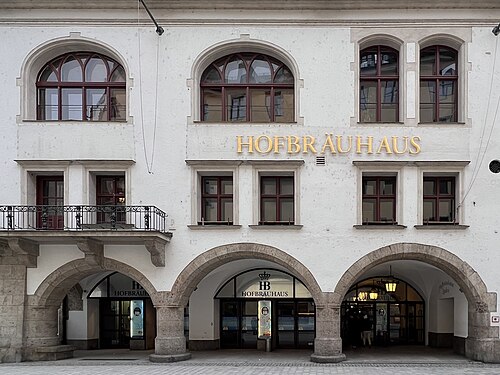
  14. Hofbräuhaus am Platzl Hofbräuhaus am Platzl
    114 1 hr 30 min

    Hofbräuhaus am Platzl

    Hofbräuhaus

    Hofbräuhaus am Platzl is a working beer hall on a small square behind the Munich residence, and it is a tavern rather than a museum: nothing inside is roped off, and everyone in the room is there to eat and…

    • High
    • Restaurant or café
    • Munich
  15. Bröhan Museum Bröhan Museum
    115 1 hr 30 min

    Bröhan Museum

    Bröhan-Museum

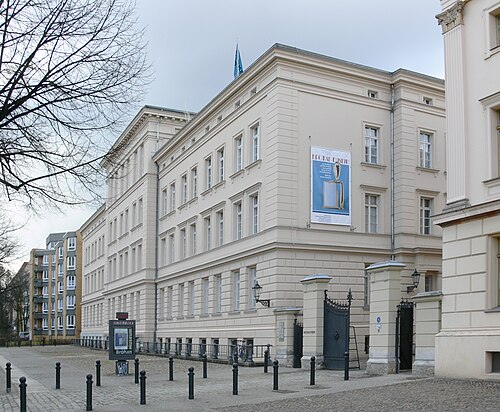
    The Bröhan-Museum is a Berlin museum dedicated to Art Nouveau, Art Deco, and functionalist design. It occupies a historic building in Charlottenburg, near Schloss Charlottenburg.

    • High
    • Museum
    • Berlin
  16. Kupferstichkabinett Berlin Kupferstichkabinett Berlin
    116 1 hr 30 min

    Kupferstichkabinett Berlin

    Kupferstichkabinett

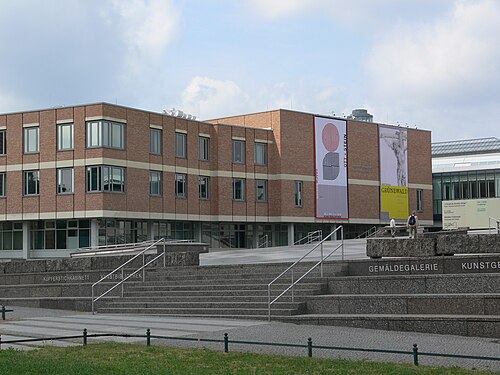
    Kupferstichkabinett Berlin is Berlin’s Museum of Prints and Drawings and part of the Staatliche Museen zu Berlin. It is a specialist collection devoted to graphic art on paper, with works spanning multiple centuries and major European artistic traditions.

    • High
    • Museum
    • Berlin
  17. Köllnischer Park Köllnischer Park
    117 1 hour

    Köllnischer Park

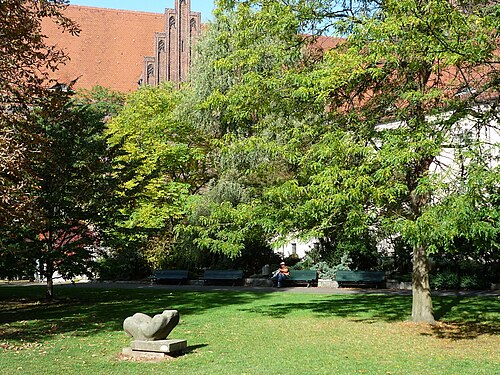
    Köllnischer Park is a public green space in Berlin’s Mitte district, close to the Spree and the historic Nikolai quarter. It occupies land associated with the former settlement of Cölln, which later joined Berlin.

    • High
    • Nature site
    • Berlin
  18. MVG Museum MVG Museum
    118 1 hr 30 min

    MVG Museum

    MVG-Museum

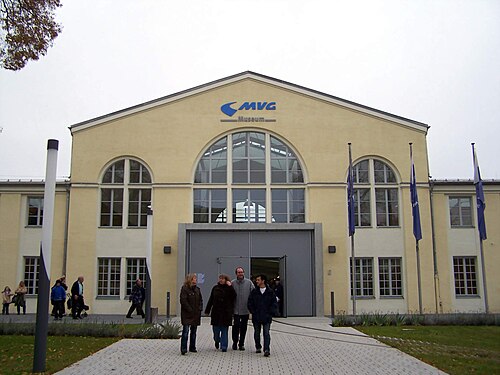
    The MVG Museum is a transport museum in Munich dedicated to the history of public transit in the city.

    • High
    • Museum
    • Munich
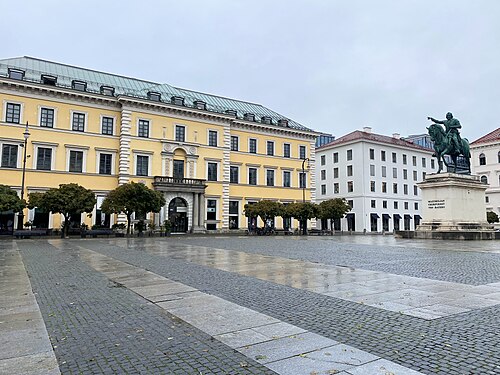
  19. Arco-Zinneberg Palace Arco-Zinneberg Palace
    119 45 min

    Arco-Zinneberg Palace

    Palais Arco-Zinneberg

    Palais Arco-Zinneberg is a historic palace building in Munich, associated with the noble Arco family. The structure represents aristocratic residential architecture from the 19th century, reflecting the cultural and social prominence of its patrons.

    • High
    • Historic site
    • Munich
  20. Castle Suresnes Castle Suresnes
    120 45 min

    Castle Suresnes

    Schloss Suresnes

    Castle Suresnes, known locally as Schloss Suresnes, is a historic building in Munich. It gives travelers a chance to explore a less conventional architectural landmark within the city’s urban landscape.

    • High
    • Historic site
    • Munich
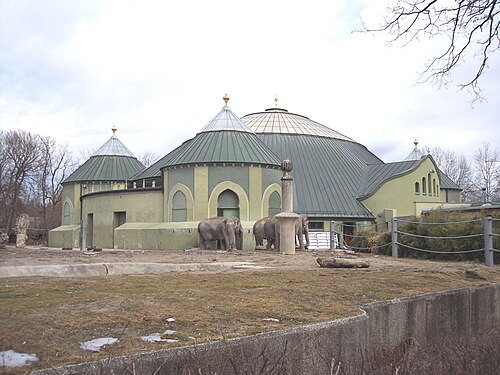
  21. Hellabrunn Zoo Hellabrunn Zoo
    121 1 hr 30 min

    Hellabrunn Zoo

    Tierpark Hellabrunn

    Tierpark Hellabrunn is Munich's principal zoological garden, situated in the southern borough of Thalkirchen. Established in 1911, it operates as a geo-zoo where animals are grouped by continent of origin rather than by species type.

    • High
    • Family attraction
    • Munich
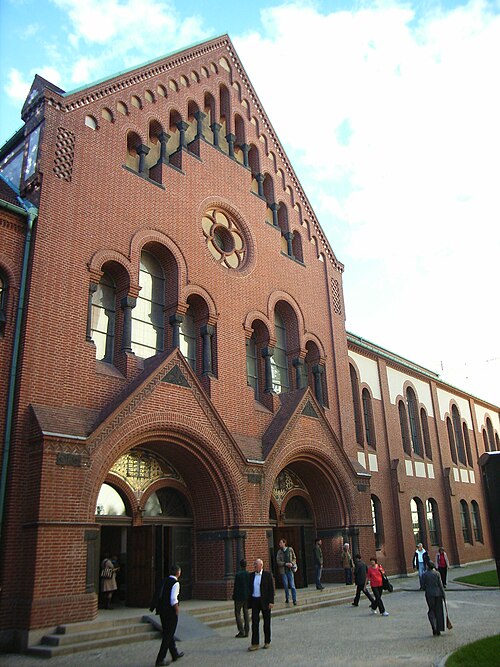
  22. Rykestrasse Synagogue Rykestrasse Synagogue
    122 30 min

    Rykestrasse Synagogue

    Synagoge Rykestraße

    Rykestrasse Synagogue is an active Jewish house of worship on Rykestraße in Prenzlauer Berg, Berlin. Its red-brick architecture and substantial scale make it a prominent landmark in the neighbourhood.

    • High
    • Place of worship
    • Berlin
  23. Bavarian State Archaeological Collection Bavarian State Archaeological Collection
    123 1 hr 30 min

    Bavarian State Archaeological Collection

    Archäologische Staatssammlung

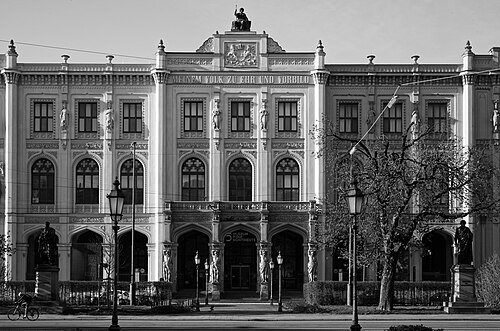
    The Bavarian State Archaeological Collection, known locally as Archäologische Staatssammlung, is a museum institution in Munich. It serves as a central archaeological repository for Bavaria, preserving and presenting material culture from prehistoric periods through early historical eras.

    • High
    • Museum
    • Munich
  24. Beer and Oktoberfest Museum Beer and Oktoberfest Museum
    124 1 hr 30 min

    Beer and Oktoberfest Museum

    Bier- und Oktoberfestmuseum

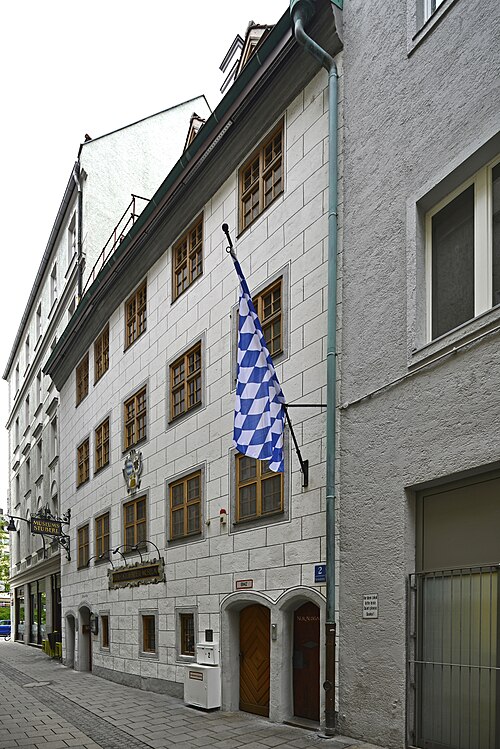
    The Beer and Oktoberfest Museum occupies a historic townhouse in Munich's old town, housed in one of the city's oldest preserved residential buildings dating from the 14th century.

    • High
    • Museum
    • Munich
  25. Five Continents Museum Five Continents Museum
    125 1 hr 30 min

    Five Continents Museum

    Museum Fünf Kontinente

    The Five Continents Museum, known locally as Museum Fünf Kontinente, is an ethnographic museum in Munich. It houses extensive collections representing cultures from Africa, the Americas, Asia, Oceania, and parts of Europe.

    • High
    • Museum
    • Munich

Source: OpenStreetMap contributors, Wikidata ·

Common questions

How long should a first trip to Germany be?

Seven to ten days works for Berlin plus one connected region, or for a focused Rhine, Bavaria or northern-city route. Germany’s rail network makes multi-city travel practical, but changing bases every night still reduces useful time.

What entry documents are needed for Germany?

Germany’s Federal Foreign Office is the official visa reference. Review its nationality-specific entry rules and the Schengen application guidance for the passport and route being used.

What is the best way to travel around Germany?

Intercity and high-speed trains connect Germany’s major cities, with regional services completing shorter journeys. Deutsche Bahn publishes the integrated timetable; airport choice should follow the route rather than defaulting to one national gateway.

When is a practical time to visit Germany?

May through September favours outdoor city and countryside travel, while December has a distinct seasonal-market pattern. Alpine, North Sea and urban conditions differ enough that the intended region should determine clothing and reservations.

What money and payment basics apply in Germany?

Germany uses the euro (EUR). Cash and card practices are not stated as a single national rule in the cited source, so travellers should carry a backup and check the payment method before ordering or boarding.

What practical safety details should I save for Germany?

For Germany, 112 reaches medical and fire services and 110 reaches police. Type C and F plugs use 230 V, and mains tap water is recorded as safe.