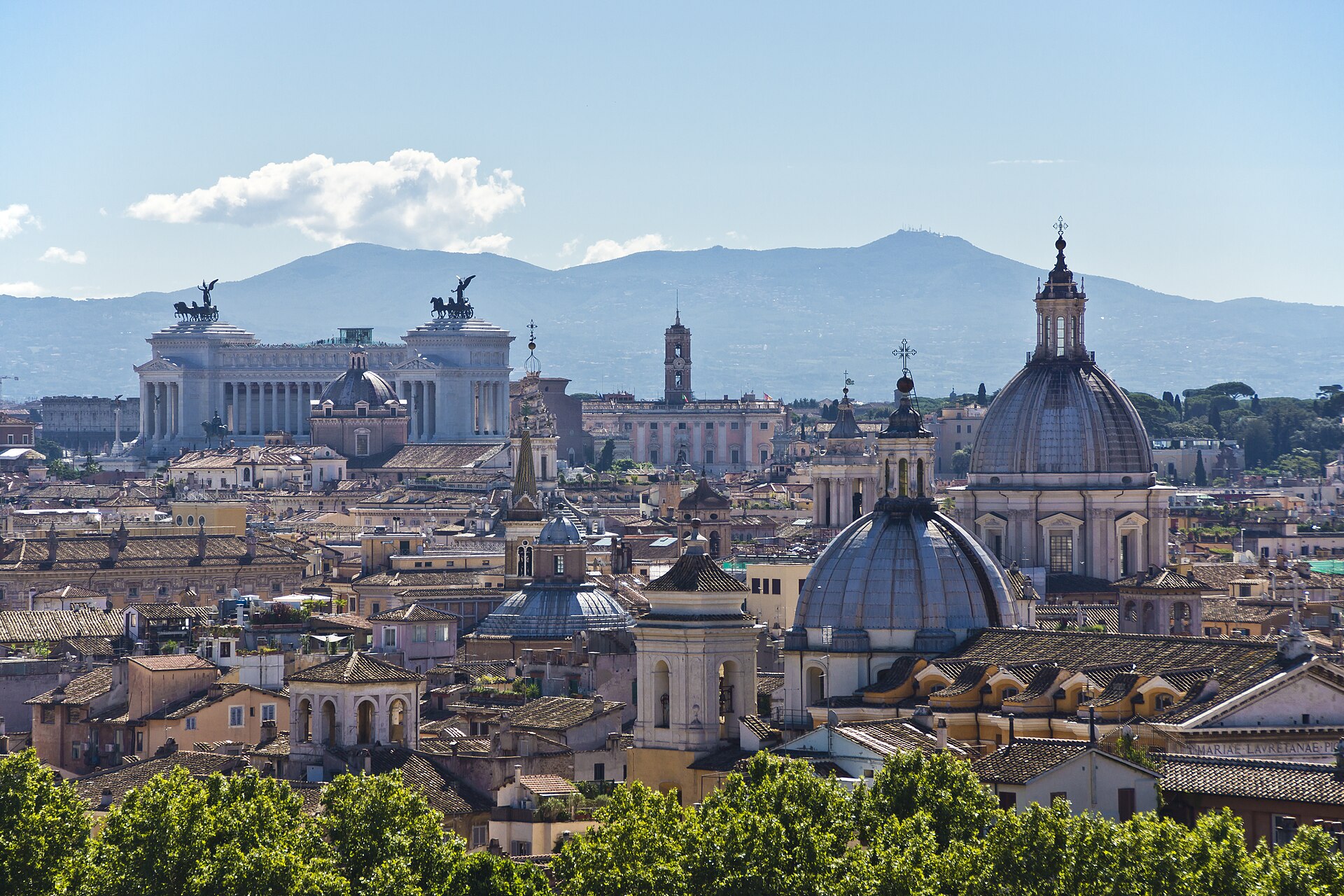
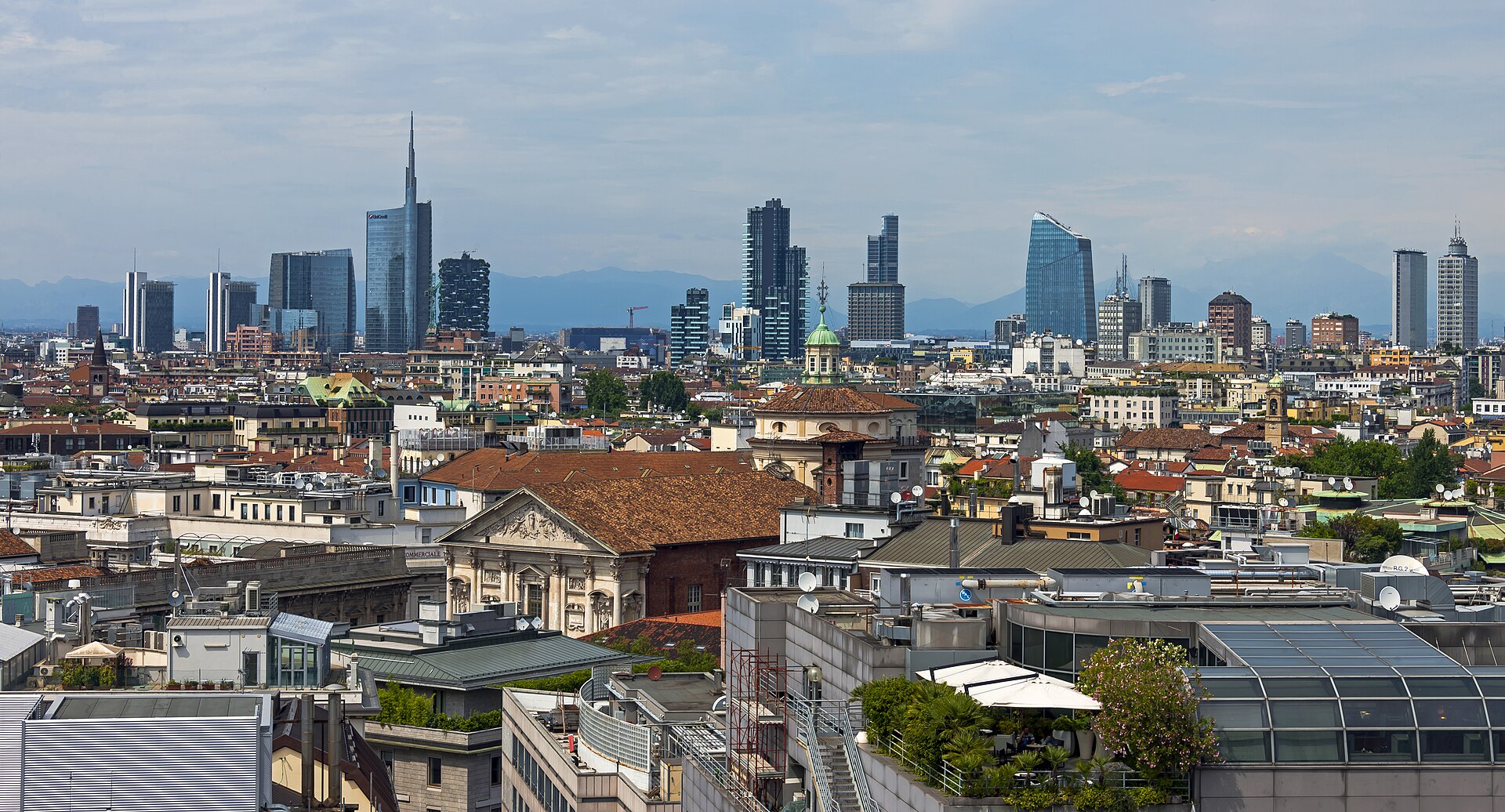
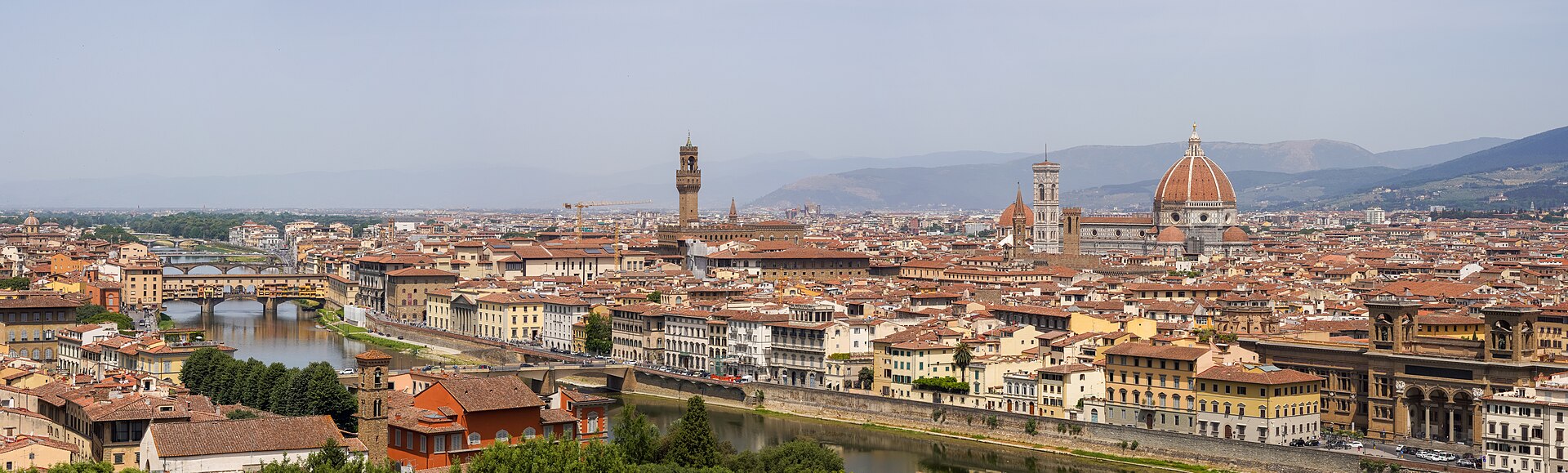
A photograph of Italy

Country guide

Activities in Italy — page 2

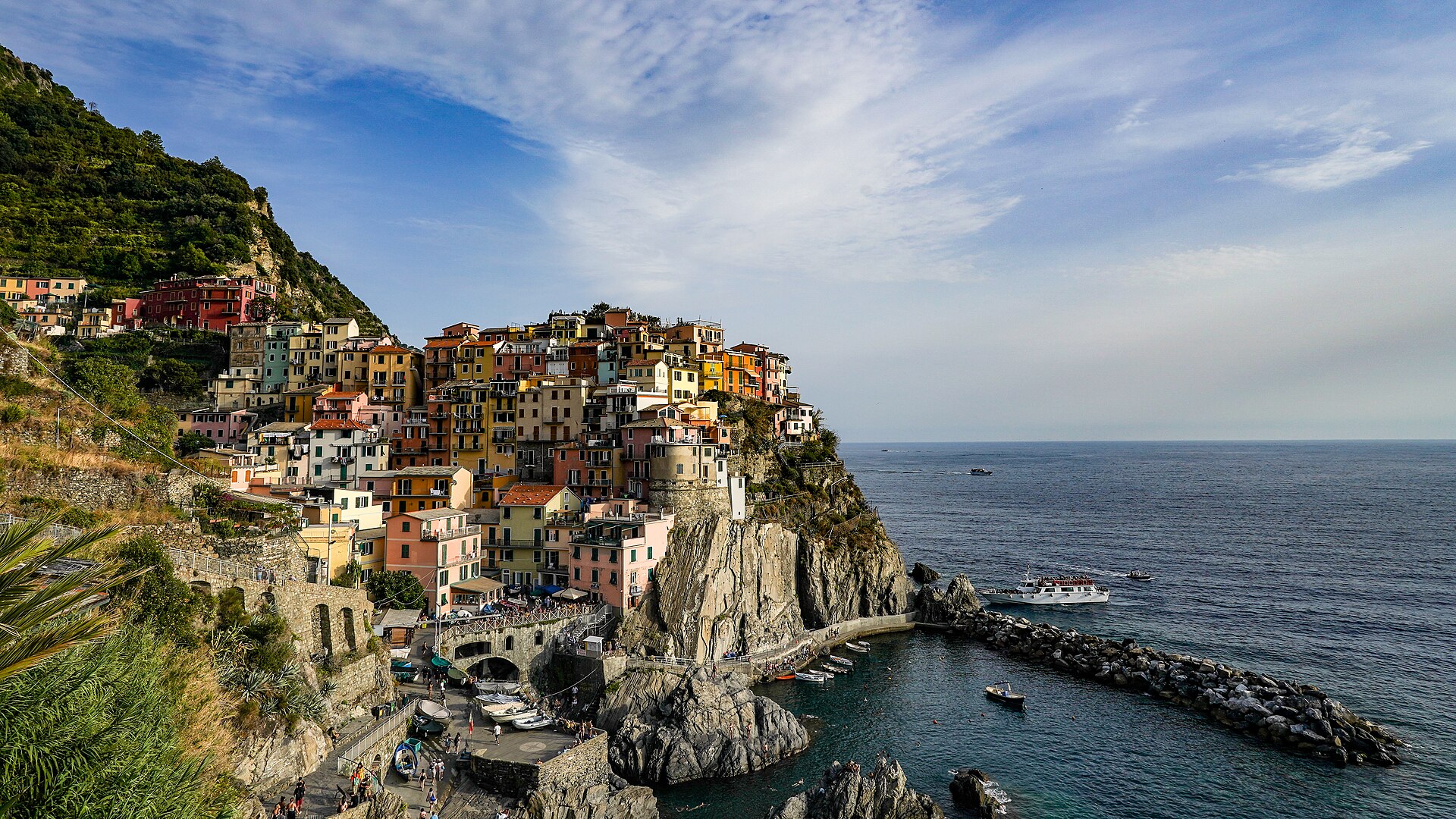
Italy holds 62 World Heritage Sites, more than any other country, spread across 301,340 km2 of land that runs from the Alps down into the middle of the Mediterr...

Photograph · Timothy A. Gonsalves · CC BY-SA 4.0

20,204 Places
4Cities

Reviewed by Elena Voss · Roavina Travel Editor

Italy holds 62 World Heritage Sites, more than any other country, spread across 301,340 km2 of land that runs from the Alps down into the middle of the Mediterranean. The distances between its cities are short and the differences between them are not: Venice has no roads, Naples sits under a volcano on a bay, Florence fits inside a walkable Renaissance grid, and Milan keeps its art indoors and works for a living. Rome is the capital and the obvious first trip; the argument is always about what comes second. Nearly 800 islands hang off the coast, and Sicily and Sardinia are each large enough to be a trip of their own.

Checked 2026-08-25

Cities

Every city catalogued in this country so far, ranked by how much there is to see.

Practical information

Language spoken
Italian
National practical orientation; regional and minority languages may also be used
Dialling code
+39
International calling code; local area and mobile prefixes still apply
Currency
Euro (EUR)
Use the official local currency; card acceptance varies by place
Emergency number
112
Use only for an emergency; tourist assistance may use a separate number
Plug type
Type C, F and L · 230 V
Check that chargers support the recorded voltage before using an adapter
Tap water
Not recorded
No verified nationwide visitor statement was recorded

Top things to see

Ranked by importance — sitelinks, pageviews and heritage status, not editor preference.

  1. Piazza Mattei Piazza Mattei
    07 30 min

    Piazza Mattei

    Piazza Mattei is a small square in Rome's historic Jewish Ghetto district, situated between Via della Reginella and Via dei Funari. The piazza takes its name from the Mattei family, a prominent Roman noble house.

    • Must see
    • Activity
    • Rome
  2. Fontana delle Tartarughe Fontana delle Tartarughe
    08 2 hours

    Fontana delle Tartarughe

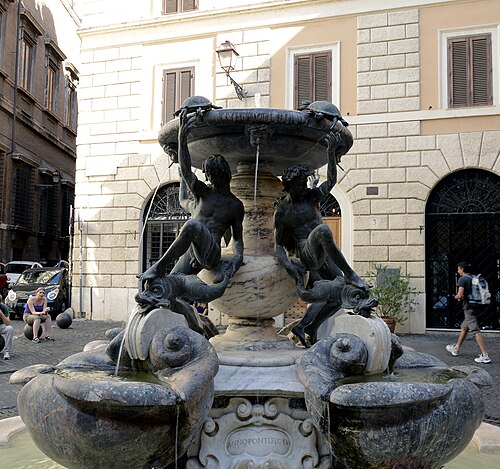
    The Fontana delle Tartarughe is a compact late-sixteenth-century fountain in Piazza Mattei, in Rome’s Sant’Angelo district. Four bronze youths lean over a marble basin, with dolphins and turtles creating the fountain’s lively silhouette.

    • Must see
    • Activity
    • Rome
  3. Gianicolo Gianicolo
    09 2 hours

    Gianicolo

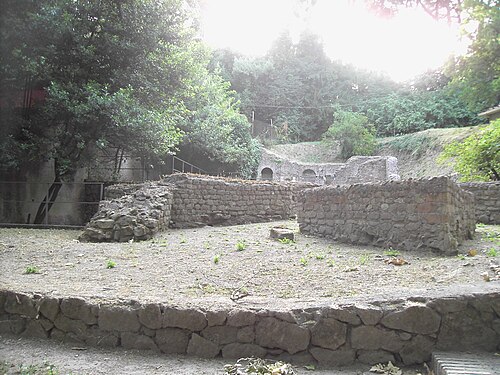
    Gianicolo is a hill in western Rome, rising above the Trastevere district. It is not one of the traditional Seven Hills of Rome but holds significance as a historic vantage point.

    • Must see
    • Activity
    • Rome
  4. Palazzo Barberini Palazzo Barberini
    10 2 hours

    Palazzo Barberini

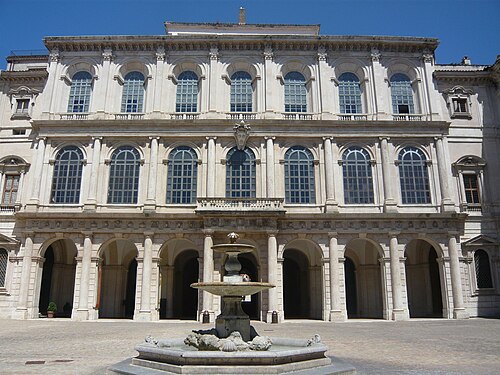
    Palazzo Barberini is a prominent palace in Rome, Italy, constructed in the 17th century for the Barberini family. The building exemplifies Roman Baroque architecture and now serves as one of the capital's significant cultural institutions.

    • Must see
    • Activity
    • Rome
  5. Palazzo Massimo alle Terme Palazzo Massimo alle Terme
    11 2 hours

    Palazzo Massimo alle Terme

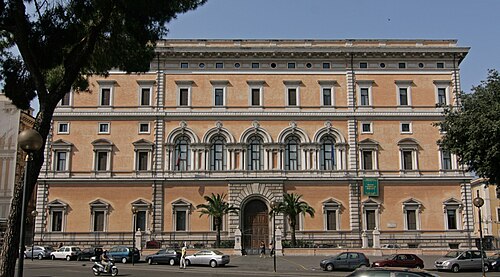
    Palazzo Massimo alle Terme is one of the major sites of the Museo Nazionale Romano, close to Roma Termini. Its galleries present ancient Roman art across four floors in a nineteenth-century palace adapted for museum use.

    • Must see
    • Activity
    • Rome
  6. Ponte Sisto Ponte Sisto
    12 2 hours

    Ponte Sisto

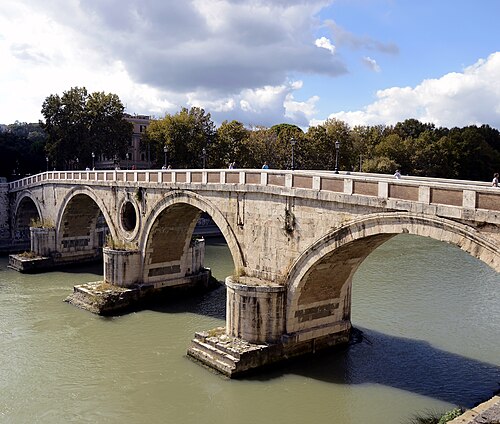
    Ponte Sisto is a pedestrian bridge spanning the Tiber River in Rome's historic centre, connecting the Trastevere neighbourhood to the Campo de' Fiori area on the east bank.

    • Notable
    • Activity
    • Rome
  7. Fontana del Tritone Fontana del Tritone
    13 2 hours

    Fontana del Tritone

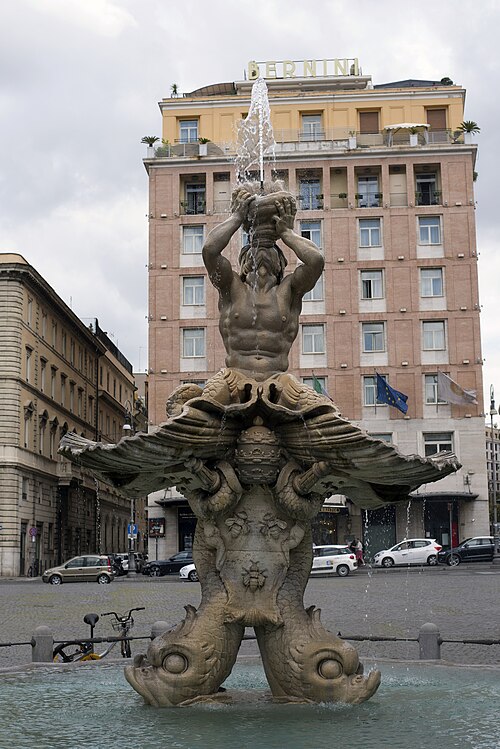
    Fontana del Tritone is a Baroque fountain located in Piazza Barberini, central Rome. Designed by Gian Lorenzo Bernini and completed in 1643, it was commissioned by Pope Urban VIII Barberini.

    • Notable
    • Activity
    • Rome
  8. Palazzo Spada Palazzo Spada
    14 2 hours

    Palazzo Spada

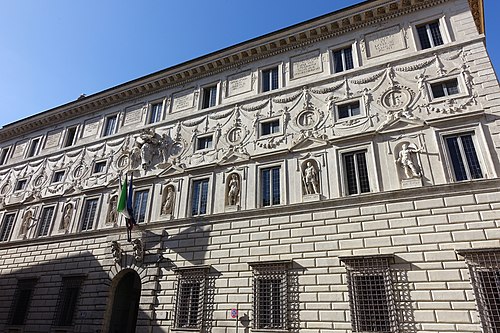
    Palazzo Spada is a historic palace in Rome’s Regola district, close to Campo de’ Fiori and Piazza Farnese. The building contains the Galleria Spada, a compact art museum formed from the collection of Cardinal Bernardino Spada and his family.

    • Notable
    • Activity
    • Rome
  9. Auditorium Parco della Musica
    15 2 hours

    Auditorium Parco della Musica

    Auditorium Parco della Musica is a major cultural complex in Rome designed by architect Renzo Piano and opened in 2002. Its identity comes from live music, contemporary architecture and several performance spaces gathered around a central piazza.

    • Notable
    • Activity
    • Rome

Source: OpenStreetMap contributors, Wikidata ·

Common questions

How long should a first trip to Italy be?

Ten to fourteen days can combine Milan, Venice, Florence, and Rome by high-speed train. Give Venice more than a transfer night and Rome several separate sightseeing days; rural Tuscany needs different transport planning from the rail-linked cities.

What entry documents are needed for Italy?

Italy is in the Schengen Area, but visa and passport requirements vary by nationality and route. Use Italy's official visa portal to confirm the applicable rule before travel rather than relying on another Schengen trip.

What is the best way to travel around Italy?

High-speed trains connect Milan, Venice, Florence, and Rome, with regional rail and coaches serving smaller places. Drivers must check ZTL restrictions before entering historic centres because access controls are local and can generate fines.

When is a practical time to visit Italy?

April to June and September to October broadly suit the north-to-Rome rail route. Lagoon conditions in Venice, summer heat in Rome, and seasonal rural services in Tuscany should be checked independently.

What money and payment basics apply in Italy?

Italy uses the euro (EUR). Carry a modest cash reserve for small purchases while using cards where accepted, and verify the euro amount at the terminal instead of accepting an unexamined conversion.

What practical safety details should I save for Italy?

Italy routes emergency calls through 112. Travellers encounter a 230 V supply and Type C, F, or L receptacles. No tap-water assessment is recorded for Italy; obtain current local advice at the destination.