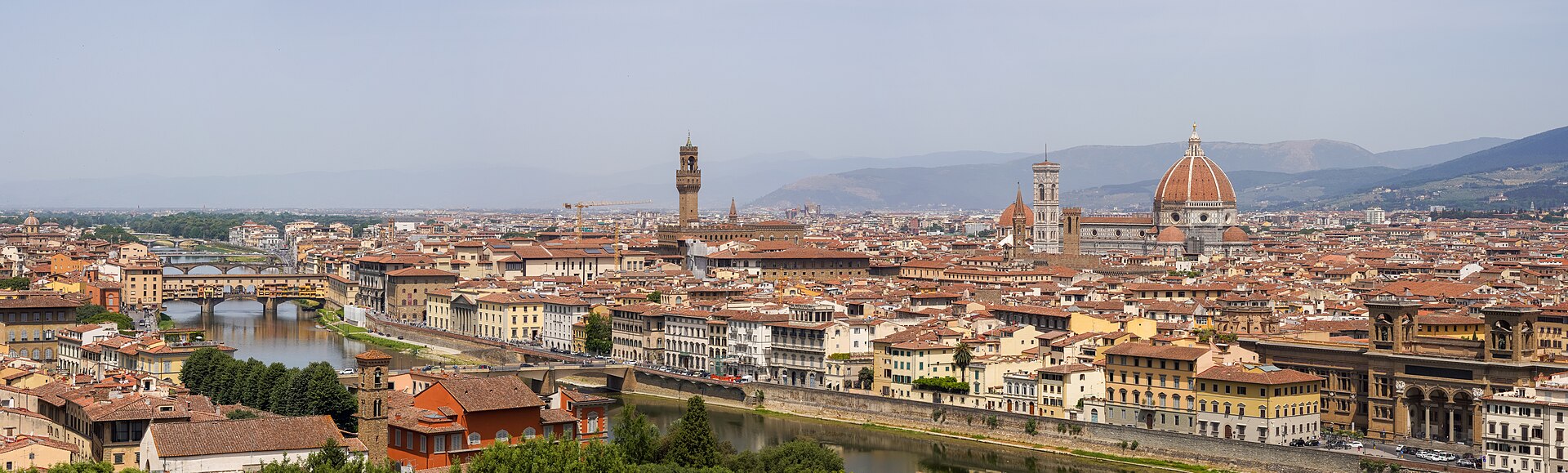
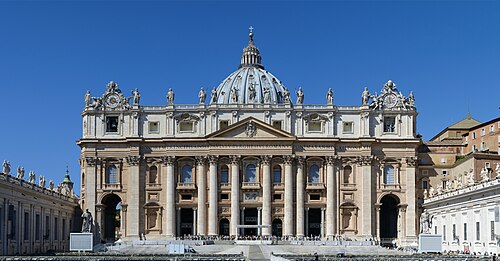
A photograph of Italy

Country guide

Italy

Italy holds 62 World Heritage Sites, more than any other country, spread across 301,340 km2 of land that runs from the Alps down into the middle of the Mediterr...

Photograph · Timothy A. Gonsalves · CC BY-SA 4.0

20,204 Places
4Cities

Reviewed by Elena Voss · Roavina Travel Editor

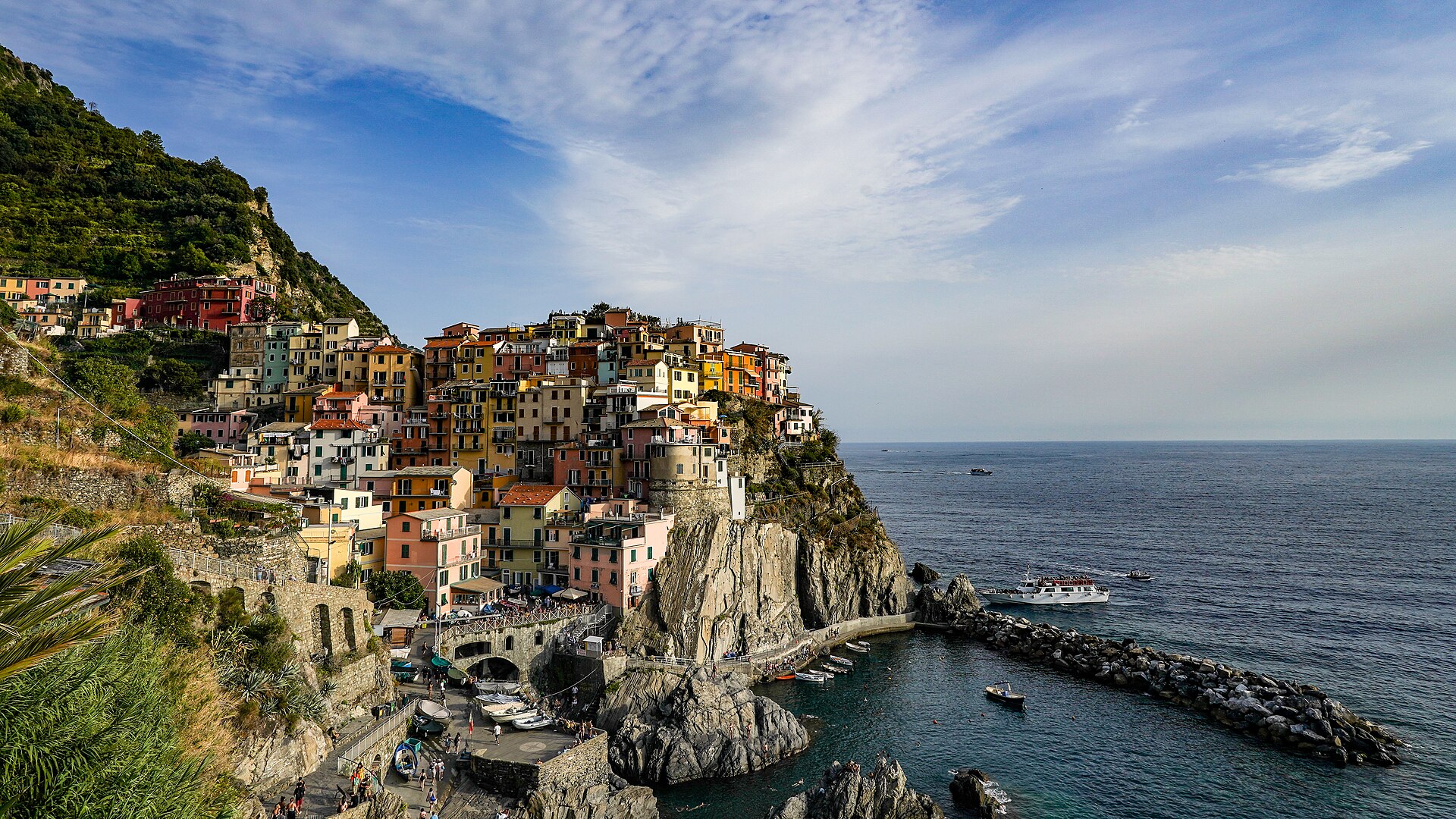
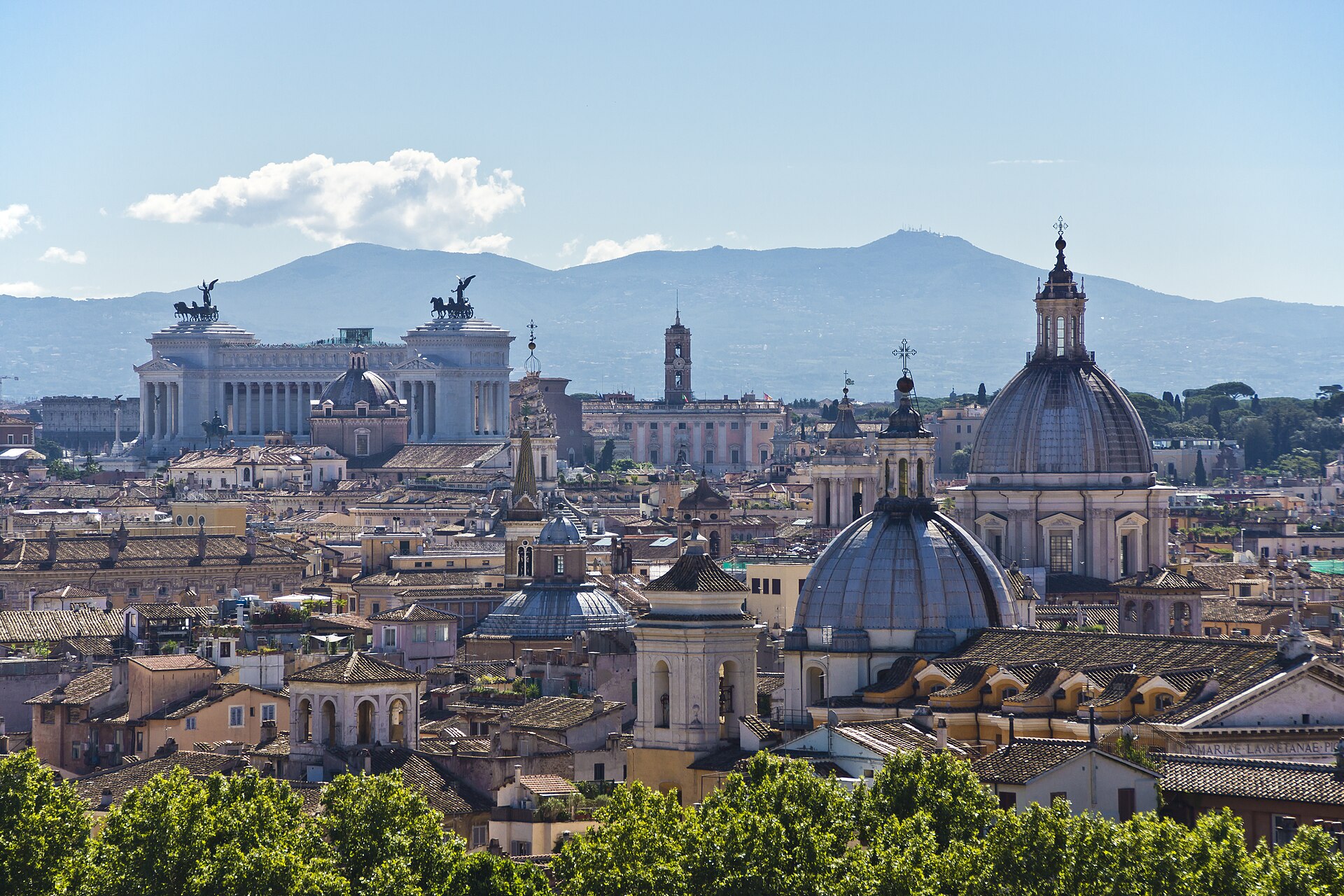
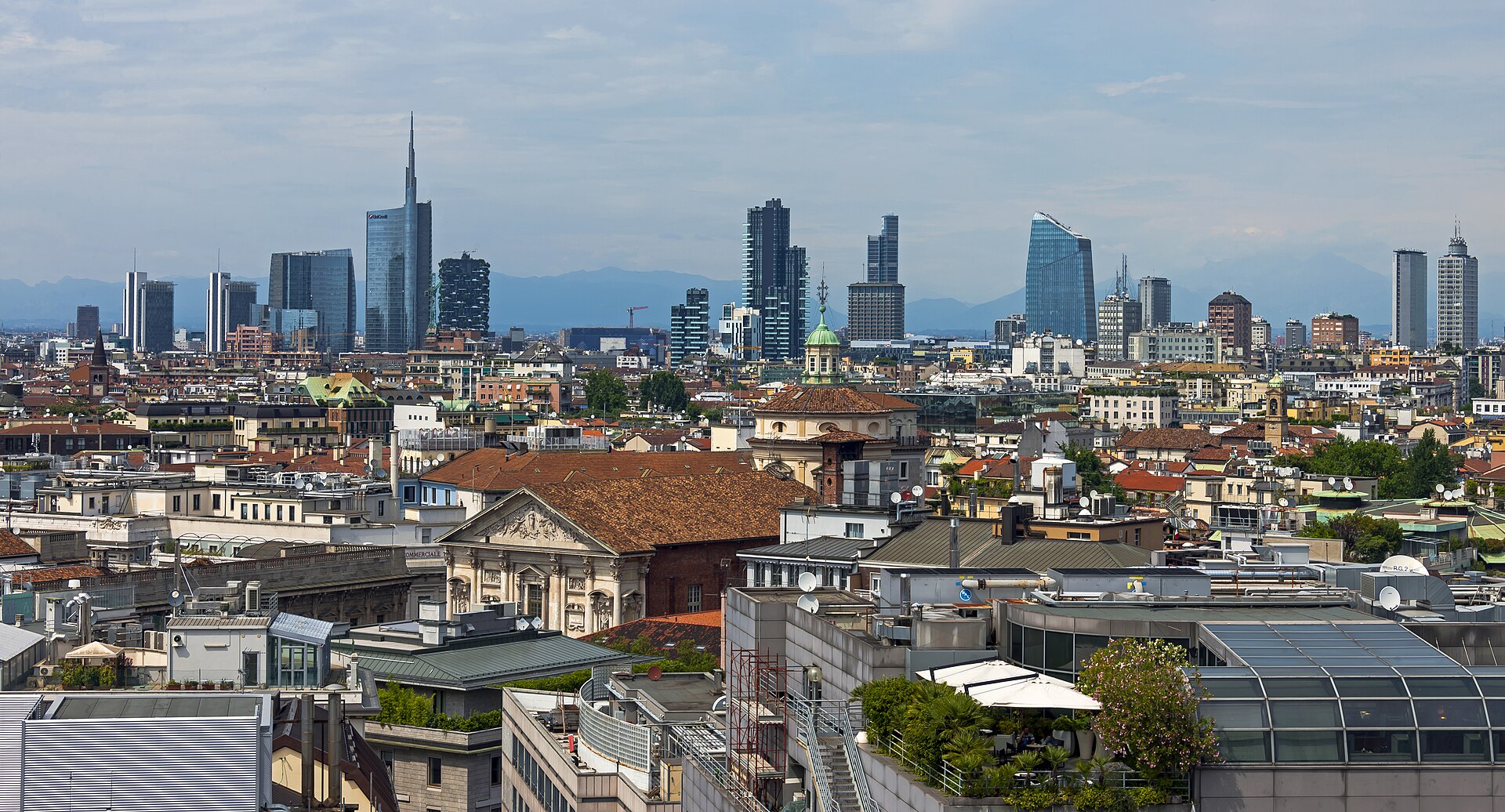
Italy holds 62 World Heritage Sites, more than any other country, spread across 301,340 km2 of land that runs from the Alps down into the middle of the Mediterranean. The distances between its cities are short and the differences between them are not: Venice has no roads, Naples sits under a volcano on a bay, Florence fits inside a walkable Renaissance grid, and Milan keeps its art indoors and works for a living. Rome is the capital and the obvious first trip; the argument is always about what comes second. Nearly 800 islands hang off the coast, and Sicily and Sardinia are each large enough to be a trip of their own.

Checked 2026-08-25

Cities

Every city catalogued in this country so far, ranked by how much there is to see.

Practical information

Language spoken
Italian
National practical orientation; regional and minority languages may also be used
Dialling code
+39
International calling code; local area and mobile prefixes still apply
Currency
Euro (EUR)
Use the official local currency; card acceptance varies by place
Emergency number
112
Use only for an emergency; tourist assistance may use a separate number
Plug type
Type C, F and L · 230 V
Check that chargers support the recorded voltage before using an adapter
Tap water
Not recorded
No verified nationwide visitor statement was recorded

Top things to see

Ranked by importance — sitelinks, pageviews and heritage status, not editor preference.

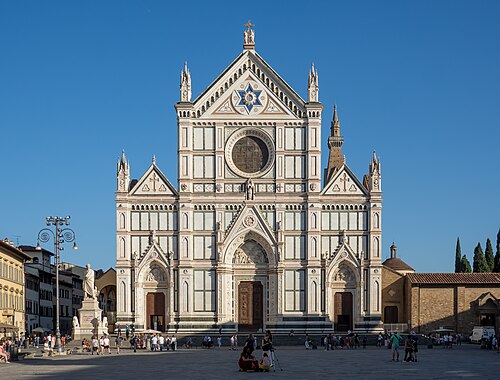
  1. Basilica of Santa Croce Basilica of Santa Croce
    02 1 hour

    Basilica of Santa Croce

    Basilica di Santa Croce

    Santa Croce is the Franciscan mother church of Florence and the largest Franciscan church in the world.

    • Must see
    • Historic monument
    • Florence
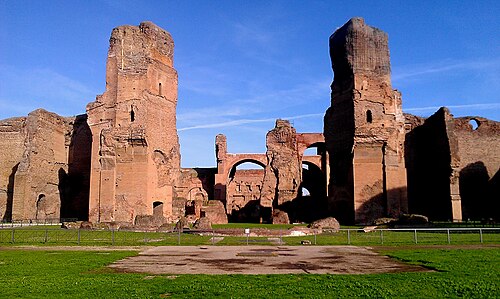
  2. Baths of Caracalla Baths of Caracalla
    03 45 min

    Baths of Caracalla

    Terme di Caracalla

    The Baths of Caracalla, known locally as Terme di Caracalla, constitute one of Rome's most substantial surviving ancient bath complexes.

    • Must see
    • Historic monument
    • Rome
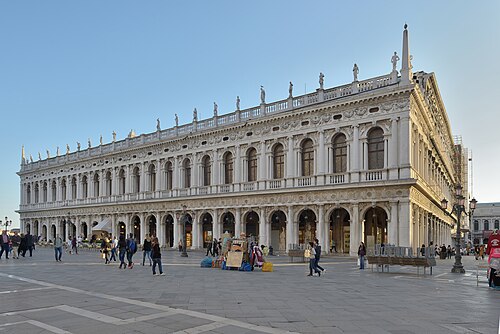
  3. Biblioteca Nazionale Marciana Biblioteca Nazionale Marciana
    04 45 min

    Biblioteca Nazionale Marciana

    The Biblioteca Nazionale Marciana is a historic library in Venice, Italy, located in the Piazzetta San Marco near the Doge's Palace. Founded in the 16th century, it houses one of Italy's most important collections of classical manuscripts and texts.

    • Must see
    • Historic monument
    • Venice
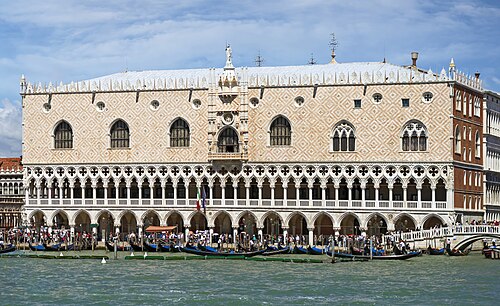
  4. Doge's Palace Doge's Palace
    05 45 min

    Doge's Palace

    Palazzo Ducale

    The Doge's Palace, known locally as Palazzo Ducale, stands as a defining landmark of Venice. This Gothic palace served as the residence of the Doge, the elected leader of the former Venetian Republic, and housed the republic's main governing bodies.

    • Must see
    • Historic monument
    • Venice
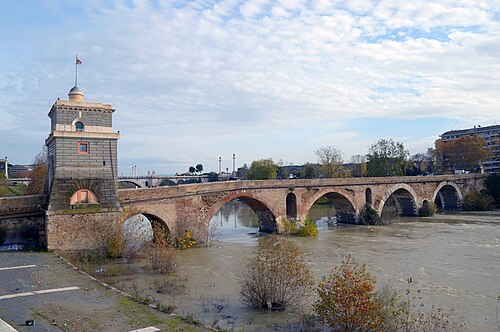
  5. Ponte Milvio Ponte Milvio
    06 45 min

    Ponte Milvio

    Ponte Milvio is an ancient Roman bridge spanning the Tiber River in northern Rome. The structure carries significant historical weight as the site of the pivotal Battle of the Milvian Bridge in 312 CE, where Constantine defeated Maxentius.

    • Must see
    • Historic monument
    • Rome

Source: OpenStreetMap contributors, Wikidata ·

Common questions

How long should a first trip to Italy be?

Ten to fourteen days can combine Milan, Venice, Florence, and Rome by high-speed train. Give Venice more than a transfer night and Rome several separate sightseeing days; rural Tuscany needs different transport planning from the rail-linked cities.

What entry documents are needed for Italy?

Italy is in the Schengen Area, but visa and passport requirements vary by nationality and route. Use Italy's official visa portal to confirm the applicable rule before travel rather than relying on another Schengen trip.

What is the best way to travel around Italy?

High-speed trains connect Milan, Venice, Florence, and Rome, with regional rail and coaches serving smaller places. Drivers must check ZTL restrictions before entering historic centres because access controls are local and can generate fines.

When is a practical time to visit Italy?

April to June and September to October broadly suit the north-to-Rome rail route. Lagoon conditions in Venice, summer heat in Rome, and seasonal rural services in Tuscany should be checked independently.

What money and payment basics apply in Italy?

Italy uses the euro (EUR). Carry a modest cash reserve for small purchases while using cards where accepted, and verify the euro amount at the terminal instead of accepting an unexamined conversion.

What practical safety details should I save for Italy?

Italy routes emergency calls through 112. Travellers encounter a 230 V supply and Type C, F, or L receptacles. No tap-water assessment is recorded for Italy; obtain current local advice at the destination.