tenryu-ji
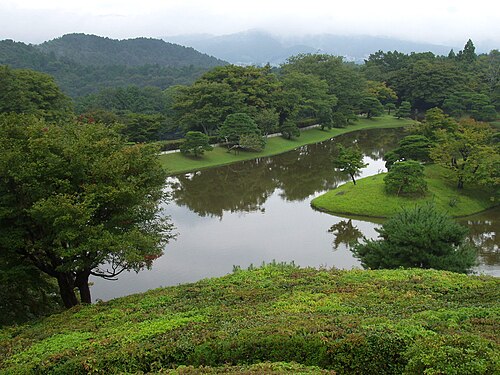
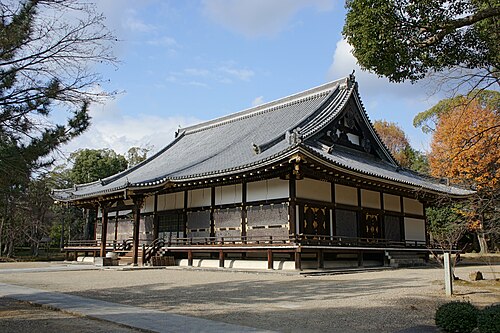
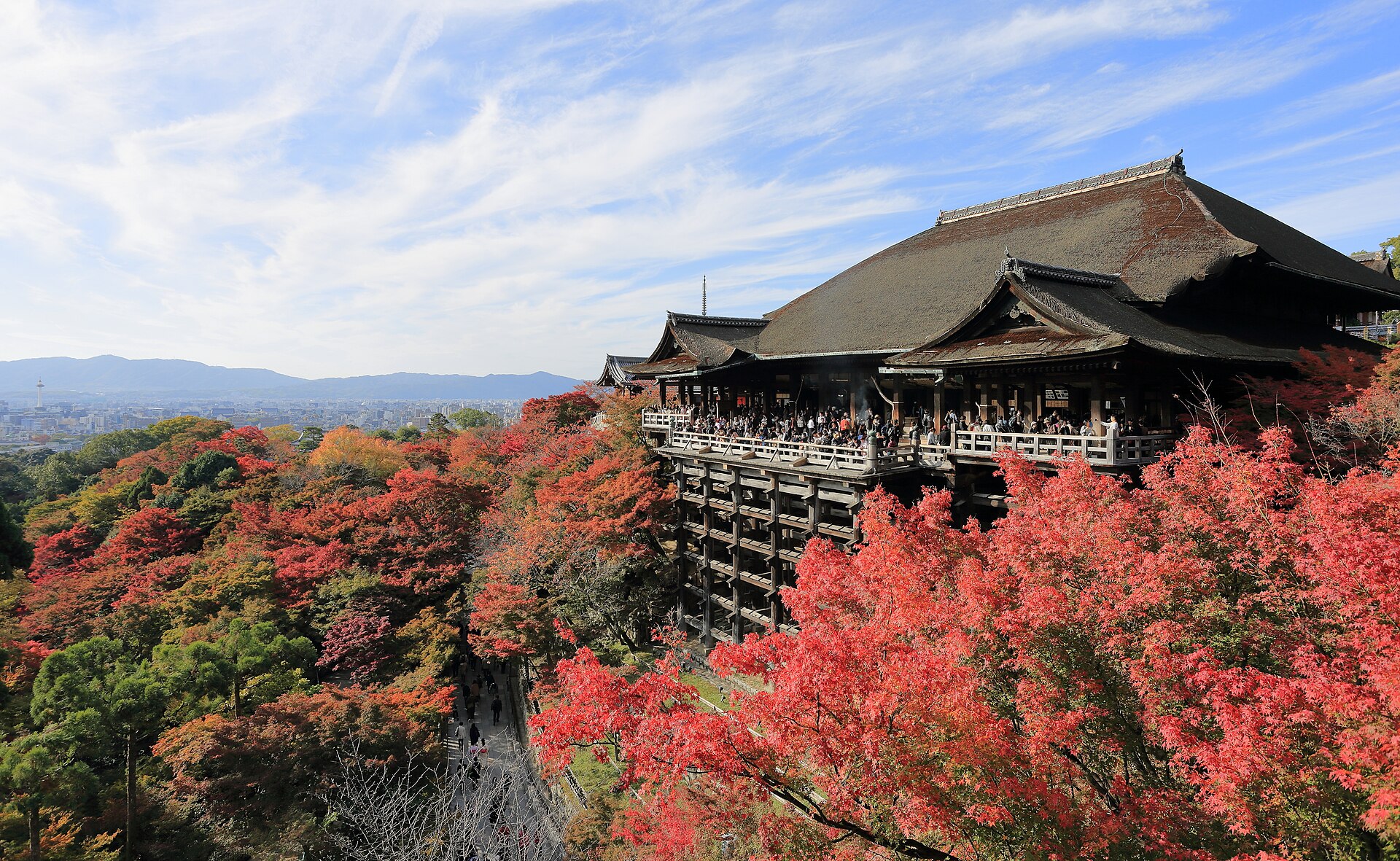
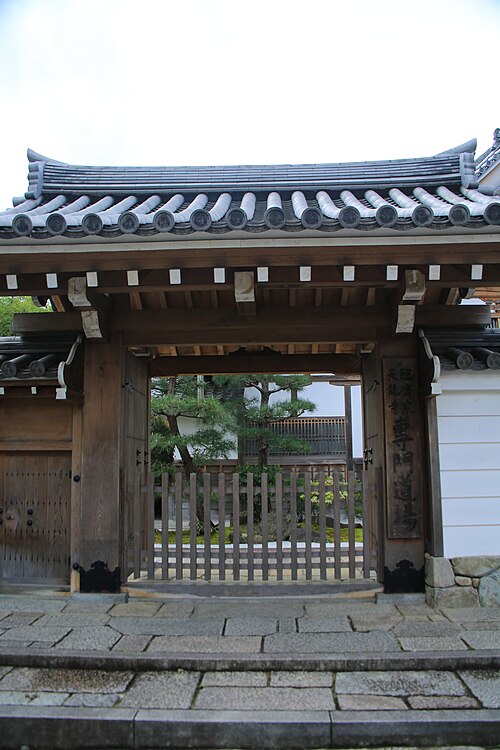
Tenryu-ji is a Zen Buddhist temple in Kyoto's Arashiyama district. It ranks among the city's five great temples and holds World Heritage status as part of the Historic Monuments of Ancient Kyoto.
- Must see
- Historic monument
City guide · Japan
Kyoto's major sights are distributed across the centre and four broad edges rather than concentrated in one old-town core. Downtown and Kyoto Station form the c...
Photograph · Martin Falbisoner · CC BY-SA 4.0
Set your days, your pace and the hours you actually want to be out. The planner works around closing days and travel time, and leaves room to eat.
Reviewed by Elena Voss · Roavina Travel Editor
Kyoto's major sights are distributed across the centre and four broad edges rather than concentrated in one old-town core. Downtown and Kyoto Station form the central transport spine; Higashiyama and Gion lie east, Arashiyama lies west, and major temple districts extend north and south. Efficient visits combine nearby places and avoid returning through Kyoto Station between every stop.
Checked 2026-08-26
September · September in Kyoto has mean high 29.2°C and rainfall 178.5 mm. Rainfall or warmer afternoons are the manageable compromise. A mixed indoor-outdoor plan keeps a September visit to Kyoto comfortable.
Ranked by importance — sitelinks, pageviews and heritage status, not editor preference.
21 places match
Category
Typical visit duration
Interests
Tenryu-ji is a Zen Buddhist temple in Kyoto's Arashiyama district. It ranks among the city's five great temples and holds World Heritage status as part of the Historic Monuments of Ancient Kyoto.
東寺
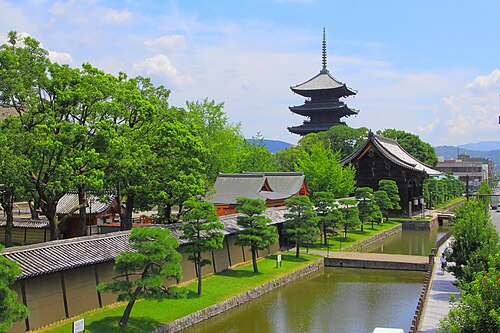
To-ji is a Buddhist temple in Kyoto, Japan. It was founded in the eighth century and stands as one of the city's most historically significant religious sites.
下醍醐
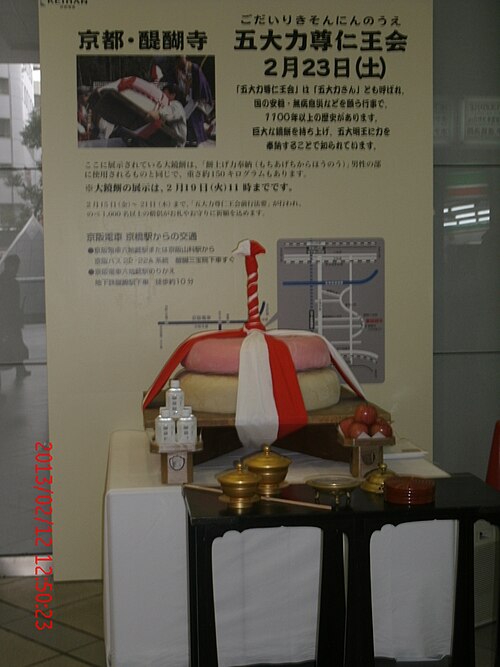
Daigo-ji is a Shingon Buddhist temple in southeastern Kyoto, Japan. Founded in 874 CE by the monk Shōbō, it is a designated UNESCO World Heritage Site as part of the Historic Monuments of Ancient Kyoto.
下鴨神社
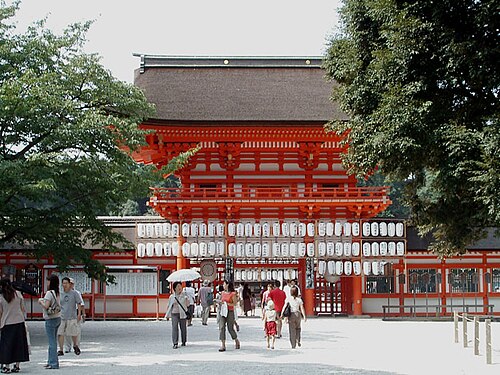
Shimogamo Shrine is a Shinto shrine in Kyoto, Japan, situated at the confluence of the Kamo and Takano rivers.
上賀茂神社
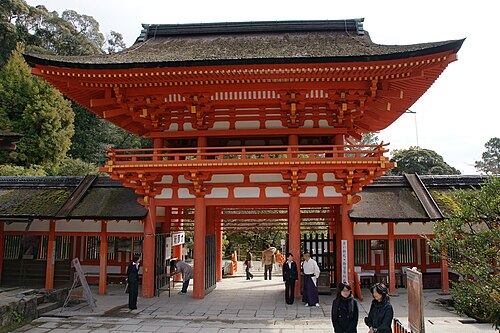
Kamigamo Shrine is one of Kyoto's most significant Shinto shrines, formally known as Kamo-wakeikazuchi-jinja.
永觀堂
Eikan-do, formally called Zenrin-ji, is a historic Buddhist temple in Kyoto’s eastern Sakyo ward. It belongs to the Jodo sect and was founded in the ninth century.
西芳寺
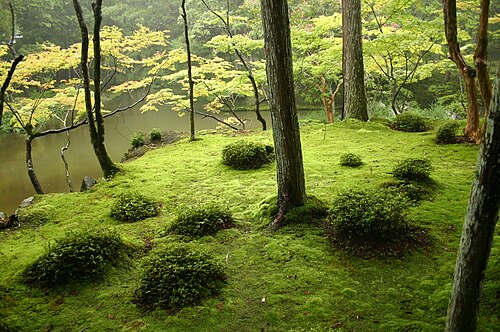
Saiho-ji, widely known as Kokedera or the Moss Temple, is a Rinzai Zen temple in western Kyoto. Its principal attraction is a garden covered by thick moss in many shades of green.
西本願寺
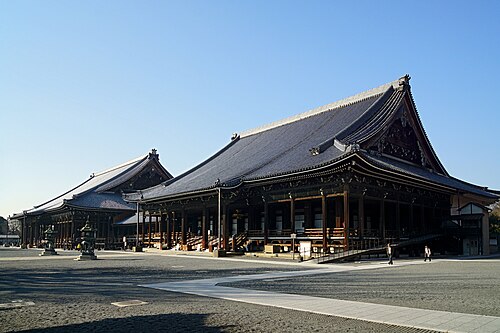
Nishi Hongan-ji is a Jodo Shinshu Buddhist temple in central Kyoto and the headquarters of one branch of the Hongan-ji tradition. The large complex represents an important religious and architectural landmark close to Kyoto Station.
Sagano Romantic Train
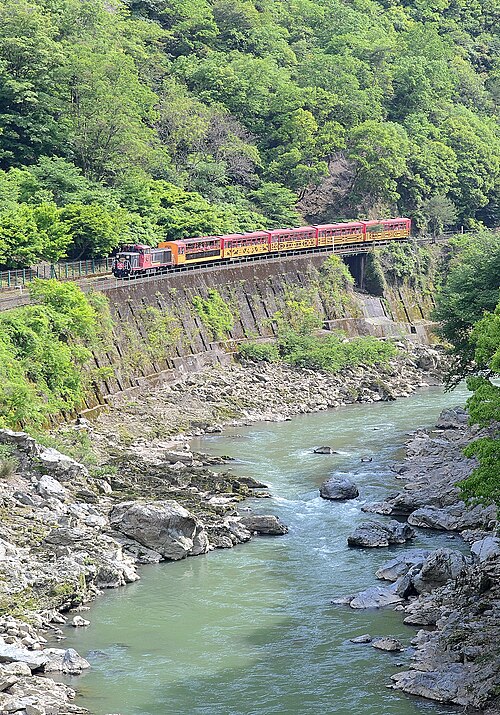
The Sagano Scenic Railway is a tourist railway in Kyoto's Arashiyama district. It operates along a former freight line that runs parallel to the Hozu River gorge.
桂離宮
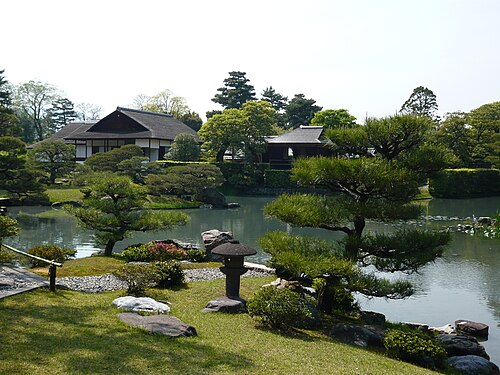
Katsura Imperial Villa is a historic imperial residence in western Kyoto, celebrated for the relationship between restrained architecture and a carefully composed landscape.
修学院離宮
Shugakuin Imperial Villa is an imperial property in northeastern Kyoto, Japan. It was established in the seventeenth century as a retreat for retired emperors. The site comprises multiple garden areas set against the foothills of Mount Hiei.
仁和寺
Ninna-ji is a Shingon Buddhist temple in Kyoto, Japan. It serves as the head temple of the Omuro school of the Shingon sect. The temple was founded in 888 CE by Emperor Uda.
三年坂
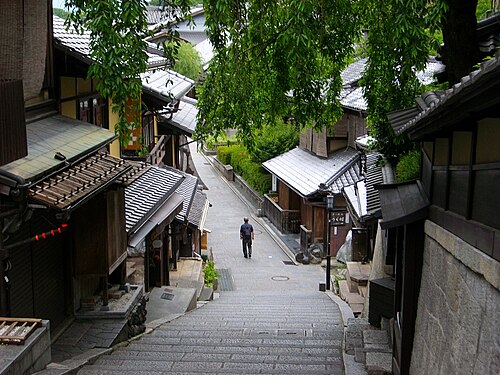
Sannenzaka is a historic stone-paved pedestrian slope in the Higashiyama district of eastern Kyoto, Japan. The name translates to Three-Year Slope, derived from a folk belief that falling here brings three years of bad luck.
二年坂
Ninenzaka is a historic stone-paved street in Kyoto’s Higashiyama district, close to Kiyomizu-dera. The lane is one of the clearest places in Kyoto to experience a preserved traditional streetscape while still seeing an active commercial neighbourhood.
蹴上インクライン
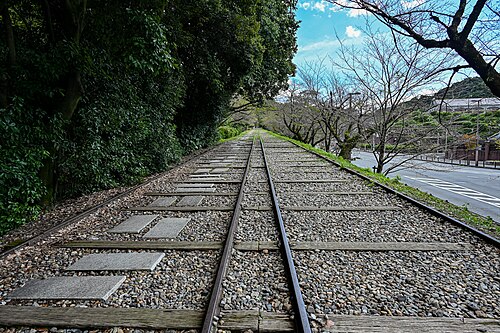
Keage Incline is a preserved railway incline in Kyoto’s Higashiyama area. It formed part of the Lake Biwa Canal system, where a funicular railway moved boats between different water levels.
Central Kyoto includes Kyoto Station, downtown, Nishiki Market, Nijo Castle and the Imperial Palace area. Eastern Kyoto contains Higashiyama, Kiyomizu-dera, Gion, Okazaki and the Philosopher's Path. Arashiyama anchors the west, while Kinkaku-ji and northern temples need their own route. Fushimi and Fushimi Inari lie south. Build days around these geographic sectors instead of a single attraction list.
Checked 2026-08-26
Combine trains, subway and buses rather than relying on buses alone. Kyoto's official guide recommends using rail to approach major sightseeing districts, then transferring where needed, which reduces exposure to road congestion. Walk within Higashiyama, downtown or Arashiyama once there. Kyoto Station is useful for arrivals, but other JR stations may provide a more direct approach to specific districts.
Checked 2026-08-26
A fixed duration is not recorded. Plan by geographic sector and allow separate blocks for eastern Kyoto, central Kyoto, Arashiyama, the north and Fushimi.
Some are, but the major districts sit on different sides of the city. Higashiyama works as a walking cluster, while Arashiyama, northern temples and Fushimi require separate journeys.
No. The official guide recommends combining trains and buses. Rail often bypasses road congestion and can bring you closer to a district before a shorter transfer or walk.
Higashiyama and Gion form a strong walking corridor, as do parts of downtown around Nishiki Market. Reach the district first, then continue between nearby sights on foot.
No. The official guide notes that stations such as Nijo, Enmachi, Tofukuji and Yamashina can provide more direct approaches to particular sightseeing areas and reduce crowding.