


18 min walk
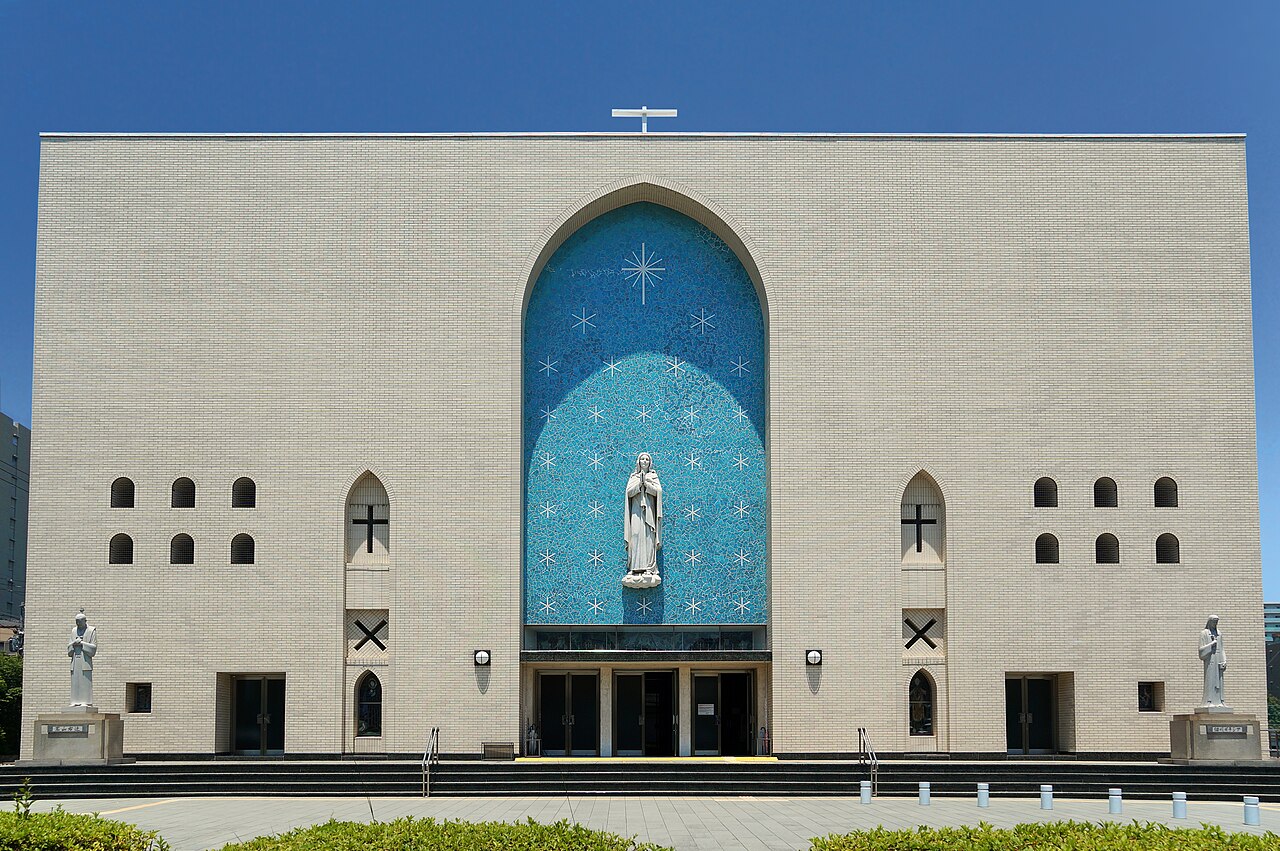
Grand Cathedral of the Virgin Mary of Osaka
- High
- Place of worship
Language · 11 published
Place of worship · Osaka
比売許曽神社
Reviewed by Elena Voss · Roavina Travel Editor
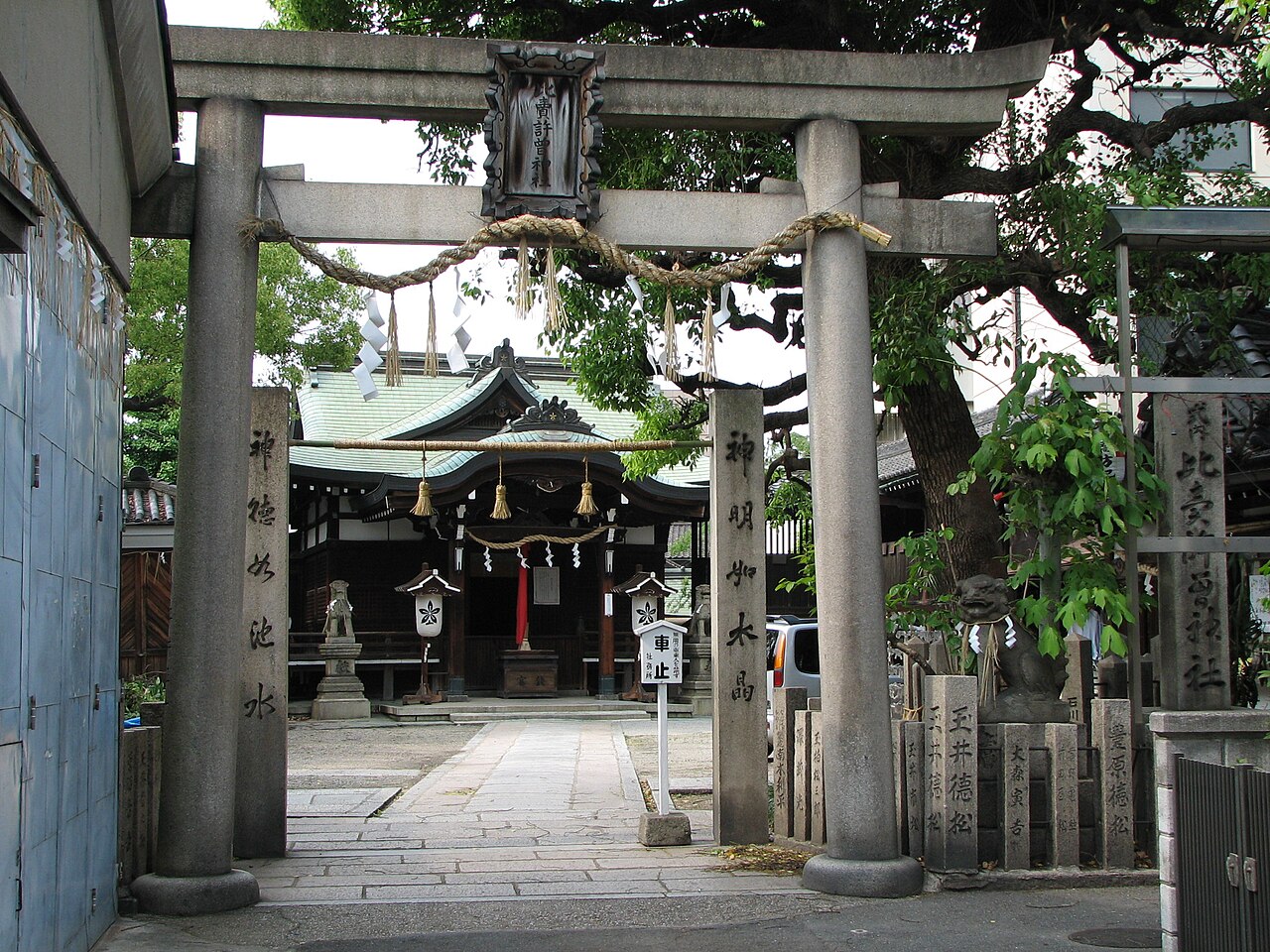
This place is a Place of worship. It was built in the nagare-zukuri style.
Himekoso Shrine, also known as 比売許曽神社, is a Shinto shrine in Osaka. The shrine is a place of worship and community life, giving travellers a chance to encounter a quieter religious setting within the city. Himekoso Shrine belongs to Osaka's network of sacred places, distinct from the city's commercial and entertainment attractions. The visit is most rewarding when treated as an observation of local Shinto practice rather than as a staged tourist performance. Walk slowly, notice the boundary between the street and the shrine grounds, and allow worshippers to use the space without interruption. The Japanese name is useful when identifying the shrine on maps or reading local references.
Checked 2026-08-26 · Source
Himekoso Shrine is identified as a Shinto shrine, but the supplied record does not describe its exact buildings, sacred objects, artwork or grounds. Visitors can approach the site as a functioning place of worship, observing only from areas that are clearly open. A torii, purification area or prayer space may form part of a shrine visit in Japan, but the arrangement at Himekoso Shrine is not described here; use what is visibly marked rather than following a memorised route. The main experience is the relationship between shrine space and Osaka's urban neighbourhood. Keep the atmosphere quiet, leave offerings and objects untouched, and let the setting be understood through respectful observation.
Checked 2026-08-26 · Source
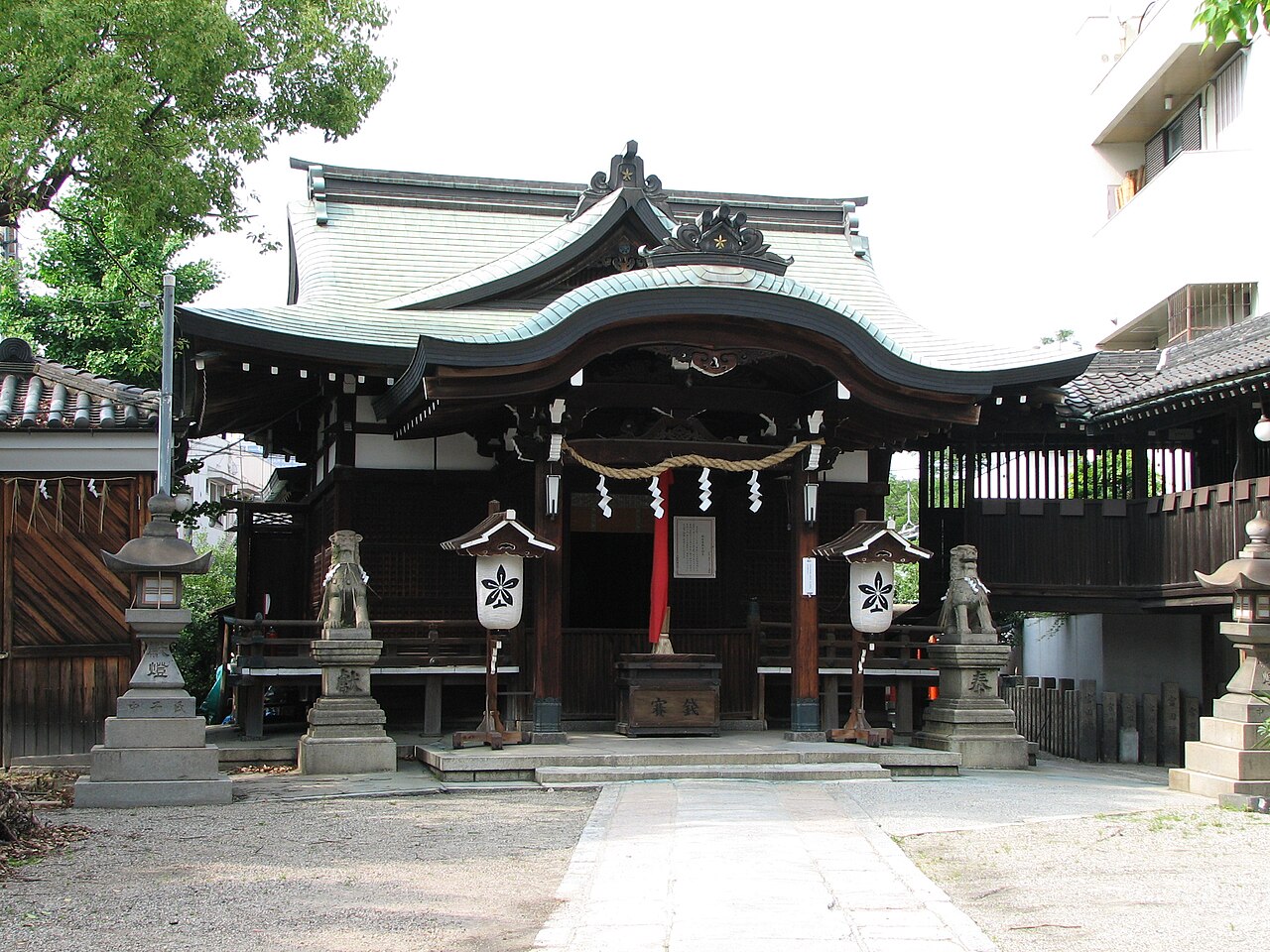
Himekoso Shrine suits a short, flexible visit within a wider Osaka itinerary. Travellers may need only enough time to cross the grounds and observe the shrine respectfully, while those interested in Shinto practice may pause longer for prayer or quiet reflection. The supplied record does not describe the size of the shrine or a visitor programme, so there is no fixed route or scheduled activity around which to build the day. Avoid rushing directly through the worship area, but do not reserve an extended block for attractions that are not identified. The right pace is quiet, attentive and responsive to the people using the shrine.
Checked 2026-08-26 · Source
Visit Himekoso Shrine when you can be attentive to its role as an active Shinto site. The supplied record gives no timetable, seasonal calendar or festival schedule. Daylight is useful for seeing the exterior and for a considerate approach, while the character of the visit can change when worship or community activity is taking place. Osaka's summer heat, humidity and rain can affect an outdoor walk, so plan clothing and water for the weather. If a ceremony or prayer is underway, wait quietly at the edge or continue later rather than entering the scene. The shrine's religious use should determine the pace of the visit.
Checked 2026-08-26 · Source
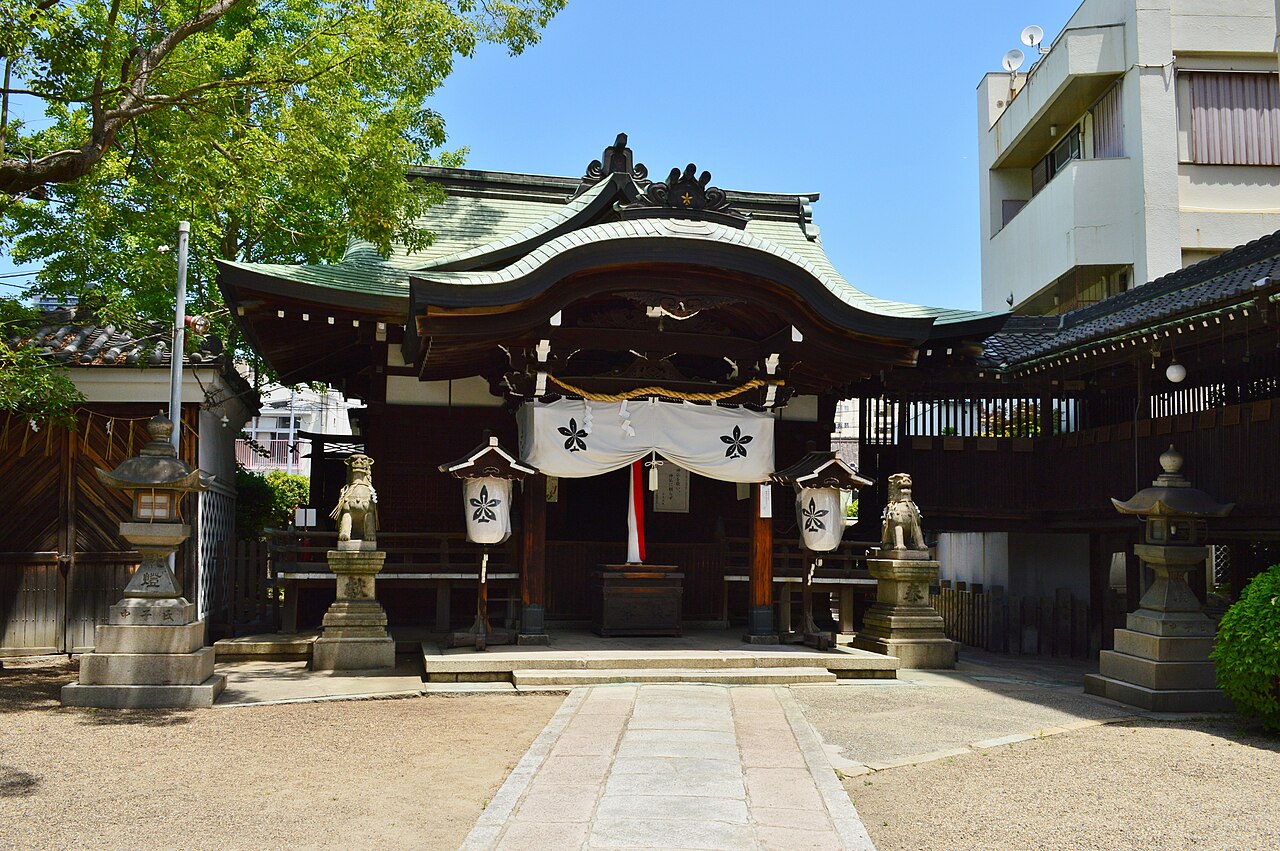
Himekoso Shrine has no admission information in the supplied place record. Treat the grounds as a religious space, not as a ticketed exhibition, and distinguish any voluntary offering from a required entrance charge. No timed booking, special exhibition or paid visitor activity is identified for this shrine. Ordinary Japanese cash may be useful for a customary offering, but no required amount should be assumed. Follow the shrine's own arrangement if an offering box or restricted area is present, and keep the visit centred on respectful access. The lack of a ticketing detail does not change the need to observe signs, boundaries and worship etiquette.
Checked 2026-08-26 · Source
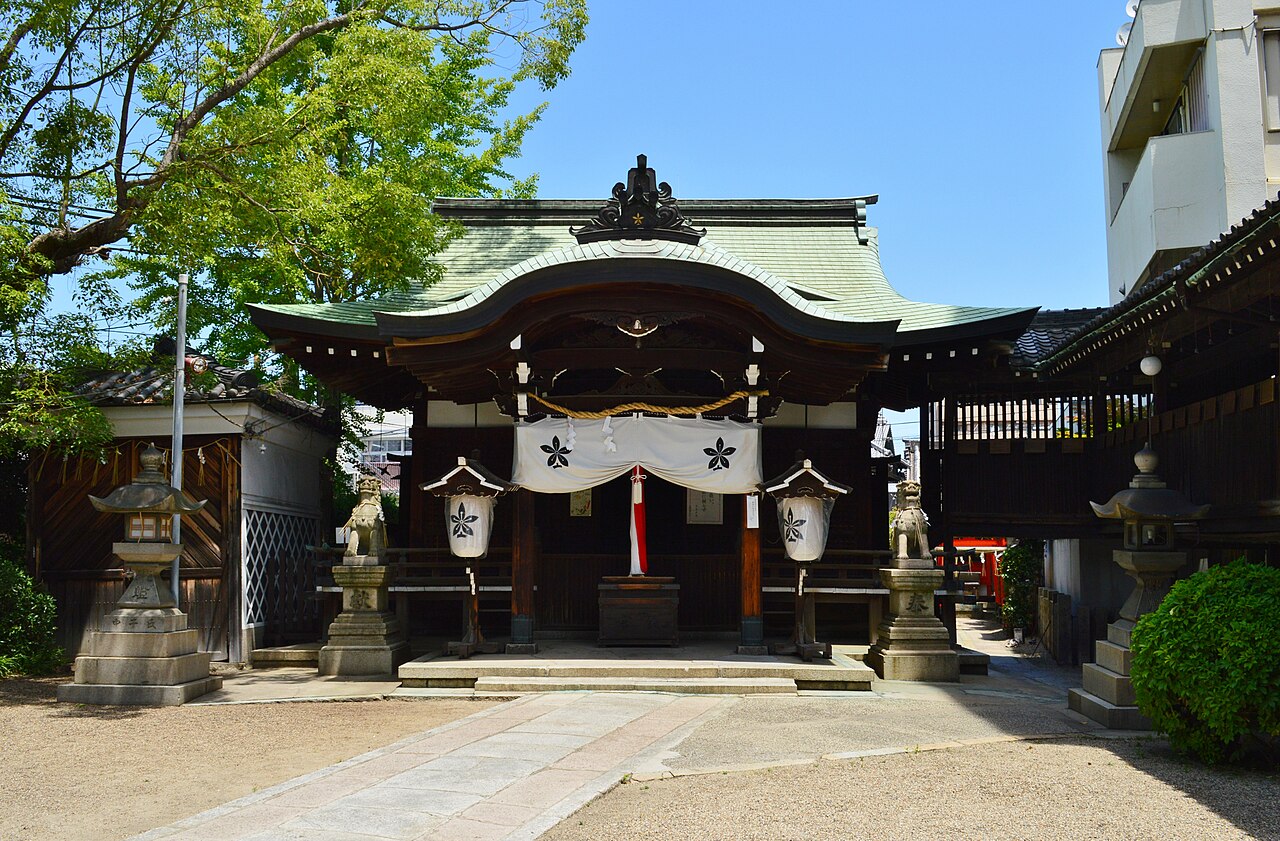
Locate Himekoso Shrine with its Japanese name 比売許曽神社 and the OpenStreetMap reference node/6183192733. The supplied record does not give a station, exit, bus stop or walking distance, so the route must be planned from the traveller's departure point using a current map. Osaka's public transport network can be part of the journey, followed by an urban walk, but the correct line and final approach depend on the starting location. Save the map pin before setting out and keep the final approach considerate of local residents. The Japanese name is particularly helpful when map labels are not presented in English.
Checked 2026-08-26 · Source
Himekoso Shrine is a Shinto place of worship, so visitors should cross the threshold respectfully and give religious activity priority. Where a torii or marked approach exists, keep to the side rather than treating the centre as a photo line. Use a purification fountain only according to the displayed practice, keep voices low and do not touch sacred objects. Avoid photographing worshippers and step away from prayer areas when they are in use. Osaka's heat, humidity and rain can make an outdoor visit tiring. The supplied record gives no site-specific access or safety detail; use ordinary care on uneven surfaces and follow every sign on the grounds.
Checked 2026-08-26 · Source
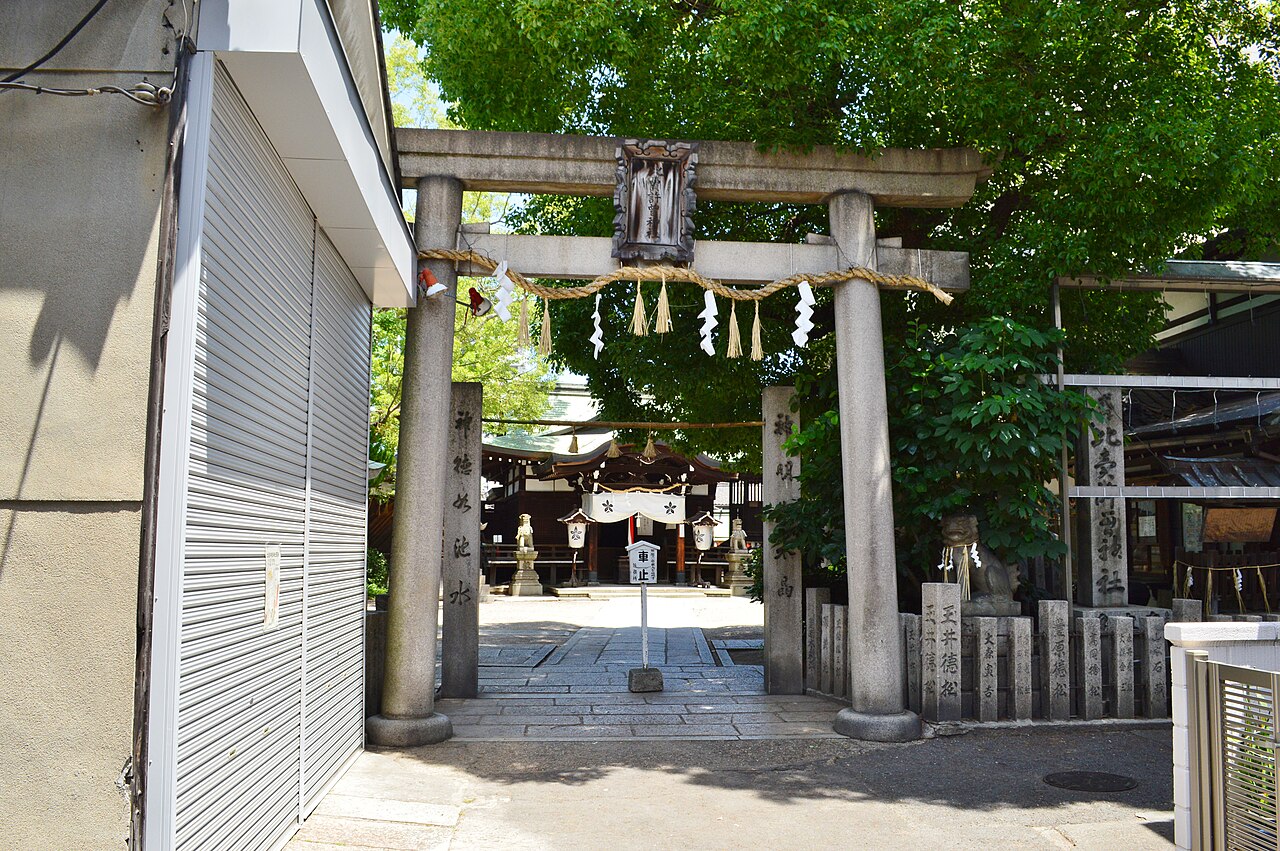
The supplied record does not state Himekoso Shrine's photography policy. Keep photography discreet and begin with exterior views only where signs permit them. Do not photograph worshippers without consent, and avoid flash near prayer spaces, sacred objects or ceremonies. If the shrine marks an area as restricted, keep the camera away as well as your feet. A shrine photograph should not obstruct the approach, offering area or movement of local visitors. Drone use and commercial equipment should not be introduced without explicit permission. Respectful restraint is the safest way to record the contrast between 比売許曽神社 and the surrounding Osaka streets.
Checked 2026-08-26 · Source
Himekoso Shrine is a Shinto shrine, identified locally as 比売許曽神社, and serves as a place of worship in Osaka.
The shrine's Japanese name is 比売許曽神社. That name can help travellers identify it in local map labels and references.
Allow a short, flexible visit for respectful observation, prayer or reflection. The appropriate pace depends on the shrine's activity and the space open to visitors.
Keep voices low, respect worshippers, avoid sacred objects and follow the shrine's signs around the approach, purification area and prayer spaces.
The supplied record gives no specific rule. Photograph discreetly where permitted, avoid worshippers and sacred activity, and follow all signs and shrine instructions.
Yes. Himekoso Shrine is described as a Shinto place of worship and a community-oriented sacred site within Osaka's urban religious landscape.
Loading the interactive map…
The interactive map could not be loaded.
Last updated:
Source: OpenStreetMap contributors, Wikidata ·