Qosqo Native Art Center
Centro Qosqo de Arte Nativo
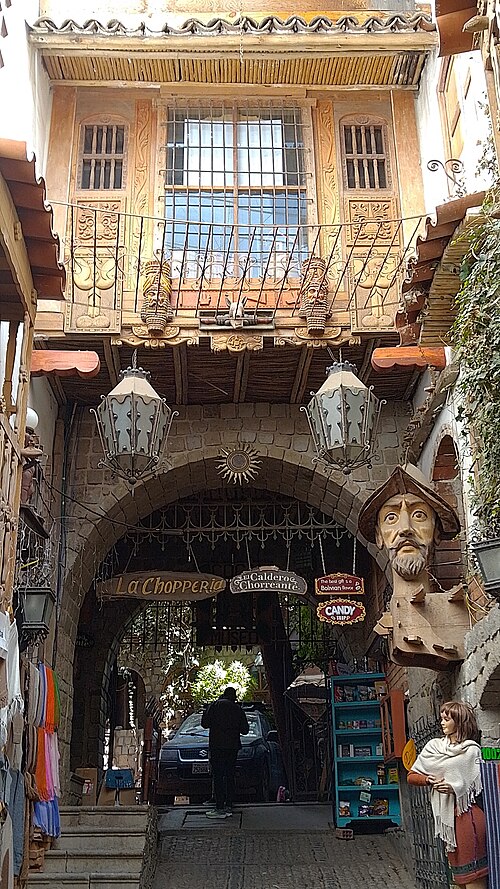
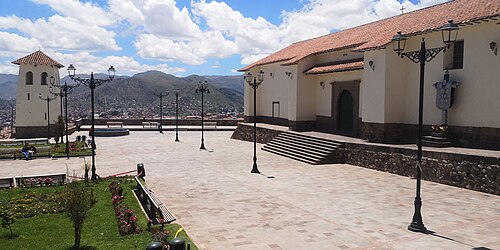
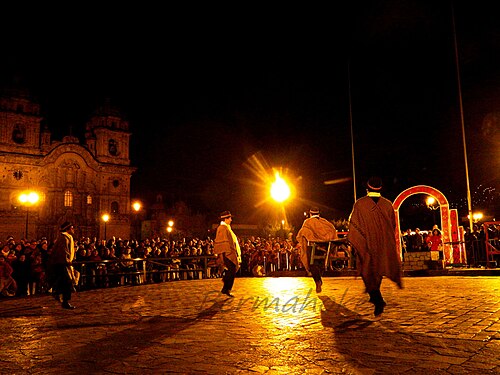
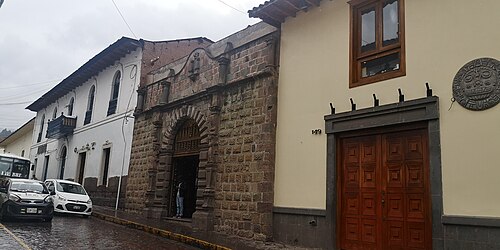
Qosqo Native Art Center, also known as Centro Qosqo de Arte Nativo, is a Cusco venue devoted to regional folk dance and traditional Andean music.
- Must see
- Art and culture venue
City guide · Peru
Cusco's visitor core is compact but steep, centred on Plaza de Armas and adjoining historic streets. San Blas rises above the centre, while Qorikancha and the s...
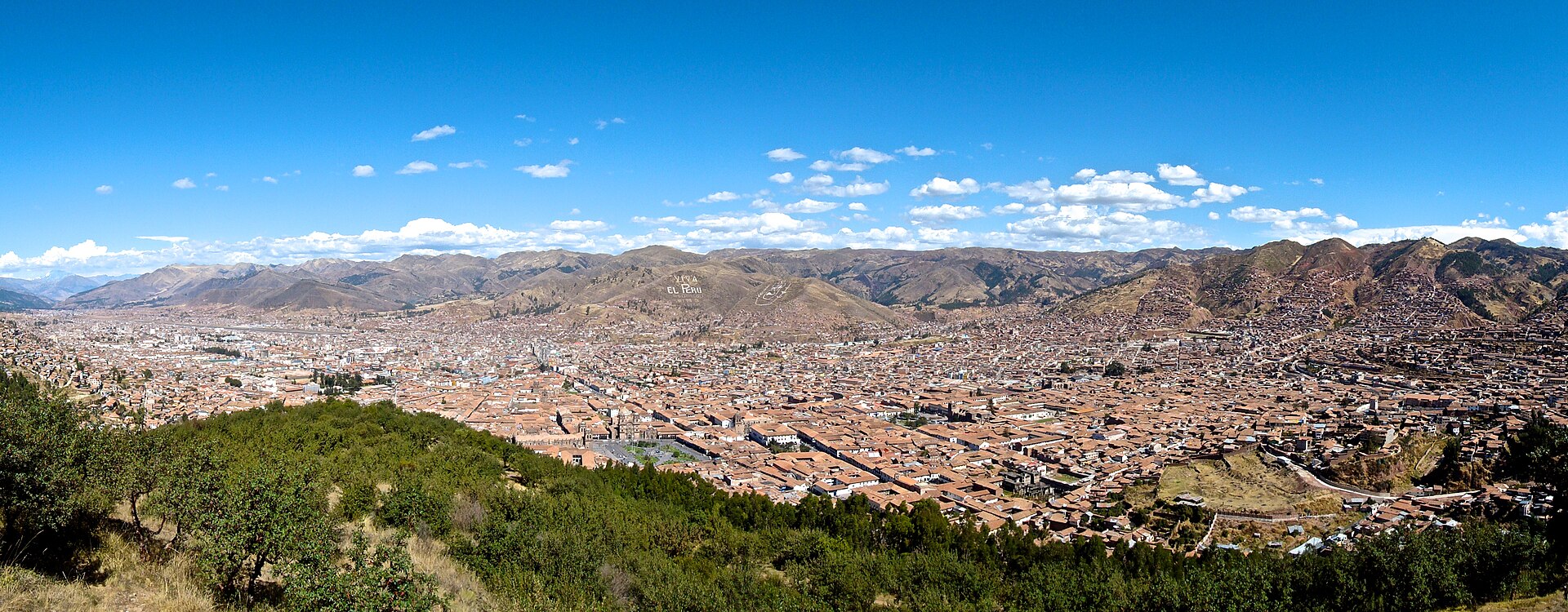
Photograph · gertrudis2010 · CC BY-SA 3.0
Set your days, your pace and the hours you actually want to be out. The planner works around closing days and travel time, and leaves room to eat.
Reviewed by Elena Voss · Roavina Travel Editor
Cusco's visitor core is compact but steep, centred on Plaza de Armas and adjoining historic streets. San Blas rises above the centre, while Qorikancha and the southern streets form another walkable cluster. Sacsayhuamán and nearby archaeological sites sit beyond the central grid, and the Sacred Valley and Machu Picchu are separate regional journeys. Altitude and cobbled slopes make realistic pacing more important than short map distances.
Checked 2026-08-26
September · September gives Cusco a 19.8°C mean high, 3.9°C mean low and only 21.8 mm of normal rain.
Ranked by importance — sitelinks, pageviews and heritage status, not editor preference.
61 places match
Category
Typical visit duration
Interests
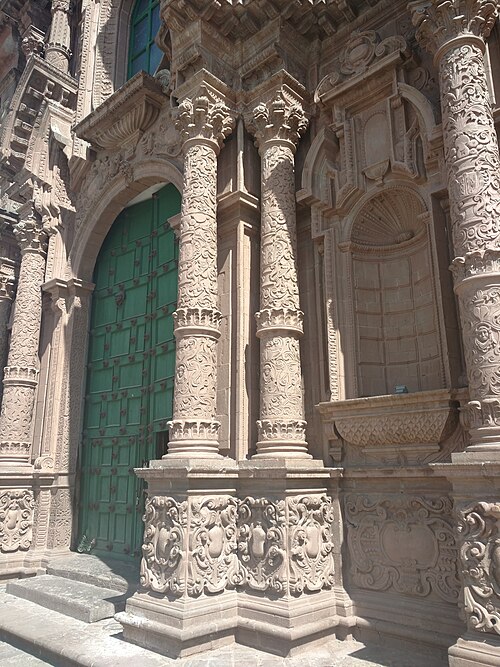
Centro Qosqo de Arte Nativo
Qosqo Native Art Center, also known as Centro Qosqo de Arte Nativo, is a Cusco venue devoted to regional folk dance and traditional Andean music.
Teatro Municipal del Cusco
Cusco Municipal Theatre, or Teatro Municipal del Cusco, is a city-run performance venue in Cusco’s historic urban core. It belongs to the city’s public cultural life and provides a setting for performances and events.
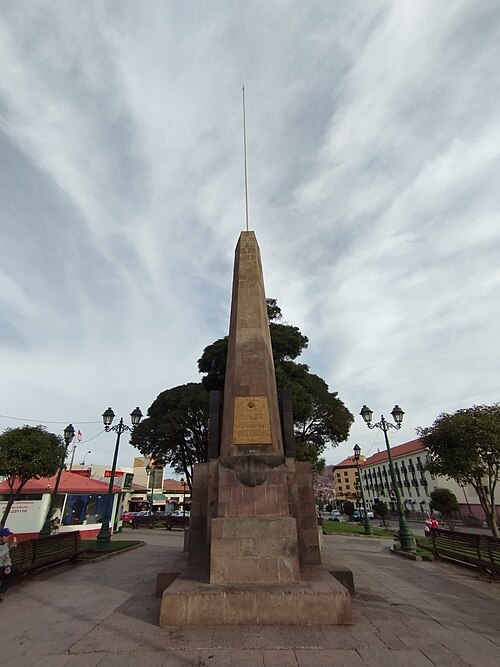
Orellana Pumaqchupan Park is a landscaped green space along Avenida El Sol in Cusco. It offers a short urban pause within a busy city corridor, with planted areas and pedestrian routes close to the historic centre.
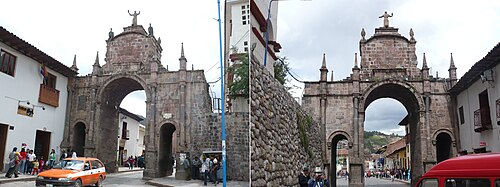
The Arc of Santa Clara is a republican ceremonial arch on the western approach from San Pedro into Cusco’s historic centre.
Iglesia de Santa Clara
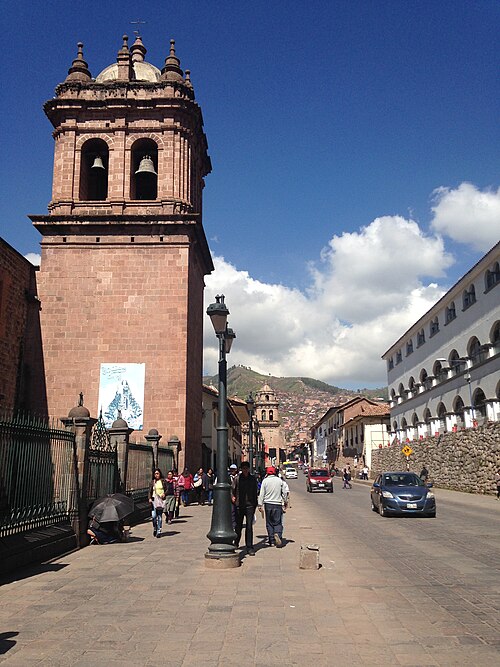
Santa Clara Church, or Iglesia de Santa Clara, is a colonial-era church in Cusco’s historic centre, close to San Pedro Market.
Santiago Church, or Iglesia de Santiago Apóstol, is a colonial parish church in the south-western sector of Cusco’s historic centre.
San Sebastian
San Sebastian Church, Iglesia de San Sebastián, is a historic parish church in Cusco’s San Sebastián district. Its setting extends the city’s religious and architectural story beyond the compact tourist centre.
Huayna Tauqaray
Wayna Tawqaray, also called Huayna Tauqaray, is a lesser-known Inca archaeological site near the south-eastern edge of Cusco’s urban area.
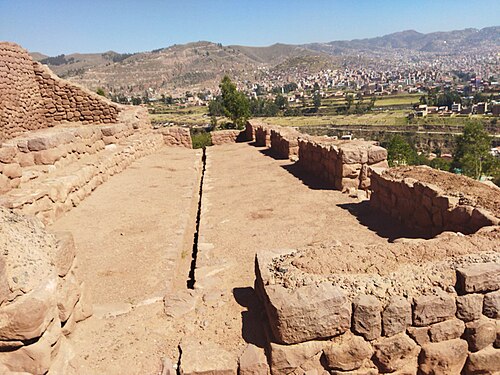
Qochapata is an Inca archaeological site at the urban edge of Cusco, where the city gives way to the wider landscape shaped by Inca settlement.
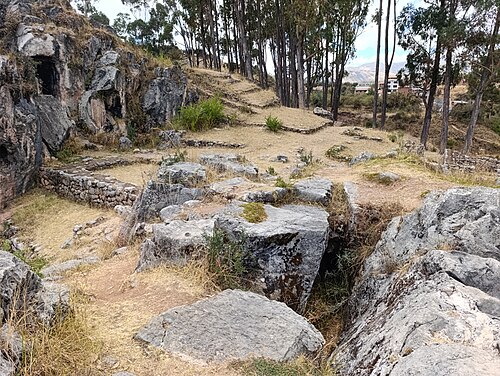
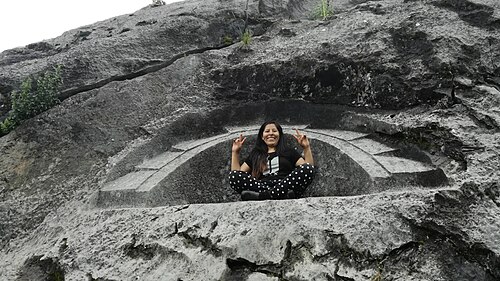
Killarumiyoc is an open-air ceremonial stone site in the Cusco region, known for a carved rock associated with Inca ritual traditions.
Q'enqo Chico is the smaller companion archaeological site to the better-known Q'enqo Grande, forming part of the broader Q'enqo archaeological complex situated on the hills above Cusco.
Calle del Medio is a central pedestrian street in Cusco's historic core, providing a direct historic connection from Plaza de Armas into the old-city commercial fabric.
Centro de Textiles Tradicionales del Cusco
The Center for Traditional Textiles of Cusco is a nonprofit organization dedicated to preserving and promoting Cusqueñan weaving traditions. Founded to support indigenous textile arts, the center operates as a cultural institution and social enterprise.
Palacio Arzobispal del Cusco
The Archbishop's Palace of Cusco, known locally as Palacio Arzobispal del Cusco, stands on Hatunrumiyoc street in the historic centre. The site represents significant architectural layering, incorporating the former Inca Roca palace beneath colonial structures.
The Coca Museum, known locally as Museo de la Coca, is a specialist museum in Cusco dedicated to the cultural, historical, and traditional significance of the coca leaf in Andean societies.
Wanchaq
Wanchaq District is a working urban district south of Cusco’s historic colonial core. Its character comes from everyday commerce, local movement, transport connections, markets, and streets used by residents.
Plaza Santa Ana
Santa Ana Square is a historic public plaza in the upper part of Cusco’s colonial centre. It sits beyond the busiest circuit around Plaza de Armas and offers a quieter view of the city’s traditional neighbourhood fabric.
Iglesia de Santa Ana
Santa Ana Church is a colonial parish church in Cusco’s Santa Ana neighbourhood, within the Historic Centre of Cusco, a UNESCO World Heritage site.
Plaza Limacpampa is a public square in upper-central Cusco. It works mainly as a connecting space between San Blas, Qorikancha, Avenida El Sol, and nearby modern commercial streets.
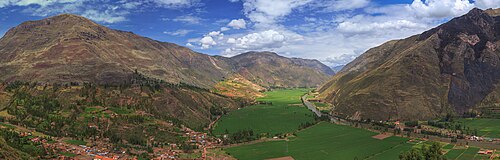
Valle Sagrado de los Incas
The Sacred Valley of the Incas, locally Valle Sagrado de los Incas, is the Urubamba River corridor northwest of Cusco. This broad valley between Pisac and Ollantaytambo served as a vital agricultural, spiritual, and administrative zone for the Inca Empire.
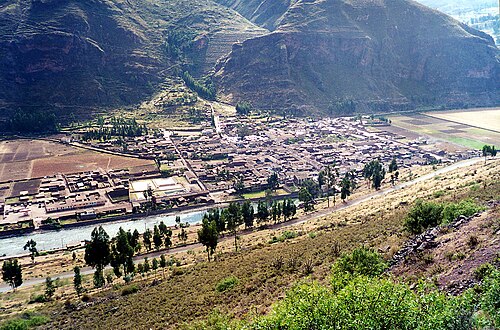
Pisaq
Písac is a town in the Sacred Valley of the Incas, approximately one hour northeast of Cusco. The settlement sits at a lower elevation than the city, making it a common destination for visitors adjusting to altitude.
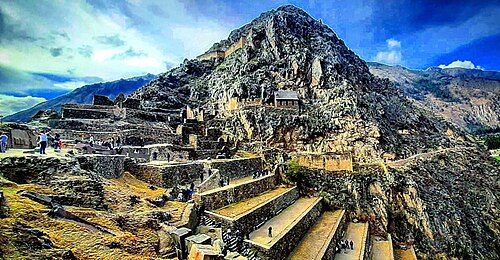
Ollantaytambo Archaeological Park is a monumental Inca fortress-temple complex and living town in the Sacred Valley of the Cusco region. The site preserves one of the most intact examples of Inca urban planning, with original street grids still inhabited.
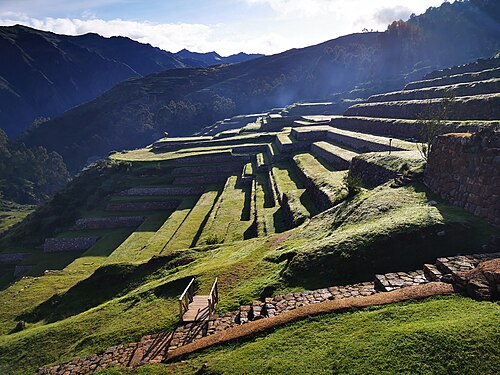
Chinchero Archaeological Park is an Inca-era site in the Sacred Valley near Cusco, Peru. The complex combines pre-Columbian agricultural terraces, a colonial-period church built atop Inca foundations, and a contemporary indigenous community known for textile traditions.
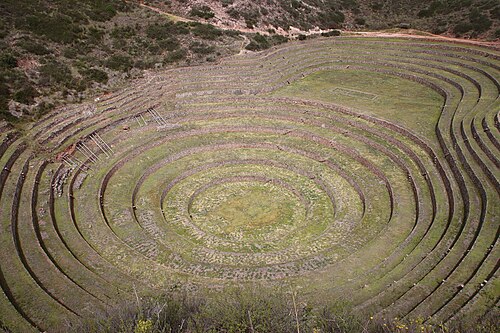
Moray is an archaeological complex near Cusco in Peru’s Sacred Valley. Its defining feature is a group of circular agricultural terraces cut into a natural depression.
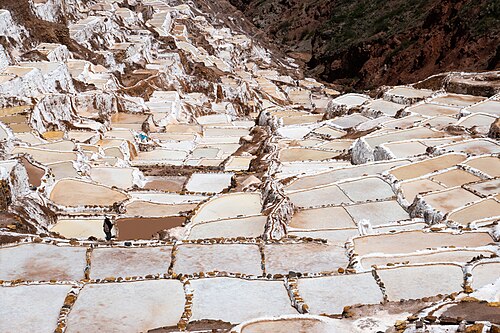
The Salineras de Maras are pre-Columbian salt evaporation ponds cascading down a hillside above the Urubamba Valley. Local families have harvested salt here for centuries using traditional methods.
Plaza de Armas anchors the cathedral, museums and colonial streets. San Blas occupies the hillside northeast of the square, with narrow lanes and steep approaches. Qorikancha and Avenida El Sol extend south. Sacsayhuamán, Q'enqo, Puka Pukara and Tambomachay form an archaeological corridor outside the compact core. The Sacred Valley, Rainbow Mountain and Machu Picchu require dedicated transport and should never be treated as nearby city stops.
Checked 2026-08-26
Walk within the historic centre when altitude and slopes allow, and use authorised taxis or organised transport for higher or outlying sites. Regional trains, buses and licensed transfers serve Sacred Valley and Machu Picchu routes, but departure stations and ticket conditions vary. Confirm each leg through the official traveller guide and relevant operator. Build extra time into the first day rather than scheduling a dense itinerary immediately after arrival.
Checked 2026-08-26
Plaza de Armas, Qorikancha and lower central streets form the main walking core
No fixed stay length is recorded; separate city time from regional archaeological journeys.
Walk the centre slowly and use authorised transport for higher or outlying sites.
Machu Picchu requires separate train, road and ticket arrangements outside a city walking day.
A lighter first day accounts for altitude, slopes and the effort of cobbled streets.