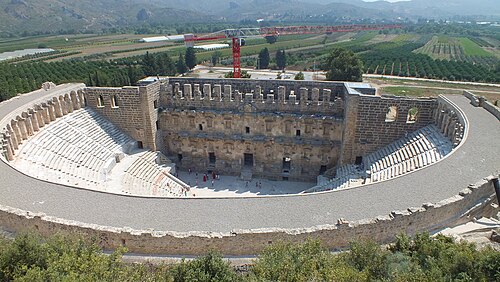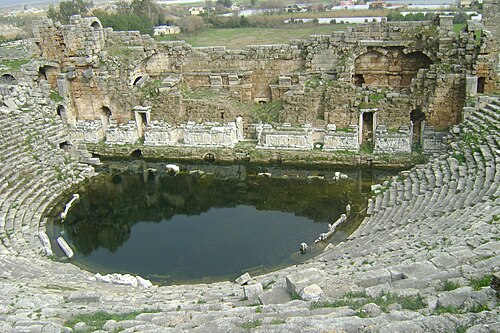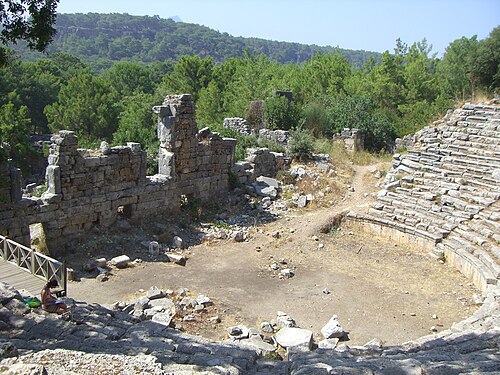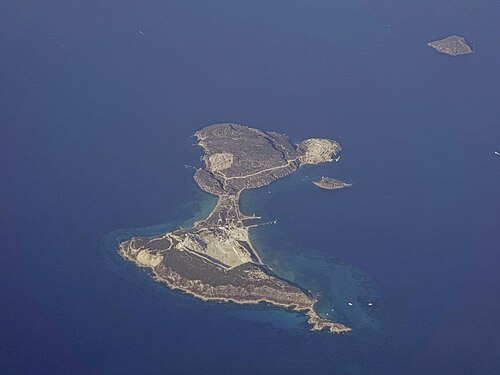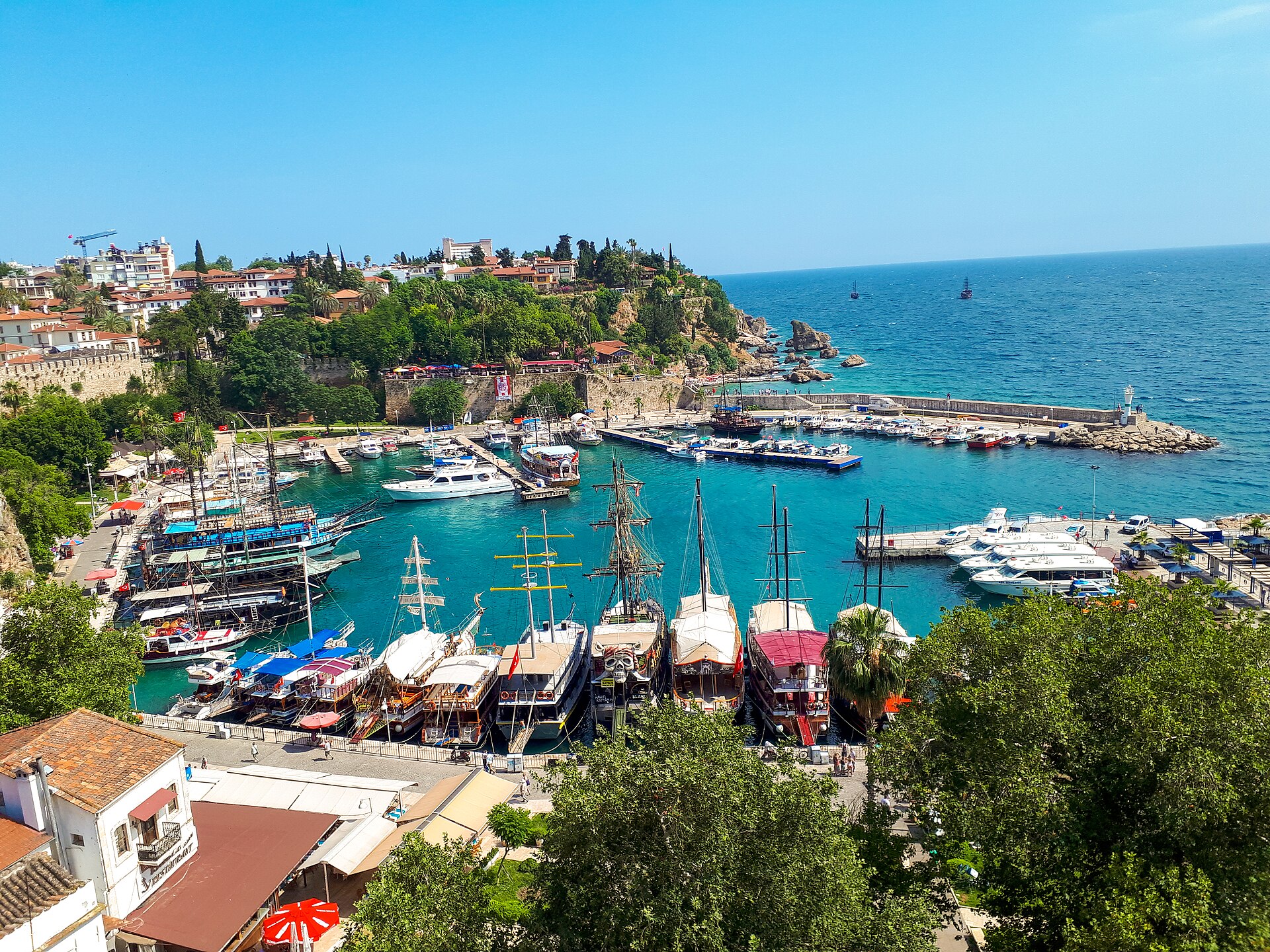
A photograph of Antalya

City guide · Türkiye

Antalya

Antalya is the principal city on Türkiye's Mediterranean coast and the hub for a much wider visitor region. The compact historic core, Kaleiçi, occupies the old...

Photograph · REHBER0770 · CC BY-SA 4.0

5,798 Places
Suggested stay
Not recorded
Getting around
Walk, tram and bus

Turn this list into a plan

Set your days, your pace and the hours you actually want to be out. The planner works around closing days and travel time, and leaves room to eat.

Plan Antalya

Reviewed by Elena Voss · Roavina Travel Editor

Antalya is the principal city on Türkiye's Mediterranean coast and the hub for a much wider visitor region. The compact historic core, Kaleiçi, occupies the old walled quarter above and around the Roman harbour, while the modern city spreads across the coastal plain. Major museums, beaches, parks and transport terminals sit outside the old lanes, and many famous archaeological sites associated with an Antalya trip are separate excursions along the coast or inland. Distinguish the walkable city centre from the wider province when building an itinerary.

Checked 2026-08-26

Practical information

Language spoken
Turkish
The official language of the Republic of Turkiye
Dialling code
+90
The international dialling code for Turkiye
Currency
Turkish lira (₺, TRY)
The official currency; one lira is divided into 100 kurus
Emergency number
112
One number for ambulance, fire and police
Plug type
European two-pin · 220 V
The national living guide records 220 V and European-style two-pin plugs
Tap water
Not recorded
No verified national source in the dataset

Planning a visit

September · September stays hot in Antalya at 31.2°C by day, but nights cool to 19.6°C and rainfall remains low.

  1. January: viable with meaningful trade-offs
  2. February: viable with meaningful trade-offs
  3. March: good time to visit
  4. April: best time to visit
  5. May: best time to visit
  6. June: good time to visit
  7. July: recurring difficult conditions
  8. August: recurring difficult conditions
  9. September: good time to visit — current month
  10. October: best time to visit
  11. November: good time to visit
  12. December: viable with meaningful trade-offs

Sources

Top things to see

Ranked by importance — sitelinks, pageviews and heritage status, not editor preference.

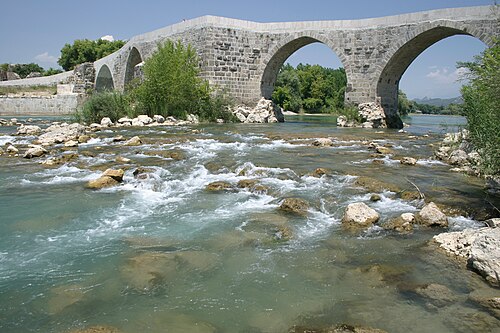
  1. Arapsu Bridge Arapsu Bridge
    32 45 min

    Arapsu Bridge

    Arapsu bridge

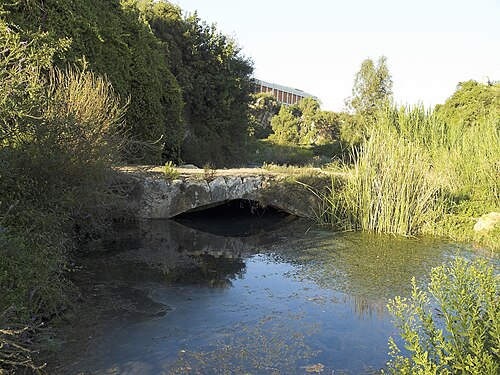
    Arapsu Bridge is a historic stone crossing associated with the Arapsu stream in Antalya. Its appeal comes from the bridge as practical infrastructure: a structure made to carry movement across a watercourse, rather than a museum created for display.

    • Must see
    • Historic monument
  2. Eurymedon Bridge Eurymedon Bridge
    33 45 min

    Eurymedon Bridge

    Köprüpazar Köprüsü

    Eurymedon Bridge, locally known as Köprüpazar Köprüsü, is a historic stone crossing associated with the Eurymedon River in Antalya Province.

    • Must see
    • Historic monument
  3. Hercules Bridge
    34 45 min

    Hercules Bridge

    Herkül Köprüsü

    Hercules Bridge, known locally as Herkül Köprüsü, is a historical bridge in Antalya. It is best approached as a short architectural stop rather than a major attraction with a formal visitor programme.

    • Must see
    • Historic monument
  4. Korucu Bridge
    35 45 min

    Korucu Bridge

    Korucu Köprüsü

    Korucu Bridge, known locally as Korucu Köprüsü, is a historical stone bridge located in the Antalya region of Türkiye.

    • Must see
    • Historic monument
  5. Naras Bridge Naras Bridge
    36 45 min

    Naras Bridge

    Naras Köprüsü

    Naras Bridge, locally known as Naras Köprüsü, is a historic stone bridge in Antalya Province. It offers a compact encounter with traditional Ottoman bridge engineering in a rural setting.

    • Must see
    • Historic monument
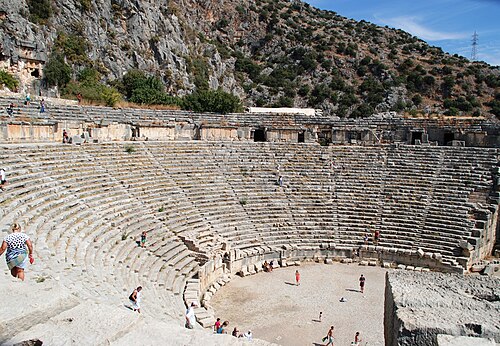
  6. Ancient theatre of Myra Ancient theatre of Myra
    37 45 min

    Ancient theatre of Myra

    Myra Antik Kenti

    Myra’s ancient theatre is a Roman-era performance building within Myra Antik Kenti, near Demre in Antalya province. Its semicircular cavea is carved into the hillside, placing the surviving public architecture directly beneath the rock-cut necropolis.

    • Must see
    • Historic monument
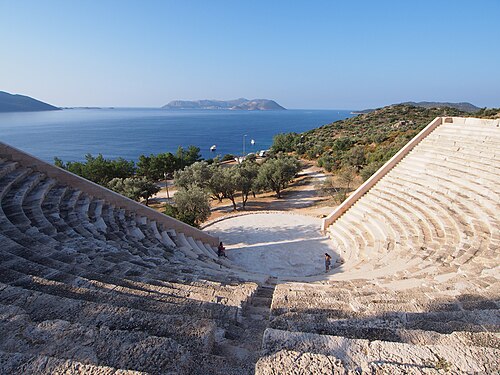
  7. Greek Theatre of Antiphellos Greek Theatre of Antiphellos
    38 45 min

    Greek Theatre of Antiphellos

    Antiphellos Ancient Theatre

    The Greek Theatre of Antiphellos is an ancient open-air theatre in Kaş, Antalya Province. It belonged to the Lycian settlement of Antiphellos, the ancient town beneath modern Kaş.

    • Must see
    • Historic monument
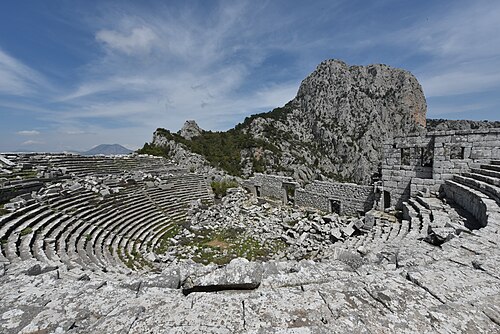
  8. Greek Theatre of Termessos Greek Theatre of Termessos
    39 45 min

    Greek Theatre of Termessos

    Termessos Tiyatrosu

    The Greek Theatre of Termessos is an ancient amphitheatre located within the archaeological site of Termessos, situated in the Taurus Mountains near Antalya. Termessos was a Pisidian city known for its formidable defensive position and resistance to Alexander the Great.

    • High
    • Historic monument
  9. Roman Theatre of Aspendos Roman Theatre of Aspendos
    40 45 min

    Roman Theatre of Aspendos

    Aspendos Amfi Tiyatrosu

    The Roman Theatre of Aspendos is an ancient amphitheatre located near the modern city of Antalya in southern Turkey. Its local name is Aspendos Amfi Tiyatrosu.

    • High
    • Historic monument
  10. Roman theatre of Perge Roman theatre of Perge
    41 45 min

    Roman theatre of Perge

    Perge Theatre

    The Roman theatre of Perge is a performance monument within the ancient city of Perge, east of Antalya near Aksu.

    • High
    • Historic monument
  11. Roman theatre of Phaselis Roman theatre of Phaselis
    42 45 min

    Roman theatre of Phaselis

    Theater

    The Roman theatre of Phaselis is an ancient performance venue located within the archaeological site of Phaselis on the Mediterranean coast near Antalya.

    • High
    • Historic monument
  12. Tower of Strongyli Tower of Strongyli
    43 30 min

    Tower of Strongyli

    Stroggyli

    Tower of Strongyli, also known locally as Stroggyli, is a named historic structure associated with Antalya.

    • High
    • Place of worship
  13. New Mosque, Kaş New Mosque, Kaş
    44 45 min

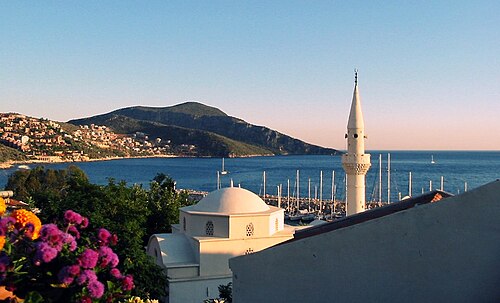
    New Mosque, Kaş

    Yeni Cami

    New Mosque, or Yeni Cami, is an active mosque in Kaş, a compact Mediterranean town in Antalya Province.

    • High
    • Historic monument
  14. Düdensuyu Cave Düdensuyu Cave
    45 1 hour

    Düdensuyu Cave

    Altınbeşik Mağarası

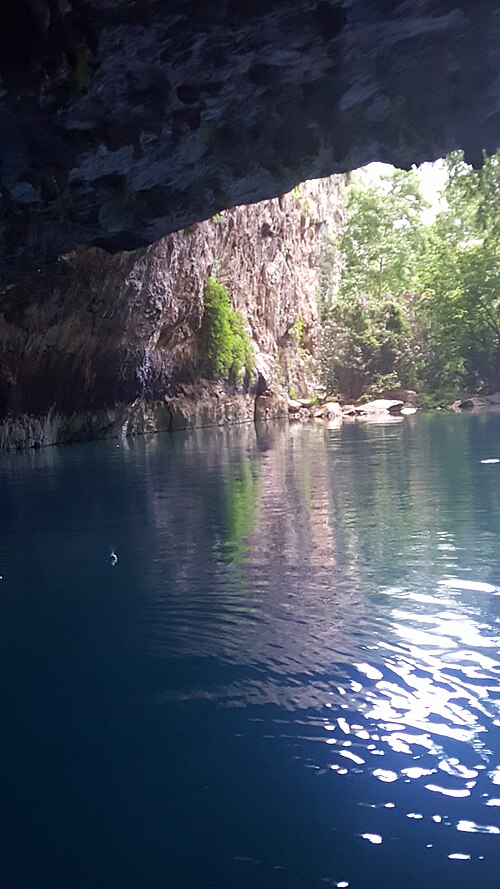
    Düdensuyu Cave is a natural karst cave formation located in the Antalya region of Türkiye, known locally as Altınbeşik Mağarası. The cave lies within the broader Düden water system, which includes the famous Düden Waterfalls that cascade through the city.

    • High
    • Nature site
  15. Kadıini Cave
    46 1 hour

    Kadıini Cave

    Kadıini Mağarası

    Kadıini Cave is a named natural feature in Antalya, Turkey, recorded at a precise mapped location. It is a nature stop rather than a museum, monument, or beach facility, giving an itinerary a distinctly subterranean focus.

    • High
    • Nature site
  16. Keloğlan Cave Keloğlan Cave
    47 1 hour

    Keloğlan Cave

    Keloğlan Mağarası

    Keloğlan Cave, also known locally as Keloğlan Mağarası, is a named natural point of interest associated with Antalya, Türkiye. The mapped place is identified as a cave rather than a museum, archaeological monument, or built attraction.

    • High
    • Nature site
  17. Kocain Cave Kocain Cave
    48 1 hour

    Kocain Cave

    Kocain Mağarası

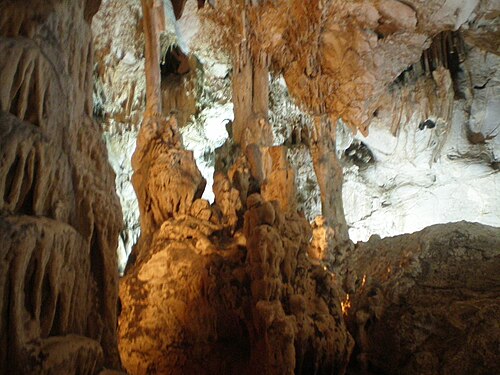
    Kocain Cave, also known locally as Kocain Mağarası, is a natural limestone cave in Antalya Province.

    • High
    • Nature site
  18. Sotini Cave
    49 1 hour

    Sotini Cave

    Sotini Mağarası

    Sotini Cave, also known locally as Sotini Mağarası, is a mapped natural cave attraction in Antalya, Türkiye.

    • High
    • Nature site
  19. Suluin Cave Finike
    50 1 hour

    Suluin Cave Finike

    Suluin Mağarası

    Suluin Cave Finike is a natural attraction in Finike district, on Antalya province’s Mediterranean coast.

    • High
    • Nature site
  20. Tilkiler Cave
    51 1 hour

    Tilkiler Cave

    Tilkiler Mağarası

    Tilkiler Cave, or Tilkiler Mağarası, is a natural cave attraction in the Antalya region.

    • High
    • Nature site
  21. Zeytintaşı Cave Zeytintaşı Cave
    52 1 hour

    Zeytintaşı Cave

    Zeytintaşı Mağarası

    Zeytintaşı Cave, also known locally as Zeytintaşı Mağarası, is a natural cave attraction in Antalya province, Türkiye. Its name evokes the surrounding olive-growing landscape: “zeytin” means olive and “taşı” means stone in Turkish.

    • High
    • Nature site
  22. Saint George Church, Alanya
    53 30 min

    Saint George Church, Alanya

    Hıdırellez Kilisesi

    Saint George Church, known locally as Hıdırellez Kilisesi, is a small historic church in Alanya, Antalya Province. Its significance lies in the town’s former Greek Orthodox community and the layered religious history of the Mediterranean coast.

    • High
    • Place of worship
  23. Saint Mary of Pissidia Church, Alanya
    54 30 min

    Saint Mary of Pissidia Church, Alanya

    Pisidialı Meryem Ana Kilisesi

    Saint Mary of Pissidia Church is a named Christian religious landmark recorded in Alanya, in Antalya Province on Turkey’s Mediterranean coast.

    • High
    • Place of worship
  24. Yenikapı Greek Orthodox Church Yenikapı Greek Orthodox Church
    55 30 min

    Yenikapı Greek Orthodox Church

    Yenikapı Rum Kilisesi

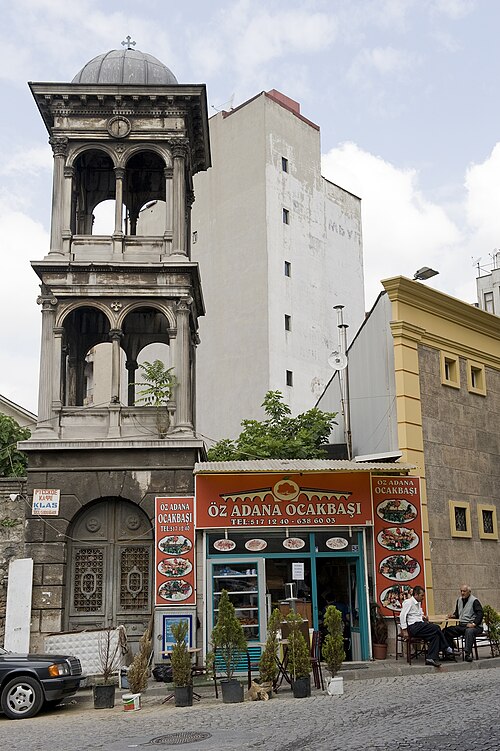
    Yenikapı Greek Orthodox Church, known locally as Yenikapı Rum Kilisesi, is a historic religious building in Antalya, Turkey. It represents the Greek Orthodox heritage that once flourished in the region.

    • High
    • Place of worship
  25. Acalissus
    56 45 min

    Acalissus

    Akalissos

    Acalissus, known locally as Akalissos, is an ancient archaeological site situated in the Antalya region of southern Turkey. This historical settlement represents part of the rich classical heritage distributed across the Turkish Mediterranean coast.

    • High
    • Historic monument

Source: OpenStreetMap contributors, Wikidata ·

How the city is laid out

Kaleiçi is the oldest and most compact visitor district, enclosed by remnants of the historic walls and descending toward the old harbour. Hadrian's Gate marks its eastern edge, while the Clock Tower and Republic Square connect it with the modern commercial centre. Konyaaltı Beach and the museum corridor extend west; Lara and the Düden waterfall areas lie east. The municipality's Kaleiçi map separates long, Roman-Byzantine and Ottoman-Seljuk walking routes, a useful reminder that the old quarter rewards a dedicated walk before transport is used for the wider coast.

Checked 2026-08-26

Getting around

Walk inside Kaleiçi and the adjoining central streets, then use Antalya's municipal tram and bus network for beaches, museums, terminals and outer districts. The airport, historic centre and western urban corridor are linked through public transport, but archaeological sites and resort areas across the wider province may require regional buses, organised transfers or a car. Do not treat every attraction marketed under Antalya as an urban stop. Check the municipality's current route and service information before travel because seasonal demand and works can alter practical connections.

Checked 2026-08-26

Common questions

How many days should I spend in Antalya?

A fixed stay length is not recorded. Separate time for Kaleiçi and the urban coast from any archaeological, beach or mountain excursion elsewhere in the wider Antalya region.

Where is Antalya's historic centre?

Kaleiçi is the old walled quarter around the Roman harbour. Hadrian's Gate, the Clock Tower and Republic Square mark the transition between its lanes and the modern centre.

Can I explore Kaleiçi on foot?

Yes. The municipality maps dedicated routes through the compact old quarter. Use transport after that walk for Konyaaltı, Lara, museums and other outer districts.

Are all Antalya attractions inside the city?

No. Antalya tourism commonly includes archaeological sites, resort towns and natural areas spread across the province. Treat those as separate regional journeys rather than urban stops.

What is the practical way to reach the beaches?

Use municipal tram or bus services for the urban coast, then walk within each beach or park area. Confirm the current route because service patterns can change with works and seasonal demand.