


251
1 hr 30 min
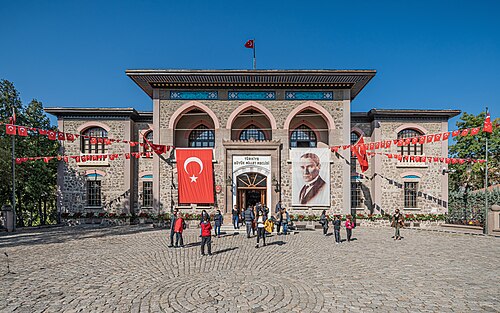
Republic Museum
Cumhuriyet Müzesi
Republic Museum is housed in Ankara’s former 2nd Grand National Assembly building in Ulus, where parliament met from 1924 to 1960.
- Must see
- Museum
- Ankara
Country guide
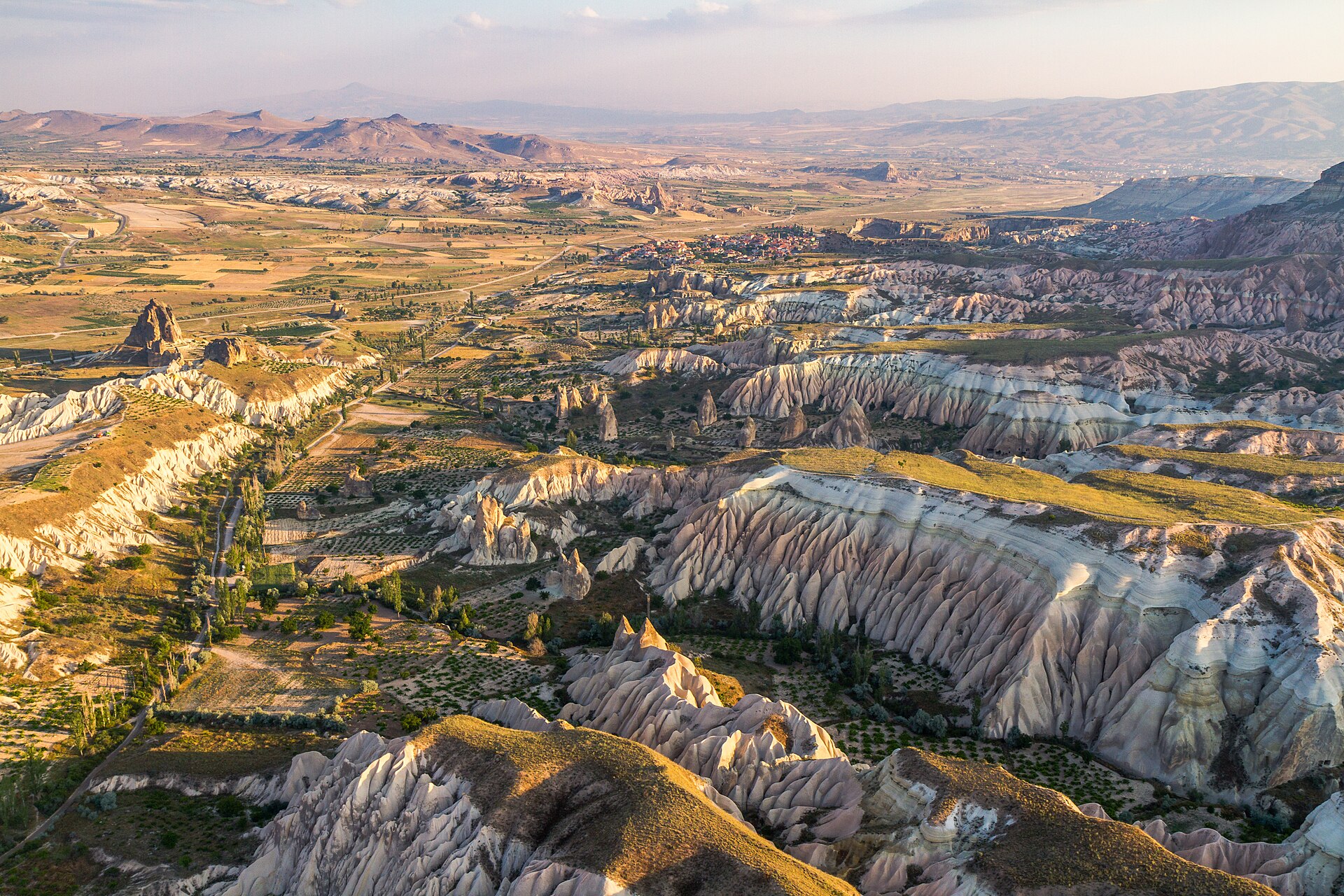
Türkiye is 783,562 km² across 81 provinces, most of it Anatolia in West Asia with East Thrace on the European side of the straits. It has three coasts to choose...
Photograph · Benh LIEU SONG · CC BY-SA 4.0
Reviewed by Elena Voss · Roavina Travel Editor
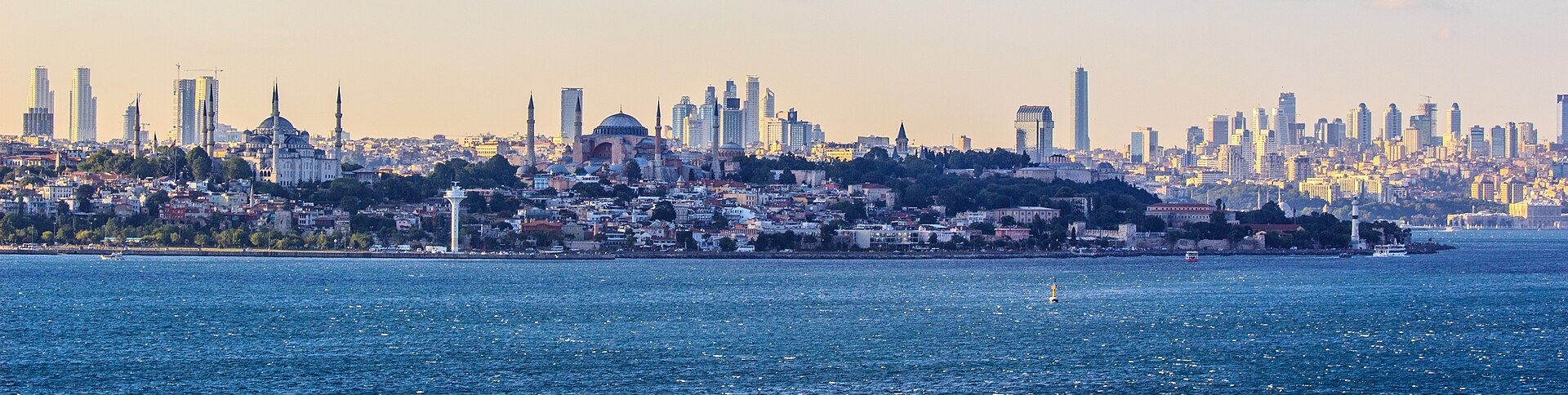
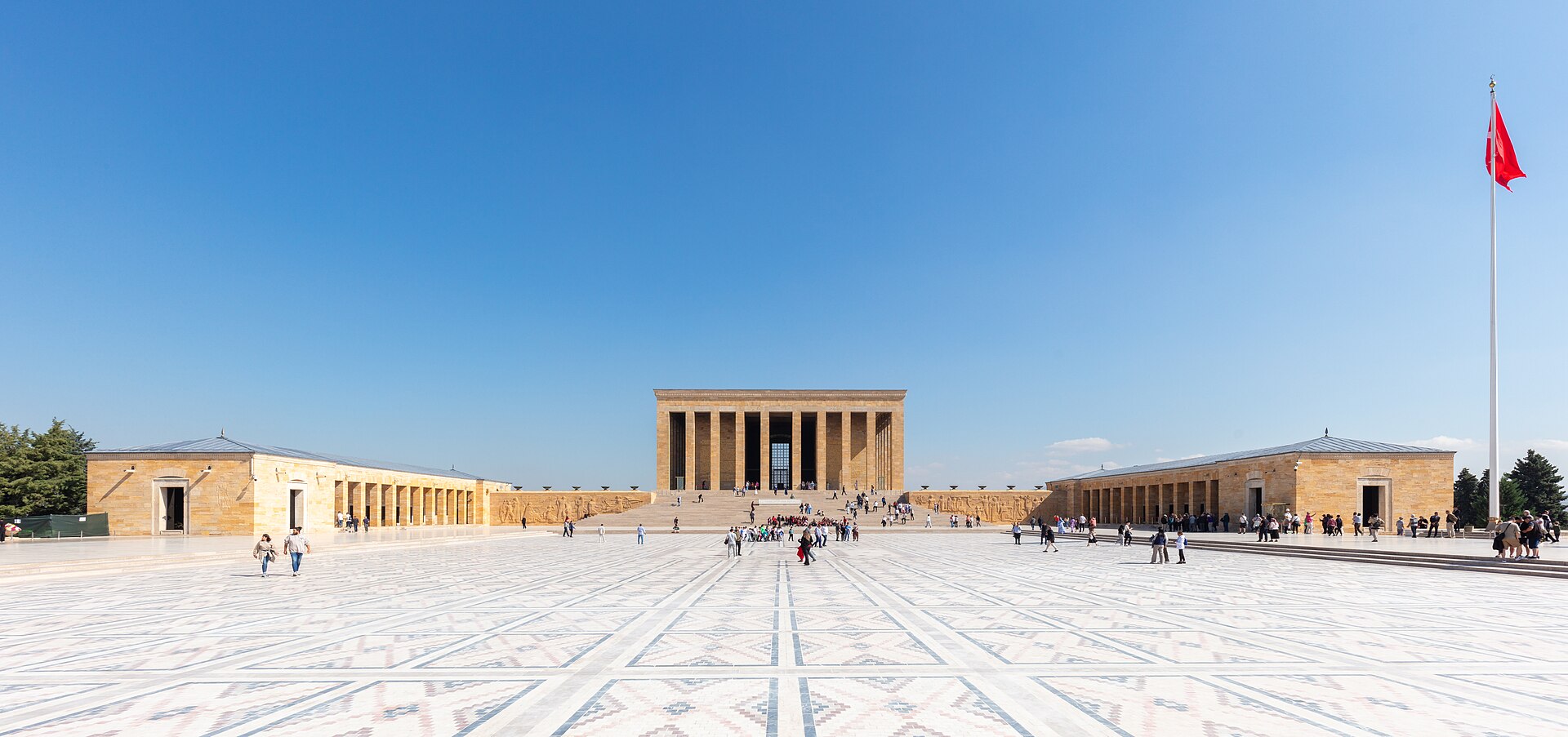
Türkiye is 783,562 km² across 81 provinces, most of it Anatolia in West Asia with East Thrace on the European side of the straits. It has three coasts to choose between — the Black Sea to the north, the Aegean to the west, the Mediterranean to the south — and an interior plateau that behaves like a different country in winter. Istanbul is the largest city and the economic centre, Ankara the capital and the second-largest, and the December 2025 population of 86,092,168 is weighted heavily to the west. A first trip is usually Istanbul and one coast; the plateau is the second trip.
Checked 2026-08-25
Every city catalogued in this country so far, ranked by how much there is to see.
Photograph · Ben Morlok · CC BY-SA 2.0
Photograph · Diego Delso · CC BY-SA 4.0
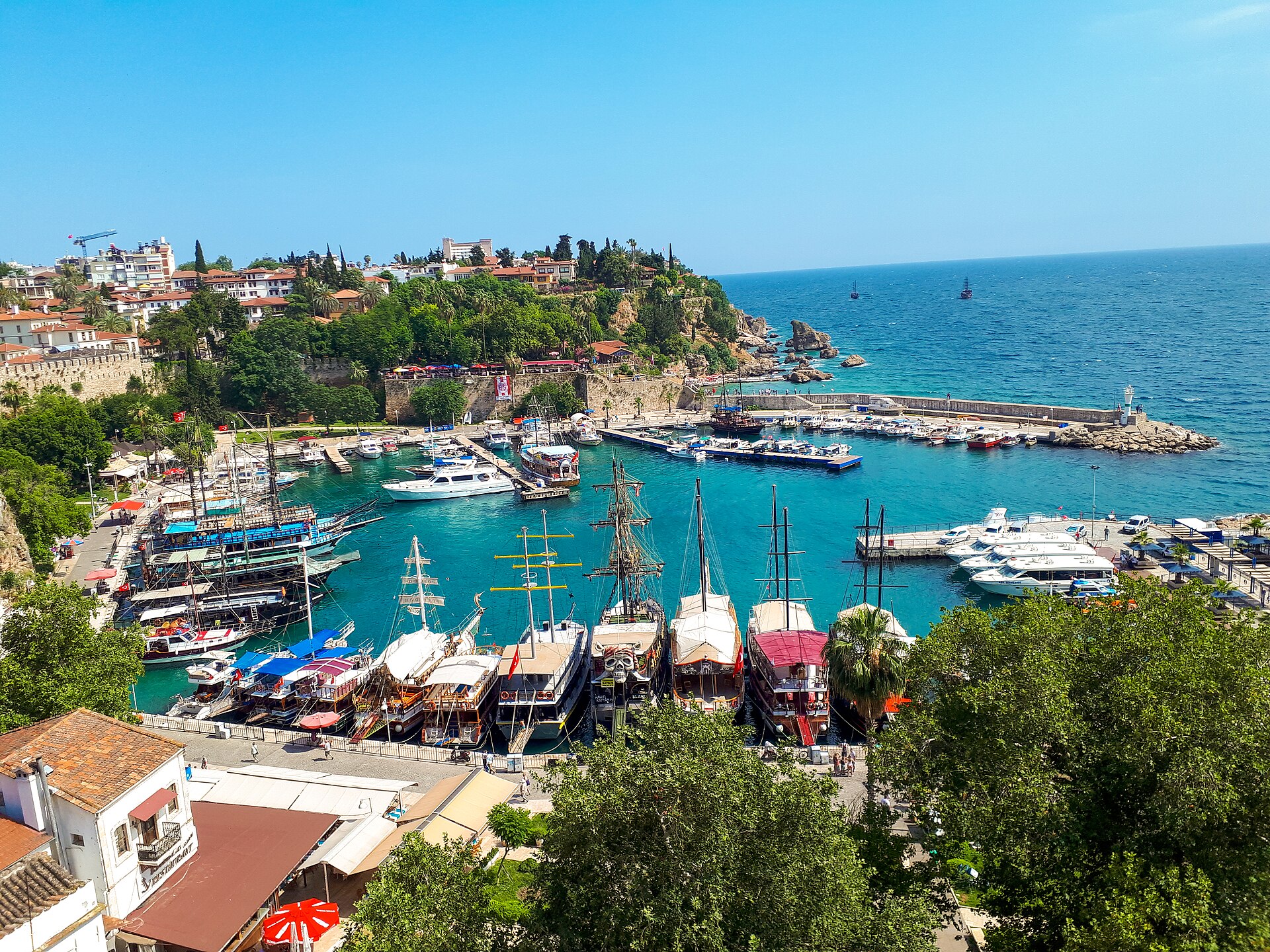
Photograph · REHBER0770 · CC BY-SA 4.0
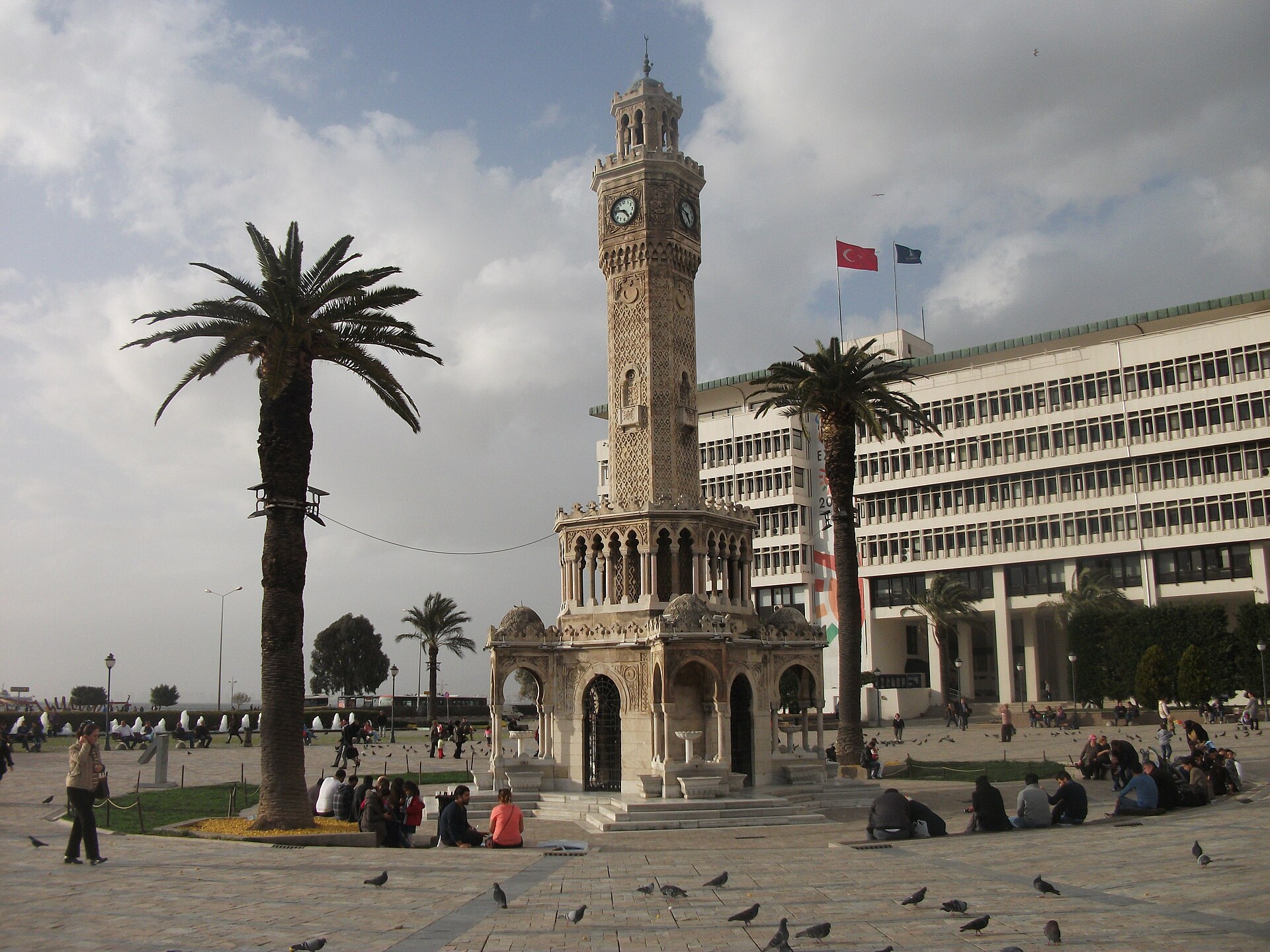
Photograph · Anonymous · CC0
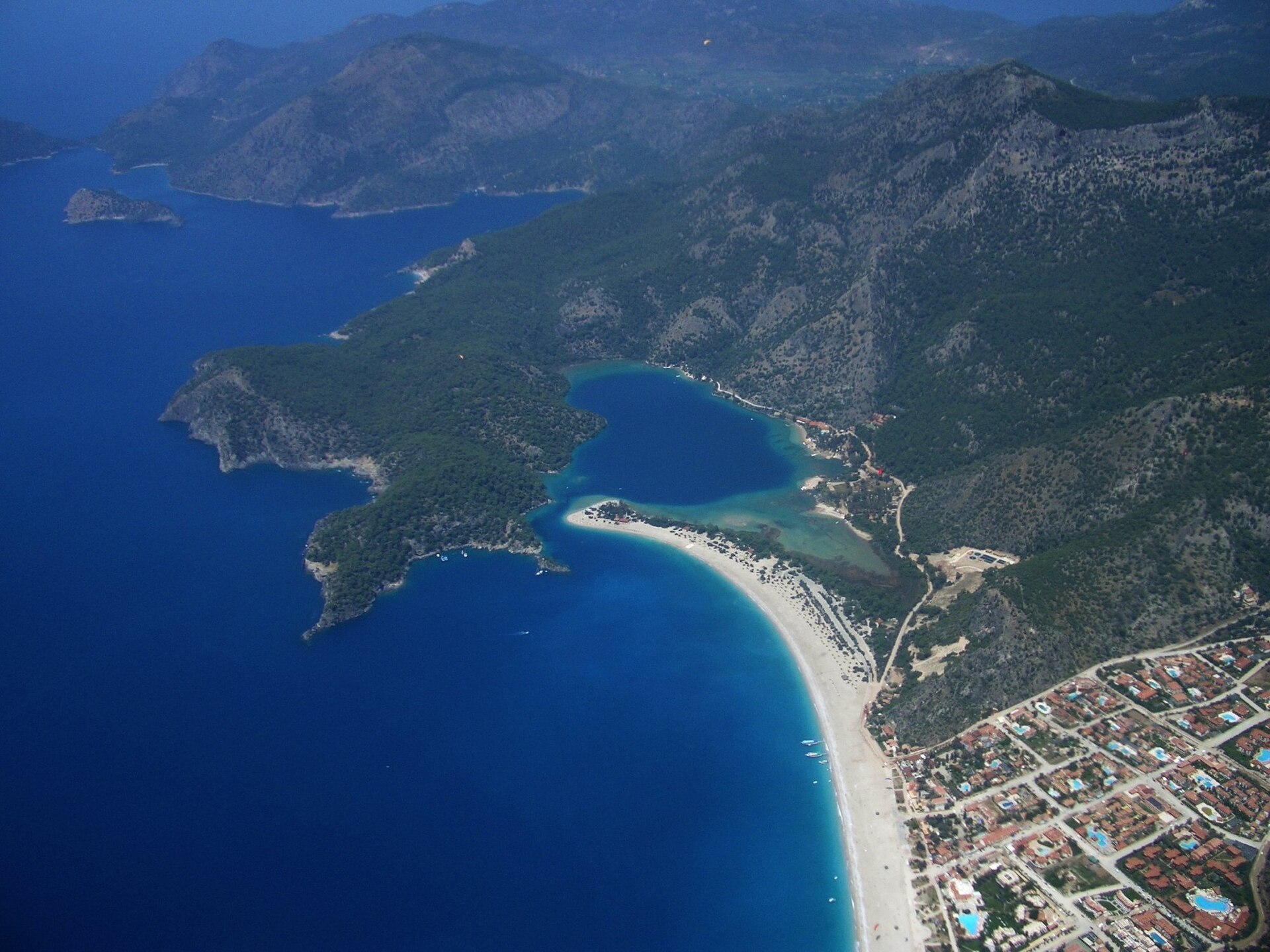
Photograph · Dan Taylor · CC BY 2.0
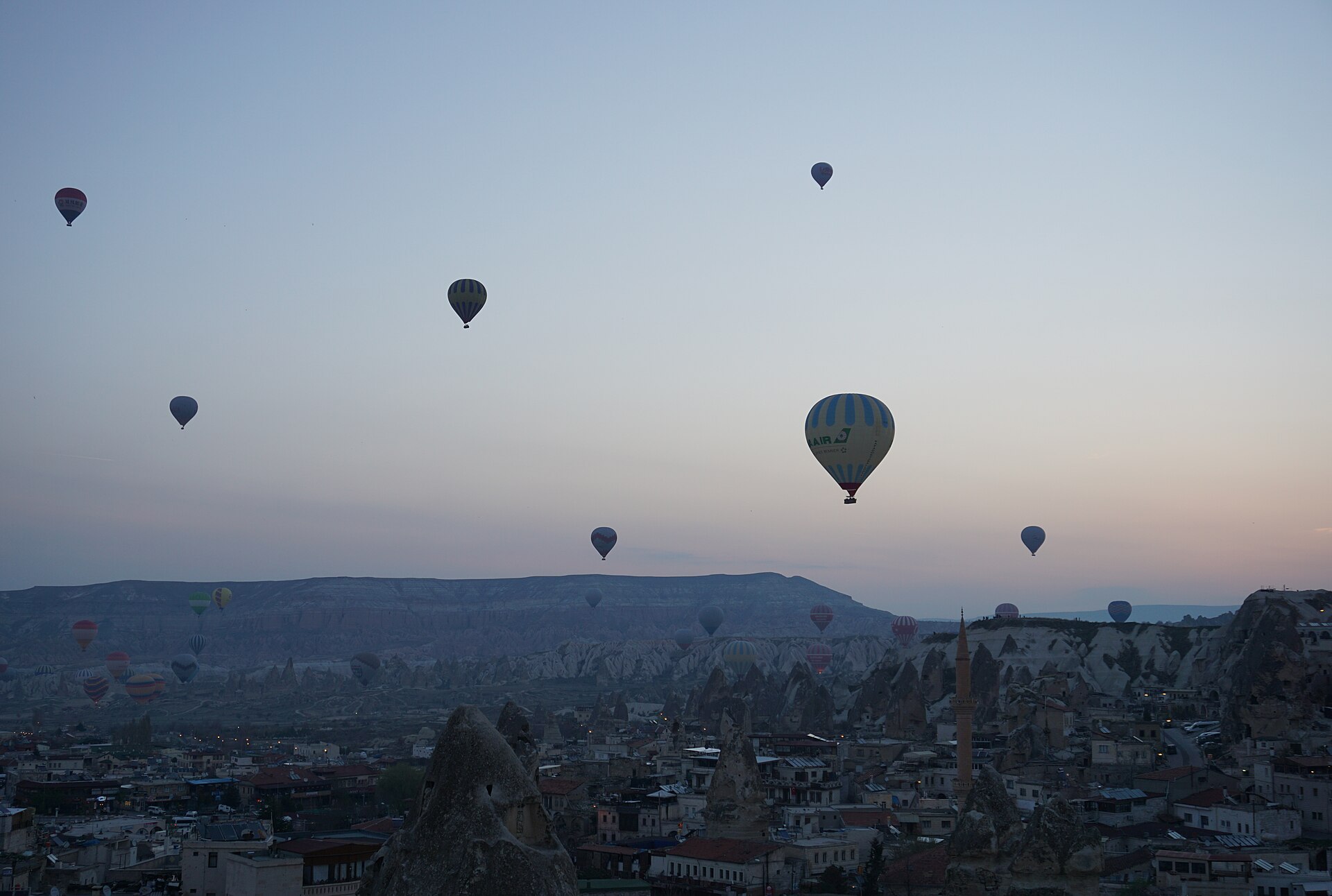
Photograph · Dogaaunlu · CC BY-SA 4.0
Photograph · Egemenakgul · CC BY-SA 4.0
Ranked by importance — sitelinks, pageviews and heritage status, not editor preference.
738 places match
Category
Typical visit duration
Cumhuriyet Müzesi
Republic Museum is housed in Ankara’s former 2nd Grand National Assembly building in Ulus, where parliament met from 1924 to 1960.
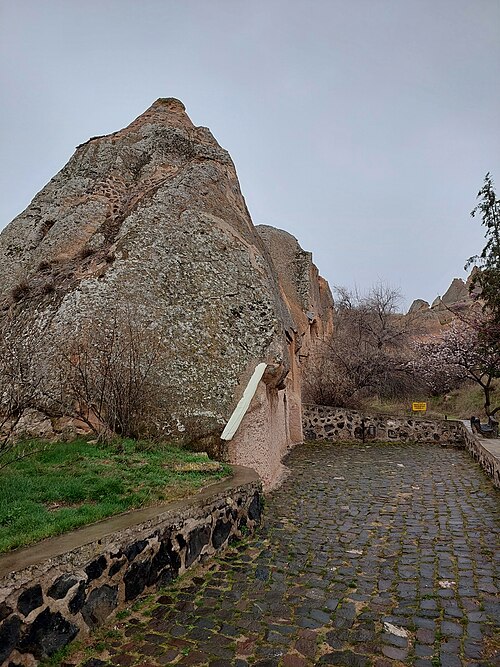
Karşı Kilise
St. John is a rock-cut church in Gülşehir, within Nevşehir Province, known locally as St. Jean Church and Karşı Kilise. Cut into a rock chimney, it forms a compact but layered historic site with two levels.
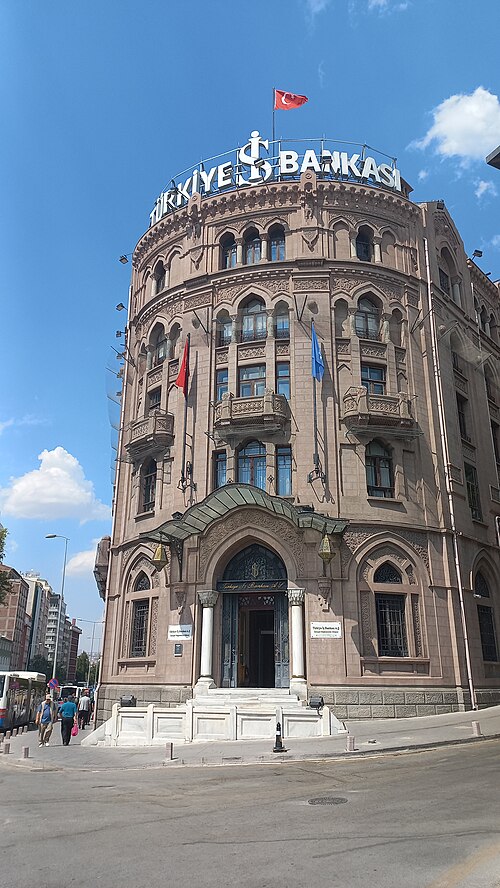
Türkiye İş Bankası İktisadi Bağımsızlık Müzesi
Türkiye İş Bankası Economic Independence Museum is a museum in Ankara’s Ulus district at Çam Sokak No: 3. It presents the history of Türkiye İş Bankası alongside Türkiye’s economic development and the broader story of economic independence.
Gagai
Gagae, known locally as Gagai, is an ancient archaeological site situated in the Antalya region of southern Turkey. This ruined settlement represents a former Lycian city that once held significance in the classical Mediterranean world.
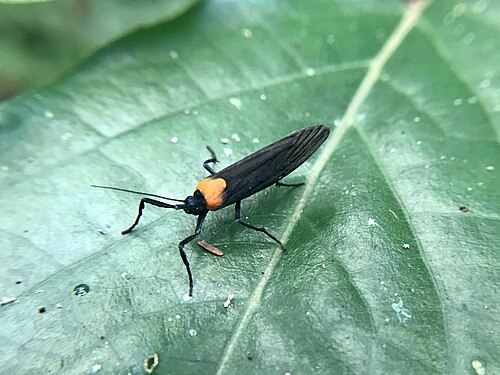
Balbura is identified in OpenStreetMap as a historical site in the Antalya region of southern Turkey. The record preserves a named, fixed mapped location, but does not establish a securely documented date, monument list, excavation history, or visitor interpretation.
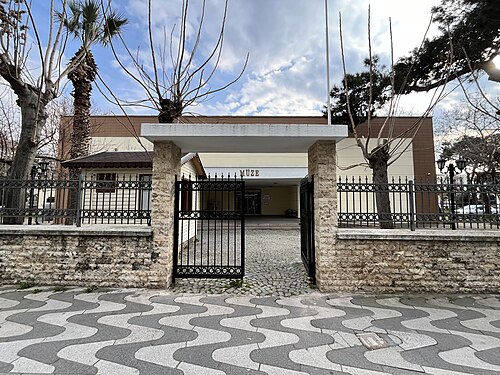
Akhisar Müzesi
Akhisar Museum, in the Paşa neighbourhood of Akhisar district, opened on 6 August 2012 in a building with a longer history than the museum itself: built in 1932 as the Ali Şefik Hospital, endowed by Ayşe Aloğlu, it later became…
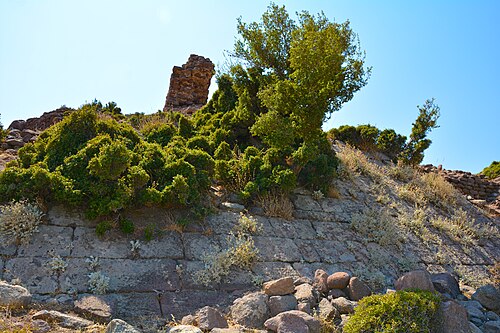
Neonteikhos
Neonteichos is an archaeological settlement in the mountainous landscape around Yanıkköy, within İzmir’s Menemen district.
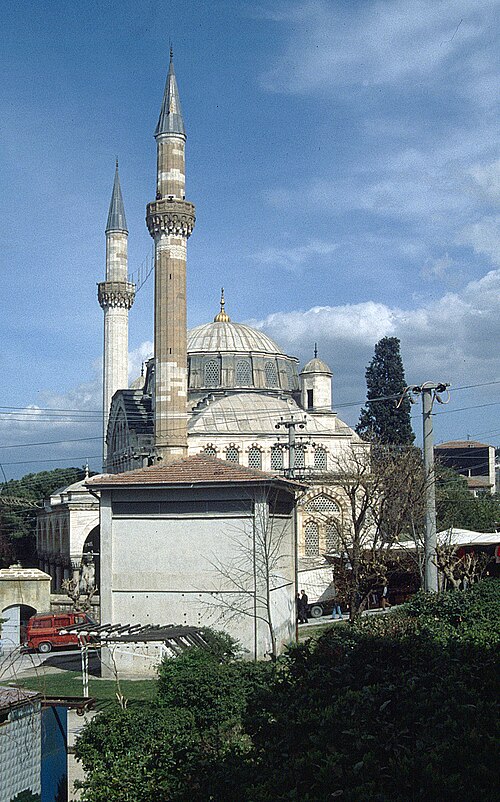
Muradiye Cami
The Muradiye is the mosque Mimar Sinan designed for Manisa, built between 1583 and 1586 for Sultan Murad III. It replaced a smaller mosque begun on the site in 1571 and is the finest Ottoman building in the city.
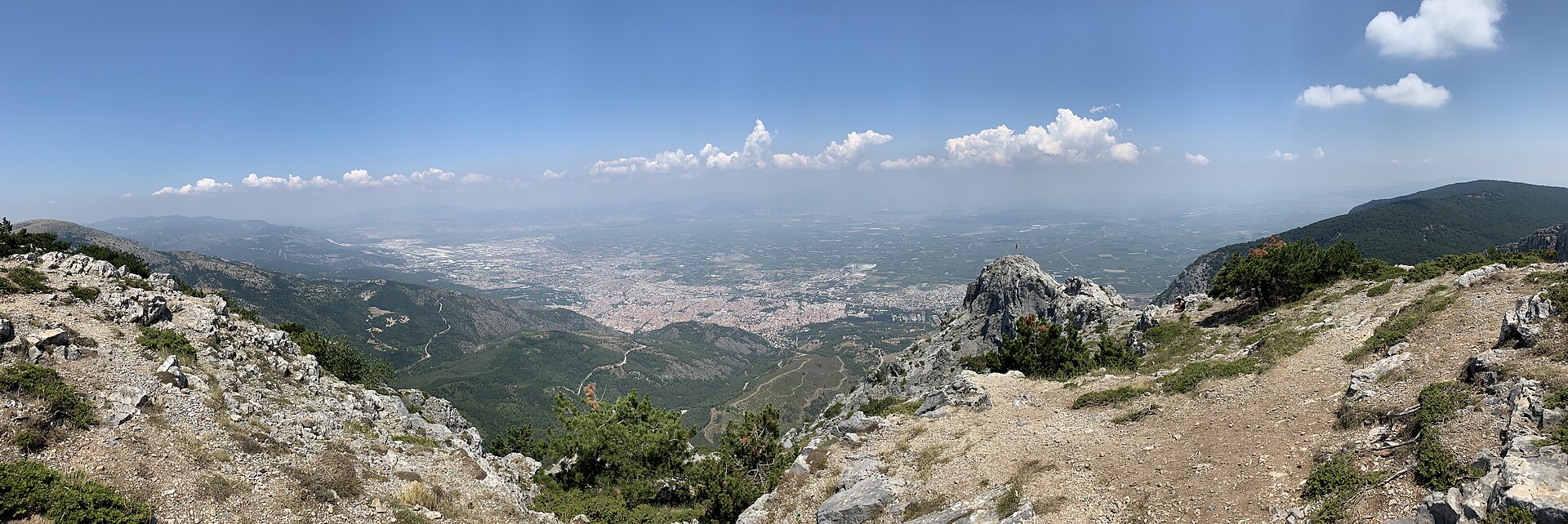
Hyllarima is an ancient settlement spread across the hills around Derebağ Mahallesi in Kavaklıdere district, Muğla. The remains are mainly associated with the Classical, Hellenistic and Roman periods.
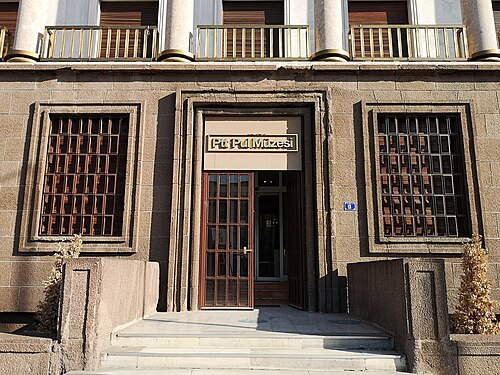
PTT Pul Müzesi
Stamp Museum is the PTT museum in Ankara’s historic Ulus district, housed in the restored Emlak ve Eytam Bank building.
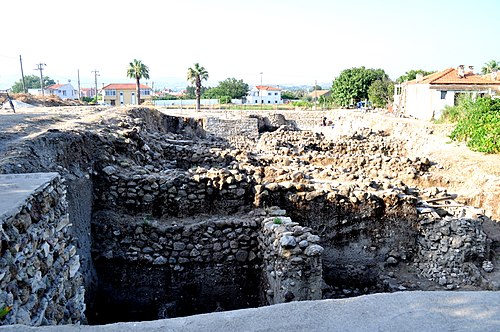
Limantepe is a coastal archaeological settlement in İskele Mahallesi, Urla, where research examines a long sequence of occupation rather than a single monument preserved for routine sightseeing.
Akalissos
Acalissus, known locally as Akalissos, is an ancient archaeological site situated in the Antalya region of southern Turkey. This historical settlement represents part of the rich classical heritage distributed across the Turkish Mediterranean coast.
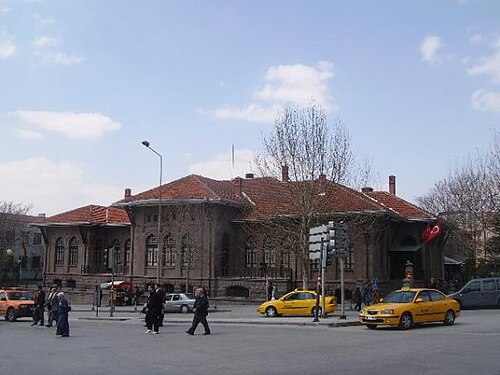
Kurtuluş Savaşı Müzesi
The War of Independence Museum occupies the building of the First Grand National Assembly of Turkey in Ankara’s Ulus Square. This is the historic building where the Türkiye Büyük Millet Meclisi first met during the War of Independence.
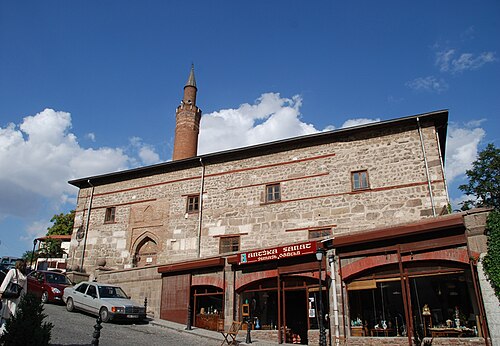
Ali Şerafettin Cami
Aslanhane Mosque, also called Ahi Şerafettin Mosque, is an active historic mosque at the southern end of Ankara Castle. It stands in Kale Mahallesi on Kale Sokak, in Altındağ’s Samanpazarı area, beside the Ulus Historical City Centre.
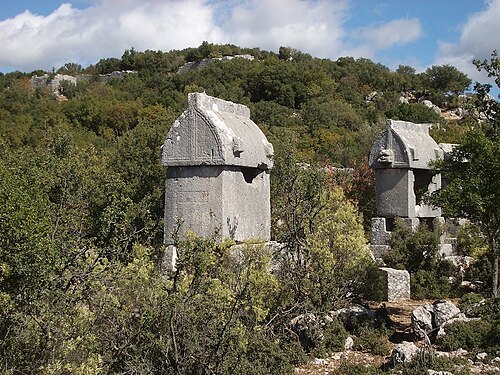
Kyaneai
Cyaneae, known locally as Kyaneai, is an ancient archaeological site situated in the Antalya region of southwestern Turkey. The settlement occupies a hilltop position in the mountainous terrain north of the modern coastline.
Pedasa Antique City
Pedasa is an open-air archaeological settlement in the Gökçeler area of Konacık, in the hills north of Bodrum.
Hacımusalar Höyüğü
Choma, also known as Hacımusalar Höyüğü, is an archaeological mound in the Antalya region. The raised landscape reflects the long sequence of human occupation associated with höyük settlements in southwestern Anatolia.
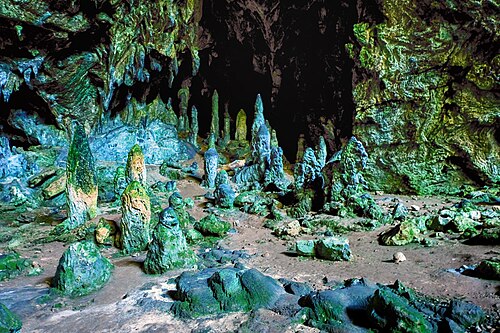
Nimara Magarasi
Nimara Cave is an open-air archaeological attraction on the north-western slope of Cennet Island, also called Nimara Peninsula, in Marmaris, Muğla.
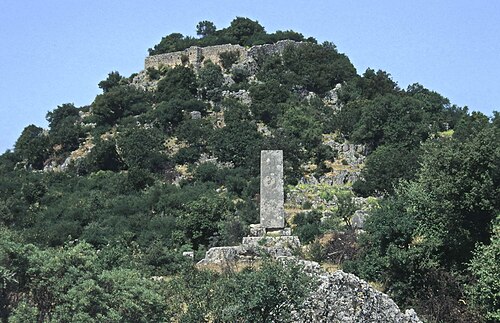
Apollonia is an ancient archaeological site located in the Antalya region of Turkey. The settlement was established as a Greek colony and later developed under Roman influence, reflecting the layered history of the Mediterranean coast.
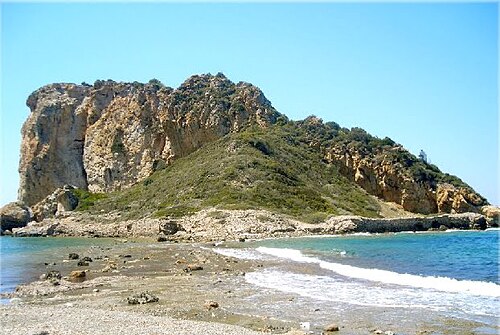
Myonnesos
Myonnesus is a small rocky archaeological island off the Doğanbey coast in Seferihisar, İzmir. It is also called Çıfıt Adası, Çiftekale Adası and Çıfıtkalesi. This is a low offshore rock rather than a conventional museum or enclosed attraction.
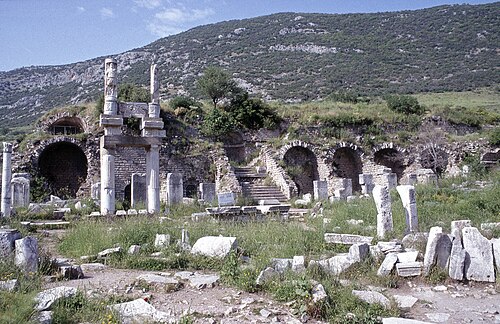
Domitian Tapınağı
The Temple of the Emperors is an imperial-cult monument within ancient Ephesus, standing on the west side of the State Agora. Its large terrace and altar identify a ceremonial complex set directly into the city’s civic landscape.
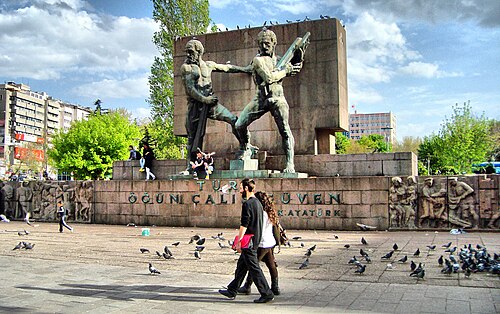
Güvenpark is the green civic space at the heart of Kızılay, in Ankara’s Çankaya district, beside Kızılay Square and Atatürk Boulevard.
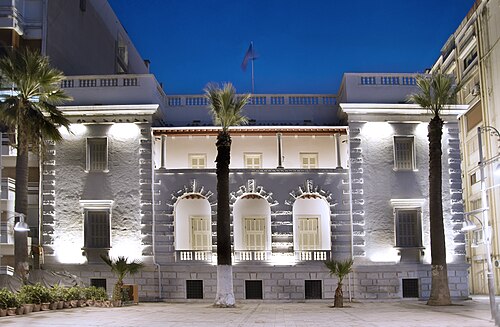
Arkas Art Center is a temporary-exhibition venue in İzmir’s Alsancak district, housed in a restored historic building whose rooms shape the visit.
Hydisos
Hydissus is an ancient settlement in Caria, the region of southwestern Anatolia that gives this place its historical setting.
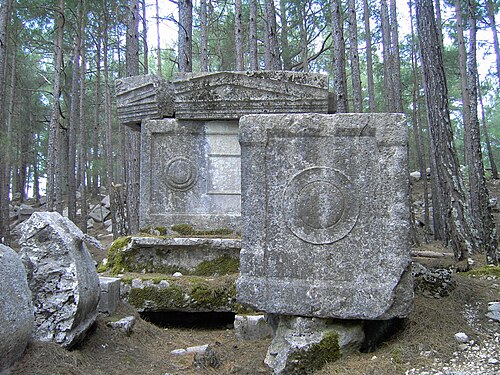
Idebessos is an ancient settlement in Antalya Province, within the wider Lycian landscape of southwestern Türkiye. Its identity is defined by surviving physical traces of an older settlement and by the relationship between those remains and the surrounding mountainous terrain.
Ten to fourteen days allows about four days in İstanbul and at least three around Antalya when coastal archaeology is included. Cappadocia needs its own regional stay, and a one-way coastal route is more workable than returning to the same city each night.
Türkiye's visa position varies by passport and purpose. Verify the rule through the Ministry of Foreign Affairs and, when eligible, use only the official e-Visa service rather than an intermediary.
İstanbul's two airports and Antalya are the principal gateways for this itinerary. Domestic flights cover long cross-country legs, coaches serve many city pairs, and high-speed rail is most useful on the İstanbul-Ankara axis rather than as a universal substitute.
April to May and September to October are broad choices for combining İstanbul with the Mediterranean coast. Cappadocia nights, inland heat, and Antalya's coastal conditions differ, so confirm weather for each overnight base.
Türkiye uses the Turkish lira (TRY). Keep lira available for smaller transport and market transactions even when cards are accepted, and review the displayed amount in TRY before agreeing to any card conversion.
Dial 112 for emergencies in Türkiye. Electricity is 230 V through Type C and F sockets; tap-water safety is not recorded here, so obtain current local advice at each stop.