
32
45 min
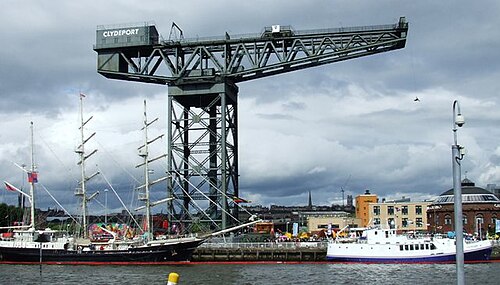
Finnieston Crane
The Finnieston Crane is a disused giant cantilever crane standing on the north bank of the River Clyde in Glasgow, Scotland.
- Must see
- Historic monument
City guide · United Kingdom
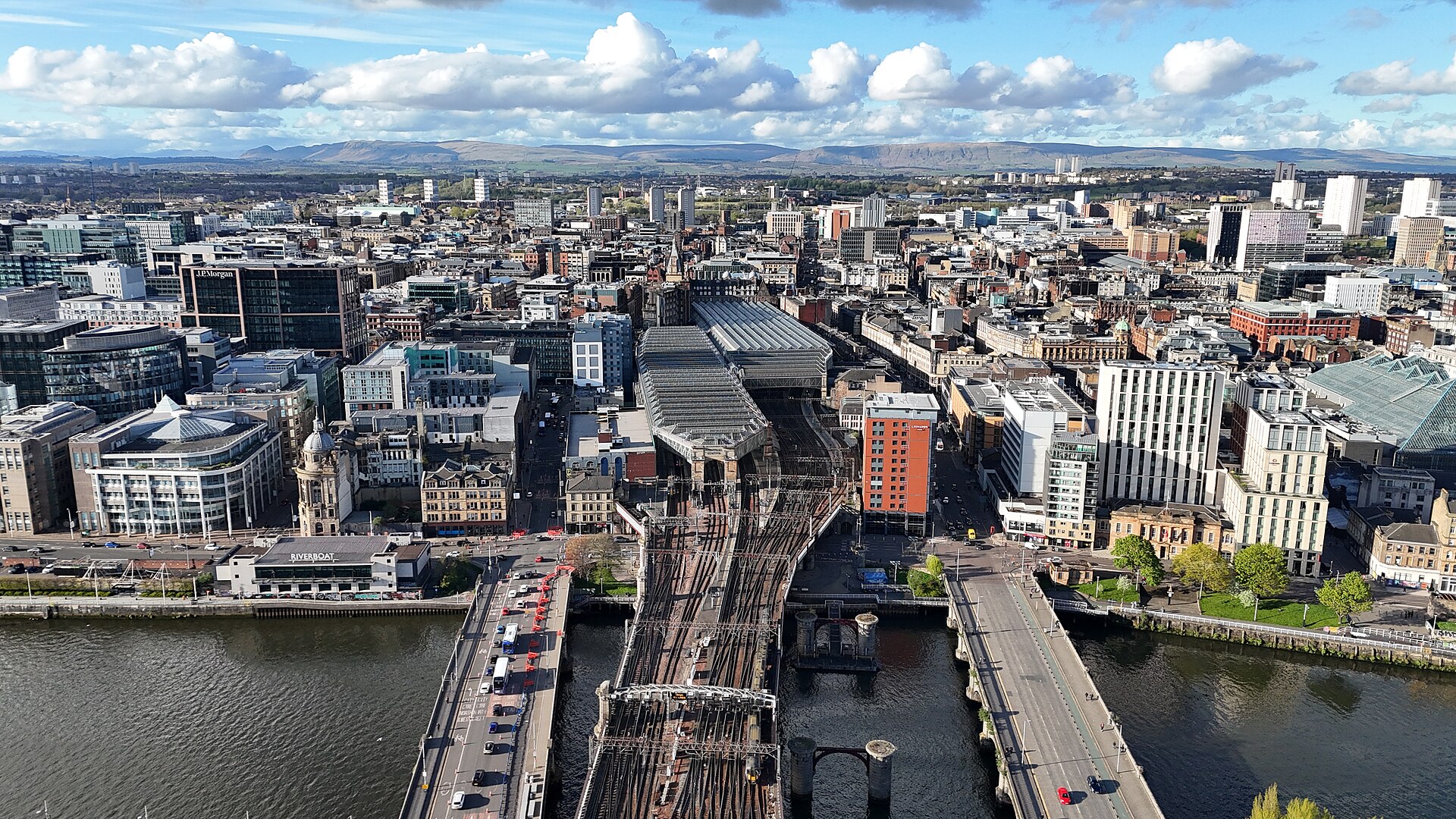
Glasgow is a compact central city with major visitor districts stretching west along the River Clyde and university corridor. The city centre and Merchant City...
Photograph · 瑞丽江的河水 · CC BY-SA 4.0
Set your days, your pace and the hours you actually want to be out. The planner works around closing days and travel time, and leaves room to eat.
Reviewed by Elena Voss · Roavina Travel Editor
Glasgow is a compact central city with major visitor districts stretching west along the River Clyde and university corridor. The city centre and Merchant City are walkable, while the West End, Riverside Museum and Southside are better reached by subway, train or bus. Two main railway stations serve different directions. Plan the central core and West End as separate blocks rather than walking every transfer.
Checked 2026-08-26
September · September's 112.7 mm of normal rain across 13.8 rain days is the main planning trade-off in Glasgow, with temperatures from 8.8°C to 15.8°C.
Ranked by importance — sitelinks, pageviews and heritage status, not editor preference.
102 places match
Category
Typical visit duration
Interests
The Finnieston Crane is a disused giant cantilever crane standing on the north bank of the River Clyde in Glasgow, Scotland.
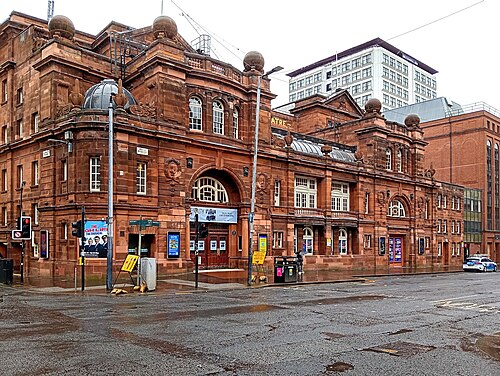
The King's Theatre
King's Theatre is a historic performing arts venue in Glasgow, Scotland, known for live theatre, musicals and pantomime.
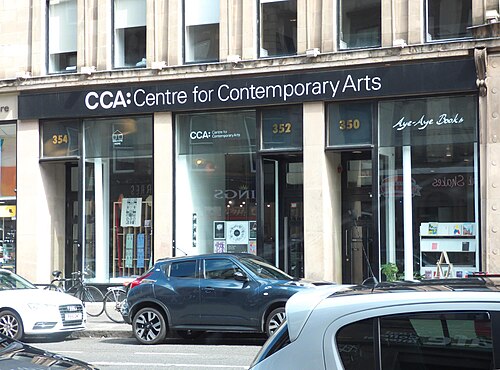
The Centre for Contemporary Arts is a Glasgow cultural venue dedicated to contemporary art, film, and music. It operates as a hub for creative production and public engagement with experimental and interdisciplinary work.
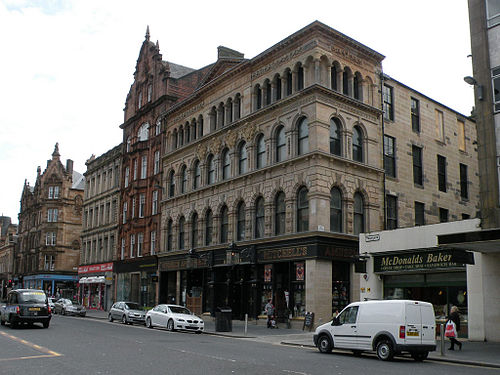
Britannia Panopticon
Britannia Music Hall, locally known as Britannia Panopticon, stands as a historic entertainment venue in Glasgow. Dating to the 1850s, it claims distinction as one of Britain's oldest surviving music halls.
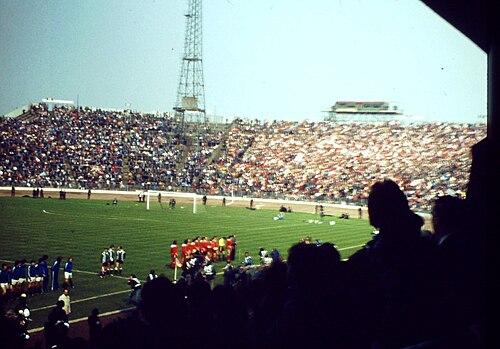
Scottish Football Museum is housed at Hampden Park, Scotland's national stadium, and explores the history and heritage of football in Scotland.
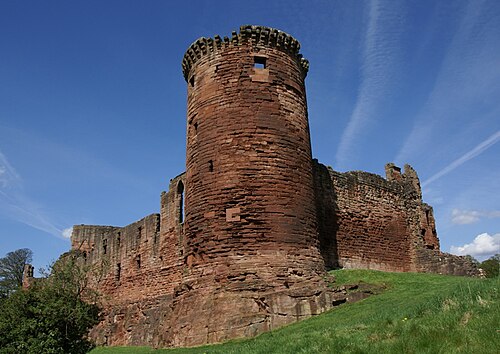
Bothwell Castle stands as a substantial medieval ruin on the banks of the River Clyde.
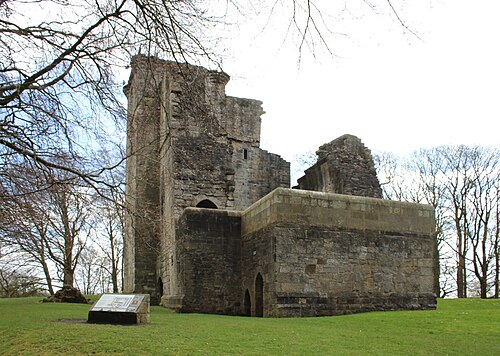
Crookston Castle is a medieval stone ruin in south-west Glasgow, set on elevated ground above the surrounding landscape.
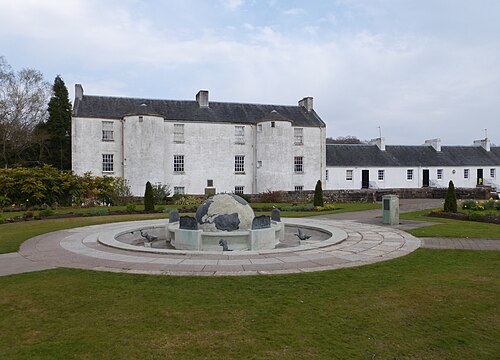
David Livingstone Museum
The David Livingstone Centre, also known as the David Livingstone Museum, is a heritage attraction in Blantyre, about eleven kilometres south-east of Glasgow city centre.
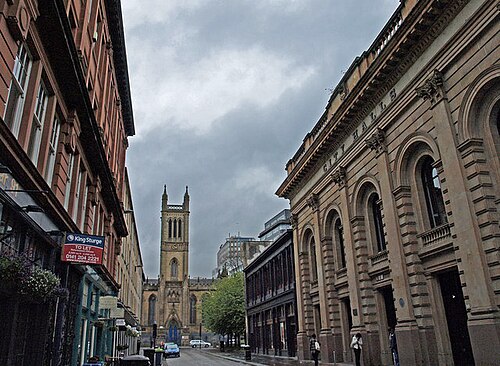
City Halls & Old Fruitmarket
Glasgow City Halls is a historic concert venue in the Merchant City, centred on Candleriggs and connected with the Old Fruitmarket. The complex combines a principal concert hall with a former market space used for performances.
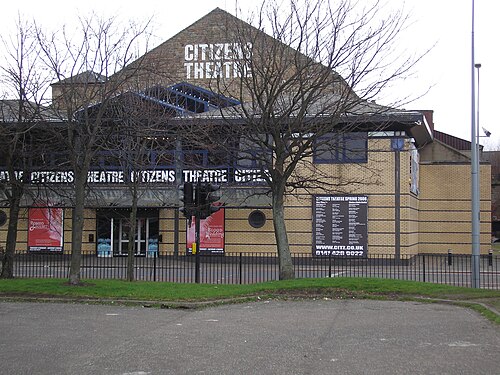
Citizens' Theatre
The Citizens' Theatre is a historic producing theatre located in Glasgow's Gorbals area. Established in 1943, it has built a reputation for distinctive programming and community engagement.
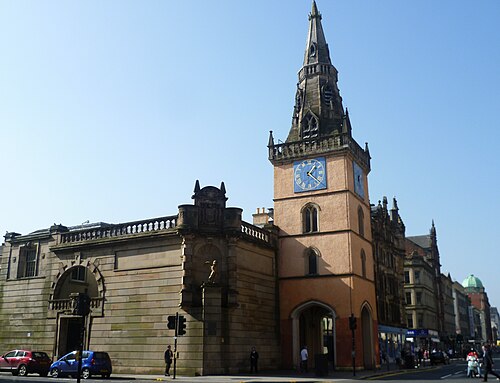
The Tron Theatre is a performing arts venue located in Glasgow's Merchant City area. It occupies a distinctive building with a notable architectural presence in the city centre.
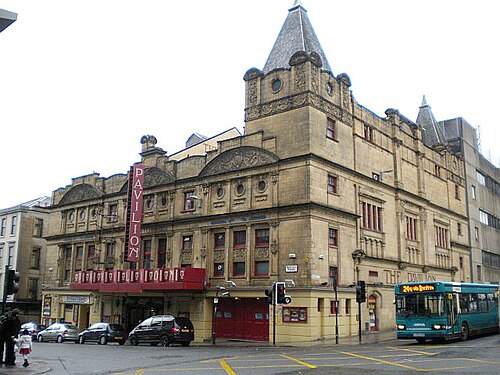
The Pavilion Theatre is a historic entertainment venue in Glasgow, Scotland. Established in 1904, it stands as one of the city's oldest surviving theatres and continues to operate as a live performance space.

St Andrew’s Cathedral is a Roman Catholic cathedral in central Glasgow and the seat of the Archbishop of Glasgow.
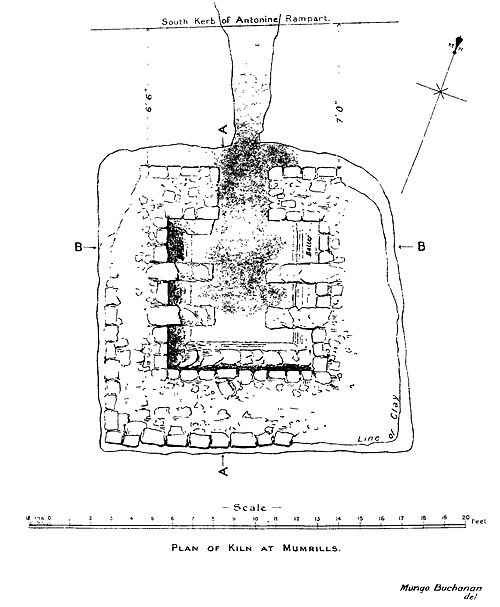
The Antonine Wall is a Roman frontier monument crossing Scotland’s Central Belt between the Firth of Forth and the Firth of Clyde. Built during the reign of Emperor Antoninus Pius around AD 142, it marked the empire’s northern frontier.
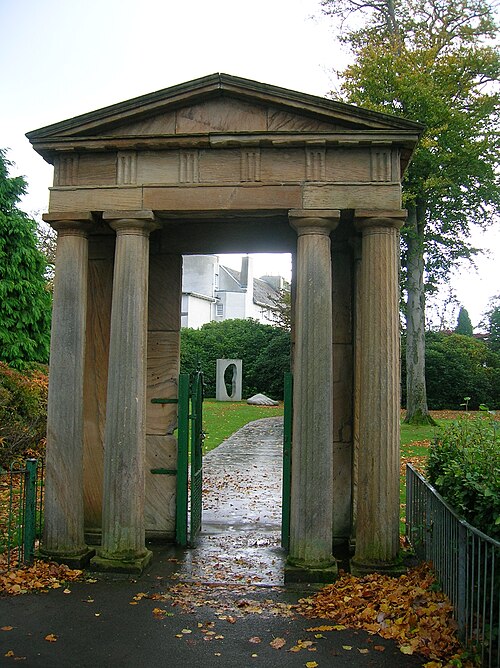
Bellahouston Park is a large green space southwest of Glasgow city centre, combining open recreational ground, formal gardens, woodland and cultural landmarks.
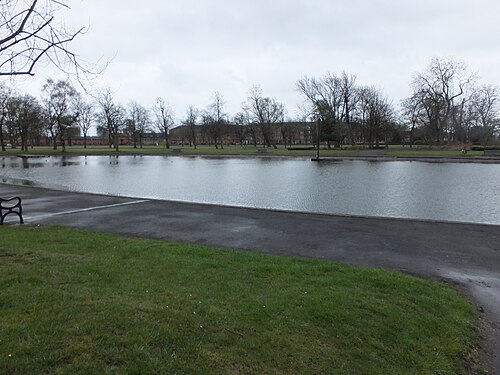
Elder Park is a public park in Glasgow, Scotland. It was established in the nineteenth century through a bequest from the Elder family, prominent local shipbuilders.
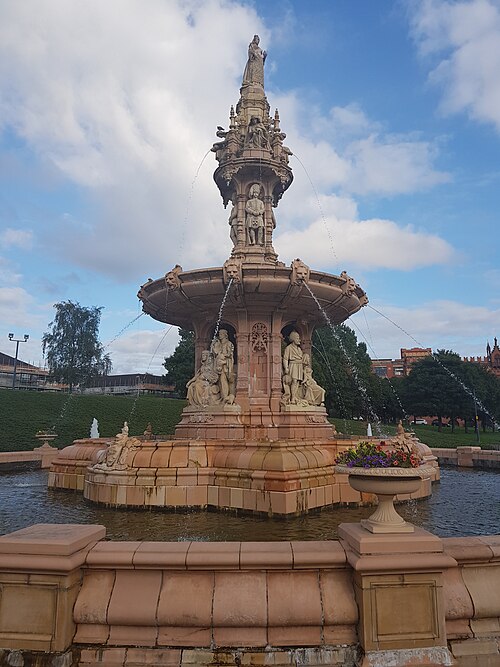
The Doulton Fountain
The Doulton Fountain is a monumental Victorian terracotta fountain in Glasgow Green, Scotland’s oldest public park. Sir Henry Doulton presented it to Glasgow in 1888 to mark Queen Victoria’s Golden Jubilee.
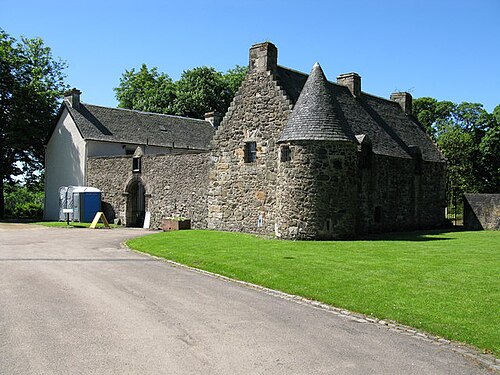
Provan Hall is a historic building situated in Glasgow, Scotland. It represents an important part of the city's architectural heritage and stands as a notable landmark within the urban landscape.
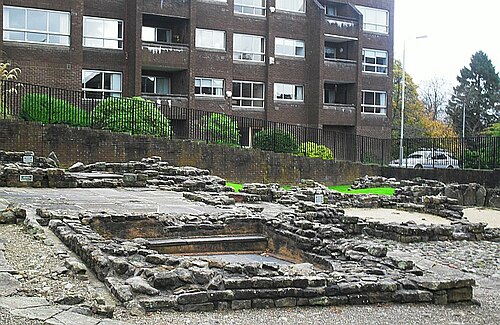
Roman Bath House
The Bearsden Roman Bath House is an archaeological site in Glasgow, Scotland, preserving remains of a Roman bathing complex associated with the Antonine Wall frontier system.
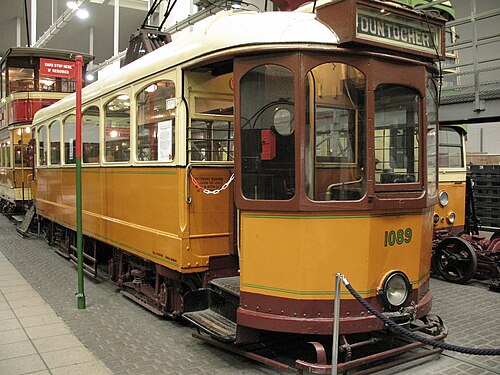
The Hunterian at Kelvin Hall is a University of Glasgow museum and collections facility in the city’s West End.
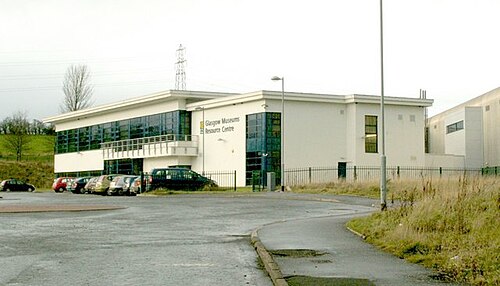
Glasgow Museums Resource Centre is the working collection store and care facility supporting Glasgow’s civic museums. It differs from a conventional gallery: many objects are kept in storage, examined by specialists, or prepared for display elsewhere.

Glasgow Police Museum tells the story of the City of Glasgow Police, founded in 1800 and recognised as Britain’s first modern municipal police force. The museum uses policing history to explore Glasgow’s changing society, institutions, technology, and public life.

Royal Highland Fusiliers
The Royal Highland Fusiliers Museum commemorates the history of the Royal Highland Fusiliers, a Scottish infantry regiment formed in 1959 from the amalgamation of the Royal Scots Fusiliers and the Highland Light Infantry.
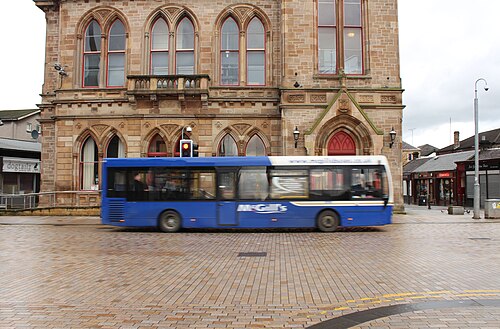
Renfrew Museum presents the local history of Renfrew and the surrounding district west of Glasgow. The museum focuses on the people, industries and everyday life of this former burgh, giving visitors a concentrated introduction to the area's community heritage.
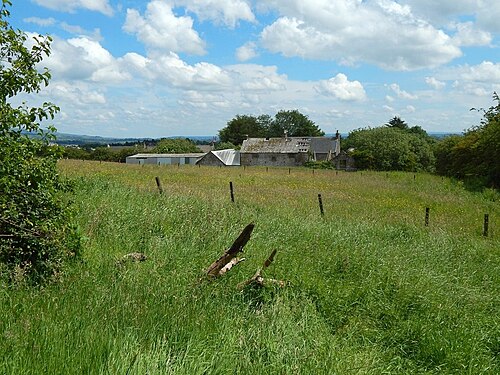
Castlehill Fort
Castlehill Roman fort, also known locally as Castlehill Fort, is an archaeological site in Glasgow connected with Roman military activity in Scotland. It forms part of the wider network of Roman installations created during campaigns in northern Britain.
The city centre is a regular street grid between Glasgow Central and Queen Street stations, with Merchant City immediately east. The River Clyde forms the southern edge of the core and leads west toward the SEC and Riverside Museum. The West End clusters around the University of Glasgow, Kelvingrove and Byres Road. South of the river, Pollok Country Park and the Burrell Collection form another distinct outing. The compact Subway loop links the centre, West End and parts of the Southside.
Checked 2026-08-26
Walk through the city centre and Merchant City, then use the Subway, suburban trains or buses for the West End and Southside. Visit Glasgow identifies the Subway as a simple link among the centre, West End and south of the river, while rail reaches a much wider Greater Glasgow area. Central and Queen Street stations are separate but close enough to connect on foot. Check the operator journey planner before combining rail and Subway legs.
Checked 2026-08-26
Two to three days cover the principal districts. Use one day for the city centre and Merchant City, another for the West End, and add a third for the Southside or Clyde waterfront.
May through September provides longer daylight for architecture, parks and river routes. Rain is possible in every season, so museums work well as flexible anchors rather than fixed weather bets.
The city centre and Merchant City are easy to walk. The West End, Southside and farther Clyde attractions are better linked by Subway, train or bus.
The circular Subway links the city centre with the West End and parts of the Southside. It is useful for district-to-district travel but does not replace suburban rail or buses for every attraction.
Glasgow Central mainly serves routes south and west, while Queen Street mainly serves routes north and east. They are separate stations, so confirm the departure point before planning a connection.