
01
1 hr 30 min
Art Institute of Chicago
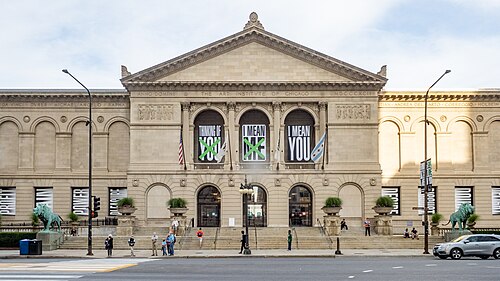
The Art Institute of Chicago
Art Institute of Chicago is an encyclopedic art museum beside Grant Park, with historic galleries and the Modern Wing.
- Must see
- Museum
City guide · United States
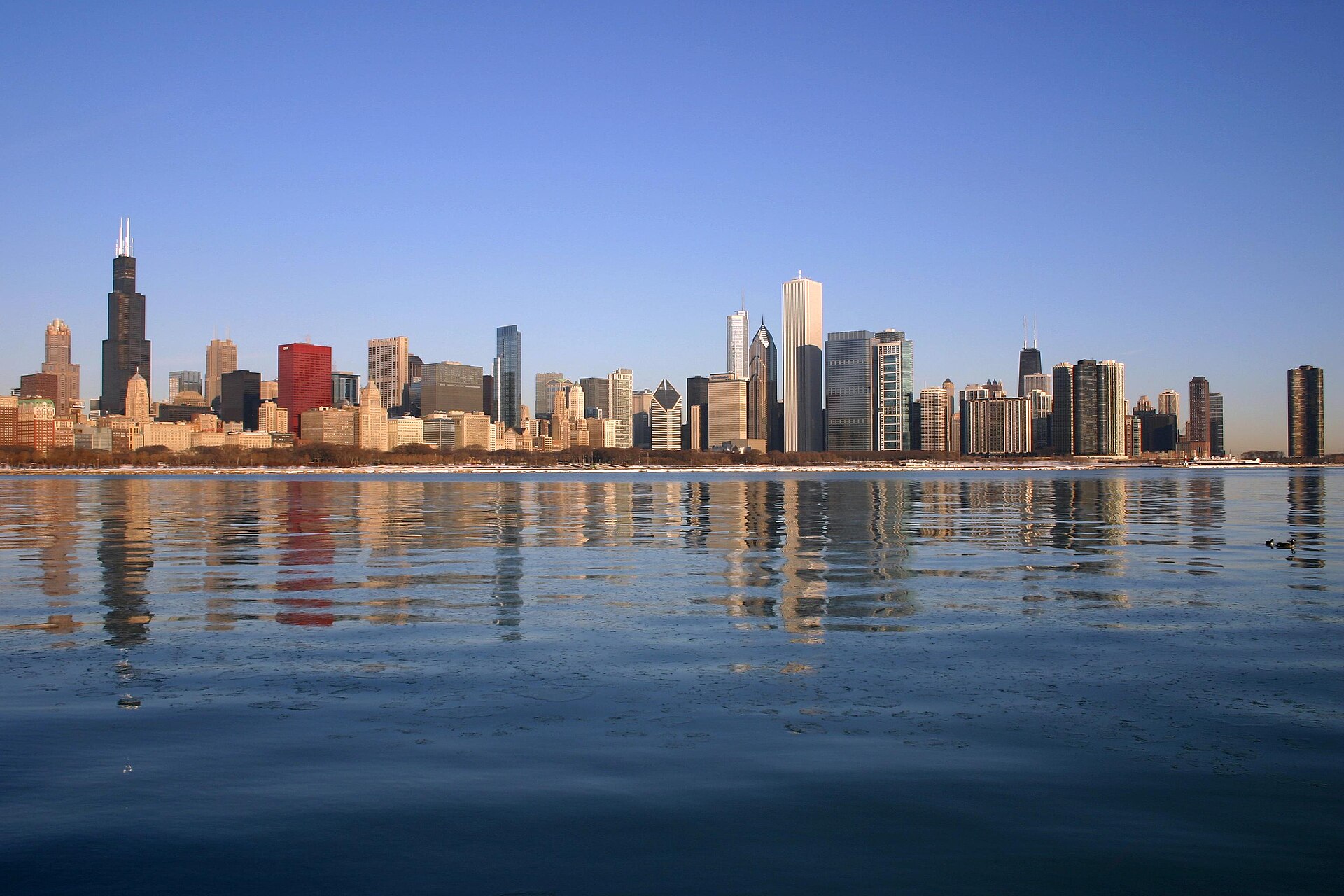
Chicago is organised around Lake Michigan, the Chicago River and a regular street grid. The Loop contains the central business district, major architecture and...
Photograph · J. Crocker · Attribution
Set your days, your pace and the hours you actually want to be out. The planner works around closing days and travel time, and leaves room to eat.
Reviewed by Elena Voss · Roavina Travel Editor
Chicago is organised around Lake Michigan, the Chicago River and a regular street grid. The Loop contains the central business district, major architecture and Millennium Park; museum campuses and lakefront parks extend south, while River North, Lincoln Park and neighbourhood centres continue north and west. A first visit works best when downtown sights are grouped together and separate time is reserved for one or two neighbourhoods beyond the Loop.
Checked 2026-08-26
September · September cools Chicago to a 75.5°F mean high while normal precipitation drops to 3.19 inches.
Ranked by importance — sitelinks, pageviews and heritage status, not editor preference.
98 places match
Category
Typical visit duration
Interests
The Art Institute of Chicago
Art Institute of Chicago is an encyclopedic art museum beside Grant Park, with historic galleries and the Modern Wing.
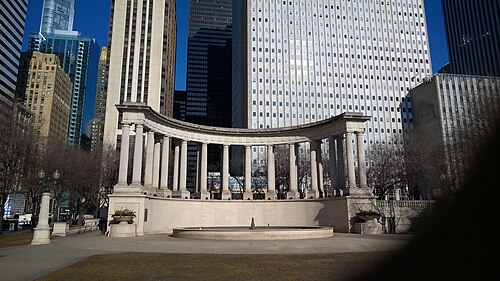
Millennium Park is a civic park built over rail infrastructure at the northwest corner of Grant Park. Its visitor experience is defined by Cloud Gate, Crown Fountain, Lurie Garden, Jay Pritzker Pavilion, Great Lawn, and BP Bridge.
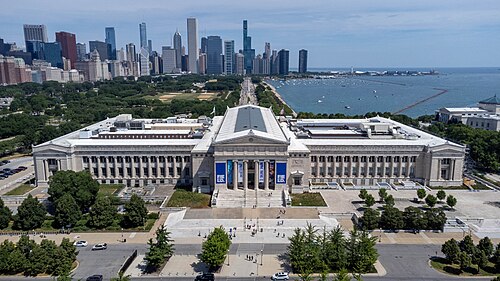
Field Museum
Field Museum is Chicago's major natural-history museum, developed from World's Columbian Exposition collections. Its visitor experience is defined by Stanley Field Hall, Máximo, SUE, dinosaurs, evolving life, ancient Americas, Egypt, gems, and cultural collections.
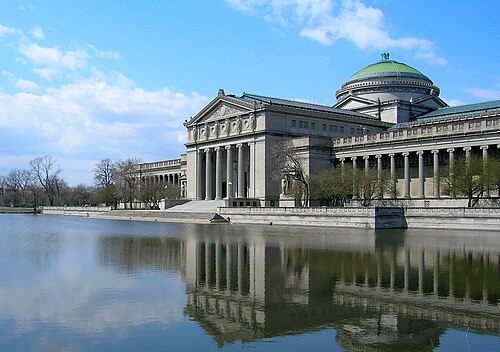
Griffin Museum of Science and Industry
Griffin Museum of Science and Industry is a hands-on science museum in Hyde Park's former Palace of Fine Arts. Its visitor experience is defined by U-505, the coal mine, Science Storms, transport halls, genetics, farming, and the model railway.
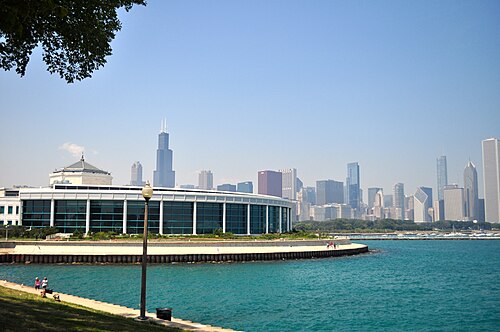
Shedd Aquarium is a public aquarium on Museum Campus joining freshwater and marine conservation. Its visitor experience is defined by Caribbean Reef, Wild Reef, Polar Play Zone, Abbott Oceanarium, sharks, rays, otters, penguins, and Great Lakes ecology.
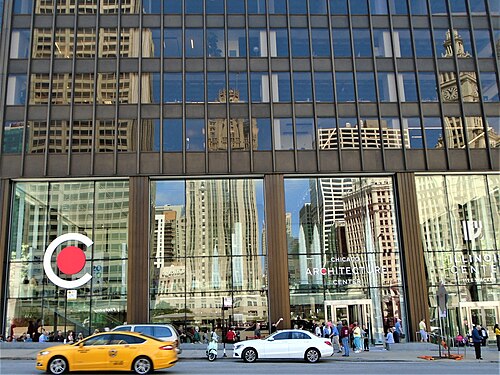
Chicago Architecture Center is an interpretation center devoted to Chicago's buildings, engineering, planning, and design. Its visitor experience is defined by the Chicago City Model Experience, skyscraper galleries, neighborhood design, exhibitions, and guided tours.
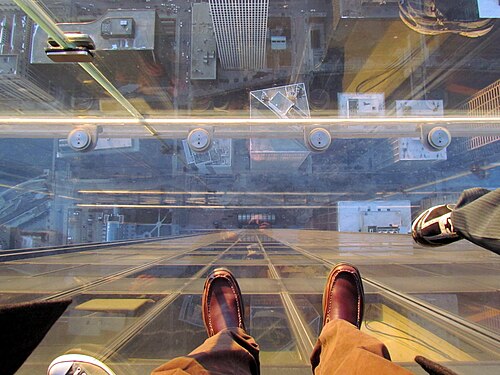
SkyDeck Chicago Willis Tower
Skydeck Chicago is the public observation experience high in Willis Tower, completed as Sears Tower in 1973. Its visitor experience is defined by Chicago interpretation, high-level views in four directions, elevators, and The Ledge glass boxes.
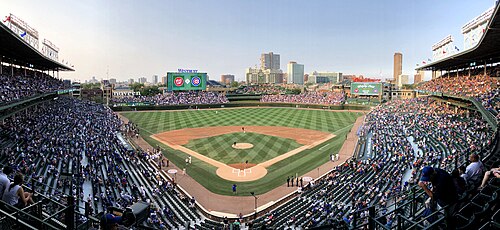
Wrigley Field is a Major League Baseball stadium on Chicago's North Side, serving as home to the Chicago Cubs since 1914. It holds designation as a National Historic Landmark, recognizing its century-long role in American sports architecture.
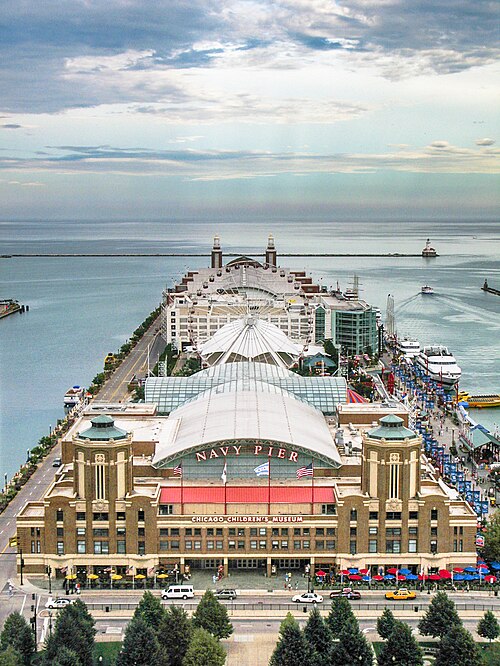
Navy Pier is a 1916 public pier extending from Streeterville into Lake Michigan. Its visitor experience is defined by promenades, Centennial Wheel, Chicago Children's Museum, theatre, gardens, cruises, restaurants, and seasonal events.
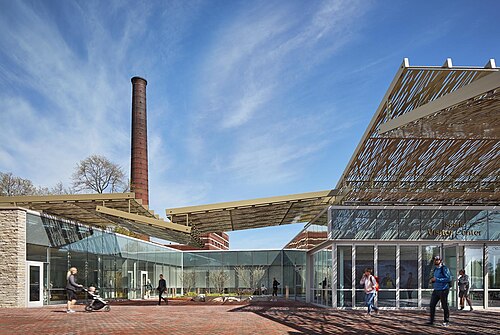
Lincoln Park Zoo is a free public zoo founded in 1868 within landscaped Lincoln Park. Its visitor experience is defined by large mammals, primates, African habitats, farm animals, birds, indoor houses, gardens, and Nature Boardwalk.
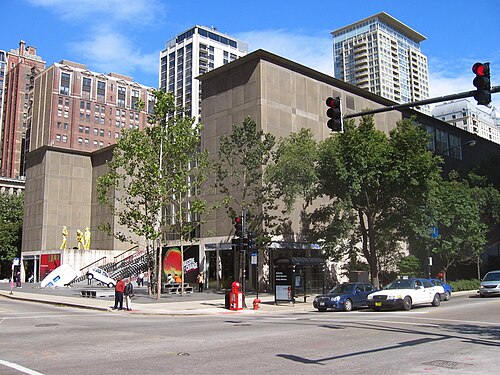
Museum of Contemporary Art
Museum of Contemporary Art Chicago is a contemporary-art museum founded in 1967 near Water Tower Place. Its visitor experience is defined by changing exhibitions, installations, painting, sculpture, media art, performances, commissions, talks, and public spaces.
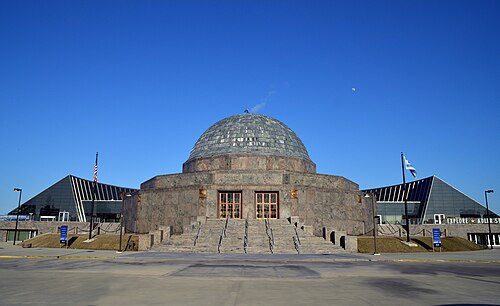
The Adler Planetarium is a public museum dedicated to astronomy and astrophysics.
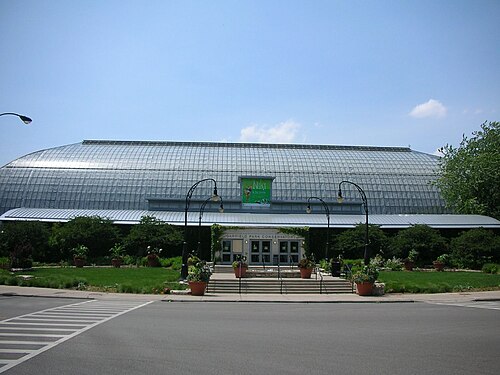
Garfield Park Conservatory is a large historic glasshouse complex on Chicago's West Side. Established in the early twentieth century, it ranks among the largest conservatories in the United States.
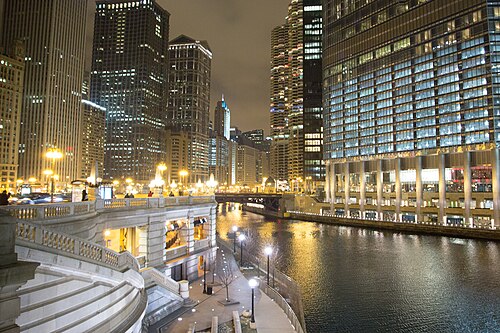
The Chicago Riverwalk is a central riverfront promenade in downtown Chicago. It extends along the south bank of the main stem of the Chicago River, connecting the Lake Michigan shoreline with the confluence of the river's branches.
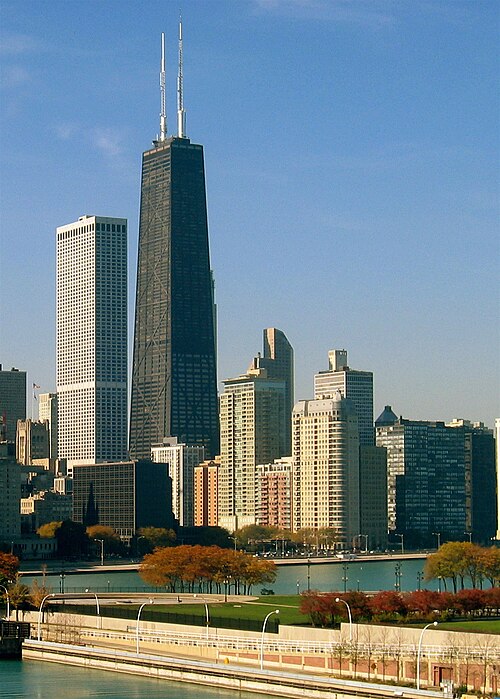
360 Chicago
360 CHICAGO is an observation deck located in the former John Hancock Center, a prominent skyscraper in Chicago, Illinois. The deck occupies a high floor of this distinctive building, offering visitors elevated views across the city and Lake Michigan.
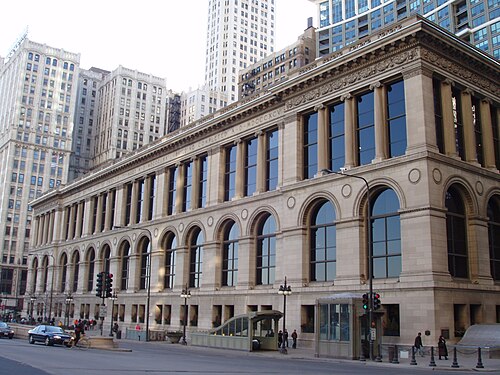
The Chicago Cultural Center is a landmark municipal building in downtown Chicago, Illinois. Opened in 1897 as the city's first central public library, it was converted to an arts and culture venue in 1977.
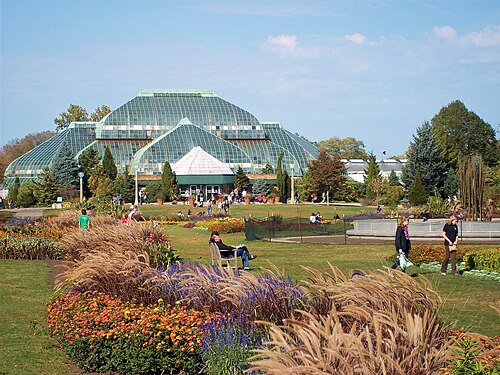
The Lincoln Park Conservatory is a historic glasshouse greenhouse located within Lincoln Park on the North Side of Chicago, Illinois.
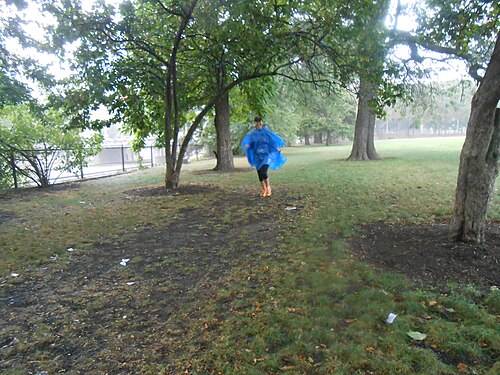
Grant Park is a large urban park located in the central lakefront area of Chicago, Illinois. It serves as a major public green space connecting several significant cultural and recreational destinations along the shoreline of Lake Michigan.

Soldier Field is a historic stadium located on Chicago's lakefront. The venue opened in 1924 and serves as a memorial to American soldiers who have died in wars.
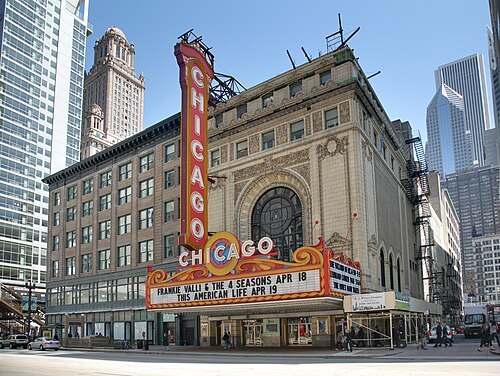
The Chicago Theatre is an iconic movie palace and live-performance landmark in Chicago's Loop district. Opened in 1921, it was originally a flagship venue for the Balaban and Katz theatre chain.
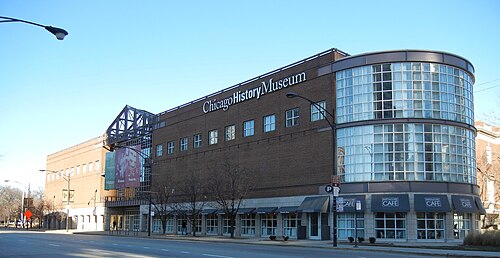
The Chicago History Museum is the principal museum dedicated to the social and civic history of Chicago. Located in the Lincoln Park neighborhood, it serves as the city's primary institution for preserving and interpreting its past.
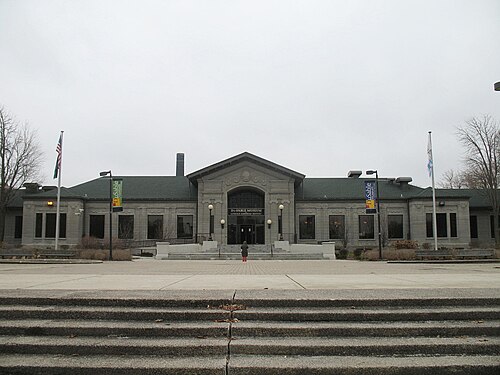
DuSable Black History Museum and Education Center
The DuSable Black History Museum and Education Center is a museum in Chicago dedicated to the history, art, and culture of African Americans. Founded in 1961, it is the oldest independent institution of its kind in the United States.

The National Museum of Mexican Art is a nationally important cultural institution located in Chicago's Pilsen neighborhood.
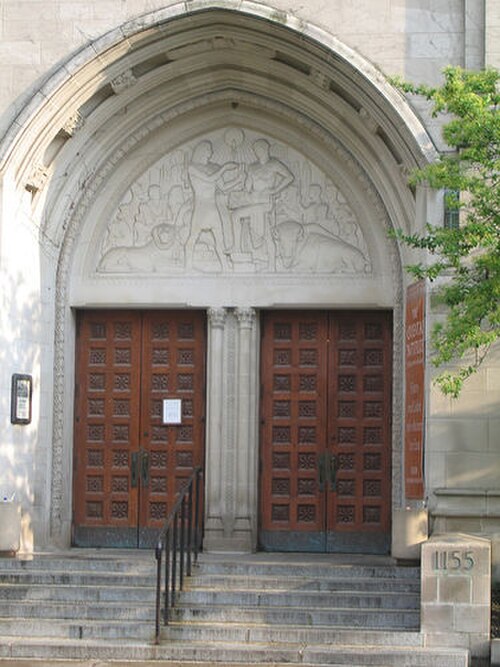
Institute for the Study of Ancient Cultures Museum
The Institute for the Study of Ancient Cultures is a museum operated by the University of Chicago. It houses major archaeological collections from West Asia and North Africa.
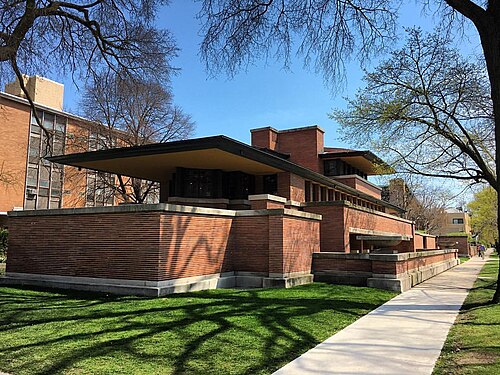
Frederick C. Robie House
Robie House is a residential building designed by architect Frank Lloyd Wright in Chicago's Hyde Park neighborhood.
State Street and Madison Street form the reference point for Chicago's address grid. The Loop sits beside the river and lake, with the Magnificent Mile and River North immediately north. Museum Campus, Hyde Park and Bronzeville lie south; West Loop, Pilsen and Wicker Park extend west and northwest. The lakefront is a continuous orientation line, but neighbourhood distances are substantial, so a map that appears compact can still represent several miles of travel.
Checked 2026-08-26
Walk within the Loop and along the central riverfront, then use CTA trains and buses for neighbourhoods and the airports. The colour-coded rail network connects downtown with the North, West and South Sides; the Blue Line serves O'Hare and the Orange Line serves Midway. Metra is useful for farther suburban trips rather than most central sightseeing. Check the official service map and alerts before travel because planned work can alter routes.
Checked 2026-08-26
A fixed stay length is not recorded. Plan one block for the Loop and river, one for the lakefront museums, and additional time for the neighbourhoods that match your interests.
The Loop is the practical centre, bounded by elevated rail tracks and set beside the river and Lake Michigan. River North and the Magnificent Mile begin immediately north.
Yes. Walk downtown and use CTA trains and buses for the lakefront, neighbourhoods and airports. Metra is mainly useful for destinations farther beyond the central city.
The CTA Blue Line connects O'Hare International Airport with downtown. Consult CTA service alerts before departure because construction or maintenance can affect the normal route.
Not always. The grid makes orientation simple, but the city extends a long way along the lake. Group nearby districts and use transit between the North, West and South Sides.