National Air and Space Museum
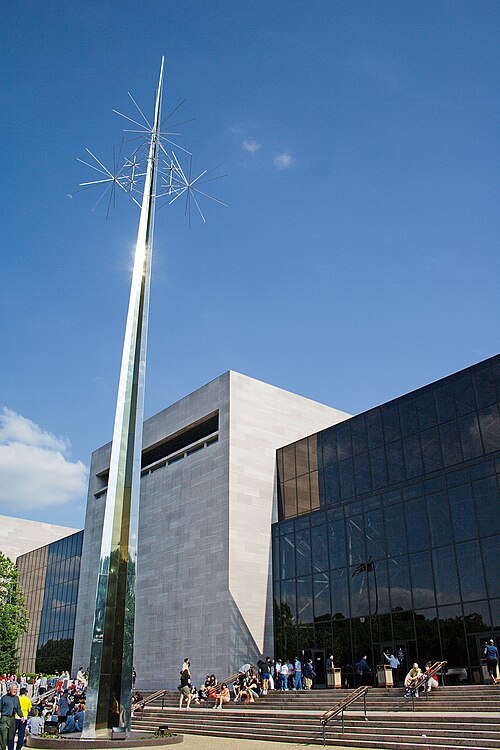
The National Air and Space Museum is a Smithsonian institution on Washington’s National Mall devoted to the history and technology of flight.
- Must see
- Museum
- Washington
Country guide
At 9,833,520 km² the United States has the fourth-largest land area in the world, and its 50 states and federal district span enough longitude that the ordinary...
Photograph · Tuxyso · CC BY-SA 3.0
Reviewed by Elena Voss · Roavina Travel Editor
At 9,833,520 km² the United States has the fourth-largest land area in the world, and its 50 states and federal district span enough longitude that the ordinary clock runs from UTC−4 to UTC−10, with the territories reaching −12, +10 and +11. The 2025 population estimate is 341,784,857. Washington, D.C. is the capital and New York the largest city, but neither stands in for the rest of it. Distance is the planning problem here, not choice: a trip works far better as one region covered properly than as anything resembling a national tour.
Checked 2026-08-25
Every city catalogued in this country so far, ranked by how much there is to see.
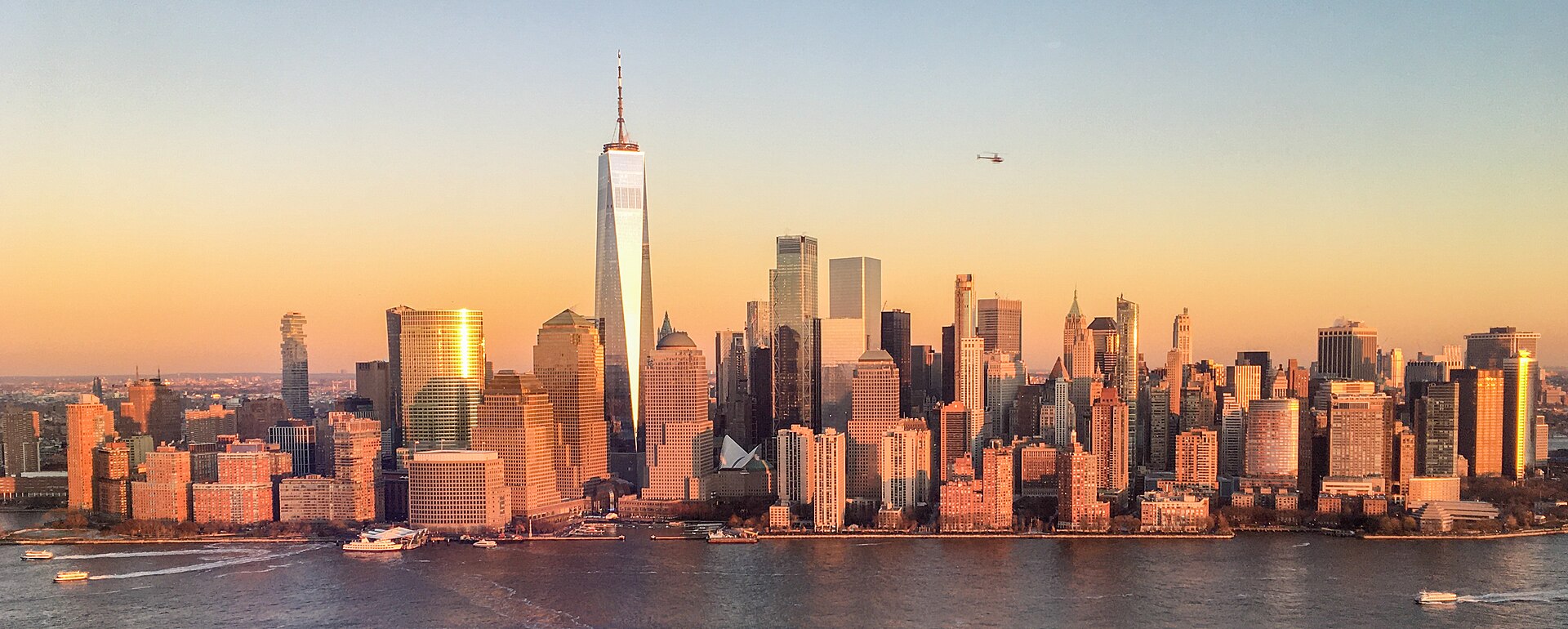
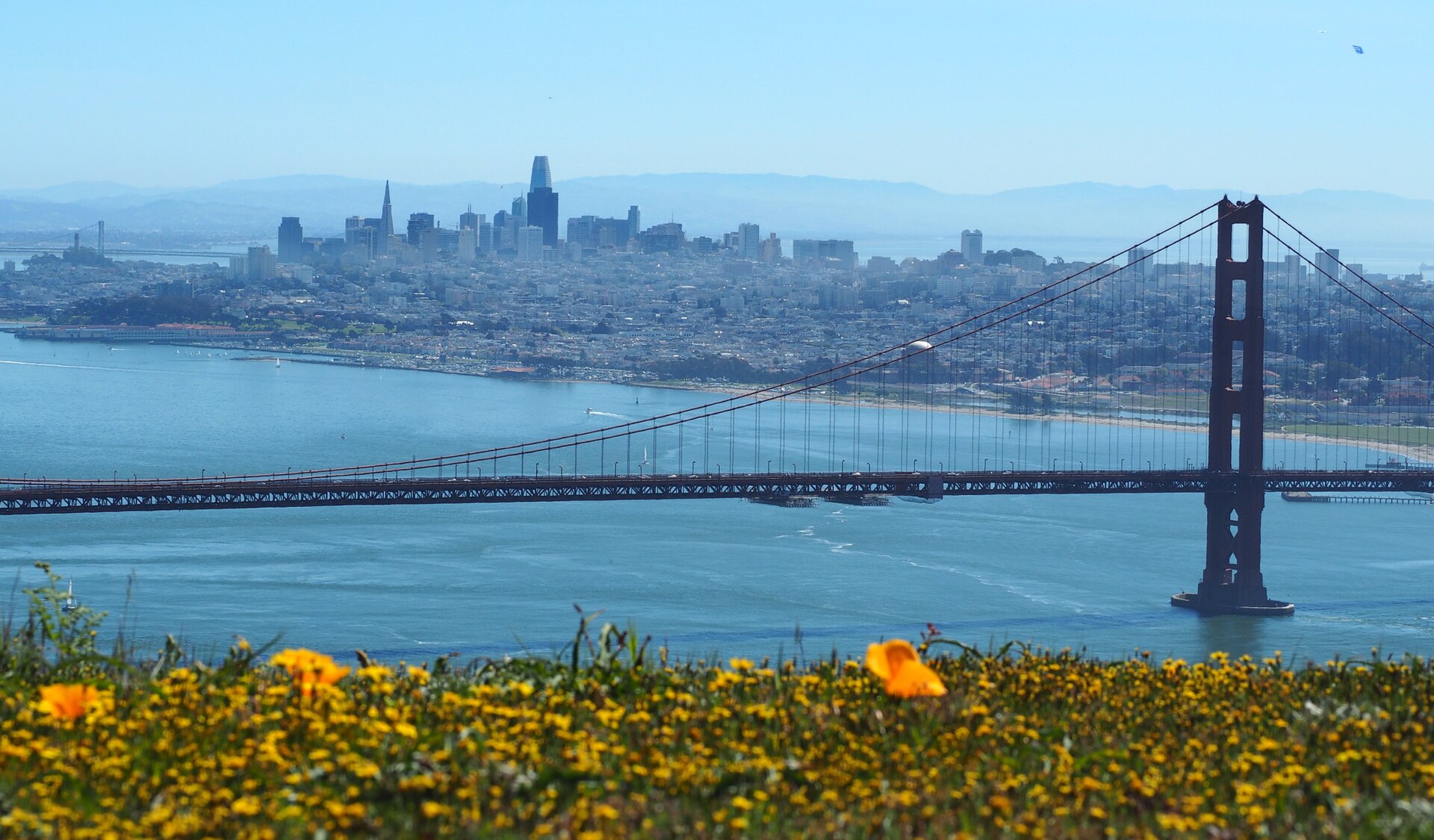
Photograph · Fred Hsu on en.wikipedia · CC BY-SA 4.0
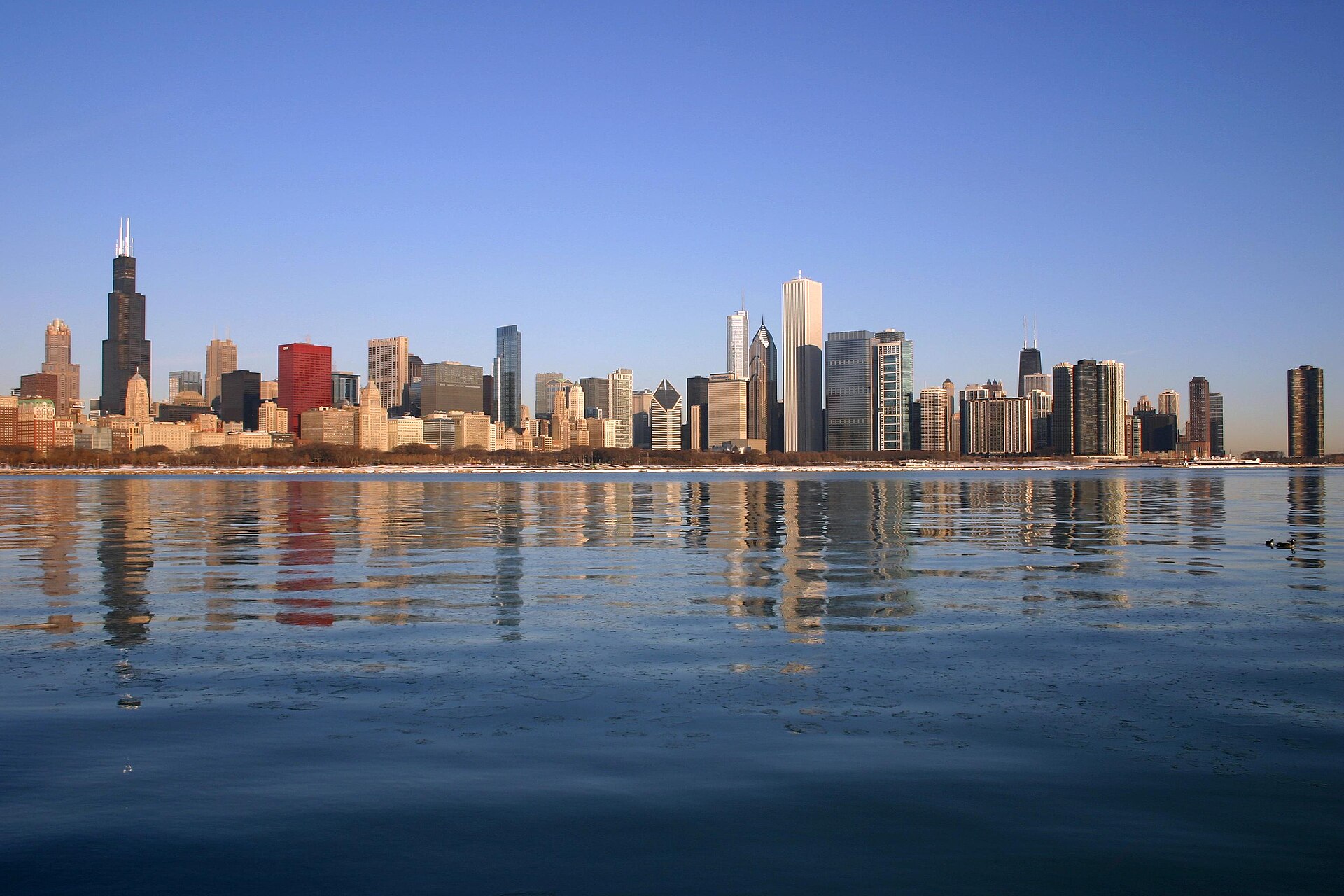
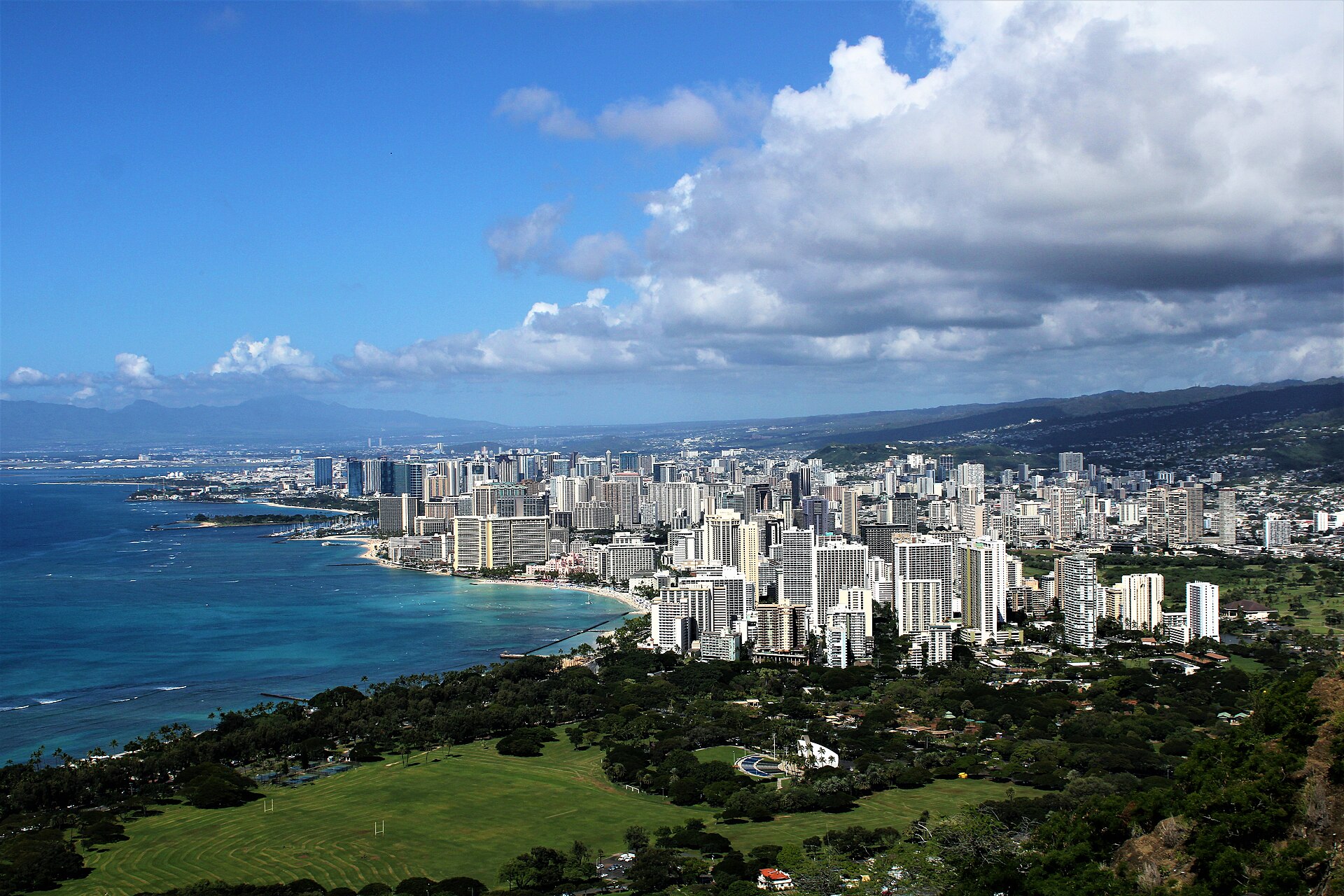
Photograph · J. Crocker · Attribution
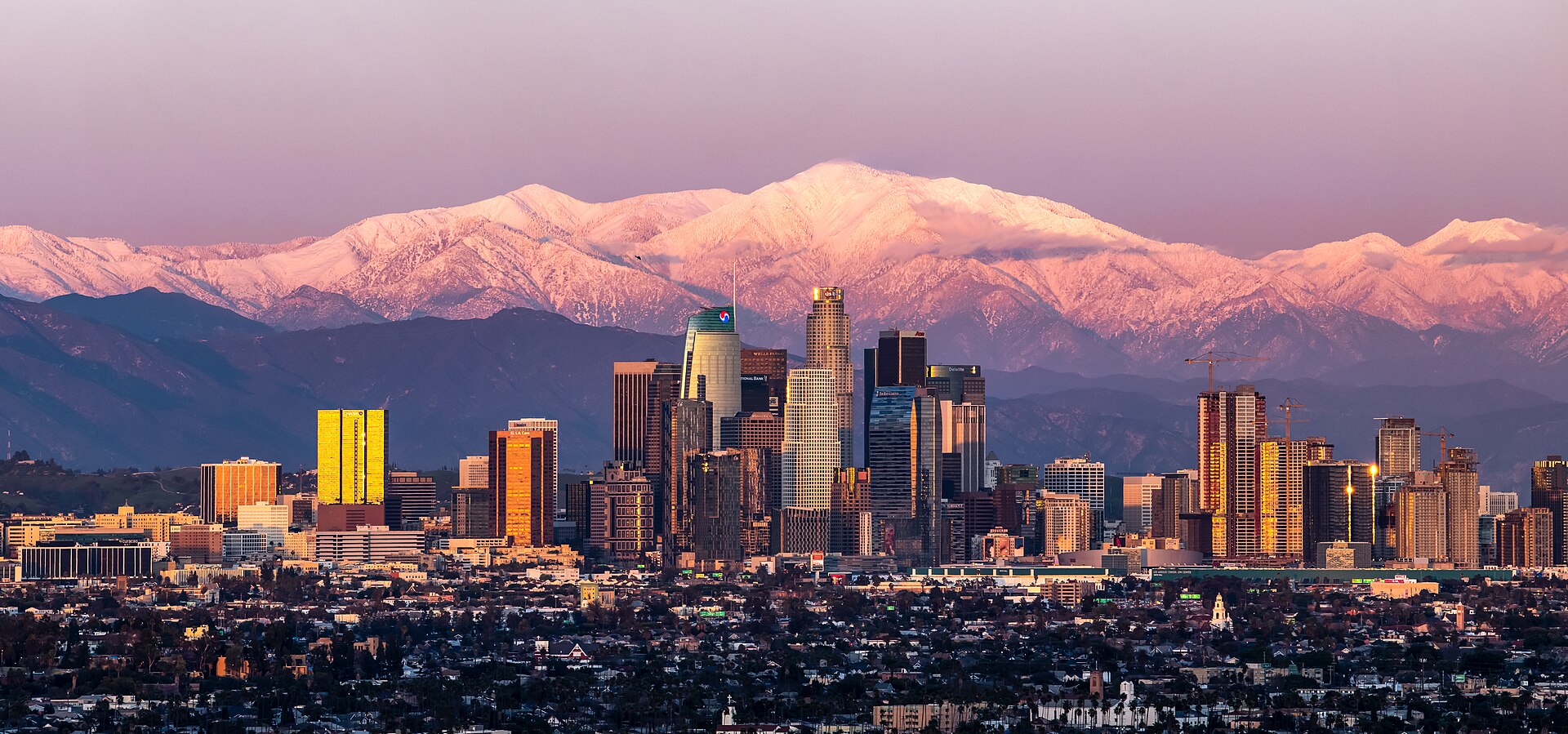
Photograph · Alek Leckszas · CC BY-SA 4.0
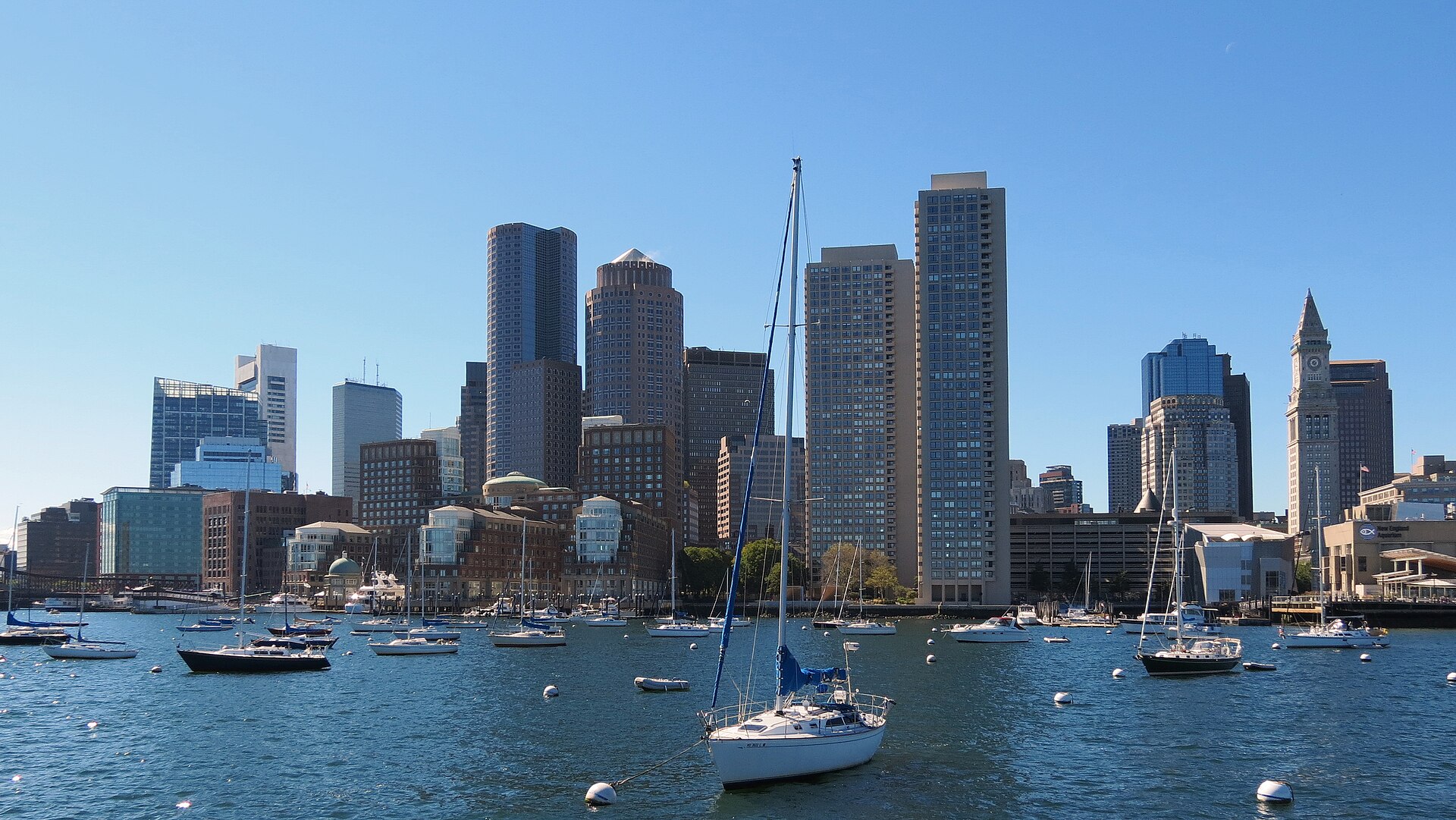
Photograph · Carol M. Highsmith · Public domain
Photograph · Robert Linsdell from St. Andrews, Canada · CC BY 2.0
Photograph · Lightandtruth · CC BY-SA 4.0
Photograph · Farragutful · CC BY-SA 4.0
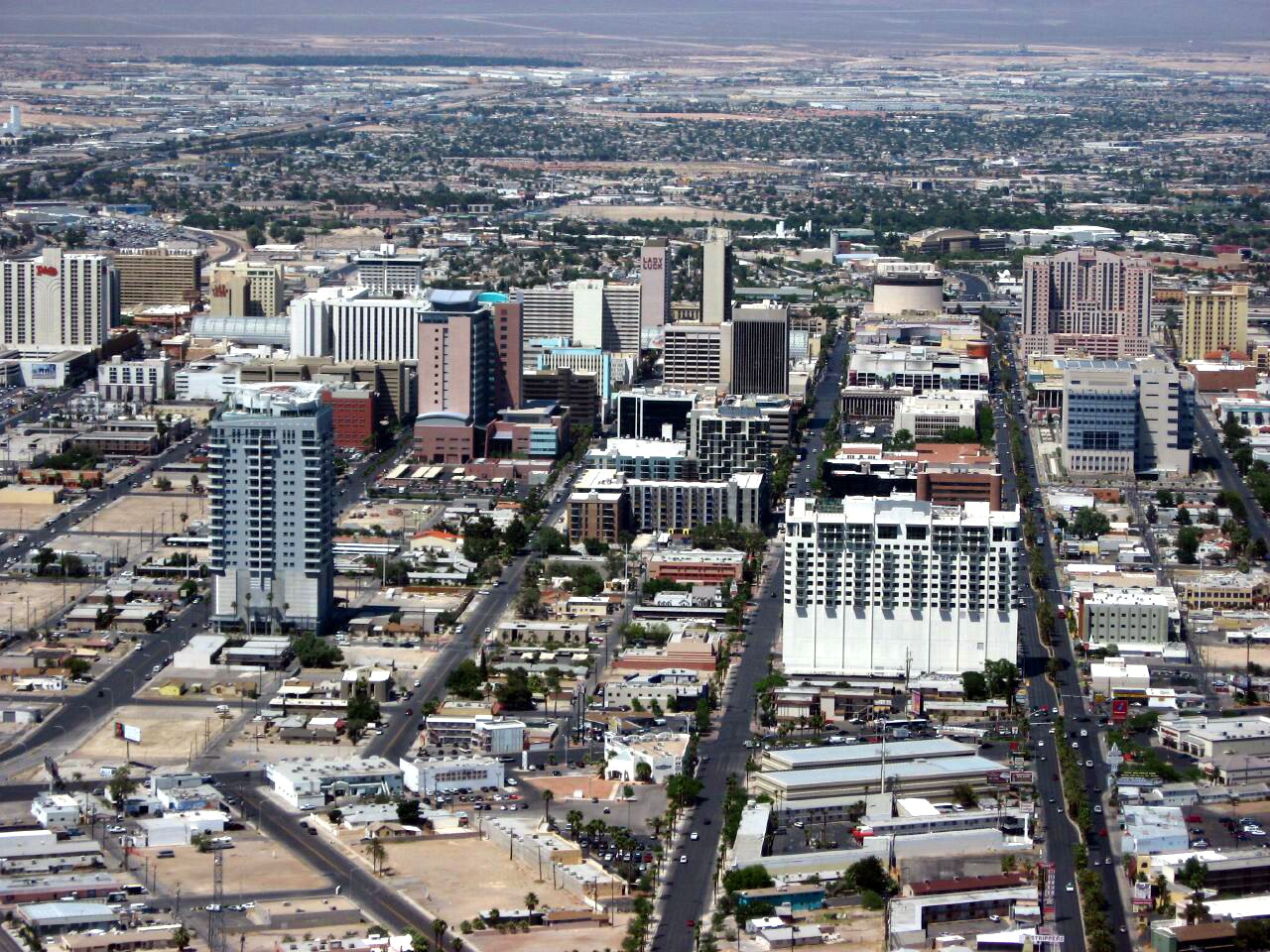
Photograph · Ken Lund from Las Vegas, Nevada, USA · CC BY-SA 2.0
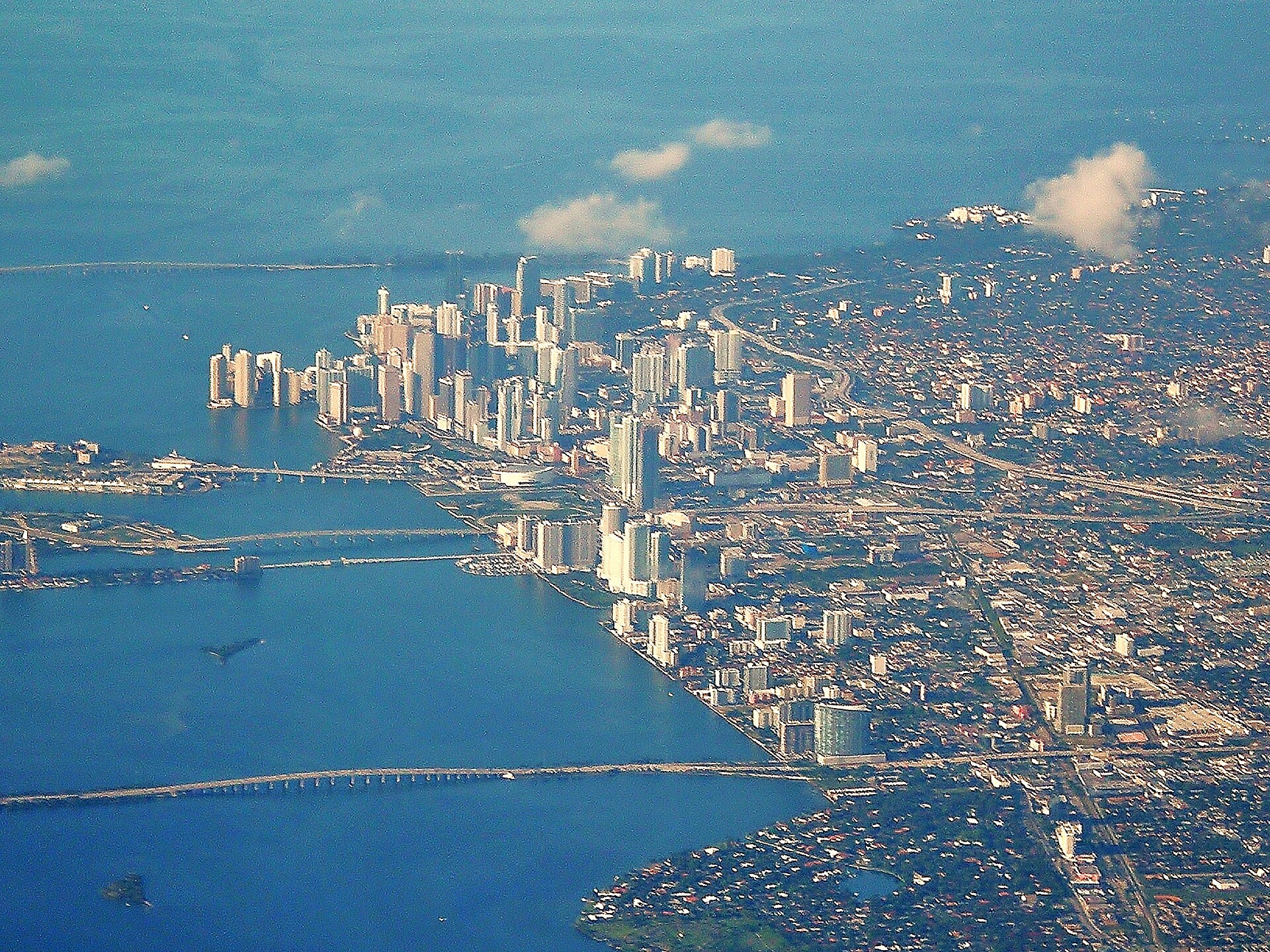
Photograph · Marc Averette · CC BY-SA 3.0
Photograph · Quintin Soloviev · CC BY 4.0
Ranked by importance — sitelinks, pageviews and heritage status, not editor preference.
745 places match
Category
Typical visit duration
Interests
The National Air and Space Museum is a Smithsonian institution on Washington’s National Mall devoted to the history and technology of flight.
U.S. Holocaust Memorial Museum
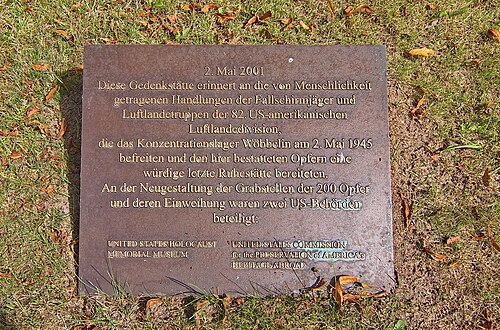
The U.S. Holocaust Memorial Museum is a national institution in Washington, DC devoted to documenting the Holocaust and preserving its human meaning through evidence, testimony and remembrance.
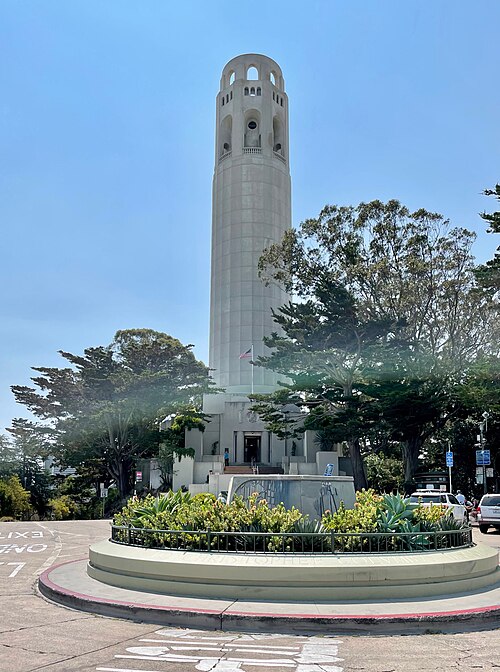
Coit Tower is a 64-metre reinforced-concrete landmark on Telegraph Hill, completed in 1933 with funds left to San Francisco by Lillie Hitchcock Coit.
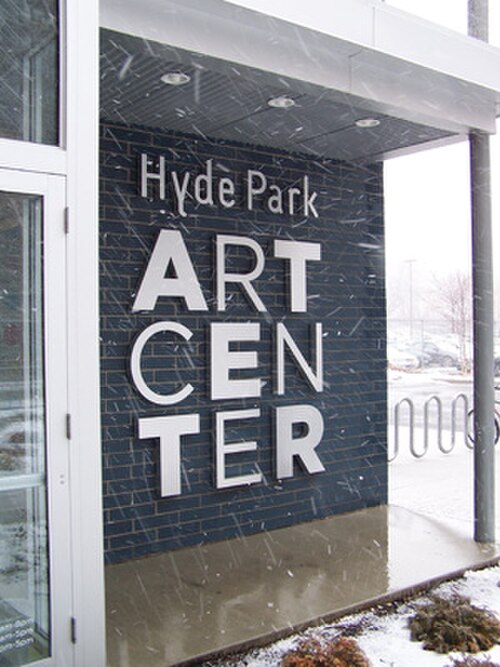
Hyde Park Art Center is an independent nonprofit contemporary-art space and community arts hub in Chicago's Hyde Park neighborhood. Founded in 1939, the center is one of the city's oldest alternative exhibition spaces.
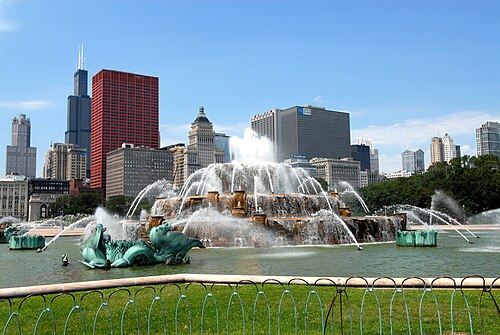
Buckingham Fountain is a major Beaux-Arts fountain located in Grant Park, Chicago. It serves as one of the city's most recognizable landmarks and represents a significant example of early 20th-century American fountain design.
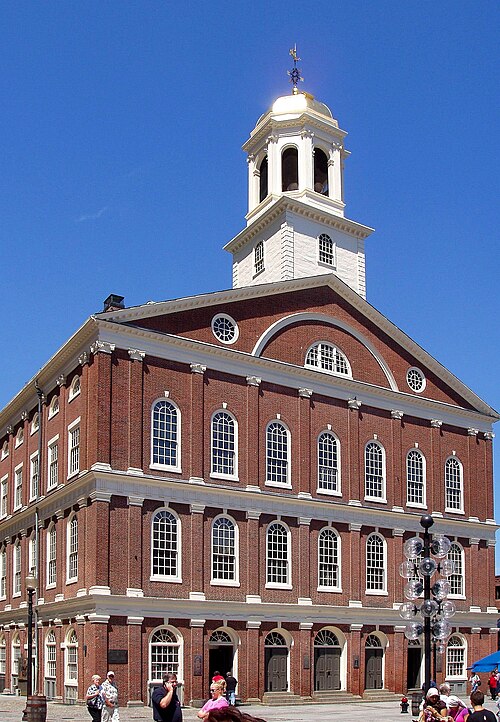
Faneuil Hall is a specific historic building at 1 Faneuil Hall Square, not the surrounding Faneuil Hall Marketplace.
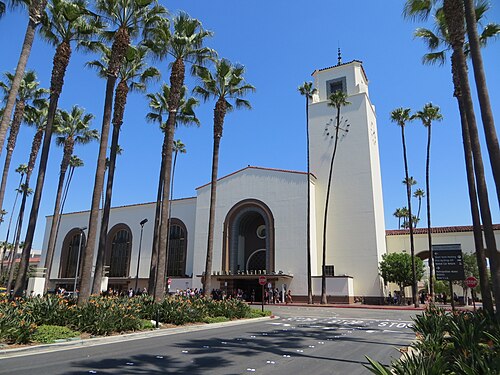
Union Station
Los Angeles Union Station is the main railway station in Los Angeles, California. Opened in 1939, it serves as a major transportation hub for Southern California, combining Art Deco and Spanish Colonial Revival architectural styles.
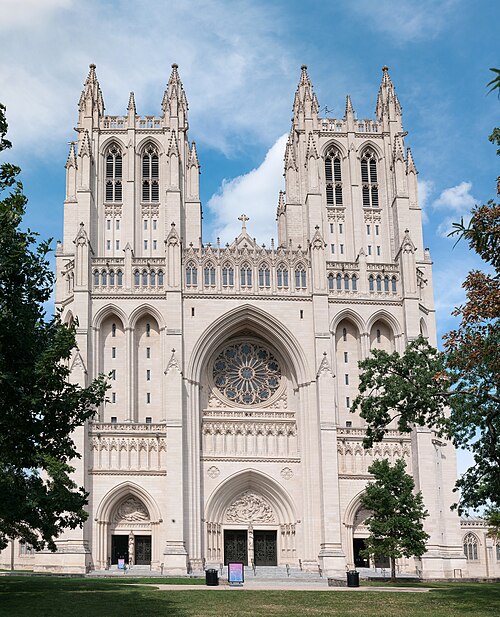
Washington National Cathedral is a Gothic Revival cathedral in Washington, D.C. It serves as the seat of the Episcopal Diocese of Washington and functions as a house of prayer for all people.
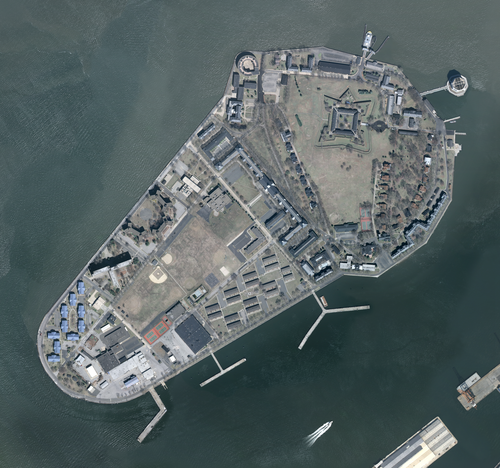
Governors Island is a 172-acre island in New York Harbor, situated approximately 800 yards south of Manhattan. The island has served multiple historical functions, including as a military base for the U.S.
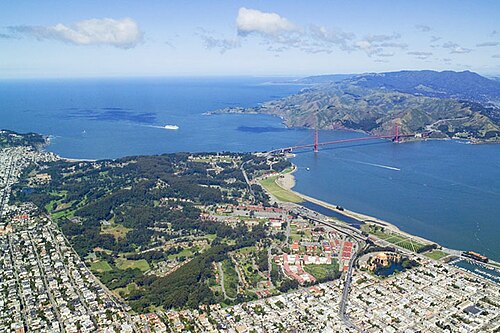
The Presidio of San Francisco is a vast former military post turned national park site at the Golden Gate.
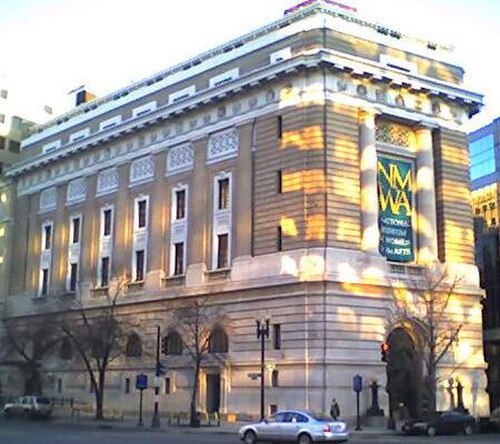
The National Museum of Women in the Arts is the world's first major museum dedicated solely to women artists. Located in Washington, D.C., it occupies a historic former Masonic temple building.
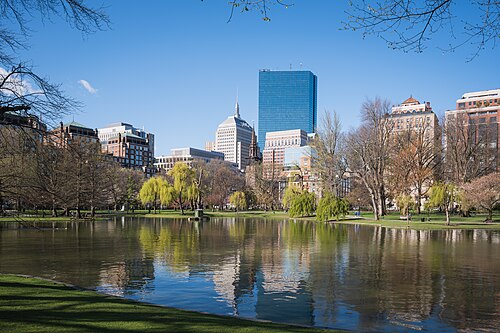
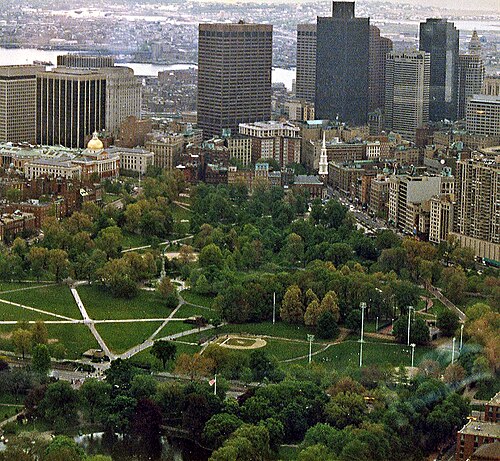
Boston Public Garden is a living civic landscape in the heart of Boston and the nation’s first public botanical garden, established in 1837.
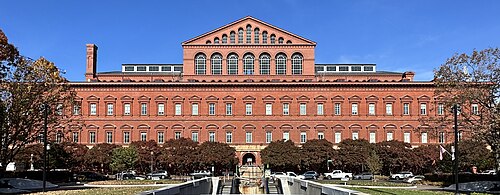
The National Building Museum is an architecture and design museum in Washington, D.C., housed in the former Pension Building. Its subject is the built environment: architecture, engineering, design, construction, and urban planning.
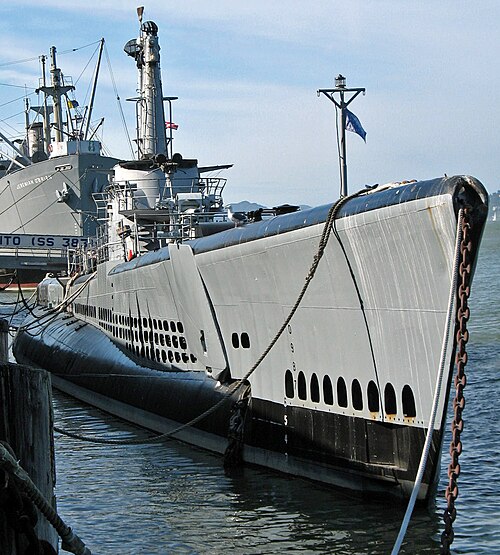
USS Pampanito is a World War II-era Gato-class submarine preserved as a museum ship at San Francisco's Hyde Street Pier. Commissioned in 1943, she completed six war patrols in the Pacific Theater.
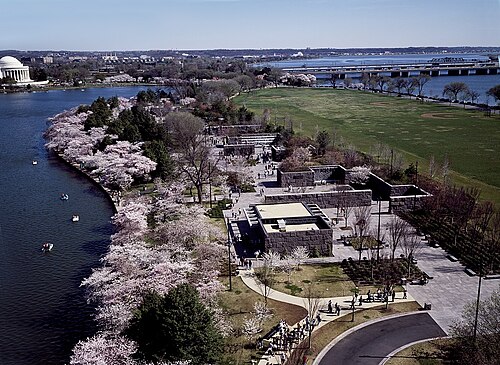
The Franklin Delano Roosevelt Memorial is a presidential memorial in Washington, D.C., dedicated to the 32nd President of the United States.
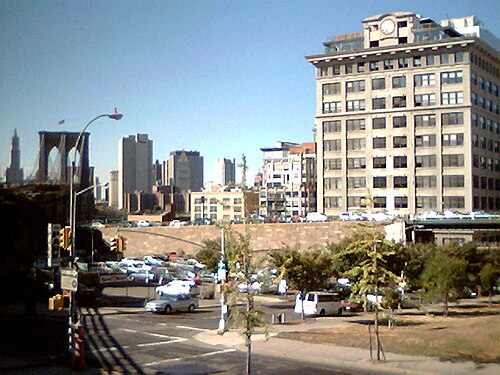
DUMBO is a compact Brooklyn waterfront neighborhood between the Manhattan and Brooklyn Bridges. Its name comes from “Down Under the Manhattan Bridge Overpass.” Cobblestone streets, converted warehouses, galleries, residences, shops, and restaurants create a dense urban setting.
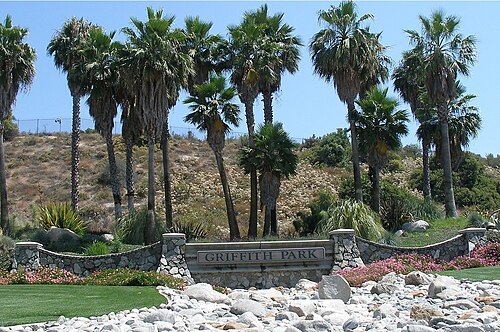
Griffith Park is a large municipal park in Los Angeles, California. It covers extensive terrain in the eastern Santa Monica Mountains and represents one of the largest urban parks in North America.
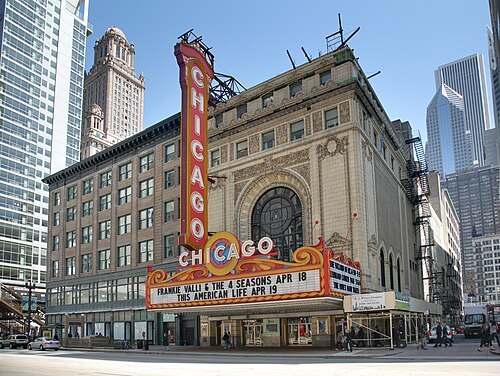
The Chicago Theatre is an iconic movie palace and live-performance landmark in Chicago's Loop district. Opened in 1921, it was originally a flagship venue for the Balaban and Katz theatre chain.
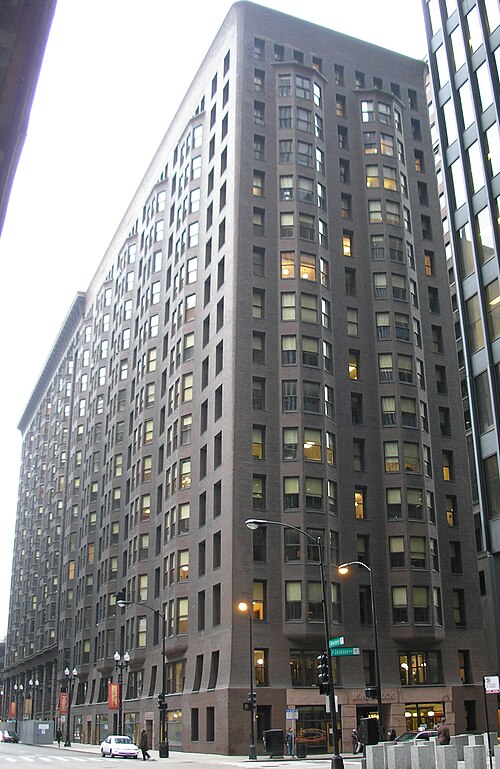
The Monadnock Building stands as a landmark commercial structure in Chicago's Loop district, recognized as an essential exemplar of the Chicago School architectural movement.
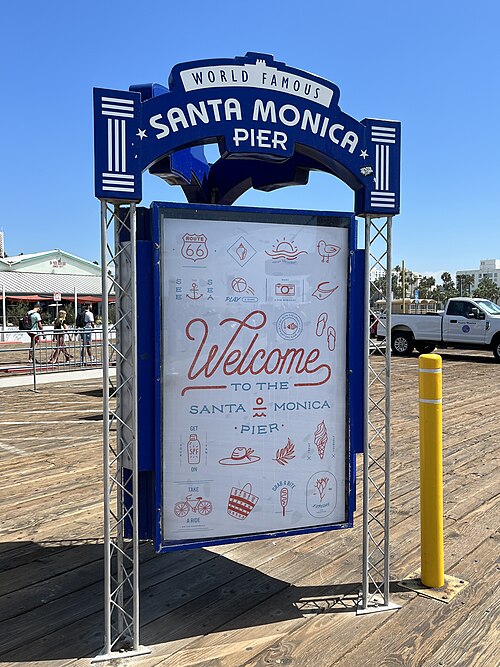
The current pier grew from Santa Monica's early municipal waterfront infrastructure and became an enduring public recreation landmark. Santa Monica's waterfront uses the pier as both destination and compass point.
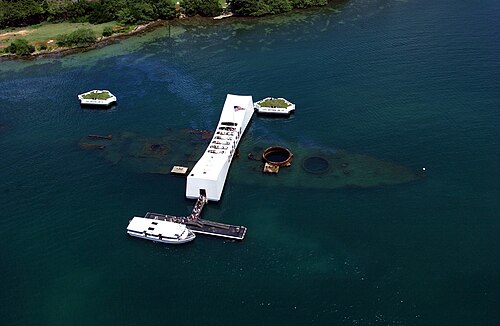
USS Arizona Memorial is the white memorial structure spanning the wreck of USS Arizona at Pearl Harbor.
LACMA grew from the Los Angeles Museum of History, Science and Art and became an independent art museum in the 1960s.
Boston Common is a nearly 50-acre public park in the centre of Boston, established in 1634 and managed by the Boston Parks and Recreation Department.
The Bradbury Building is an architecturally exceptional 1893 commercial building in Los Angeles. Designed by Sumner Hunt and George Wyman, it stands as one of the finest examples of Victorian commercial architecture on the American West Coast.
Little Tokyo is a historic Japanese American district in downtown Los Angeles. Established in the late nineteenth and early twentieth centuries, it became the cultural and commercial center for Japanese immigrants and their descendants.
Ten to fourteen days should focus on one US region: New York, Washington, and Boston work together by rail, while San Francisco, Los Angeles, and Las Vegas form a different trip. Miami, Orlando, and Honolulu each require separate travel time and should not be appended casually.
US admission depends on passport, visa status, and eligibility for the Visa Waiver Program and ESTA. Confirm both the Department of State visa guidance and Customs and Border Protection requirements for the actual route.
Domestic flights are often necessary between US regions, while Amtrak is strongest on the Northeast Corridor. A car is unnecessary in New York or Washington but can be useful in Los Angeles and beyond compact city centres.
April to May and September to October are broad shoulder-season references, not a national weather forecast. Florida heat, western wildfire conditions, hurricane exposure, and Hawaii's trans-Pacific logistics require destination-specific checks.
The United States uses the US dollar (USD). Card use is widespread, but taxes, deposits, and gratuities can make the final amount differ from the displayed base price; keep a second payment method for holds or terminal failures.
Dial 911 for police, fire, or medical emergencies in the United States. Type A and B sockets use 120 V; national tap-water safety is not recorded here, so consult the local utility or accommodation.