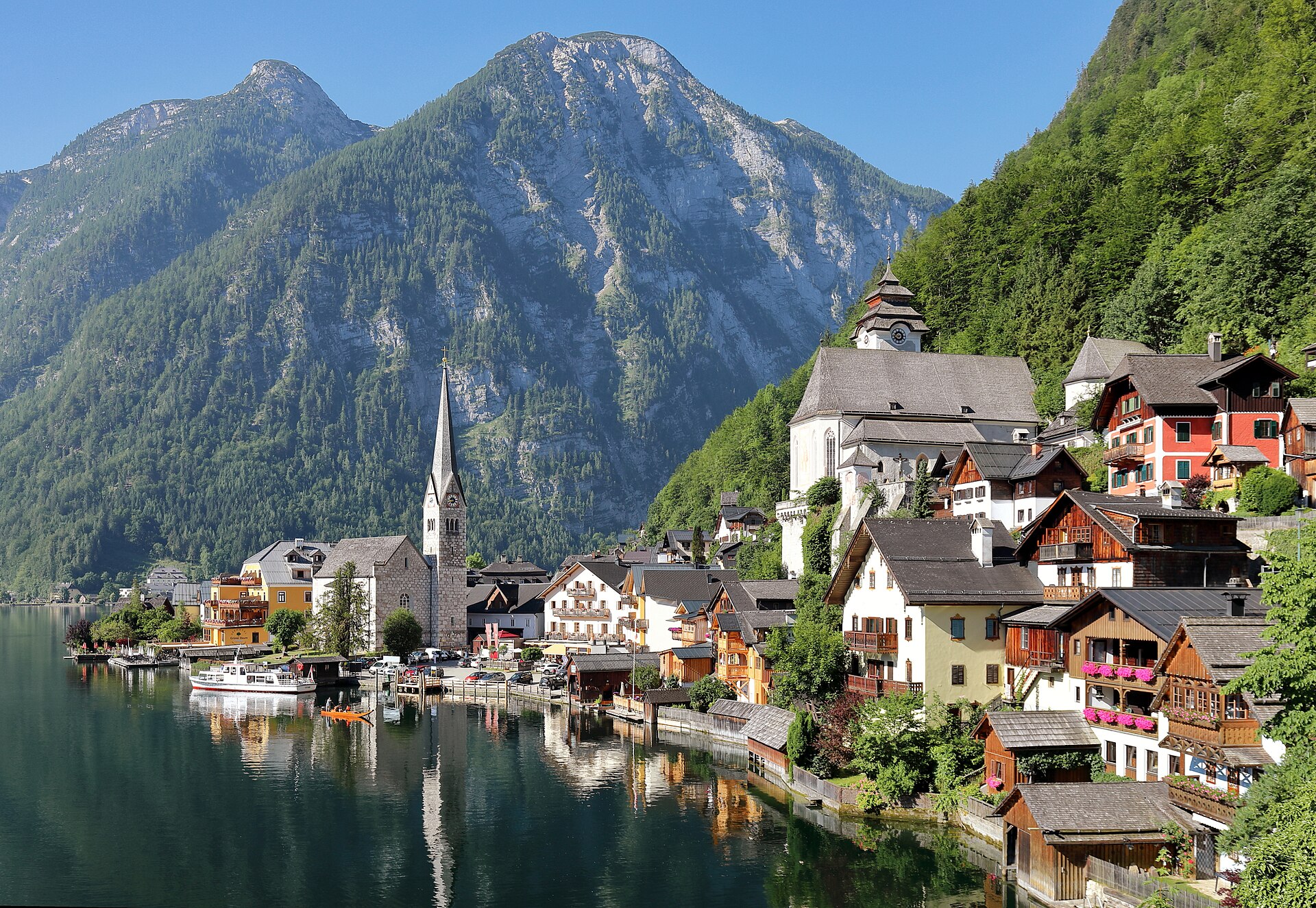
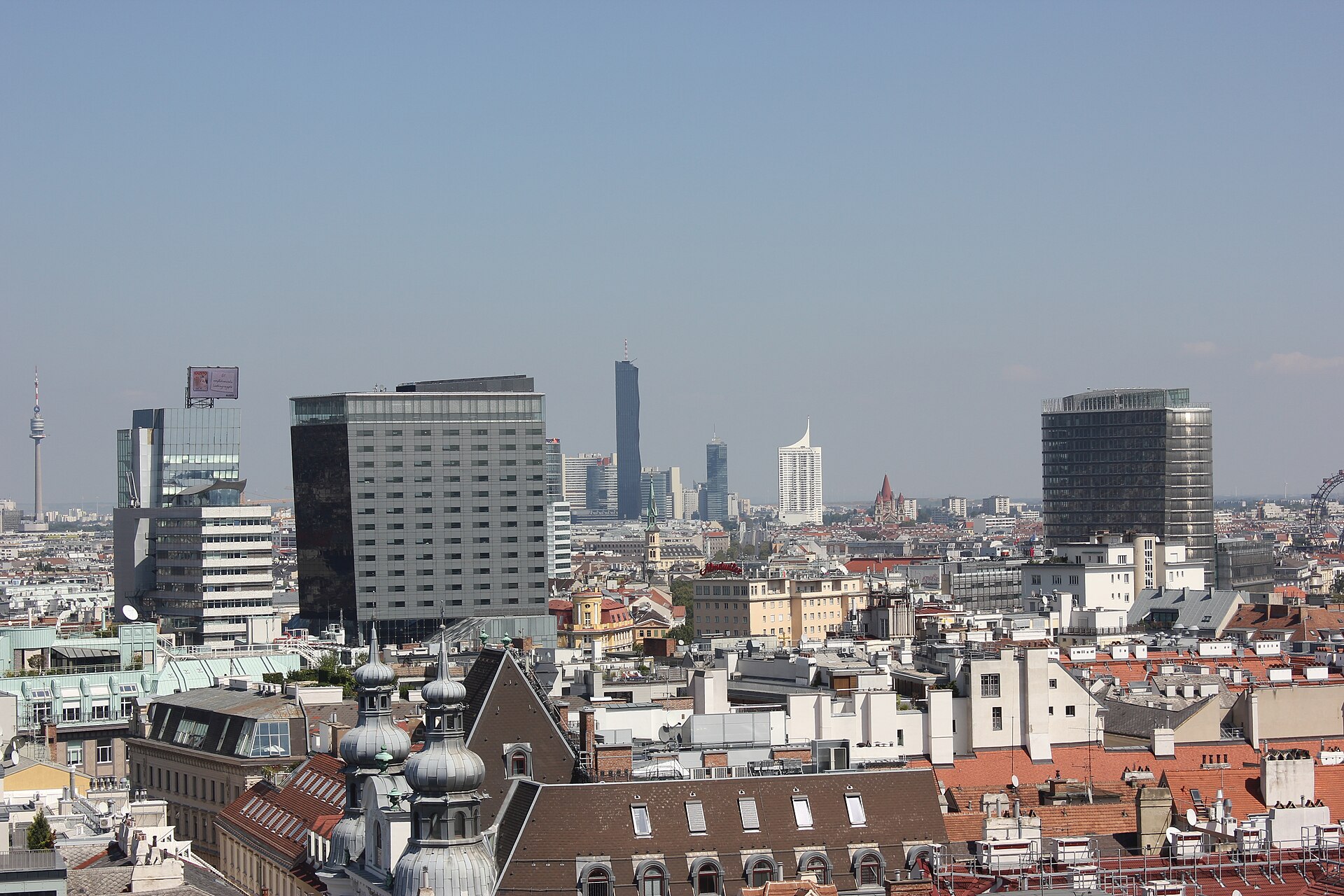
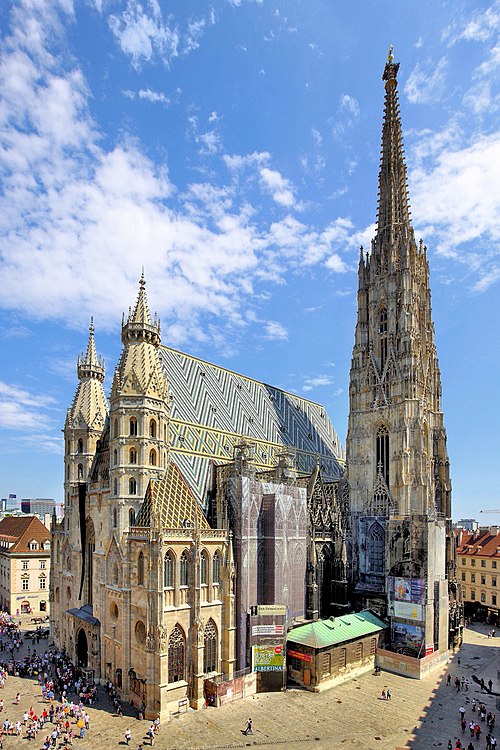
A photograph of Austria

Country guide

Theme: History, Up to 1 hour in Austria

Austria is 83,879 km², and its nine states fall into two kinds of trip. Vienna, Lower Austria and Upper Austria lie along the Danube on level, easily crossed gr...

Photograph · C.Stadler/Bwag · CC BY-SA 4.0

7,381 Places
2Cities

Reviewed by Elena Voss · Roavina Travel Editor

Austria is 83,879 km², and its nine states fall into two kinds of trip. Vienna, Lower Austria and Upper Austria lie along the Danube on level, easily crossed ground, with Vienna alone holding 1,931,593 of the country's roughly nine million people. Tyrol, Salzburg, Vorarlberg and Styria are the Alpine states, entered by valley rather than by plain, and their capitals — Innsbruck, Salzburg, Bregenz, Graz — are each small enough to cross on foot in an afternoon. The distinction decides an itinerary: the Danube cities sit an hour apart by train and the mountain ones do not.

Checked 2026-08-25

Cities

Every city catalogued in this country so far, ranked by how much there is to see.

Practical information

Language spoken
German
German is Austria's official language; Croatian, Slovenian and Hungarian also have official status in some regions
Dialling code
+43
Austria's international country code
Currency
Euro (€, EUR)
Austria introduced euro banknotes and coins in 2002
Emergency number
112
One number across the country; 144 reaches an ambulance directly
Plug type
Not recorded
No verified national official source was found
Tap water
Safe to drink
Austria's national tourism authority states that tap water is drinkable in every region

Top things to see

Ranked by importance — sitelinks, pageviews and heritage status, not editor preference.

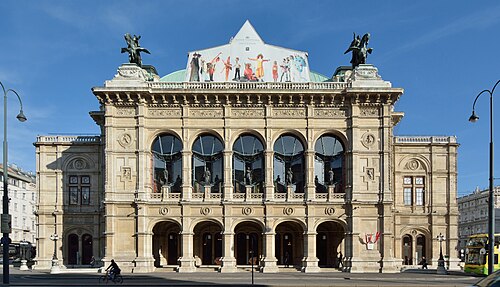
  1. Vienna State Opera house Vienna State Opera house
    02 45 min

    Vienna State Opera house

    Wiener Staatsoper

    The Vienna State Opera was hated when it opened and it killed both its architects.

    • Must see
    • Historic monument
    • Vienna
  2. Wiener Riesenrad Wiener Riesenrad
    03 30 min

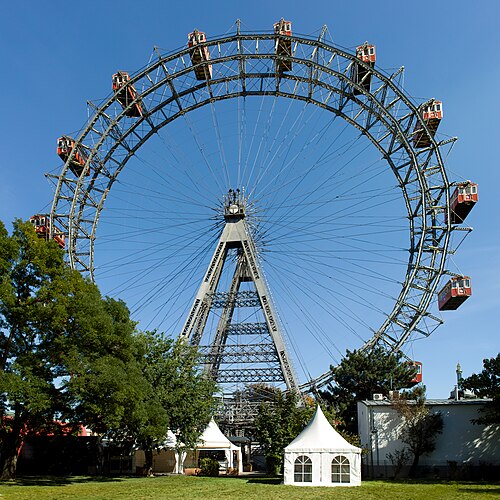
    Wiener Riesenrad

    Riesenrad

    Wiener Riesenrad is Vienna’s historic giant wheel at the entrance to the Prater, built in 1897 for Emperor Franz Joseph’s Golden Jubilee. Harry Hitchins and Hubert Cecil Booth designed it, and Walter Basset Bassett built it.

    • Must see
    • Historic monument
    • Vienna
  3. MuseumsQuartier MuseumsQuartier
    04 30 min

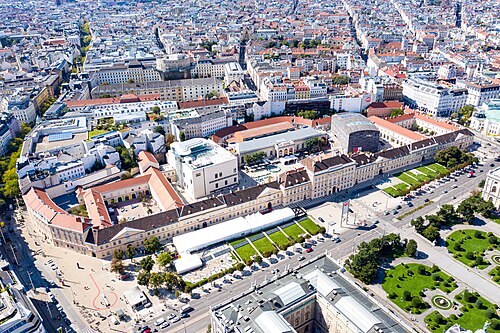
    MuseumsQuartier

    The MuseumsQuartier is one of the largest cultural districts in the world by area, roughly 90,000 square metres, built inside the former imperial court stables, the Hofstallungen, originally constructed in the early eighteenth century under plans associated with Johann Bernhard…

    • Must see
    • Historic monument
    • Vienna
  4. Vienna City Hall Vienna City Hall
    05 20 min

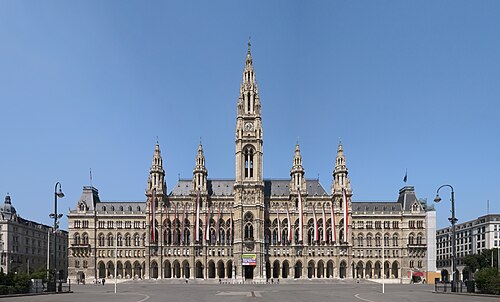
    Vienna City Hall

    Rathaus

    The Rathaus is a Gothic cathedral that turned out to be a town hall, and it is the largest secular building on the Ringstrasse.

    • Must see
    • Historic monument
    • Vienna
  5. Karlskirche Karlskirche
    06 1 hour

    Karlskirche

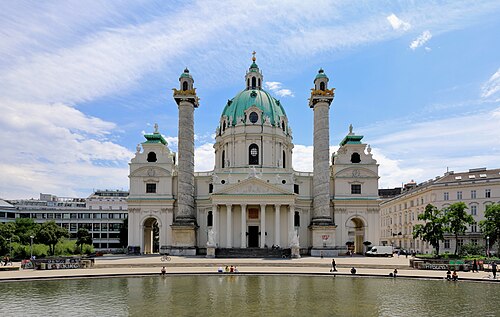
    Karlskirche is Vienna’s great Baroque church on the south side of Karlsplatz, but its identity is unusually theatrical: a classical portico sits between two monumental spiral-relief columns and two tower pavilions, beneath a 70-metre dome.

    • Must see
    • Historic monument
    • Vienna
  6. Hundertwasserhaus Hundertwasserhaus
    07 15 min

    Hundertwasserhaus

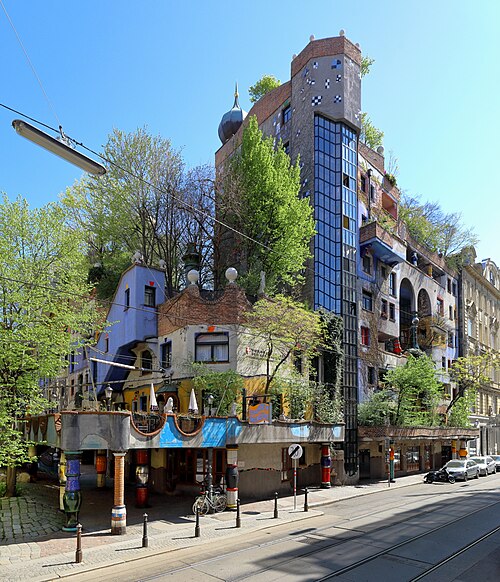
    Hundertwasserhaus is a private residential complex in Vienna’s 3rd district, Landstraße, at the corner of Kegelgasse and Löwengasse. Friedensreich Hundertwasser created the artistic concept with architect Joseph Krawina, and construction took place from 1983 to 1985.

    • Must see
    • Historic monument
    • Vienna
  7. Musikverein Musikverein
    08 1 hour

    Musikverein

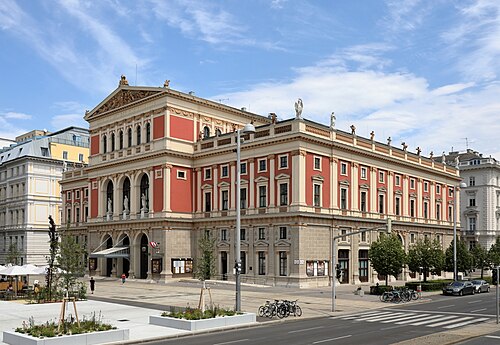
    Musikverein is Vienna’s celebrated concert building on Karlsplatz, opened on 6 January 1870 and designed by Danish architect Theophil Hansen in a neoclassical style inspired by a Greek temple.

    • Must see
    • Historic monument
    • Vienna
  8. Naschmarkt Naschmarkt
    09 1 hour

    Naschmarkt

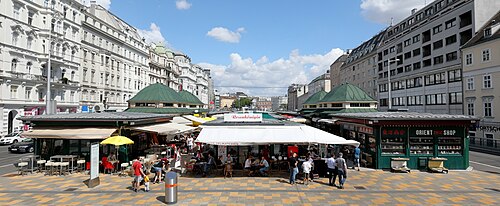
    The Naschmarkt is Vienna's largest and oldest continuously running market, a roughly 1.5-kilometre strip of stalls running along the covered-over bed of the Wien River between Karlsplatz and Kettenbrückengasse.

    • Must see
    • Historic monument
    • Vienna
  9. Austrian National Library Austrian National Library
    10 45 min

    Austrian National Library

    Prunksaal der Österreichischen Nationalbibliothek

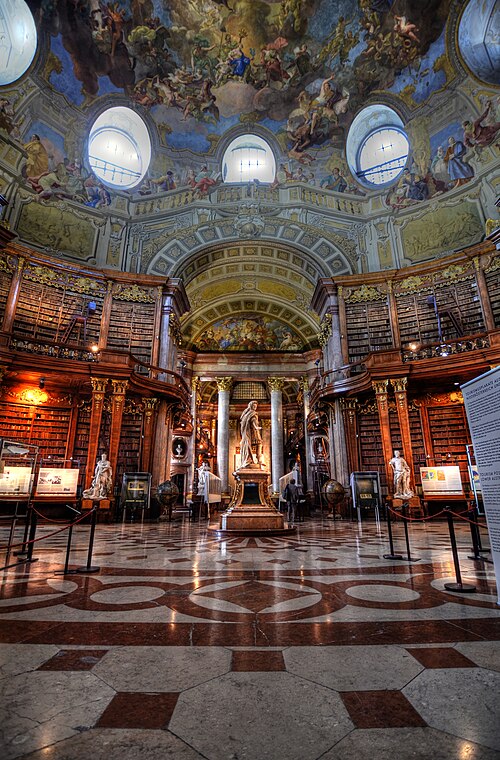
    The Austrian National Library's Prunksaal, the State Hall, is the Baroque core of the former imperial court library, built between 1723 and 1726 by Joseph Emanuel Fischer von Erlach, son of the architect who designed the Karlskirche.

    • Must see
    • Museum
    • Vienna
  10. Austrian Parliament Building Austrian Parliament Building
    11 1 hour

    Austrian Parliament Building

    Parlament

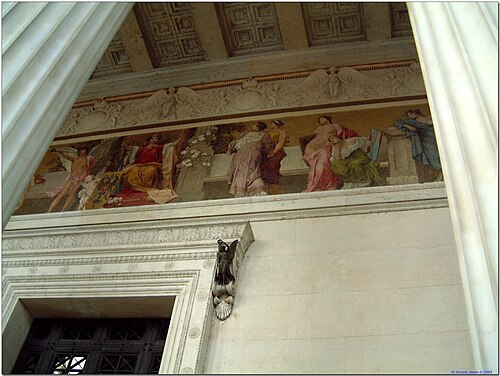
    The Austrian Parliament Building is Vienna’s working national legislature, designed by Theophil Hansen in a deliberately Greek-inspired style. Construction ran from 1874 to 1883, when classical forms were used to express the building’s association with democratic government.

    • Must see
    • Historic monument
    • Vienna
  11. Secession Building Secession Building
    12 45 min

    Secession Building

    Secession

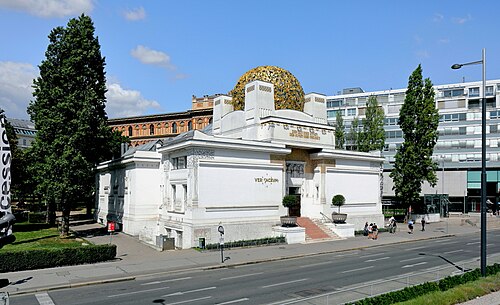
    Vienna’s Secession Building is the purpose-built headquarters of an artist association that broke from established institutions in 1897. Joseph Maria Olbrich designed the white exhibition hall in 1897–98.

    • Must see
    • Museum
    • Vienna
  12. Sigmund Freud Museum Sigmund Freud Museum
    13 1 hour

    Sigmund Freud Museum

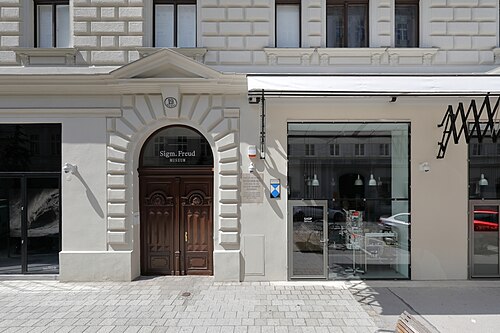
    The Sigmund Freud Museum occupies the apartment and consulting rooms at Berggasse 19 in Alsergrund where Sigmund Freud lived and practised from 1891 until June 1938, when he fled Vienna for London after the Nazi annexation of Austria.

    • Must see
    • Museum
    • Vienna
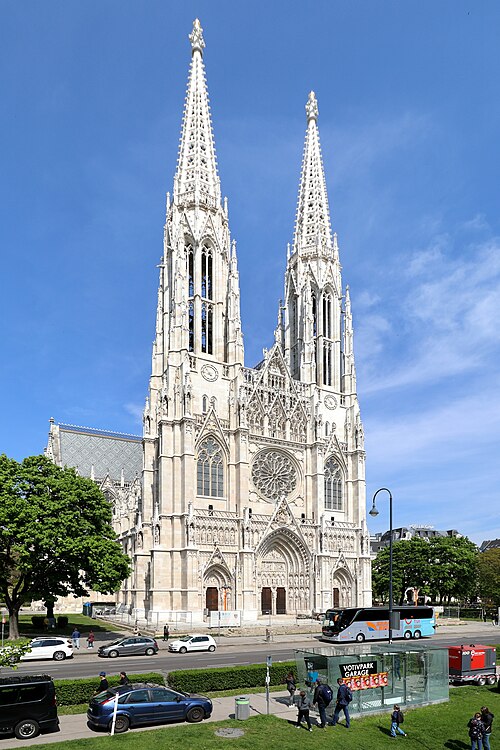
  13. Votive Church Votive Church
    14 30 min

    Votive Church

    Votivkirche

    The Votivkirche exists because somebody tried to kill the emperor and failed.

    • Must see
    • Historic monument
    • Vienna
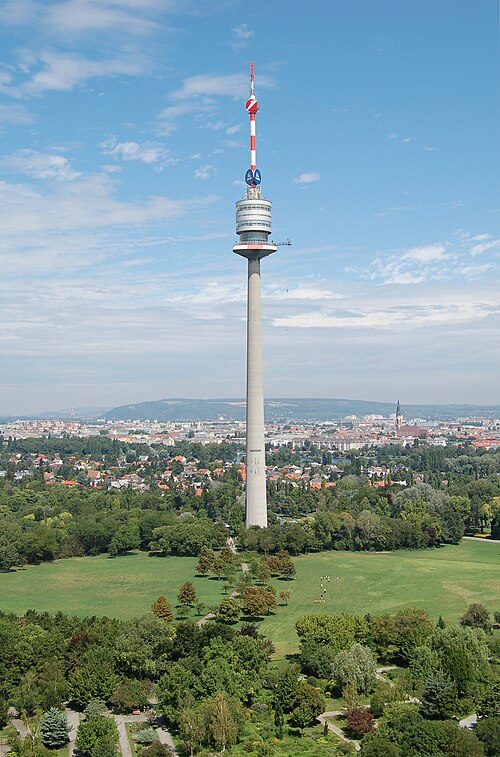
  14. Donauturm Donauturm
    15 1 hour

    Donauturm

    The Donauturm is the tallest structure in Austria, at 252 m, and it was built as a garden show attraction.

    • Must see
    • Historic monument
    • Vienna
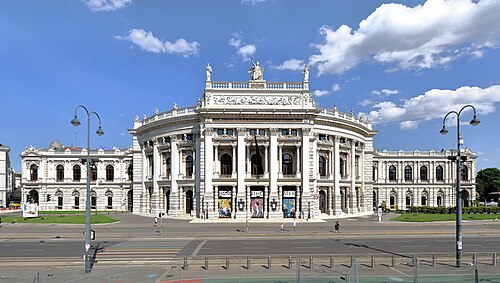
  15. Burgtheater Burgtheater
    16 1 hour

    Burgtheater

    The Burgtheater is Austria's national theatre and one of the most important German-language stages in the world.

    • Must see
    • Historic monument
    • Vienna
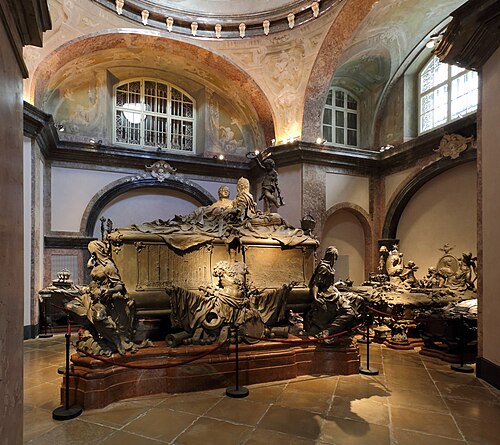
  16. Imperial Crypt Imperial Crypt
    17 45 min

    Imperial Crypt

    Kaisergruft

    The Imperial Crypt is where the Habsburgs are buried, and it is under an ordinary friary church on a shopping street.

    • Must see
    • Historic monument
    • Vienna
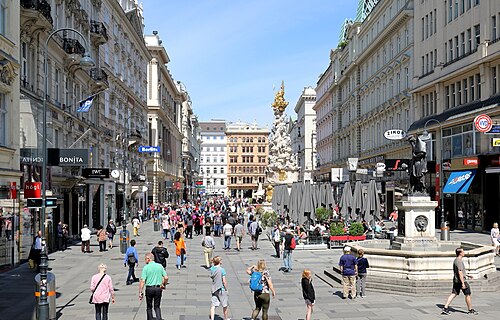
  17. Graben Graben
    18 20 min

    Graben

    The Graben is a broad, elongated square in the Innere Stadt, and its name — 'ditch' — records what it once was: the moat of the Roman legionary camp of Vindobona, filled in during the Middle Ages and built over.

    • Must see
    • Historic monument
    • Vienna
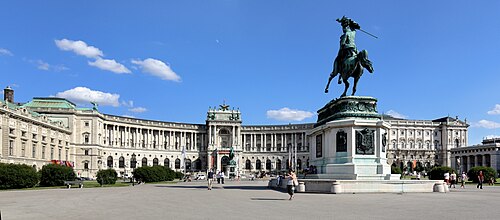
  18. Heldenplatz Heldenplatz
    19 20 min

    Heldenplatz

    Heldenplatz is an unfinished square in front of the Hofburg, and it is the most politically loaded piece of ground in Austria.

    • Must see
    • Historic monument
    • Vienna
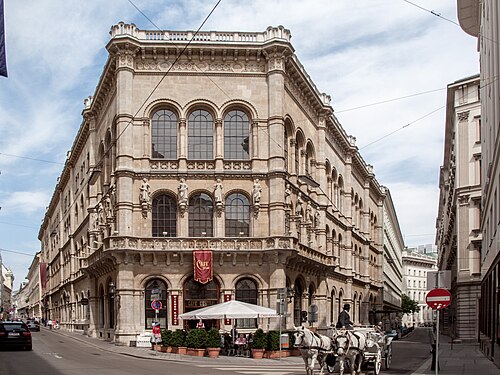
  19. Café Central Café Central
    20 1 hour

    Café Central

    Café Central is a historic Viennese coffeehouse inside the Palais Ferstel, a Neo-Renaissance building designed by Heinrich von Ferstel. The café opened in 1876 and became one of Vienna’s best-known literary meeting places before the First World War.

    • Must see
    • Historic monument
    • Vienna
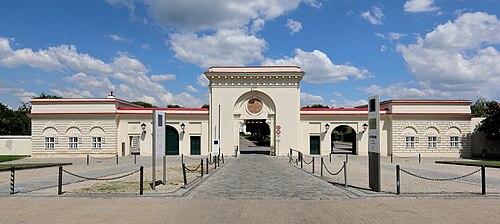
  20. Augarten Augarten
    21 1 hour

    Augarten

    Augarten is a public Baroque park in Leopoldstadt, the 2nd district, laid out in its present form in the early 18th century and opened to the public by Emperor Joseph II in 1775 — one of the earliest palace gardens…

    • Must see
    • Historic monument
    • Vienna
  21. Kohlmarkt Kohlmarkt
    22 10 min

    Kohlmarkt

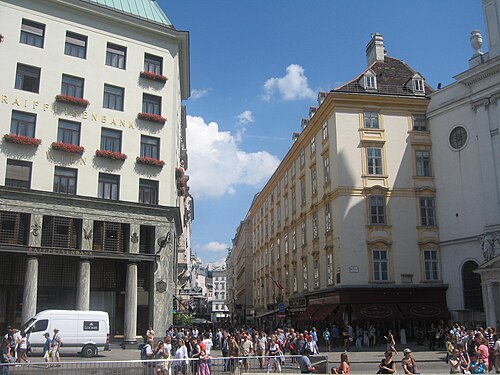
    Kohlmarkt is a short pedestrian shopping street in Vienna's Innere Stadt, running from the Graben to Michaelerplatz, where it ends directly at the Michaelertor, the domed gate into the Hofburg.

    • Must see
    • Historic monument
    • Vienna
  22. Court Chapel Court Chapel
    23 45 min

    Court Chapel

    Hofburgkapelle

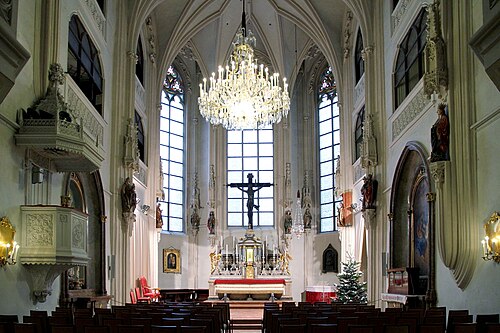
    The Hofburgkapelle, or Court Chapel, stands within Vienna's Hofburg Palace complex. It served as the Habsburg imperial family's place of worship and preserves an important connection between court ceremony, religion, and Viennese history.

    • Must see
    • Historic monument
    • Vienna
  23. Ankeruhr Ankeruhr
    24 20 min

    Ankeruhr

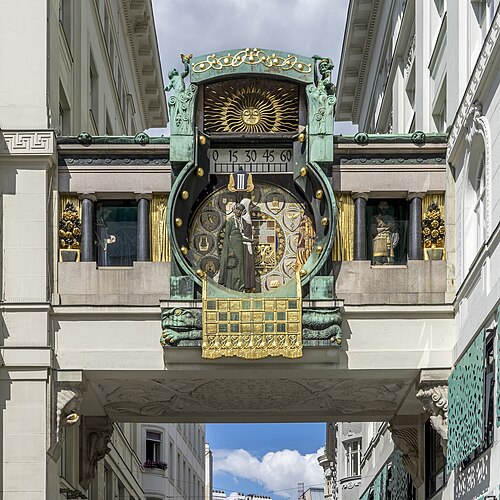
    The Ankeruhr is Vienna’s Art Nouveau clock on Hoher Markt, built across the gap between two buildings associated with the Anker Insurance company.

    • Must see
    • Historic monument
    • Vienna
  24. Looshaus Looshaus
    25 20 min

    Looshaus

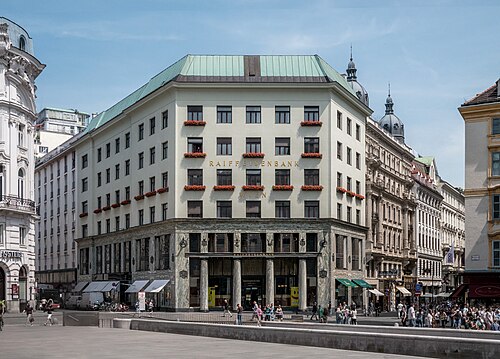
    Looshaus is Adolf Loos's 1909-1911 commercial and residential building at Michaelerplatz 3, directly opposite the Michaelertor gate of the Hofburg.

    • Must see
    • Historic monument
    • Vienna

Source: OpenStreetMap contributors, Wikidata ·

Common questions

How long should a first trip to Austria be?

Seven to ten days gives Vienna four days and leaves time for Salzburg, Innsbruck, or Graz by rail. Alpine excursions need flexible weather time and should not be treated as guaranteed additions to a tightly timed city route.

What entry documents are needed for Austria?

Austria follows Schengen entry rules, with document and visa requirements determined by nationality and route. Verify the current position through official Austrian or EU channels before departure.

What is the best way to travel around Austria?

ÖBB trains and coordinated buses link Vienna with Salzburg, Innsbruck, Graz, and other regions. Drivers need the correct motorway toll product, and some Alpine roads charge separately.

When is a practical time to visit Austria?

May to June and September suit many city-and-mountain routes, while December is a distinct winter-city period. Lift, pass, and high-road operating dates matter more than a national forecast for Alpine days.

What money and payment basics apply in Austria?

Austria uses the euro (EUR). Cards are useful, but a euro cash reserve can help at smaller establishments; review the amount and currency before approving any terminal conversion.

What practical safety details should I save for Austria?

Austria uses 112 as its general emergency line and 144 for ambulance dispatch. Its 230 V system takes Type C and F plugs. This guide holds no verified tap-water value, so leave that point unresolved until local guidance is checked.