
07
1 hr 30 min
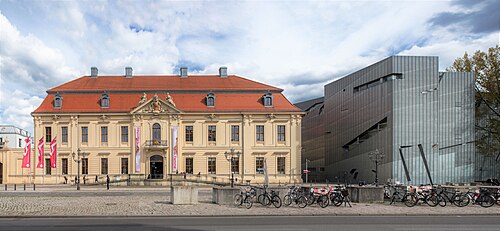
Jewish Museum Berlin
Jüdisches Museum
The Jewish Museum Berlin is a major cultural institution dedicated to two millennia of German-Jewish history and culture.
- Must see
- Museum
City guide · Germany
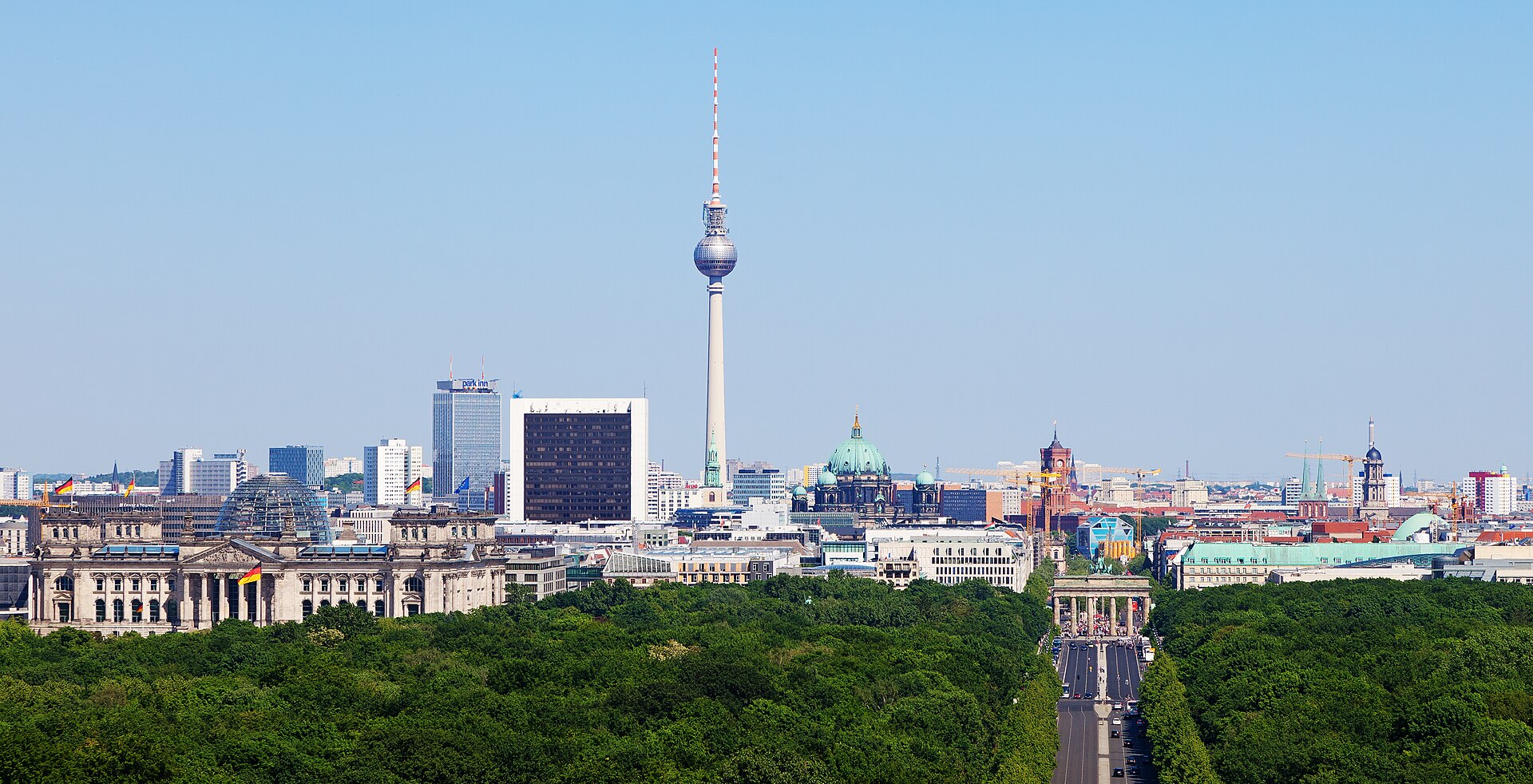
Berlin is polycentric and much larger than its central monument cluster suggests. Mitte contains Museum Island, the Brandenburg Gate and the government district...
Photograph · Thomas Wolf, www.foto-tw.de · CC BY-SA 3.0
Set your days, your pace and the hours you actually want to be out. The planner works around closing days and travel time, and leaves room to eat.
Reviewed by Elena Voss · Roavina Travel Editor
Berlin is polycentric and much larger than its central monument cluster suggests. Mitte contains Museum Island, the Brandenburg Gate and the government district; Charlottenburg forms a western centre around its palace and shopping streets; Kreuzberg, Friedrichshain and Neukolln extend south and east. Major Cold War sites, parks and museums are dispersed, so a useful itinerary follows districts and rail corridors.
Checked 2026-08-26
September · September averages a mild 15°C in Berlin with 46 mm of precipitation and about five daily sunshine hours.
Ranked by importance — sitelinks, pageviews and heritage status, not editor preference.
26 places match
Category
Typical visit duration
Interests
Jüdisches Museum
The Jewish Museum Berlin is a major cultural institution dedicated to two millennia of German-Jewish history and culture.
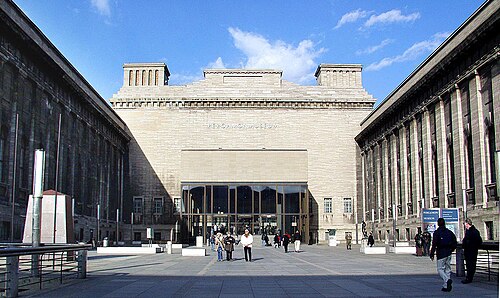
Pergamonmuseum
Pergamon Museum, also known locally as Pergamonmuseum, is one of Berlin’s major archaeological museums on Museum Island. Its defining experience is the presentation of monumental ancient architecture reconstructed at an extraordinary scale inside the museum.
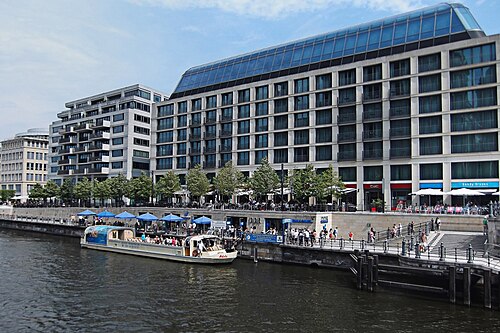
DDR-Museum
The DDR Museum is an interactive Berlin museum about everyday life in the former German Democratic Republic. Rather than presenting East German history only through cases of documents, it invites visitors into reconstructed domestic spaces and hands-on displays.
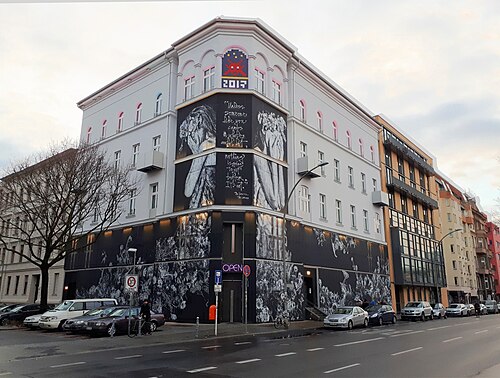
Urban Nation
Urban Nation is a Berlin museum devoted to urban contemporary art, street art and graffiti culture. It gives art forms associated with public walls, neighbourhoods and alternative scenes a formal exhibition setting.
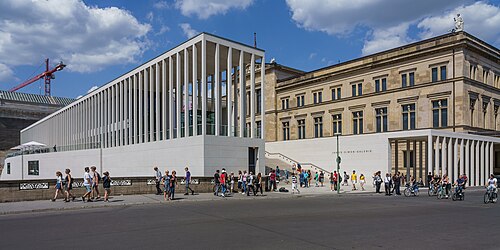
James-Simon-Galerie
The James Simon Gallery serves as the main entrance building for Berlin's Museum Island, a UNESCO World Heritage site. Named after Jewish art patron James Simon, the structure was designed by British architect David Chipperfield.
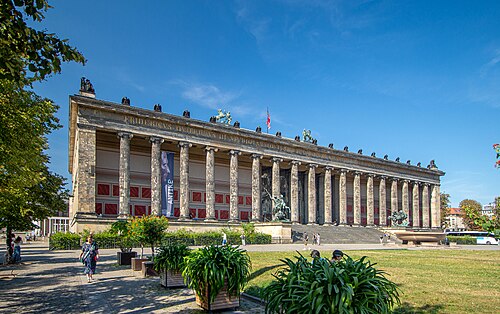
Altes Museum is a neoclassical museum on Berlin’s Museum Island and one of the most important buildings in the city’s historic centre. Karl Friedrich Schinkel designed the building, which opened in 1830 for the Prussian royal collection of classical antiquities.
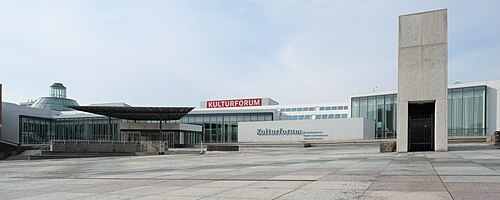
Gemäldegalerie am Kulturforum
The Gemäldegalerie Berlin, locally known as Gemäldegalerie am Kulturforum, is a major art museum in Berlin, Germany.
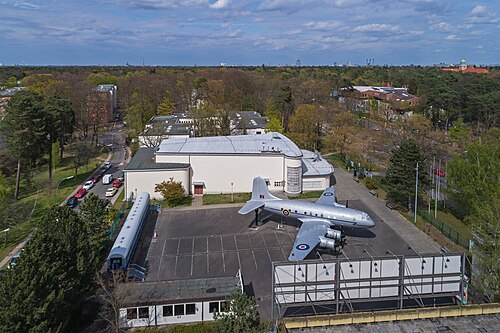
Alliierten-Museum
The Allied Museum in Dahlem presents the history of the Western powers in Berlin from 1945 to 1994.
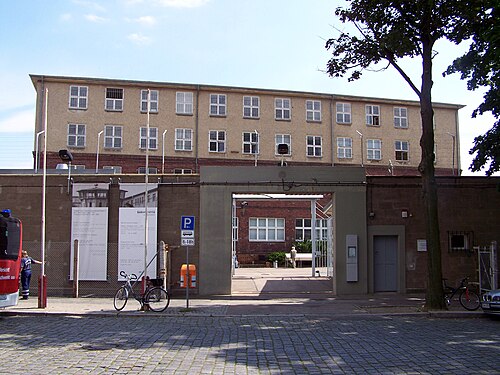
Gedenkstätte Berlin-Hohenschönhausen
The Berlin-Hohenschönhausen Memorial is a museum and memorial site located in the Lichtenberg district of Berlin. It occupies the grounds of a former Soviet and later Stasi remand prison that operated during the German Democratic Republic period.
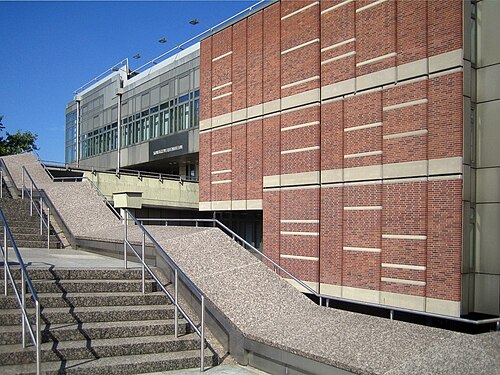
Kunstgewerbemuseum
Berlin’s Museum of Decorative Arts, the Kunstgewerbemuseum, explores the history of applied art and design through objects made for use, display and ceremony. It forms part of the Staatliche Museen zu Berlin and brings together craftsmanship across several centuries.
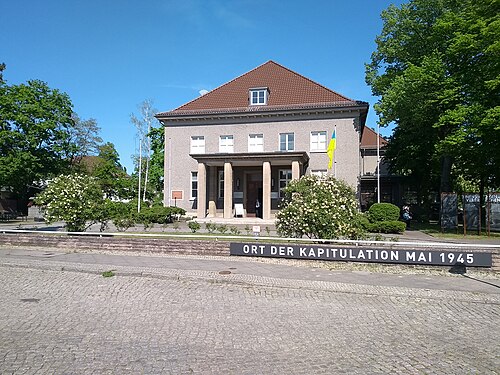
Museum Berlin-Karlshorst is a memorial and historical museum in Berlin’s eastern Karlshorst district. It occupies the building where German armed forces signed the unconditional surrender on 8 May 1945, bringing the Second World War in Europe to its end.
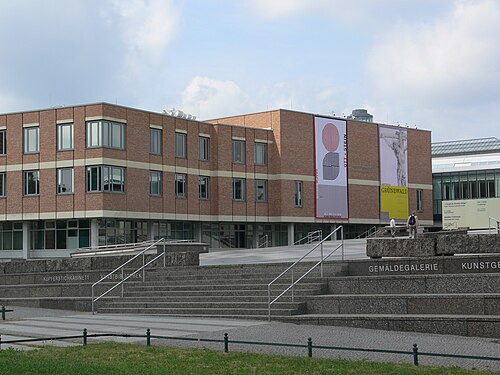
Kupferstichkabinett
Kupferstichkabinett Berlin is Berlin’s Museum of Prints and Drawings and part of the Staatliche Museen zu Berlin. It is a specialist collection devoted to graphic art on paper, with works spanning multiple centuries and major European artistic traditions.
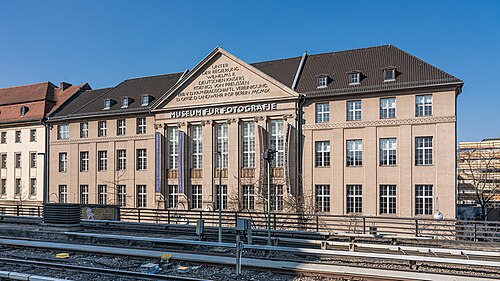
Museum für Fotografie
Museum of Photography, or Museum für Fotografie, is a Berlin museum devoted to photographic art, history, and preservation. It belongs among the city’s visual-arts destinations because photography is treated as both an artistic medium and a record of changing societies.
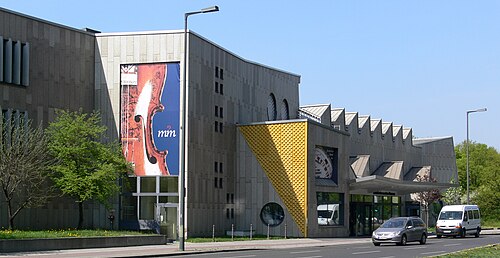
Musikinstrumenten-Museum
Berlin Musical Instrument Museum, known locally as Musikinstrumenten-Museum, is a specialist Berlin museum devoted to musical instruments.
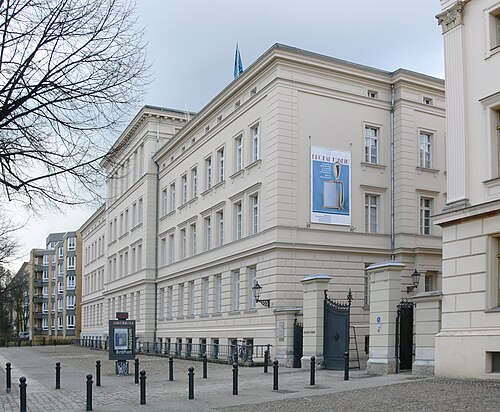
Bröhan-Museum
The Bröhan-Museum is a Berlin museum dedicated to Art Nouveau, Art Deco, and functionalist design. It occupies a historic building in Charlottenburg, near Schloss Charlottenburg.
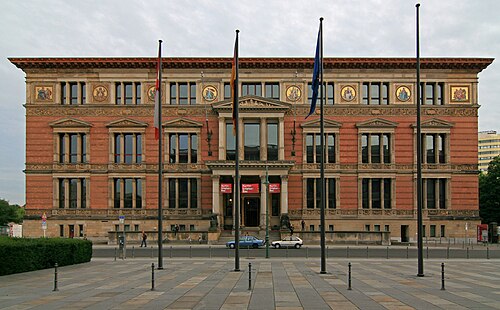
Gropius-Bau
Martin-Gropius-Bau is a Berlin exhibition house in a landmark nineteenth-century building near Potsdamer Platz and the former Berlin Wall corridor.
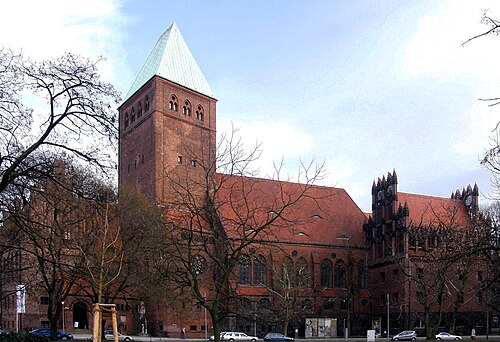
The Märkisches Museum is a museum in Berlin dedicated to the history and culture of the city and its surrounding Mark Brandenburg region.
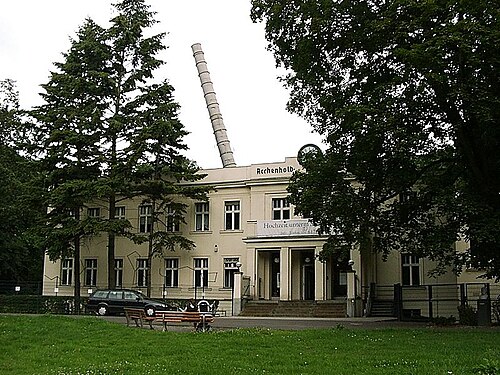
Archenhold-Sternwarte
Archenhold Observatory, known locally as Archenhold-Sternwarte, is a public astronomical observatory located in Berlin's Treptower Park. It was established in 1896 and houses what was once the world's longest movable refracting telescope.
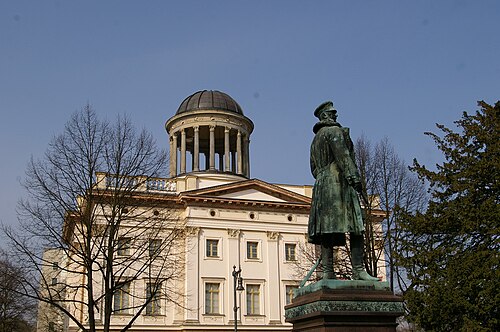
Museum Berggruen
Berggruen Museum, also known as Museum Berggruen, is a focused modern-art museum in Berlin’s Charlottenburg district. Its galleries present works associated with Pablo Picasso, Paul Klee, Henri Matisse, and Alberto Giacometti.
Energie-Museum
Mitte is the main first-visit anchor, stretching from Alexanderplatz and Museum Island west toward Unter den Linden, Brandenburg Gate and Tiergarten. Kreuzberg lies south, Friedrichshain east, and Charlottenburg forms a separate western centre. The S-Bahn Ring is a useful boundary for the inner city, but important sites also sit beyond it. Avoid combining opposite outer districts in the same half-day.
Checked 2026-08-26
Use S-Bahn and U-Bahn trains for long movements, with trams and buses filling gaps between rail corridors. Berlin uses fare zones A, B and C; the airport and nearby Potsdam are in zone C. Tickets are valid across participating modes within the purchased zones, but paper or app tickets must meet the stated activation rules. Walk once you reach a district cluster.
Checked 2026-08-26
A fixed duration is not recorded. Plan by district: Mitte, a western cluster, an eastern or southern neighbourhood, and any specialised museum or outer site that matters to you.
Mitte contains many headline sights, but Berlin is polycentric. Charlottenburg, Kreuzberg, Friedrichshain and outer memorial or palace sites require separate rail journeys.
Use S-Bahn and U-Bahn for cross-city travel, then trams, buses or walking within districts. One zonal ticket can cover participating modes for the chosen validity area.
Berlin Brandenburg Airport is in zone C. A journey between the airport and the central city therefore needs a ticket whose zones include C as well as the destination area.
Treat Potsdam as a separate excursion. It lies outside Berlin's central districts and in fare zone C, so it needs dedicated travel time and the correct ticket coverage.