
32
45 min
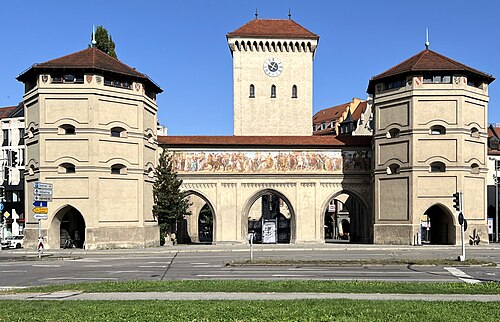
Isartor
Isartor is one of Munich's surviving medieval city gates and marks the eastern edge of the historic Altstadt.
- Must see
- Historic monument
City guide · Germany
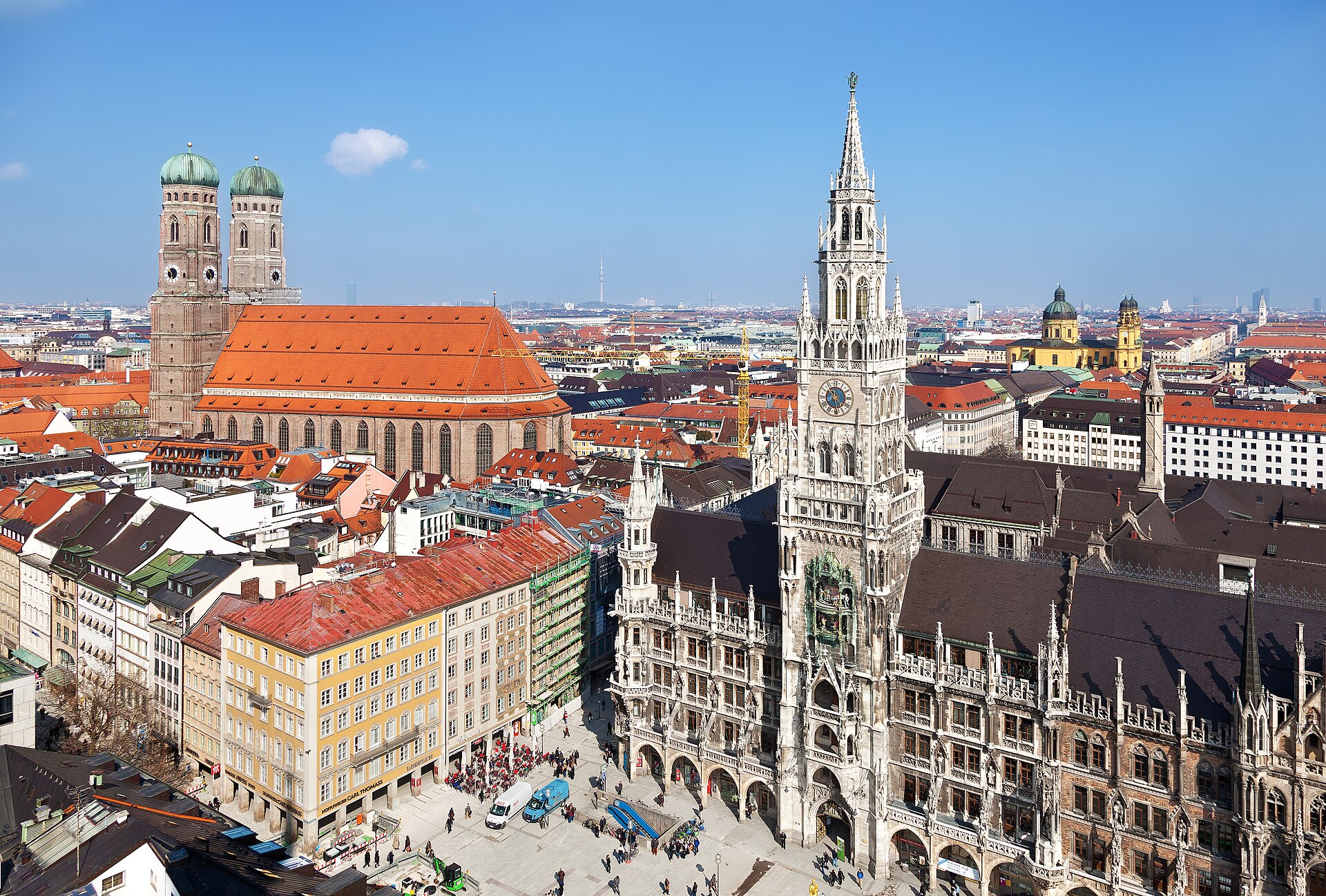
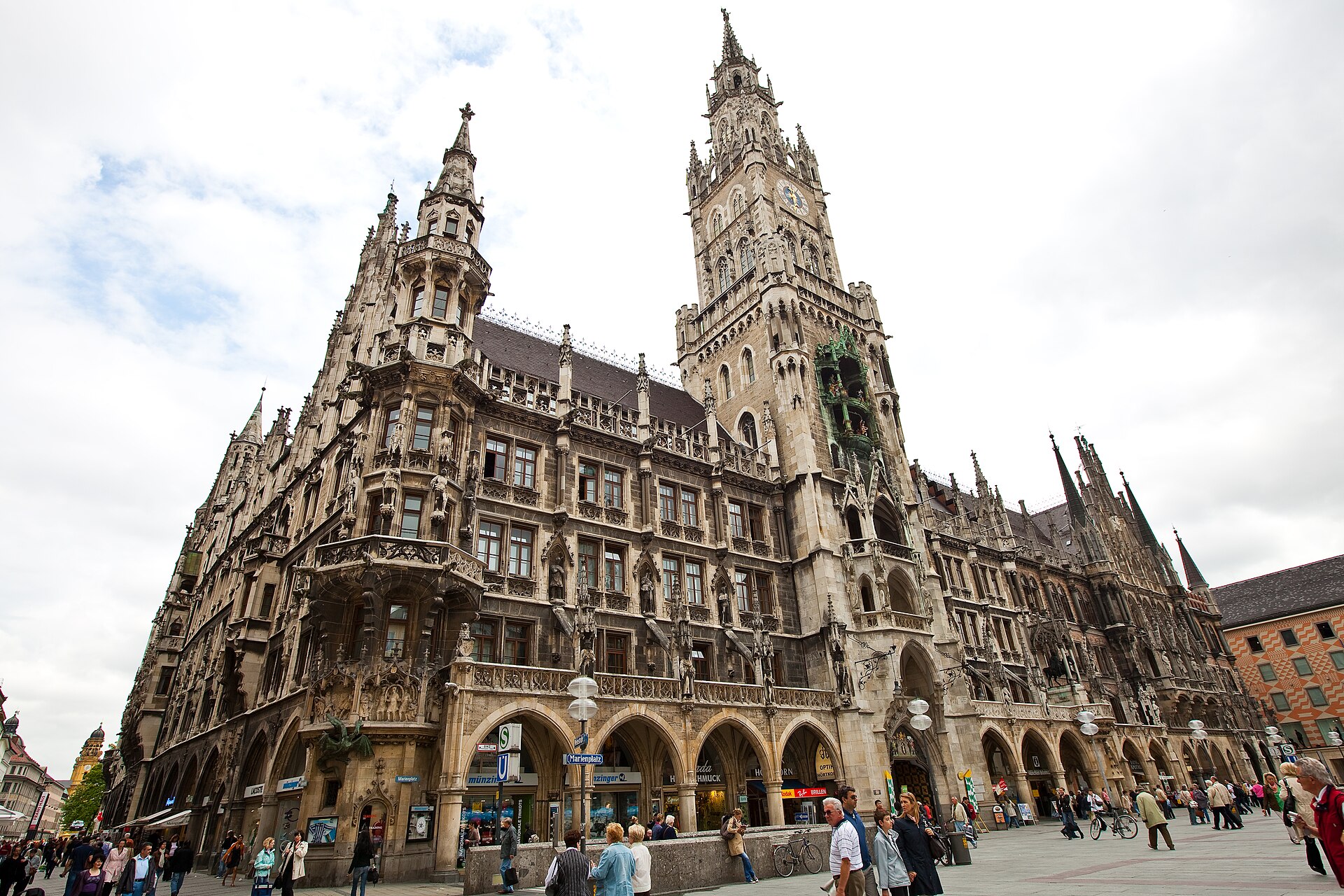
Munich's visitor core is centred on Marienplatz and the Altstadt, with the Residenz, major churches and markets within walking distance. The museum quarter lies...
Photograph · Thomas Wolf, www.foto-tw.de · CC BY-SA 3.0 de
Set your days, your pace and the hours you actually want to be out. The planner works around closing days and travel time, and leaves room to eat.
Reviewed by Elena Voss · Roavina Travel Editor
Munich's visitor core is centred on Marienplatz and the Altstadt, with the Residenz, major churches and markets within walking distance. The museum quarter lies northwest, the English Garden stretches north, and the main station stands west of the old centre. Nymphenburg Palace, Olympiapark and BMW Welt form separate outer clusters that are best reached by public transport.
Checked 2026-08-26
September · September balances a 18.8°C daily maximum with 86.3 mm precipitation in Munich, a strong early-autumn combination.
Ranked by importance — sitelinks, pageviews and heritage status, not editor preference.
100 places match
Category
Typical visit duration
Interests
Isartor is one of Munich's surviving medieval city gates and marks the eastern edge of the historic Altstadt.
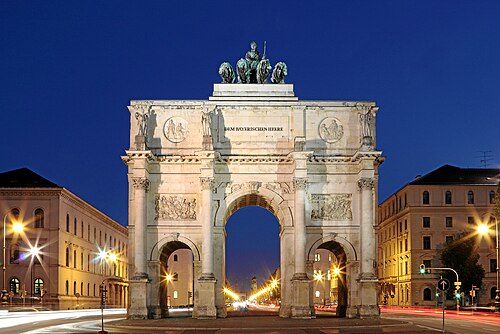
Siegestor is a nineteenth-century triumphal arch at the northern end of Ludwigstraße, where the avenue becomes Leopoldstraße in Munich. King Ludwig I commissioned the monument to commemorate Bavarian military achievements, and Friedrich von Gärtner designed it.
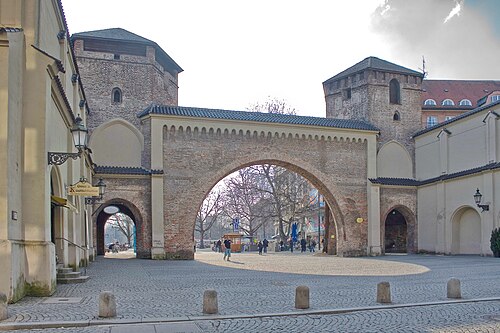
Sendlinger Tor is one of Munich's three remaining medieval city gates, standing at the southern end of the historic old town.
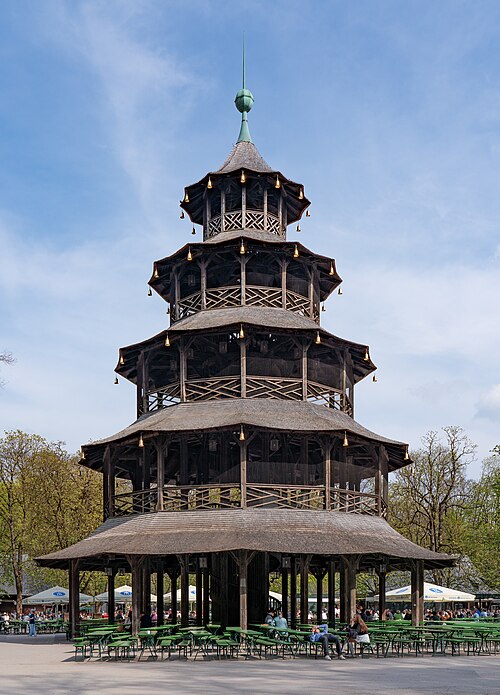
Chinesischer Turm
The Chinese Tower is a wooden pagoda-style structure located in Munich's Englischer Garten, one of the world's largest urban parks. Built in 1790, the tower stands approximately 25 metres tall and was designed by architect Johann Baptist Lechner.
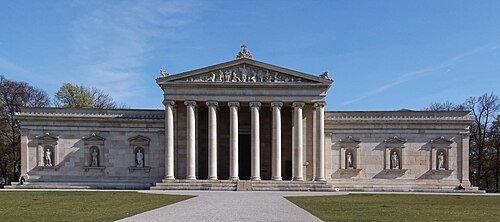
The Glyptothek occupies the north side of Königsplatz and is Munich's oldest public museum; its operator describes it as the only museum in the world devoted exclusively to ancient sculpture.
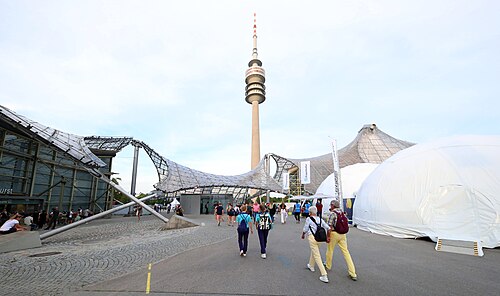
The Olympic Tower is shut. Olympiapark München GmbH closed it on 1 June 2024 for renovation, and it had not reopened when this page was checked on 26 August 2026, so nothing described here can be entered today.

The Botanischer Garten München-Nymphenburg is the botanical garden of Munich, operated in association with the Ludwig Maximilian University of Munich. It serves as both a scientific research facility and a public garden.
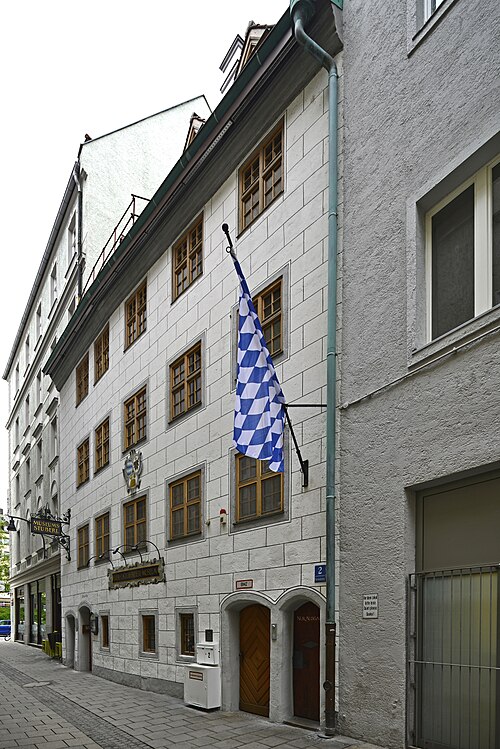
Bier- und Oktoberfestmuseum
The Beer and Oktoberfest Museum occupies a historic townhouse in Munich's old town, housed in one of the city's oldest preserved residential buildings dating from the 14th century.
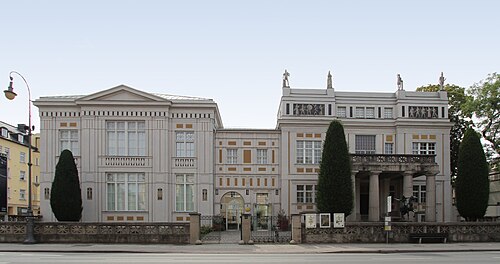
Villa Stuck is the former home and studio of painter Franz von Stuck in Munich’s Bogenhausen district. The late nineteenth-century villa now functions as a public museum, preserving the setting in which Stuck lived and worked.
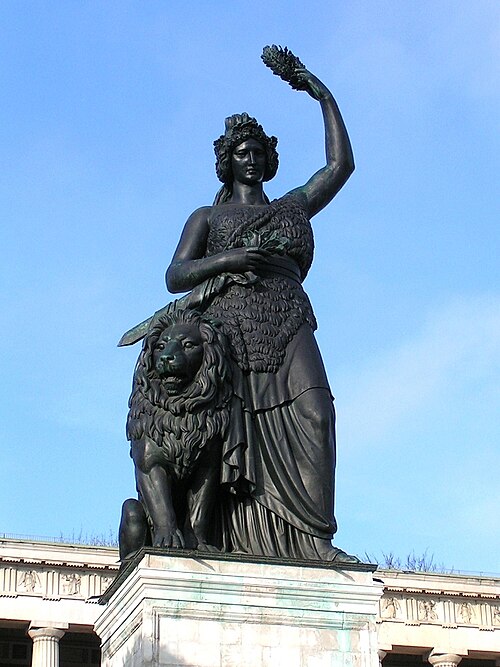
Bavaria is a monumental bronze statue standing prominently in Munich's Theresienwiese, the traditional grounds of Oktoberfest. Cast in the 19th century, this female personification of the Bavarian homeland ranks among Europe's largest bronze sculptures.
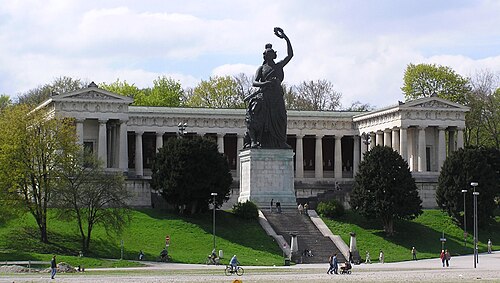
Ruhmeshalle is a sweeping nineteenth-century Doric colonnade on Munich’s Theresienwiese, the open grounds associated with Oktoberfest. Leo von Klenze designed the monument as a hall of fame for distinguished Bavarians.
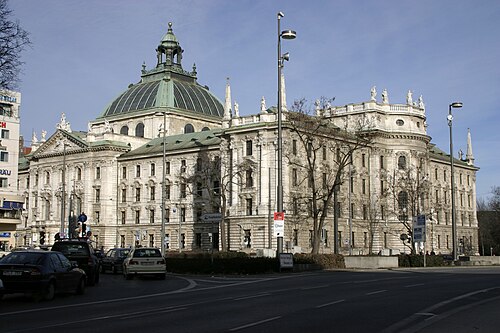
The Justizpalast is a historic courthouse building in Munich, Germany. Constructed in the late 19th century, it serves as a significant judicial and architectural landmark in the city.
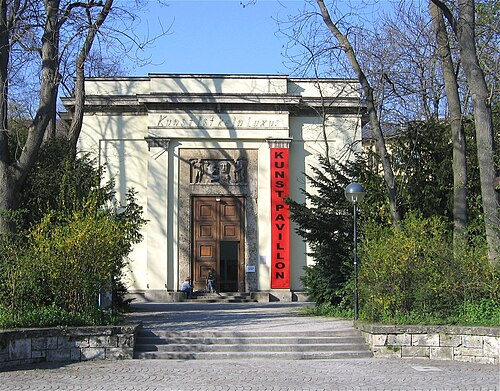
Alter Botanischer Garten is a historic public park in central Munich near Karlsplatz-Stachus. The site housed Munich’s original botanical garden from 1812 until the gardens moved to Nymphenburg in 1914.
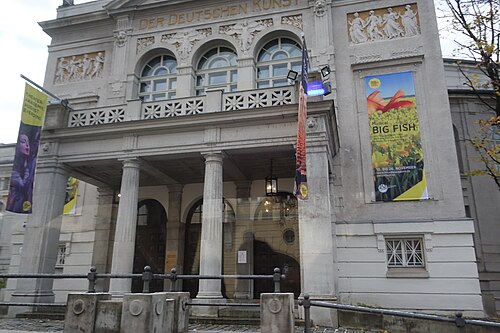
Prinzregententheater is a major theatre building in Munich, Germany. Constructed in the early twentieth century, it represents an important period of Bavarian cultural patronage under Prince Regent Luitpold.
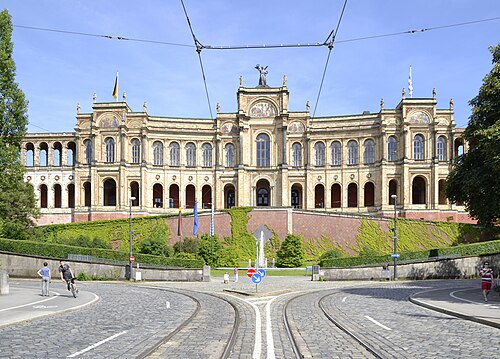
The Maximilianeum is a monumental palatial building located on the right bank of the Isar River in Munich. It serves as the seat of the Bavarian State Parliament (Bayerischer Landtag).
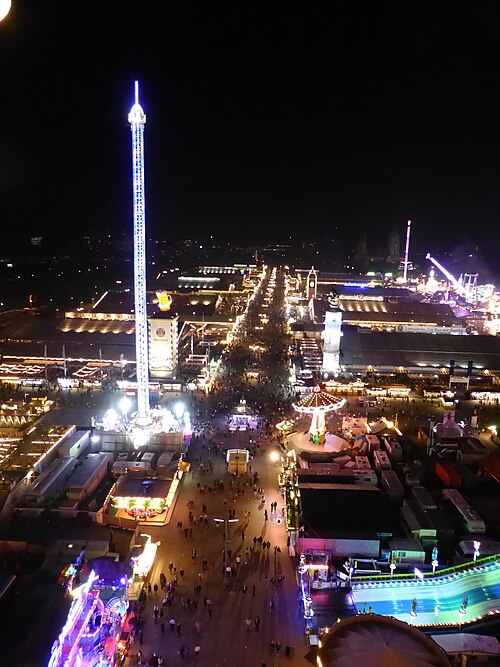
Oktoberfest is Munich’s city festival on the Theresienwiese, a short walk from the old town in Ludwigsvorstadt-Isarvorstadt.
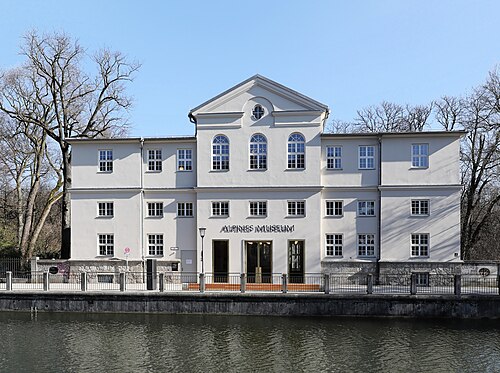
Alpines Museum
The Alpine Museum in Munich is a museum dedicated to the history, culture, and exploration of the Alpine region. It serves as a repository for mountaineering heritage, preserving artifacts and narratives related to the Alps across multiple countries.
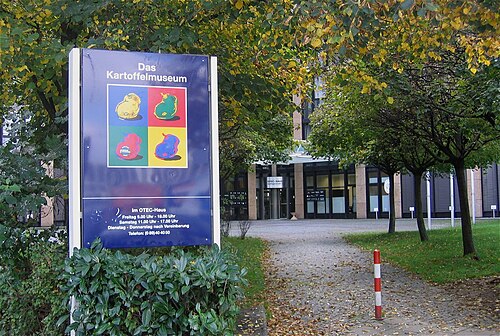
Pfanni Museum
Das Kartoffelmuseum, also known locally as the Pfanni Museum, is a Munich museum devoted to the potato and its cultural significance. The subject brings together food history, agriculture and culinary use in a focused museum concept.
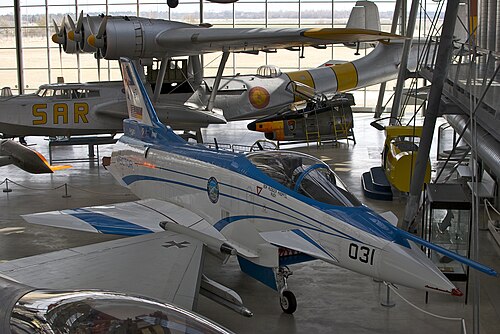
Flugwerft Schleißheim
Deutsches Museum Flugwerft Schleißheim is an aviation museum north of Munich, near Oberschleißheim. It occupies historic buildings at the former Schleißheim airfield, one of Germany’s oldest aviation sites.
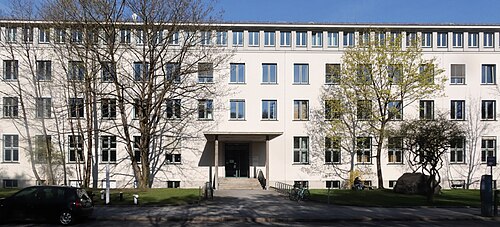
Geologisches Museum
The Geologisches Museum München is a geological museum in Munich devoted to earth sciences and natural history.
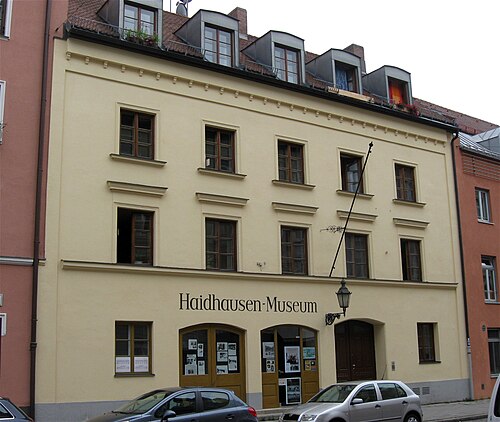
Haidhausen Museum
Haidhausen-Museum introduces Munich’s Haidhausen district through local history. The museum’s focus is the neighbourhood’s social and urban development, making it a useful stop for travellers who want to understand how an area changes over time.
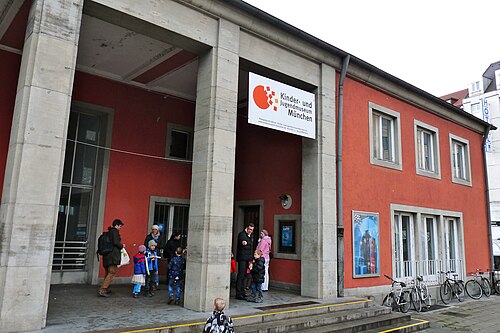
Kindermuseum München
Kinder- und Jugendmuseum München, also known locally as Kindermuseum München, is a children’s and youth museum in Munich. The museum is designed around interactive educational experiences for younger visitors, making participation central to the visit.
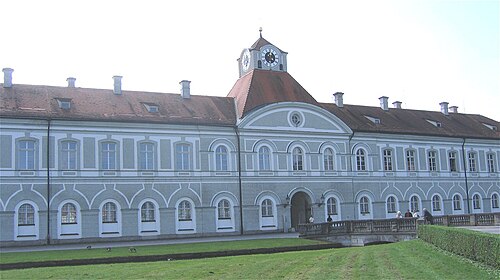
Marstallmuseum Nymphenburg
Marstallmuseum is a museum of royal carriages, sleighs and riding equipment within the grounds of Nymphenburg Palace in Munich. It occupies the former royal stables and preserves vehicles associated with Bavarian rulers, particularly during the eighteenth and nineteenth centuries.
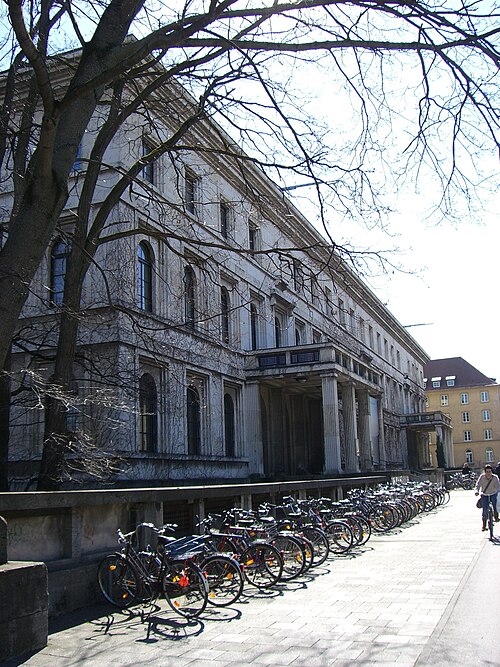
Museum für Abgüsse klassischer Bildwerke
Museum für Abgüsse Klassischer Bildwerke is a Munich museum devoted to plaster casts of classical sculpture.
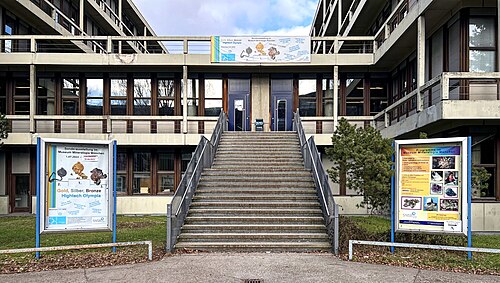
Museum Mineralogia München
Museum Mineralogia Munich is a specialist collection where crystals are presented through their roles in nature and technology.
Use Marienplatz as the centre of the Altstadt. The Residenz and Odeonsplatz sit north, Viktualienmarkt lies south, and the main station is west along the central shopping axis. The Kunstareal museum district is northwest of the old town, while the English Garden runs north from the centre. Nymphenburg, Olympiapark and the BMW complex require dedicated trips beyond the compact core.
Checked 2026-08-26
Walk inside the Altstadt and use the integrated U-Bahn, S-Bahn, tram and bus network for outer districts. Munich's official city portal describes these four modes as the public transport system, with S-Bahn connections to the airport and regional network. Tickets depend on the relevant fare zones, so confirm the destination and validity area before travel rather than relying on distance alone.
Checked 2026-08-26

A fixed duration is not recorded. Plan the Altstadt first, then add the museum quarter, English Garden and one or more outer clusters according to interest.
Yes. Marienplatz, the Residenz, Viktualienmarkt and the principal old-town churches form a compact walking area. Public transport is more efficient for Nymphenburg and Olympiapark.
Munich's integrated system includes U-Bahn, S-Bahn, trams and buses. The same network structure connects the centre with outer districts and airport S-Bahn services.
The city's official transport guide identifies S-Bahn lines S1 and S8 as airport connections. Check the required fare zones before buying or activating a ticket.
Nymphenburg Palace, Olympiapark and the BMW complex lie beyond the compact Altstadt. Group each outer area rather than returning to the centre between nearby stops.
.jpg)

