Santa Maria delle Grazie
Santa Maria delle Grazie is a Dominican convent church in central Milan, designated a UNESCO World Heritage Site jointly with Leonardo da Vinci's Last Supper housed within its refectory.
- Must see
- Historic monument
- Milan
Country guide
Italy holds 62 World Heritage Sites, more than any other country, spread across 301,340 km2 of land that runs from the Alps down into the middle of the Mediterr...
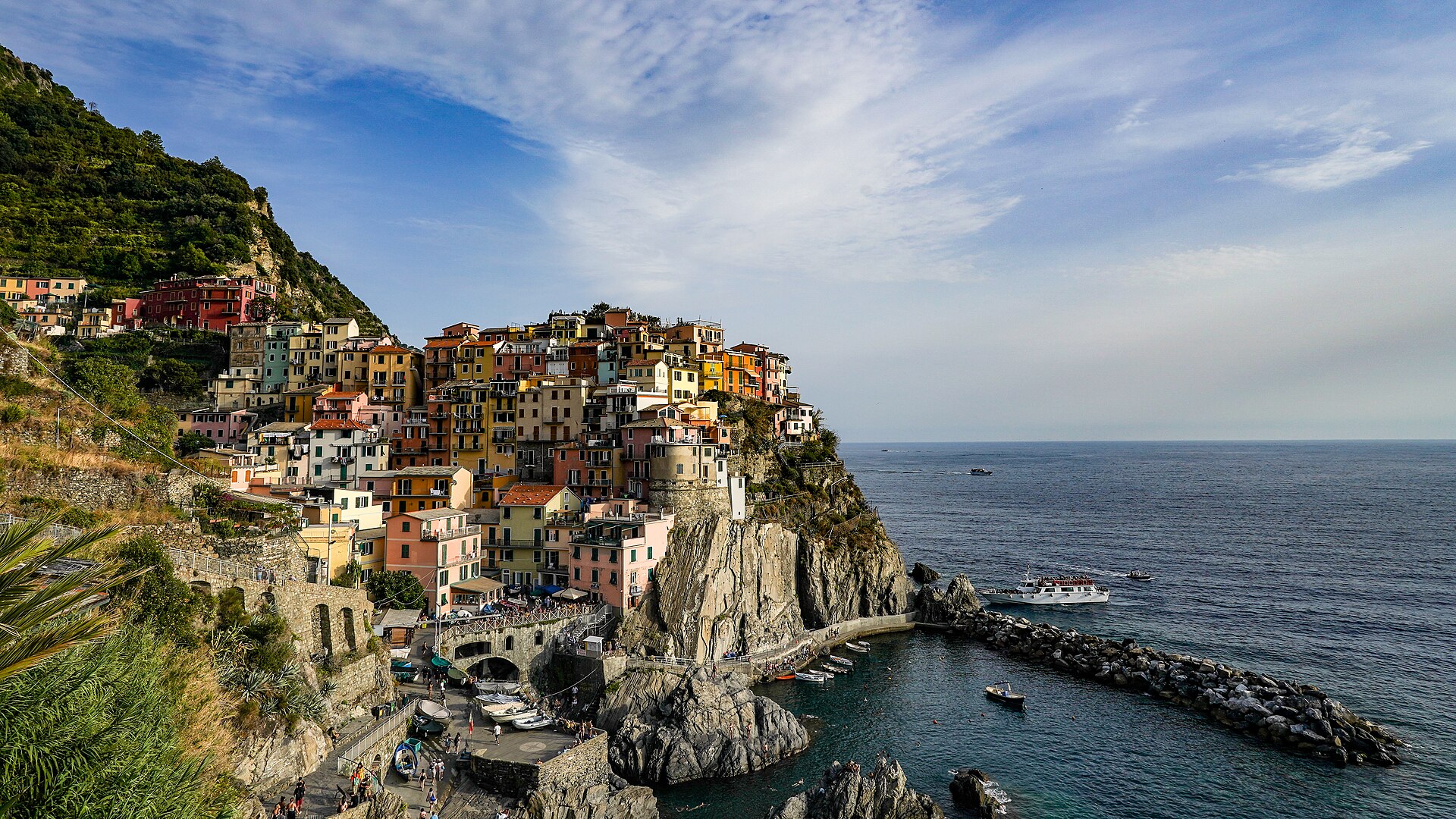
Photograph · Timothy A. Gonsalves · CC BY-SA 4.0
Reviewed by Elena Voss · Roavina Travel Editor
Italy holds 62 World Heritage Sites, more than any other country, spread across 301,340 km2 of land that runs from the Alps down into the middle of the Mediterranean. The distances between its cities are short and the differences between them are not: Venice has no roads, Naples sits under a volcano on a bay, Florence fits inside a walkable Renaissance grid, and Milan keeps its art indoors and works for a living. Rome is the capital and the obvious first trip; the argument is always about what comes second. Nearly 800 islands hang off the coast, and Sicily and Sardinia are each large enough to be a trip of their own.
Checked 2026-08-25
Every city catalogued in this country so far, ranked by how much there is to see.
Photograph · Bert Kaufmann from Roermond, Netherlands · CC BY-SA 2.0
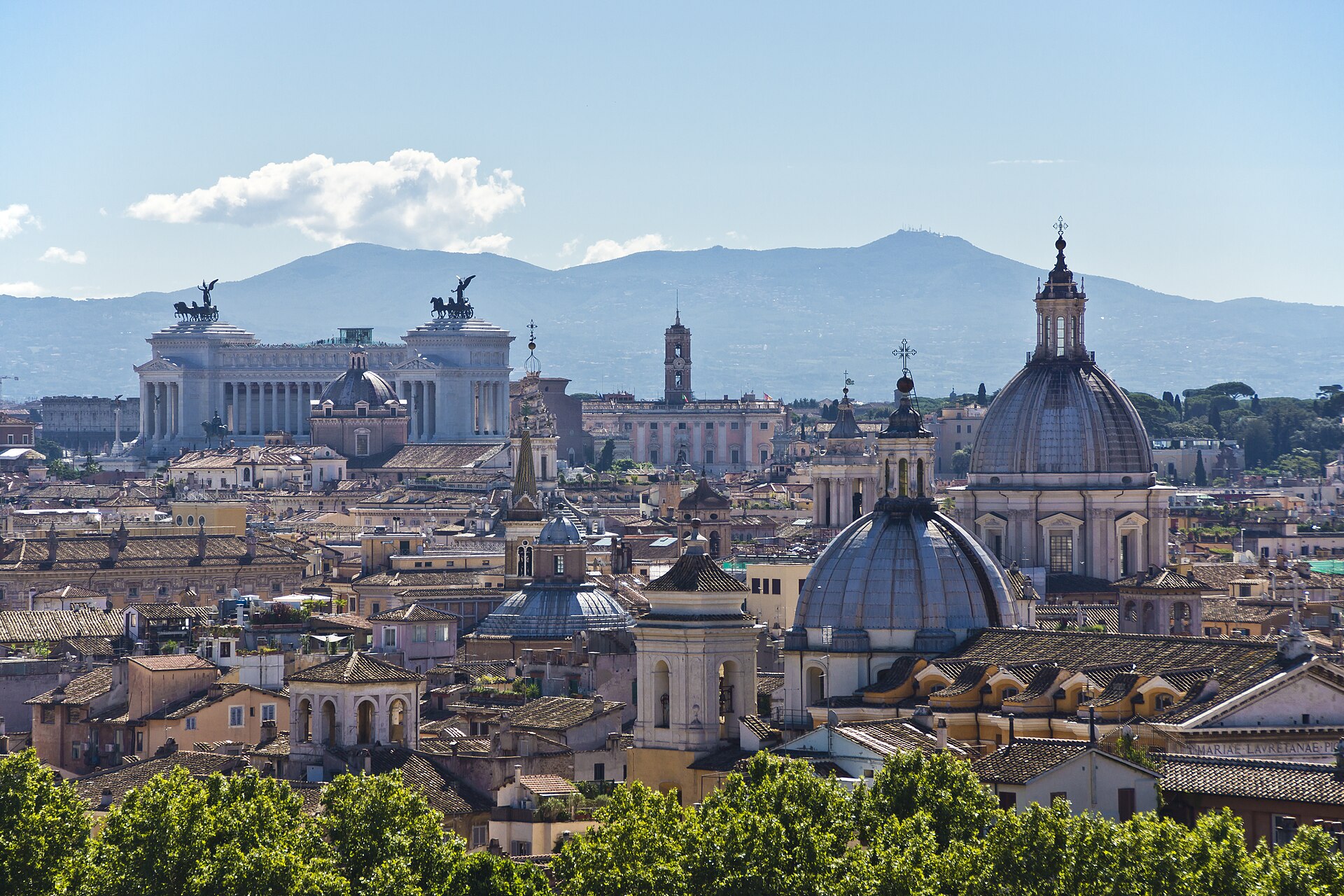
Photograph · Daniel Case · CC BY-SA 3.0
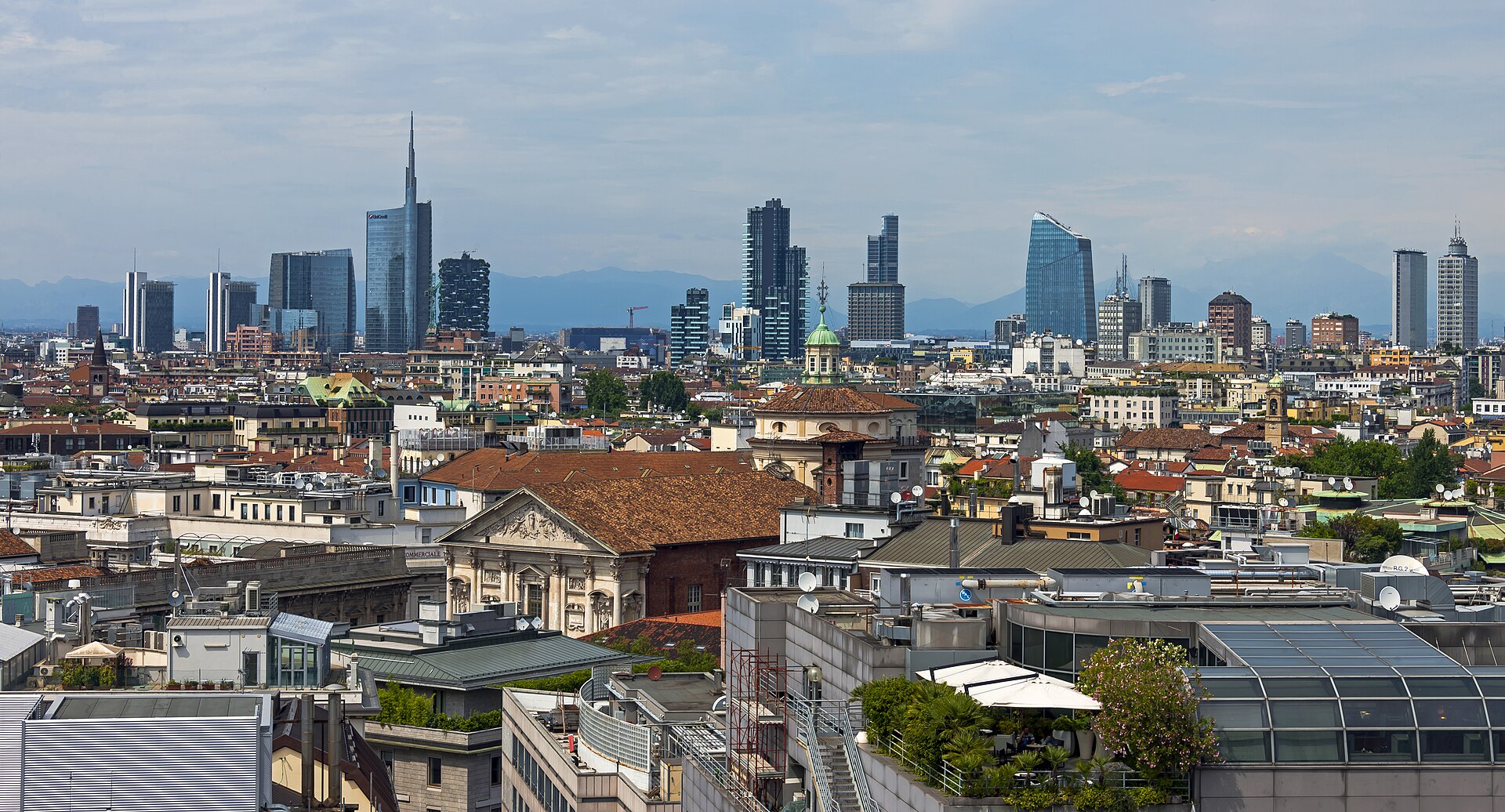
Photograph · Wikibusters · CC BY-SA 4.0
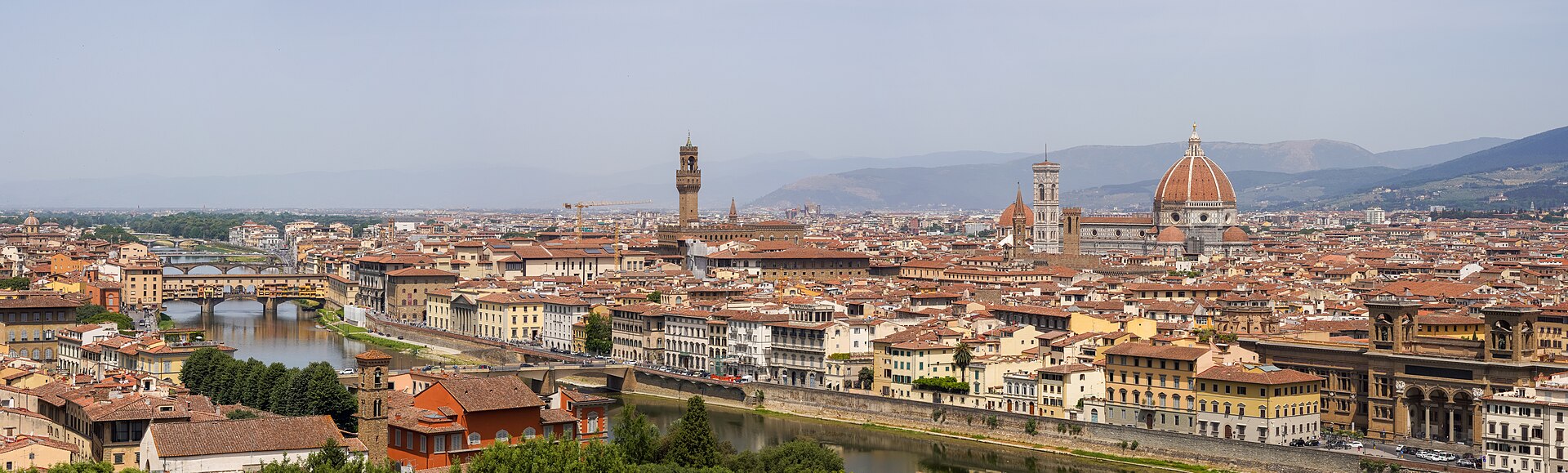
Photograph · Martin Falbisoner · CC BY-SA 4.0
Ranked by importance — sitelinks, pageviews and heritage status, not editor preference.
137 places match
Category
Typical visit duration
Interests
Santa Maria delle Grazie is a Dominican convent church in central Milan, designated a UNESCO World Heritage Site jointly with Leonardo da Vinci's Last Supper housed within its refectory.
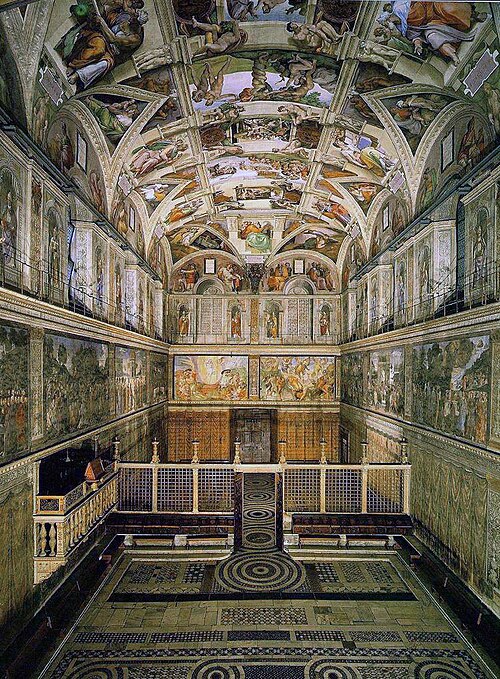
Cappella Sistina
The Sistine Chapel, known locally as Cappella Sistina, is a chapel in the Apostolic Palace within Vatican City. It serves as the site of the Papal conclave, where new popes are elected.
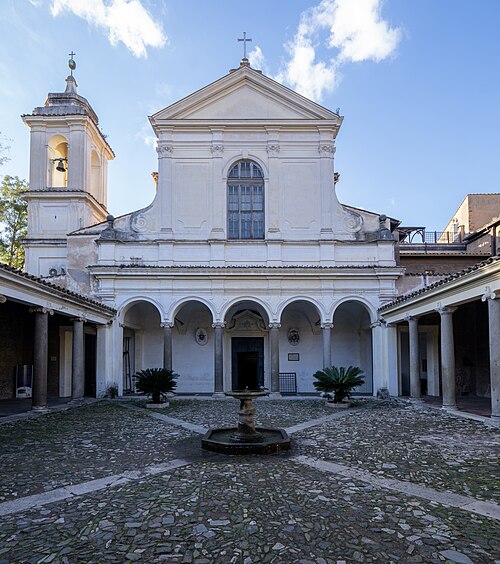
Basilica di San Clemente al Laterano
The Basilica of San Clemente is a layered historical church near the Colosseum in Rome. The present structure dates from the twelfth century, built over a fourth-century basilica, which itself covers Roman-era buildings including a mithraeum.
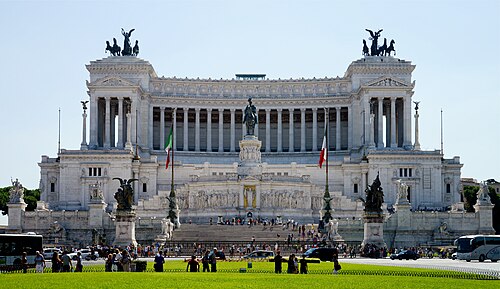
The Altare della Patria, formally known as the Monumento Nazionale a Vittorio Emanuele II, is a prominent national monument in central Rome.
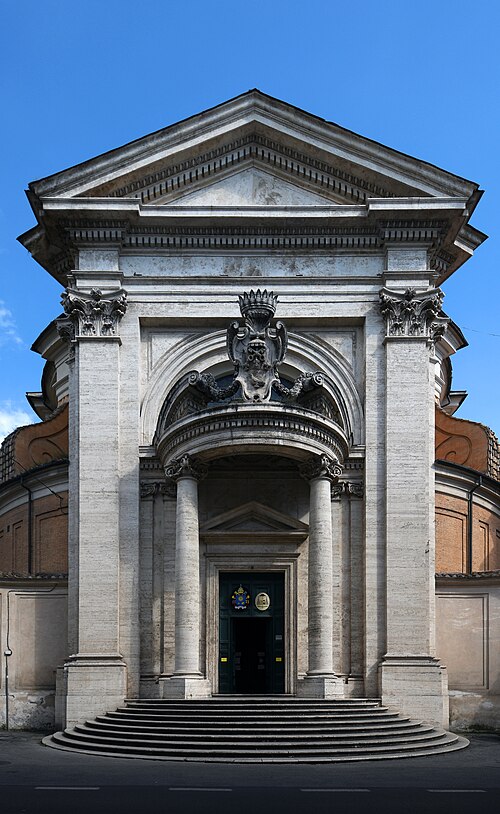
Chiesa di Sant'Andrea al Quirinale
Sant'Andrea al Quirinale is a Jesuit church on Rome’s Quirinal Hill, designed by Gian Lorenzo Bernini and completed in the late seventeenth century. Dedicated to Saint Andrew the Apostle, it is one of Bernini’s most accomplished religious buildings.
Galleria Vittorio Emanuele Secondo
The Galleria Vittorio Emanuele II is a historic shopping arcade in central Milan, Italy. Named after the first king of unified Italy, it opened in 1877 and represents one of Europe's oldest covered shopping galleries.
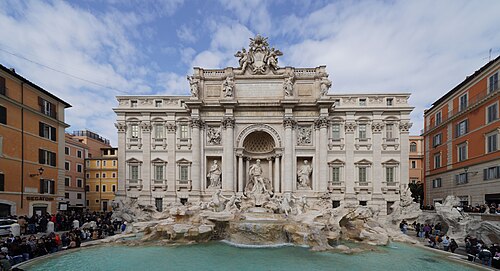
Fontana di Trevi
The Trevi Fountain is the terminal display, the mostra, of the Acqua Vergine — the aqueduct brought into Rome in 19 BC and the only one of the ancient aqueducts that has run without interruption to the present day.
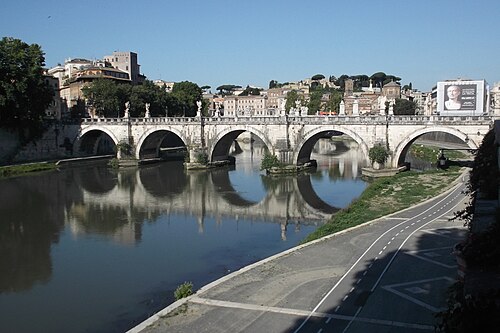
Ponte Sant'Angelo is a historic bridge spanning the Tiber River in Rome, connecting the city centre to the Castel Sant'Angelo.
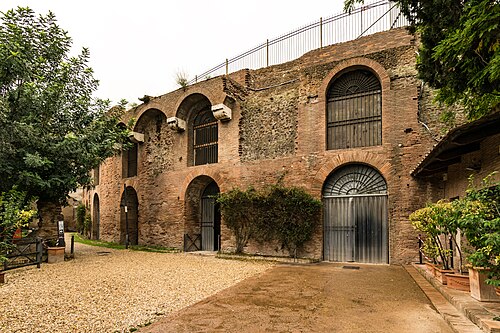
The Domus Aurea, or Golden House, was the vast palace built by Emperor Nero after the Great Fire of Rome in 64 AD.
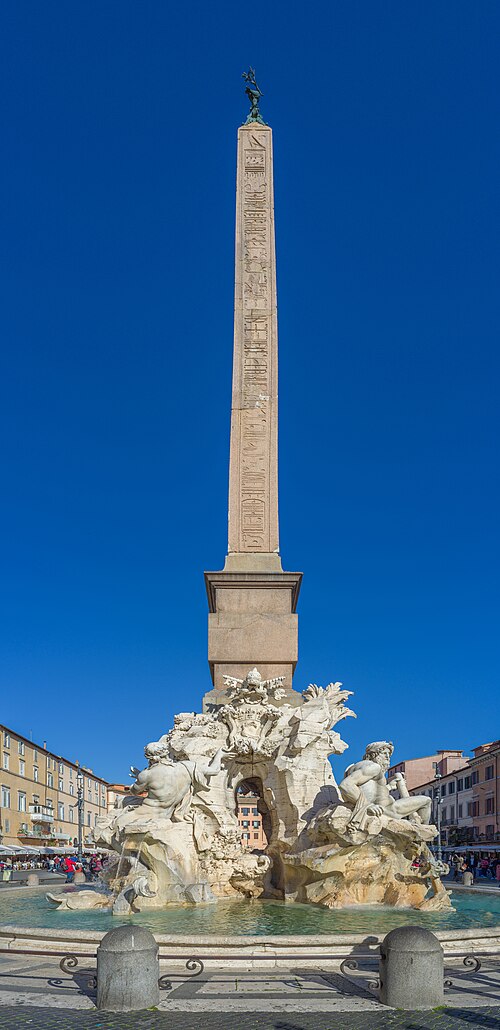
Fontana dei Quattro Fiumi
The Fontana dei Quattro Fiumi is a Baroque masterpiece designed by Gian Lorenzo Bernini and completed in 1651. It occupies the center of Piazza Navona, one of Rome's most celebrated public squares.
Basilica di San Lorenzo Maggiore
The Basilica of San Lorenzo, locally named Basilica di San Lorenzo Maggiore, stands as one of Milan's most ancient churches.
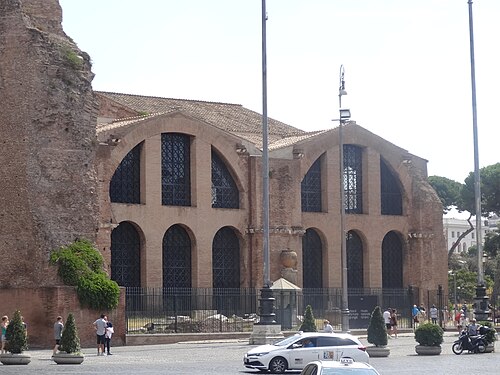
Terme di Diocleziano
The Baths of Diocletian, known locally as Terme di Diocleziano, constitute one of ancient Rome's most massive bath complexes. Constructed between 298 and 306 CE, these public baths were commissioned by Emperor Maximian and named after his co-emperor Diocletian.
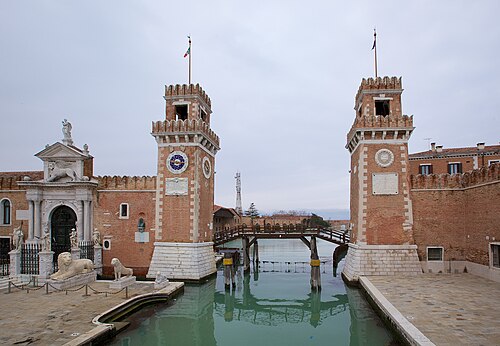
Arsenale di Venezia
The Venetian Arsenal is a vast former shipyard complex in Venice's Castello district. Established in the twelfth century, it became one of Europe's largest industrial centres before the modern era, producing merchant and naval vessels using innovative assembly-line techniques.
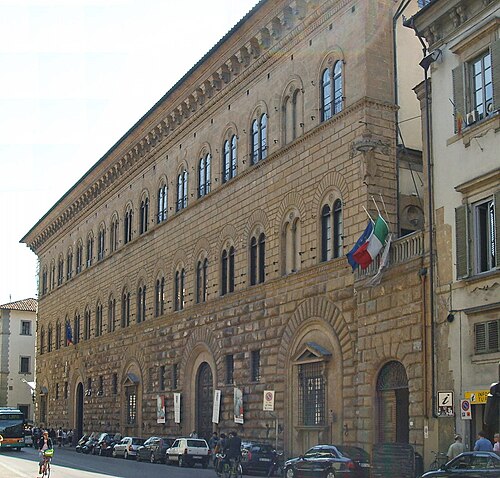
Palazzo Medici Riccardi is a Renaissance palace in Florence, Italy. It was commissioned by Cosimo de' Medici and designed by Michelozzo di Bartolomeo in the fifteenth century.
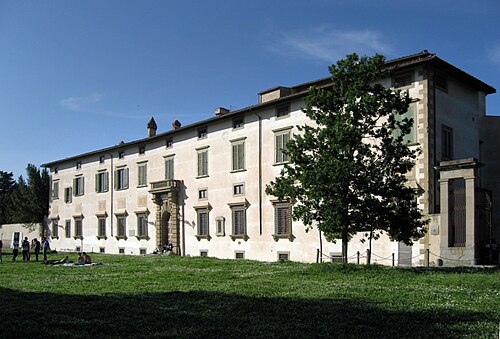
Villa medicea di Castello
Villa Castello, or Villa medicea di Castello, is a Medici villa on the outskirts of Florence. The property combines Renaissance architecture with a formally designed garden and belongs to the network of rural residences created for the Medici family.
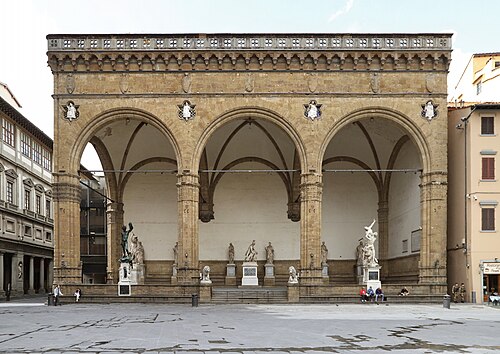
The Loggia dei Lanzi is an open-air sculpture gallery located on the southeast corner of Piazza della Signoria in Florence. Built between 1376 and 1382, this Gothic-style loggia was originally designed to host public ceremonies of the Florentine Republic.
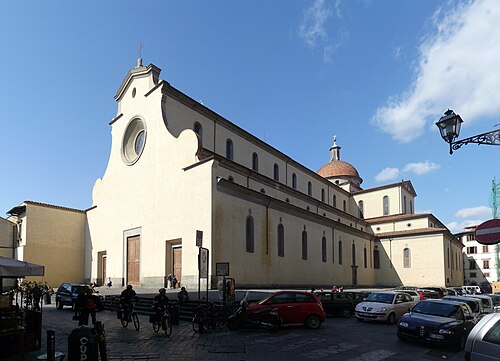
Basilica di Santa Maria del Santo Spirito
Santo Spirito is a major basilica in Florence's Oltrarno district, formally named Basilica di Santa Maria del Santo Spirito. The church stands as one of the most significant Renaissance religious structures in the city, designed by Filippo Brunelleschi.
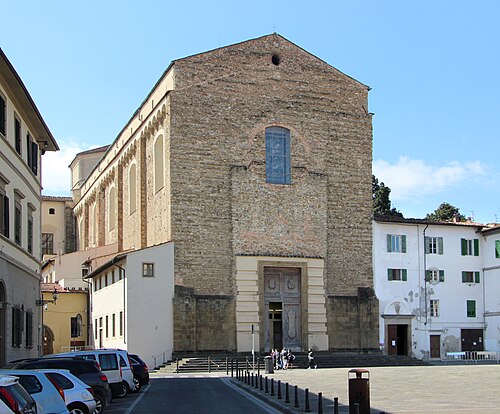
Basilica di Santa Maria del Carmine
Santa Maria del Carmine is a Carmelite church in Florence's Oltrarno district. The basilica dates to the thirteenth century and was rebuilt after a devastating fire in 1771 destroyed much of its interior.
Basilica della Santissima Annunziata
The Basilica della Santissima Annunziata is a major Renaissance church in Florence and the centre of the piazza that bears its name.
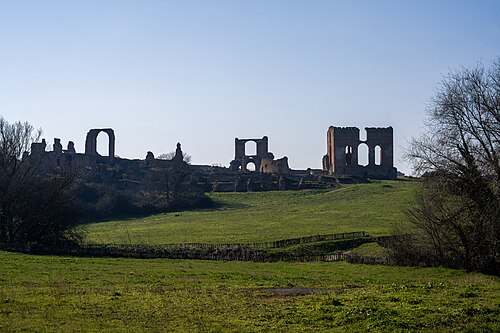
Villa dei Quintili
The Villa dei Quintili is a large Roman aristocratic estate on the Via Appia southeast of Rome. The Quintilii brothers, wealthy consuls in 151 CE, owned the residence before Emperor Commodus seized it and had them executed.
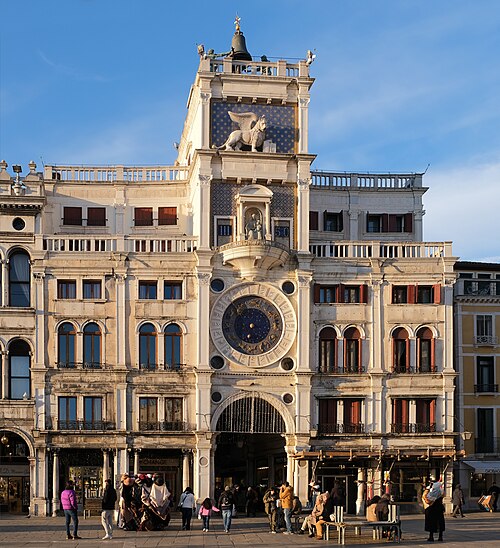
Torre dell'orologio
St Mark's Clocktower, or Torre dell'Orologio, is a Renaissance landmark on the north side of Piazza San Marco. Its astronomical clock displays the hours, moon phases and zodiac signs, while two bronze figures strike the bell above.
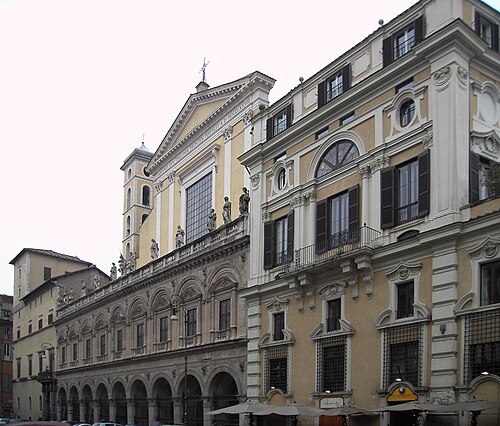
Palazzo Colonna is a historic palace in Rome, Italy, belonging to the Colonna family, one of the oldest and most prominent noble families in the city.
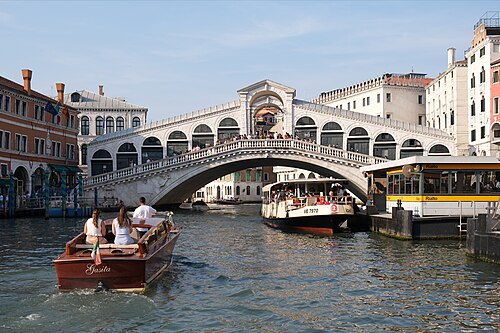
Ponte di Rialto
The Ponte di Rialto is the oldest of the four bridges that cross the Grand Canal inside Venice, and until the Accademia bridge was built in 1854 it was the only one.
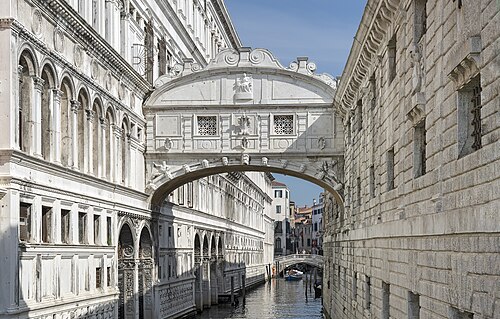
Ponte dei Sospiri
The Bridge of Sighs, or Ponte dei Sospiri, is an enclosed limestone bridge in Venice’s San Marco district. It crosses the Rio di Palazzo and links the Doge’s Palace with the New Prison.
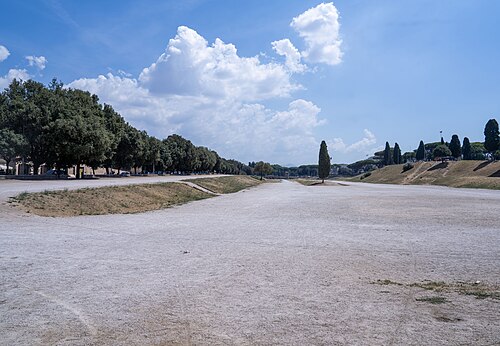
Circo Massimo
Circus Maximus, known locally as Circo Massimo, is an ancient Roman chariot racing stadium and mass entertainment venue situated in the valley between the Aventine and Palatine hills in Rome.
Ten to fourteen days can combine Milan, Venice, Florence, and Rome by high-speed train. Give Venice more than a transfer night and Rome several separate sightseeing days; rural Tuscany needs different transport planning from the rail-linked cities.
Italy is in the Schengen Area, but visa and passport requirements vary by nationality and route. Use Italy's official visa portal to confirm the applicable rule before travel rather than relying on another Schengen trip.
High-speed trains connect Milan, Venice, Florence, and Rome, with regional rail and coaches serving smaller places. Drivers must check ZTL restrictions before entering historic centres because access controls are local and can generate fines.
April to June and September to October broadly suit the north-to-Rome rail route. Lagoon conditions in Venice, summer heat in Rome, and seasonal rural services in Tuscany should be checked independently.
Italy uses the euro (EUR). Carry a modest cash reserve for small purchases while using cards where accepted, and verify the euro amount at the terminal instead of accepting an unexamined conversion.
Italy routes emergency calls through 112. Travellers encounter a 230 V supply and Type C, F, or L receptacles. No tap-water assessment is recorded for Italy; obtain current local advice at the destination.