
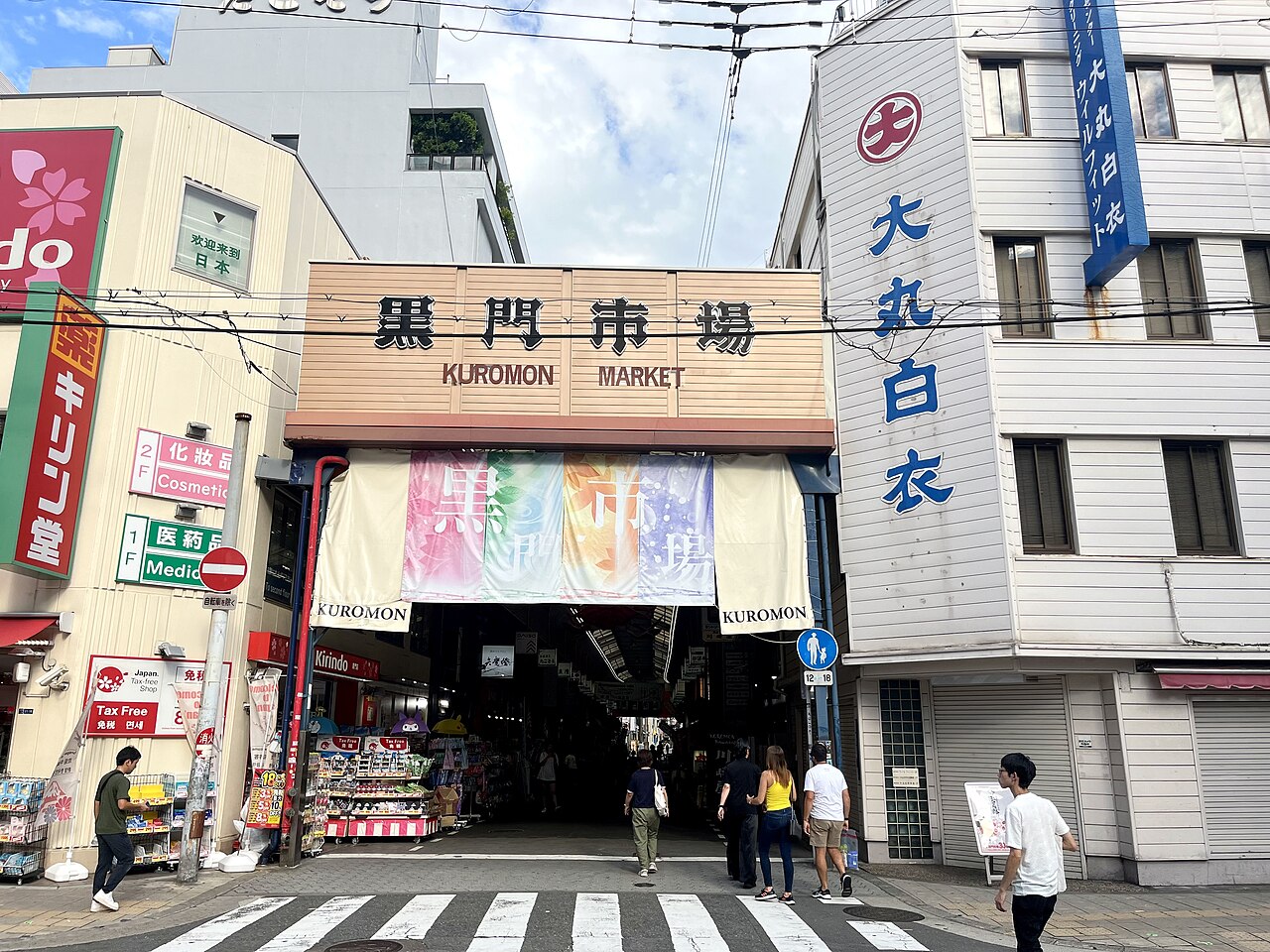
6 min walk
Kuromon Market
- Must see
- Market
Language · 11 published
Place of worship · Osaka
源聖寺
Reviewed by Elena Voss · Roavina Travel Editor
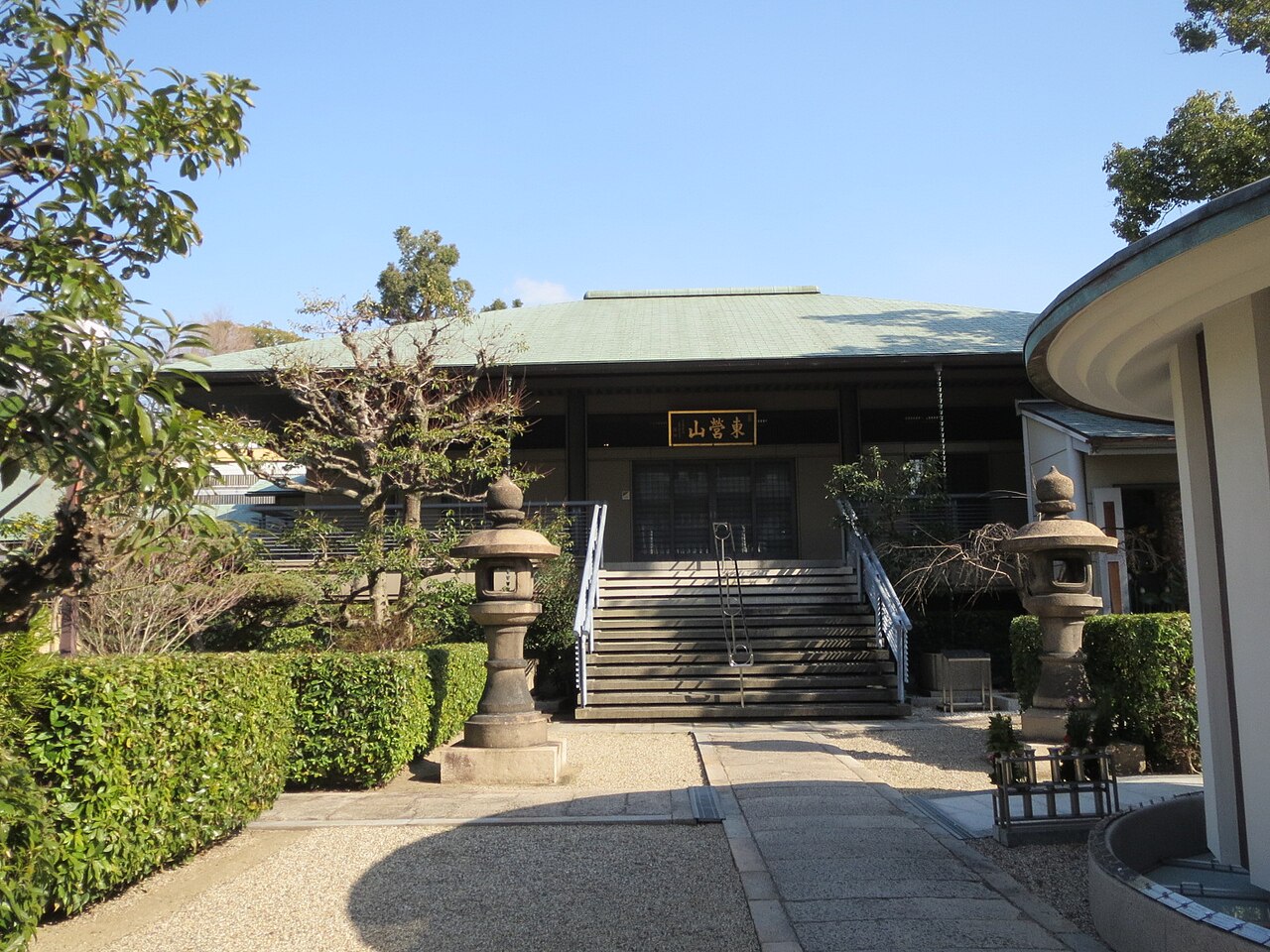
This place is a Place of worship.
Gensyō-ji Temple is a Buddhist temple in Osaka, known locally as 源聖寺. The temple forms part of Osaka’s religious and cultural landscape and gives visitors a chance to encounter Buddhist practice within a major Japanese city. Gensyō-ji Temple is suited to travellers who enjoy traditional architecture, quiet places of worship, and neighbourhood-scale heritage rather than only Osaka’s largest attractions. The experience comes from being present in a functioning temple environment: observe the buildings, move calmly through the grounds, and allow space for worshippers. The temple can provide a useful contrast with Osaka’s crowded commercial streets and entertainment districts. It also fits naturally into a walking route that includes other cultural places, because the visit can be brief without feeling rushed. Visitors should approach Gensyō-ji Temple with cultural curiosity and modest expectations about tourist infrastructure. A temple’s religious purpose remains central even when visitors arrive for architecture or photography. The most rewarding visit is attentive, quiet, and guided by the atmosphere of the place rather than by a checklist of exhibits.
Checked 2026-08-26 · Source
Gensyō-ji Temple offers the kind of setting associated with an urban Japanese Buddhist temple: a main hall used for religious services, traditional grounds, stone lanterns, and ornamental details that support a contemplative atmosphere. Visitors should look at the temple as a connected precinct rather than searching for a museum collection. Notice how the main structures frame the paths and how devotional spaces differ from areas intended for movement or observation. The temple is valuable precisely because religious practice and visitor interest share the same setting. Interiors may contain objects or spaces intended for worship, so enter only where visitors are permitted and follow all signs. A respectful visit involves observing details without handling them and allowing ceremonies to proceed without interruption. Gensyō-ji Temple suits people interested in Buddhist architecture, Japanese cultural customs, and quieter urban experiences. Even when the visit is short, the combination of architecture, grounds, and religious purpose gives the stop a clear identity. Keep the camera ready only where photography is permitted and give priority to the atmosphere of the temple.
Checked 2026-08-26 · Source
Allow about 15 to 60 minutes for Gensyō-ji Temple, depending on whether the visit is a quick architectural stop or a slower period of prayer and observation. A brief visit can cover the grounds and main structures. A longer stay suits travellers who want to sit quietly, study details, or spend more time in the temple atmosphere. The flexible duration makes Gensyō-ji Temple easy to combine with other Osaka cultural stops. Avoid scheduling the temple so tightly that you must hurry through a worship area. The site is better experienced at the pace of a neighbourhood temple than at the speed of a major attraction. Visitors planning photography should reserve extra minutes for respectful composition without obstructing paths. Those joining religious activity should allow the activity itself to determine the timing. Gensyō-ji Temple can therefore serve both a compact itinerary and a slower day focused on Osaka’s heritage. Keep the schedule open enough to accommodate ordinary movement, pauses, and the possibility of other visitors sharing the same spaces.
Checked 2026-08-26 · Source
Spring and autumn are comfortable seasons for spending time outdoors at Gensyō-ji Temple, while Osaka’s summer heat and humidity favour a shorter visit or an earlier start. Winter is generally milder and can suit travellers who prefer cooler walking conditions. Morning visits often provide a calmer setting for observation and prayer, although the atmosphere of an active temple can change with religious events and local use. Gensyō-ji Temple is best included in a day when the surrounding Osaka route allows a little flexibility. Seasonal weather affects comfort more than the temple’s cultural relevance, since the site remains a religious place throughout the year. Wear clothing suited to the conditions and keep your behaviour quiet when worshippers are present. Visitors interested in autumn colour or spring scenery should treat the season as an atmospheric benefit, not as the sole reason for travelling. The temple’s value comes from its architecture, devotional character, and urban setting. Choose a time when you can observe without rushing and leave room for respectful pauses.
Checked 2026-08-26 · Source
Gensyō-ji Temple should be approached as a religious site where general grounds access may differ from access to particular buildings, gardens, ceremonies, or activities. Japanese temples commonly welcome voluntary donations, and visitors may wish to carry cash for a contribution or religious purchase. Do not treat a donation box as a required attraction fee, and never interrupt worshippers while making an offering. If a separate activity has a charge, follow the information presented at the site and keep the distinction between ordinary access and special participation clear. The temple’s appeal does not depend on a commercial admission model. Travellers can focus on the main hall, traditional grounds, devotional details, and calm atmosphere. A flexible budget is useful for offerings or omamori, but the visit itself is primarily cultural and spiritual. Gensyō-ji Temple is a good choice for travellers seeking a modest Osaka heritage stop rather than a large ticketed complex. Respect the site’s religious purpose and let its own notices guide any payment connected with a ceremony or special area.
Checked 2026-08-26 · Source
Gensyō-ji Temple lies within Osaka, a city connected by trains, subways, and buses. Use Osaka’s public-transport network for the main journey, then expect a pedestrian approach through an urban neighbourhood. Taxis are a practical alternative when carrying luggage, travelling in a group, or linking the temple with several stops. A walking route works well when Gensyō-ji Temple is combined with other cultural places and local streets. Enter the full temple name into navigation tools to distinguish it from similarly named religious sites. Check the final approach on foot before setting a tight appointment, since city routes can include crossings, narrow pavements, and busy pedestrian areas. Osaka’s major rail systems make the city easy to cross, but the last part of a journey is best handled slowly and attentively. Follow signs and respect boundaries around the temple. The destination is most enjoyable when transport is treated as part of a neighbourhood exploration rather than as a race from station to gate. Comfortable shoes are useful for the visit and its surrounding streets.
Checked 2026-08-26 · Source
Quiet conduct is the main practical rule at Gensyō-ji Temple. Speak softly, avoid disruptive behaviour, and give worshippers priority in the main hall and other devotional areas. Follow signs concerning entry, footwear, and photography; remove shoes when an interior space requires it. Keep donation-making, phone use, and conversations discreet. The urban setting brings normal Osaka pedestrian traffic, so take care near roads and entrances as you move between the city and the temple grounds. Wet weather can affect outdoor surfaces, while traditional construction may include steps or uneven ground. Visitors with mobility concerns should move carefully and choose the areas they can comfortably reach. Do not touch statues, altar objects, lanterns, or other religious features. Avoid blocking a path while taking photographs, and keep children close in worship spaces. Gensyō-ji Temple is an active place of faith, not merely an architectural backdrop. Courteous clothing, a calm pace, and attention to local behaviour make the visit more comfortable for everyone. If a ceremony is underway, observe from a respectful distance and wait before moving through the area.
Checked 2026-08-26 · Source
Photograph Gensyō-ji Temple’s exterior architecture and grounds only where signs and local practice permit. Interior altars, devotional objects, and ceremonies deserve particular restraint, and worshippers should never be photographed without permission. Avoid flash near religious objects or during active worship. A phone or small camera is easier to use discreetly than a large setup, especially on narrow paths or around the main hall. Tripods and drones are unsuitable unless temple staff explicitly allow them. Look for compositions that include the relationship between the main structure, stone lanterns, paths, and surrounding Osaka streets rather than reducing the visit to a single façade. Morning or overcast daylight can reveal surface detail without harsh contrast. Stop taking pictures when a religious activity begins or when people need the space for prayer. Gensyō-ji Temple rewards quiet observation, and the best image may be the one taken after waiting for a clear, respectful moment. Keep photography secondary to the temple’s devotional character and leave every area as you found it.
Checked 2026-08-26 · Source
Gensyō-ji Temple is a Buddhist temple in Osaka, offering traditional religious architecture, a functioning worship environment, and a quiet cultural experience within the city.
Visitors can observe the main hall, temple grounds, stone lanterns, traditional architectural details, and spaces connected with Buddhist worship and contemplation.
A visit can take about 15 to 60 minutes. A brief stop covers the grounds, while prayer, photography, and detailed observation can justify more time.
Speak quietly, respect worshippers, follow signs, remove shoes when required, avoid touching religious objects, and keep photography discreet around devotional areas.
Exterior photography is appropriate where permitted. Interior spaces, altars, ceremonies, and worshippers require restraint and obedience to posted temple rules.
Gensyō-ji Temple adds a quieter Buddhist and architectural experience to an Osaka day, contrasting with the city’s busy commercial and entertainment districts.
Loading the interactive map…
The interactive map could not be loaded.
Last updated:
Source: OpenStreetMap contributors, Wikidata ·