A photograph of Tokyo

City guide · Japan

Tokyo

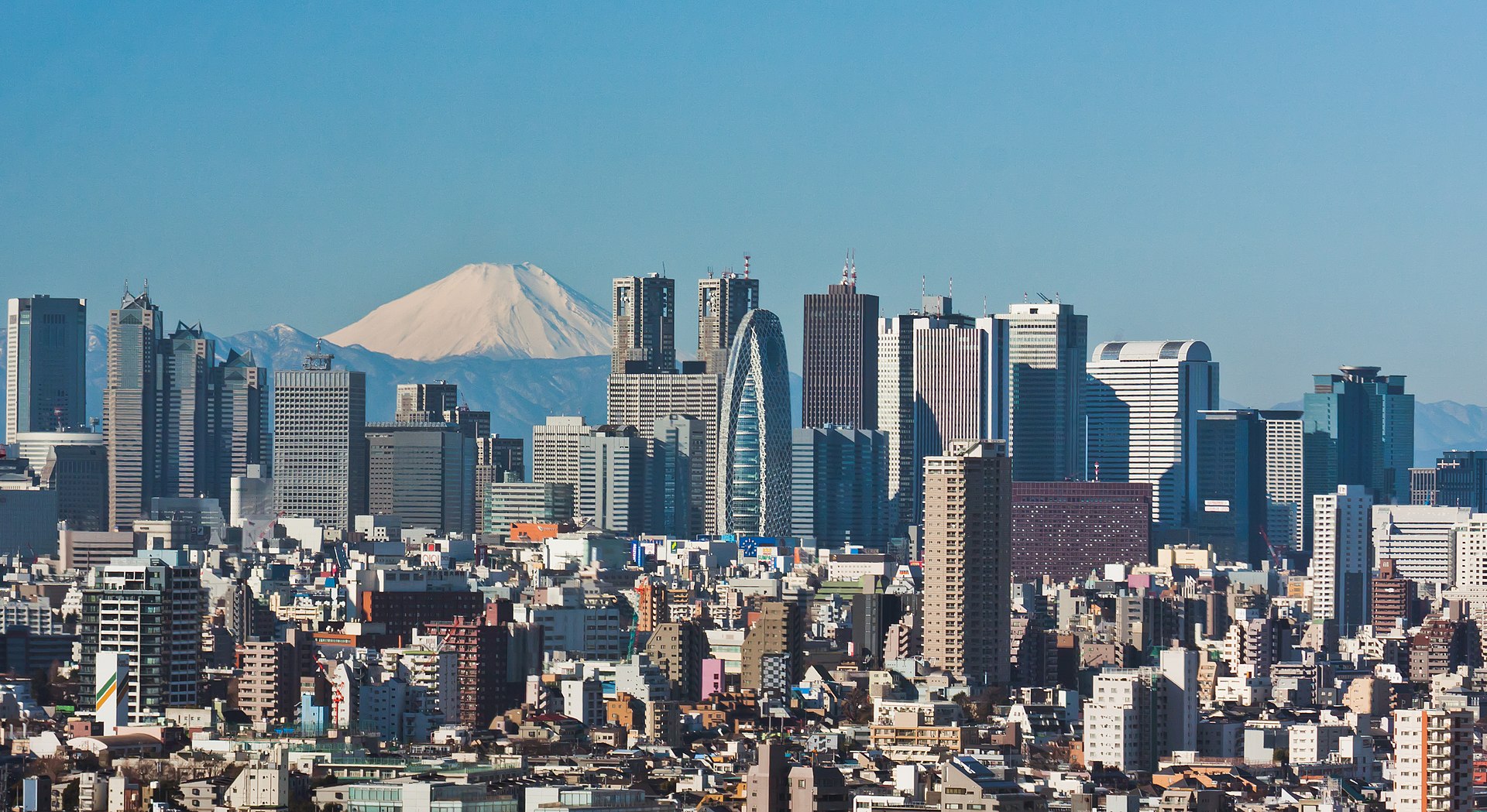
Tokyo is a network of major station districts rather than a single centre. Historic Asakusa and Ueno, commercial Ginza and Marunouchi, and the western hubs of S...

Photograph · Morio · CC BY-SA 3.0

22,518 Places
Suggested stay
5-6 days
Getting around
JR, subway and private rail with an IC card

Turn this list into a plan

Set your days, your pace and the hours you actually want to be out. The planner works around closing days and travel time, and leaves room to eat.

Plan Tokyo

Reviewed by Elena Voss · Roavina Travel Editor

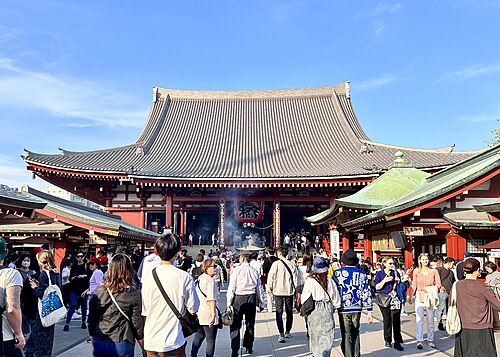
Tokyo is a network of major station districts rather than a single centre. Historic Asakusa and Ueno, commercial Ginza and Marunouchi, and the western hubs of Shinjuku and Shibuya each work as separate sightseeing clusters. Rail makes movement reliable, but large stations and cross-city transfers consume time. A good itinerary stays on one side of the city for half a day and uses the Yamanote loop, subway lines and through-running rail services to connect clusters.

Checked 2026-08-26

Practical information

Language spoken
Japanese
National practical orientation; regional and minority languages may also be used
Dialling code
+81
International calling code; local area and mobile prefixes still apply
Currency
Japanese yen (JPY)
Use the official local currency; card acceptance varies by place
Emergency number
110 police · 119 fire and ambulance
Use only for an emergency; tourist assistance may use a separate number
Plug type
Type A · 100 V
Check that chargers support the recorded voltage before using an adapter
Tap water
Safe from the mains
JNTO states that tap water is safe to drink

Planning a visit

September · September in Tokyo has JMA's 1991–2020 Kanto normal of 1.2 typhoon approaches. This is a route-planning risk, but the local monthly normal is below a severe-disruption threshold; the month remains NEUTRAL with a weather fallback.

  1. January: viable with meaningful trade-offs
  2. February: viable with meaningful trade-offs
  3. March: good time to visit
  4. April: best time to visit
  5. May: best time to visit
  6. June: good time to visit
  7. July: viable with meaningful trade-offs
  8. August: viable with meaningful trade-offs
  9. September: viable with meaningful trade-offs — current month
  10. October: good time to visit
  11. November: best time to visit
  12. December: viable with meaningful trade-offs

Sources

Top things to see

Ranked by importance — sitelinks, pageviews and heritage status, not editor preference.

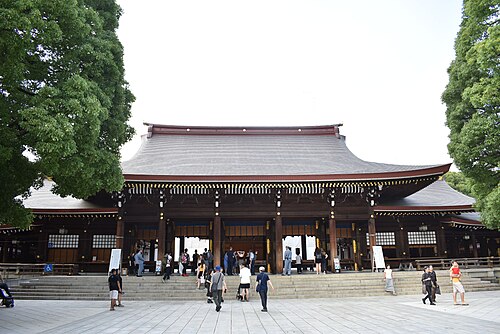
  1. Meiji Jingū Meiji Jingū
    02 30 min

    Meiji Jingū

    明治神宮

    Meiji Shrine is a Shinto shrine in Tokyo dedicated to the deified spirits of Emperor Meiji and his consort, Empress Shōken. The shrine occupies a large forested area in Shibuya, near Harajuku Station.

    • Must see
    • Place of worship
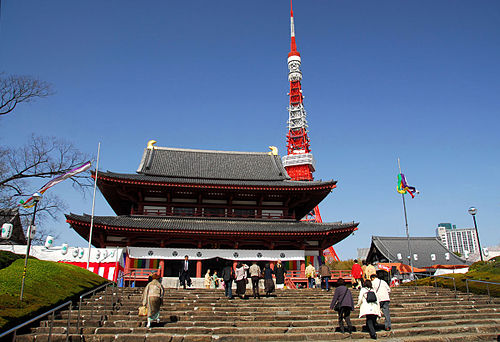
  2. Zōjō-ji Temple Zōjō-ji Temple
    03 30 min

    Zōjō-ji Temple

    増上寺

    Zojoji Temple is a Jodo-shu Buddhist temple in Minato, Tokyo. It serves as the main temple of the Jodo-shu Chinzei school of Pure Land Buddhism in the Kanto region.

    • Must see
    • Place of worship
  3. Kanda-myōjin Kanda-myōjin
    04 30 min

    Kanda-myōjin

    神田明神

    Kanda Shrine, also called Kanda Myojin, is an active Shinto shrine in Tokyo. The shrine has served as an important religious site for generations and is associated with protecting Edo, the former name for Tokyo.

    • Must see
    • Place of worship
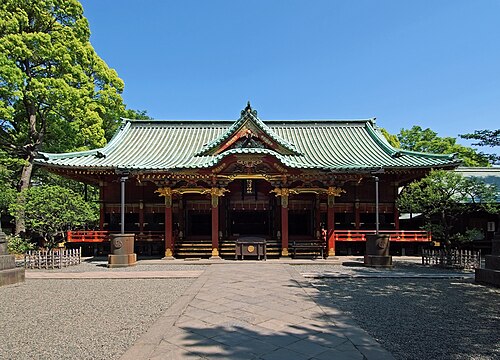
  4. Nezu Shrine Nezu Shrine
    05 30 min

    Nezu Shrine

    根津神社

    Nezu Shrine is a historic Shinto shrine in Tokyo’s Bunkyo ward and one of the city’s oldest surviving places of worship. The shrine is especially known for its azalea plantings, traditional architecture, ponds, stone lanterns and vermilion torii gates.

    • Must see
    • Place of worship
  5. Yasukuni Shrine Yasukuni Shrine
    06 30 min

    Yasukuni Shrine

    靖国神社

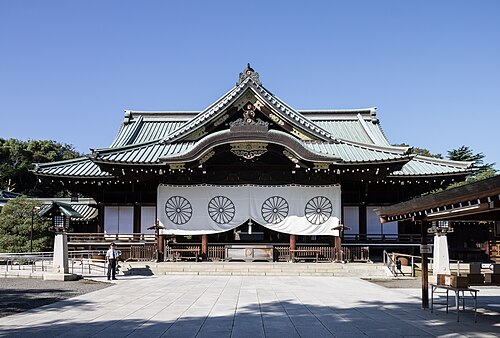
    Yasukuni Shrine is a Shinto shrine in Tokyo, Japan. Its local name is 靖国神社. The shrine holds complex significance in Japanese history and contemporary society.

    • Must see
    • Place of worship

Source: OpenStreetMap contributors, Wikidata ·

How the city is laid out

Central Tokyo is easiest to understand as an east-west sequence. Asakusa, Ueno and Yanaka carry much of the older city; Tokyo Station, Marunouchi, Nihonbashi and Ginza form the central business and shopping core; Shibuya, Harajuku and Shinjuku anchor the west. Roppongi and Akasaka sit between those spines, while Odaiba lies across the bay. The wider metropolis extends well beyond the central wards, so Mt Takao, western Tokyo and island destinations belong to separate day plans rather than a central-city route.

Checked 2026-08-26

Getting around

Use rail for nearly every cross-city journey. Tokyo Metro operates nine lines and Toei operates four subway lines, alongside JR and private railways; a rechargeable IC card removes most ticketing friction across operators. The subway alone covers more than 280 stations, but JR passes do not cover Tokyo Metro or Toei services. Trains generally stop around midnight, so late-night plans need a route check. Inside a district, walking is usually faster than making a one-stop transfer through a very large station.

Checked 2026-08-26

Common questions

How many days does Tokyo need?

Five to six days suit a first visit. Four days can cover the main eastern, central and western clusters, while extra days allow slower neighbourhood exploration or a separate trip to western Tokyo.

When is the best time to visit Tokyo?

Spring and autumn usually give the most comfortable walking weather. Peak blossom and foliage periods can be crowded, so the broader March-May and October-November windows are more useful than targeting one forecasted week.

Do visitors need a rail pass inside Tokyo?

Usually not. A rechargeable IC card is simpler because Tokyo journeys may involve JR, Tokyo Metro, Toei and private railways. A JR pass does not cover the two subway operators.

Does Tokyo public transport run all night?

No. The official Tokyo guide notes that last trains are commonly between about 23:30 and 00:30, with first services around 05:00. Check the final connection before a late evening across town.

Which districts should be combined?

Pair Asakusa with Ueno, Marunouchi with Ginza, and Shibuya with Harajuku. Shinjuku can fill its own half day. Grouping nearby station districts reduces transfers through large hubs.