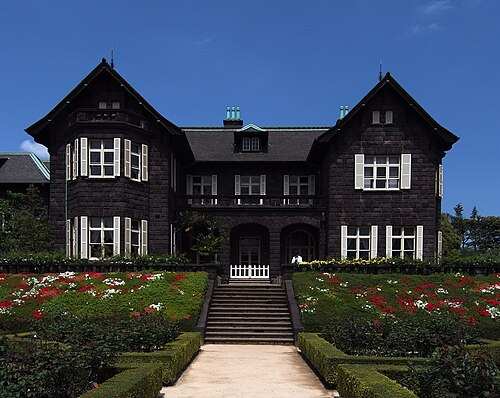
Kyu-Furukawa Gardens
旧古河庭園
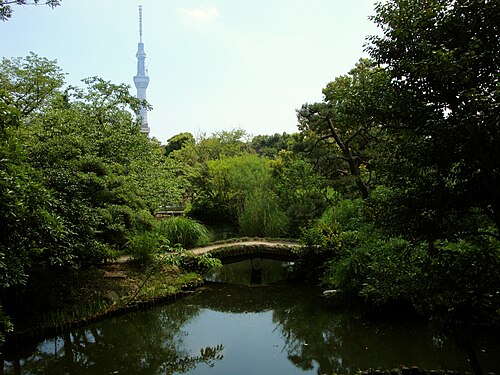
Kyu-Furukawa Gardens is a historic garden in Tokyo, known locally as 旧古河庭園. The site represents an important example of Japanese landscape design combined with Western architectural influence.
- Must see
- Nature site
- Tokyo
Country guide
Around three quarters of Japan is mountain and forest, which pushes almost everyone onto the eastern coastal plains and makes the country far narrower in practi...
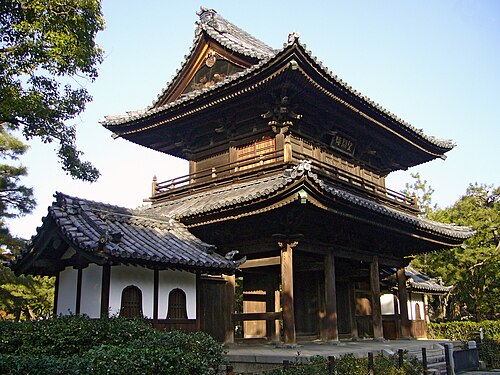
Photograph · Midori · CC BY 3.0
Reviewed by Elena Voss · Roavina Travel Editor
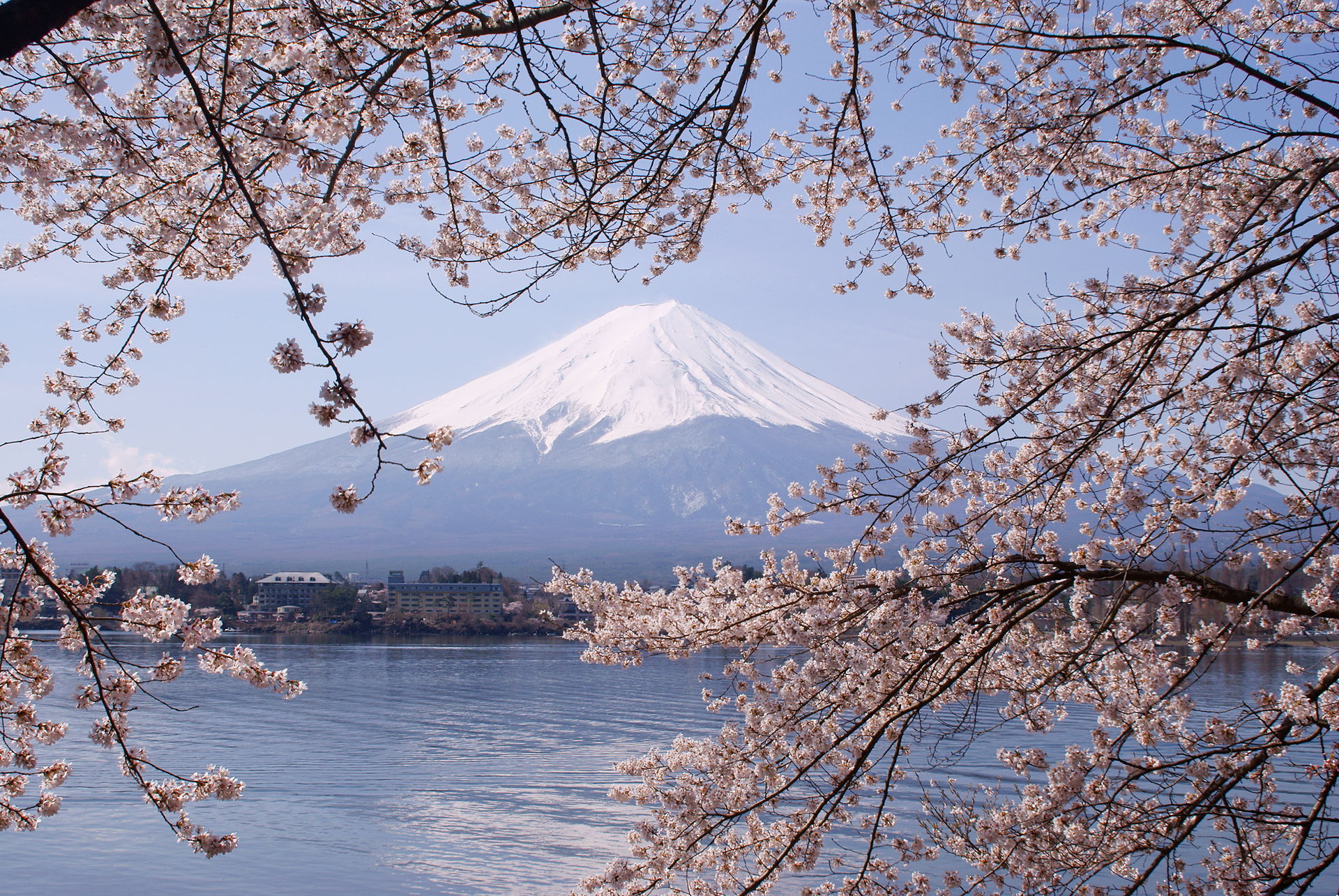
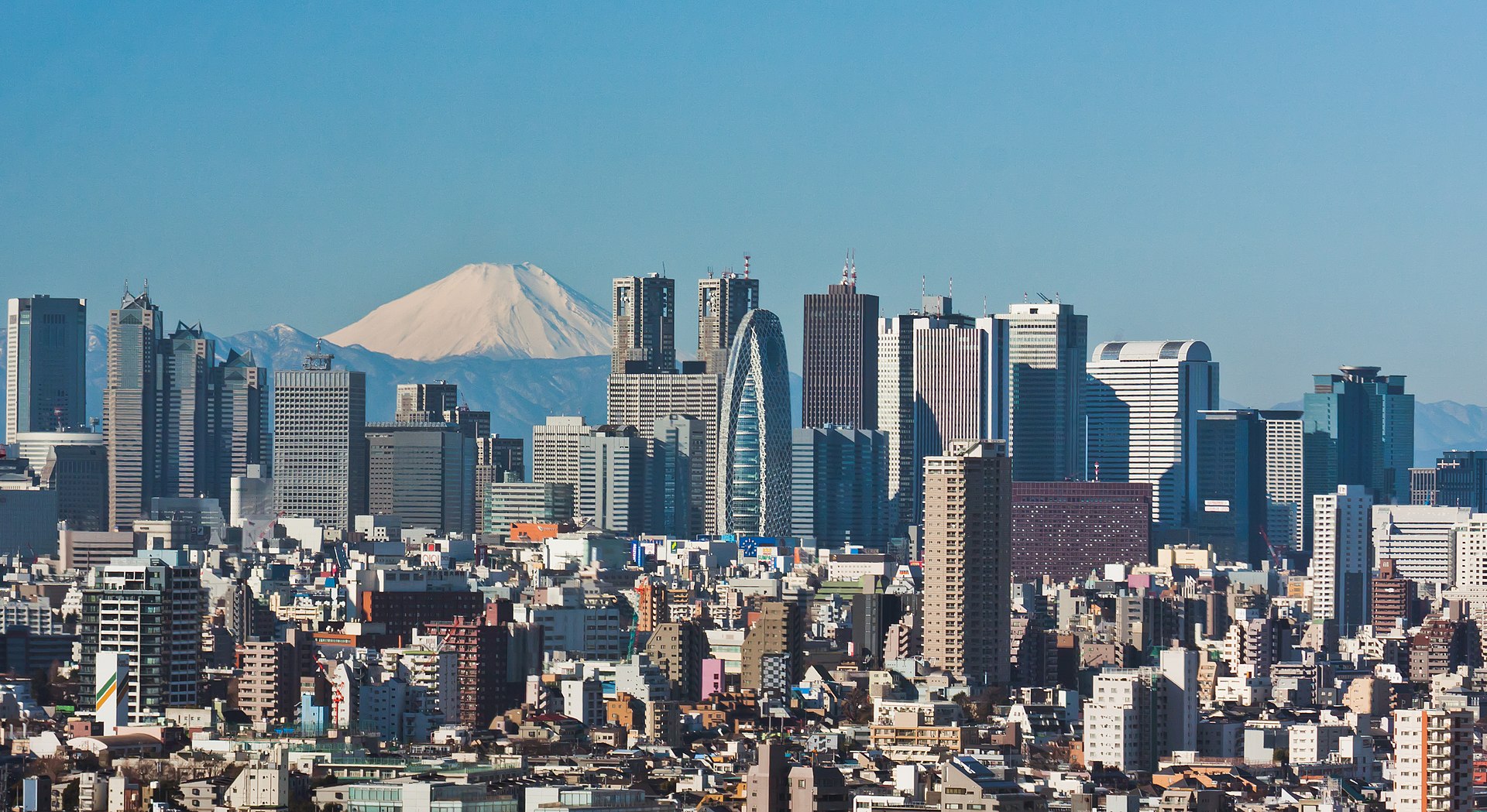
Around three quarters of Japan is mountain and forest, which pushes almost everyone onto the eastern coastal plains and makes the country far narrower in practice than 377,975 km2 suggests. Forty-seven prefectures, eight traditional regions and more than 14,000 smaller islands, and yet a first visit usually runs along a single rail corridor with Tokyo at one end and Kyoto and Osaka at the other. Tokyo is the capital and largest city of a country of almost 123 million people. Hokkaido in the north and Okinawa in the south are different climates rather than day trips, and both need their own week.
Checked 2026-08-25
Every city catalogued in this country so far, ranked by how much there is to see.
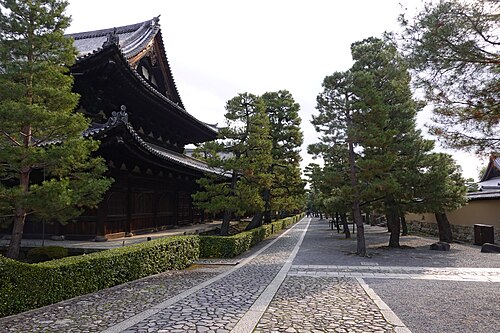
Photograph · Morio · CC BY-SA 3.0
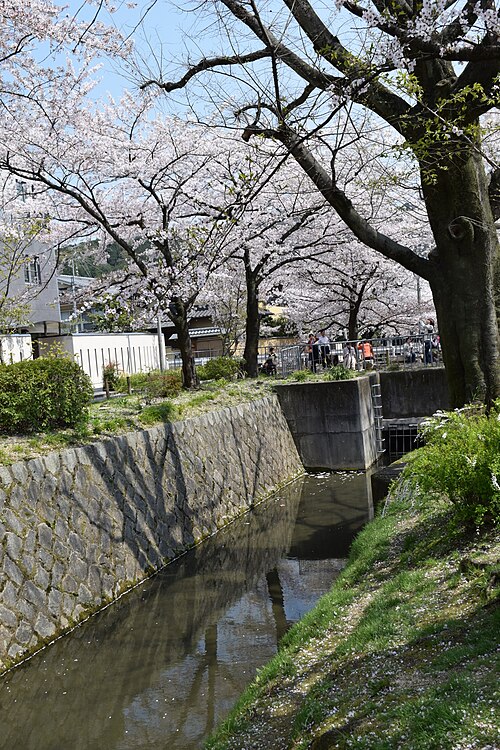
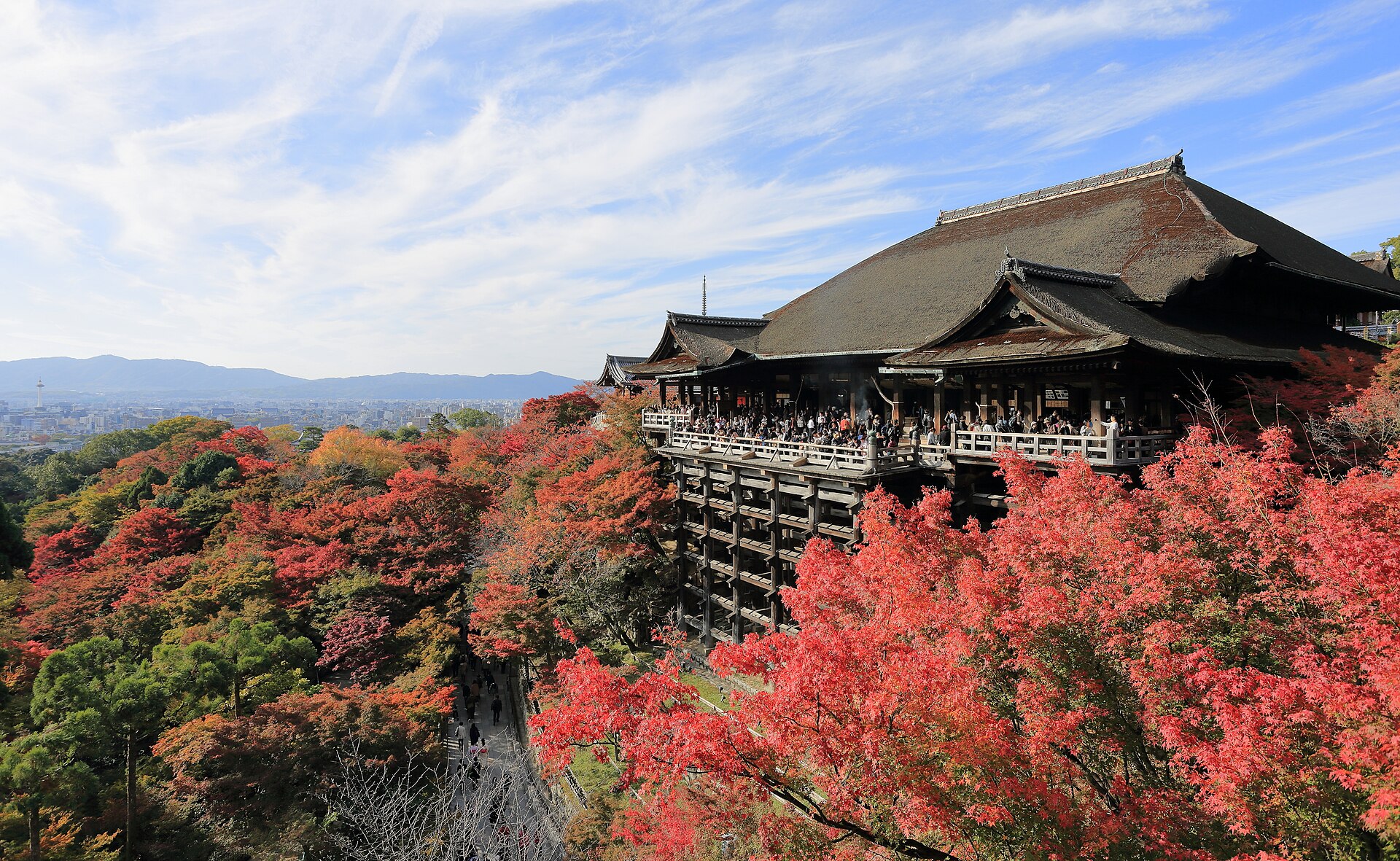
Photograph · Martin Falbisoner · CC BY-SA 4.0
Ranked by importance — sitelinks, pageviews and heritage status, not editor preference.
212 places match
Category
Typical visit duration
Interests
旧古河庭園
Kyu-Furukawa Gardens is a historic garden in Tokyo, known locally as 旧古河庭園. The site represents an important example of Japanese landscape design combined with Western architectural influence.
清澄庭園
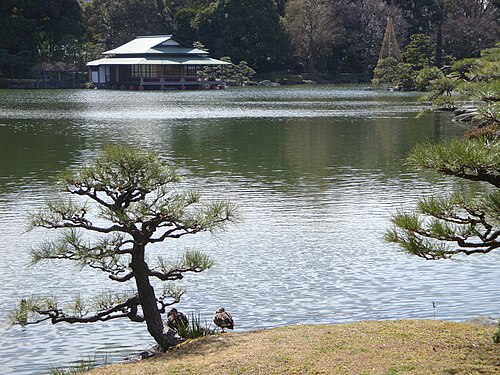
Kiyosumi Gardens is a traditional Japanese stroll garden in Tokyo’s Fukagawa district. Its design leads visitors around a central pond, where islands, bridges, hills, and carefully positioned stones create changing views at walking level.
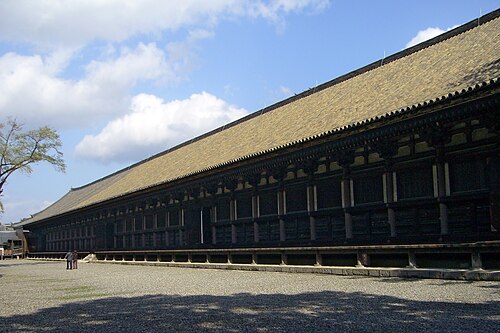
三十三間堂
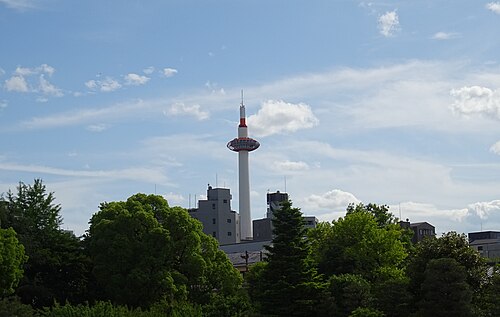
Sanjusangen-do is the main hall of Rengeo-in, a Tendai temple in the Higashiyama ward of Kyoto, a few minutes south of the Kyoto National Museum.
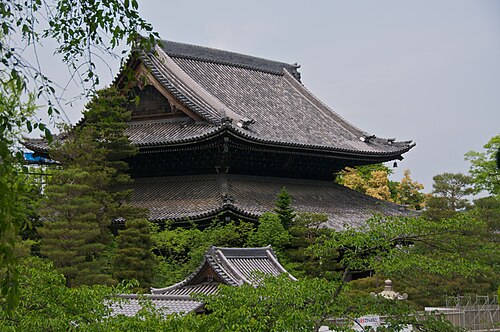
知恩院
Chion-in is a Jodo-shu Buddhist temple in Kyoto, Japan. It serves as the headquarters of the Jodo-shu sect founded by Honen. The temple complex occupies a significant site on the slopes of Higashiyama.
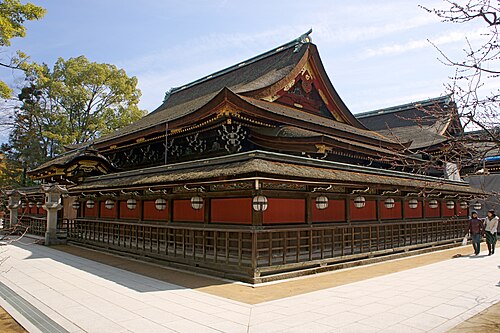
北野天満宮
Kitano Tenmangu is a Shinto shrine in Kyoto, Japan, dedicated to Sugawara no Michizane, a scholar and politician of the Heian period who was later deified as Tenjin, the god of learning.
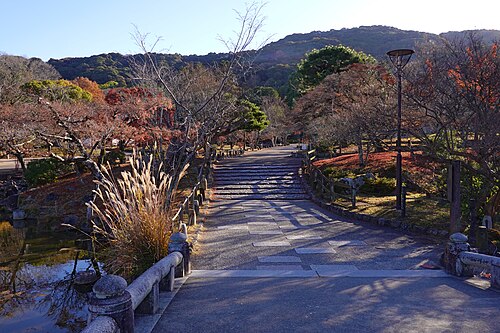
円山公園
Maruyama Park is a public park located in the Higashiyama district of Kyoto, Japan. It sits at the base of the Eastern Mountains and serves as one of the city's most popular cherry blossom viewing locations.
渉成園
Shosei-en Garden is the detached garden of Higashi Hongan-ji and a compact example of Kyoto’s cultivated landscape tradition. Its ponds, bridges, teahouses, trees, and carefully arranged views create a quiet contrast with the city around it.
靖国神社
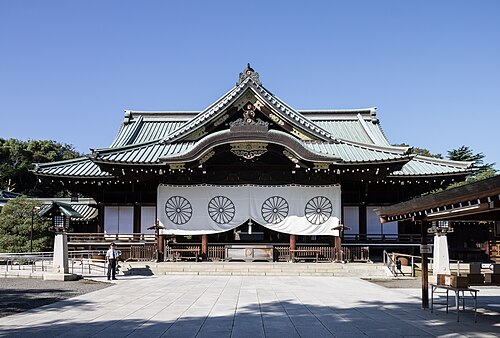
Yasukuni Shrine is a Shinto shrine in Tokyo, Japan. Its local name is 靖国神社. The shrine holds complex significance in Japanese history and contemporary society.
代々木公園
Yoyogi Park is a large public park in Tokyo’s Shibuya ward, close to Harajuku and Meiji Shrine. Known locally as 代々木公園, it combines broad lawns, wooded areas, walking routes, cycling paths, and water features in a major urban green space.
新宿御苑
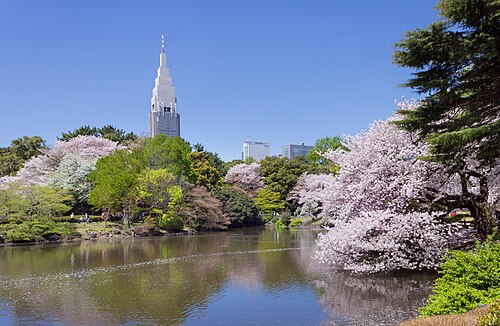
Shinjuku Gyoen National Garden is a large park and garden in Shinjuku, Tokyo. The local name is 新宿御苑. It occupies a significant area in one of Tokyo's busiest districts.
向島百花園
Mukojima-Hyakkaen Gardens is a historic garden located in the Mukojima area of Tokyo's Sumida Ward.
高台寺
Kodaiji Temple is a Zen Buddhist temple in Kyoto's Higashiyama district. It was established in 1606 by Kita-no-Mandokoro, also known as Nene, in memory of her husband Toyotomi Hideyoshi, the prominent unifier of Japan.
三年坂
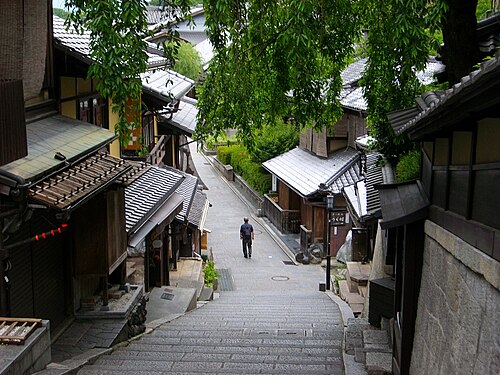
Sannenzaka is a historic stone-paved pedestrian slope in the Higashiyama district of eastern Kyoto, Japan. The name translates to Three-Year Slope, derived from a folk belief that falling here brings three years of bad luck.
京都府立植物園
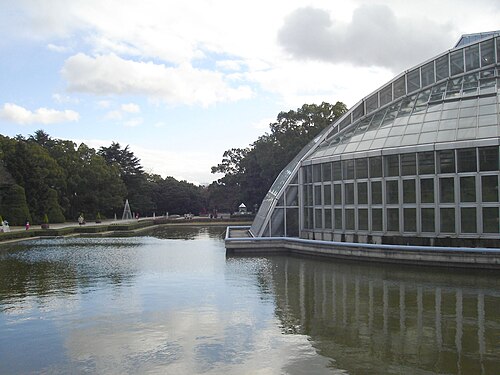
Kyoto Botanical Gardens is a major botanical garden located in Kyoto, Japan. It is operated by the city of Kyoto and serves as a significant center for plant conservation, research, and public education.
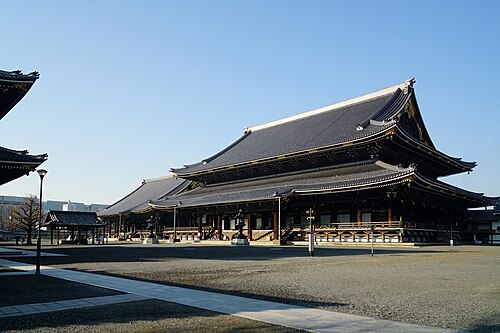
東本願寺
Higashi Hongan-ji is a Jodo Shinshu Buddhist temple in Kyoto, serving as the headquarters of the Otani-ha branch. Founded in 1602 by Shogun Tokugawa Ieyasu, it was established to reduce the political influence of the original Hongan-ji faction.
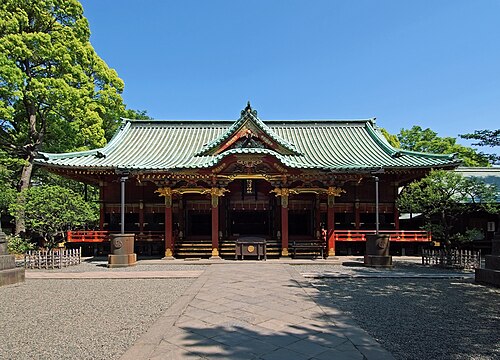
根津神社
Nezu Shrine is a historic Shinto shrine in Tokyo’s Bunkyo ward and one of the city’s oldest surviving places of worship. The shrine is especially known for its azalea plantings, traditional architecture, ponds, stone lanterns and vermilion torii gates.
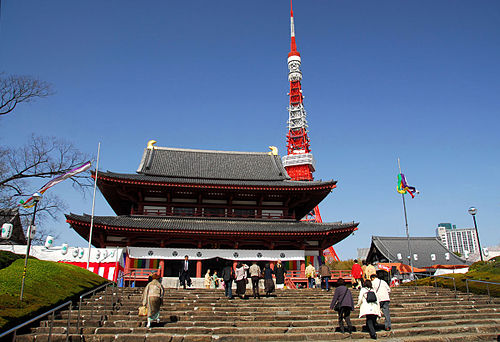
増上寺
Zojoji Temple is a Jodo-shu Buddhist temple in Minato, Tokyo. It serves as the main temple of the Jodo-shu Chinzei school of Pure Land Buddhism in the Kanto region.
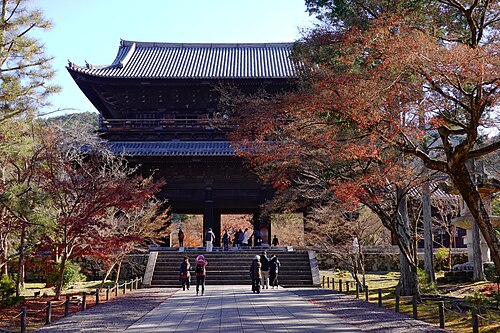
南禅寺
Nanzen-ji is a Zen Buddhist temple in eastern Kyoto, Japan. It stands as one of the most significant temples in the city's extensive religious landscape.
建仁寺
Kennin-ji is a historic Zen Buddhist temple located in the Higashiyama district of Kyoto, Japan. It stands as the oldest Zen temple in the city, having been founded in the early Kamakura period.
大徳寺
Daitoku-ji is a major Zen Buddhist temple complex in northern Kyoto, Japan. Founded in the fourteenth century, it belongs to the Rinzai school of Japanese Zen Buddhism.
哲学の道
Philosopher's Path is a pedestrian walkway in Kyoto, Japan, following a canal lined with cherry trees. The route connects Ginkaku-ji (Silver Pavilion) with Nanzen-ji temple precincts.
本能寺
Honno-ji is a temple of the Nichiren Buddhist sect located in central Kyoto.
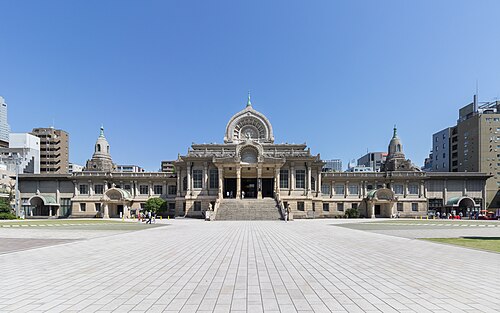
築地本願寺
Tsukiji Hongwanji is a Jodo Shinshu Buddhist temple in Tokyo’s Tsukiji district, close to the former Tsukiji Fish Market site. It serves as the Tokyo headquarters of the Jodo Shinshu Hongwanji-ha denomination.
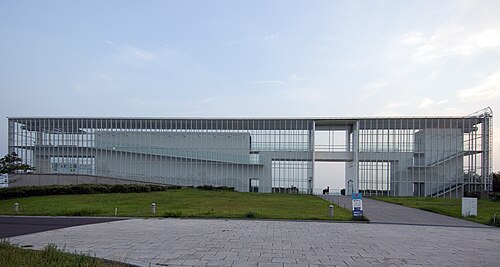
葛西臨海公園
Kasai Rinkai Park is a coastal park located in the Edogawa ward of Tokyo, facing Tokyo Bay. The park was developed on reclaimed land and serves as one of Tokyo's largest public parks dedicated to marine environment appreciation and recreation.
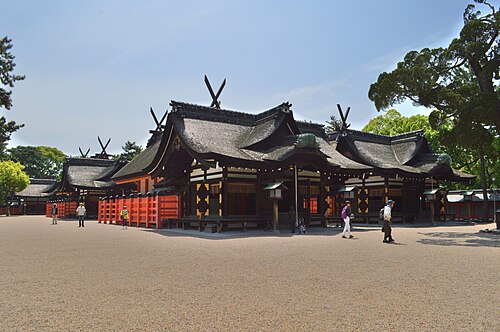
住吉大社
Sumiyoshi Taisha is a major Shinto shrine in Osaka, known in Japanese as 住吉大社. It is one of Japan's oldest shrines and serves as the head shrine of approximately 2,300 Sumiyoshi shrines nationwide.
Ten to fourteen days supports four or five days in Tokyo, three or four in Kyoto, and two or three in Osaka. Add Nara or Himeji only after those bases have enough time, and avoid turning every rail stop into a hotel change.
Japan's visa exemption or visa requirement depends on passport and travel purpose. Confirm the current rule through Japan's Ministry of Foreign Affairs or the embassy responsible for the traveller's residence.
The Tokaido Shinkansen links Tokyo, Kyoto, and Osaka, while local rail and buses cover city travel. An IC card simplifies many local journeys but does not replace every reserved long-distance ticket, and luggage forwarding can reduce friction between bases.
March to May and October to November are broad options for the main-island route, with blossom and autumn periods creating concentrated demand. Confirm regional weather and reservations for the exact cities rather than assuming one national season behaves uniformly.
Japan uses the yen (JPY). Electronic payment is common but not universal, so carry some yen for smaller businesses, ticket machines, or rural transport without assuming that one stored-value card works for every purchase.
Japan's emergency numbers are 110 for police and 119 for fire or ambulance. Type A sockets operate at 100 V, which is lower than in the other wave-A countries, and mains tap water is recorded as safe.