
07
30 min
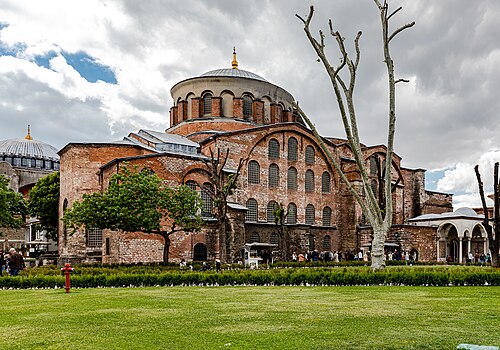
Hagia Irene
Aya İrini Kilisesi
Hagia Irene is the Byzantine church that was never made into a mosque, and it is the reason it still looks like a Byzantine church inside.
- Must see
- Museum
District guide · Istanbul
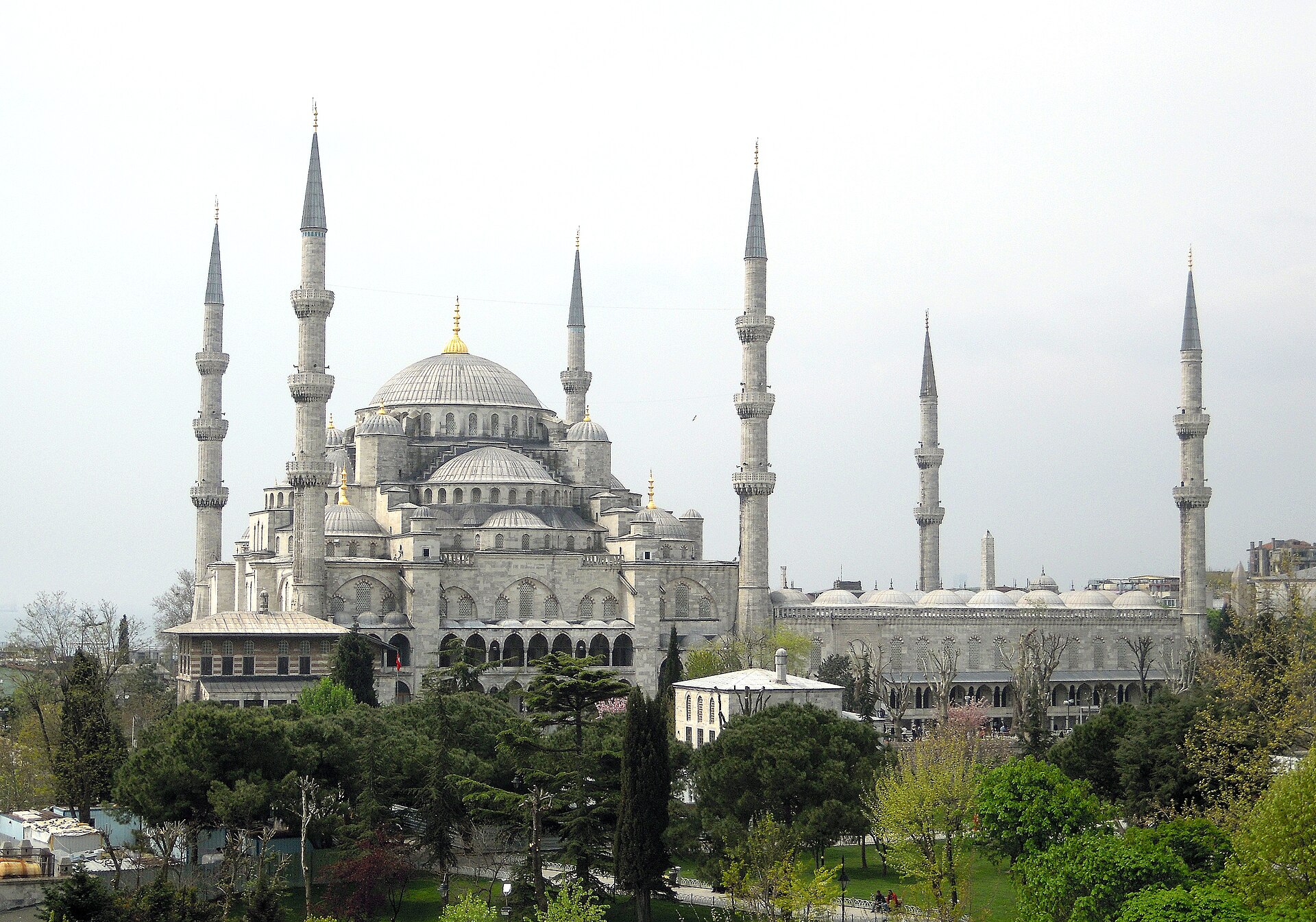
Fatih occupies the historical peninsula at the heart of Istanbul, encompassing the site of ancient Constantinople and bordered by the Golden Horn and Sea of Mar...
Photograph · Arnstein Rønning · CC BY-SA 3.0
Set your days, your pace and the hours you actually want to be out. The planner works around closing days and travel time, and leaves room to eat.
Editorial responsibility: Elena Voss · Roavina Travel Editor
Fatih occupies the historical peninsula at the heart of Istanbul, encompassing the site of ancient Constantinople and bordered by the Golden Horn and Sea of Marmara. The district contains Ayasofya, Topkapi Sarayı museum, and Sultanahmet Camii, monuments spanning Byzantine and Ottoman periods. The abundance of historical structures, religious buildings, and bazaars makes it central to understanding Istanbul's past.
Checked 2026-09-04
Ranked by importance — sitelinks, pageviews and heritage status, not editor preference.
48 places match
Category
Typical visit duration
Interests
Aya İrini Kilisesi
Hagia Irene is the Byzantine church that was never made into a mosque, and it is the reason it still looks like a Byzantine church inside.
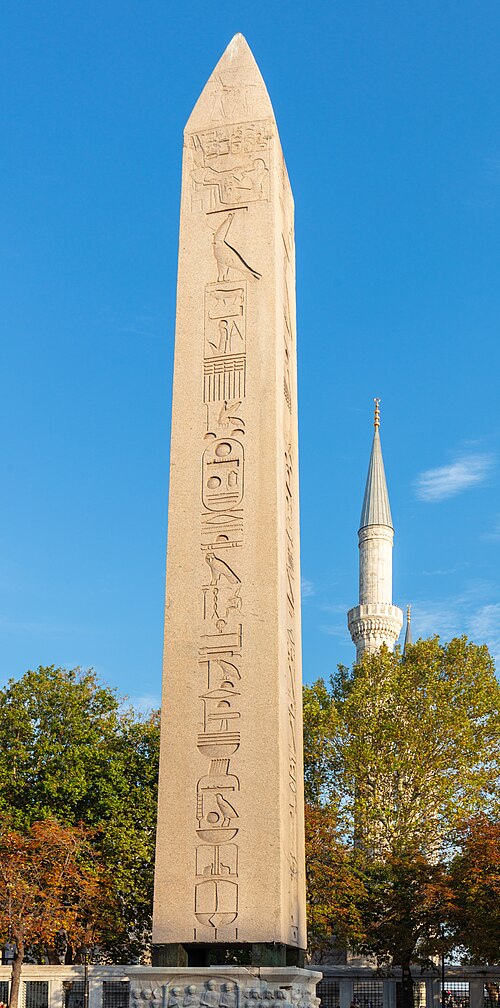
Theodosius Dikilitaşı
Older than almost everything around it by two thousand years, the Obelisk of Theodosius is a piece of pharaonic Egypt standing in the middle of a Turkish square.
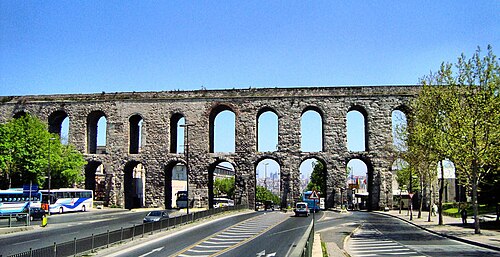
Bozdoğan Su Kemeri
Bozdoğan Kemeri, the Aqueduct of Valens, is the surviving bridge of the water system that made a city of a million people possible on a peninsula with almost no rivers.
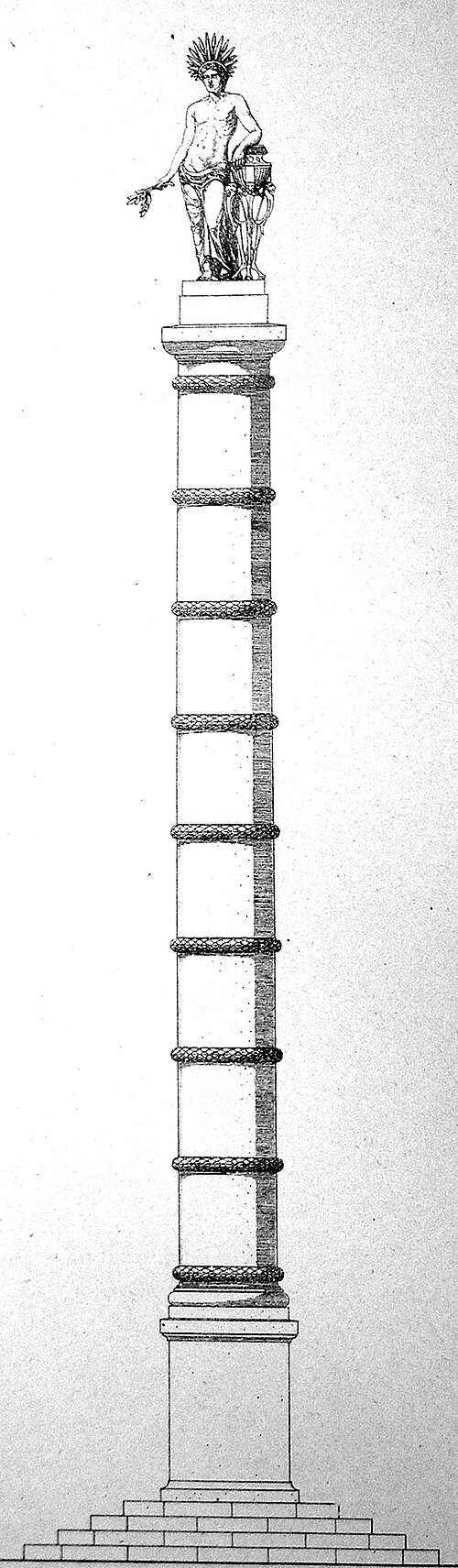
Çemberlitaş Sütunu
A single shaft of Egyptian porphyry stands in the middle of Çemberlitaş Square on Divan Yolu, banded with iron and blackened along one side.
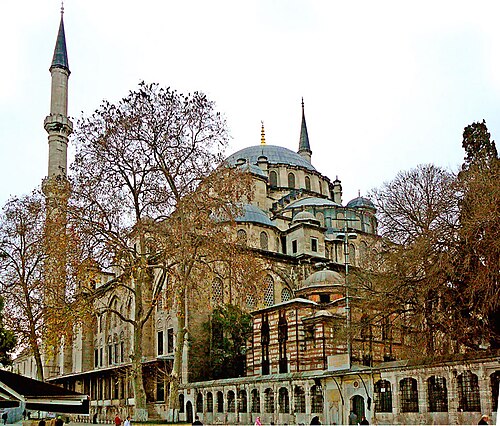
Fatih Camii
The Fatih Mosque is where Mehmed the Conqueror is buried, and it stands on the site of the Church of the Holy Apostles — the mausoleum of the Roman emperors, Constantine the Great among them.
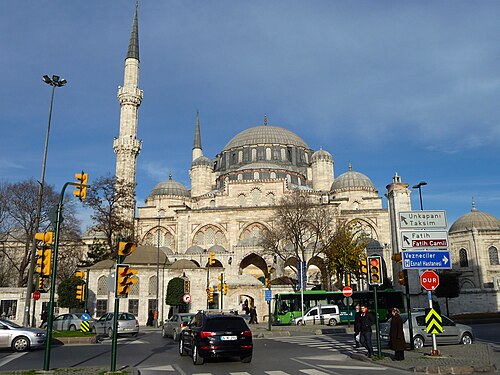
Şehzadebaşı Camii
The Şehzade is the mosque Süleyman the Magnificent built for a dead son, and it is where Sinan learned to build the ones that followed.
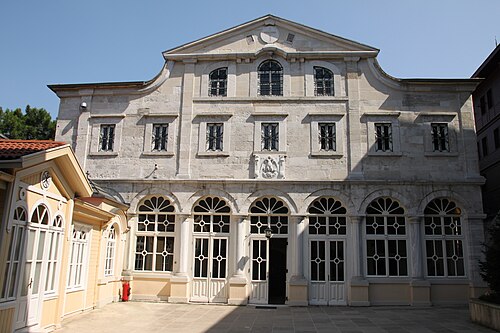
İstanbul Rum Ortodoks Patrikhanesi
The Ecumenical Patriarchate is the senior see of the Eastern Orthodox world, and it occupies a walled compound in Fener on the Golden Horn.
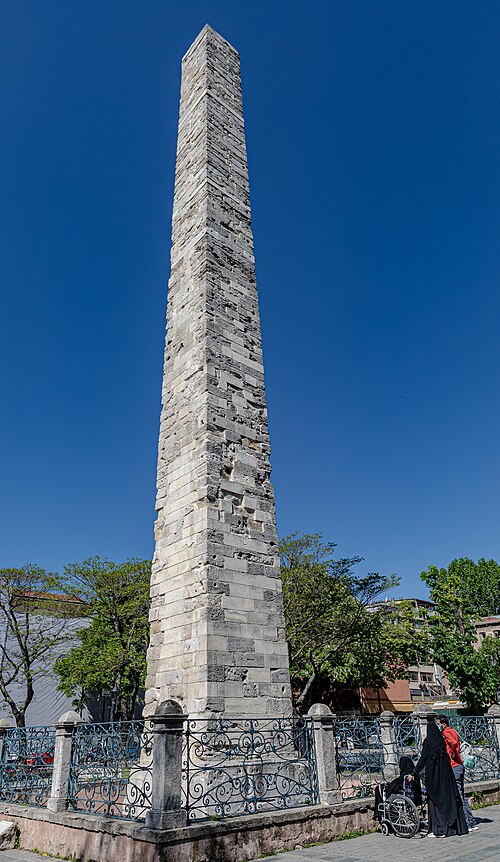
Örme Dikilitaş
The Walled Obelisk, Örme Dikilitaş in Turkish and literally the masonry obelisk, stands 32 m tall on the spine of the old Hippodrome in what is now Sultanahmet Square, west of the Sultan Ahmed Mosque.
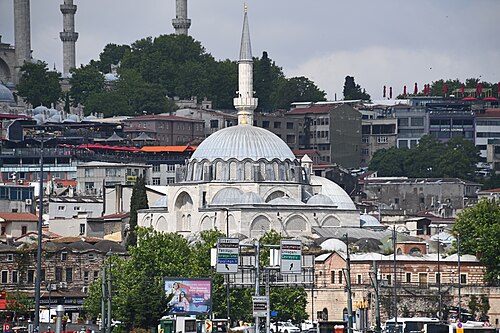
Rüstem Paşa Camii
Rüstem Pasha Mosque does not sit on the street.
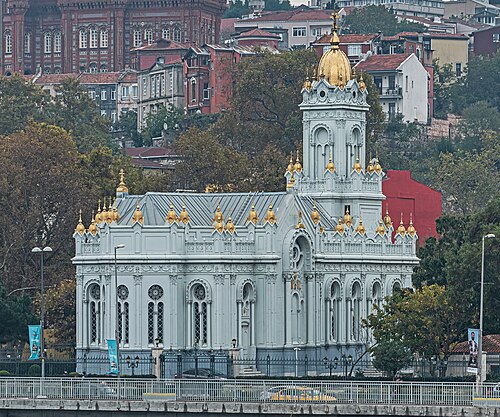
Sveti Stefan Bulgar Kilisesi
Bulgarian St. Stephen Church is the cast-iron Bulgarian Orthodox church on the Golden Horn shore in Balat. Istanbul’s official visitor portal dates the present building to 1898 and identifies Hovsep Aznavur as its architect.
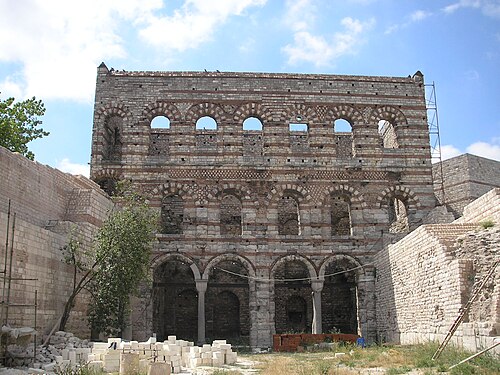
Tekfur Sarayı is the last Byzantine palace in Istanbul still standing to its full height, and it survives because it was never important enough to be worth demolishing.
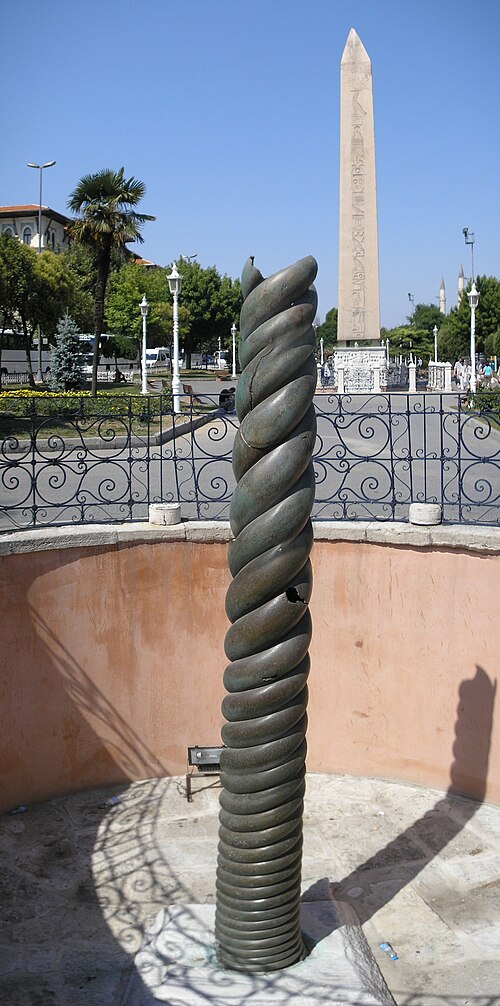
Yılanlı Sütun
A battle trophy from 479 BC, standing in a hole in a square in Istanbul.
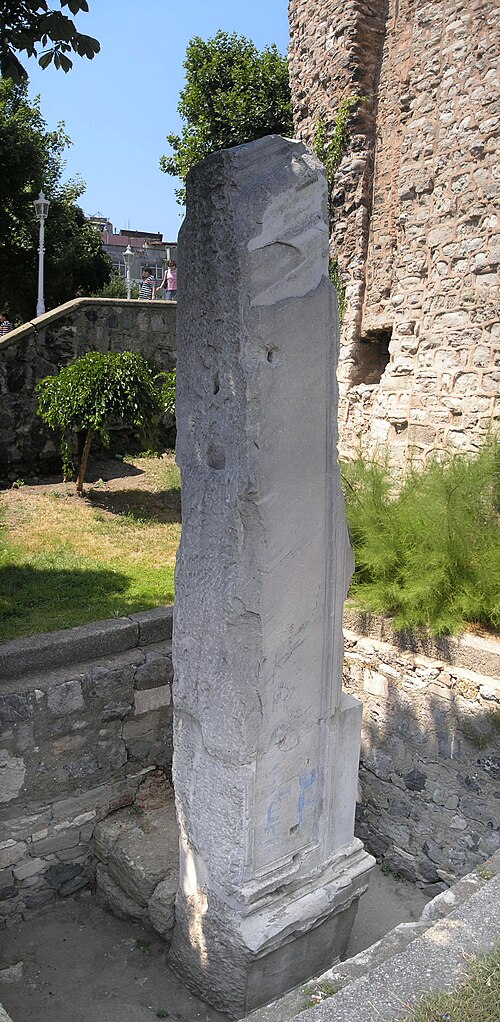
Milyon Taşı
What survives is a single weathered pillar fragment standing in a sunken plot beside the street, and it is the remnant of the Milion — the point from which the Eastern Roman Empire measured itself.
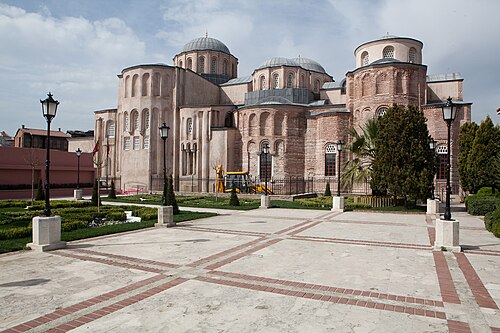
Zeyrek Molla Camii
Zeyrek Camii was the Monastery of Christ Pantokrator, and after Hagia Sophia it is the largest Byzantine religious building still standing in Istanbul.
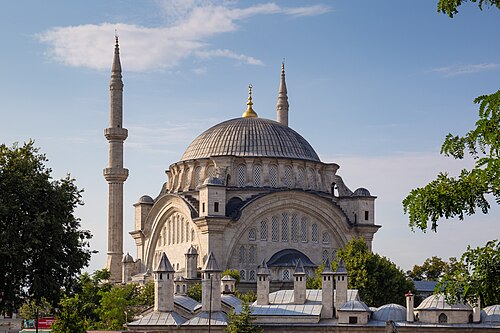
Nuruosmaniye Camisi
The Nuruosmaniye is where Ottoman architecture stopped being Ottoman in the classical sense. Begun in 1748 under Mahmud I and finished in 1755 under his brother Osman III, it is the first monumental Ottoman baroque building.
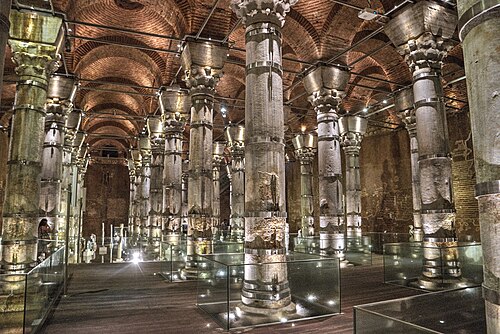
Şerefiye Sarnıcı
Şerefiye Sarnıcı is a Roman water tank that spent most of the last three centuries with a building sitting on top of it.
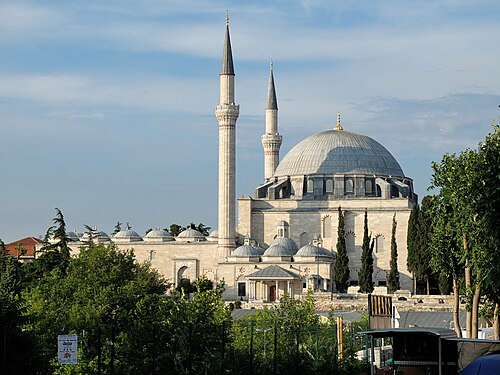
Yavuz Sultan Selim Cami
Yavuz Selim Mosque crowns the top of the fifth hill of the historic peninsula, above the Golden Horn, and it is a memorial as much as it is a mosque.
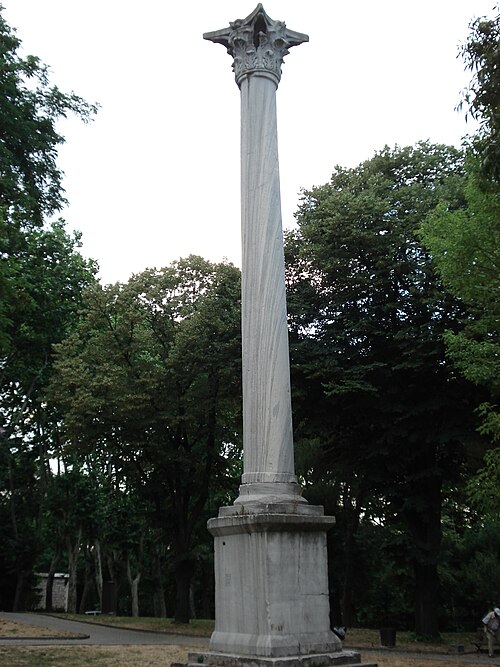
Gotlar Sütunu
Near the Sarayburnu end of Gülhane Park, well away from the gate most visitors use, a single fluted shaft with a Corinthian capital stands among the trees carrying a Latin inscription: FORTVNAE REDVCI OB DEVICTOS GOTHOS — to Fortuna, who…
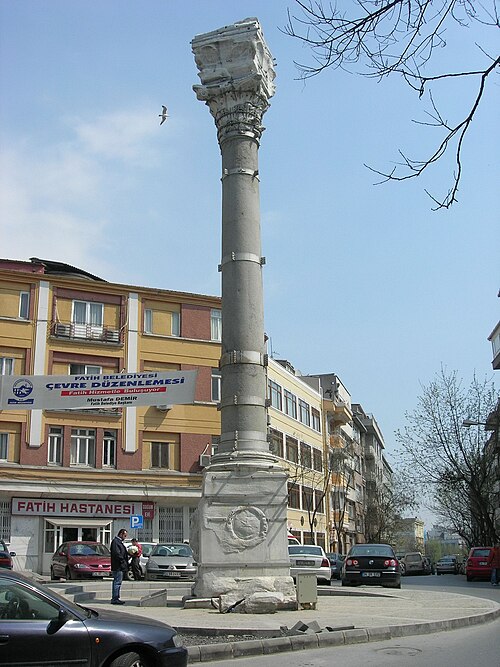
Kıztaşı
A single granite column stands in a small railed square off Kıztaşı Caddesi in Fatih, and almost everybody who has heard of Istanbul has never heard of it.
Gülhane Parkı
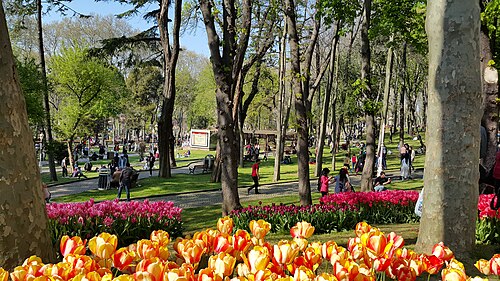
Gülhane Park is 9.7 hectares of shaded slope below Topkapı Palace, and for most of its life it was not a park at all but the palace's outer garden — ground the public did not enter.

Çinili Köşk
The Tiled Kiosk, Çinili Köşk, is the oldest non-religious Ottoman building in Istanbul and the odd one out among the city's Ottoman monuments: it does not look Ottoman.
Büyük Saray Mozaikleri Müzesi
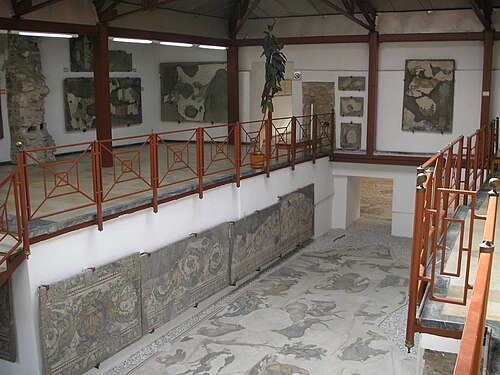
Beneath the Arasta Bazaar, the row of shops behind the Blue Mosque, lies a strip of floor that belonged to the Great Palace of Constantinople.

Molla Fenari İsa Camii
Fenari Isa Mosque is two Byzantine churches joined into one building, and understanding that is most of understanding the place.
Binbirdirek Sarnıcı
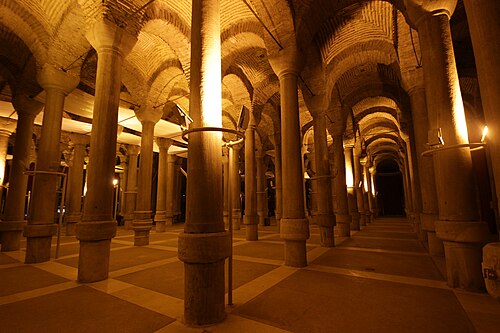
Turks call it Binbirdirek, "a thousand and one columns", which is a way of saying "a great many" rather than a count. The real figure is 224.
Arkadyos Sütunu
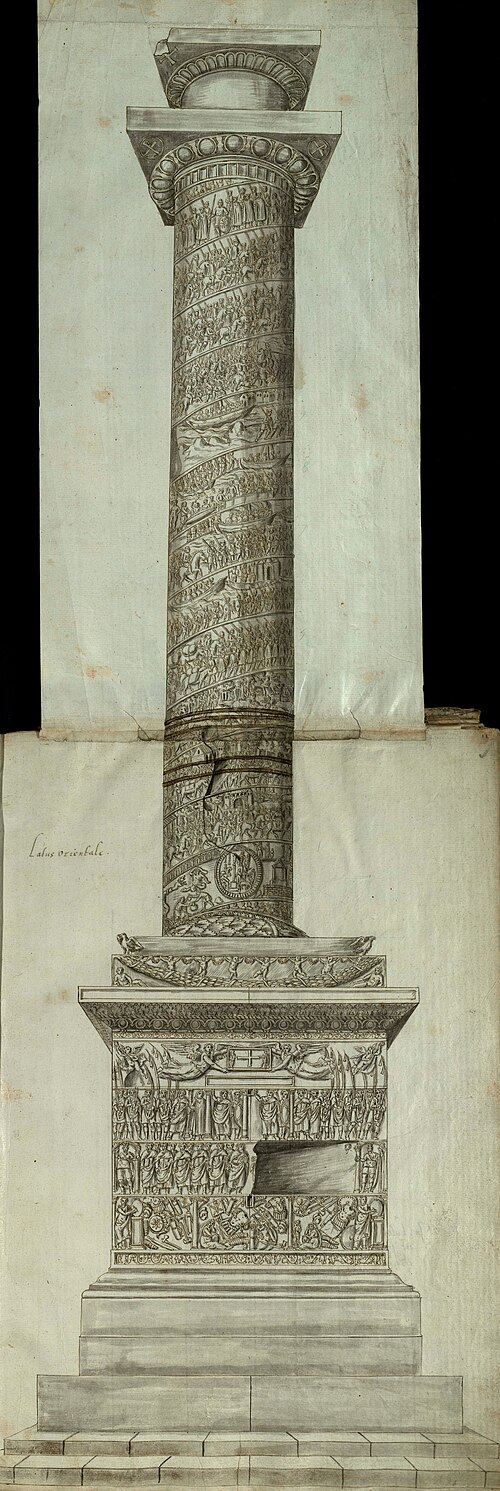
The Column of Arcadius is one of Constantinople's lost monuments, and what is left of it is the reason to come: a stump of imperial propaganda wedged between apartment blocks in Fatih.