
01
1 hr 30 min
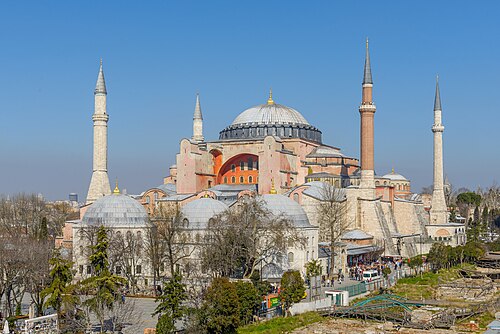
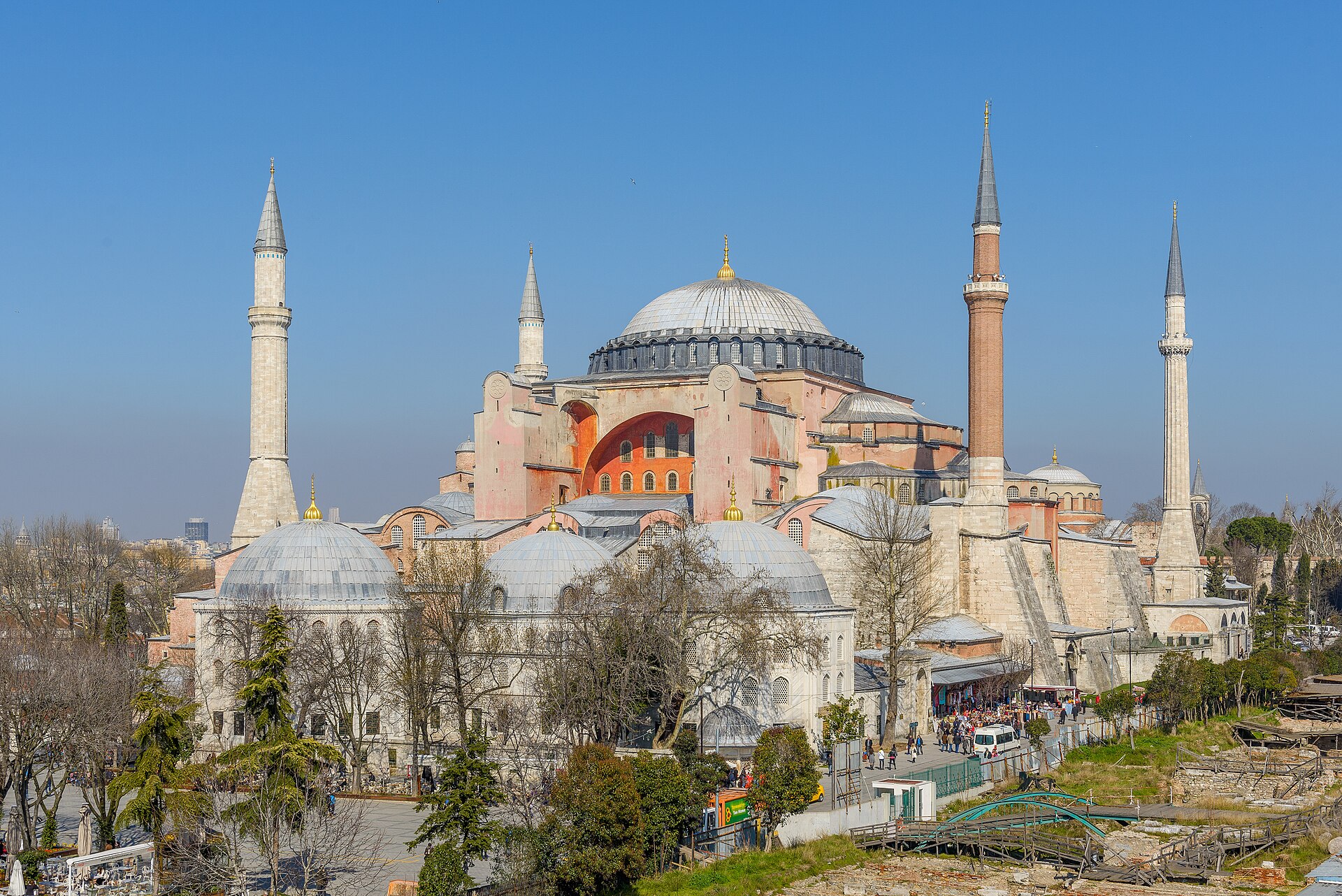
Hagia Sophia
Ayasofya
Hagia Sophia is the building that changed what a roof could do.
- Must see
- Historic site
- Fatih
City guide · Türkiye
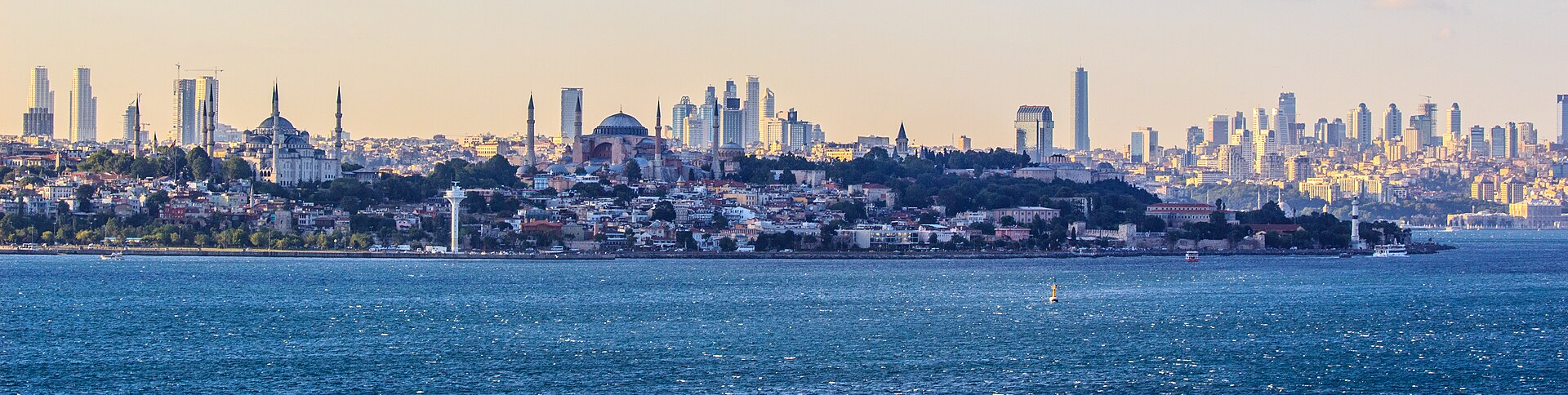
Two continents, three empires and one strait that everything else is arranged around. The old capital rewards a plan: the great monuments sit within a twenty-mi...
Photograph · Ben Morlok · CC BY-SA 2.0
Set your days, your pace and the hours you actually want to be out. The planner works around closing days and travel time, and leaves room to eat.
Editorial responsibility: Elena Voss · Roavina Travel Editor
Two continents, three empires and one strait that everything else is arranged around. The old capital rewards a plan: the great monuments sit within a twenty-minute walk of each other in Fatih, and almost everything else is a ferry ride away.
Checked 2026-08-23
November · November in Istanbul has mean high 15.3°C, mean low 8.5°C, rainfall 84.7 mm, and 12.9 rain days. Cool, wet conditions limit long exposed sightseeing days. A flexible November itinerary in Istanbul is more realistic than a long exposed walking day.
Ranked by importance — sitelinks, pageviews and heritage status, not editor preference.
99 places match
Category
Typical visit duration
Good for
Ayasofya
Hagia Sophia is the building that changed what a roof could do.
Topkapi Sarayı
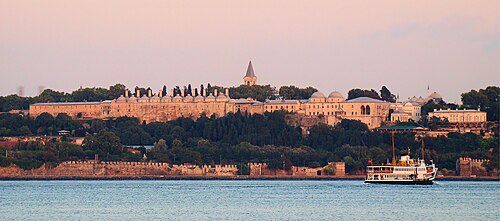
Topkapı was the seat of the Ottoman empire for nearly four centuries.
Sultanahmet Camii
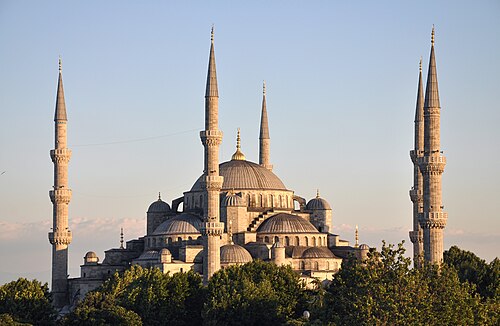
The Blue Mosque was built for Ahmed I between 1609 and 1617, and it is the only imperial mosque in Istanbul that faces Hagia Sophia across open ground rather than standing apart from it.
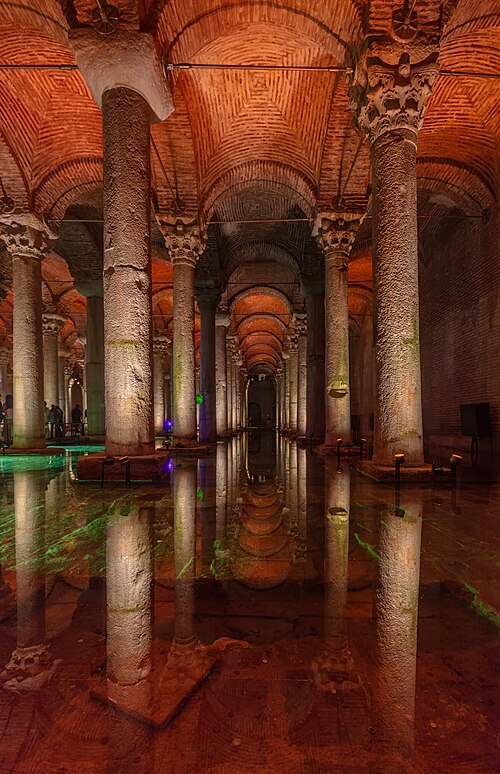
Yerebatan Sarnıcı
The Basilica Cistern is a sixth-century water store the size of a cathedral, under a street in Sultanahmet, built for Justinian I. Historical texts say 7,000 enslaved people built it.
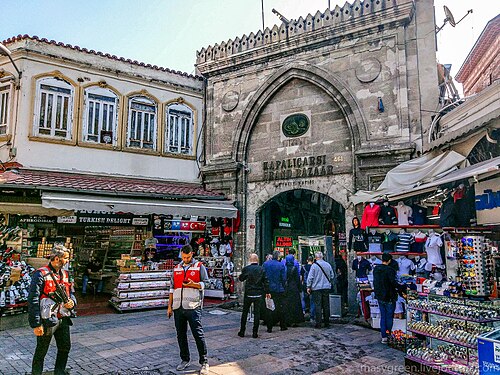
Kapalı Çarşı
The Grand Bazaar is a covered city of shops that Mehmed II began building in the winter of 1455/56, within three years of taking Constantinople.
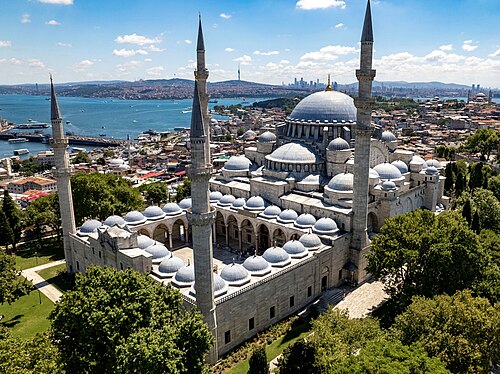
Süleymaniye Camii
The Süleymaniye is Sinan's imperial mosque for Süleyman the Magnificent, founded in 1550 and inaugurated in 1557, and it is the one to see if you only see one.
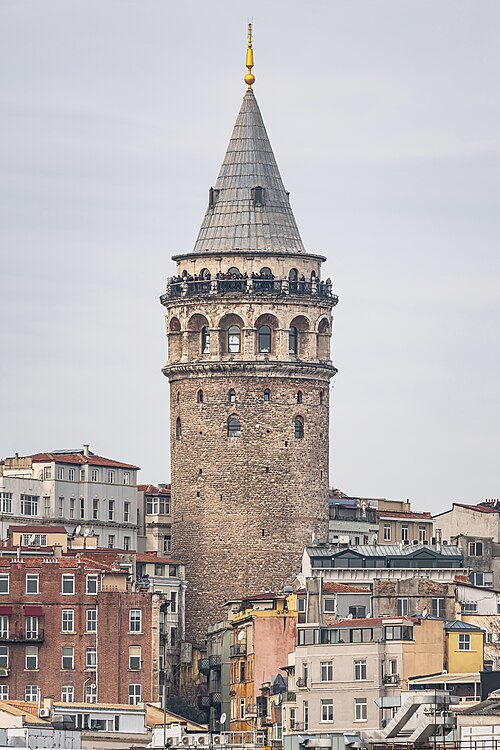
Galata Kulesi
The Galata Tower is the Genoese watchtower on the hill across the Golden Horn, built in 1348 as the Christea Turris — the Tower of Christ — at the highest point of their walled colony.
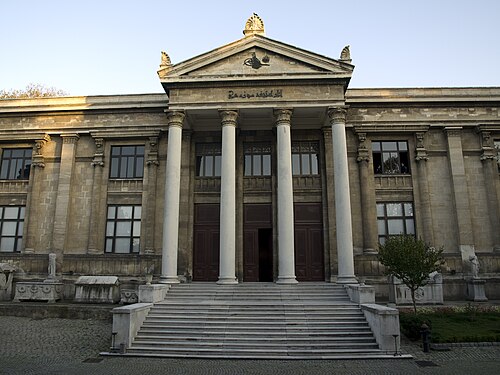
İstanbul Arkeoloji Müzesi
This is the main building of the Istanbul Archaeological Museums, the oldest purpose-built museum in Turkey and the one the whole complex is named after.
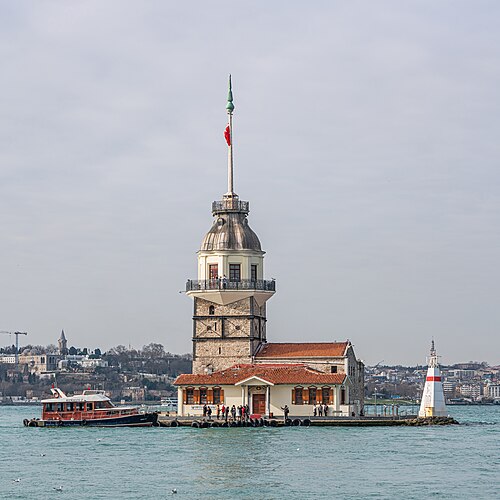
Kız Kulesi
The Maiden's Tower stands on an islet in the Bosphorus, 200 m off the Üsküdar shore, and it is the one Istanbul landmark you cannot walk to.
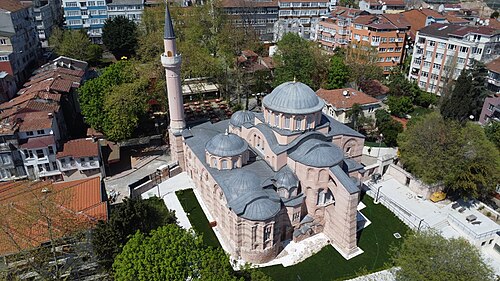
Kariye Camii
The Chora holds the best late Byzantine mosaic and fresco cycle anywhere, and it is a long way from the tram, which is why the people who go are the people who came for it.
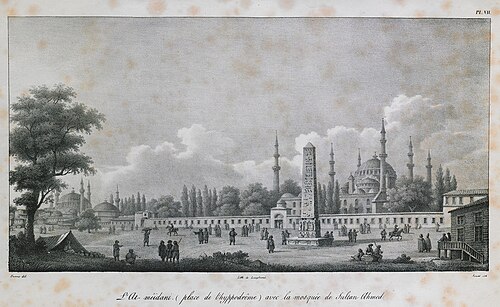
Sultanahmet Meydanı
The Hippodrome was where Constantinople did its politics.
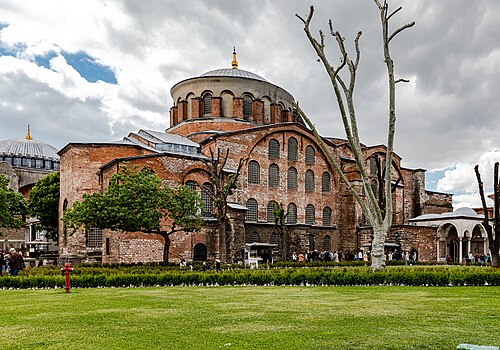
Aya İrini Kilisesi
Hagia Irene is the Byzantine church that was never made into a mosque, and it is the reason it still looks like a Byzantine church inside.
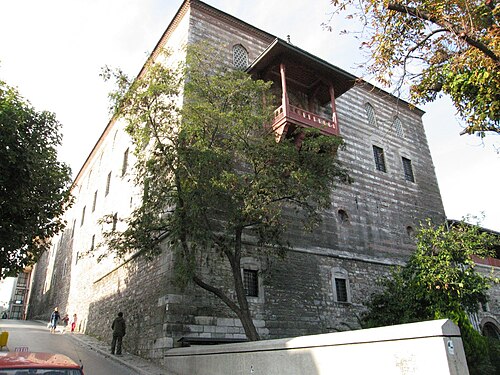
Türk ve İslam Eserleri Müzesi
The Turkish and Islamic Arts Museum is housed in the Ibrahim Pasha Palace, a stone mansion of 1524 that belonged to Pargalı Ibrahim Pasha, the second grand vizier of Suleiman the Magnificent.
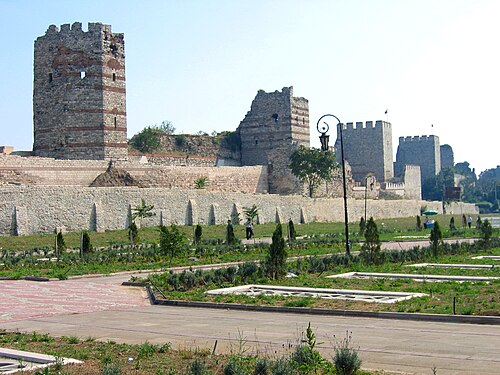
İstanbul Surları
The Theodosian walls kept Constantinople for a thousand years, and they are still standing across the city. They were built under Theodosius II, who reigned from 402 to 450.

Rumeli Hisarı is a fortress built to close a strait, and everything about it follows from that one job.
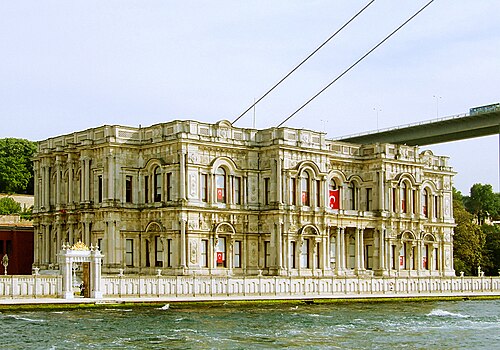
Beylerbeyi Sarayı
Beylerbeyi Palace is the Ottoman court's summer address on the Asian shore of the Bosphorus, built for Sultan Abdulaziz between 1861 and 1865 by the architect Sarkis Balyan, with Hagop Balyan named alongside him.
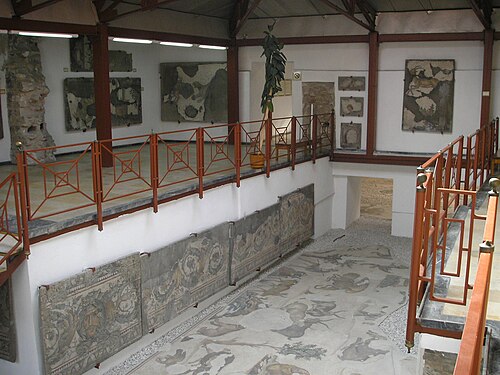
Büyük Saray Mozaikleri Müzesi
Beneath the Arasta Bazaar, the row of shops behind the Blue Mosque, lies a strip of floor that belonged to the Great Palace of Constantinople.
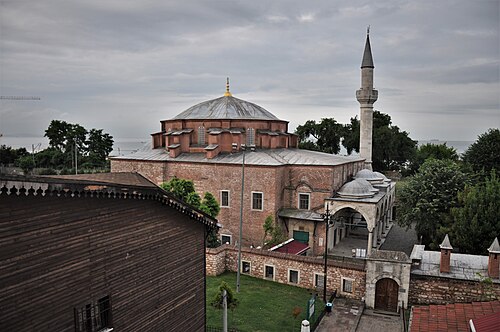
Küçük Ayasofya Camii
The Little Hagia Sophia is the church Justinian built before the great one, and it is where the idea was tried out. It went up between 527 and 536, dedicated to Saints Sergius and Bacchus.
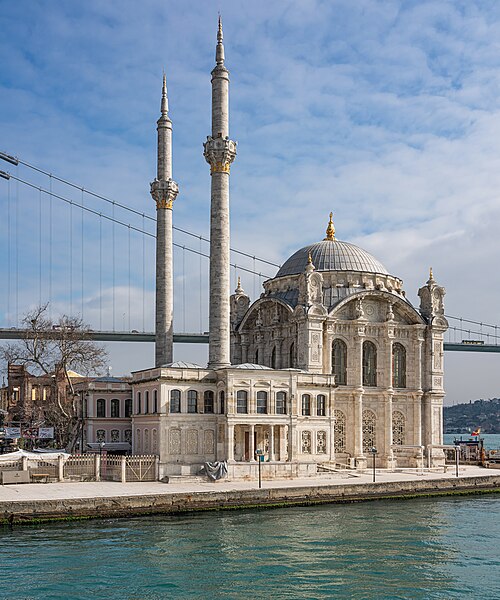
Büyük Mecidiye Camii
Its proper name is the Büyük Mecidiye Camii, the Great Mosque of Sultan Abdülmecid, and it stands at the water's edge of the Ortaköy pier square in Beşiktaş, on the European shore of the Bosphorus.
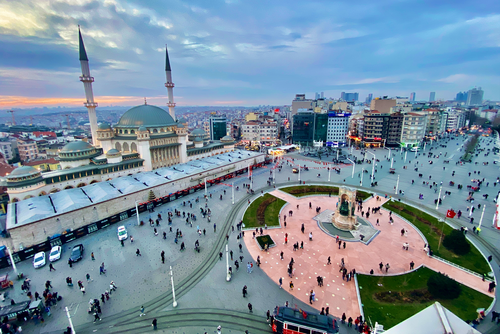
Taksim Meydanı
Taksim Square is where modern Istanbul argues with itself. It is the head of İstiklal Avenue, the terminus of the metro, the hub of the municipal buses, and the place the country's politics spills into when it spills anywhere.
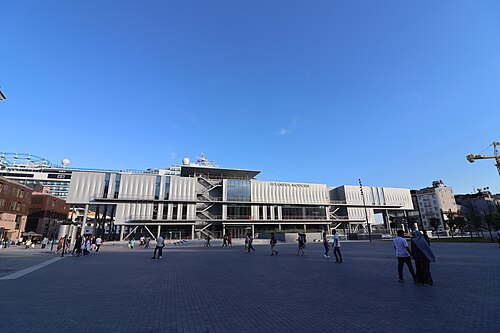
İstanbul Modern Sanat Müzesi
Istanbul Modern opened on 11 December 2004 as Turkey's first museum of modern and contemporary art, installed in Entrepo No. 4, a customs warehouse from the 1950s standing on the Karaköy quay.
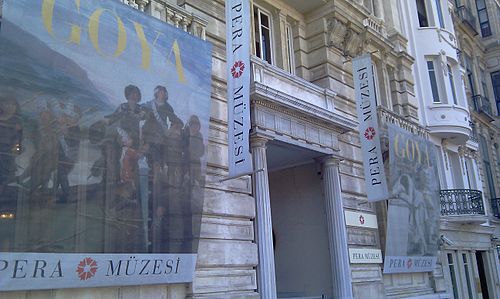
Pera Müzesi
Pera Museum is a private art museum on the Beyoğlu ridge, established on 8 June 2005 by the Suna and İnan Kıraç Foundation. Its building was not built as a museum.
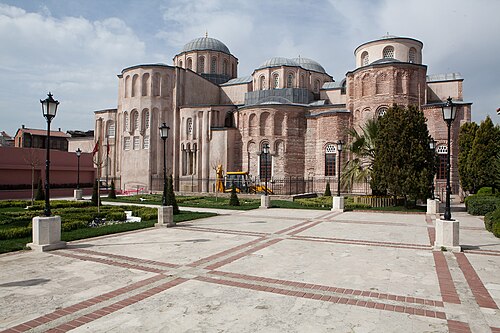
Zeyrek Molla Camii
Zeyrek Camii was the Monastery of Christ Pantokrator, and after Hagia Sophia it is the largest Byzantine religious building still standing in Istanbul.
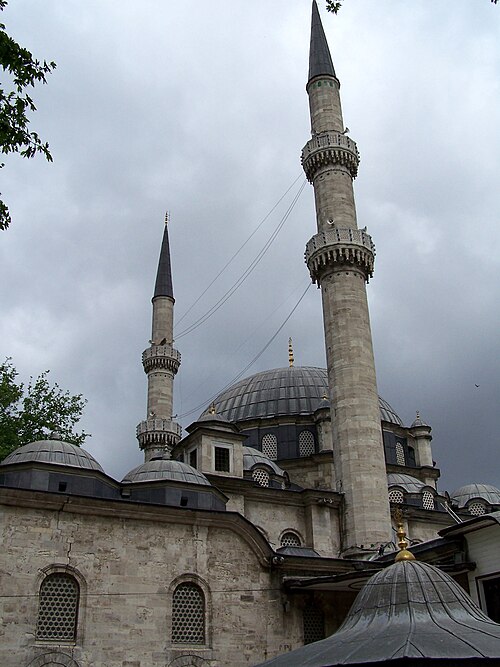
Eyüp Sultan Camii
This is the mosque Ottoman Istanbul built around a grave rather than around a view.
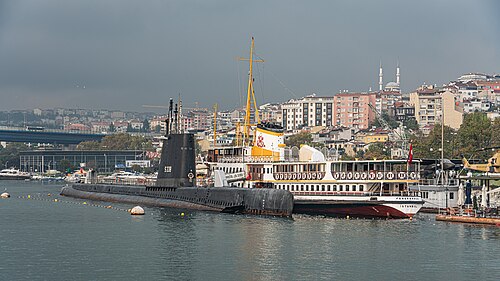
Rahmi M. Koç Müzesi
Istanbul's museum of industry, transport and communication sits on the northern shore of the Golden Horn at Hasköy, well upstream of the tourist city and reached by water more pleasantly than by road.
District boundaries come from OSM administrative relations, so a district page holds exactly the places inside it — plus, for the islands and the coast, the nearest district by proximity.
South of the Horn, in Fatih, the monumental core is walkable end to end: Hagia Sophia, the Blue Mosque, the Basilica Cistern and Topkapı sit inside one square kilometre.
North of the Horn, Beyoğlu climbs from Karaköy to Taksim and is where the city eats and drinks late. Across the Bosphorus, Kadıköy and Üsküdar are residential, cheaper and reached best by ferry rather than by bridge.
Checked 2026-08-23
One contactless card covers tram, metro, funicular, bus and ferry, and it is the only ticket most visitors need.
The T1 tram threads the monumental core; the M2 metro crosses the Horn to Taksim. Ferries are the fastest way between the European and Asian sides and cost the same as a tram ride. Traffic on the bridges is unpredictable enough that a taxi is rarely faster.
Checked 2026-08-23
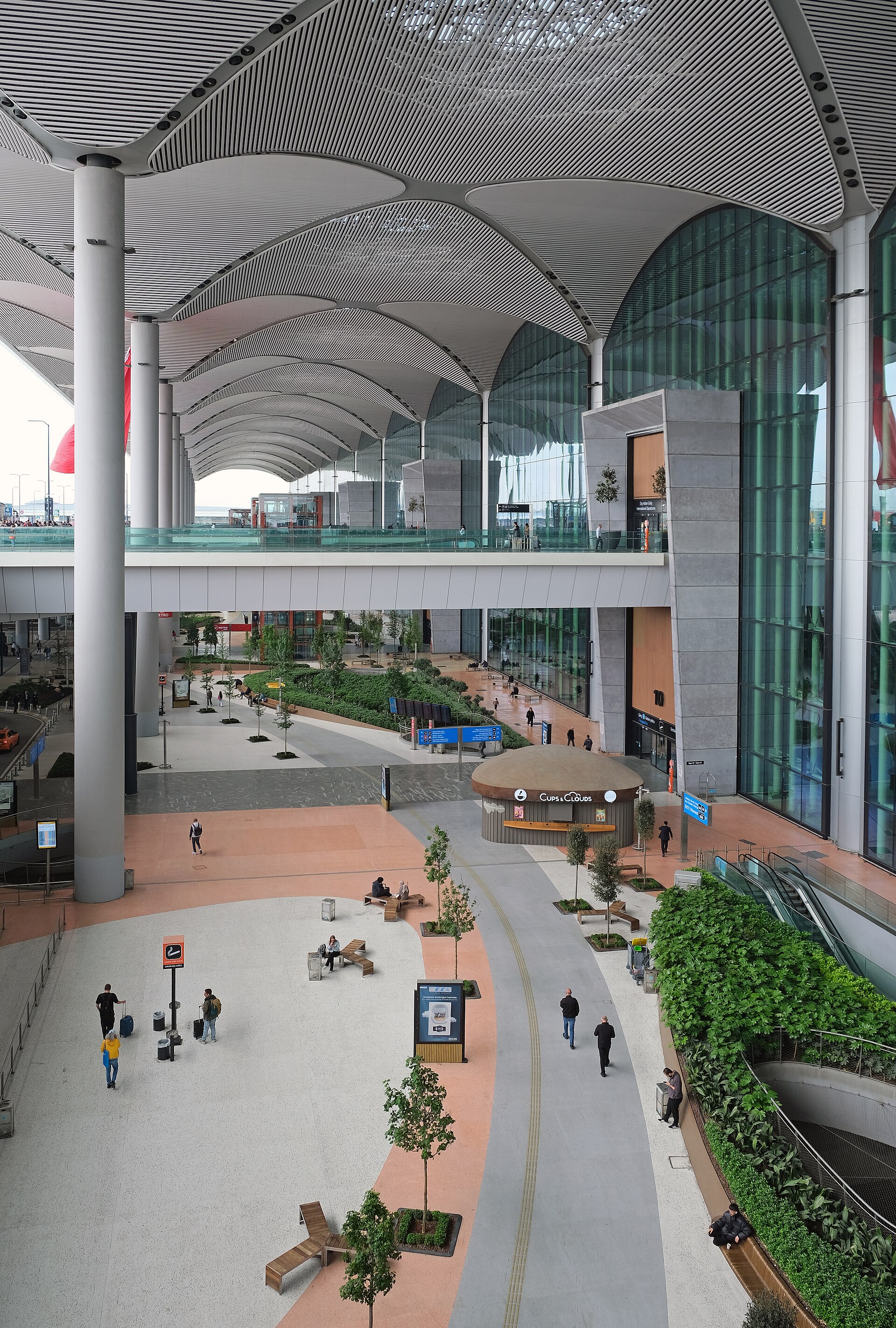
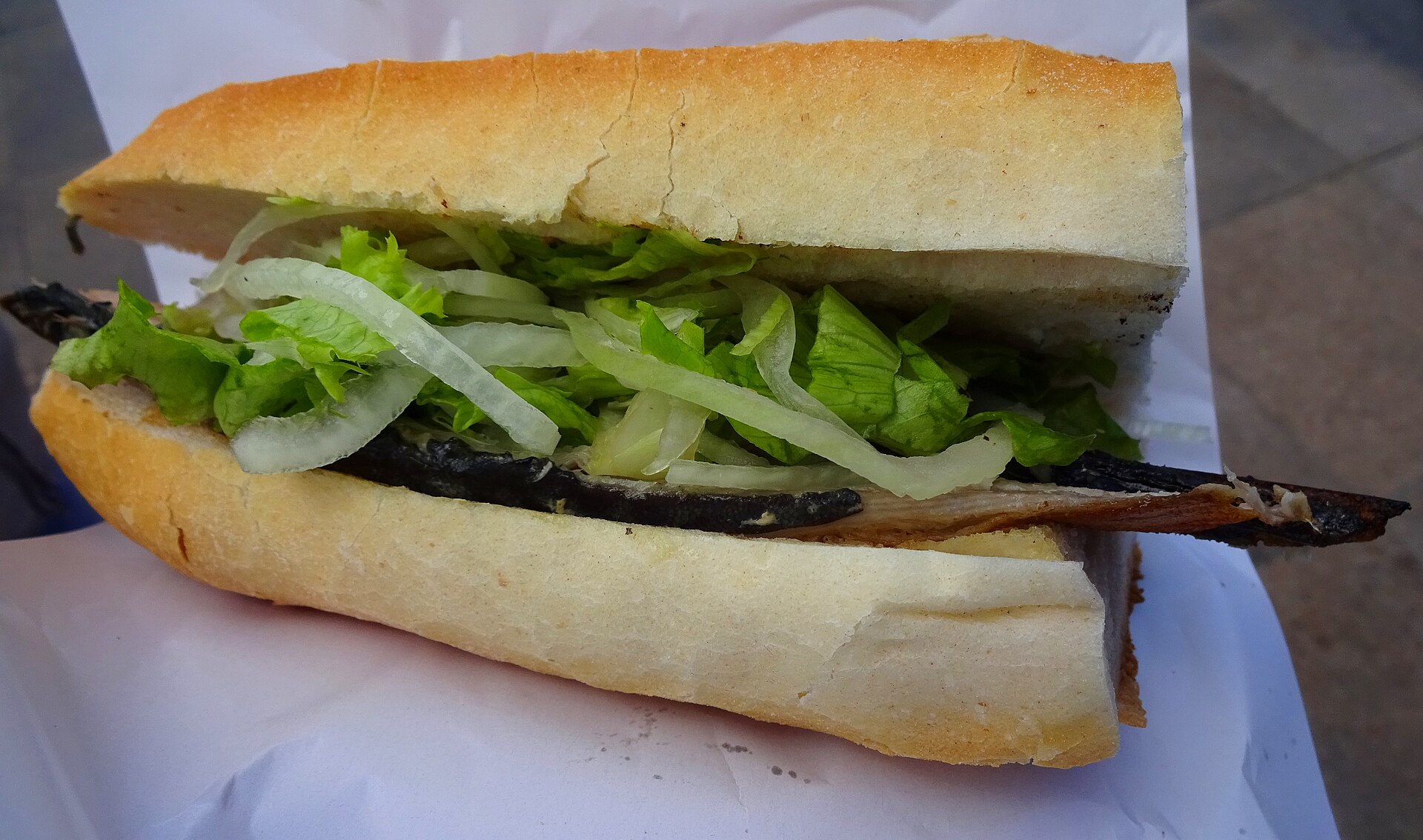
Suggested stay for a first visit: 3–5 days. Five lets you add Beyoğlu, a Bosphorus ferry and one of the Asian-side neighbourhoods.
Yes, outside prayer times. Shoulders and knees should be covered, shoes come off at the door, and women cover their hair; scarves are lent at the larger mosques.
The scheduled public ferry runs the same water as the tourist cruises for a fraction of the fare, and stops at neighbourhoods you can walk around before catching the next one back.
Fatih puts you inside walking distance of the monuments. Beyoğlu is livelier at night and still two tram stops away. The Asian side is cheaper and quieter but adds a ferry to every sightseeing day.
April to June and September to October are warm without the July heat or the cruise-ship peak. January and February are cold and wet but the queues disappear.


