Ecumenical Patriarchate of Constantinople
İstanbul Rum Ortodoks Patrikhanesi
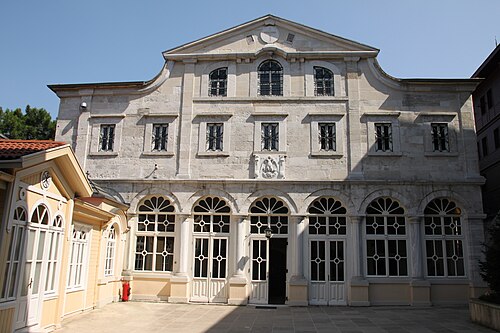
The Ecumenical Patriarchate is the senior see of the Eastern Orthodox world, and it occupies a walled compound in Fener on the Golden Horn.
- Must see
- Place of worship
- Fatih
City guide · Türkiye
Two continents, three empires and one strait that everything else is arranged around. The old capital rewards a plan: the great monuments sit within a twenty-mi...
Photograph · Ben Morlok · CC BY-SA 2.0
Set your days, your pace and the hours you actually want to be out. The planner works around closing days and travel time, and leaves room to eat.
Reviewed by Elena Voss · Roavina Travel Editor
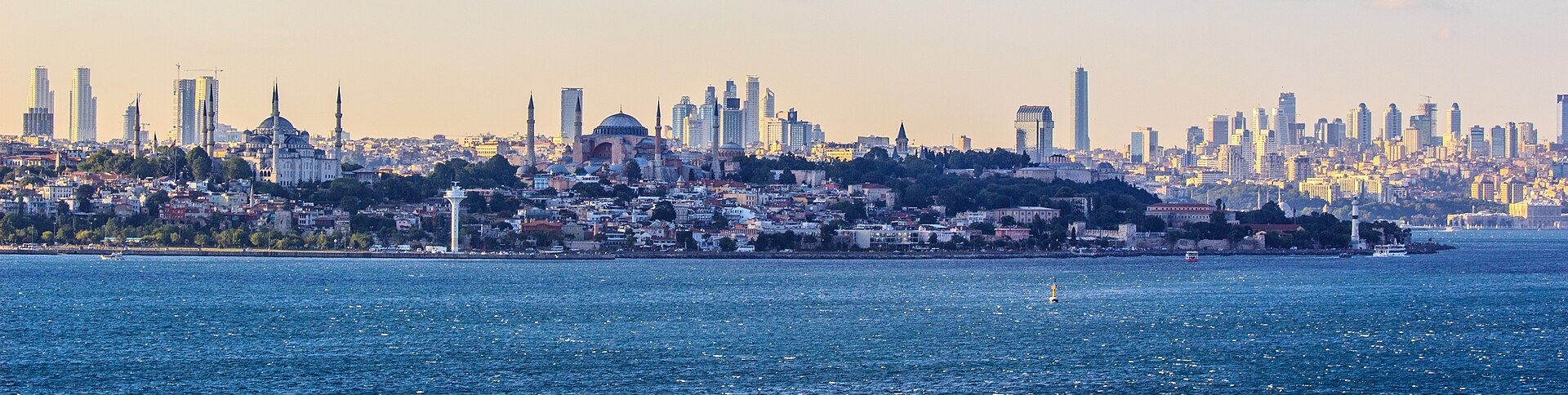
Two continents, three empires and one strait that everything else is arranged around. The old capital rewards a plan: the great monuments sit within a twenty-minute walk of each other in Fatih, and almost everything else is a ferry ride away.
Checked 2026-08-23
September · September in Istanbul has mean high 25.0°C, mean low 15.5°C, rainfall 44.3 mm, and 6.1 rain days. Mild temperatures and lower rainfall favour ferry rides and walking districts. September supports a full day of outdoor stops in Istanbul.
Ranked by importance — sitelinks, pageviews and heritage status, not editor preference.
99 places match
Category
Typical visit duration
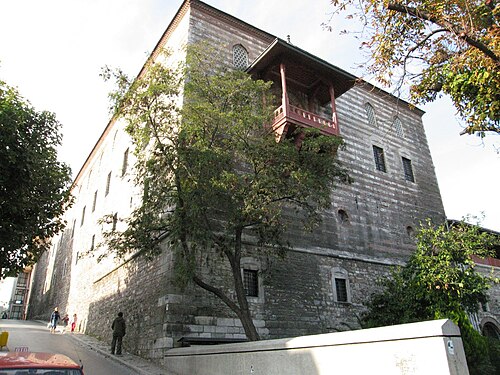
İstanbul Rum Ortodoks Patrikhanesi
The Ecumenical Patriarchate is the senior see of the Eastern Orthodox world, and it occupies a walled compound in Fener on the Golden Horn.
İmrahor Camii
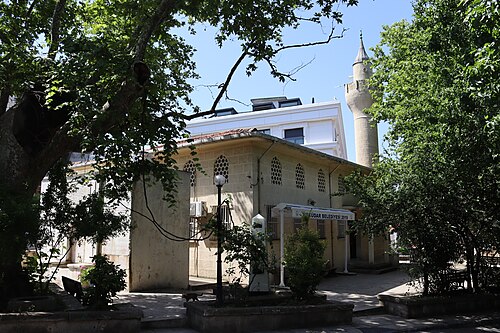
İmrahor Camii is a small working neighbourhood mosque in Salacak, the shore quarter that runs south from Üsküdar square on Istanbul's Asian side.
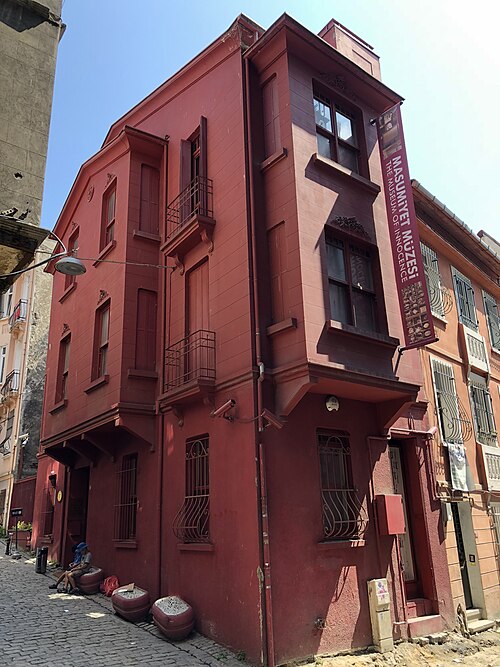
Masumiyet Müzesi
A novel and a building made in parallel, and neither is quite the illustration of the other.
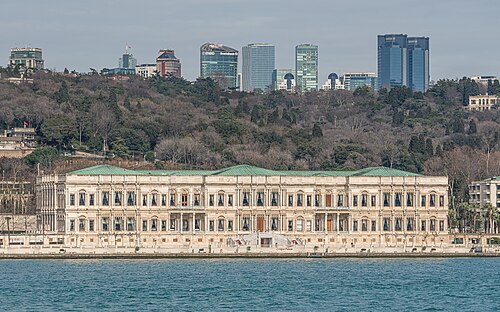
Çırağan Sarayı
Çırağan Palace is the last of the great Ottoman waterfront palaces, and the only one a visitor cannot walk into.
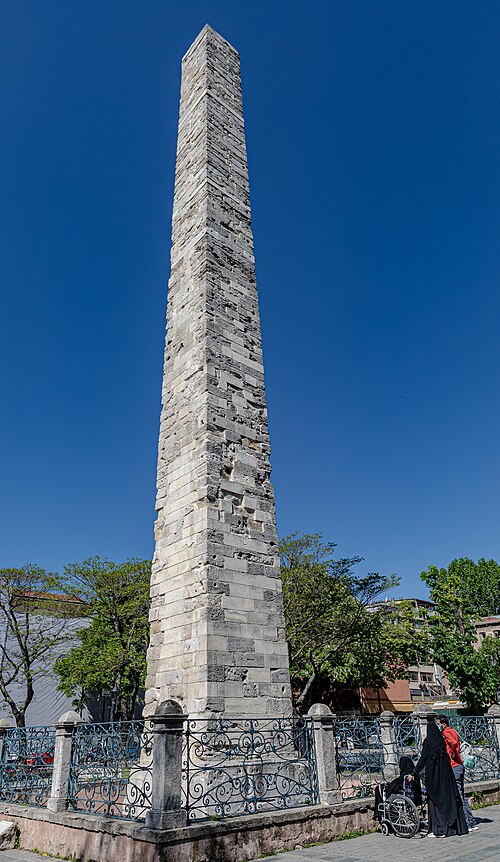
Örme Dikilitaş
The Walled Obelisk, Örme Dikilitaş in Turkish and literally the masonry obelisk, stands 32 m tall on the spine of the old Hippodrome in what is now Sultanahmet Square, west of the Sultan Ahmed Mosque.
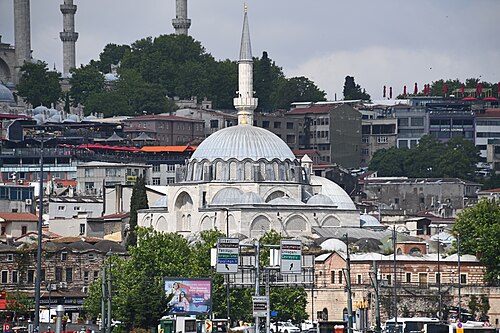
Rüstem Paşa Camii
Rüstem Pasha Mosque does not sit on the street.
Türk ve İslam Eserleri Müzesi
The Turkish and Islamic Arts Museum is housed in the Ibrahim Pasha Palace, a stone mansion of 1524 that belonged to Pargalı Ibrahim Pasha, the second grand vizier of Suleiman the Magnificent.
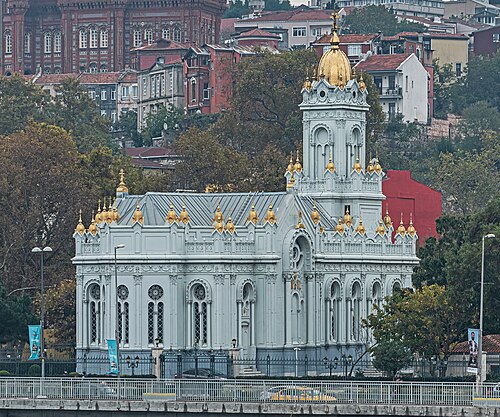
Sveti Stefan Bulgar Kilisesi
Bulgarian St. Stephen Church is the cast-iron Bulgarian Orthodox church on the Golden Horn shore in Balat. Istanbul’s official visitor portal dates the present building to 1898 and identifies Hovsep Aznavur as its architect.
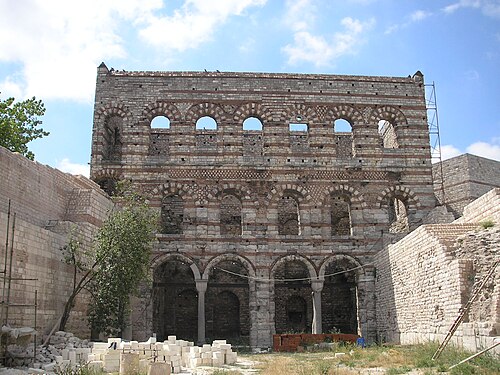
Tekfur Sarayı is the last Byzantine palace in Istanbul still standing to its full height, and it survives because it was never important enough to be worth demolishing.
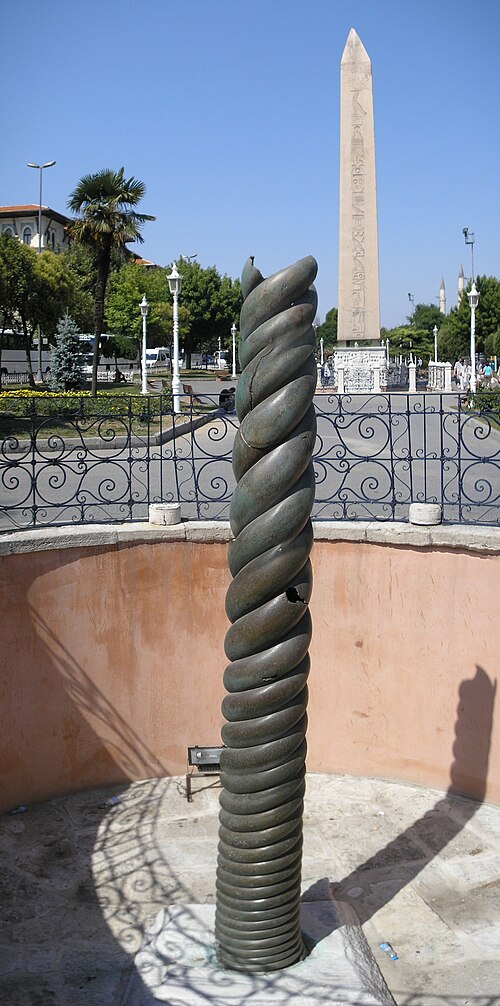
Yılanlı Sütun
A battle trophy from 479 BC, standing in a hole in a square in Istanbul.
Milyon Taşı
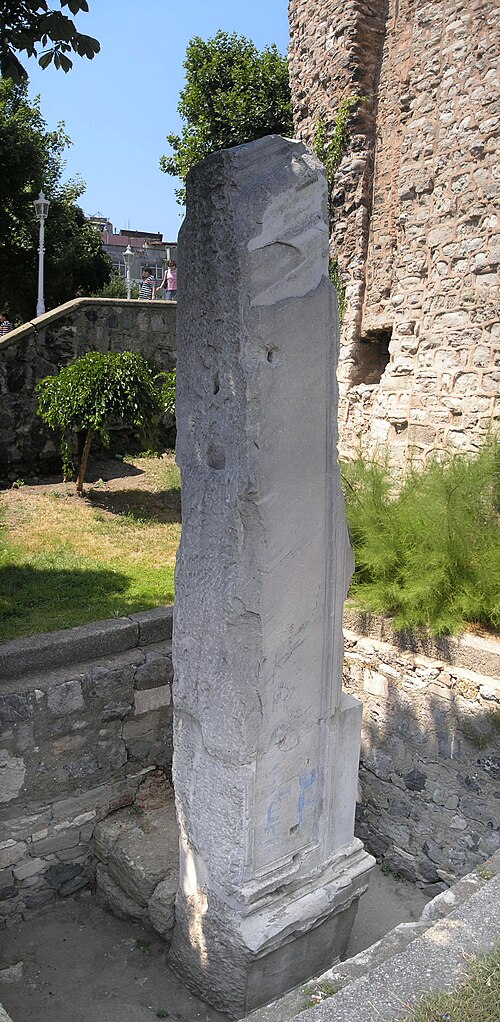
What survives is a single weathered pillar fragment standing in a sunken plot beside the street, and it is the remnant of the Milion — the point from which the Eastern Roman Empire measured itself.
Zeyrek Molla Camii
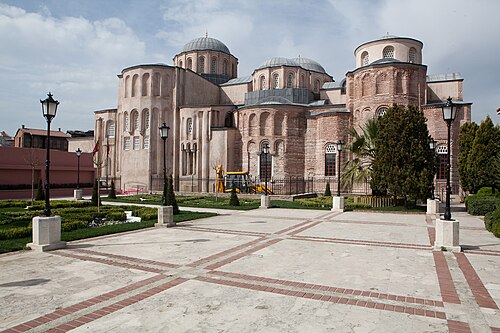
Zeyrek Camii was the Monastery of Christ Pantokrator, and after Hagia Sophia it is the largest Byzantine religious building still standing in Istanbul.
Nuruosmaniye Camisi
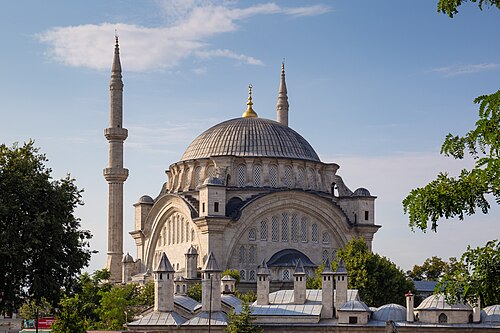
The Nuruosmaniye is where Ottoman architecture stopped being Ottoman in the classical sense. Begun in 1748 under Mahmud I and finished in 1755 under his brother Osman III, it is the first monumental Ottoman baroque building.
Cumhuriyet Anıtı
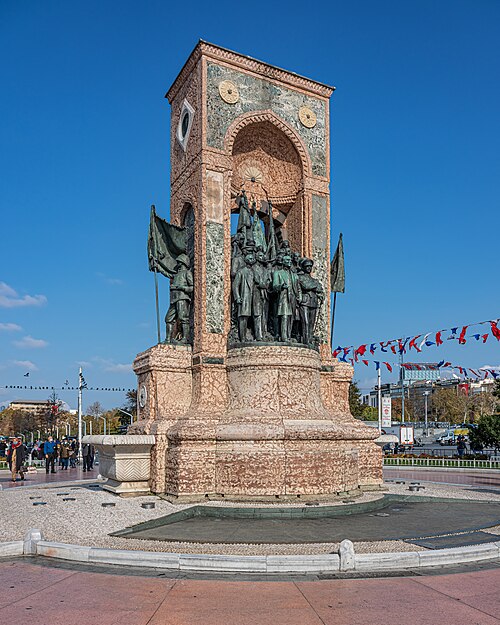
The Republic Monument stands in the middle of Taksim Square and is the founding statement of the Turkish Republic rendered in bronze and marble.
Rahmi M. Koç Müzesi
Istanbul's museum of industry, transport and communication sits on the northern shore of the Golden Horn at Hasköy, well upstream of the tourist city and reached by water more pleasantly than by road.
İstanbul Modern Sanat Müzesi
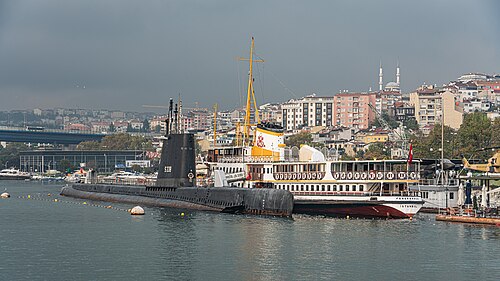
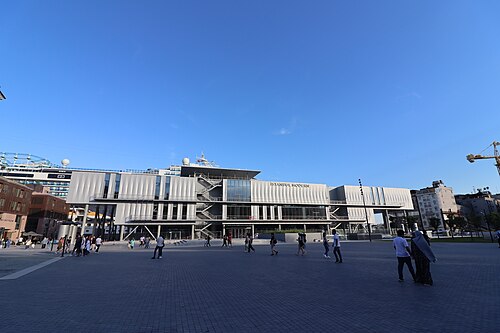
Istanbul Modern opened on 11 December 2004 as Turkey's first museum of modern and contemporary art, installed in Entrepo No. 4, a customs warehouse from the 1950s standing on the Karaköy quay.
Pera Müzesi
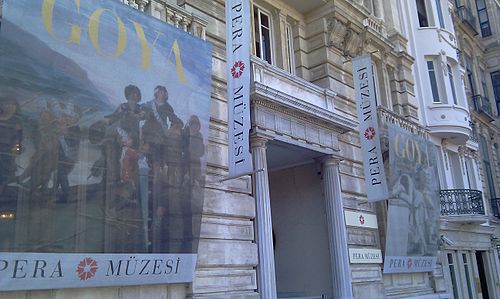
Pera Museum is a private art museum on the Beyoğlu ridge, established on 8 June 2005 by the Suna and İnan Kıraç Foundation. Its building was not built as a museum.
Miniatürk Açıkhava Müzesi
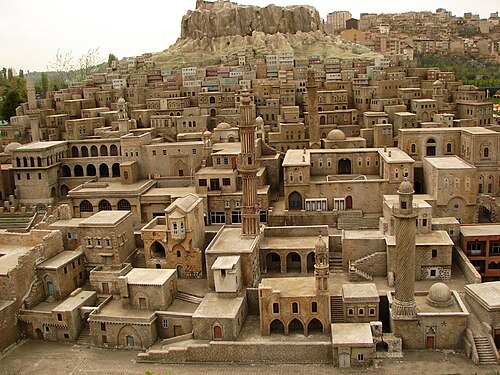
Miniatürk opened on 2 May 2003 on the northeastern shore of the Golden Horn, and the idea behind it is straightforward: shrink the architecture of Turkey and the former Ottoman world to one twenty-fifth of full size and lay it…
Şerefiye Sarnıcı
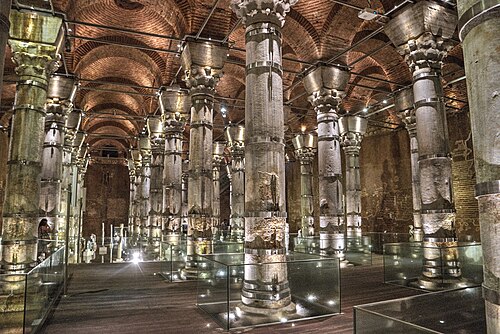
Şerefiye Sarnıcı is a Roman water tank that spent most of the last three centuries with a building sitting on top of it.
Yavuz Sultan Selim Cami
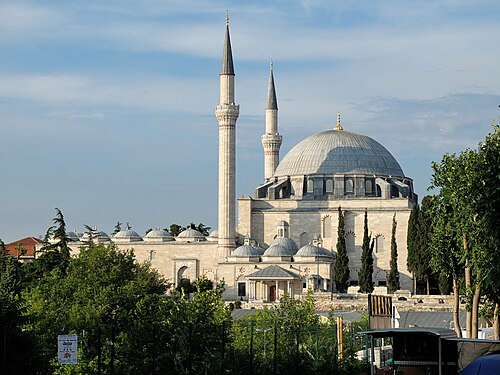
Yavuz Selim Mosque crowns the top of the fifth hill of the historic peninsula, above the Golden Horn, and it is a memorial as much as it is a mosque.
Küçüksu Kasrı
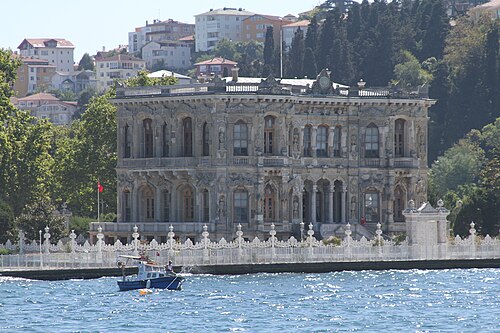
Kucuksu is a kasir and not a saray, and the whole visit turns on that distinction.
Kamondo Merdivenleri
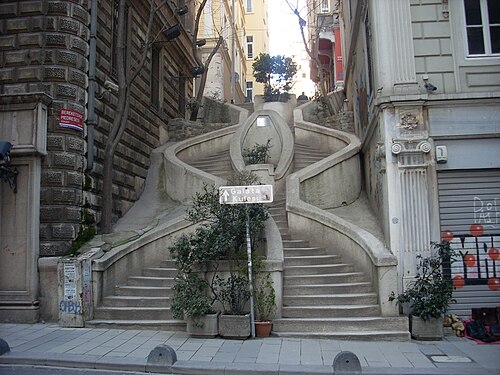
The Camondo Stairs are a short public stairway in Galata built by a banker so that he could get to work.
Gotlar Sütunu
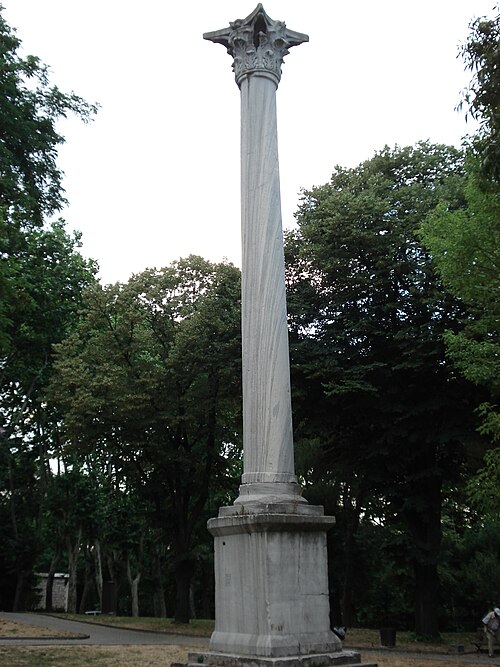
Near the Sarayburnu end of Gülhane Park, well away from the gate most visitors use, a single fluted shaft with a Corinthian capital stands among the trees carrying a Latin inscription: FORTVNAE REDVCI OB DEVICTOS GOTHOS — to Fortuna, who…
Kıztaşı
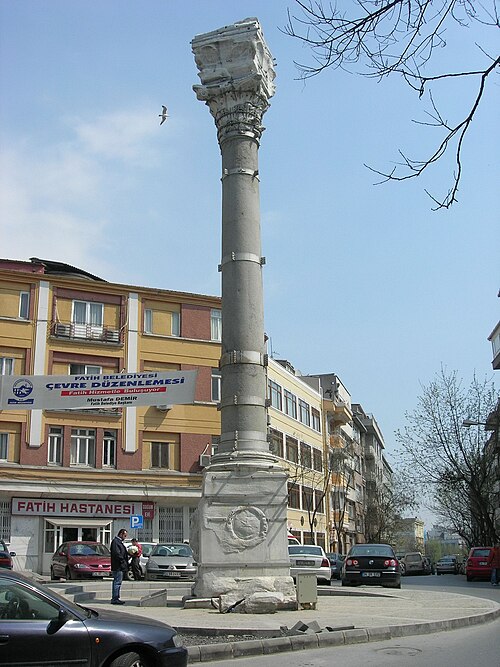
A single granite column stands in a small railed square off Kıztaşı Caddesi in Fatih, and almost everybody who has heard of Istanbul has never heard of it.
Kılıç Ali Paşa Camii
The man who paid for this mosque was born Giovanni Dionigi Galeni in Le Castella, in Calabria, around 1519.
District boundaries come from OSM administrative relations, so a district page holds exactly the places inside it — plus, for the islands and the coast, the nearest district by proximity.
South of the Horn, in Fatih, the monumental core is walkable end to end: Hagia Sophia, the Blue Mosque, the Basilica Cistern and Topkapı sit inside one square kilometre.
North of the Horn, Beyoğlu climbs from Karaköy to Taksim and is where the city eats and drinks late. Across the Bosphorus, Kadıköy and Üsküdar are residential, cheaper and reached best by ferry rather than by bridge.
Checked 2026-08-23
One contactless card covers tram, metro, funicular, bus and ferry, and it is the only ticket most visitors need.
The T1 tram threads the monumental core; the M2 metro crosses the Horn to Taksim. Ferries are the fastest way between the European and Asian sides and cost the same as a tram ride. Traffic on the bridges is unpredictable enough that a taxi is rarely faster.
Checked 2026-08-23
Three days covers the monumental core in Fatih without rushing. Five lets you add Beyoğlu, a Bosphorus ferry and one of the Asian-side neighbourhoods.
Yes, outside prayer times. Shoulders and knees should be covered, shoes come off at the door, and women cover their hair; scarves are lent at the larger mosques.
The scheduled public ferry runs the same water as the tourist cruises for a fraction of the fare, and stops at neighbourhoods you can walk around before catching the next one back.
Fatih puts you inside walking distance of the monuments. Beyoğlu is livelier at night and still two tram stops away. The Asian side is cheaper and quieter but adds a ferry to every sightseeing day.
April to June and September to October are warm without the July heat or the cruise-ship peak. January and February are cold and wet but the queues disappear.