Greenwich Park
Greenwich Park is a historic royal park in southeast London, covering extensive hillside grounds. It forms part of the Greenwich World Heritage Site and contains the Prime Meridian line.
- Must see
- Historic monument
- London
Country guide
The United Kingdom is 244,376 km² holding 69,281,437 people, and it is four countries rather than one: England, Scotland, Wales and Northern Ireland, with Londo...
Photograph · Colin · CC BY-SA 4.0
Reviewed by Elena Voss · Roavina Travel Editor
The United Kingdom is 244,376 km² holding 69,281,437 people, and it is four countries rather than one: England, Scotland, Wales and Northern Ireland, with London, Edinburgh, Cardiff and Belfast as their capitals. Three of the four run parliaments of their own over devolved matters, and the law splits three ways — England and Wales, Scotland, Northern Ireland. A visitor meets that in small practical things rather than at a border. London alone holds about 9.1 million of the total, which is why so many trips never leave it, and why the ones that do feel like arriving somewhere else.
Checked 2026-08-25
Every city catalogued in this country so far, ranked by how much there is to see.
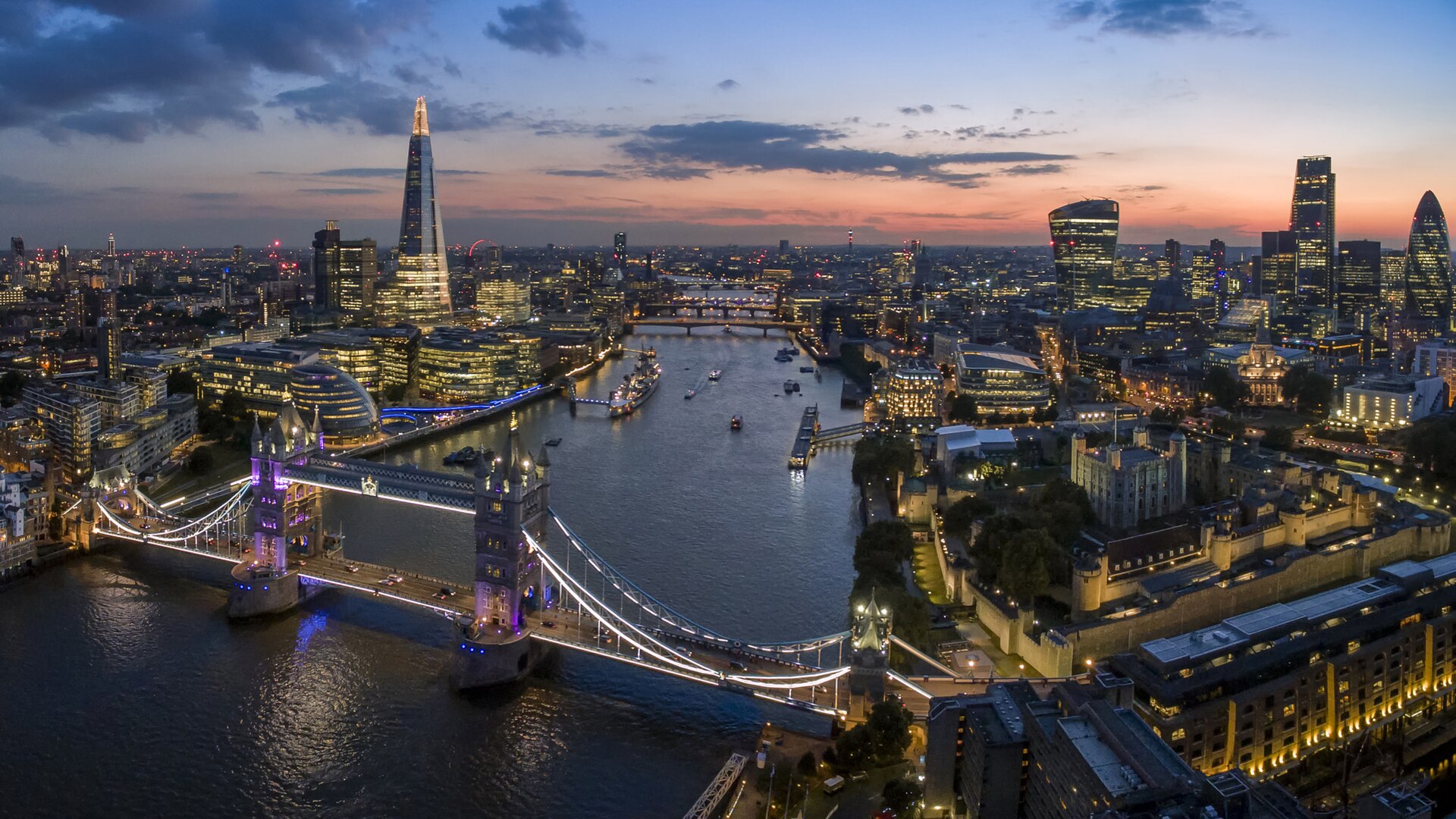
Photograph · Ilya Grigorik · CC BY-SA 3.0
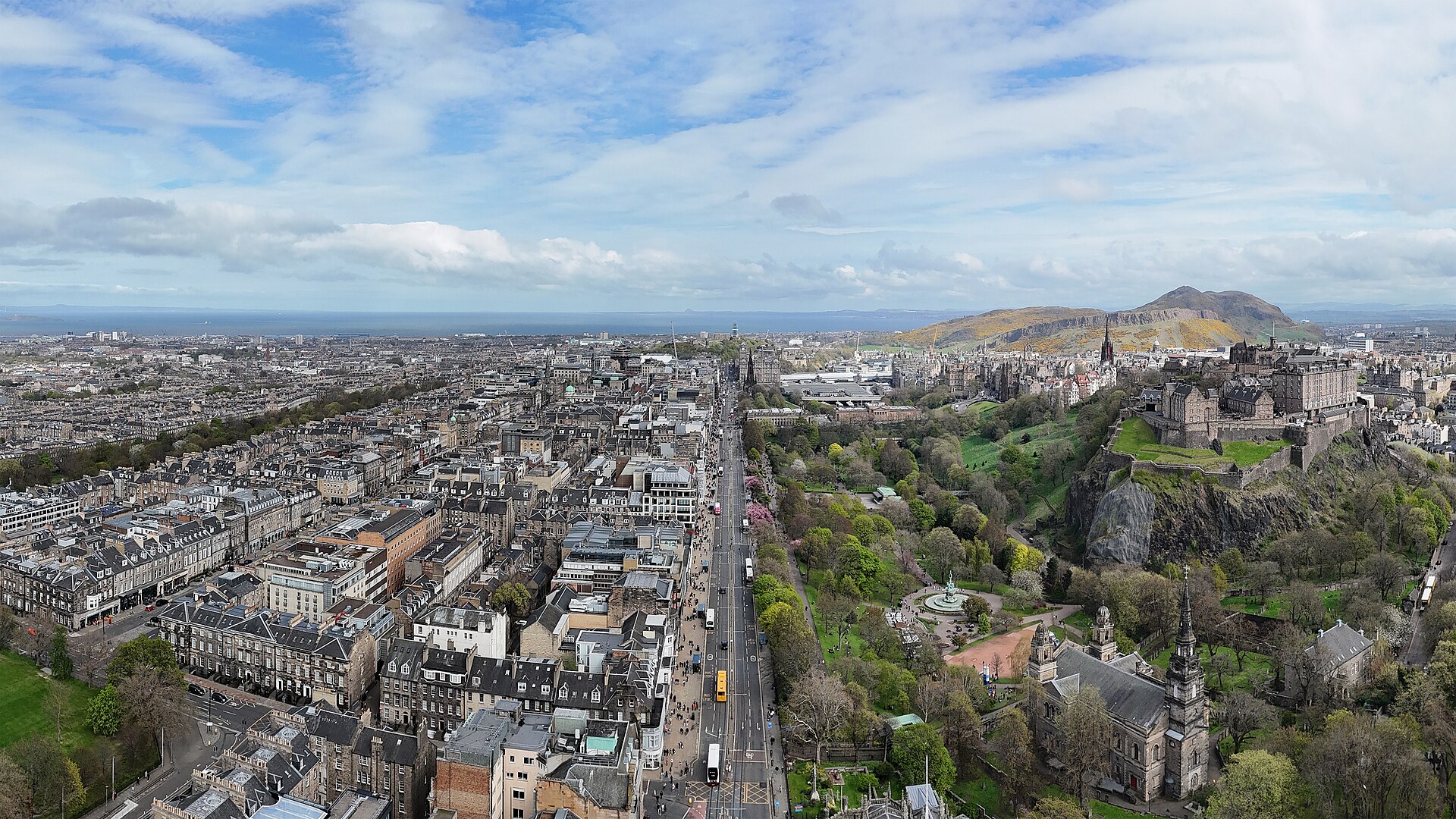
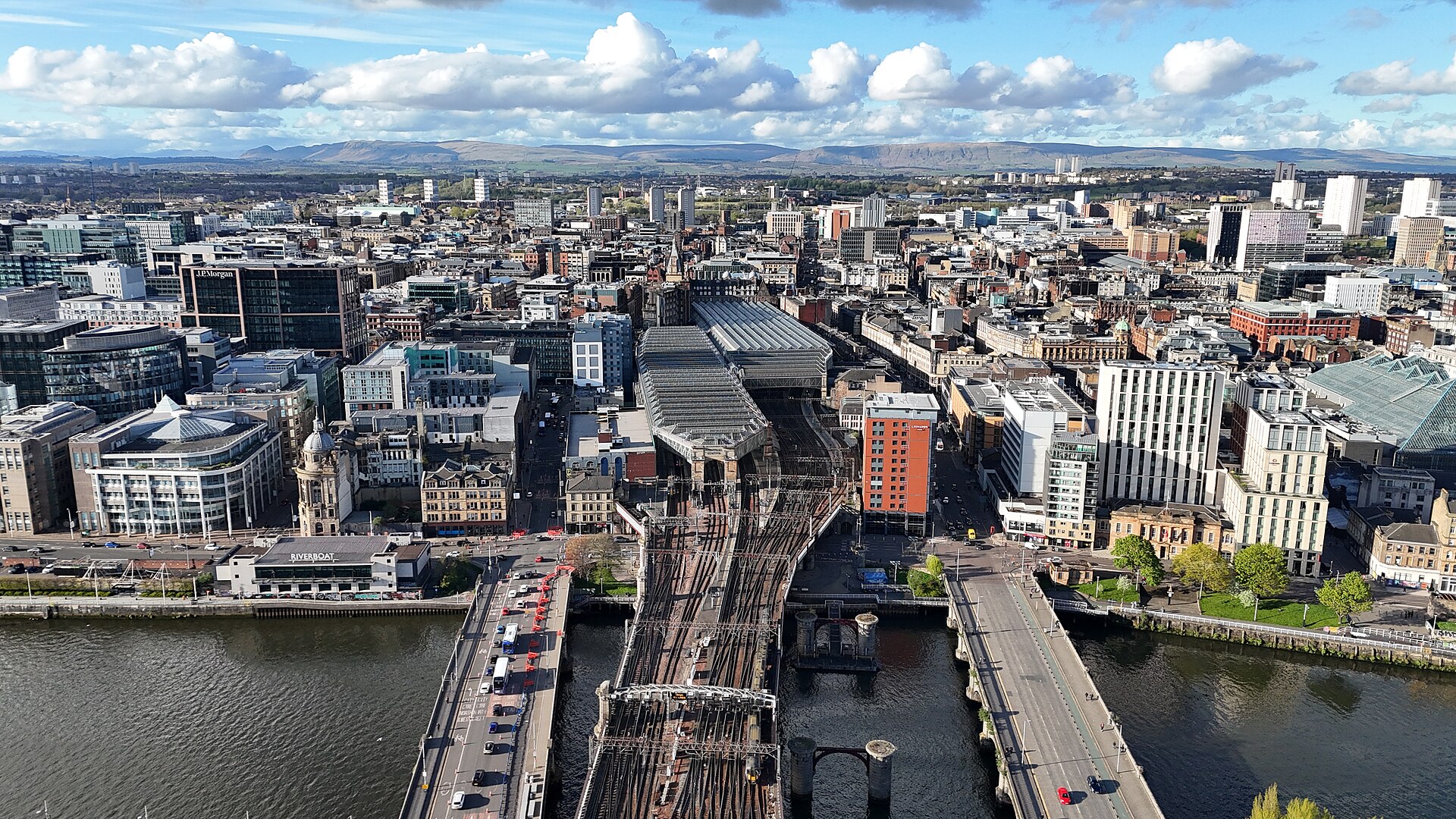
Photograph · 瑞丽江的河水 · CC BY-SA 4.0
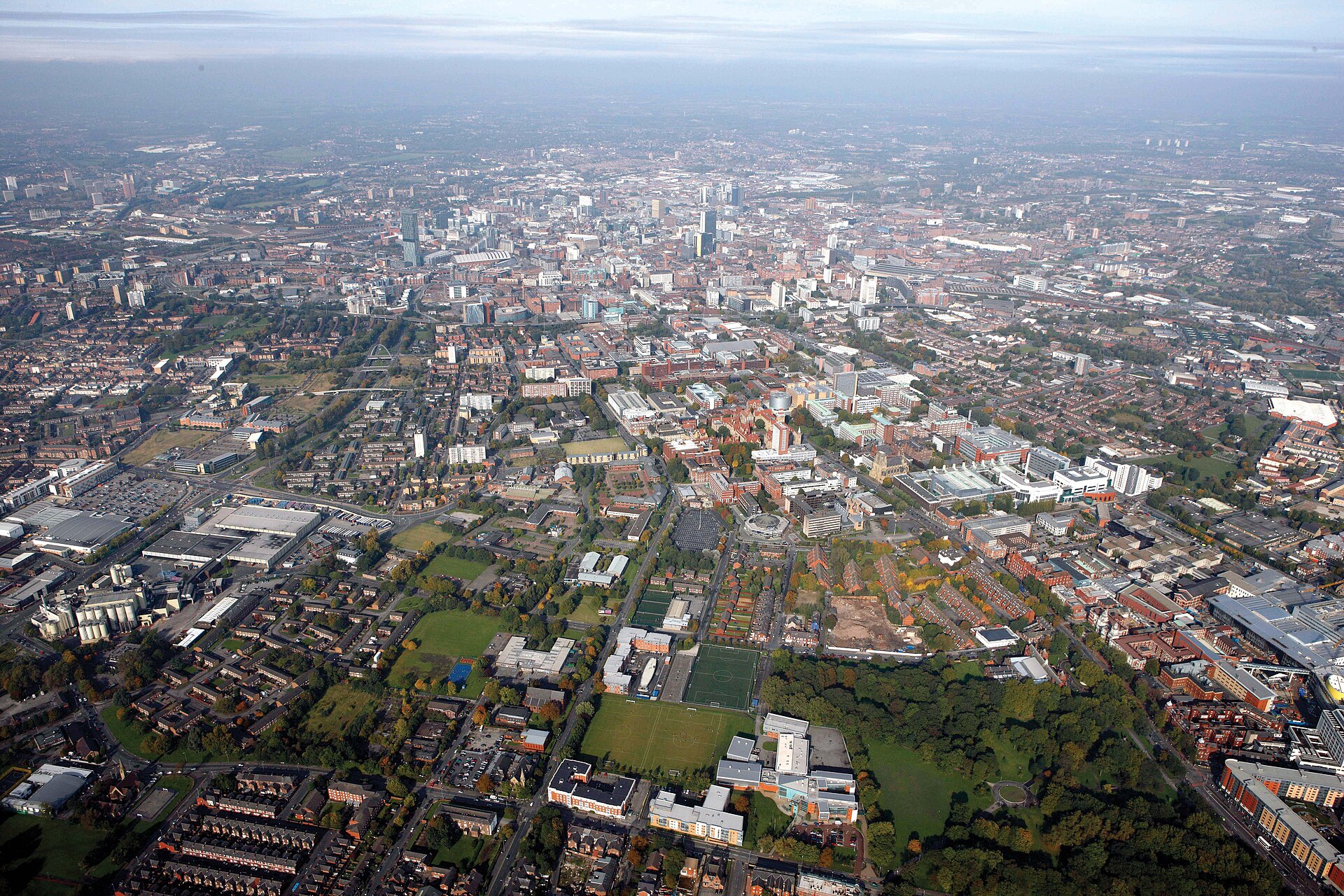
Photograph · Daniel Nisbet from Manchester, United Kingdom · CC BY 2.0
Ranked by importance — sitelinks, pageviews and heritage status, not editor preference.
296 places match
Category
Typical visit duration
Interests
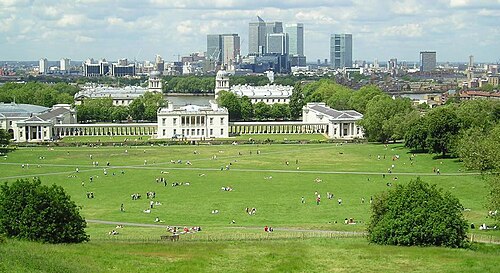
Greenwich Park is a historic royal park in southeast London, covering extensive hillside grounds. It forms part of the Greenwich World Heritage Site and contains the Prime Meridian line.
Richmond Park is London’s largest Royal Park, covering a broad landscape of open grassland, woodland, hills, ponds and ancient trees in southwest London. It is also an important nature conservation site and a working landscape shaped by ongoing management.
The Monument to the Great Fire of London
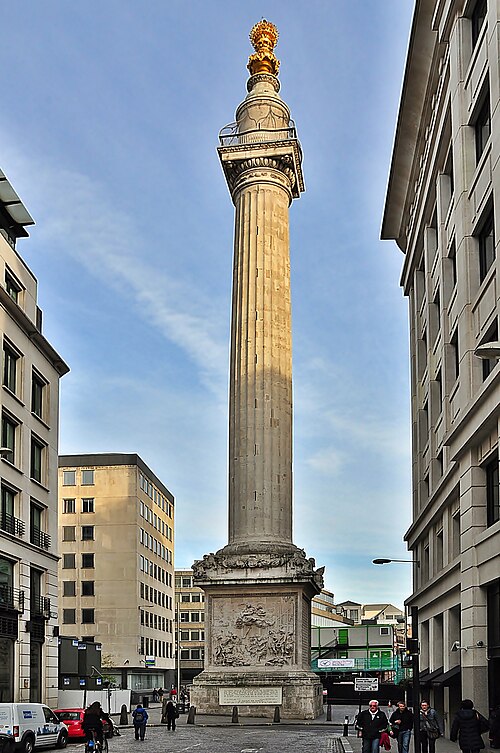
The Monument to the Great Fire of London is a Doric column near Pudding Lane in the City of London. Sir Christopher Wren and Robert Hooke designed it to commemorate the Great Fire of 1666 and the rebuilding that followed.
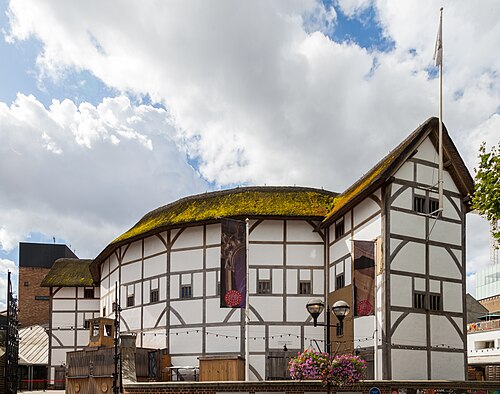
Shakespeare's Globe is a reconstruction of the original Globe Theatre, an Elizabethan playhouse associated with William Shakespeare. The modern building stands near the site of the original theatre in Southwark, London.
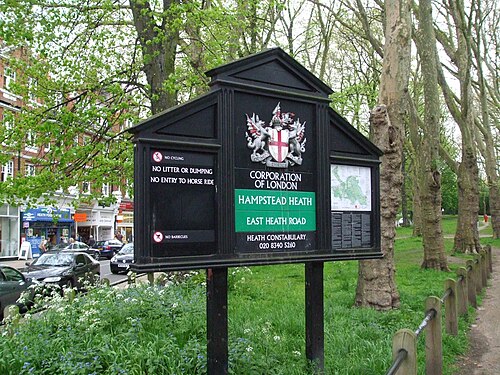
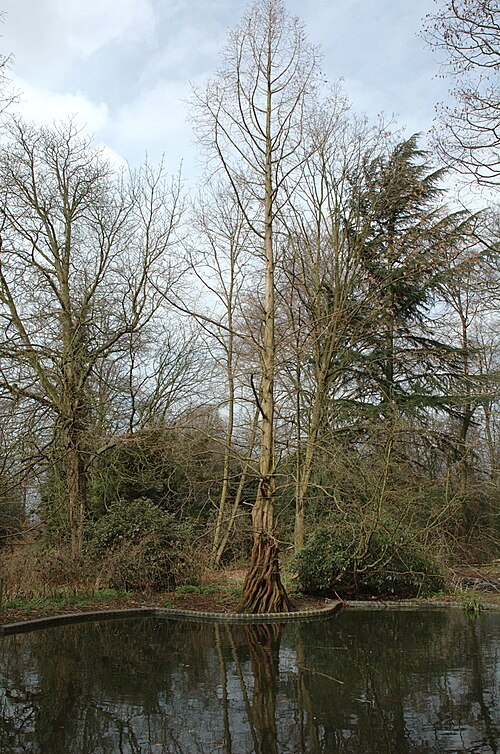
Hampstead Heath is a large semi-wild parkland of roughly 320 hectares in north London. Its landscape combines woodland, meadows, hills, scrub and ponds, preserving a rural feeling close to the city.
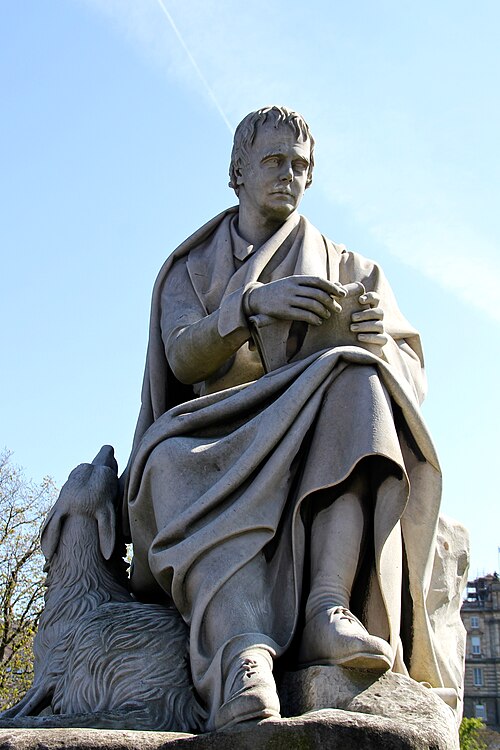
The Scott Monument is a Victorian Gothic memorial to Scottish author Sir Walter Scott, located in Edinburgh's Princes Street Gardens. Completed in 1844, it stands as one of the largest monuments to a writer anywhere in the world.
St Bartholomew-The Great
St Bartholomew-the-Great is a historic church in the City of London, founded in 1123 by Rahere, a courtier of Henry I. It is London's oldest surviving parish church, with substantial Norman fabric remaining despite later restorations.
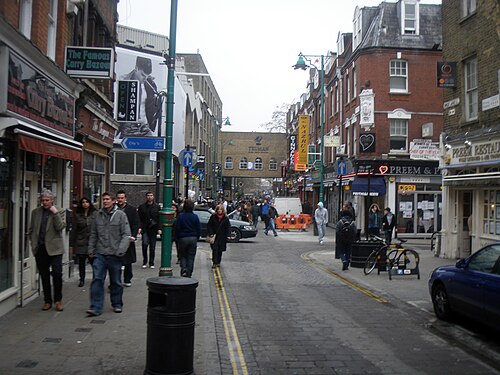
Brick Lane is an East London street running between Bethnal Green Road and Whitechapel High Street. It is the centre of the neighbourhood historically associated with London’s Bangladeshi community.
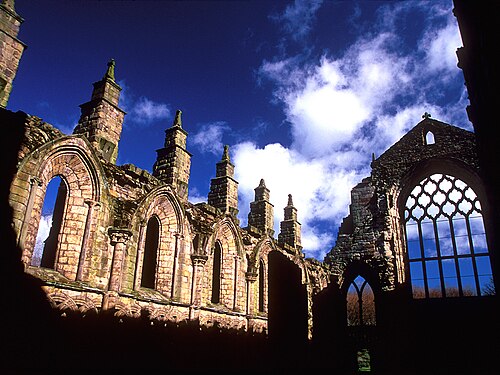
Holyrood Abbey is a ruined abbey of the Canons Regular in Edinburgh, Scotland, situated at the foot of the Royal Mile adjacent to the Palace of Holyroodhouse.
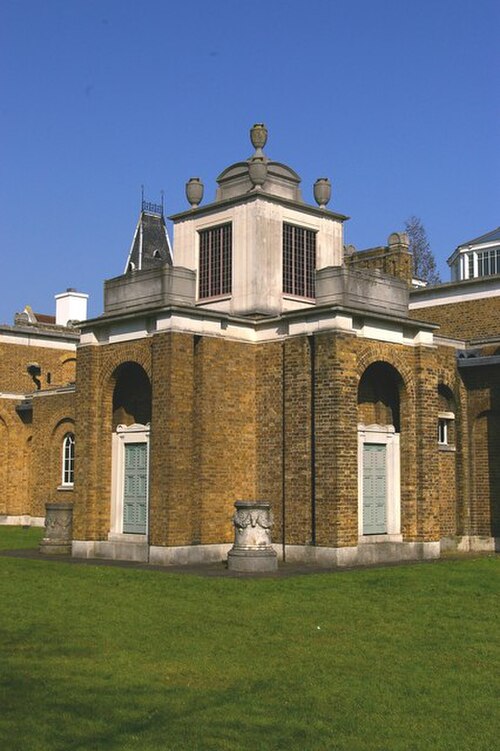
Dulwich Picture Gallery is an art museum in south London housed in a purpose-built gallery designed by Sir John Soane. Opened in 1817, it is England's oldest purpose-built public art gallery.
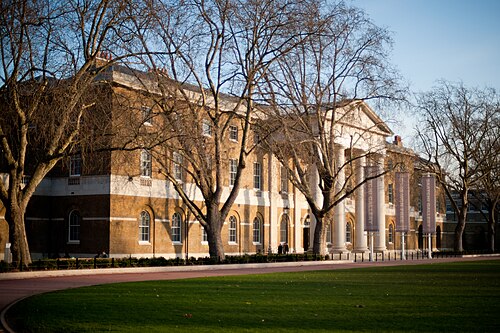
The Old Royal Naval College is a historic riverside complex in Greenwich, London. Designed by Sir Christopher Wren and built between 1696 and 1712, it originally served as the Royal Hospital for Seamen.
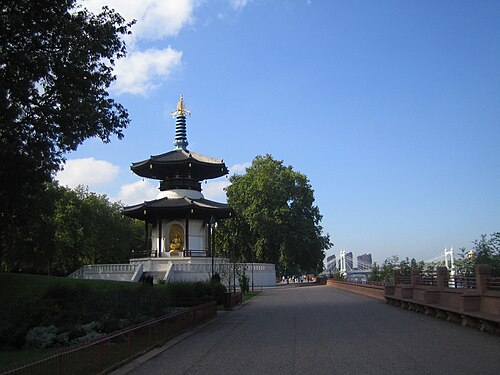
Battersea Park is a large Victorian riverside park on the south bank of the Thames in the London Borough of Wandsworth. Covering about 200 acres, it was laid out between 1855 and 1858 on the former Battersea Fields.
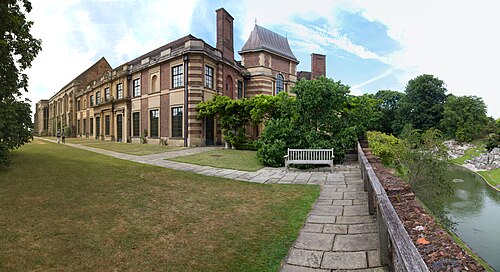
Eltham Palace is a distinctive historic site in southeast London, where a medieval royal great hall stands beside a 1930s Art Deco mansion.
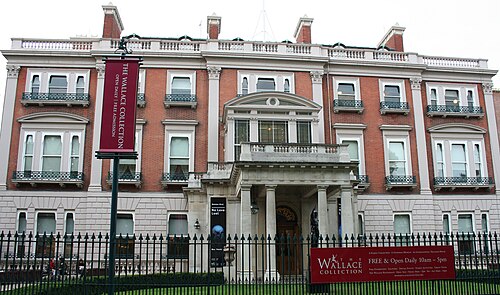
The Wallace Collection
The Wallace Collection is an art museum in central London, occupying Hertford House on Manchester Square. It was established through the bequests of the Marquesses of Hertford and Sir Richard Wallace, with the collection assembled primarily across the nineteenth century.
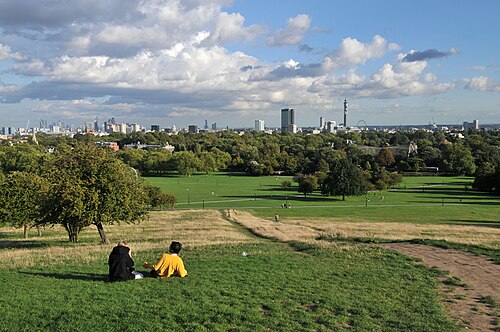
Primrose Hill is an open public park immediately north of Regent’s Park in Camden. Its grassy summit rises to 256 feet above sea level, creating one of London’s most memorable elevated views.
The Saatchi Gallery is a contemporary art gallery located in London. It was established by Charles Saatchi to exhibit contemporary art.
Holland Park is a varied green space in the Royal Borough of Kensington and Chelsea, occupying the former grounds of Holland House. The house was largely destroyed during the Second World War, leaving a dramatic surviving ruin within the park.
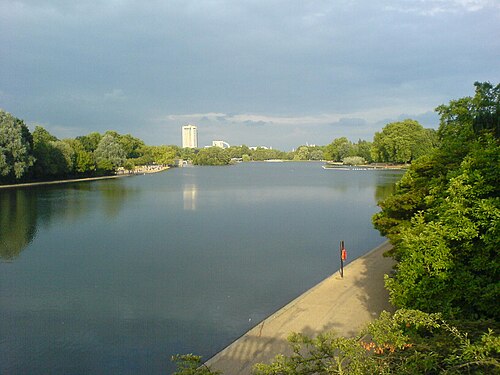
The Serpentine
The Serpentine is a recreational lake in Hyde Park, central London. It was created in 1730 at the direction of Queen Caroline, wife of George II, by damming the Westbourne River.
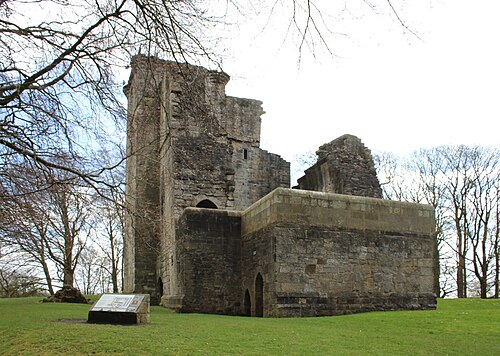
Crookston Castle is a medieval stone ruin in south-west Glasgow, set on elevated ground above the surrounding landscape.
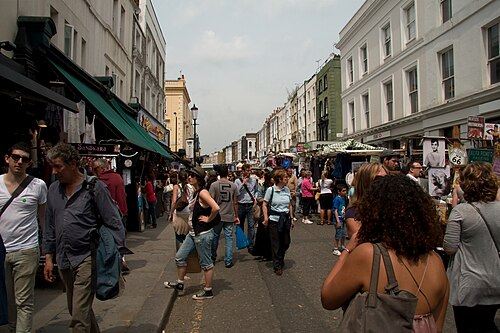
Portobello Road Market is a historic street market in Notting Hill, West London, stretching along Portobello Road. It is one of London's most famous markets, known internationally for its antiques trade.
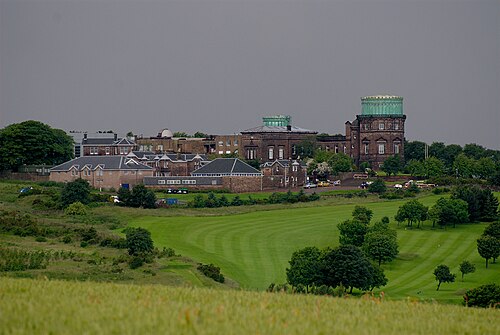
Royal Observatory, Edinburgh
Royal Observatory Edinburgh is a working astronomical research institution on Blackford Hill, south of the city centre. The present observatory site dates from 1896 and continues to support astronomical science rather than operating as a conventional museum.
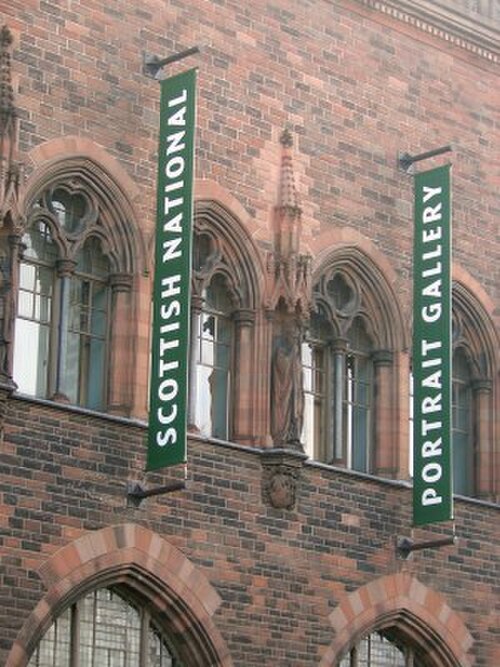
The Scottish National Portrait Gallery is Edinburgh’s national museum of portraiture, housed in a red sandstone neo-Gothic building on Queen Street. Robert Rowand Anderson designed the building, which opened in 1889.
The Royal Mews
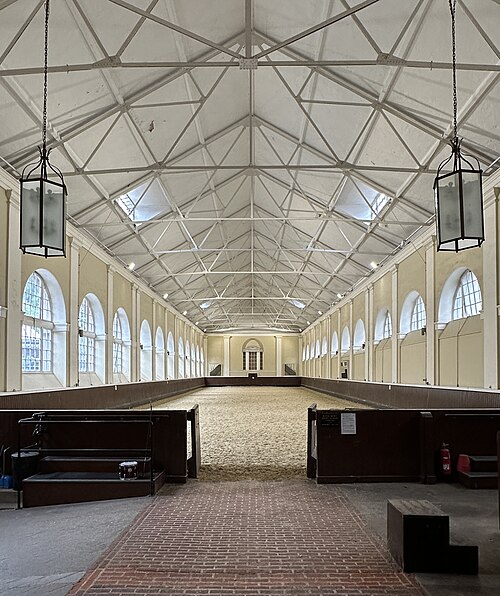
The Royal Mews is a working royal stable and carriage house serving the British monarch. Located at Buckingham Palace, it houses the royal collection of historic carriages and state vehicles used for coronations, weddings, and official ceremonies.
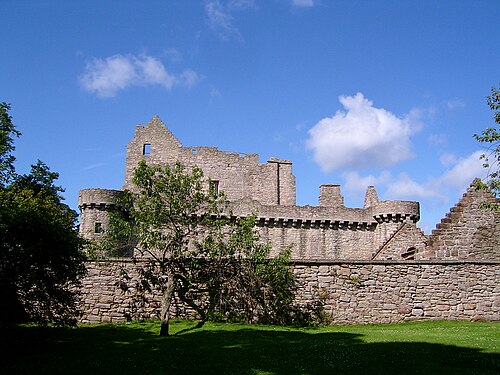
Craigmillar Castle is a substantial medieval castle ruin southeast of Edinburgh, with major surviving work from the fifteenth and sixteenth centuries. The castle is closely associated with Mary, Queen of Scots, who stayed here in 1566.
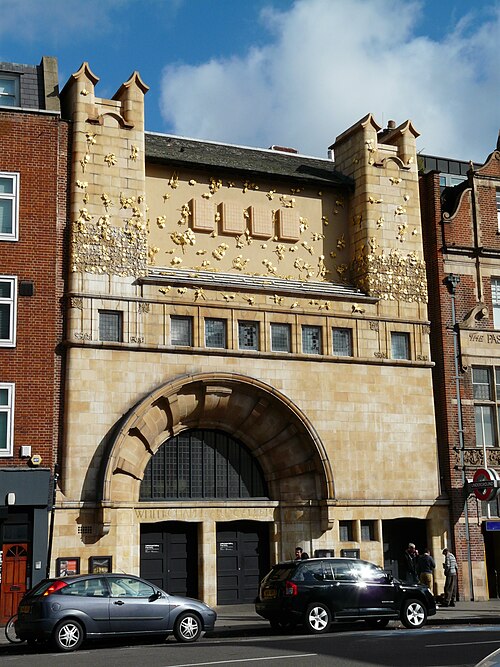
Whitechapel Gallery is a public art gallery on Whitechapel High Street in East London. Founded in 1901, it occupies an Arts and Crafts building and presents modern and contemporary art.
Ten to fourteen days can cover four or five days in London, two in Manchester, and two or three each in Edinburgh and Glasgow. The Highlands, Lake District, or Welsh national parks need dedicated nights and should not be squeezed into London day trips.
UK document rules depend on nationality and trip purpose, and many visitors now need an Electronic Travel Authorisation before boarding. Check the linked UK government visa service for both visa and ETA status shortly before travel.
Intercity rail is the practical spine between London, Manchester, Edinburgh, and Glasgow, with advance fares usually distinct from flexible tickets. Each city runs its own local fare system, so London's contactless cap is not a nationwide travel pass.
May to June and September are useful planning windows for this route, but conditions vary between southern England and Scotland. Festival dates in Edinburgh and rural transport in national parks can matter more than the national seasonal label.
The United Kingdom uses pound sterling (GBP). Contactless payment is widespread in major cities, but keep another payment method for rural services or terminals that do not share London's payment arrangements.
Use 999 or 112 for emergencies in the United Kingdom. Type G sockets supply 230 V, and mains tap water is recorded as safe; save rail disruption information as well when the itinerary depends on several city-to-city journeys.