18b: The Las Vegas Arts District
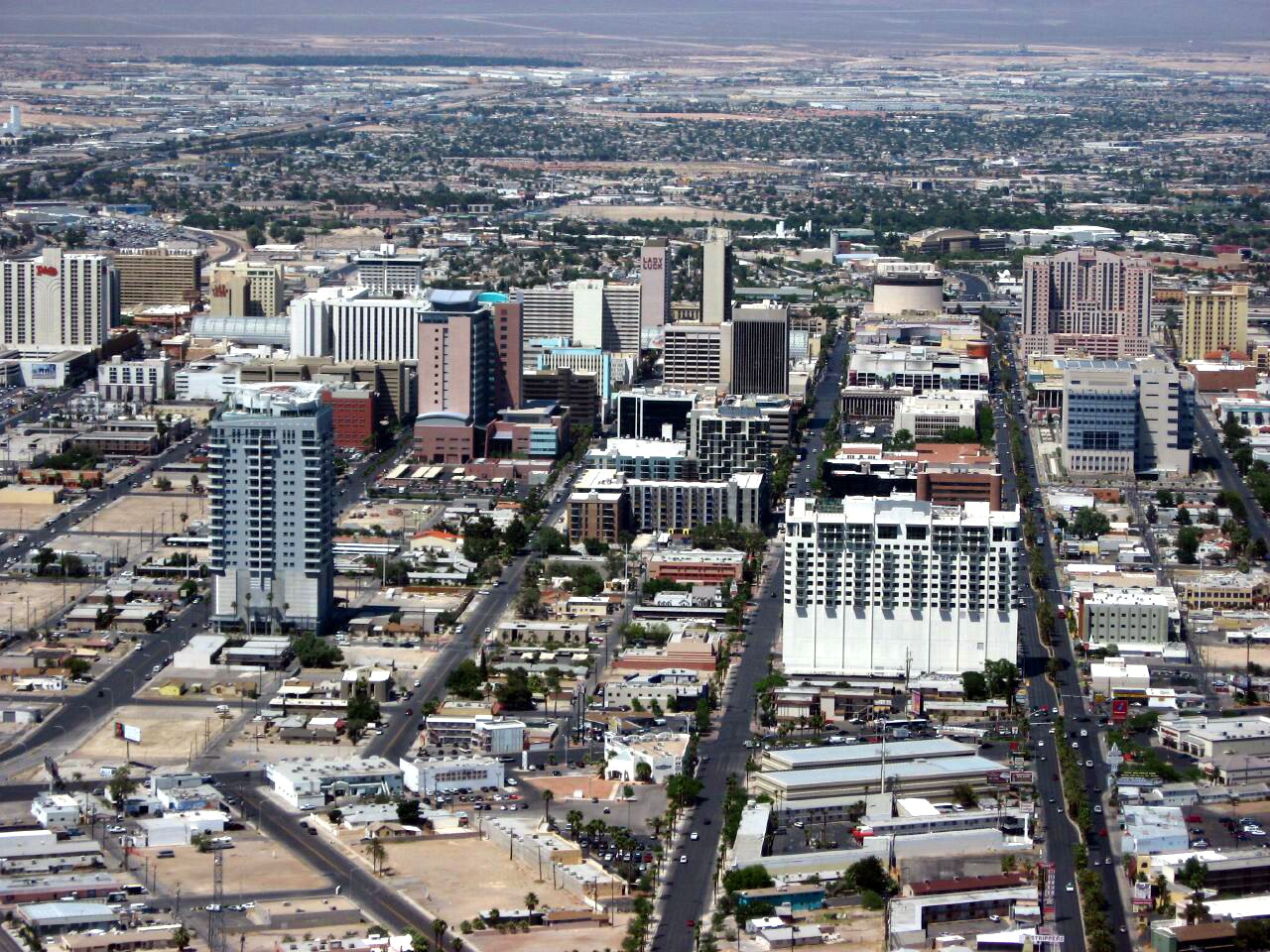
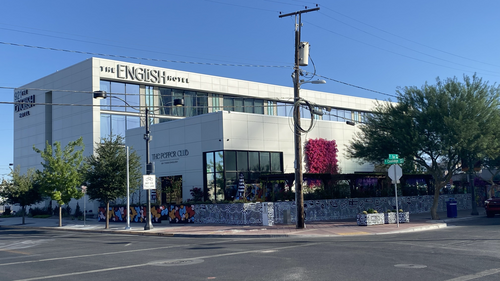
The Las Vegas Arts District, also called the 18b Arts District, is an approximately 18-block cultural area south of downtown Las Vegas.
- Must see
- Art and culture venue
- Las Vegas
Country guide
At 9,833,520 km² the United States has the fourth-largest land area in the world, and its 50 states and federal district span enough longitude that the ordinary...
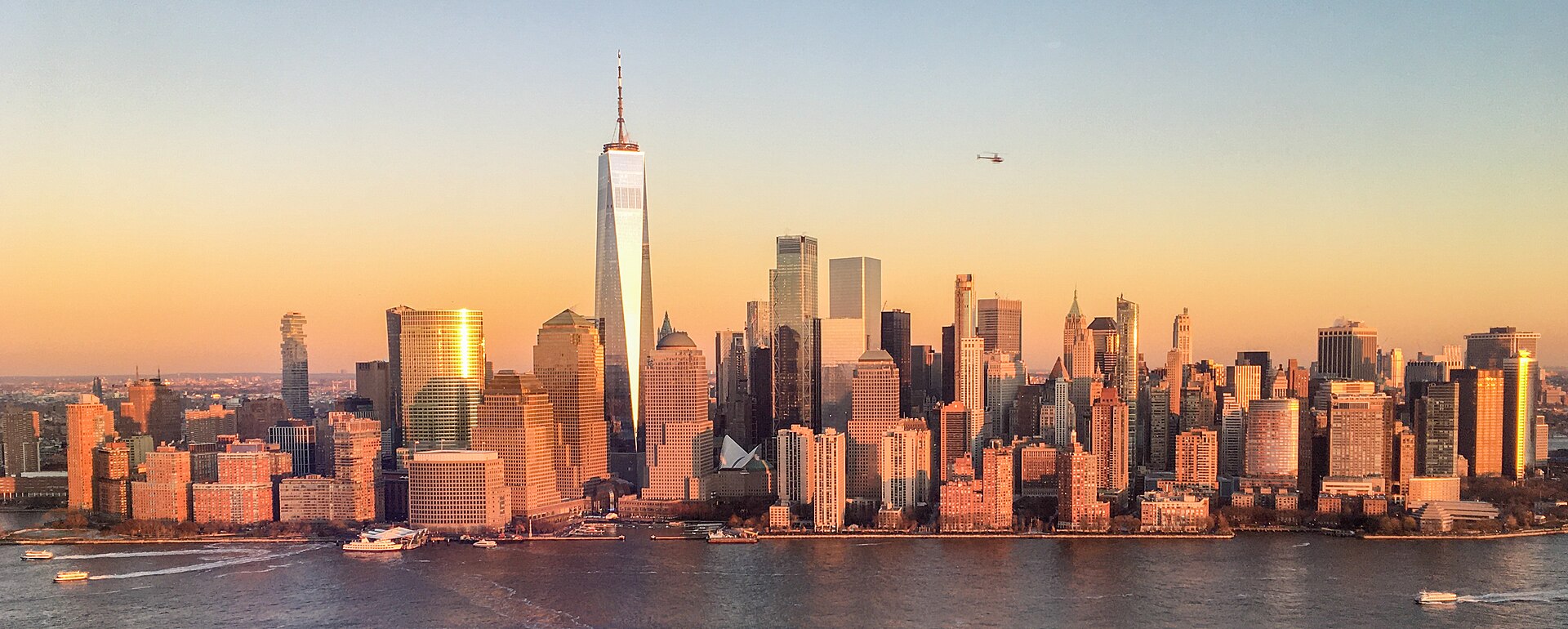
Photograph · Tuxyso · CC BY-SA 3.0
Reviewed by Elena Voss · Roavina Travel Editor
At 9,833,520 km² the United States has the fourth-largest land area in the world, and its 50 states and federal district span enough longitude that the ordinary clock runs from UTC−4 to UTC−10, with the territories reaching −12, +10 and +11. The 2025 population estimate is 341,784,857. Washington, D.C. is the capital and New York the largest city, but neither stands in for the rest of it. Distance is the planning problem here, not choice: a trip works far better as one region covered properly than as anything resembling a national tour.
Checked 2026-08-25
Every city catalogued in this country so far, ranked by how much there is to see.
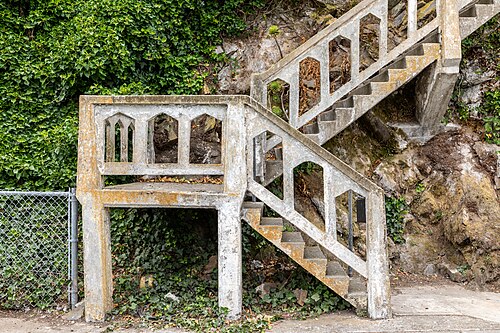
Photograph · Fred Hsu on en.wikipedia · CC BY-SA 4.0
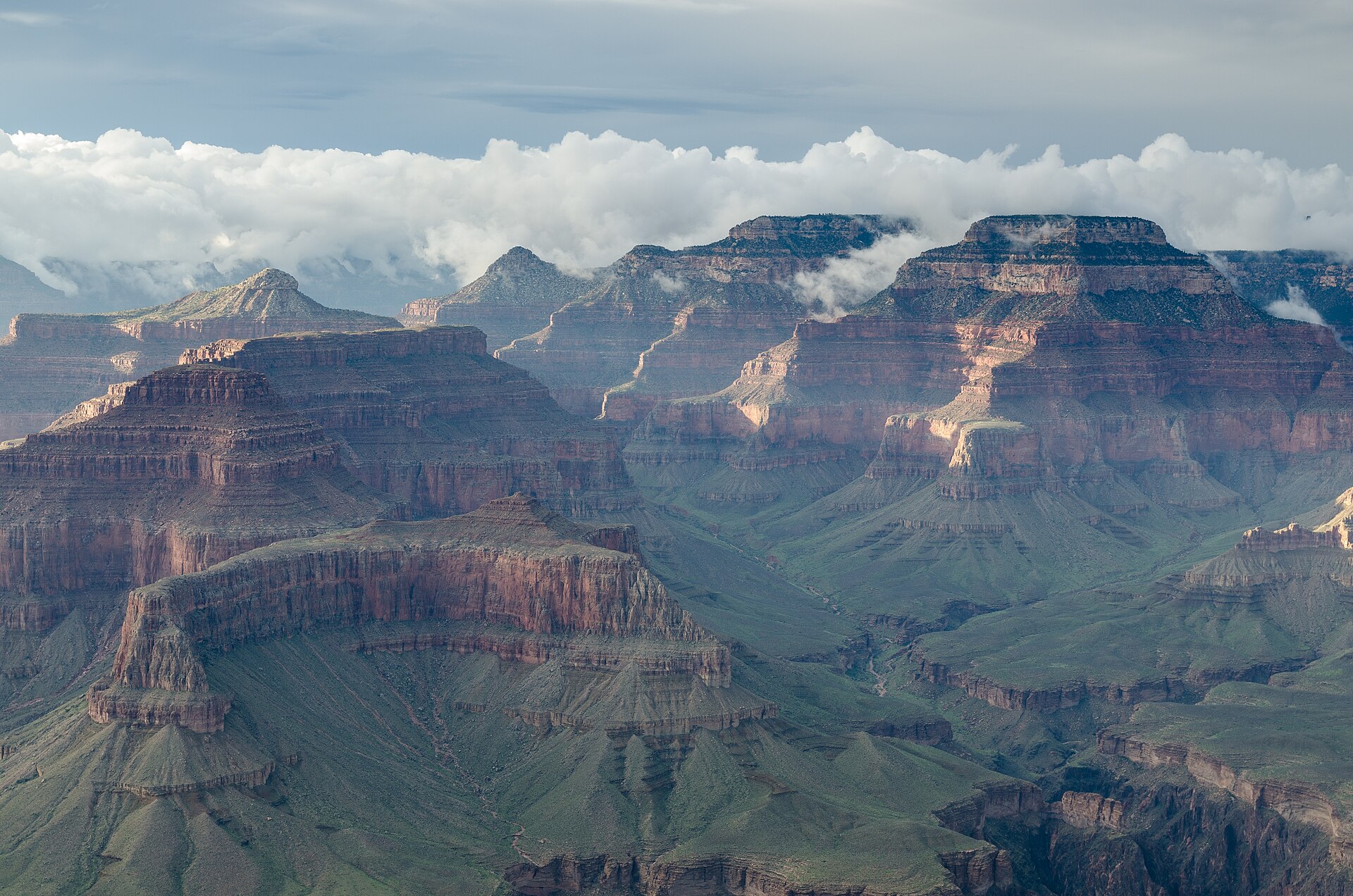
Photograph · J. Crocker · Attribution
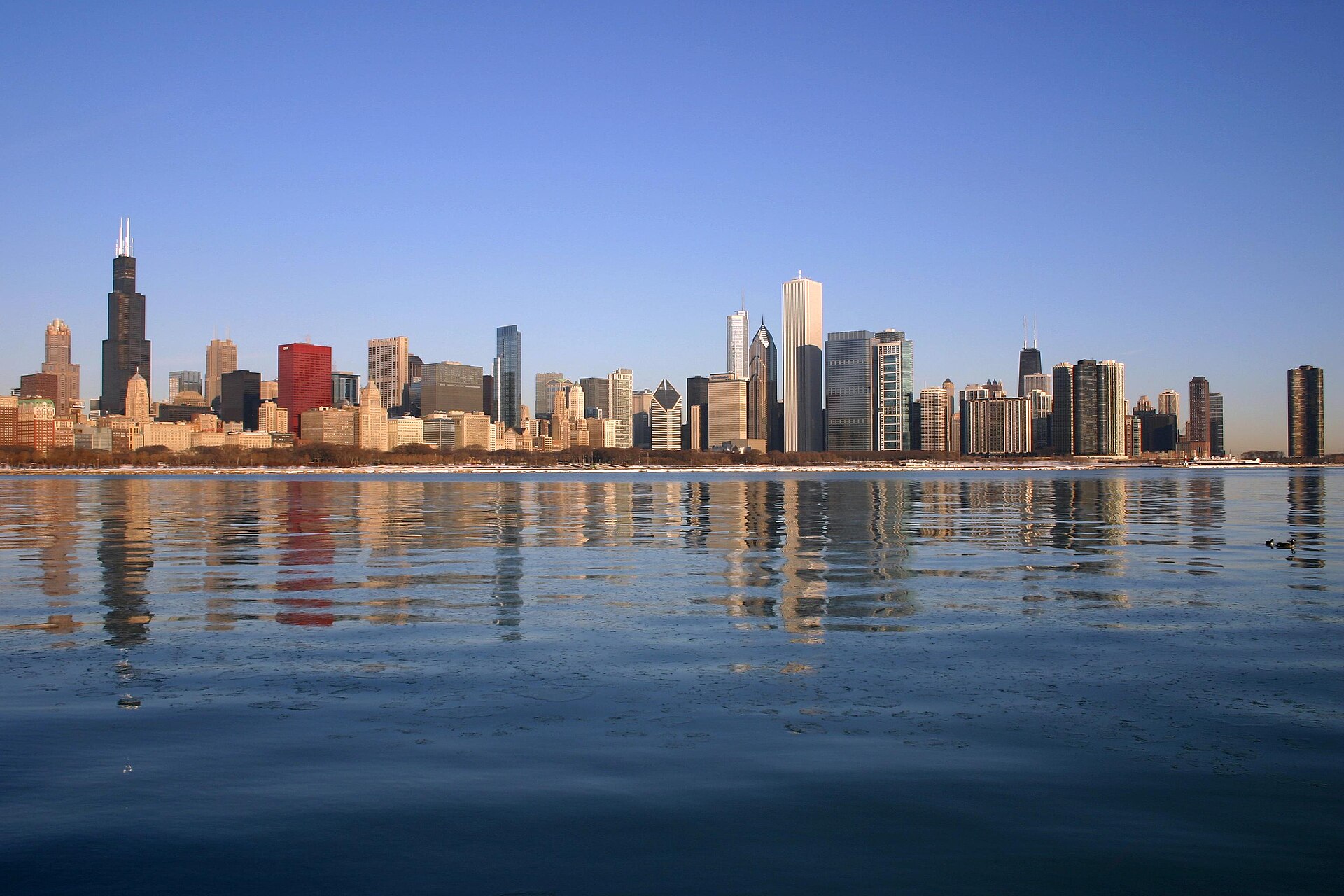
Photograph · Alek Leckszas · CC BY-SA 4.0
Photograph · Carol M. Highsmith · Public domain
Photograph · Robert Linsdell from St. Andrews, Canada · CC BY 2.0
Photograph · Lightandtruth · CC BY-SA 4.0
Photograph · Farragutful · CC BY-SA 4.0
Photograph · Ken Lund from Las Vegas, Nevada, USA · CC BY-SA 2.0
Photograph · Marc Averette · CC BY-SA 3.0
Photograph · Quintin Soloviev · CC BY 4.0
Ranked by importance — sitelinks, pageviews and heritage status, not editor preference.
745 places match
Category
Typical visit duration
Interests
The Las Vegas Arts District, also called the 18b Arts District, is an approximately 18-block cultural area south of downtown Las Vegas.
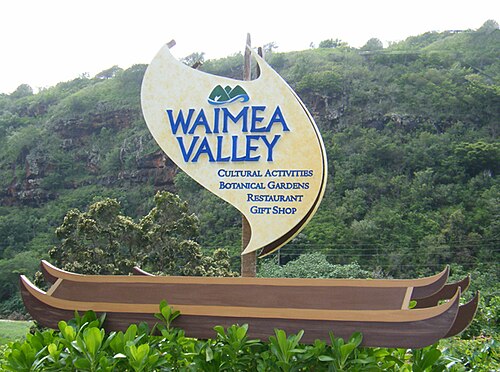
Waimea Valley is a cultural and botanical site on Oahu's North Shore. The valley holds significance as a Native Hawaiian place of residence and worship, with archaeological evidence of past habitation.
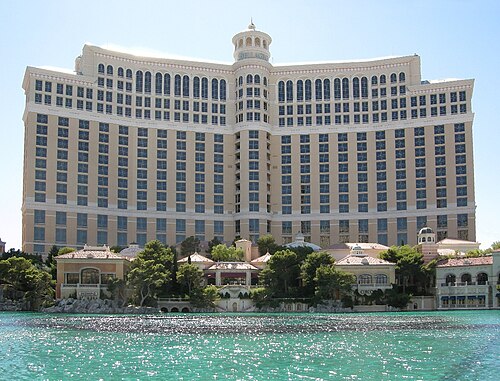
The Bellagio is a landmark resort on the Las Vegas Strip, operated by MGM Resorts International. It opened in 1998 and remains one of the most recognizable properties in the city.
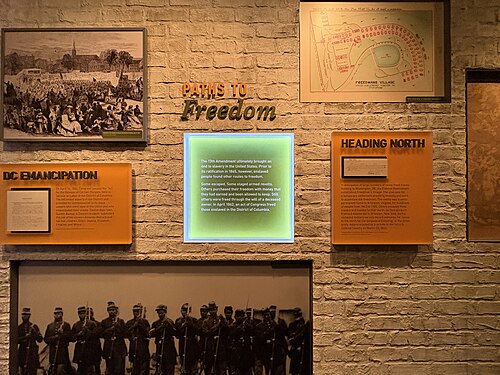
The National Archives Museum is a federal institution on the National Mall in Washington, DC. It serves as the public exhibition space of the National Archives and Records Administration.
Waimea Bay is a prominent beach on Oahu's North Shore in Hawaii. The bay is internationally recognized for its powerful winter surf, which has played a central role in the development of big-wave surfing.
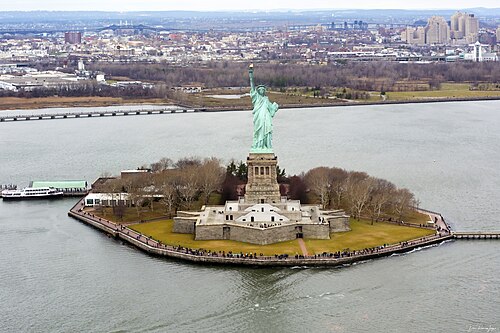
The Statue of Liberty stands on Liberty Island in New York Harbour, a federal site administered by the National Park Service and lying within the territorial jurisdiction of the State of New York, roughly a mile and a half from…
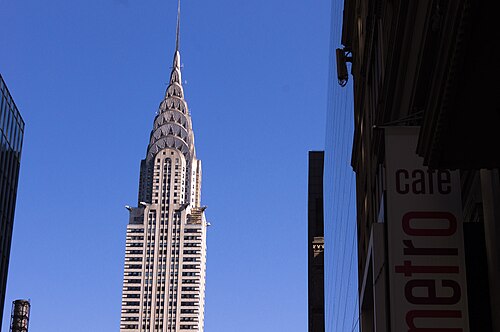
The Chrysler Building is an Art Deco skyscraper in Midtown Manhattan. Completed in 1930, it briefly held the title of world's tallest building. Its distinctive crown and spire remain iconic elements of the New York City skyline.
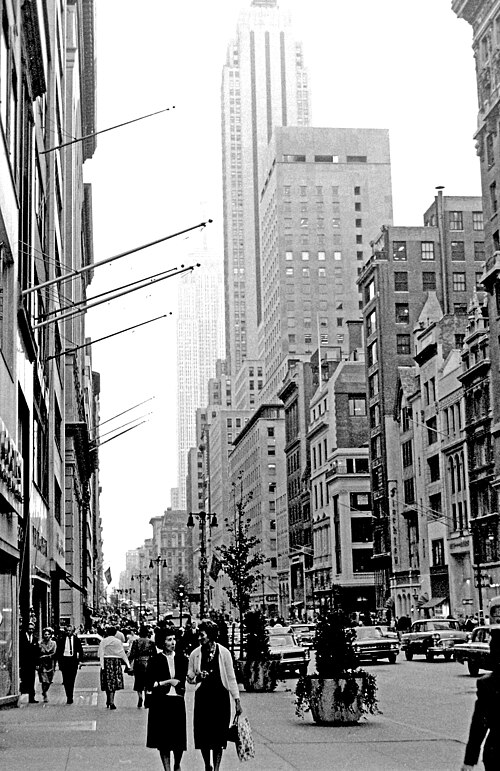
The Empire State Building stands at 20 West 34th Street in Midtown Manhattan, and what a visitor buys a ticket for is the observatory inside a working office tower, not the tower itself.
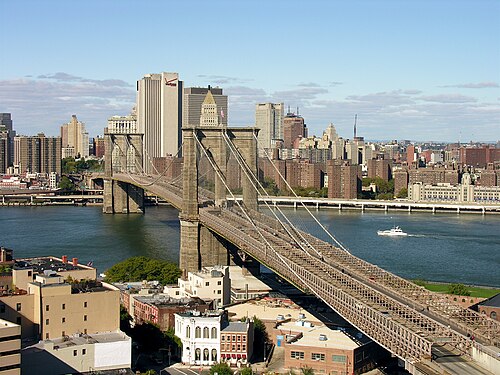
The Brooklyn Bridge carries road traffic, a pedestrian promenade and a protected bicycle path across the East River between Lower Manhattan and Brooklyn Heights, and it is working city infrastructure rather than a monument with a gate.
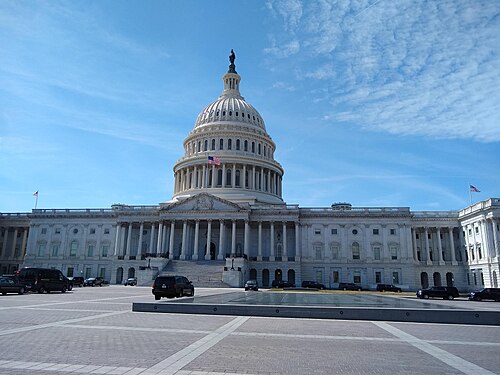
The United States Capitol is the working seat of the United States Congress, a civic building whose public meaning is inseparable from its active role on Capitol Hill in Washington.
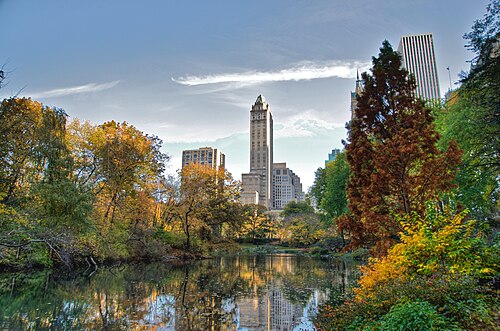
Central Park is a public park of 843 acres in the middle of Manhattan, running from 59th Street to 110th Street between Fifth Avenue and Central Park West — about two and a half miles north to south and half…
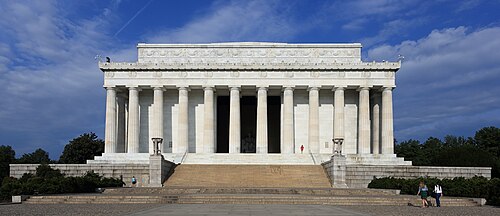
The Lincoln Memorial is a marble temple dedicated to Abraham Lincoln at the western end of Washington’s National Mall.
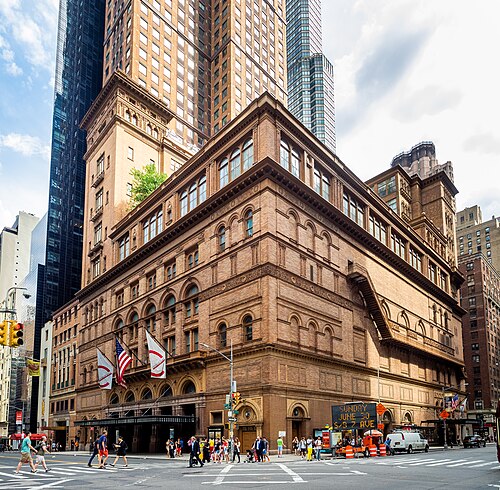
Carnegie Hall is a concert venue in Midtown Manhattan, New York City. It occupies a city block at 881 Seventh Avenue, between West 56th and 57th Streets.
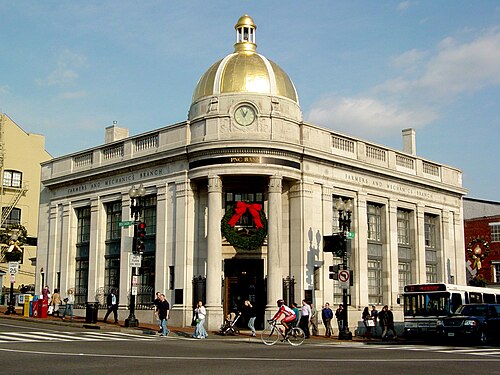
Georgetown Historic District is Washington DC's oldest neighbourhood, established before the federal city itself. It retains a distinct identity with preserved Federal and Victorian architecture, cobblestone streets, and commercial corridors along M Street and Wisconsin Avenue.
Rockefeller Center is a complex of 19 commercial buildings covering 22 acres between 48th and 51st Streets in Midtown Manhattan.
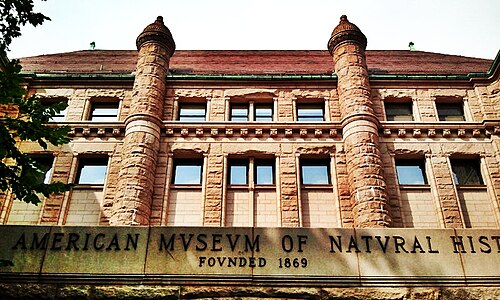
The American Museum of Natural History stands on the Upper West Side of Manhattan, in Theodore Roosevelt Park, directly across Central Park West from Central Park itself.
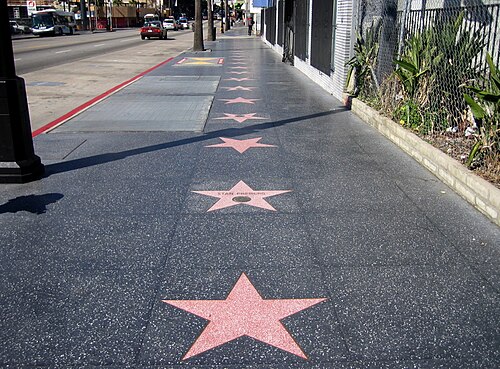
The Hollywood Walk of Fame is a free, internationally recognised streetscape embedded with more than 2,700 brass stars honouring achievements in entertainment.
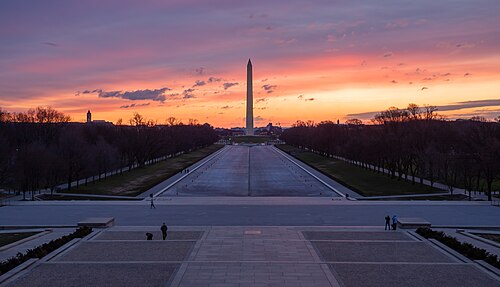
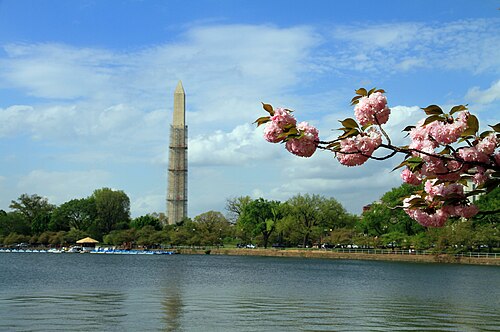
The Washington Monument is the marble, granite, and bluestone-gneiss obelisk commemorating George Washington, the first president of the United States. Its visible change in stone records the interruption in construction, giving the otherwise simple form a distinctive material story.
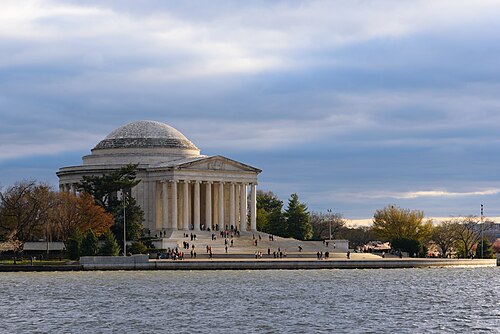
The Jefferson Memorial is a presidential memorial on Washington, D.C.'s Tidal Basin, dedicated to Thomas Jefferson, the third President of the United States and one of the Founding Fathers.
The Brooklyn Museum is an art museum located in the New York City borough of Brooklyn. It is one of the oldest and largest art museums in the United States, with a collection spanning numerous cultures and historical periods.
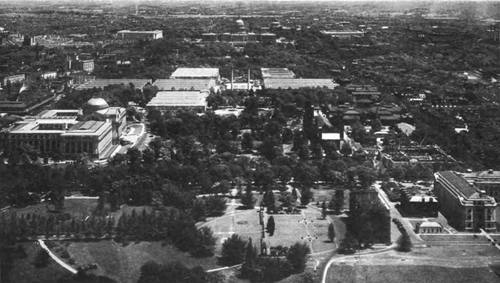
The National Museum of Natural History is a Smithsonian museum on Washington’s National Mall dedicated to understanding the natural world. Its galleries connect human origins, planetary history, biological diversity and the evidence preserved in scientific collections.
The Tidal Basin is a man-made reservoir in Washington, D.C., created in the early twentieth century as part of the Potomac River reclamation project.
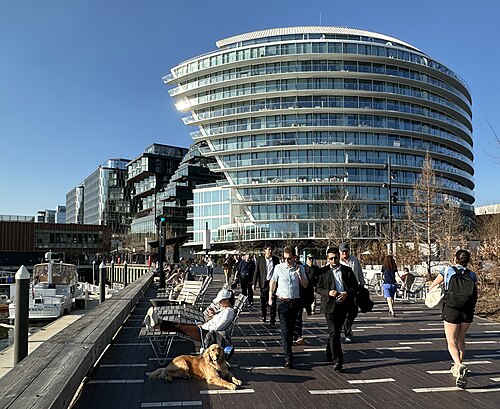
The Wharf is a redeveloped waterfront district along the Washington Channel in Southwest Washington, D.C. It represents a major transformation of the city's southwestern waterfront from industrial and maritime uses into a mixed-use destination.
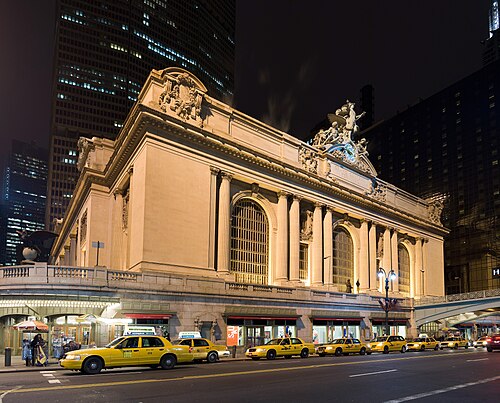
Grand Central Terminal is a historic railway terminal in Midtown Manhattan. Opened in 1913, it serves as a major transportation hub for Metro-North Railroad commuter trains.
Alcatraz Island is a National Park Service historic site in San Francisco Bay, best known for the federal penitentiary that operated from 1934 to 1963.
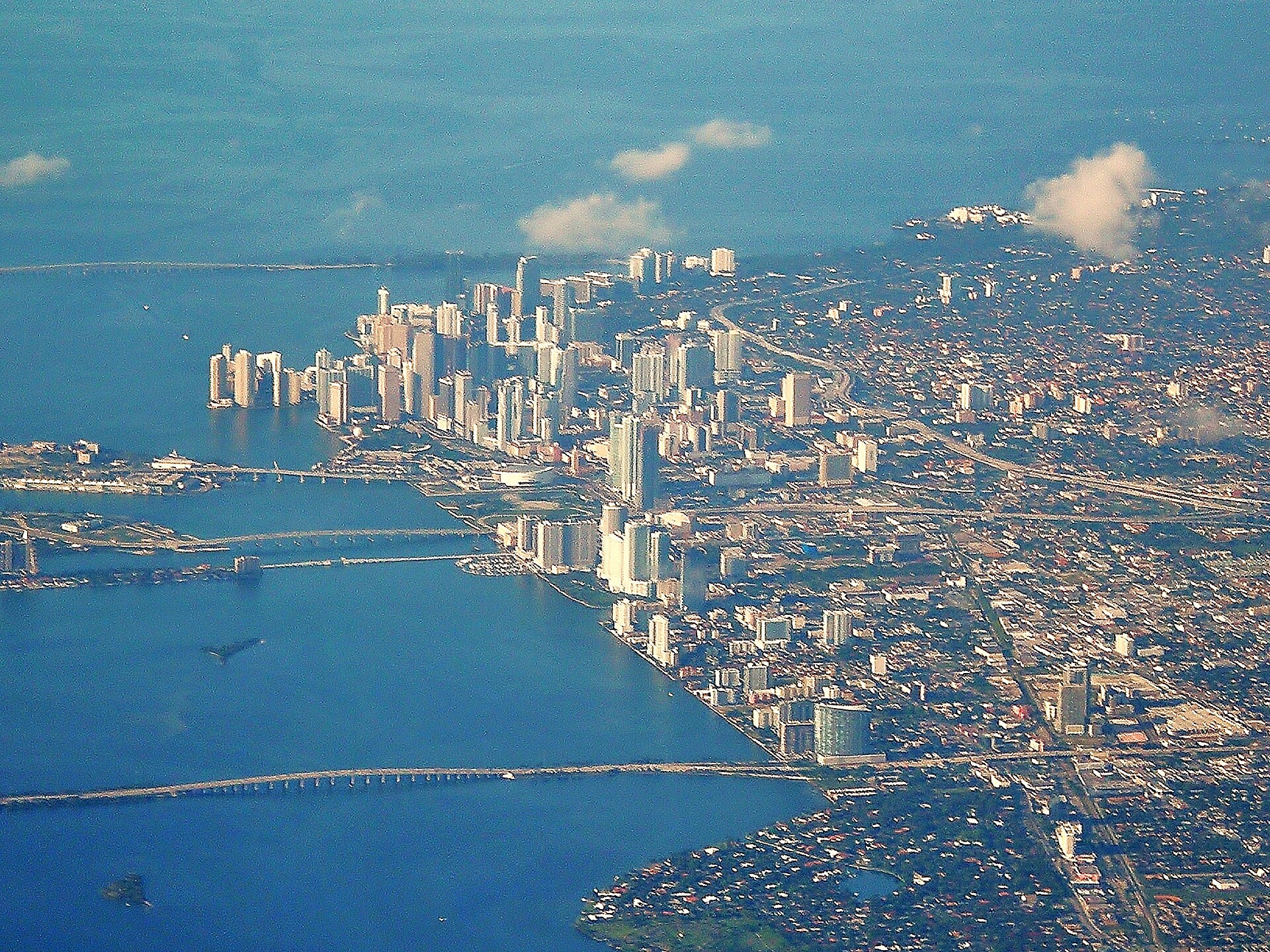
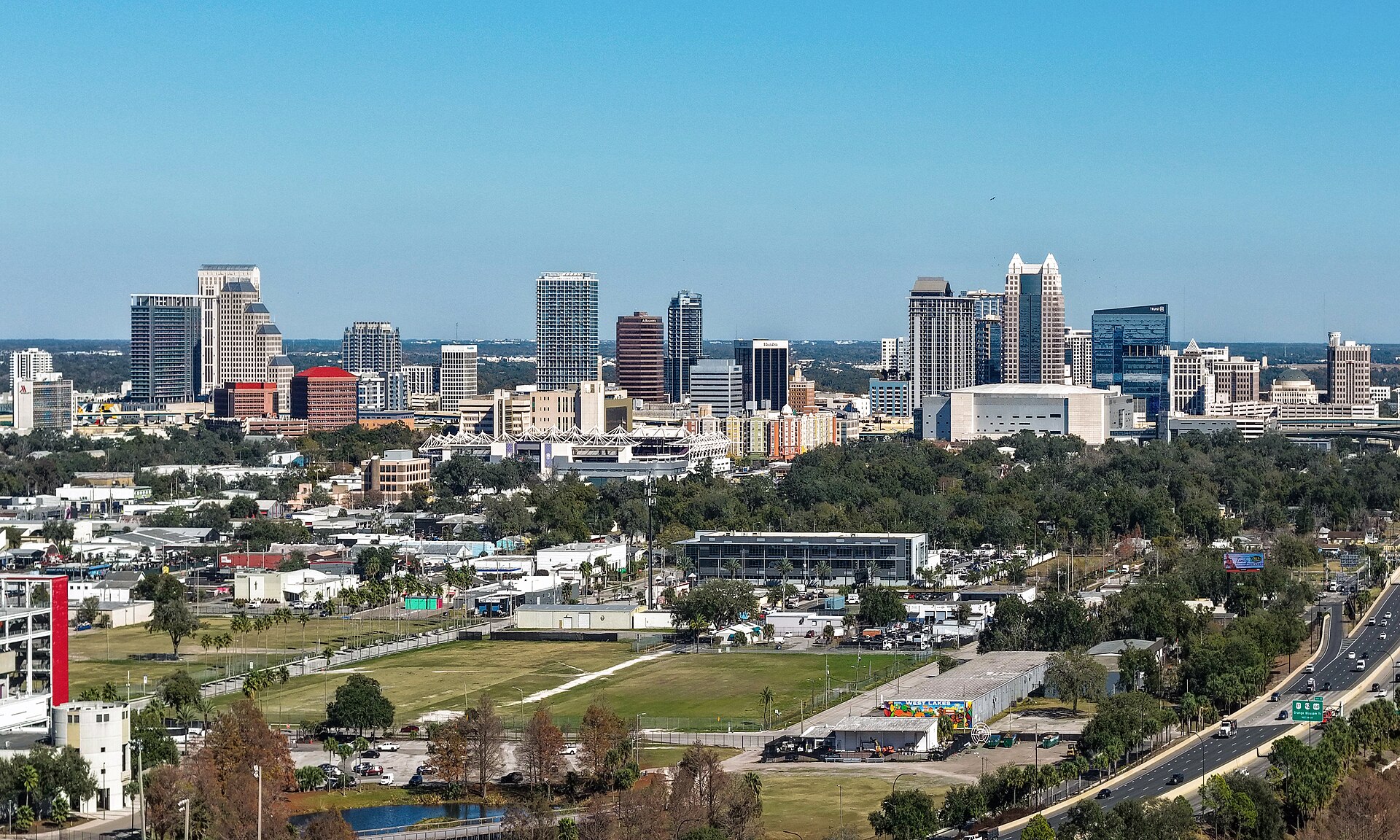
Ten to fourteen days should focus on one US region: New York, Washington, and Boston work together by rail, while San Francisco, Los Angeles, and Las Vegas form a different trip. Miami, Orlando, and Honolulu each require separate travel time and should not be appended casually.
US admission depends on passport, visa status, and eligibility for the Visa Waiver Program and ESTA. Confirm both the Department of State visa guidance and Customs and Border Protection requirements for the actual route.
Domestic flights are often necessary between US regions, while Amtrak is strongest on the Northeast Corridor. A car is unnecessary in New York or Washington but can be useful in Los Angeles and beyond compact city centres.
April to May and September to October are broad shoulder-season references, not a national weather forecast. Florida heat, western wildfire conditions, hurricane exposure, and Hawaii's trans-Pacific logistics require destination-specific checks.
The United States uses the US dollar (USD). Card use is widespread, but taxes, deposits, and gratuities can make the final amount differ from the displayed base price; keep a second payment method for holds or terminal failures.
Dial 911 for police, fire, or medical emergencies in the United States. Type A and B sockets use 120 V; national tap-water safety is not recorded here, so consult the local utility or accommodation.