

01
4 hours
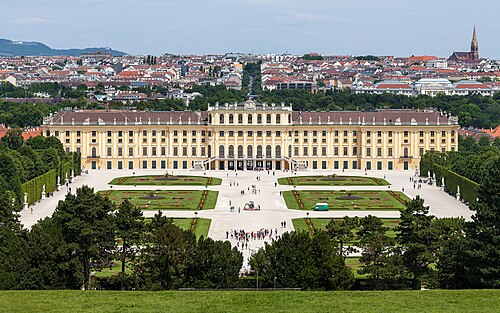
Schönbrunn Palace
Schloss Schönbrunn
Schönbrunn Palace is Vienna’s former Habsburg summer residence and one of Europe’s great imperial complexes.
- Must see
- Historic monument
- Vienna
Language · 11 published
Country guide
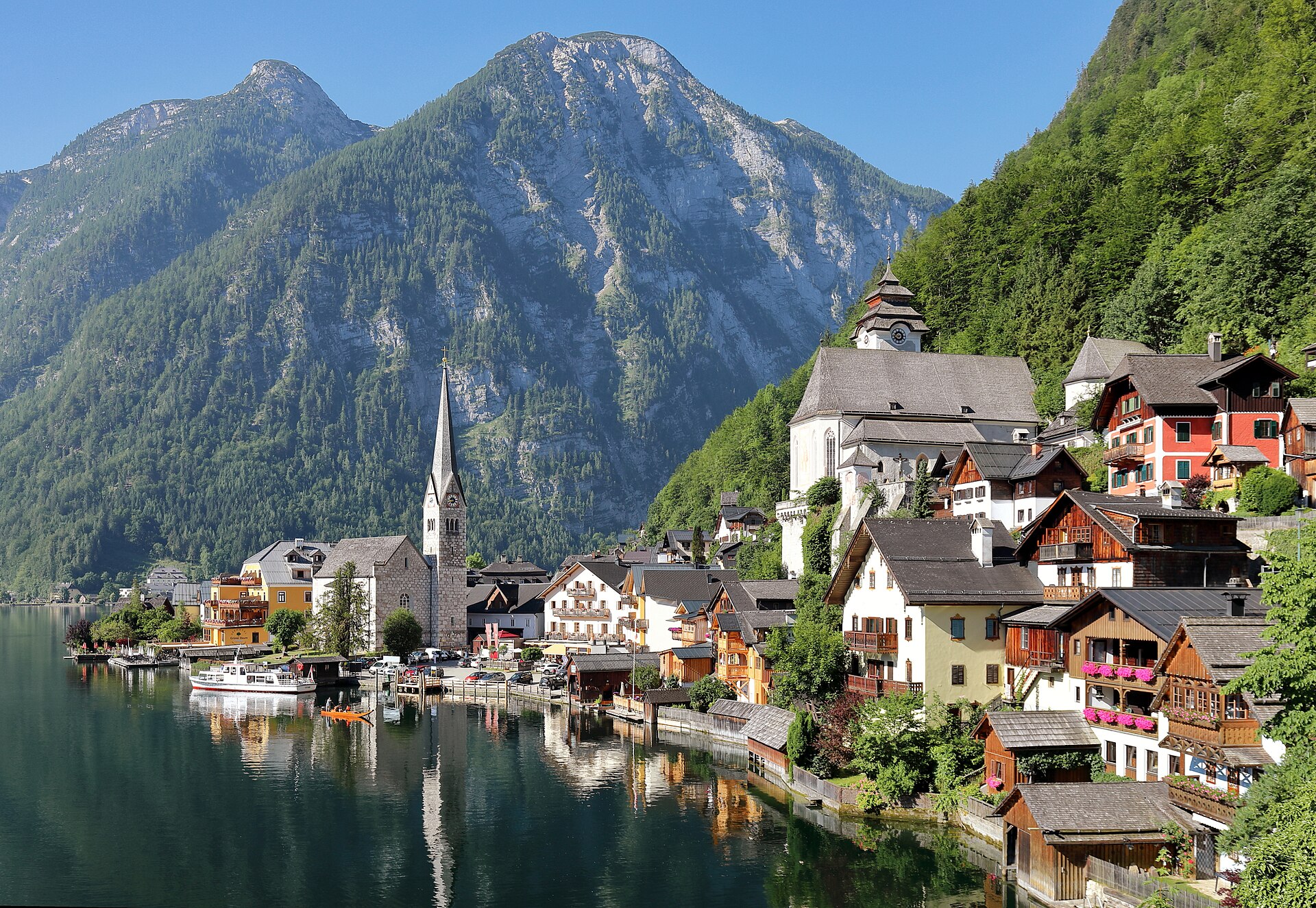
Austria is 83,879 km², and its nine states fall into two kinds of trip. Vienna, Lower Austria and Upper Austria lie along the Danube on level, easily crossed ground, with Vienna alone holding 1,931,593 of the country's roughly nine million people. Tyrol, Salzburg, Vorarlberg and Styria are the Alpine states, entered by valley rather than by plain, and their capitals — Innsbruck, Salzburg, Bregenz, Graz — are each small enough to cross on foot in an afternoon. The distinction decides an itinerary: the Danube cities sit an hour apart by train and the mountain ones do not.
Reviewed by Elena Voss · Roavina Travel Editor
Every city catalogued in this country so far, ranked by how much there is to see.
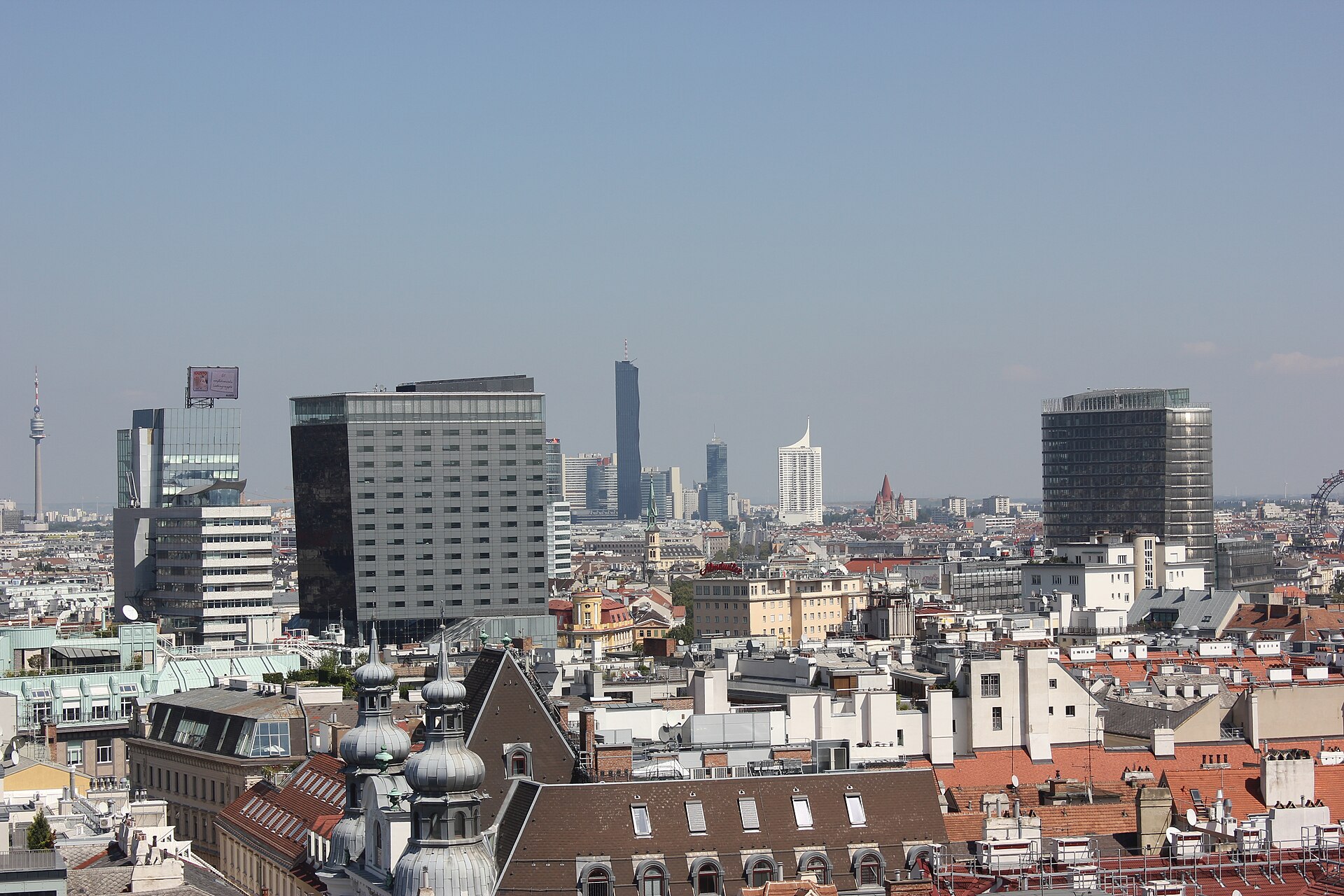
Photograph · Andrzej Otrębski · CC BY-SA 4.0
Ranked by importance — sitelinks, pageviews and heritage status, not editor preference.
78 places match
Category
Typical visit duration
Interests
Schloss Schönbrunn
Schönbrunn Palace is Vienna’s former Habsburg summer residence and one of Europe’s great imperial complexes.
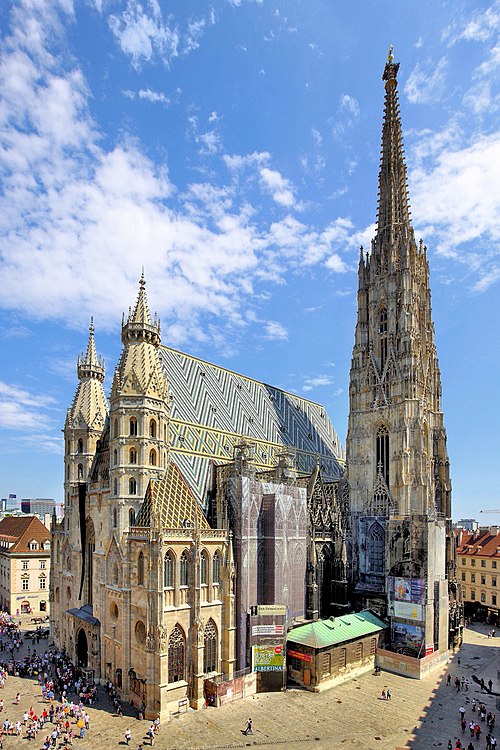
Stephansdom
St. Stephen’s Cathedral is Vienna’s working metropolitan church and the defining landmark of Stephansplatz. Its story reaches back to a foundation in 1137, while Gothic rebuilding began in 1359 under Duke Rudolf IV.
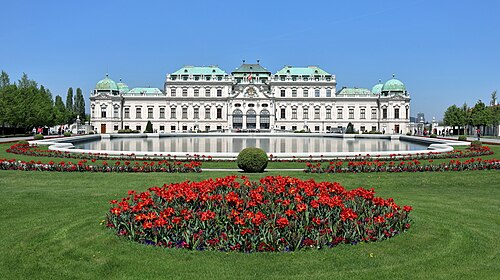
Belvedere is Prince Eugene of Savoy’s former summer residence, not one palace but a carefully staged Baroque ensemble in Vienna’s Landstraße district.
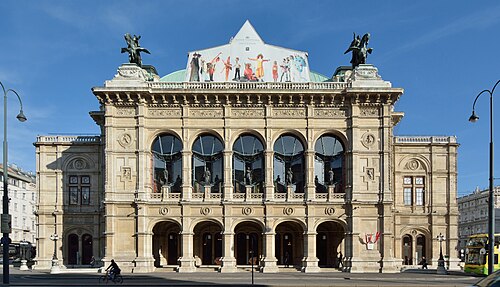
Wiener Staatsoper
The Vienna State Opera was hated when it opened and it killed both its architects.
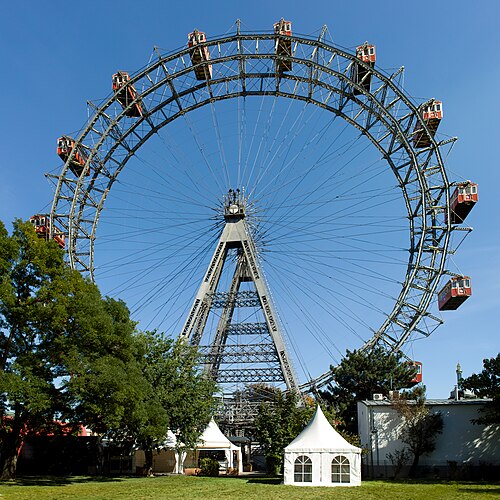
Riesenrad
Wiener Riesenrad is Vienna’s historic giant wheel at the entrance to the Prater, built in 1897 for Emperor Franz Joseph’s Golden Jubilee. Harry Hitchins and Hubert Cecil Booth designed it, and Walter Basset Bassett built it.
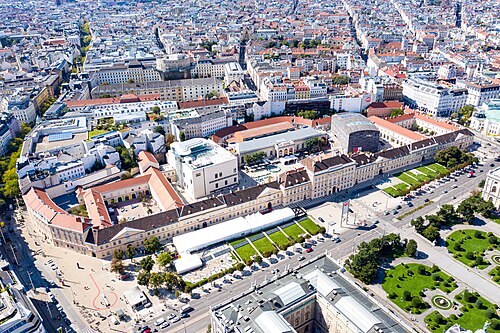
The MuseumsQuartier is one of the largest cultural districts in the world by area, roughly 90,000 square metres, built inside the former imperial court stables, the Hofstallungen, originally constructed in the early eighteenth century under plans associated with Johann Bernhard…
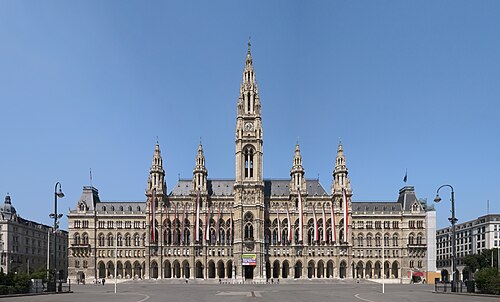
Rathaus
The Rathaus is a Gothic cathedral that turned out to be a town hall, and it is the largest secular building on the Ringstrasse.
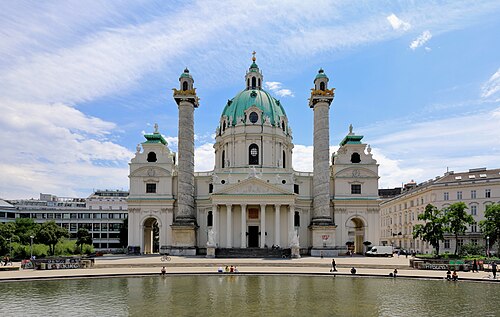
Karlskirche is Vienna’s great Baroque church on the south side of Karlsplatz, but its identity is unusually theatrical: a classical portico sits between two monumental spiral-relief columns and two tower pavilions, beneath a 70-metre dome.
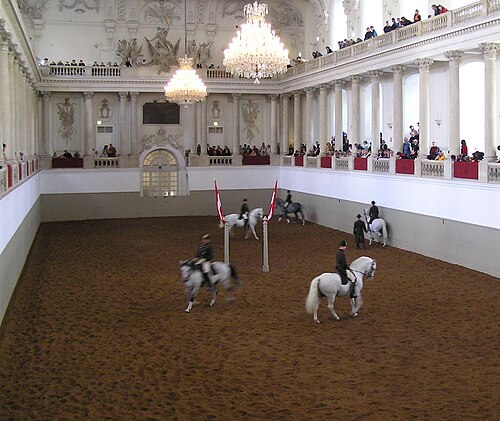
Spanische Hofreitschule
The Spanish Riding School is the world's oldest institution still practising classical Baroque horsemanship in its original form, tracing its riding tradition back to 1572 and its Lipizzaner breeding programme to the Habsburgs' interest in Spanish-bred horses.
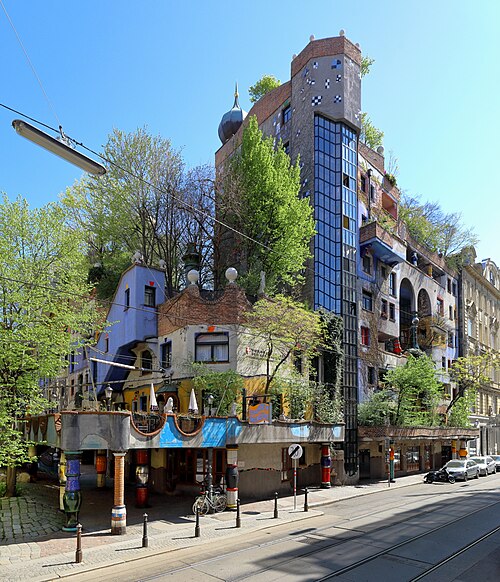
Hundertwasserhaus is a private residential complex in Vienna’s 3rd district, Landstraße, at the corner of Kegelgasse and Löwengasse. Friedensreich Hundertwasser created the artistic concept with architect Joseph Krawina, and construction took place from 1983 to 1985.
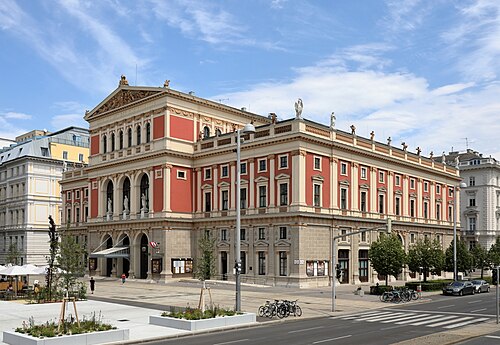
Musikverein is Vienna’s celebrated concert building on Karlsplatz, opened on 6 January 1870 and designed by Danish architect Theophil Hansen in a neoclassical style inspired by a Greek temple.
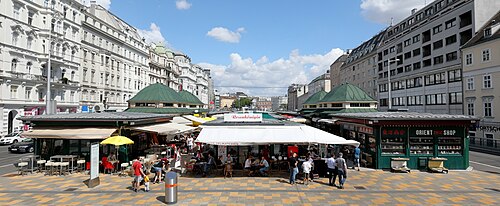
The Naschmarkt is Vienna's largest and oldest continuously running market, a roughly 1.5-kilometre strip of stalls running along the covered-over bed of the Wien River between Karlsplatz and Kettenbrückengasse.
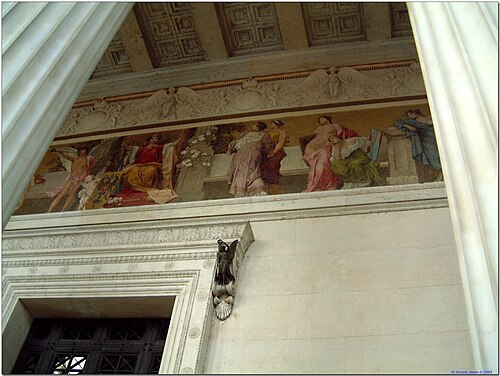
Parlament
The Austrian Parliament Building is Vienna’s working national legislature, designed by Theophil Hansen in a deliberately Greek-inspired style. Construction ran from 1874 to 1883, when classical forms were used to express the building’s association with democratic government.
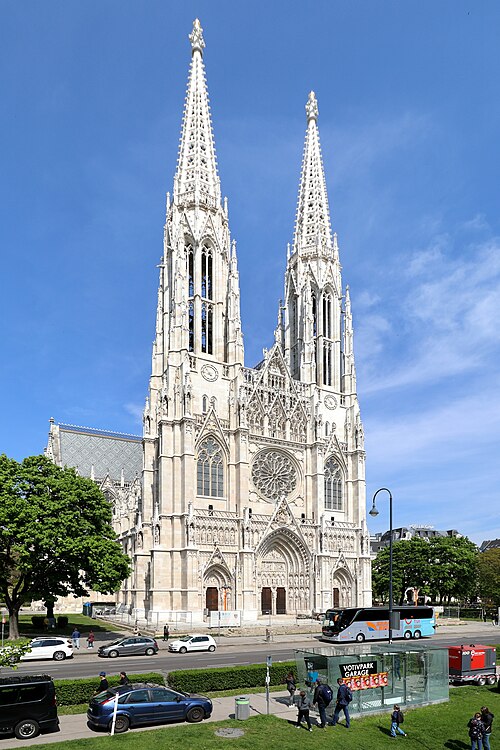
Votivkirche
The Votivkirche exists because somebody tried to kill the emperor and failed.
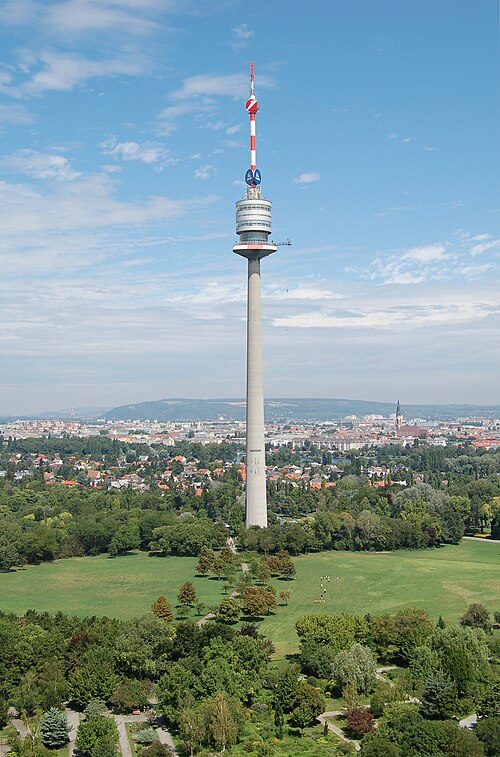
The Donauturm is the tallest structure in Austria, at 252 m, and it was built as a garden show attraction.
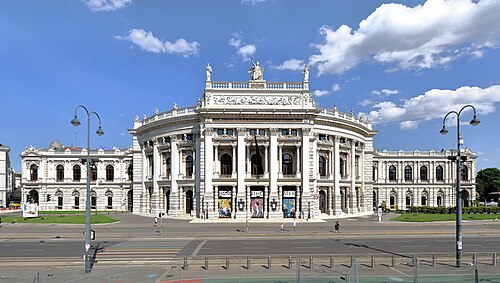
The Burgtheater is Austria's national theatre and one of the most important German-language stages in the world.
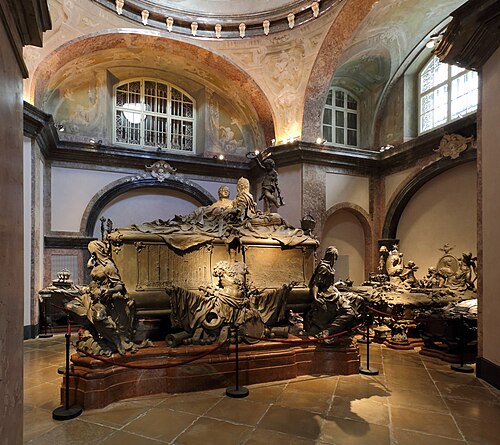
Kaisergruft
The Imperial Crypt is where the Habsburgs are buried, and it is under an ordinary friary church on a shopping street.
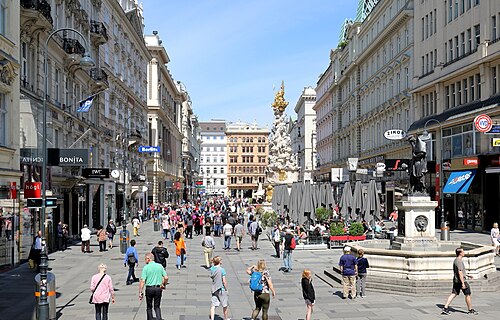
The Graben is a broad, elongated square in the Innere Stadt, and its name — 'ditch' — records what it once was: the moat of the Roman legionary camp of Vindobona, filled in during the Middle Ages and built over.
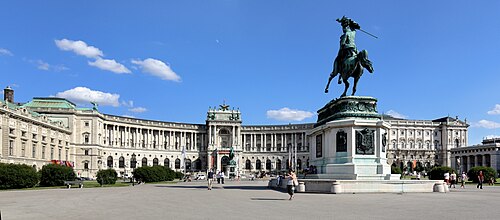
Heldenplatz is an unfinished square in front of the Hofburg, and it is the most politically loaded piece of ground in Austria.
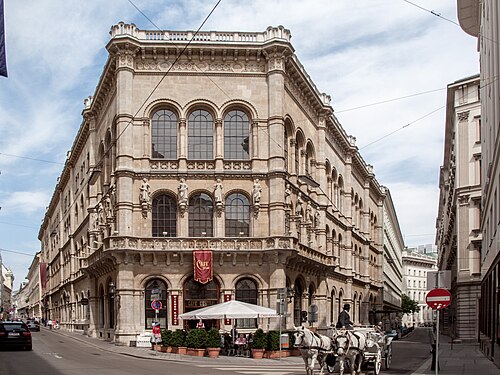
Café Central is a historic Viennese coffeehouse inside the Palais Ferstel, a Neo-Renaissance building designed by Heinrich von Ferstel. The café opened in 1876 and became one of Vienna’s best-known literary meeting places before the First World War.
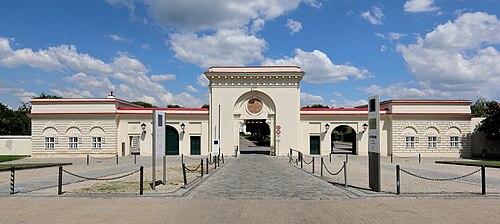
Augarten is a public Baroque park in Leopoldstadt, the 2nd district, laid out in its present form in the early 18th century and opened to the public by Emperor Joseph II in 1775 — one of the earliest palace gardens…
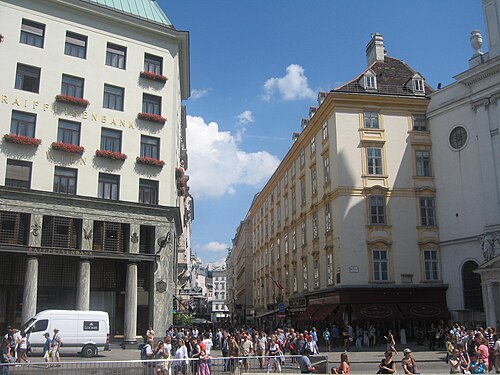
Kohlmarkt is a short pedestrian shopping street in Vienna's Innere Stadt, running from the Graben to Michaelerplatz, where it ends directly at the Michaelertor, the domed gate into the Hofburg.
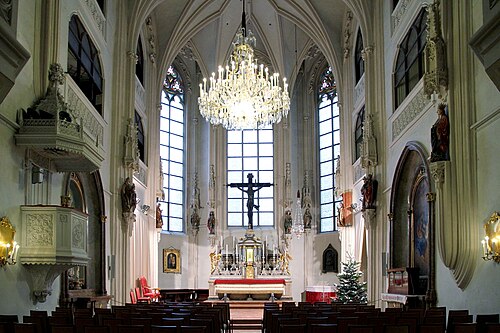
Hofburgkapelle
The Hofburgkapelle, or Court Chapel, stands within Vienna's Hofburg Palace complex. It served as the Habsburg imperial family's place of worship and preserves an important connection between court ceremony, religion, and Viennese history.
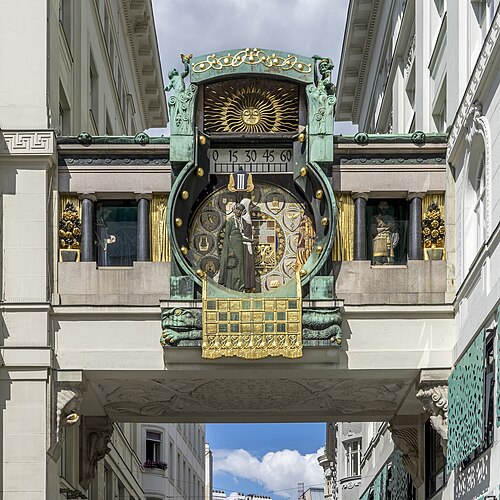
The Ankeruhr is Vienna’s Art Nouveau clock on Hoher Markt, built across the gap between two buildings associated with the Anker Insurance company.
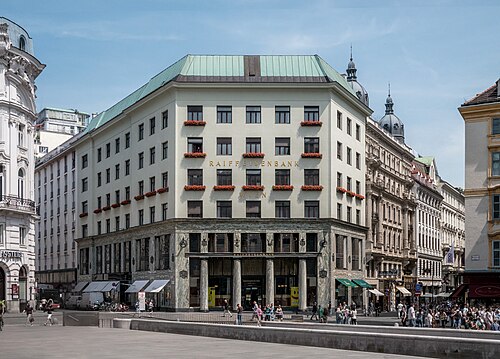
Looshaus is Adolf Loos's 1909-1911 commercial and residential building at Michaelerplatz 3, directly opposite the Michaelertor gate of the Hofburg.
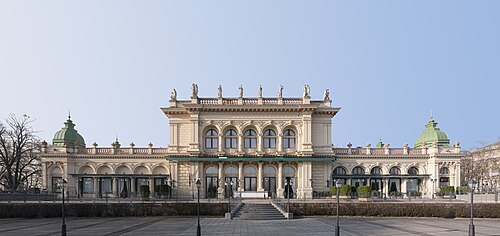
Kursalon Hübner
Kursalon Vienna is an Italian Renaissance Revival building standing at the edge of the Stadtpark in Vienna's Innere Stadt district, built in 1865-67 by architect Johann Garben as a public 'cure hall', a cafe and gathering pavilion meant to draw…
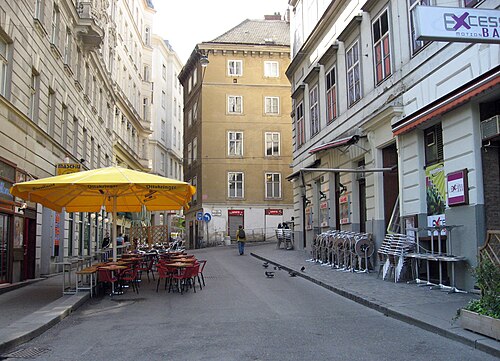
Bermudadreieck is a nightlife district in Vienna's Innere Stadt, centered on the area around Rabensteig, Seitenstettengasse, and Judengasse. The name translates to Bermuda Triangle, referencing how visitors may lose track of time amid its dense concentration of bars and venues.
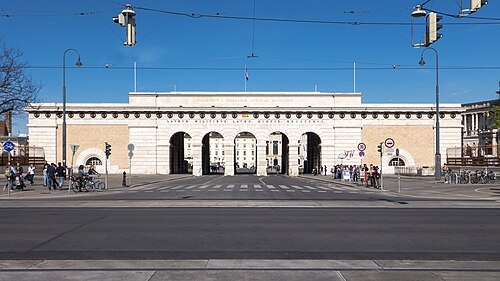
Burgtor
Äußeres Burgtor, also known locally as Burgtor, is a historic neoclassical gate in central Vienna. The gate belongs to the city’s imperial architectural landscape and marks an important threshold near the Hofburg complex.
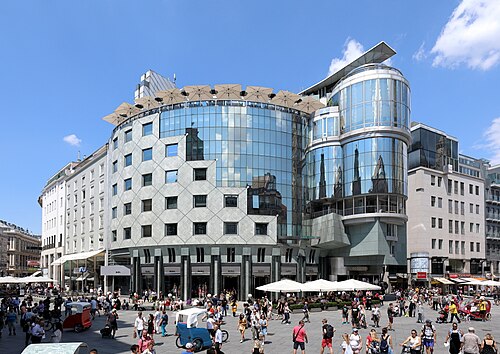
Haas-Haus
The Haas-Haus is a curved glass-and-stone office and retail building on Stock-im-Eisen-Platz, directly opposite the main entrance of St. Stephen's Cathedral, designed by Hans Hollein and completed in 1990.
Altes Palmenhaus is a historic palm house in Vienna, a building type created for cultivating tropical and subtropical plants in an urban setting. Its name means “Old Palm House,” linking the structure to Vienna’s tradition of displaying exotic flora.
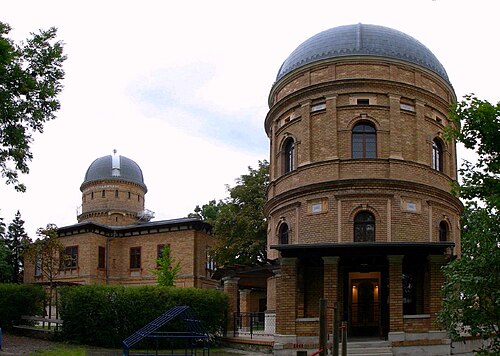
Kuffner Sternwarte
Kuffner Observatory, also called Kuffner Sternwarte, is a historic astronomical observatory in Vienna. Founded through private patronage in the late nineteenth century, it served as an active research institution for decades.
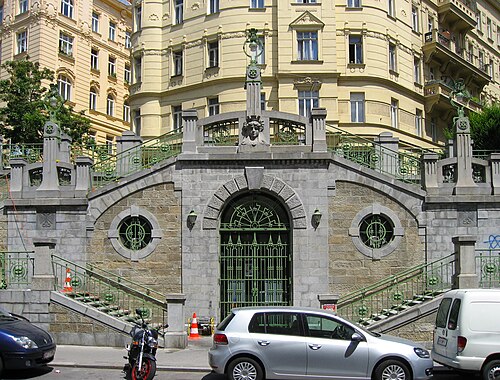
Fillgraderstiege is a historic public staircase in Vienna connecting Fillgradergasse with Theobaldgasse between the Mariahilf and Neubau districts. Built in the early twentieth century, it combines a practical pedestrian link with the architectural character of Vienna's urban streets.
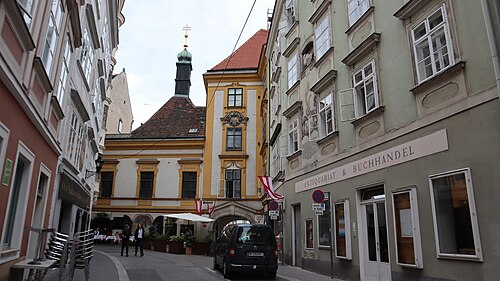
Heiligenkreuzerhof is a historic courtyard complex in Vienna's Inner City, situated near Stephansdom. The site derives its name from Heiligenkreuz Abbey, the Cistercian monastery in Lower Austria that has owned the property for centuries.
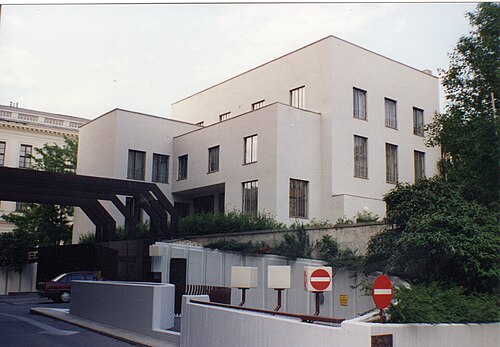
Haus Wittgenstein
Haus Wittgenstein — also called the Stonborough House — is a modernist house at Kundmanngasse 19 in Vienna's 3rd district, built in 1926-1928 for Margaret Stonborough-Wittgenstein, sister of the philosopher Ludwig Wittgenstein.
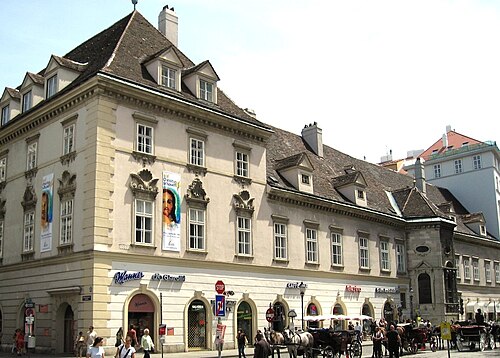
Erzbischöfliches Palais
Episcopal Palace, locally called Erzbischöfliches Palais, is the residence of the Archbishop of Vienna in the historic centre. It is a working ecclesiastical building rather than a conventional museum or sightseeing venue.
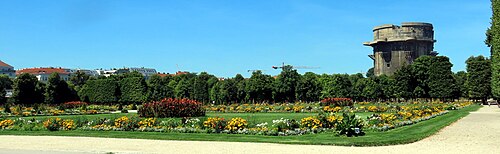
The Flakturm Augarten (Gefechtsturm) is one of six surviving flak towers built in Vienna during the Second World War. Constructed between 1942 and 1945, these massive reinforced concrete structures served as anti-aircraft gun platforms, command centers, and air-raid shelters.
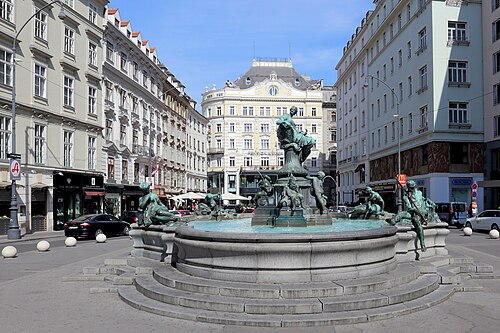
Donnerbrunnen, also called the Providentia Fountain, is a Baroque monument in Neuer Markt. Georg Raphael Donner created the fountain between 1737 and 1739, making it one of Vienna’s important eighteenth-century sculptural works.
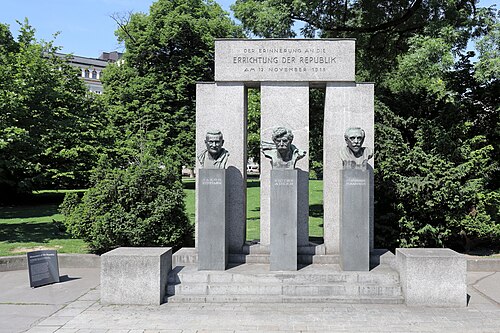
Denkmal der Republik
Republikdenkmal, also known as Denkmal der Republik, commemorates the founding of the Austrian Republic in 1918. The monument marks the political transition that followed the end of Habsburg imperial rule and the emergence of republican government.
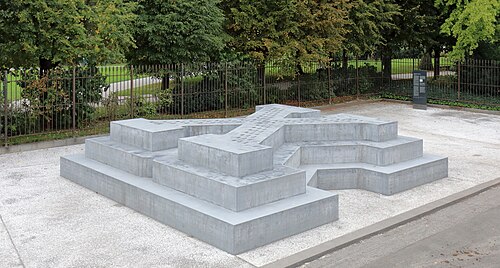
Deserteursdenkmal
The Memorial for the Victims of Nazi Military Justice, known locally as Deserteursdenkmal, is an outdoor memorial in Vienna. It honours people persecuted by Nazi military courts, including deserters and others punished for refusing service or being judged insubordinate.
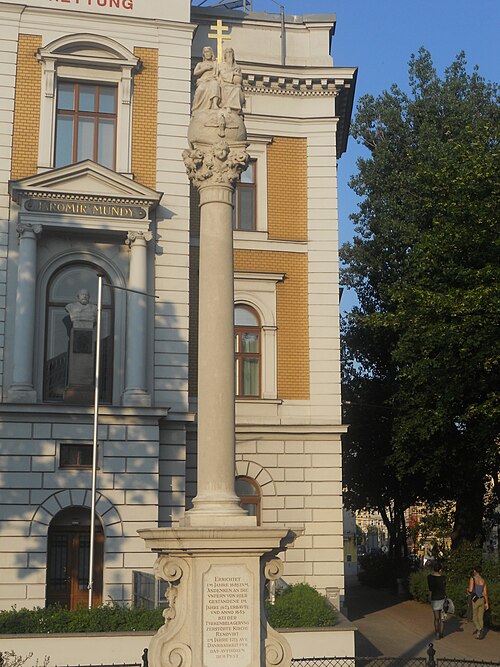
Dreifaltigkeitssäule
The Dreifaltigkeitssäule, or Trinity Column, stands at Radetzkystraße 1 in Vienna's Landstraße district. This religious monument represents the Holy Trinity and forms part of the city's extensive heritage of plague columns and devotional structures erected across Central Europe.
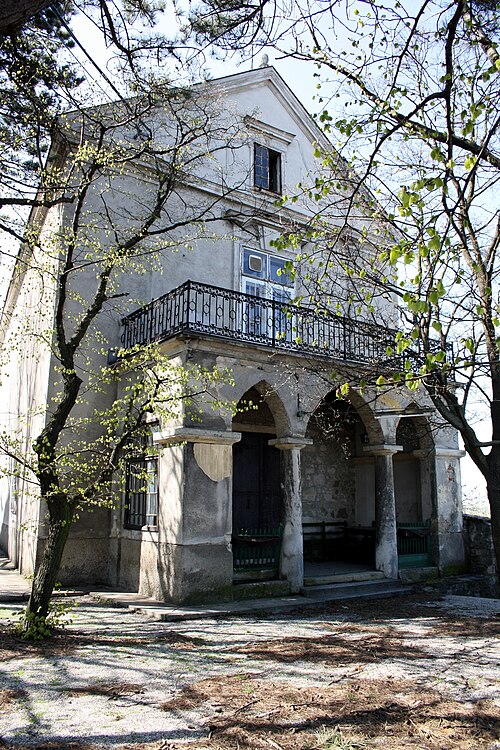
Burg am Leopoldsberg is a historic castle structure on Leopoldsberg, a prominent hill in northern Vienna above the Danube. The elevated setting places the castle within a landscape of river views, wooded slopes and the expanding city below.
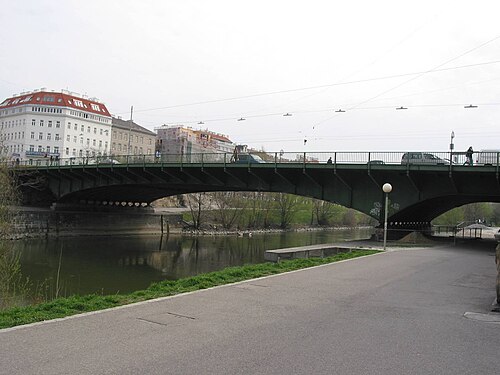
Friedensbrücke, or Peace Bridge, crosses the Danube Canal in Vienna. It is a working urban connection linking parts of the city for pedestrians, cyclists and vehicles.
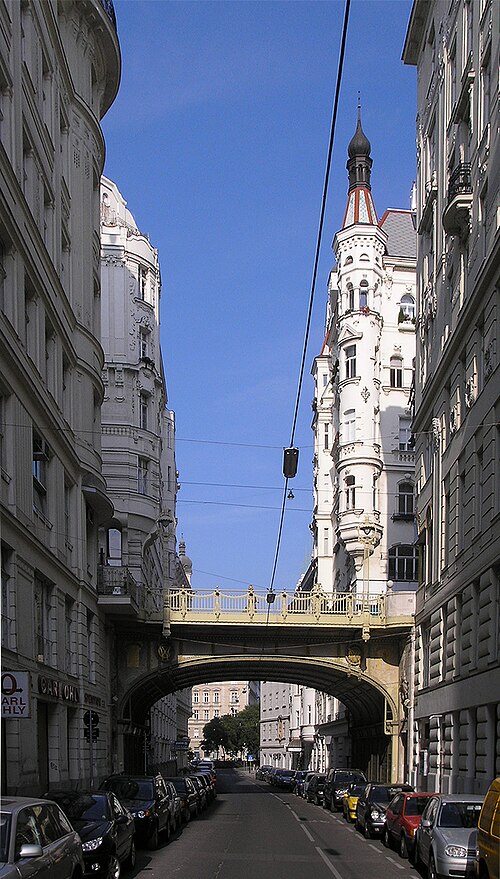
Hohe Brücke is a historic bridge in Vienna. The German name means “High Bridge,” and the structure belongs to the city’s network of crossings, streets and walkways.

Altmannsdorfer Schloss
Schloss Altmannsdorf, also known locally as Altmannsdorfer Schloss, is a historic palace in Vienna’s Altmannsdorf district.
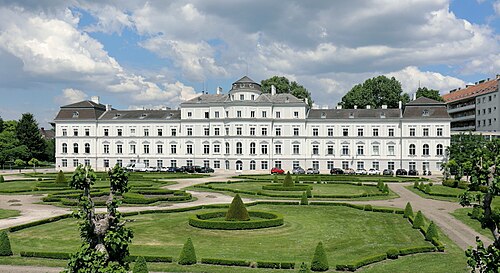
Augartenpalais
Palais Augarten is the Baroque palace standing inside Augarten park in Leopoldstadt.
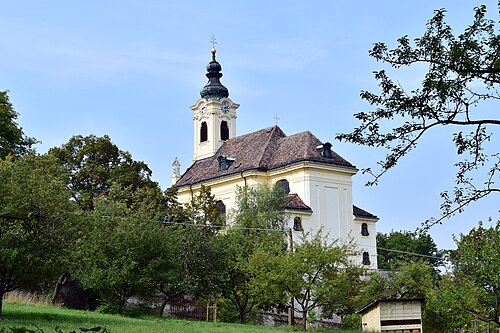
Bergkirche Rodaun is a functioning church in Vienna’s Rodaun district. Its name refers to its elevated setting, giving the building a distinctive position within the neighbourhood.
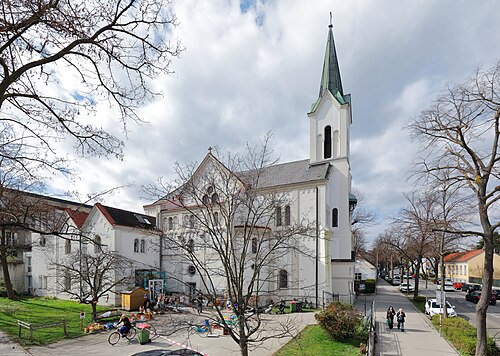
Erlöserkirche Endresstraße
Erlöserkirche is a church on Endresstraße in Vienna. Its role is best understood through its place in the city’s neighbourhood religious landscape: it is a church building serving worship and community life, rather than a large museum complex.
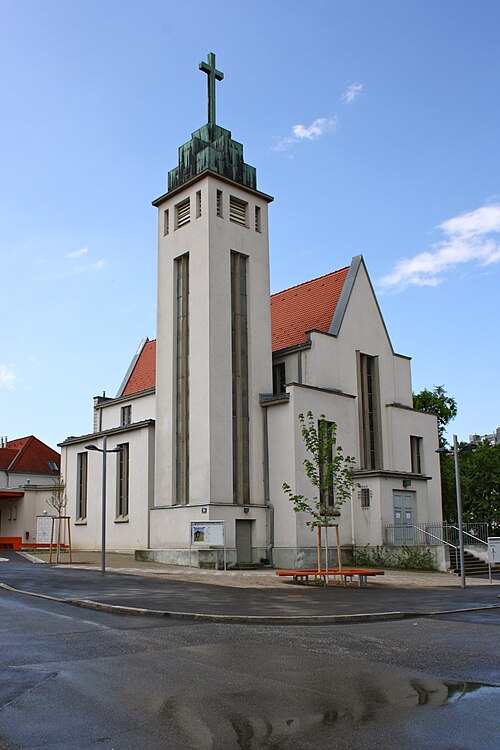
Evang. Johanneskirche
The Evangelische Johanneskirche, known in English as the Church of St. John, is a Protestant church in Vienna. It serves the Evangelical Lutheran tradition and belongs to the city’s diverse religious and architectural landscape.
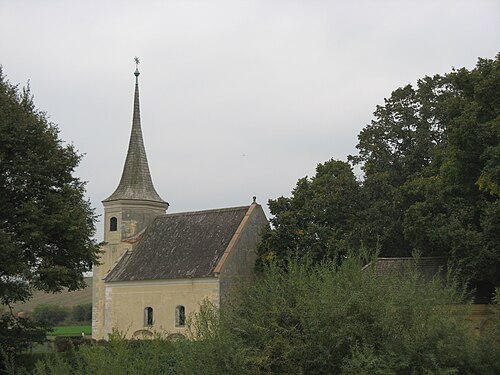
Johanneskirche is a church in Vienna, Austria, serving as a place of Christian worship within the capital’s broad religious and architectural landscape.
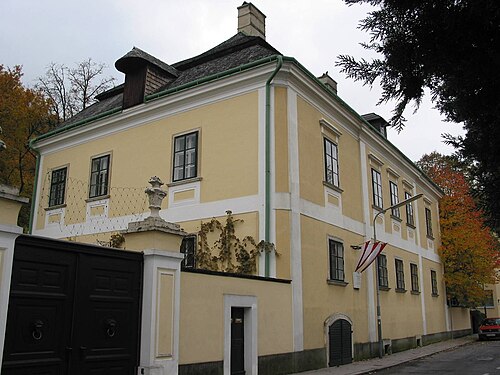
Hofmannsthal-Schlössl is a historic building in Vienna associated with the von Hofmannsthal family, notable for their cultural significance in Austrian history. The structure represents aristocratic Viennese architecture and serves as a tangible connection to the city's literary and social heritage.
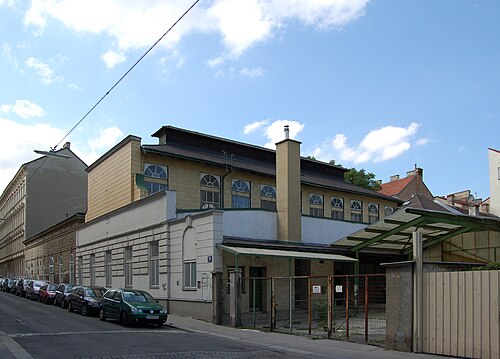
Ehem. Etablissement Gschwandner
Etablissement Gschwandner, also known locally as Ehem. Etablissement Gschwandner, is a former entertainment establishment in Vienna.
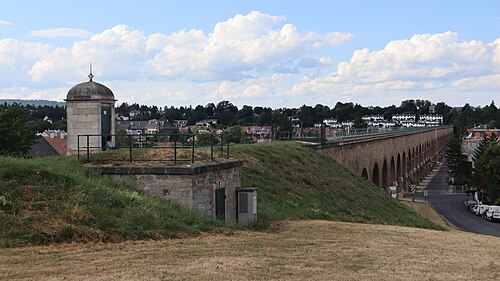
Aquädukt Liesing
The Liesing Aqueduct, known locally as Aquädukt Liesing, is a historic water-bridge structure in Vienna’s twenty-third district, Liesing. It belongs to the city’s wider history of water-management and public engineering, showing how infrastructure can become part of an urban landscape.
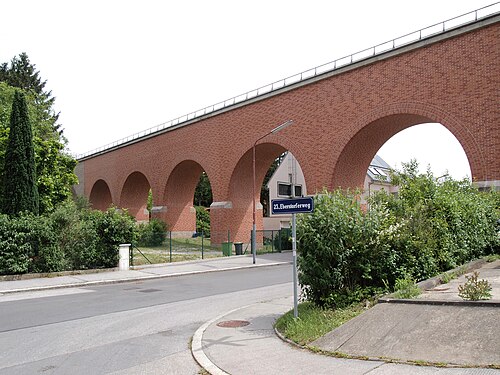
Aquädukt Speising
Aquädukt Speising is a historic aqueduct in southern Vienna and a tangible example of municipal water engineering.
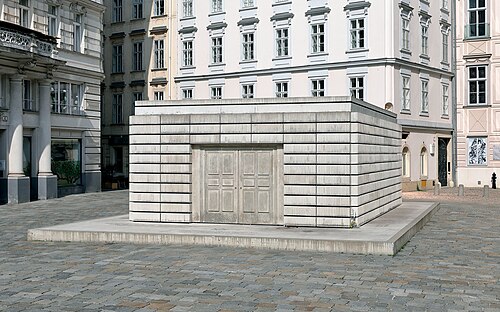
Holocaust-Mahnmal
The Judenplatz Holocaust Memorial is a sealed concrete sculpture by the British artist Rachel Whiteread, unveiled on 25 October 2000 on Judenplatz in the Innere Stadt.
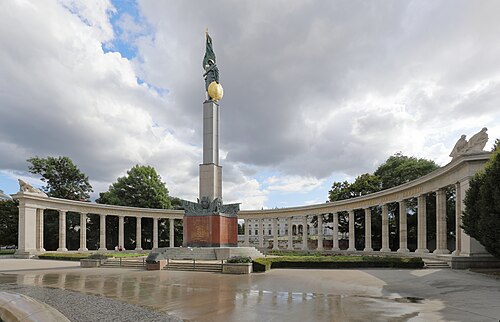
Heldendenkmal der Roten Armee
The Soviet War Memorial on Schwarzenbergplatz commemorates the Red Army soldiers killed during the Vienna Offensive of April 1945, and was built and unveiled by Soviet authorities the same year, within months of the city's capture.
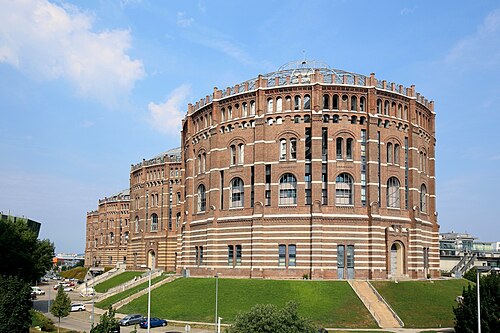
Wiener Gasometer
The Gasometers are four Victorian gas holders with flats inside them.
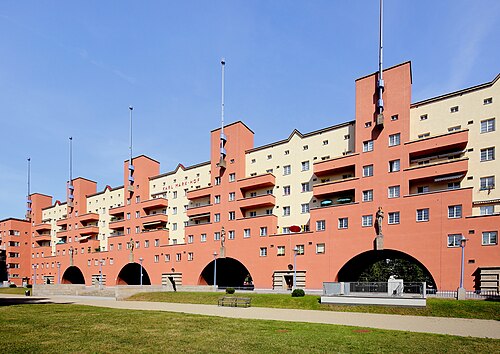
Karl-Marx-Hof
Karl-Marx-Hof is a block of council flats 1,100 m long, and it is one of the longest single residential buildings in the world.
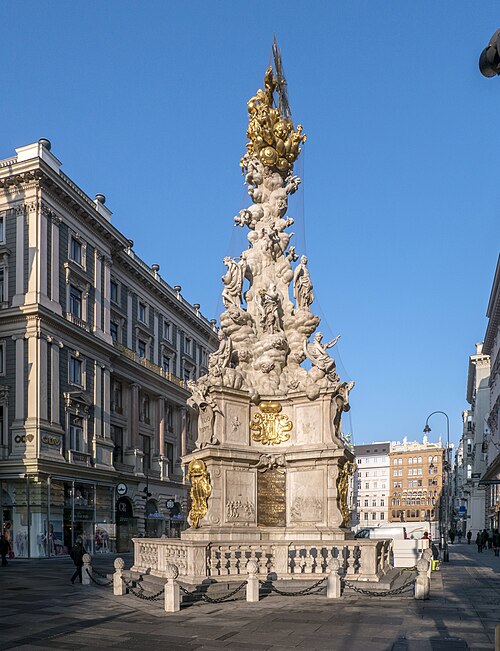
The Pestsäule is a promise made by an emperor who had left town.
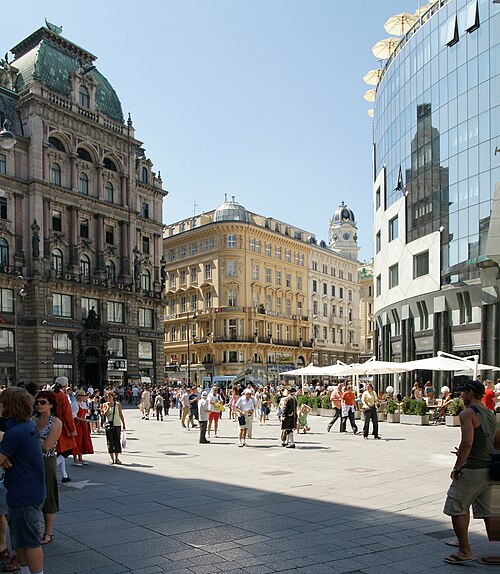
Stephansplatz is the square at the geographic and historic centre of Vienna, formed around St. Stephen's Cathedral and taking its name directly from it.
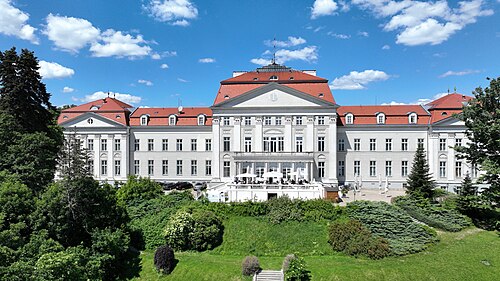
Schloss Wilhelminenberg sits on a wooded hill above Ottakring, Vienna's 16th district, built in the 1730s for Field Marshal Guido Starhemberg and later named for Archduchess Wilhelmine, who owned it in the nineteenth century.
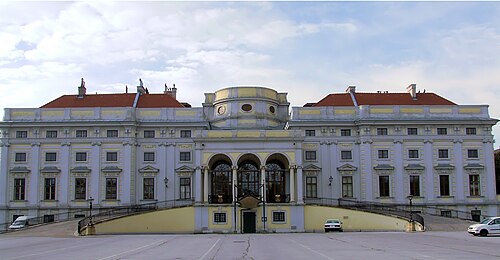
Palais Schwarzenberg is a Baroque garden palace at the edge of the Belvedere district, begun for Count Heinrich Franz von Mansfeld-Fondi and continued after his death by the Schwarzenberg family, who gave it its present name.
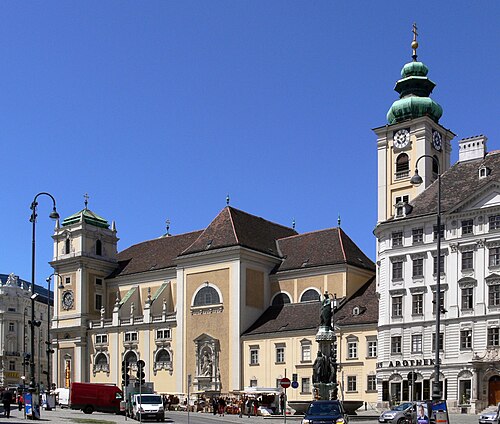
Schottenstift is a working Benedictine abbey on Freyung square in the Innere Stadt, founded in 1155 by Duke Henry II Jasomirgott.
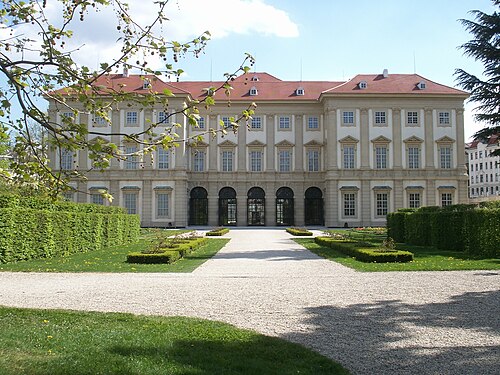
Palais Liechtenstein (Gartenpalais)
The Garden Palace (Gartenpalais Liechtenstein) is the Liechtenstein princely family's Baroque summer residence in Alsergrund, the 9th district, built 1691-1711 for Prince Johann Adam Andreas I of Liechtenstein.
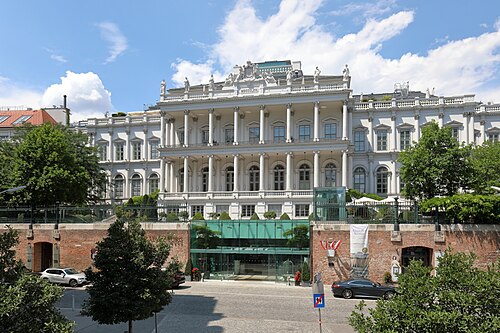
Palais Coburg is a Neoclassical palace at Coburgbastei 4 in Vienna's first district, built between 1840 and 1845 for Ferdinand Georg August, Prince of Saxe-Coburg-Saalfeld-Koháry, on top of a surviving bastion of the old city fortifications.
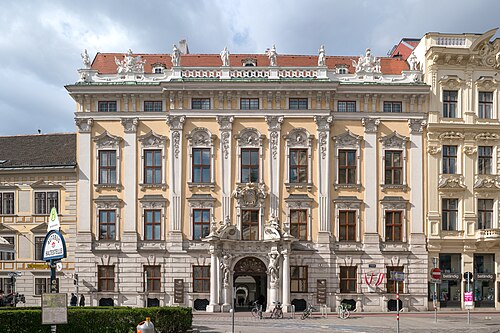
Palais Kinsky is a Baroque palace at Freyung 4 in Vienna's first district, built between 1713 and 1716 by Johann Lukas von Hildebrandt for Count Philipp Vinzenz Daun, a Habsburg field marshal, and later passed by marriage to the Kinsky…
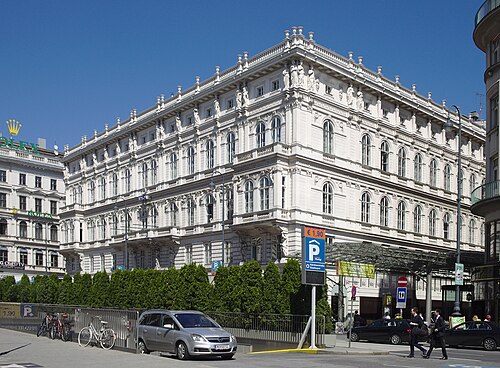
Palais Todesco is a Ringstrasse-era palace facing the Vienna State Opera across Kärntner Straße, built between 1861 and 1864 by Ludwig Förster and Theophil Hansen for the brothers Eduard and Hermann Todesco, Jewish bankers ennobled by Franz Joseph I as…
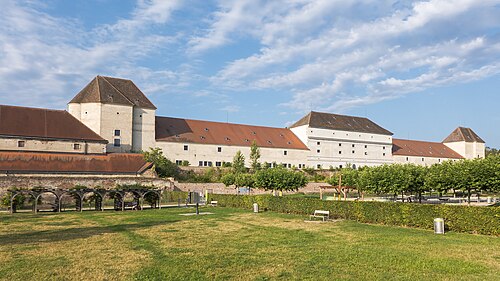
Schloss Neugebäude
Neugebäude is a ruined Renaissance palace at Simmering, on Vienna's south-eastern edge, built 1568-1573 for Emperor Maximilian II.
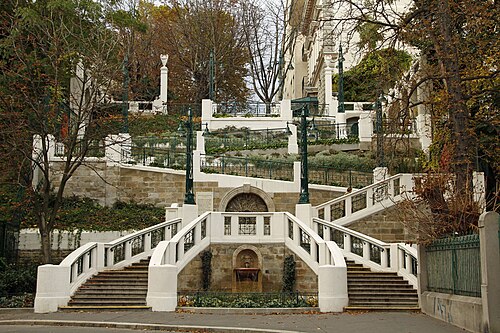
The Strudlhofstiege is a public outdoor Art Nouveau stairway in Alsergrund, connecting the upper street Strudlhofgasse to the lower Liechtensteinstrasse across a steep slope.
Schweizertor
The Hofburg is not a palace but a district of palaces, and the Austrian president works in it.
Palais Ferstel is a mid-nineteenth-century palace between Freyung and Herrengasse in Vienna's Innere Stadt, built between 1856 and 1860 to a design by architect Heinrich von Ferstel, after whom it is named.
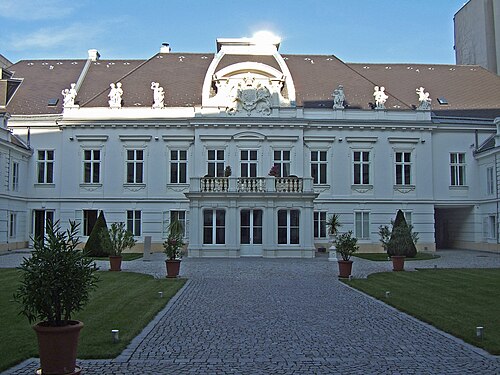
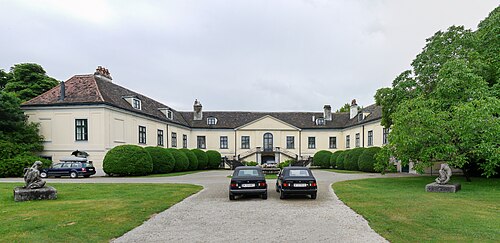
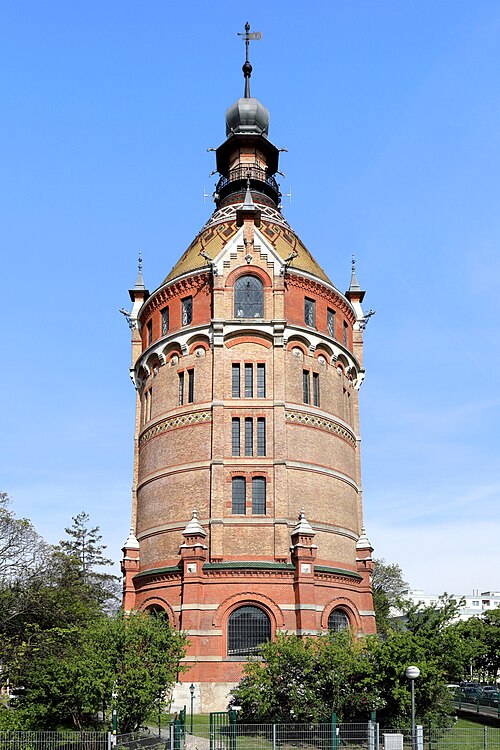
Wasserturm Favoriten
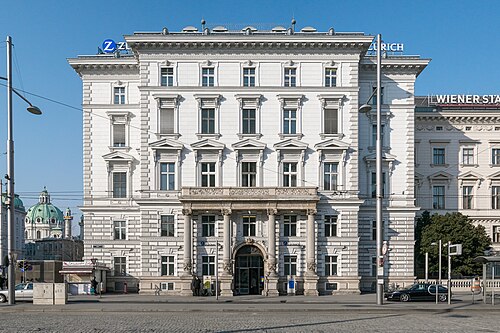
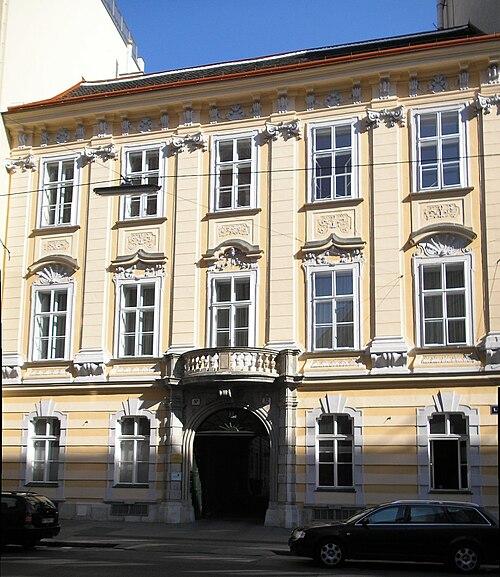
Palais Windischgrätz
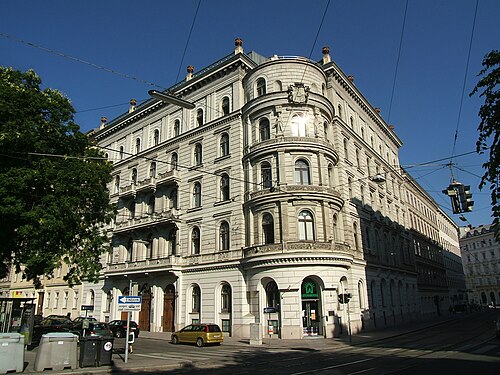
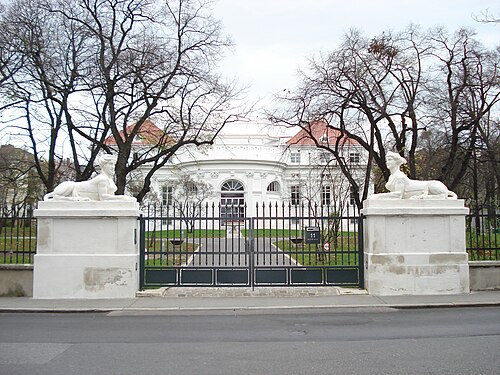
Palais Starhemberg-Schönburg
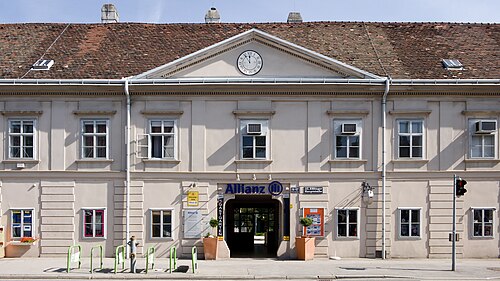
Schloss Eßling
Source: OpenStreetMap contributors, Wikidata ·
Seven to ten days gives Vienna four days and leaves time for Salzburg, Innsbruck, or Graz by rail. Alpine excursions need flexible weather time and should not be treated as guaranteed additions to a tightly timed city route.
Austria follows Schengen entry rules, with document and visa requirements determined by nationality and route. Verify the current position through official Austrian or EU channels before departure.
ÖBB trains and coordinated buses link Vienna with Salzburg, Innsbruck, Graz, and other regions. Drivers need the correct motorway toll product, and some Alpine roads charge separately.
May to June and September suit many city-and-mountain routes, while December is a distinct winter-city period. Lift, pass, and high-road operating dates matter more than a national forecast for Alpine days.
Austria uses the euro (EUR). Cards are useful, but a euro cash reserve can help at smaller establishments; review the amount and currency before approving any terminal conversion.
Austria uses 112 as its general emergency line and 144 for ambulance dispatch. Its 230 V system takes Type C and F plugs. This guide holds no verified tap-water value, so leave that point unresolved until local guidance is checked.