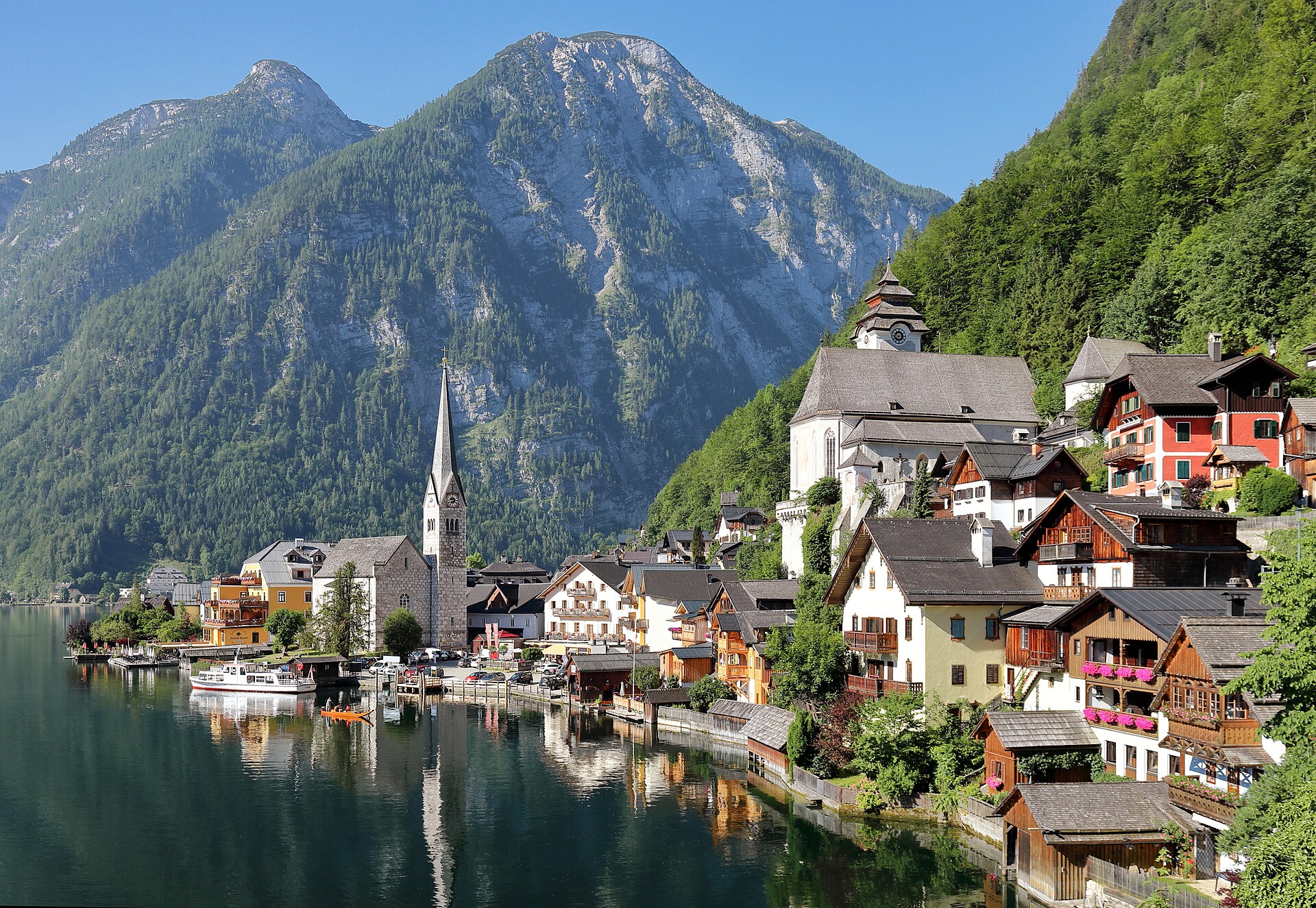
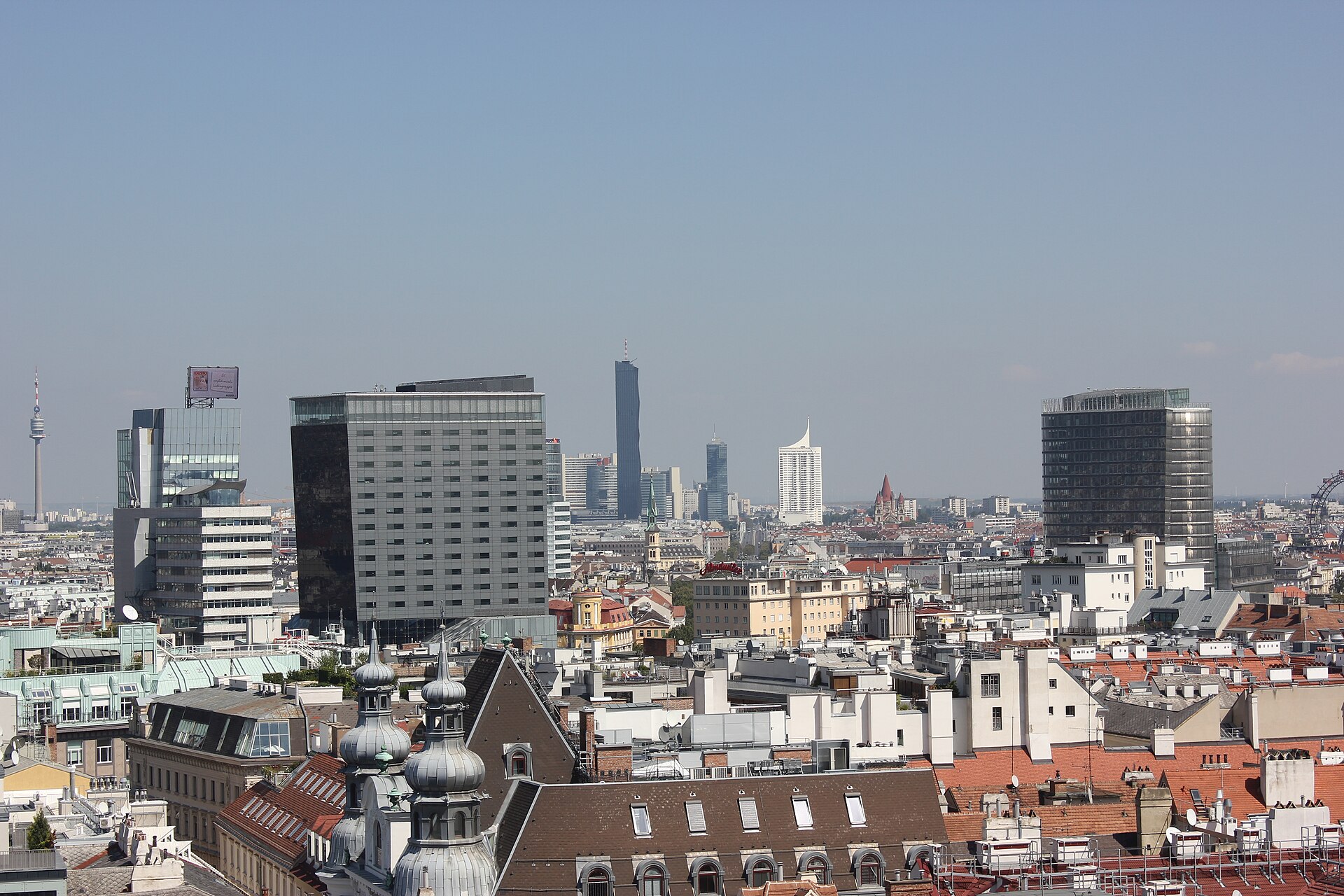
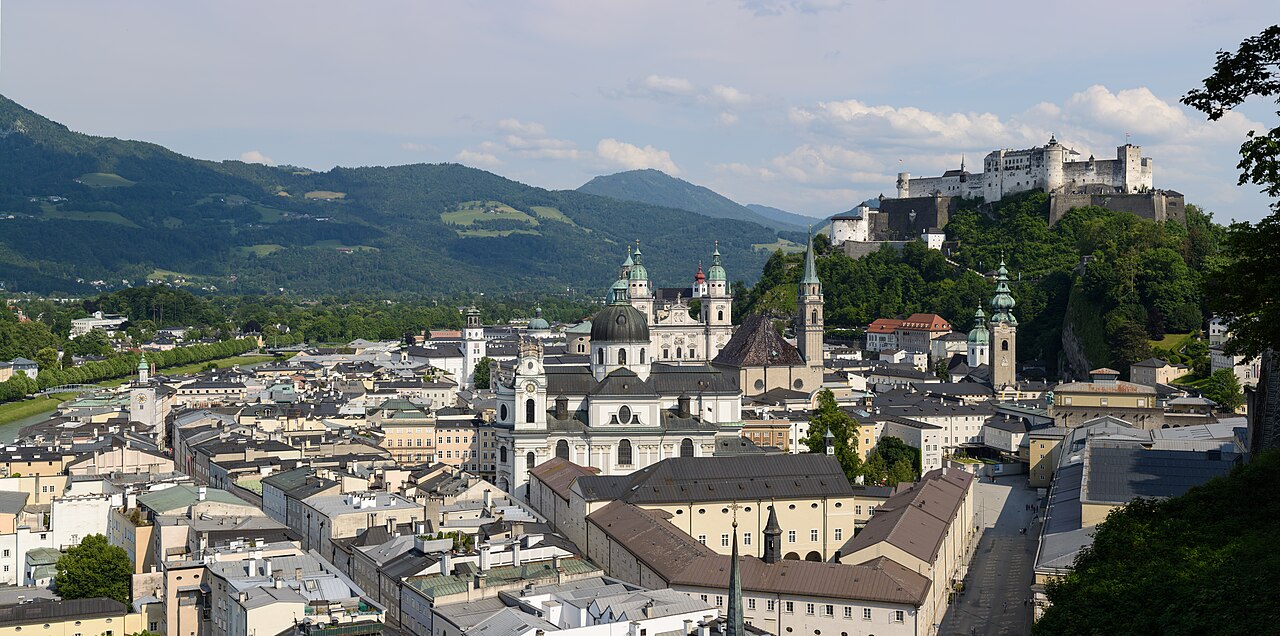
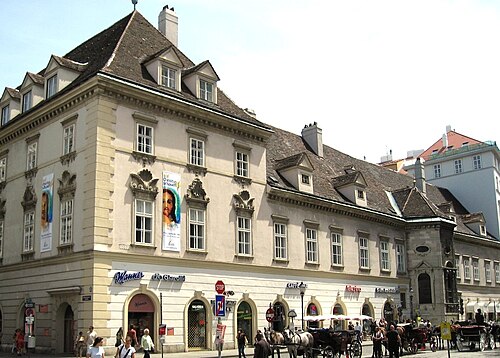
A photograph of Austria

Country guide

Places to visit in Austria — page 3

Austria is 83,879 km², and its nine states fall into two kinds of trip. Vienna, Lower Austria and Upper Austria lie along the Danube on level, easily crossed gr...

Photograph · C.Stadler/Bwag · CC BY-SA 4.0

7,386 Places
2Cities

Reviewed by Elena Voss · Roavina Travel Editor

Austria is 83,879 km², and its nine states fall into two kinds of trip. Vienna, Lower Austria and Upper Austria lie along the Danube on level, easily crossed ground, with Vienna alone holding 1,931,593 of the country's roughly nine million people. Tyrol, Salzburg, Vorarlberg and Styria are the Alpine states, entered by valley rather than by plain, and their capitals — Innsbruck, Salzburg, Bregenz, Graz — are each small enough to cross on foot in an afternoon. The distinction decides an itinerary: the Danube cities sit an hour apart by train and the mountain ones do not.

Checked 2026-08-25

Cities

Every city catalogued in this country so far, ranked by how much there is to see.

Practical information

Language spoken
German
German is Austria's official language; Croatian, Slovenian and Hungarian also have official status in some regions
Dialling code
+43
Austria's international country code
Currency
Euro (€, EUR)
Austria introduced euro banknotes and coins in 2002
Emergency number
112
One number across the country; 144 reaches an ambulance directly
Plug type
Not recorded
No verified national official source was found
Tap water
Safe to drink
Austria's national tourism authority states that tap water is drinkable in every region

Top things to see

Ranked by importance — sitelinks, pageviews and heritage status, not editor preference.

  1. Episcopal Palace Episcopal Palace
    51 45 min

    Episcopal Palace

    Erzbischöfliches Palais

    Episcopal Palace, locally called Erzbischöfliches Palais, is the residence of the Archbishop of Vienna in the historic centre. It is a working ecclesiastical building rather than a conventional museum or sightseeing venue.

    • Must see
    • Historic site
    • Vienna
  2. Augarten Flak Tower Augarten Flak Tower
    52 45 min

    Augarten Flak Tower

    Flakturm Augarten (Gefechtsturm)

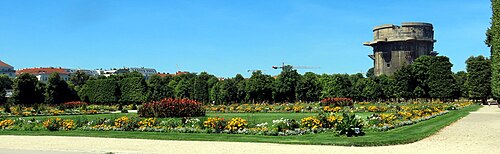
    The Flakturm Augarten (Gefechtsturm) is one of six surviving flak towers built in Vienna during the Second World War. Constructed between 1942 and 1945, these massive reinforced concrete structures served as anti-aircraft gun platforms, command centers, and air-raid shelters.

    • Must see
    • Historic site
    • Vienna
  3. Donnerbrunnen Donnerbrunnen
    53 45 min

    Donnerbrunnen

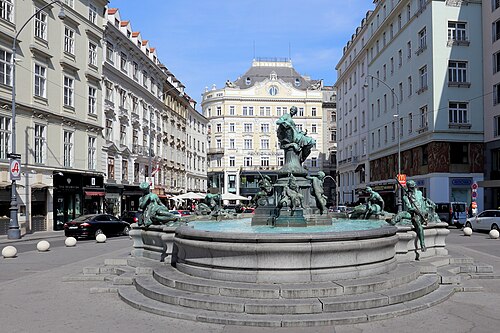
    Donnerbrunnen, also called the Providentia Fountain, is a Baroque monument in Neuer Markt. Georg Raphael Donner created the fountain between 1737 and 1739, making it one of Vienna’s important eighteenth-century sculptural works.

    • Must see
    • Historic site
    • Vienna
  4. Republikdenkmal Republikdenkmal
    54 45 min

    Republikdenkmal

    Denkmal der Republik

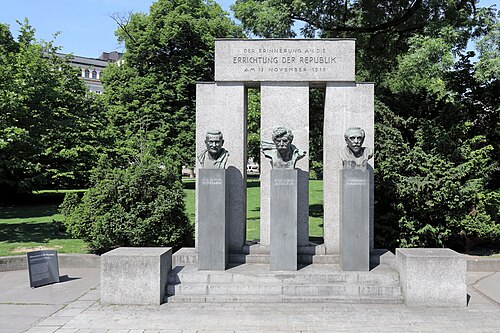
    Republikdenkmal, also known as Denkmal der Republik, commemorates the founding of the Austrian Republic in 1918. The monument marks the political transition that followed the end of Habsburg imperial rule and the emergence of republican government.

    • Must see
    • Historic site
    • Vienna
  5. Memorial for the Victims of Nazi Military Justice Memorial for the Victims of Nazi Military Justice
    55 45 min

    Memorial for the Victims of Nazi Military Justice

    Deserteursdenkmal

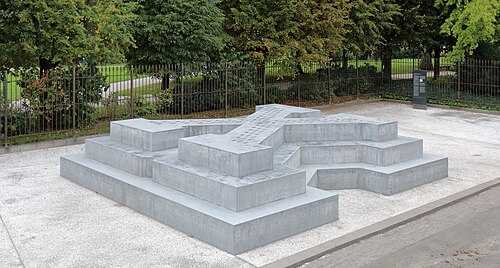
    The Memorial for the Victims of Nazi Military Justice, known locally as Deserteursdenkmal, is an outdoor memorial in Vienna. It honours people persecuted by Nazi military courts, including deserters and others punished for refusing service or being judged insubordinate.

    • Must see
    • Historic site
    • Vienna
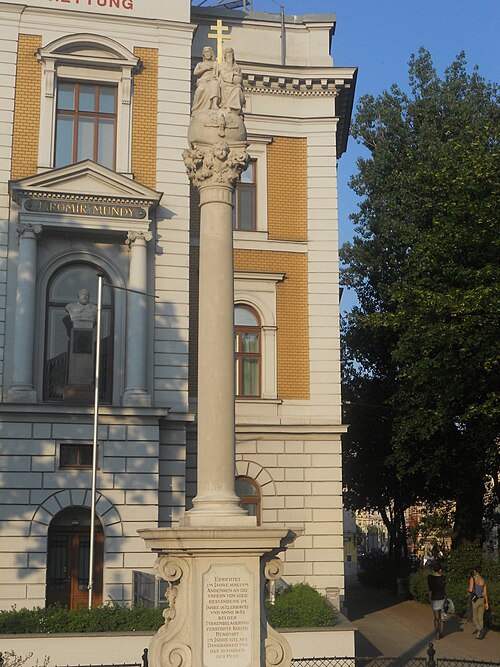
  6. Trinity column, Radetzkystraße 1, Landstraße Trinity column, Radetzkystraße 1, Landstraße
    56 45 min

    Trinity column, Radetzkystraße 1, Landstraße

    Dreifaltigkeitssäule

    The Dreifaltigkeitssäule, or Trinity Column, stands at Radetzkystraße 1 in Vienna's Landstraße district. This religious monument represents the Holy Trinity and forms part of the city's extensive heritage of plague columns and devotional structures erected across Central Europe.

    • Must see
    • Historic site
    • Vienna
  7. Burg am Leopoldsberg Burg am Leopoldsberg
    57 45 min

    Burg am Leopoldsberg

    Burg am Leopoldsberg is a historic castle structure on Leopoldsberg, a prominent hill in northern Vienna above the Danube. The elevated setting places the castle within a landscape of river views, wooded slopes and the expanding city below.

    • High
    • Historic site
    • Vienna
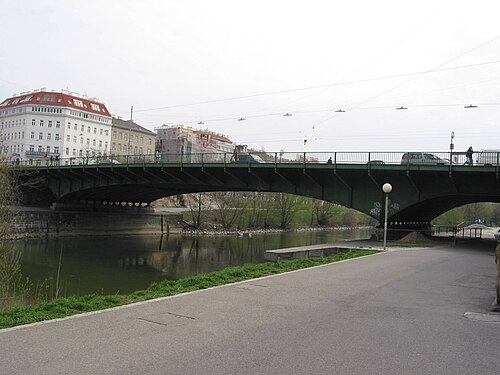
  8. Friedensbrücke Friedensbrücke
    58 45 min

    Friedensbrücke

    Friedensbrücke, or Peace Bridge, crosses the Danube Canal in Vienna. It is a working urban connection linking parts of the city for pedestrians, cyclists and vehicles.

    • High
    • Historic site
    • Vienna
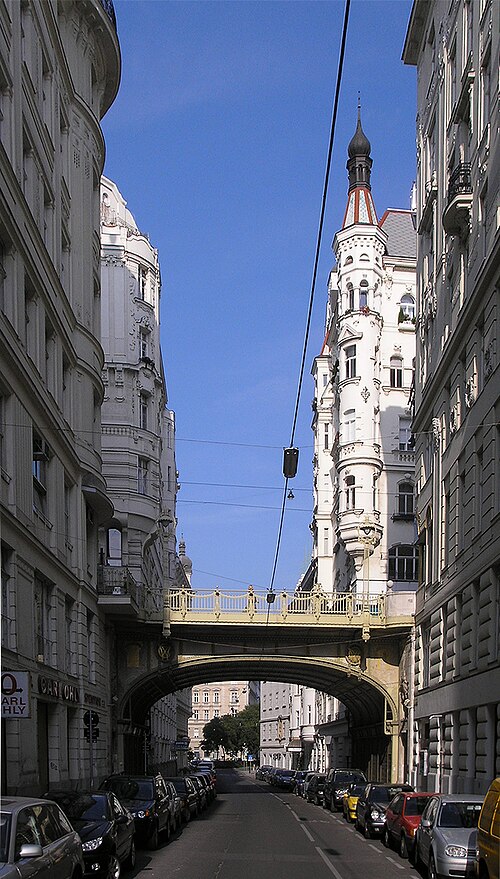
  9. Hohe Brücke Hohe Brücke
    59 45 min

    Hohe Brücke

    Hohe Brücke is a historic bridge in Vienna. The German name means “High Bridge,” and the structure belongs to the city’s network of crossings, streets and walkways.

    • High
    • Historic site
    • Vienna
  10. Schloss Altmannsdorf Schloss Altmannsdorf
    60 45 min

    Schloss Altmannsdorf

    Altmannsdorfer Schloss

    Schloss Altmannsdorf, also known locally as Altmannsdorfer Schloss, is a historic palace in Vienna’s Altmannsdorf district.

    • High
    • Historic site
    • Vienna
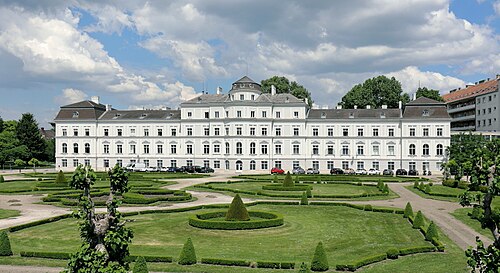
  11. Palais Augarten Palais Augarten
    61 5 min

    Palais Augarten

    Augartenpalais

    Palais Augarten is the Baroque palace standing inside Augarten park in Leopoldstadt.

    • High
    • Historic site
    • Vienna
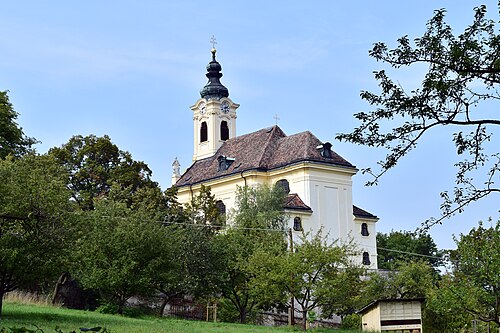
  12. Bergkirche Rodaun Bergkirche Rodaun
    62 45 min

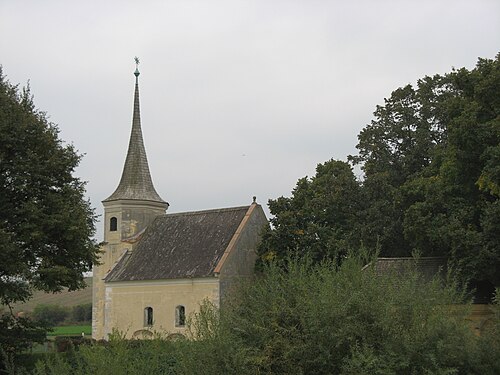
    Bergkirche Rodaun

    Bergkirche Rodaun is a functioning church in Vienna’s Rodaun district. Its name refers to its elevated setting, giving the building a distinctive position within the neighbourhood.

    • High
    • Historic site
    • Vienna
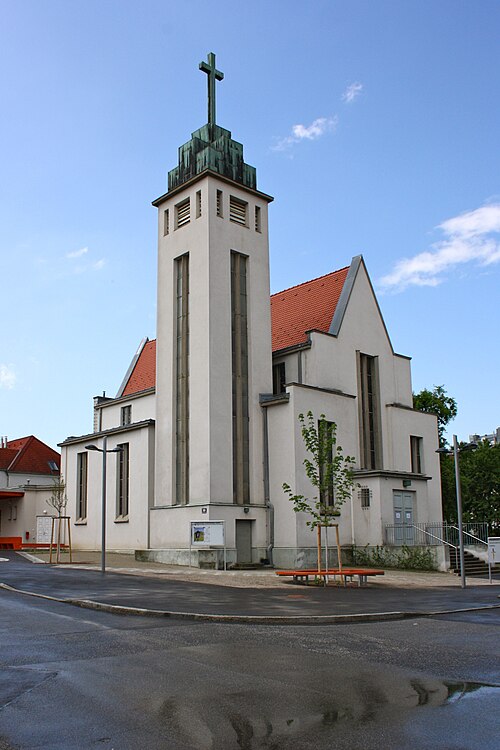
  13. Erlöserkirche Erlöserkirche
    63 45 min

    Erlöserkirche

    Erlöserkirche Endresstraße

    Erlöserkirche is a church on Endresstraße in Vienna. Its role is best understood through its place in the city’s neighbourhood religious landscape: it is a church building serving worship and community life, rather than a large museum complex.

    • High
    • Historic site
    • Vienna
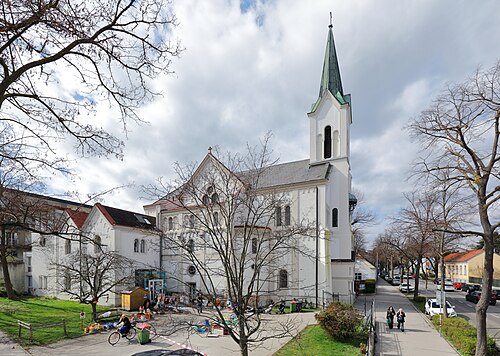
  14. Chuch of St. John Chuch of St. John
    64 45 min

    Chuch of St. John

    Evang. Johanneskirche

    The Evangelische Johanneskirche, known in English as the Church of St. John, is a Protestant church in Vienna. It serves the Evangelical Lutheran tradition and belongs to the city’s diverse religious and architectural landscape.

    • High
    • Historic site
    • Vienna
  15. Johanneskirche Johanneskirche
    65 45 min

    Johanneskirche

    Johanneskirche is a church in Vienna, Austria, serving as a place of Christian worship within the capital’s broad religious and architectural landscape.

    • High
    • Historic site
    • Vienna
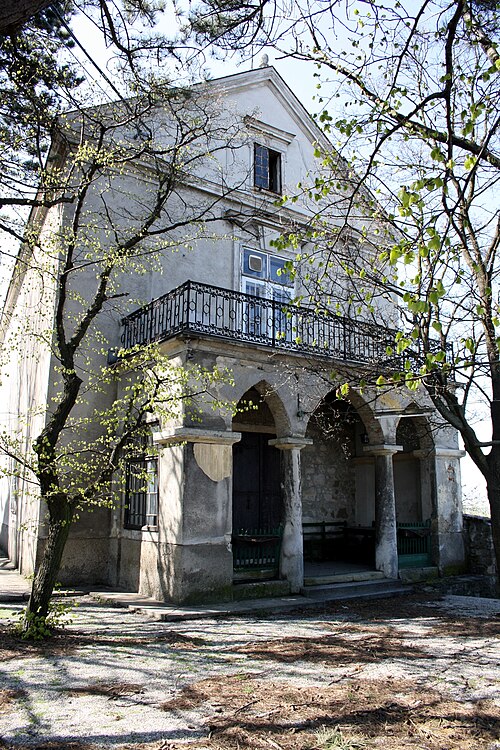
  16. Hofmannsthal-Schlössl Hofmannsthal-Schlössl
    66 45 min

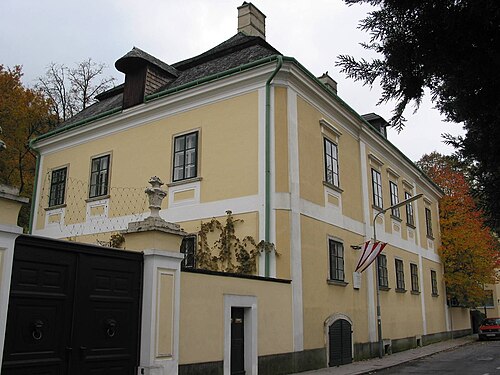
    Hofmannsthal-Schlössl

    Hofmannsthal-Schlössl is a historic building in Vienna associated with the von Hofmannsthal family, notable for their cultural significance in Austrian history. The structure represents aristocratic Viennese architecture and serves as a tangible connection to the city's literary and social heritage.

    • High
    • Historic site
    • Vienna
  17. Etablissement Gschwandner Etablissement Gschwandner
    67 45 min

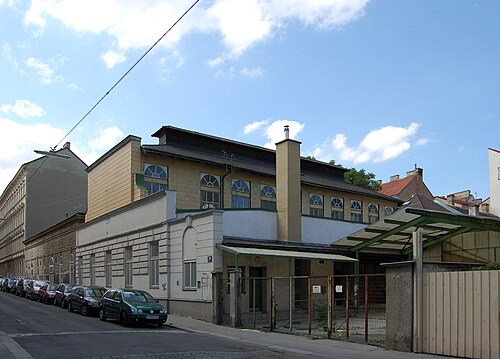
    Etablissement Gschwandner

    Ehem. Etablissement Gschwandner

    Etablissement Gschwandner, also known locally as Ehem. Etablissement Gschwandner, is a former entertainment establishment in Vienna.

    • High
    • Historic site
    • Vienna
  18. Liesing Aqueduct Liesing Aqueduct
    68 45 min

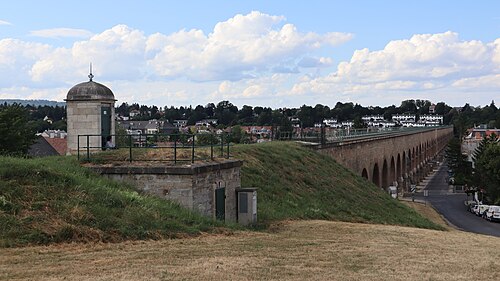
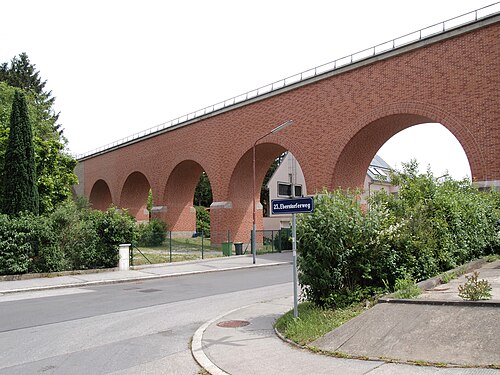
    Liesing Aqueduct

    Aquädukt Liesing

    The Liesing Aqueduct, known locally as Aquädukt Liesing, is a historic water-bridge structure in Vienna’s twenty-third district, Liesing. It belongs to the city’s wider history of water-management and public engineering, showing how infrastructure can become part of an urban landscape.

    • High
    • Historic site
    • Vienna
  19. aqueduct Speising aqueduct Speising
    69 45 min

    aqueduct Speising

    Aquädukt Speising

    Aquädukt Speising is a historic aqueduct in southern Vienna and a tangible example of municipal water engineering.

    • High
    • Historic site
    • Vienna
  20. Judenplatz Holocaust Memorial Judenplatz Holocaust Memorial
    70 15 min

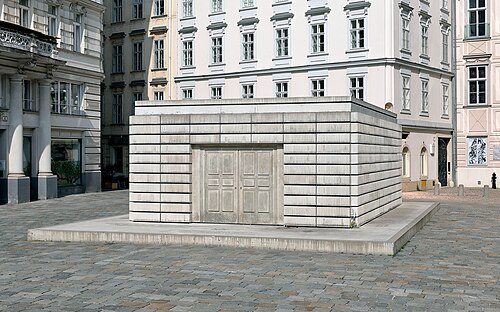
    Judenplatz Holocaust Memorial

    Holocaust-Mahnmal

    The Judenplatz Holocaust Memorial is a sealed concrete sculpture by the British artist Rachel Whiteread, unveiled on 25 October 2000 on Judenplatz in the Innere Stadt.

    • High
    • Historic site
    • Vienna
  21. Soviet War Memorial Soviet War Memorial
    71 10 min

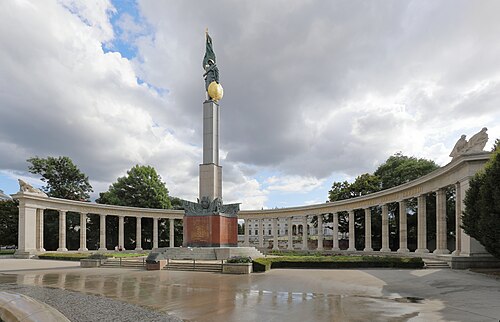
    Soviet War Memorial

    Heldendenkmal der Roten Armee

    The Soviet War Memorial on Schwarzenbergplatz commemorates the Red Army soldiers killed during the Vienna Offensive of April 1945, and was built and unveiled by Soviet authorities the same year, within months of the city's capture.

    • High
    • Historic site
    • Vienna
  22. Heeresgeschichtliches Museum Heeresgeschichtliches Museum
    72 2 hr 30 min

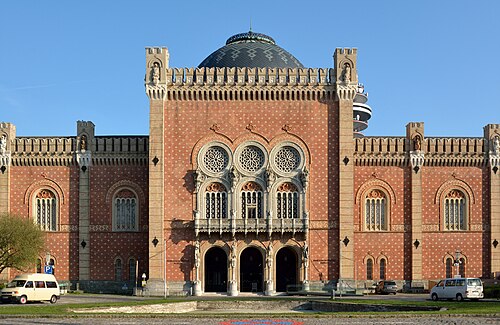
    Heeresgeschichtliches Museum

    The Heeresgeschichtliches Museum, the Museum of Military History, is Austria's oldest purpose-built museum structure, opened in 1891 inside the Arsenal complex as the k.k. Hofwaffenmuseum and renamed to its current form in 1955.

    • High
    • Museum
    • Vienna
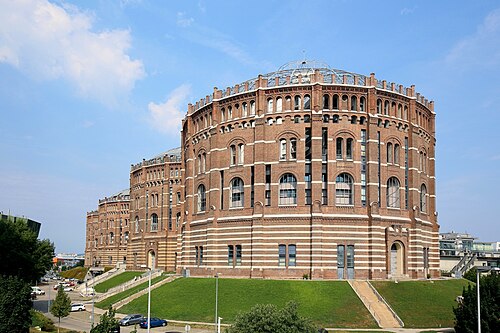
  23. Gasometer Gasometer
    73 1 hour

    Gasometer

    Wiener Gasometer

    The Gasometers are four Victorian gas holders with flats inside them.

    • High
    • Historic site
    • Vienna
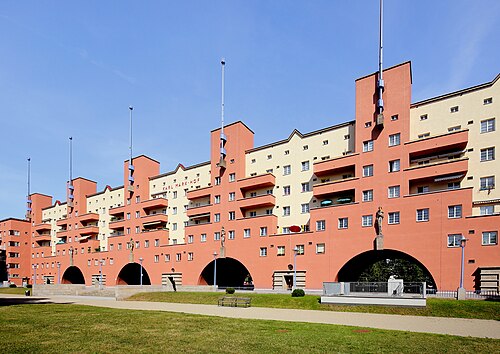
  24. Karl Marx-Hof Karl Marx-Hof
    74 1 hour

    Karl Marx-Hof

    Karl-Marx-Hof

    Karl-Marx-Hof is a block of council flats 1,100 m long, and it is one of the longest single residential buildings in the world.

    • High
    • Historic site
    • Vienna
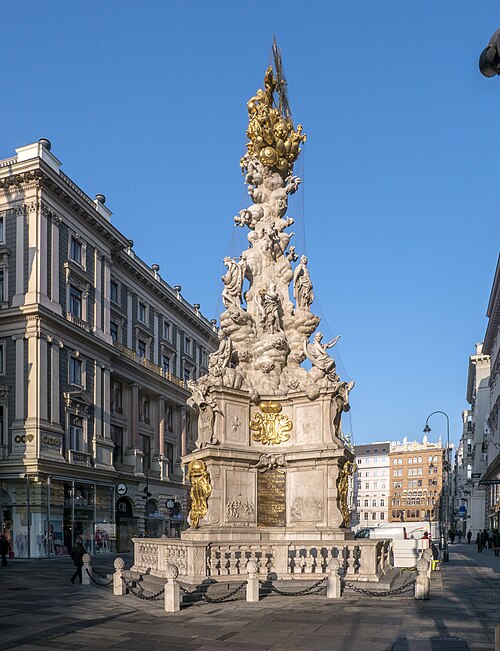
  25. Pestsäule Pestsäule
    75 10 min

    Pestsäule

    The Pestsäule is a promise made by an emperor who had left town.

    • High
    • Historic site
    • Vienna

Source: OpenStreetMap contributors, Wikidata ·

Common questions

How long should a first trip to Austria be?

Seven to ten days gives Vienna four days and leaves time for Salzburg, Innsbruck, or Graz by rail. Alpine excursions need flexible weather time and should not be treated as guaranteed additions to a tightly timed city route.

What entry documents are needed for Austria?

Austria follows Schengen entry rules, with document and visa requirements determined by nationality and route. Verify the current position through official Austrian or EU channels before departure.

What is the best way to travel around Austria?

ÖBB trains and coordinated buses link Vienna with Salzburg, Innsbruck, Graz, and other regions. Drivers need the correct motorway toll product, and some Alpine roads charge separately.

When is a practical time to visit Austria?

May to June and September suit many city-and-mountain routes, while December is a distinct winter-city period. Lift, pass, and high-road operating dates matter more than a national forecast for Alpine days.

What money and payment basics apply in Austria?

Austria uses the euro (EUR). Cards are useful, but a euro cash reserve can help at smaller establishments; review the amount and currency before approving any terminal conversion.

What practical safety details should I save for Austria?

Austria uses 112 as its general emergency line and 144 for ambulance dispatch. Its 230 V system takes Type C and F plugs. This guide holds no verified tap-water value, so leave that point unresolved until local guidance is checked.