
07
45 min
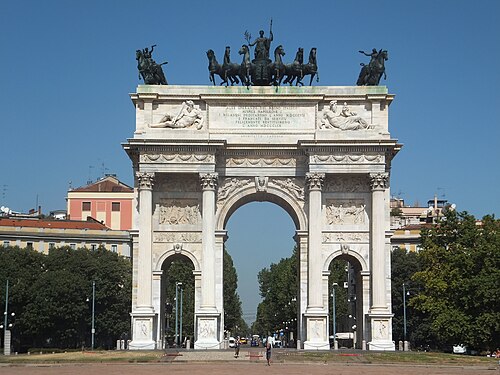
Arch of Peace
Arco della Pace
The Arco della Pace is a neoclassical triumphal arch in Milan, standing at the edge of Parco Sempione near the historic centre.
- Must see
- Historic monument
City guide · Italy
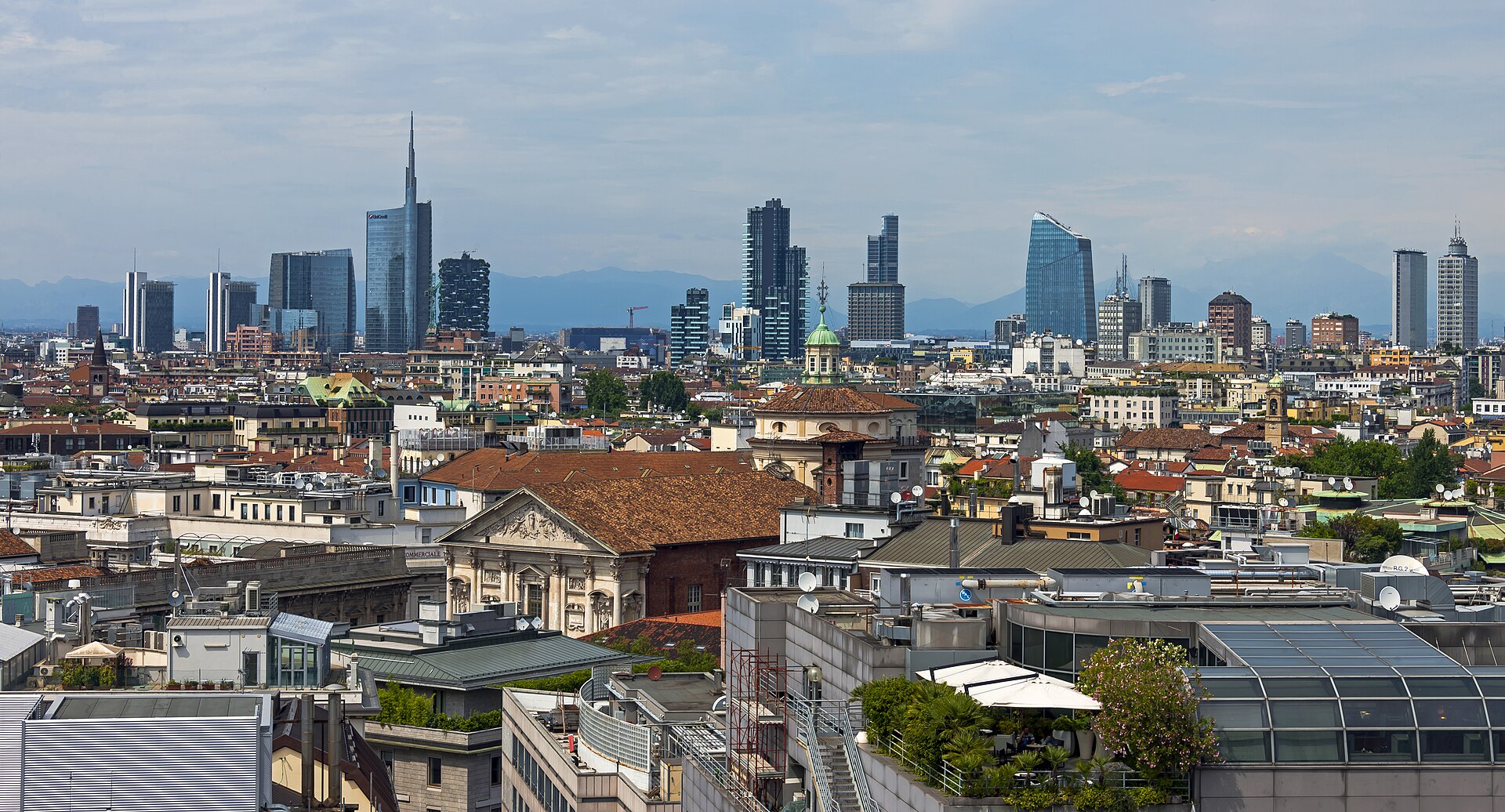
Milan is organised around a compact historic centre, with the Duomo, Galleria Vittorio Emanuele II and La Scala close enough to combine on foot. Brera lies imme...
Photograph · Daniel Case · CC BY-SA 3.0
Set your days, your pace and the hours you actually want to be out. The planner works around closing days and travel time, and leaves room to eat.
Reviewed by Elena Voss · Roavina Travel Editor
Milan is organised around a compact historic centre, with the Duomo, Galleria Vittorio Emanuele II and La Scala close enough to combine on foot. Brera lies immediately north, the Navigli canals sit to the southwest, and the modern Porta Nuova district rises around Garibaldi station. Longer journeys connect the centre with Santa Maria delle Grazie, San Siro and outer design districts.
Checked 2026-08-26
September · September eases to a 24.4°C mean high in Milan, with 93.1 mm of rain across about six days.
Ranked by importance — sitelinks, pageviews and heritage status, not editor preference.
42 places match
Category
Typical visit duration
Interests
Arco della Pace
The Arco della Pace is a neoclassical triumphal arch in Milan, standing at the edge of Parco Sempione near the historic centre.
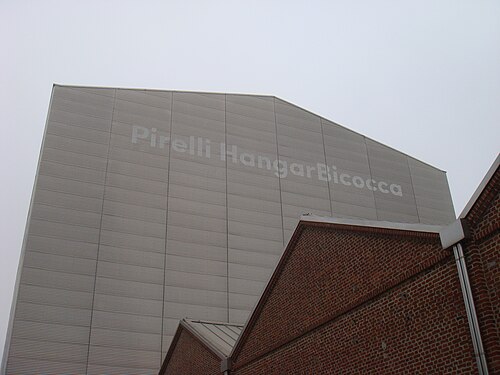
Pirelli HangarBicocca is a non-profit contemporary art foundation in a former locomotive-manufacturing plant in Milan's Bicocca district. The institution opened in 2004 and occupies approximately 15,000 square metres on one ground-level floor.

Chiesa di San Bernardino alle Ossa
San Bernardino alle Ossa is a historic church in central Milan, Italy. Its local name is Chiesa di San Bernardino alle Ossa.
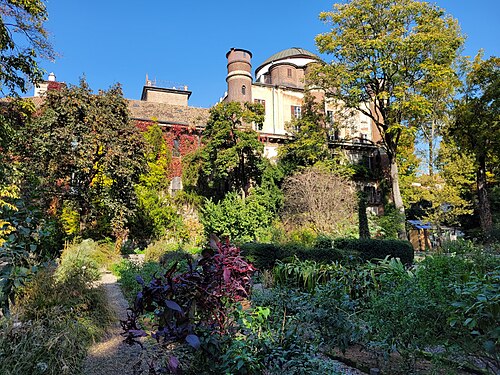
Orto Botanico di Brera is a historic botanical garden in Milan’s Brera district. Founded in 1774 under Maria Theresa of Austria, it was created as an academic setting for cultivating medicinal plants and supporting pharmaceutical education.
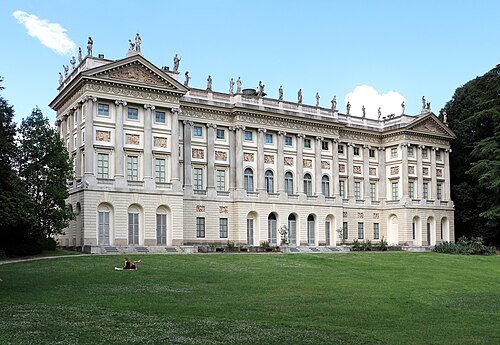
Villa Reale
The Royal Villa of Milan, known locally as Villa Reale, stands as a significant historic estate in Milan. This distinguished property reflects aristocratic heritage and architectural importance within the city's cultural landscape.
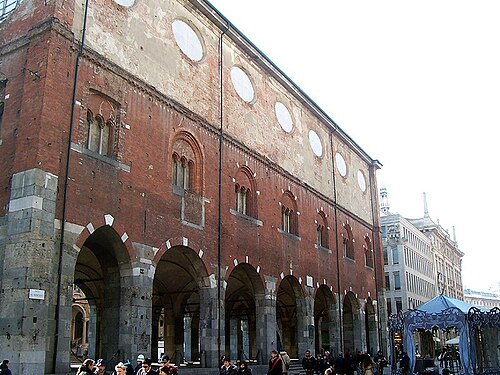
Palazzo della Ragione is a medieval civic building in Piazza dei Mercanti, immediately beside Milan’s cathedral district. Dating from the thirteenth century, it served as Milan’s broletto, a center for courts, public administration, and communal government.
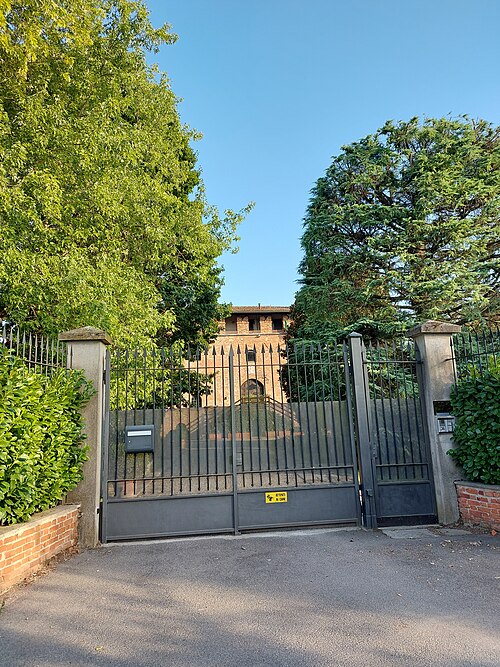
Castello di Macconago
Castle of Macconago, also known locally as Castello di Macconago, is a historic castle in the Milan area. Its fortified character connects the site with Lombardy’s tradition of defensive buildings and noble residences.
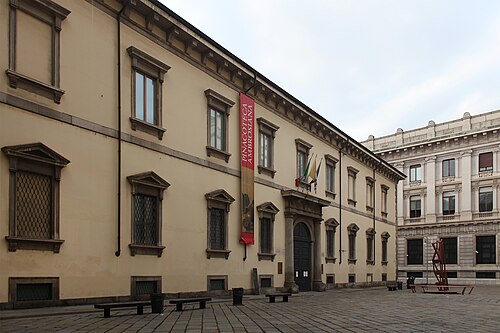
Palazzo dell'Ambrosiana
Palazzo dell'Ambrosiana is a historic palace in Milan, Italy, associated with the Biblioteca Ambrosiana, one of Europe's oldest and most significant cultural institutions.
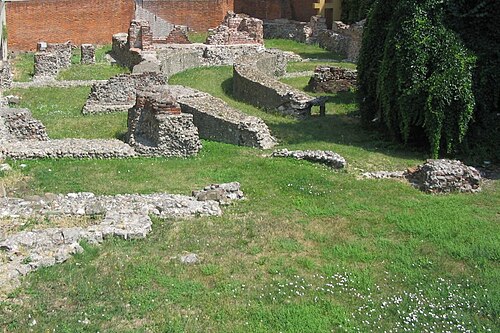
Villa Imperiale
The Ancient Roman imperial palace of Milan, known locally as Villa Imperiale, stands as a significant archaeological remnant of Milan's Roman past.

Basilica di San Lorenzo Maggiore
The Basilica of San Lorenzo, locally named Basilica di San Lorenzo Maggiore, stands as one of Milan's most ancient churches.
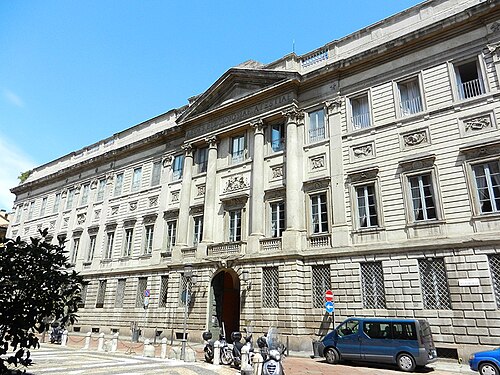
Palazzo Belgioioso
Palazzo Belgioioso stands as a distinguished neoclassical palace in central Milan, constructed in the late eighteenth century to designs by Giuseppe Piermarini. The building exemplifies the refined architectural transition from Baroque grandeur to Enlightenment restraint.

Torre di Bona
Bona of Savoy’s Tower, known in Italian as Torre di Bona, is a historic tower in Milan associated with Bona of Savoy, a fifteenth-century duchess.
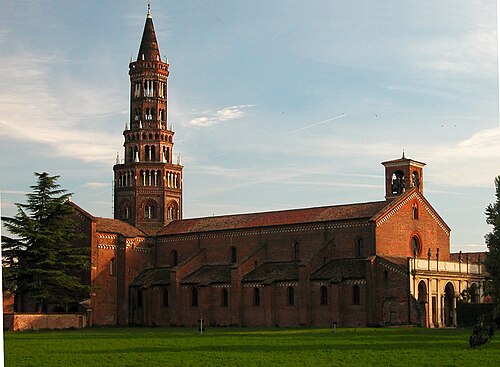
Abbazia di Chiaravalle
Chiaravalle Abbey, known locally as Abbazia di Chiaravalle, is a Cistercian monastery located in the southern periphery of Milan. Founded in 1135, it represents an important example of Lombard Gothic and Romanesque architecture.
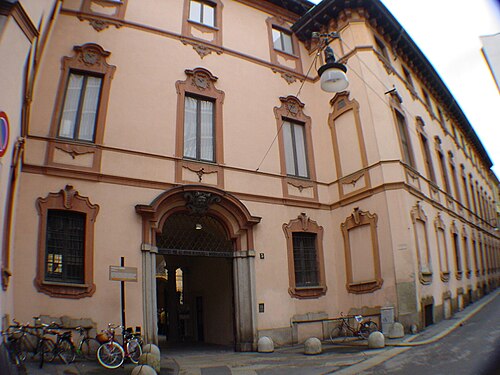
Palazzo Clerici
Clerici Palace is a Milanese aristocratic residence associated with the Clerici family, set within the city’s historic centre.
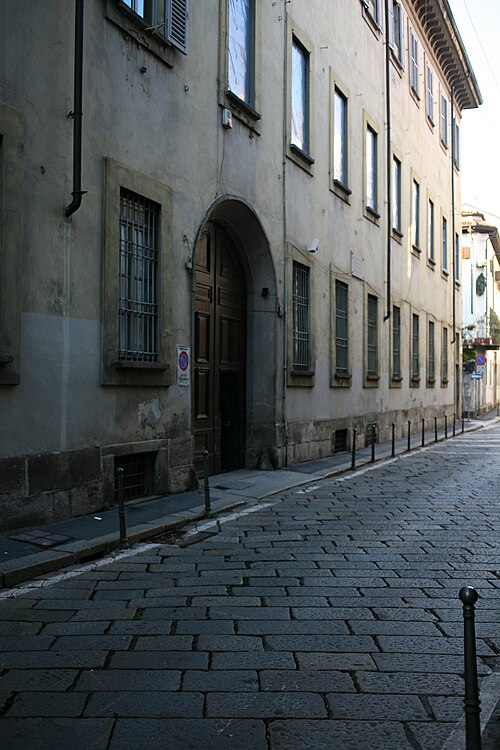
Palazzo Cornaggia
Cornaggia Palace is a named historic building in Milan and a specific architectural destination within the city’s dense urban fabric.
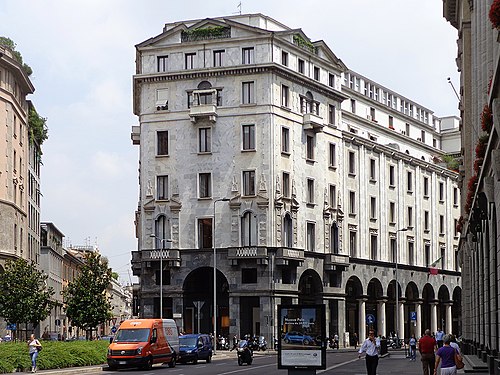
Palazzo Crespi
Palazzo Crespi is a historic palace in Milan, situated in the city's central area.
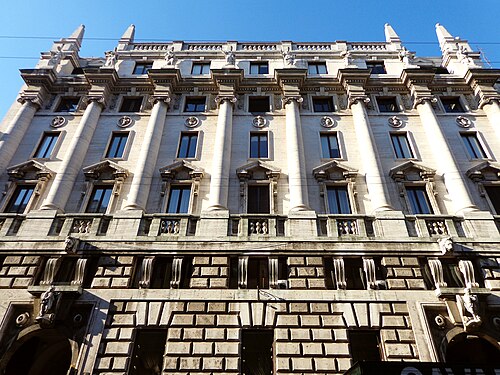
Palazzo Cusini
Cusini Palace, also known as Palazzo Cusini, is a historic palace in central Milan. It belongs to the city’s architectural heritage and forms part of the continuous streetscape that makes central Milan rewarding to explore on foot.
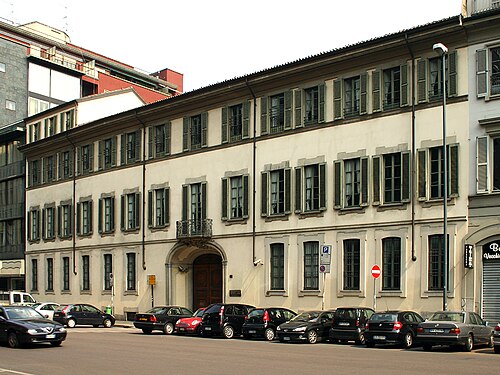
Palazzo Litta Cusini Modignani
Litta Cusini Modignani Palace is a historic aristocratic palace in Milan. Its name connects the building with the Litta, Cusini, and Modignani families and places it within the city’s tradition of noble urban residences.
Palazzo Lurani Cernuschi
Lurani Cernuschi Palace, or Palazzo Lurani Cernuschi, is a historic palace in Milan. It represents the city’s noble residential architecture and belongs to the layered urban environment that makes Milan interesting beyond its headline attractions.
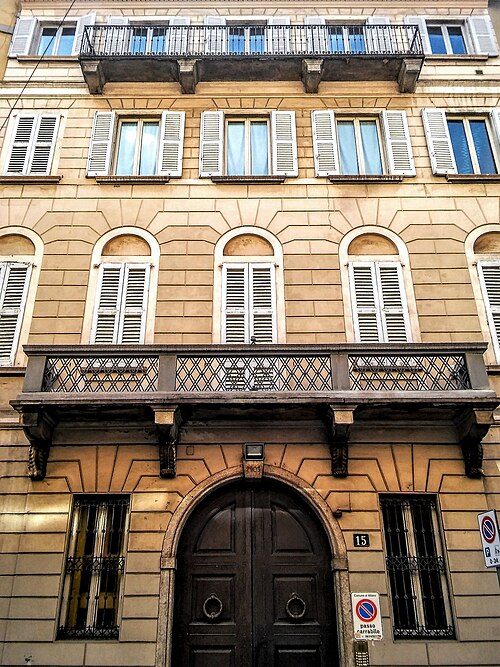
Palazzo Mapelli
Mapelli Palace, or Palazzo Mapelli, is a historic palace in Milan.

Palazzo e Torre Rasini
Palazzo e Torre Rasini stands as a notable architectural presence in Milan. This tower and palace complex represents an element of the city's built heritage, contributing to the urban fabric of Italy's second-largest city.
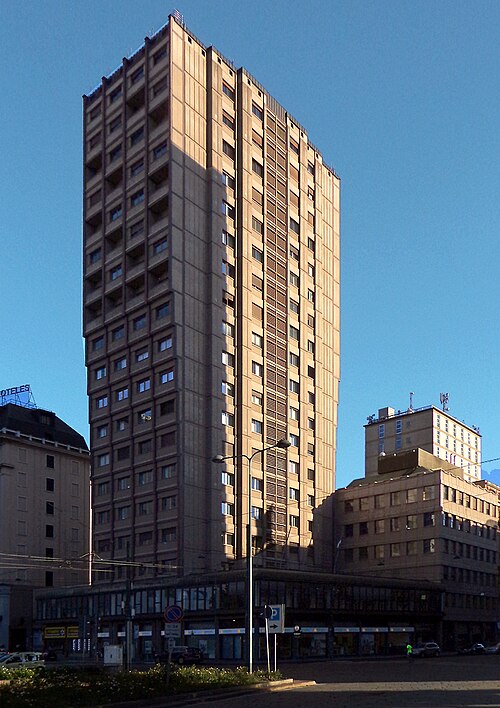
Torre Turati
Turati Tower, known locally as Torre Turati, is a prominent skyscraper in Milan, Italy. The building stands as a significant example of modern commercial architecture in the city's business district.
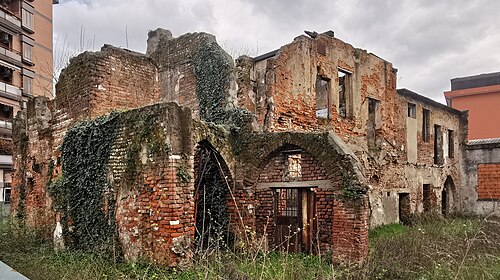
Monastero di San Nicolao
The Monastery of San Nicolao is a historic religious complex in Milan associated with Benedictine tradition.

Transatlantico Conte Biancamano
The bridge of the ocean liner Conte Biancamano is a preserved maritime heritage exhibit in Milan. The Conte Biancamano was a historic Italian transatlantic passenger ship, and this display preserves its command bridge as a visitor attraction.
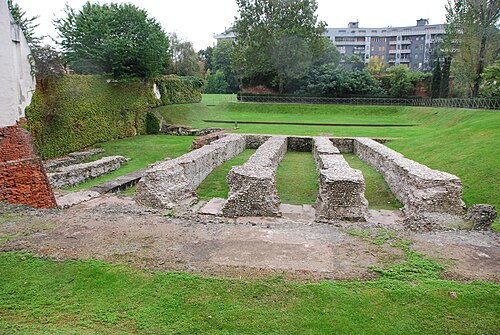
Anfiteatro Romano
The Anfiteatro Romano is Milan's ancient Roman amphitheatre, located in the city centre near Piazza dell'Amphiteatro. This archaeological site represents one of the most significant remnants of Mediolanum, the Roman settlement that preceded modern Milan.
Use the Duomo as the central reference point. The fashion quadrilateral and Brera are north of it, Castello Sforzesco and Parco Sempione are west, and the Navigli and Porta Ticinese districts are south and southwest. Milano Centrale is northeast of the old centre, while Porta Garibaldi serves the Porta Nuova business district. Grouping sights by these zones avoids repeated cross-city travel.
Checked 2026-08-26
Walk inside the historic centre and use ATM metro, tram and bus services for longer moves. Milan has five metro lines, while surface routes connect neighbourhoods beyond the rail corridors. Contactless bank cards and mobile devices can be used on ATM services, and the system calculates the applicable fare. Check the operator map before travelling to outer sites or changing fare zones.
Checked 2026-08-26
A fixed stay length is not recorded. Build the visit around the historic centre, Brera and the castle, then add Navigli, Porta Nuova or an outer attraction as time allows.
Yes. The Duomo, Galleria Vittorio Emanuele II, La Scala, Brera and Castello Sforzesco form a practical walking core, although the metro is useful for crossing between wider districts.
ATM operates the city's metro, tram, bus and trolleybus network. Use rail for cross-city movement and surface services where the metro does not directly reach the destination.
Yes. ATM accepts supported contactless cards and mobile devices on its services and calculates the applicable fare, provided the same payment method is used throughout the journey.
Treat Navigli, Porta Nuova, San Siro and other outer districts as separate clusters. They sit beyond the compact Duomo-Brera-castle core and usually require a dedicated transit leg.