.jpg)
01
45 min
Pantheon
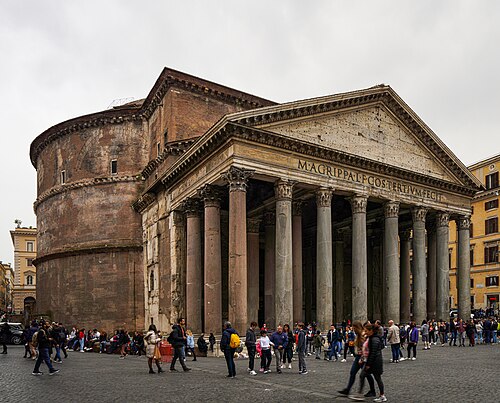
The Pantheon stands on Piazza della Rotonda in the middle of old Rome, and it is two things at once: a Roman temple and a working Catholic church.
- Must see
- Place of worship
Language · 11 published
City guide · Italy
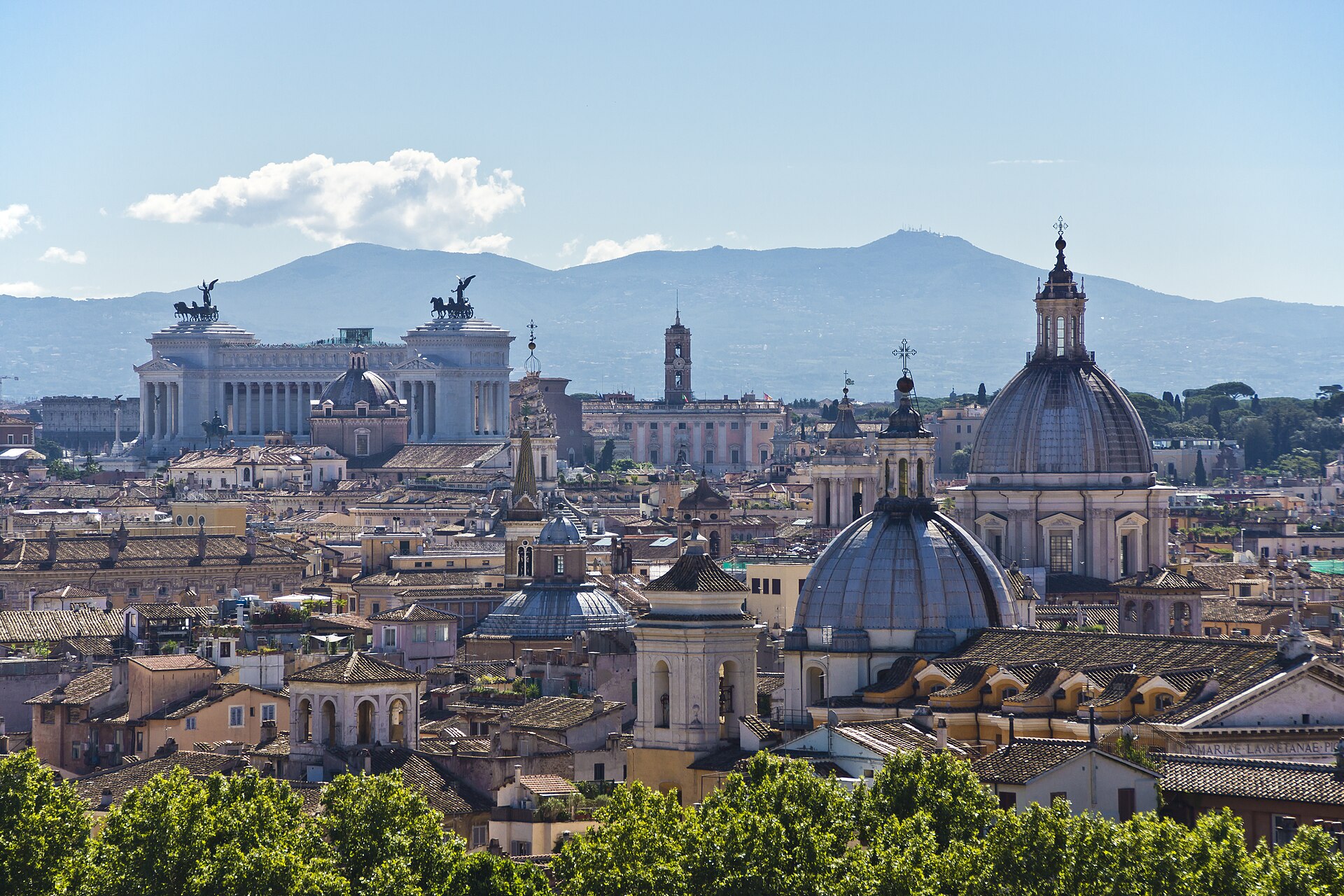
Rome is a broad historic city whose central archaeological, papal and baroque districts are close enough to walk but too dense to compress into one route. The Colosseum and forums, the Pantheon-Navona core, Vatican-Prati and Trastevere form separate clusters. Public transport handles longer links, yet much of a visit still happens on foot over uneven surfaces. Plan fewer major interiors per day and keep each route on one side of the Tiber where possible.
Reviewed by Elena Voss · Roavina Travel Editor
Set your days, your pace and the hours you actually want to be out. The planner works around closing days and travel time, and leaves room to eat.
Ranked by importance — sitelinks, pageviews and heritage status, not editor preference.
73 places match
Category
Typical visit duration
Interests
The Pantheon stands on Piazza della Rotonda in the middle of old Rome, and it is two things at once: a Roman temple and a working Catholic church.
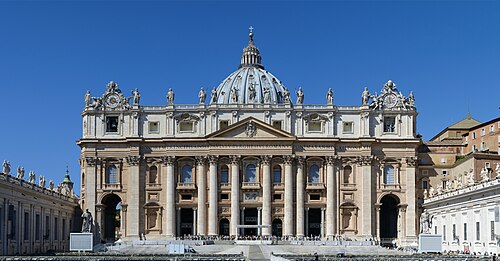
Basilica di San Pietro
St. Peter's Basilica, locally Basilica di San Pietro, stands as one of Rome's most prominent landmarks within Vatican City. This Renaissance church occupies a site of immense historical and religious significance in Christianity.
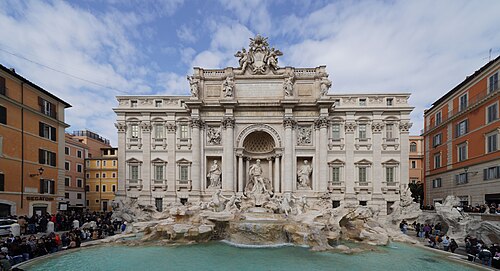
Fontana di Trevi
The Trevi Fountain is the terminal display, the mostra, of the Acqua Vergine — the aqueduct brought into Rome in 19 BC and the only one of the ancient aqueducts that has run without interruption to the present day.

Piazza Navona is a long oval-ended square in the historic centre of Rome, and its shape is not a design decision of the Baroque period but the footprint of a Roman building.
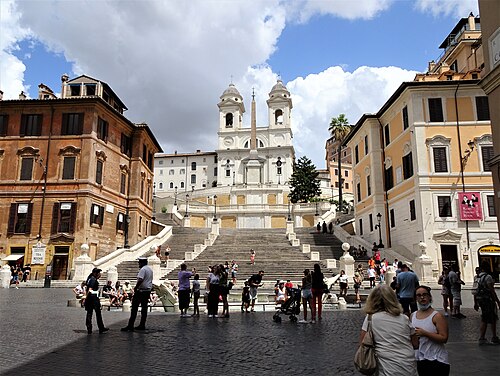
Scalinata della Trinità dei Monti
The Spanish Steps are the staircase that carries Piazza di Spagna up the slope of the Pincio hill to the church of Santissima Trinità dei Monti standing above it.
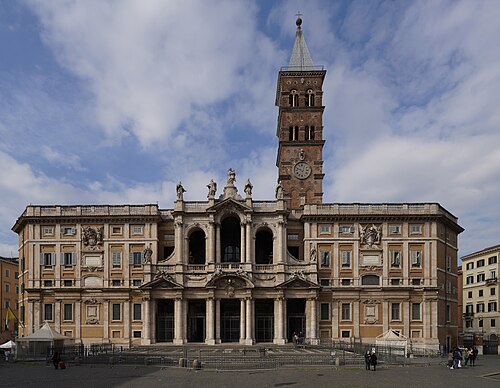
The Basilica of Saint Mary Major, or Basilica di Santa Maria Maggiore, is one of Rome’s four major basilicas and the city’s largest Marian church.
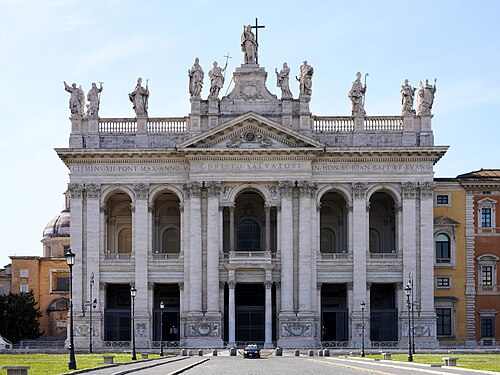
Basilica di San Giovanni in Laterano
The Archbasilica of St. John Lateran is the cathedral church of Rome and the official ecclesiastical seat of the Pope.
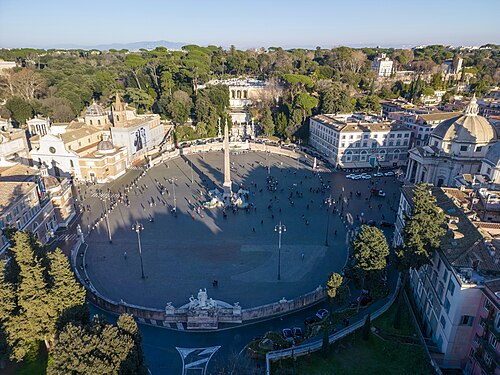
Piazza del Popolo is a large urban square in Rome, Italy. Its name derives from the poplar trees that once grew in the area, though some sources associate it with the Latin word populus meaning people.
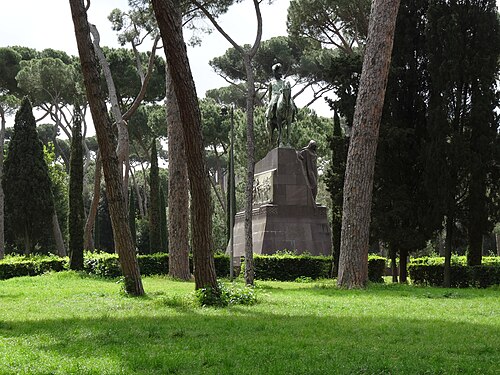
Villa Borghese
Villa Borghese is a large public park in central Rome, Italy. It covers substantial ground on the Pincian Hill and surrounding area, making it one of the city's most significant green spaces.
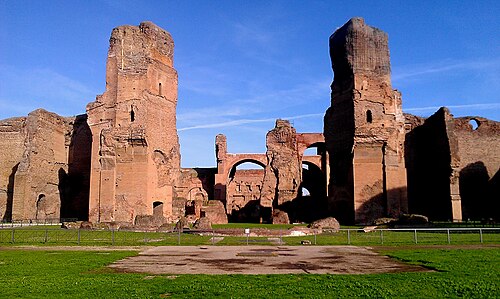
Terme di Caracalla
The Baths of Caracalla, known locally as Terme di Caracalla, constitute one of Rome's most substantial surviving ancient bath complexes.
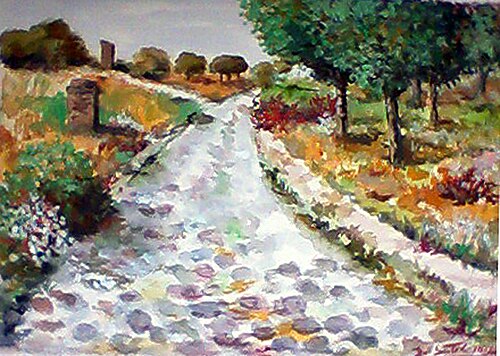
Via Appia Antica
The Appian Way, or Via Appia Antica, is one of ancient Rome’s oldest roads. Construction began in 312 BCE, creating a military and commercial route from Rome toward Brindisi in southeastern Italy.
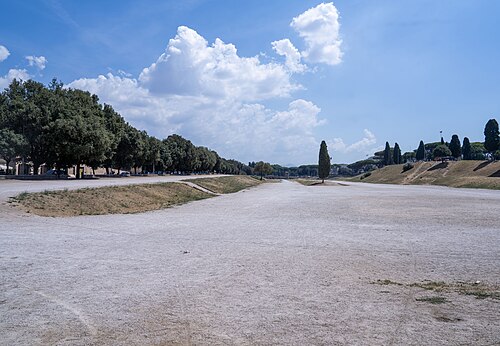
Circo Massimo
Circus Maximus, known locally as Circo Massimo, is an ancient Roman chariot racing stadium and mass entertainment venue situated in the valley between the Aventine and Palatine hills in Rome.
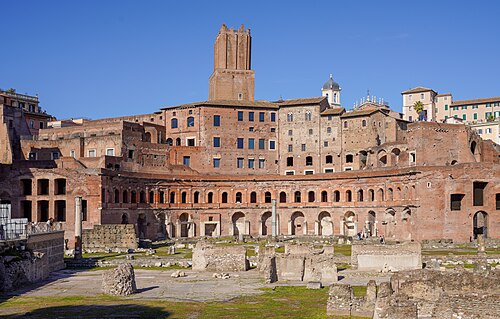
Mercati di Traiano
Trajan's Market, known locally as Mercati di Traiano, constitutes an extensive complex of ruins in Rome traditionally associated with commercial and administrative functions. The structure forms part of the broader Forum of Trajan archaeological zone.
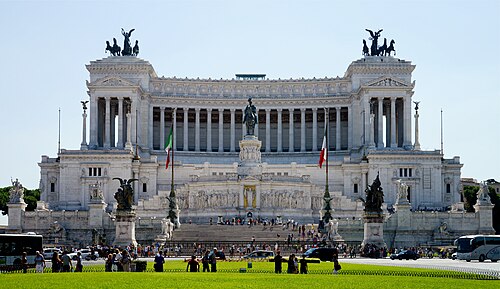
The Altare della Patria, formally known as the Monumento Nazionale a Vittorio Emanuele II, is a prominent national monument in central Rome.
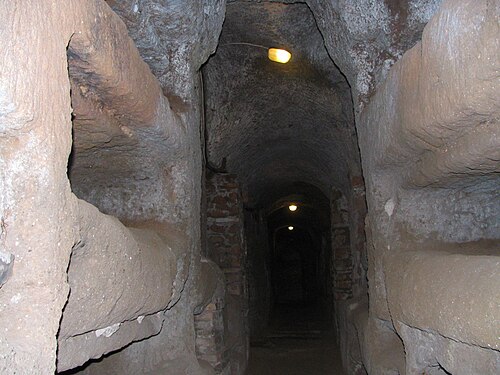
Catacombe di San Callisto
The Catacomb of Callixtus, locally known as Catacombe di San Callisto, constitutes one of Rome's most significant early Christian burial complexes.
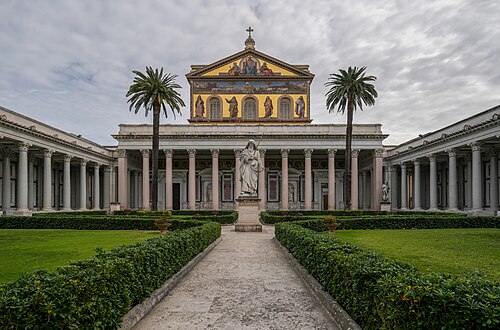
Basilica di San Paolo fuori le mura
The Basilica of Saint Paul Outside the Walls is one of Rome’s four major papal basilicas.
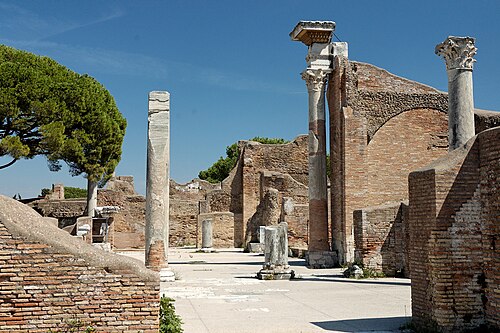
Ostia Antica
Ostia Antica is a large archaeological site located near Rome, preserving the remains of the ancient port city of Ostia.
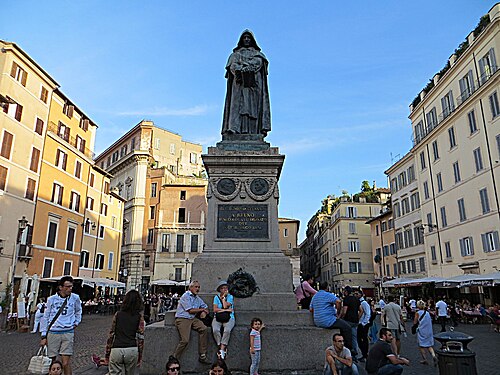
Campo de' Fiori is a rectangular public square in central Rome, south of Piazza Navona. Its name translates to Field of Flowers, reflecting its medieval origins as a meadow before urban development.
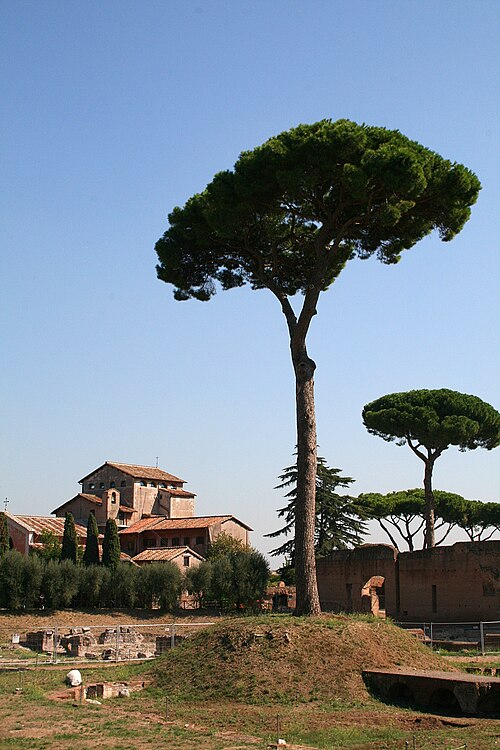
Palatino
Palatino is one of Rome's seven hills and the centremost of the famous trio that includes Capitoline and Aventine. Archaeological evidence indicates human settlement here dating to approximately the tenth century BCE.
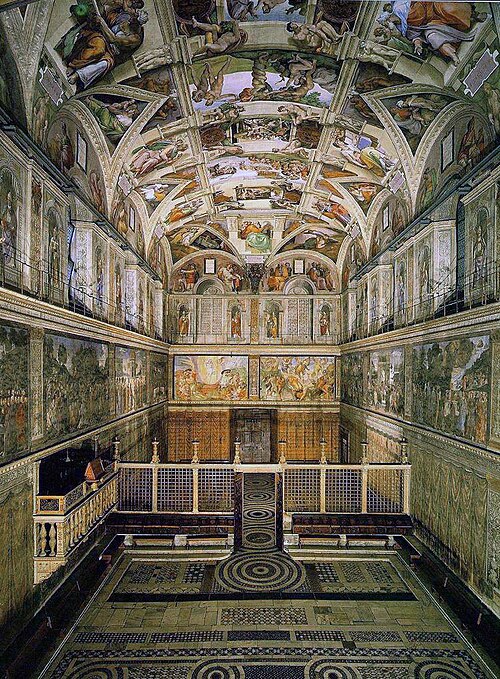
Cappella Sistina
The Sistine Chapel, known locally as Cappella Sistina, is a chapel in the Apostolic Palace within Vatican City. It serves as the site of the Papal conclave, where new popes are elected.
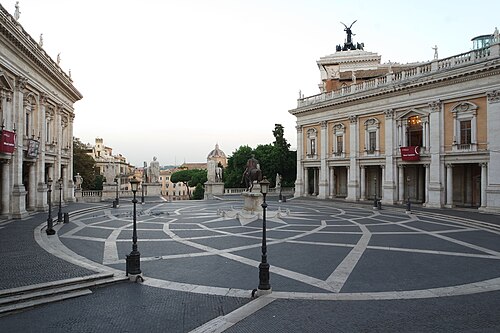
Piazza del Campidoglio is a public square atop the Capitoline Hill in Rome, Italy. Designed by Michelangelo in the 16th century, it represents one of the most significant examples of Renaissance urban planning.

The Bocca della Verità is a large ancient marble mask set into the wall of the portico of the church of Santa Maria in Cosmedin in Rome.

Catacombe di San Sebastiano
The Catacombs of San Sebastiano are an ancient underground cemetery complex beside the Appian Way. The site takes its name from Saint Sebastian, the Christian martyr traditionally associated with burial here.
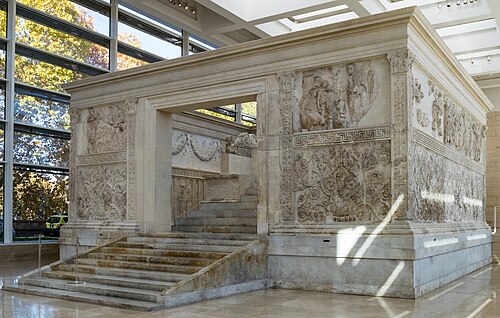
Ara Pacis Augustae
The Ara Pacis Augustae is an ancient Roman altar dedicated to Pax, the goddess of peace.
Piazza di Spagna is a prominent public square in Rome's historic centre, named after the Spanish Embassy to the Holy See.
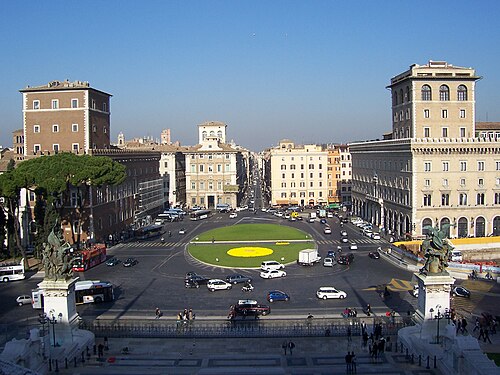
Piazza Venezia is a major central square in Rome, Italy, located at the foot of the Capitoline Hill.
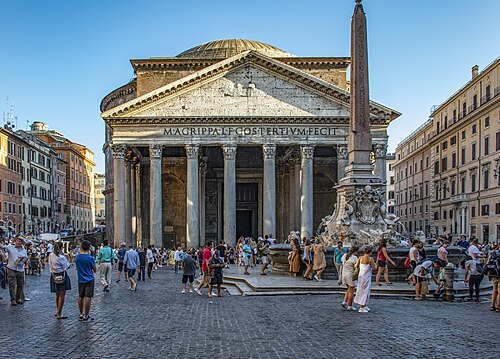
Piazza della Rotonda is a public square in the historic centre of Rome, Italy. The square takes its name from the Pantheon, the ancient Roman temple with its distinctive circular dome, which dominates the piazza.
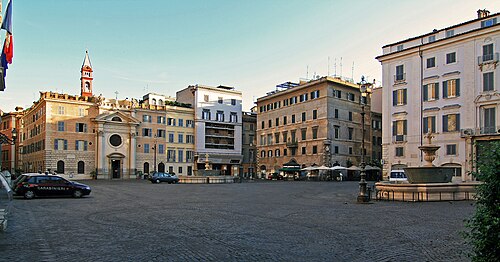
Piazza Farnese is a historic square in Rome's Regola district, taking its name from the imposing Palazzo Farnese that dominates its northern flank. The square developed during the Renaissance as an expression of papal power and architectural ambition.

Piazza Mattei is a small square in Rome's historic Jewish Ghetto district, situated between Via della Reginella and Via dei Funari. The piazza takes its name from the Mattei family, a prominent Roman noble house.
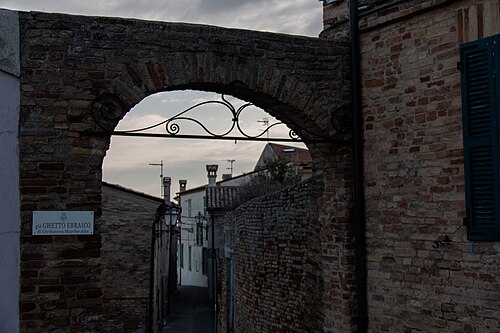
Ghetto ebraico
The Roman Jewish Ghetto is a historic district in Rome's Rione Sant'Angelo, established in 1555 by papal decree. It served as a compulsory residential area for the city's Jewish population until 1870.
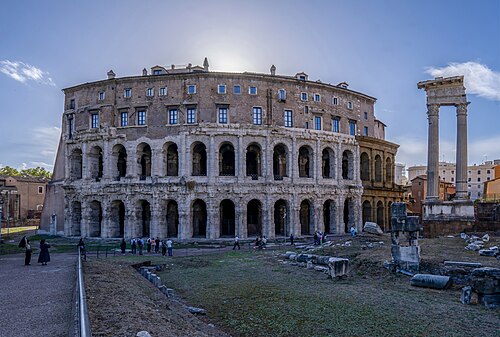
Teatro di Marcello
The Theatre of Marcellus is an ancient open-air theatre in Rome, Italy. Its local name is Teatro di Marcello. Construction began under Julius Caesar and was completed by Augustus in 13 BC, dedicated to his nephew Marcus Claudius Marcellus.
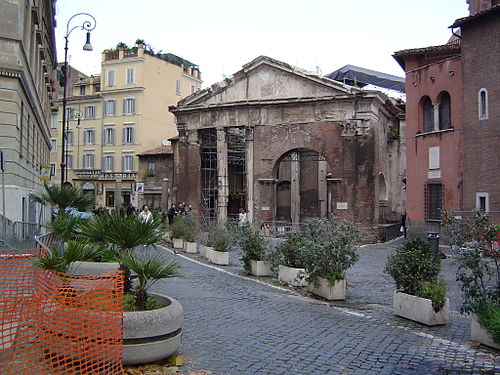
Portico d'Ottavia
The Porticus Octaviae, known locally as Portico d'Ottavia, is an ancient Roman portico in the heart of Rome's Jewish Ghetto.
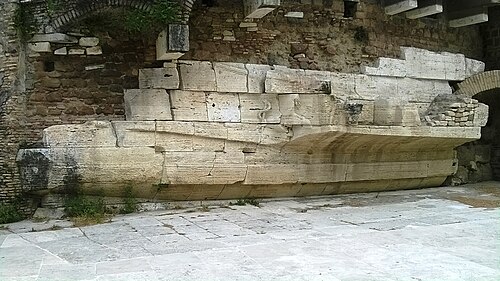
Isola Tiberina is the only island in the Tiber River within Rome's historic centre.
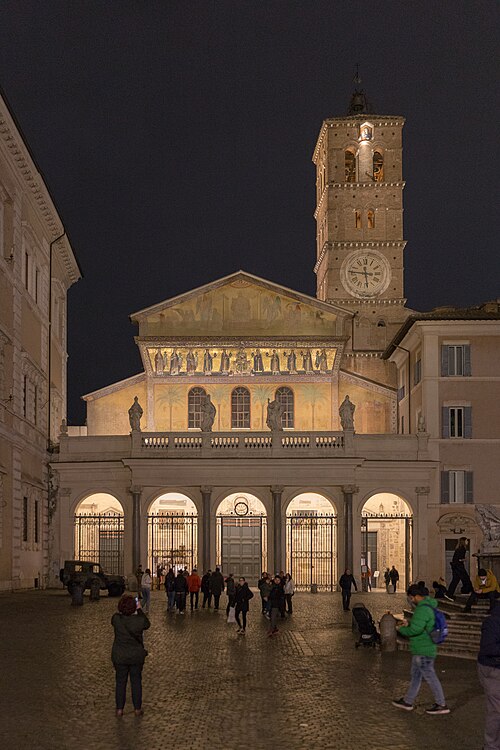
Basilica di Santa Maria in Trastevere
Santa Maria in Trastevere is a basilica dedicated to the Virgin Mary in the heart of Rome’s Trastevere district.
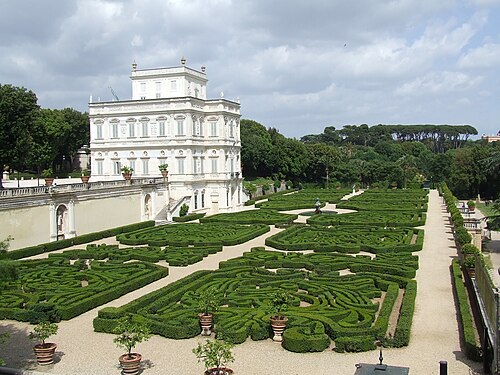
Villa Doria Pamphilj
Villa Doria Pamphili is a historic villa and extensive public park in Rome, Italy. It is among the largest landscaped public parks in the city, situated on the Gianicolo hill.
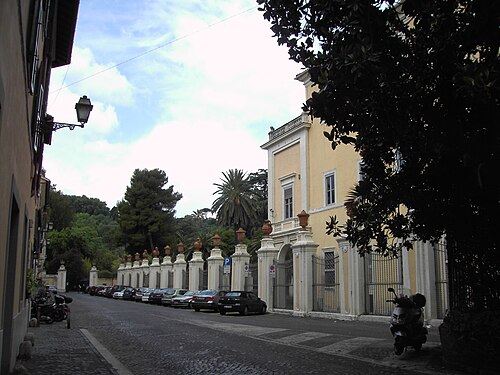
Orto Botanico
The Botanical Garden of Rome, or Orto Botanico, occupies the slopes of Janiculum Hill in Trastevere. It is a university botanical garden and a historic landscape descended from the grounds of Palazzo Corsini.
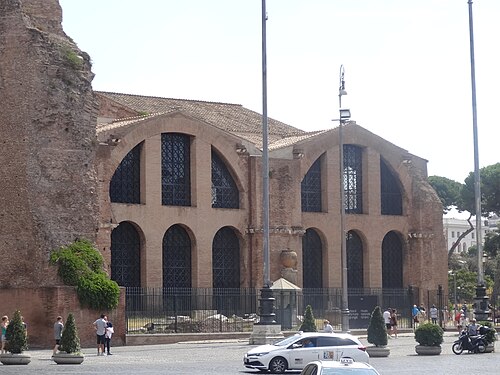
Terme di Diocleziano
The Baths of Diocletian, known locally as Terme di Diocleziano, constitute one of ancient Rome's most massive bath complexes. Constructed between 298 and 306 CE, these public baths were commissioned by Emperor Maximian and named after his co-emperor Diocletian.

The Crypta Balbi is a museum and archaeological complex in Rome, Italy. It stands on the site of the ancient Theatre of Balbus, built by Lucius Cornelius Balbus in 13 BCE.
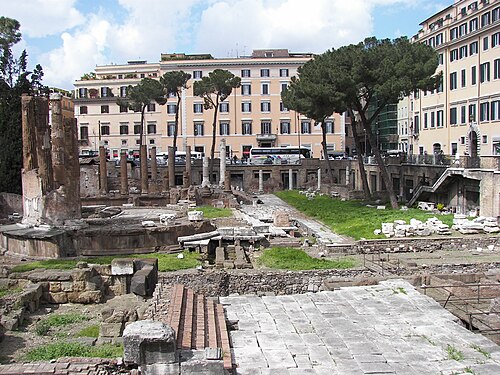
Largo di Torre Argentina
Largo di Torre Argentina is a square in Rome that contains the remains of four Republican-era temples and the Theatre of Pompey. The ruins were uncovered during demolition work in the 1920s.
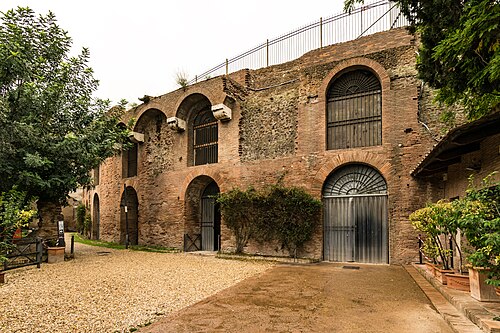
The Domus Aurea, or Golden House, was the vast palace built by Emperor Nero after the Great Fire of Rome in 64 AD.
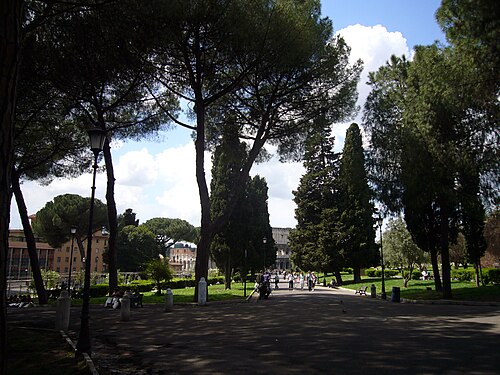
Parco del Colle Oppio
Oppian Hill Park, or Parco del Colle Oppio, is a public green space on Rome’s historic Oppian Hill in the Monti district.
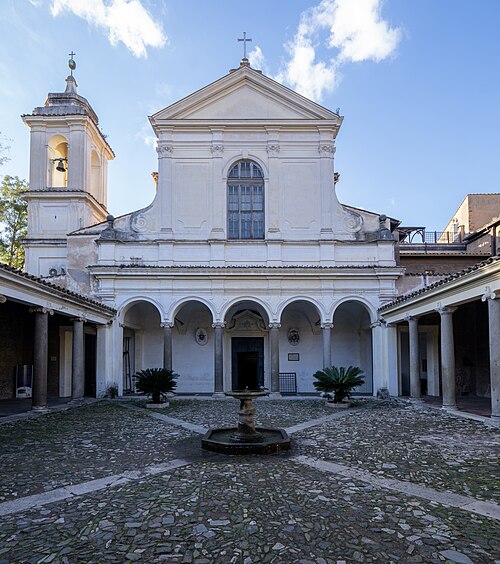
Basilica di San Clemente al Laterano
The Basilica of San Clemente is a layered historical church near the Colosseum in Rome. The present structure dates from the twelfth century, built over a fourth-century basilica, which itself covers Roman-era buildings including a mithraeum.
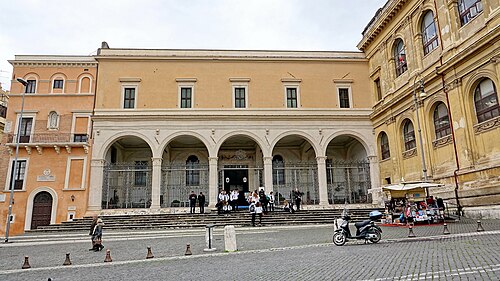
Basilica di San Pietro in Vincoli
San Pietro in Vincoli is a basilica in Rome, officially named Basilica di San Pietro in Vincoli. The church stands on the Oppian Hill near the Colosseum.
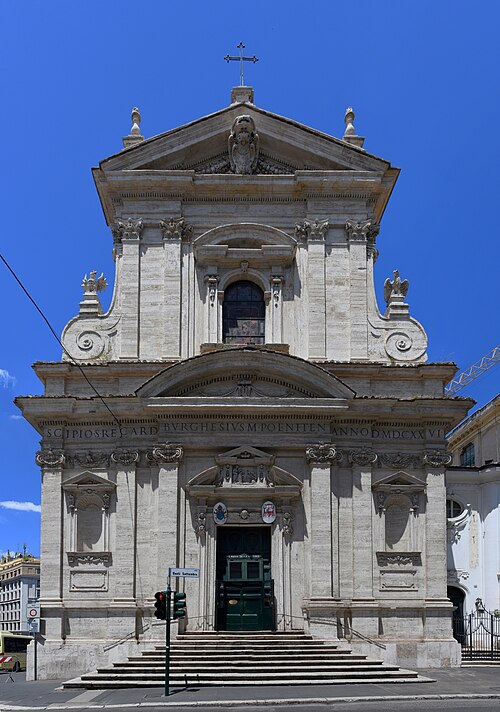
Santa Maria della Vittoria is a Roman Catholic titular church and minor basilica in Rome, Italy. The church was begun in 1608 and completed in 1620.
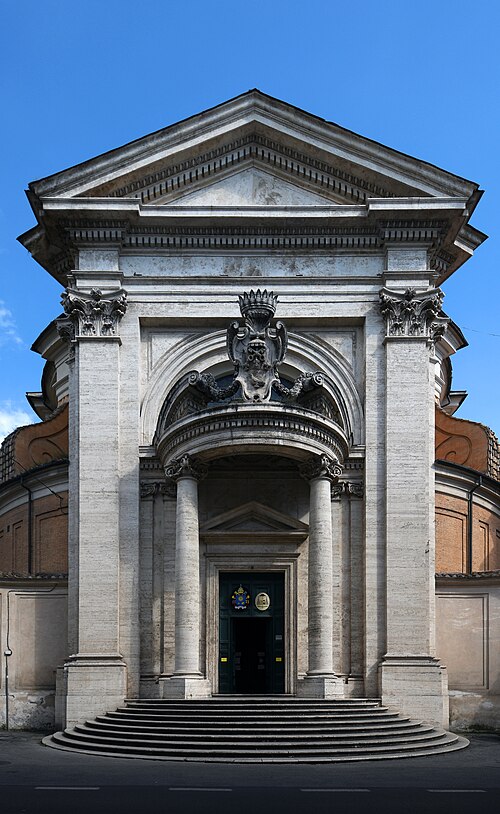
Chiesa di Sant'Andrea al Quirinale
Sant'Andrea al Quirinale is a Jesuit church on Rome’s Quirinal Hill, designed by Gian Lorenzo Bernini and completed in the late seventeenth century. Dedicated to Saint Andrew the Apostle, it is one of Bernini’s most accomplished religious buildings.
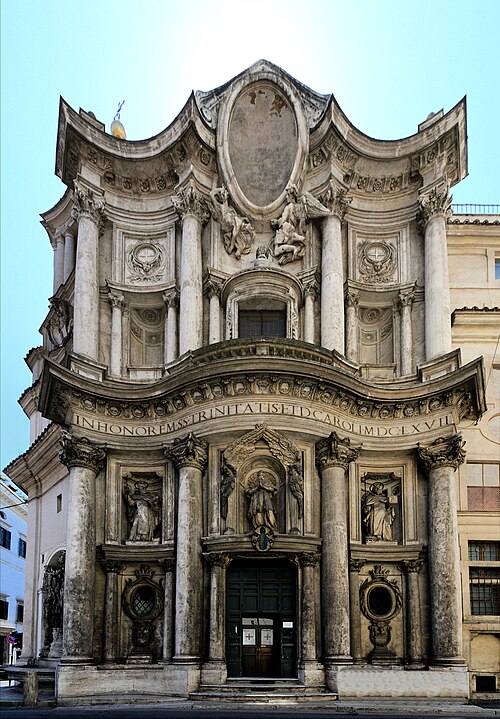
San Carlo alle Quattro Fontane
San Carlo alle Quattro Fontane, known in English as Saint Charles at the Four Fountains, is a Baroque church in Rome designed by Francesco Borromini.
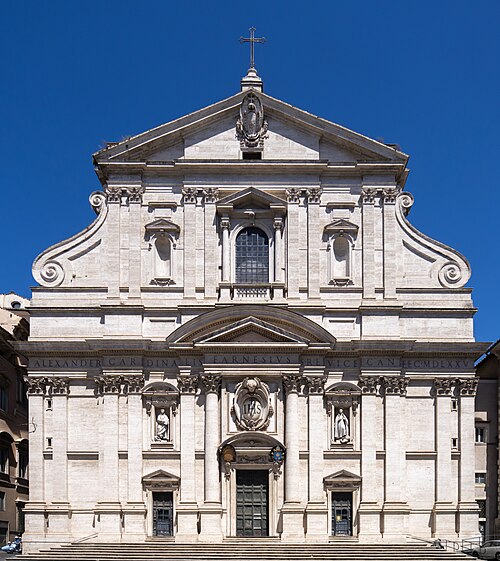
Chiesa del Gesù
The Church of the Gesù, or Chiesa del Gesù, is the mother church of the Society of Jesus in Rome. The church is a major Baroque landmark and an architectural model for Jesuit churches around the world.
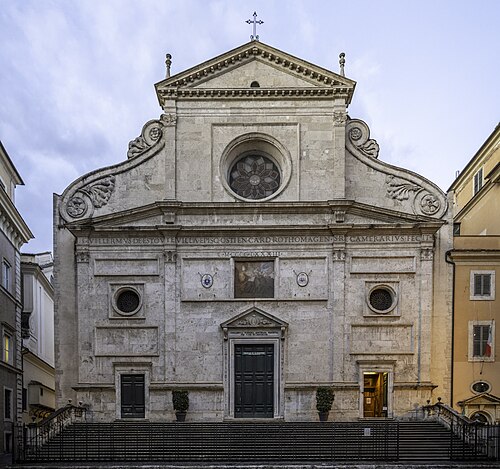
Basilica di Sant'Agostino
The Basilica of Saint Augustine, or Basilica di Sant'Agostino, is a Roman Catholic church near Piazza Navona in Rome's historic centre. Dedicated to Saint Augustine of Hippo, it sits within the Campo Marzio district's dense collection of historic religious buildings.

Chiesa di San Luigi dei Francesi
San Luigi dei Francesi is Rome’s national church of France, located between the Pantheon and Piazza Navona in the historic centre.
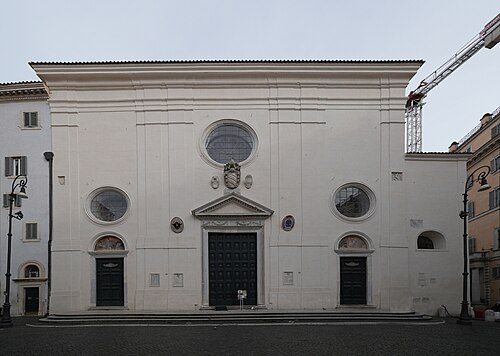
Basilica di Santa Maria sopra Minerva
Santa Maria sopra Minerva, also called Basilica di Santa Maria sopra Minerva, is a Dominican basilica near the Pantheon in Rome’s historic centre. Its Gothic structure stands out in a city known for Renaissance and Baroque buildings.
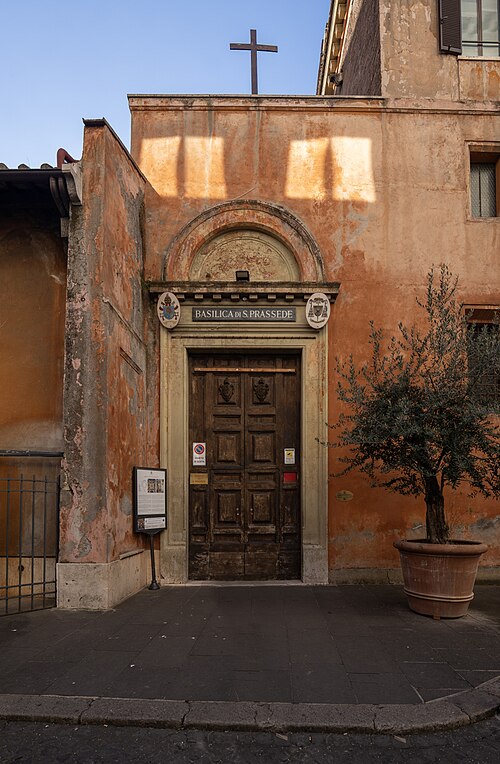
Basilica di Santa Prassede
Santa Prassede, known locally as Basilica di Santa Prassede, is a basilica church in Rome. It stands as a historic religious building within the urban fabric of the city.
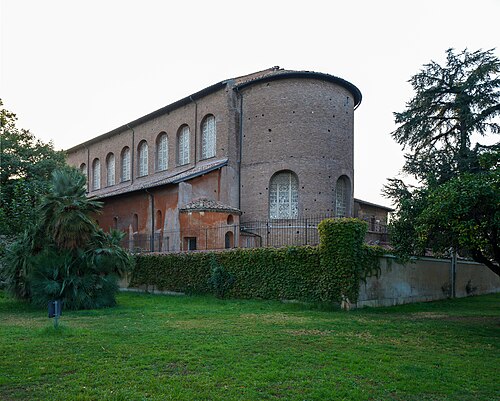
Basilica di Santa Sabina all'Aventino
Basilica of Saint Sabina stands on Rome’s Aventine Hill and was built between 422 and 432 CE. It is one of the city’s best-preserved early Christian basilicas, retaining much of its fifth-century structure.
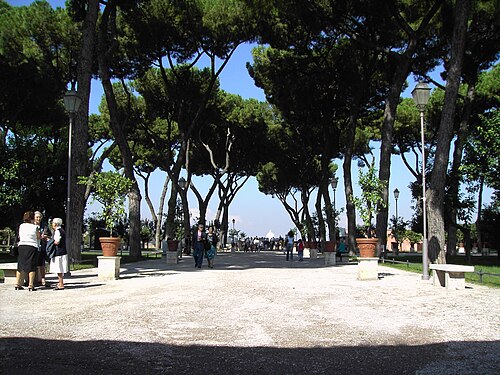
Giardino degli Aranci
The Orange Garden, or Giardino degli Aranci, is a compact public park on Rome’s Aventine Hill. Its elevated terrace opens across the city toward the dome of Saint Peter’s Basilica, making it one of Rome’s most rewarding short viewpoints.
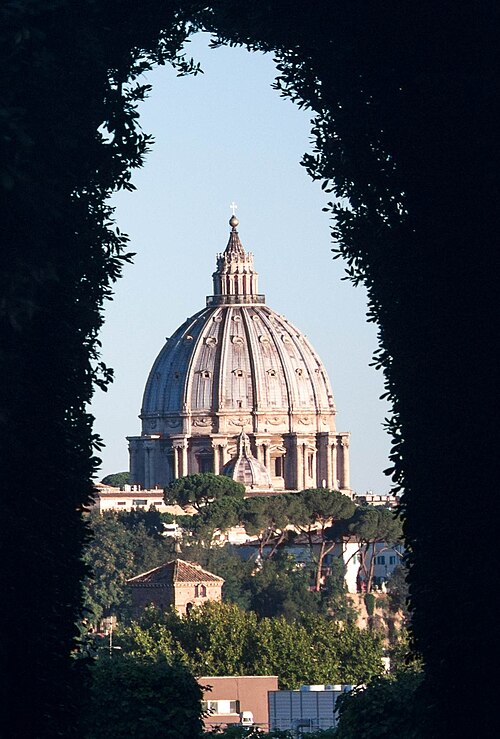
San Pietro dal Buco della serratura
The Aventine Keyhole is a peephole in the green door of the Priory of the Knights of Malta on Rome’s Aventine Hill.
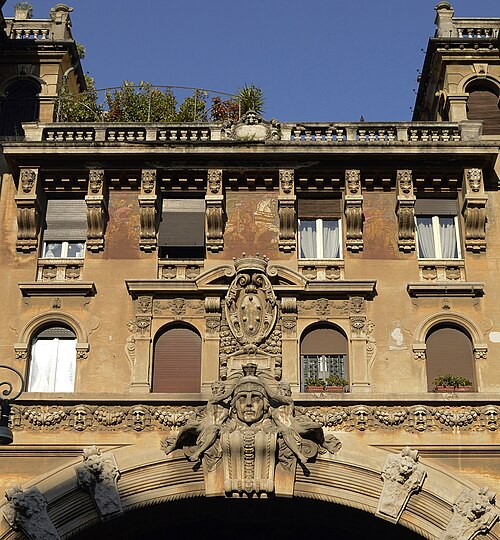
Quartiere Coppedè is an architectural enclave in Rome's Trieste district, conceived by Florentine architect Gino Coppedè between 1913 and 1927. The quarter spans roughly one block and represents a distinctive fusion of Art Nouveau, medieval, Baroque, and ancient Greek influences.
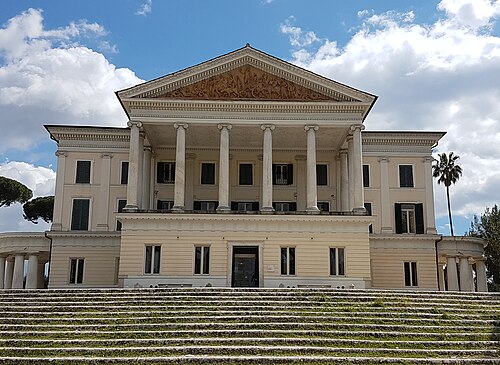
Villa Torlonia is a historic villa and public park in Rome, Italy. Originally a noble residence, it became state property and now serves as a cultural site with museums and gardens.
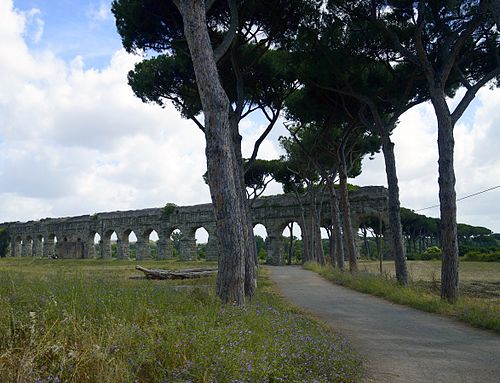
Parco degli Acquedotti is a public park in Rome's southeastern periphery, named for the ancient Roman aqueducts that traverse its terrain.
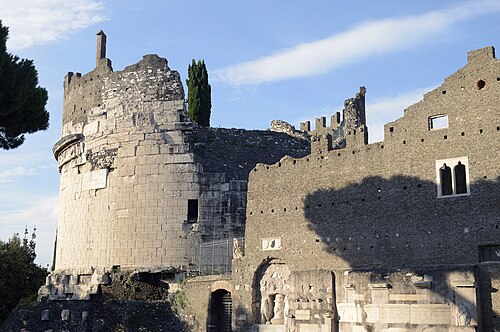
Mausoleo di Cecilia Metella
The Tomb of Cecilia Metella is a monumental cylindrical mausoleum beside the Via Appia Antica. Built in the first century BCE, it commemorates a woman from the powerful Caecilii Metelli family.
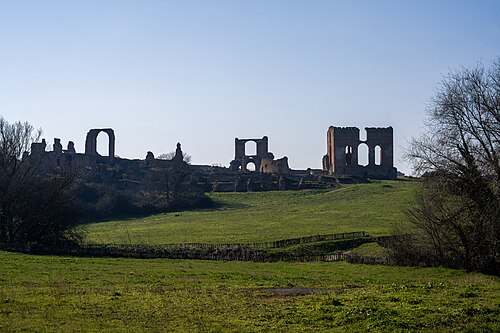
Villa dei Quintili
The Villa dei Quintili is a large Roman aristocratic estate on the Via Appia southeast of Rome. The Quintilii brothers, wealthy consuls in 151 CE, owned the residence before Emperor Commodus seized it and had them executed.
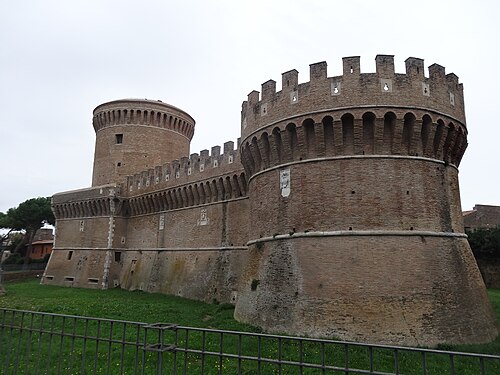
Castello di Giulio II
Rocca di Ostia, locally known as Castello di Giulio II, is a fortress in Rome's Ostia district. Built for Pope Julius II, it served military and defensive purposes near the ancient port of Ostia.
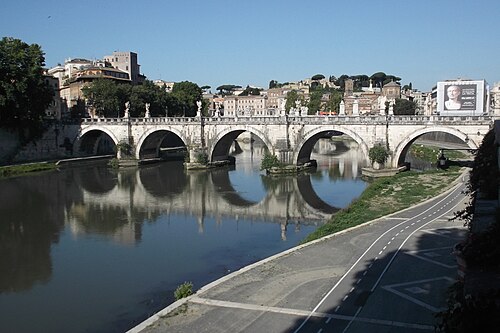
Ponte Sant'Angelo is a historic bridge spanning the Tiber River in Rome, connecting the city centre to the Castel Sant'Angelo.
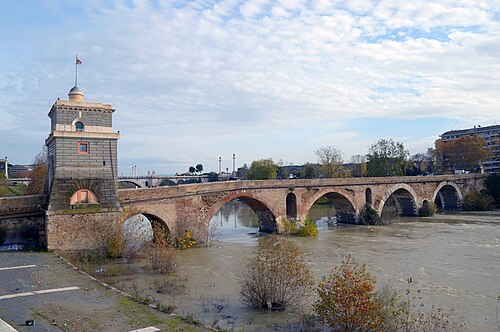
Ponte Milvio is an ancient Roman bridge spanning the Tiber River in northern Rome. The structure carries significant historical weight as the site of the pivotal Battle of the Milvian Bridge in 312 CE, where Constantine defeated Maxentius.
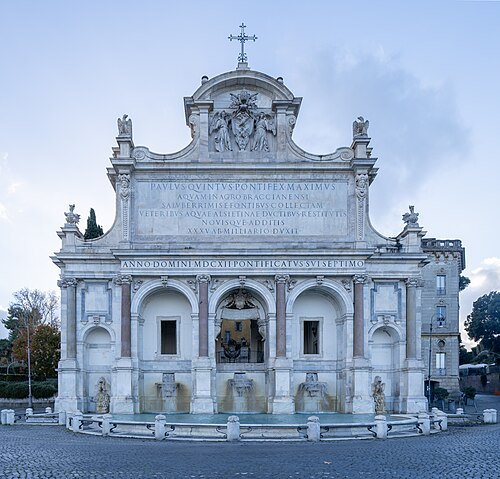
Fontana Dell'Acqua Paola
Fontana dell'Acqua Paola is a monumental Baroque fountain located on the Janiculum Hill in Rome. Commissioned by Pope Paul V and completed in the early seventeenth century, it was built to mark the restoration of the ancient Trajan aqueduct.
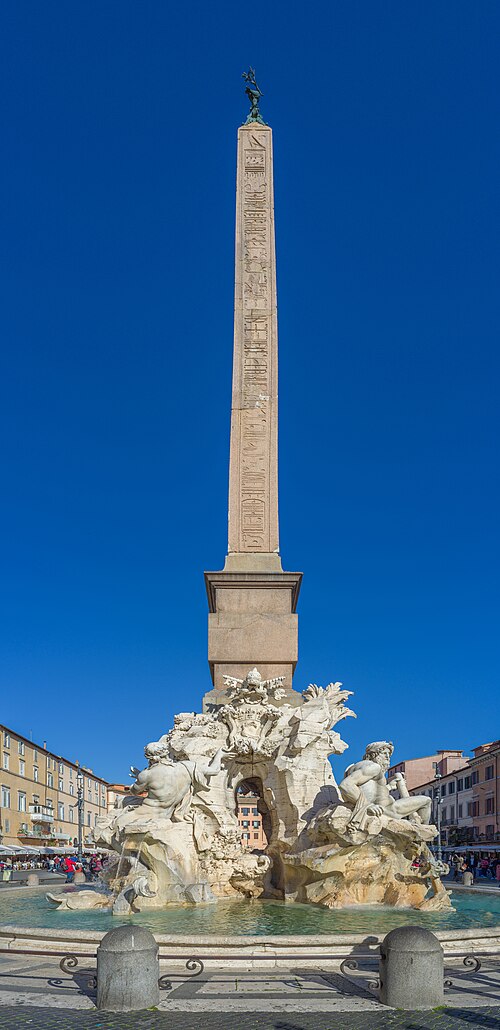
Fontana dei Quattro Fiumi
The Fontana dei Quattro Fiumi is a Baroque masterpiece designed by Gian Lorenzo Bernini and completed in 1651. It occupies the center of Piazza Navona, one of Rome's most celebrated public squares.
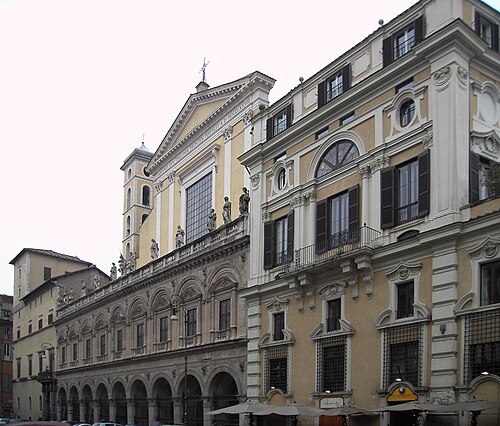
Palazzo Colonna is a historic palace in Rome, Italy, belonging to the Colonna family, one of the oldest and most prominent noble families in the city.
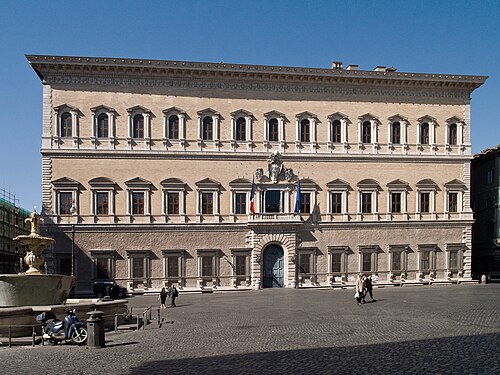
Palazzo Farnese is a monumental High Renaissance palace on Piazza Farnese in Rome’s historic centre. The Farnese family commissioned the building, and Antonio da Sangallo the Younger began its design before Michelangelo contributed important later elements.
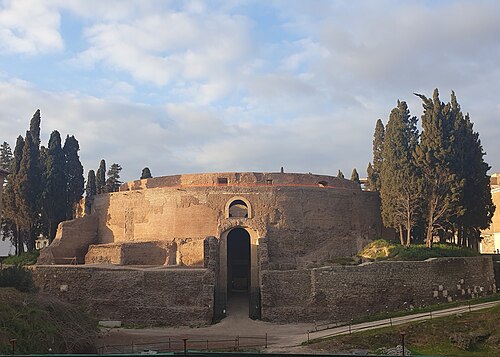
Mausoleo di Augusto
The Mausoleum of Augustus is a large circular tomb built as the final resting place of Emperor Augustus, the first Roman emperor.
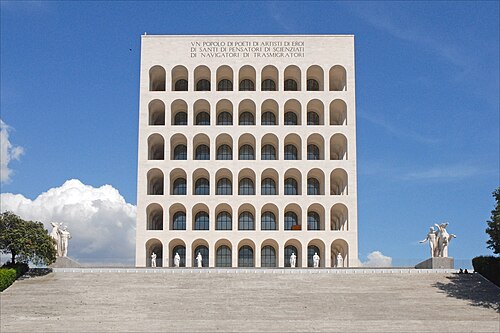
Palazzo della Civiltà del Lavoro
The Palazzo della Civiltà Italiana, also known locally as Palazzo della Civiltà del Lavoro, stands as an iconic monument of Rome's EUR district.
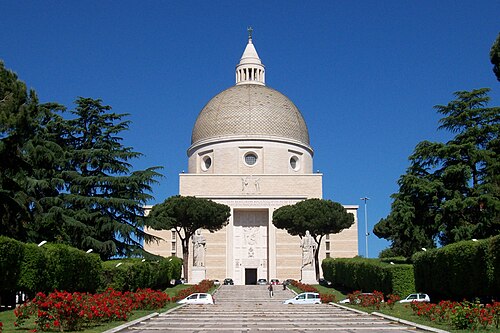
Basilica parrocchiale dei Santi Pietro e Paolo
The Basilica of Saints Peter and Paul is a Catholic church in Rome’s EUR district, dedicated jointly to the two apostles. Its twentieth-century modernist character sets it apart from the Baroque and Renaissance churches concentrated in the historic centre.
Pietà
Mosè
Santi Biagio e Carlo ai Catinari
Source: OpenStreetMap contributors, Wikidata ·
The historic centre lies east of the Tiber around the Pantheon, Piazza Navona, Campo de' Fiori and the Trevi-Spanish Steps axis. Southeast, the Colosseum, Roman Forum, Palatine, Aventine and Baths of Caracalla form the main archaeological corridor. Across the river, Vatican City and Prati sit north of Trastevere and the Janiculum. Termini, Monti and Esquilino form the transport-facing eastern centre, while the Appian Way, EUR and Ostia Antica are separate outings beyond the core. The official tourism map treats these as distinct visitor zones for good reason.
Checked 2026-08-26
Walk within the historic centre and use metro, tram or bus for the longer jumps. Rome's official tourism service notes that the public network connects the principal visitor sites, while the Metrebus system provides the common ticket framework. Metro coverage is useful for Termini, the Colosseum, the Vatican side and selected outer districts, but many central sights sit between stations. Buses fill those gaps and are vulnerable to road traffic. For the Appian Way or Ostia Antica, plan the complete outward and return connection before leaving the centre.
Checked 2026-08-26
Four to five days suit a first visit. Three days can cover the ancient core, the baroque centre and the Vatican side, while extra time allows the Appian Way, Ostia Antica or less compressed museum visits.
April through May and September through October generally offer more comfortable walking weather than midsummer. Rome remains busy in these periods, but lower heat matters because the historic centre is best explored on foot.
The central clusters are walkable, but the whole city is not. Use walking for the Pantheon-Navona area, the forums or Trastevere, then use public transport between those zones rather than linking every district on foot.
Keep the Colosseum, Forum and Palatine together; pair the Pantheon with Piazza Navona and Campo de' Fiori; and give the Vatican-Prati side its own day. Trastevere works naturally after a central river crossing.
No. Walking and the public transport network cover the principal visitor areas, while a car adds parking and restricted-access complications in the historic centre. Outer trips are generally better planned by rail, metro or bus.