Basilica di Santa Maria Maggiore
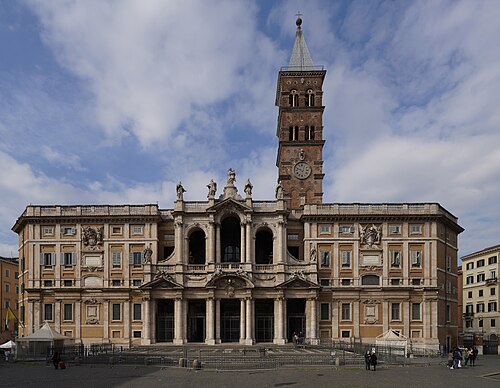
The Basilica of Saint Mary Major, or Basilica di Santa Maria Maggiore, is one of Rome’s four major basilicas and the city’s largest Marian church.
- Must see
- Place of worship
Language · 11 published
City guide · Italy
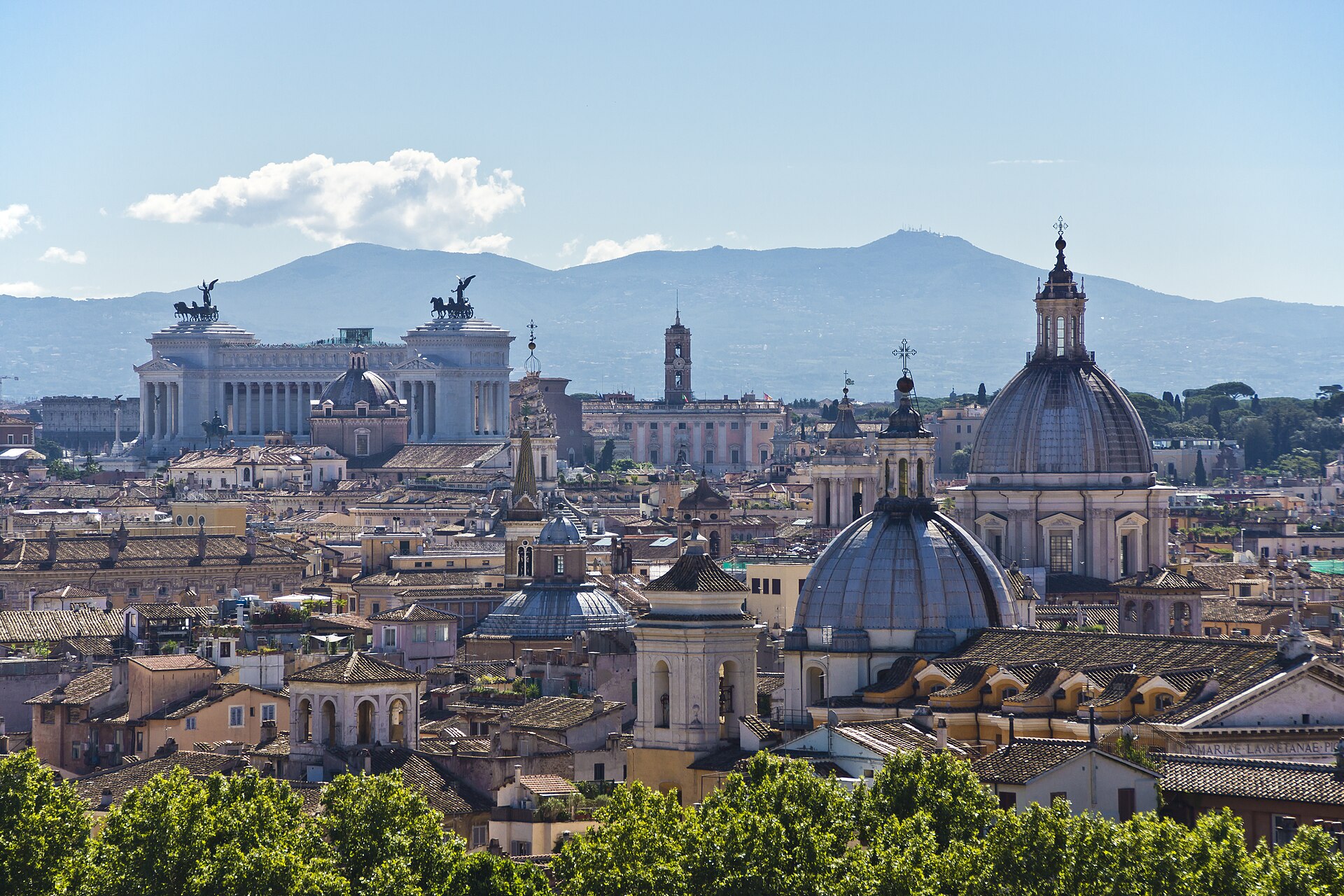
Rome is a broad historic city whose central archaeological, papal and baroque districts are close enough to walk but too dense to compress into one route. The Colosseum and forums, the Pantheon-Navona core, Vatican-Prati and Trastevere form separate clusters. Public transport handles longer links, yet much of a visit still happens on foot over uneven surfaces. Plan fewer major interiors per day and keep each route on one side of the Tiber where possible.
Reviewed by Elena Voss · Roavina Travel Editor
Set your days, your pace and the hours you actually want to be out. The planner works around closing days and travel time, and leaves room to eat.
Ranked by importance — sitelinks, pageviews and heritage status, not editor preference.
8 places match
Category
Typical visit duration
Interests
The Basilica of Saint Mary Major, or Basilica di Santa Maria Maggiore, is one of Rome’s four major basilicas and the city’s largest Marian church.
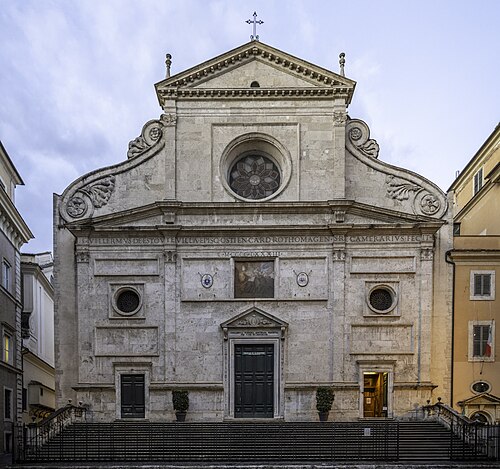
Basilica di Sant'Agostino
The Basilica of Saint Augustine, or Basilica di Sant'Agostino, is a Roman Catholic church near Piazza Navona in Rome's historic centre. Dedicated to Saint Augustine of Hippo, it sits within the Campo Marzio district's dense collection of historic religious buildings.
Basilica di Santa Sabina all'Aventino
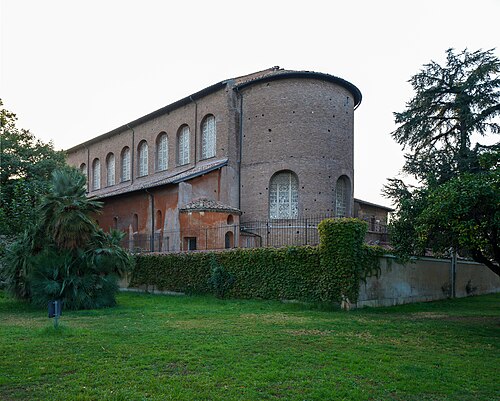
Basilica of Saint Sabina stands on Rome’s Aventine Hill and was built between 422 and 432 CE. It is one of the city’s best-preserved early Christian basilicas, retaining much of its fifth-century structure.
Basilica parrocchiale dei Santi Pietro e Paolo
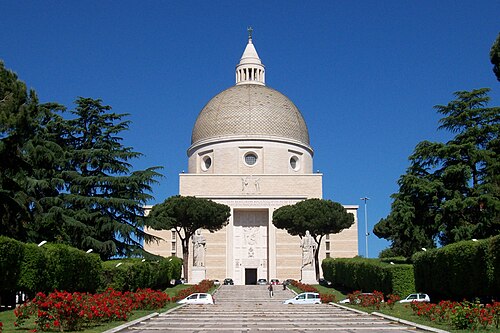
The Basilica of Saints Peter and Paul is a Catholic church in Rome’s EUR district, dedicated jointly to the two apostles. Its twentieth-century modernist character sets it apart from the Baroque and Renaissance churches concentrated in the historic centre.
Pietà
Mosè
Santi Biagio e Carlo ai Catinari
Source: OpenStreetMap contributors, Wikidata ·
The historic centre lies east of the Tiber around the Pantheon, Piazza Navona, Campo de' Fiori and the Trevi-Spanish Steps axis. Southeast, the Colosseum, Roman Forum, Palatine, Aventine and Baths of Caracalla form the main archaeological corridor. Across the river, Vatican City and Prati sit north of Trastevere and the Janiculum. Termini, Monti and Esquilino form the transport-facing eastern centre, while the Appian Way, EUR and Ostia Antica are separate outings beyond the core. The official tourism map treats these as distinct visitor zones for good reason.
Checked 2026-08-26
Walk within the historic centre and use metro, tram or bus for the longer jumps. Rome's official tourism service notes that the public network connects the principal visitor sites, while the Metrebus system provides the common ticket framework. Metro coverage is useful for Termini, the Colosseum, the Vatican side and selected outer districts, but many central sights sit between stations. Buses fill those gaps and are vulnerable to road traffic. For the Appian Way or Ostia Antica, plan the complete outward and return connection before leaving the centre.
Checked 2026-08-26
Four to five days suit a first visit. Three days can cover the ancient core, the baroque centre and the Vatican side, while extra time allows the Appian Way, Ostia Antica or less compressed museum visits.
April through May and September through October generally offer more comfortable walking weather than midsummer. Rome remains busy in these periods, but lower heat matters because the historic centre is best explored on foot.
The central clusters are walkable, but the whole city is not. Use walking for the Pantheon-Navona area, the forums or Trastevere, then use public transport between those zones rather than linking every district on foot.
Keep the Colosseum, Forum and Palatine together; pair the Pantheon with Piazza Navona and Campo de' Fiori; and give the Vatican-Prati side its own day. Trastevere works naturally after a central river crossing.
No. Walking and the public transport network cover the principal visitor areas, while a car adds parking and restricted-access complications in the historic centre. Outer trips are generally better planned by rail, metro or bus.