Rokkaku-dō Temple
頂法寺
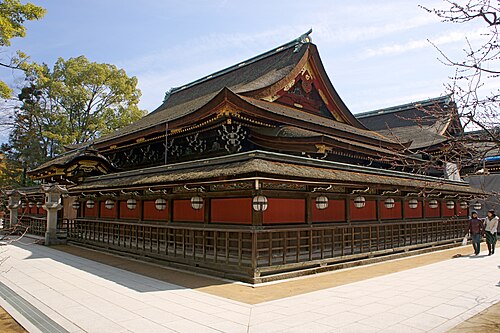
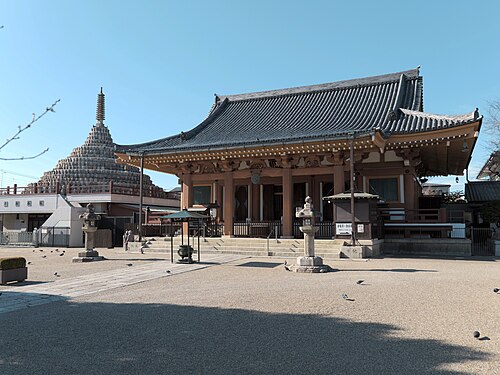
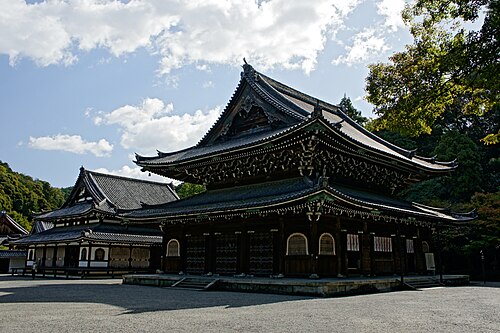
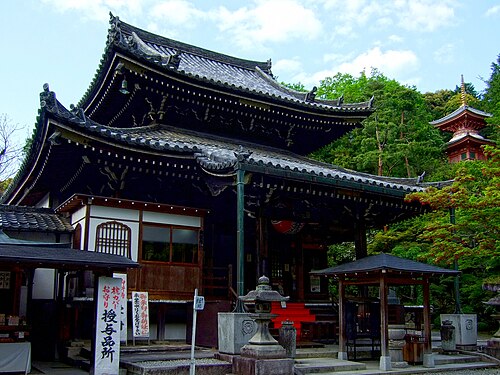
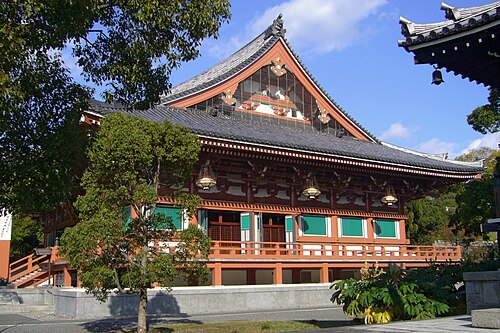
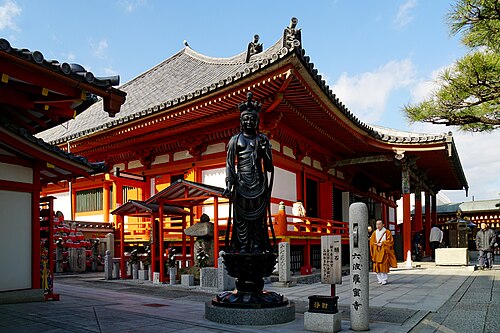
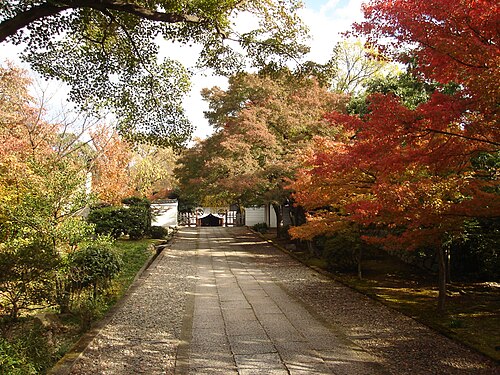
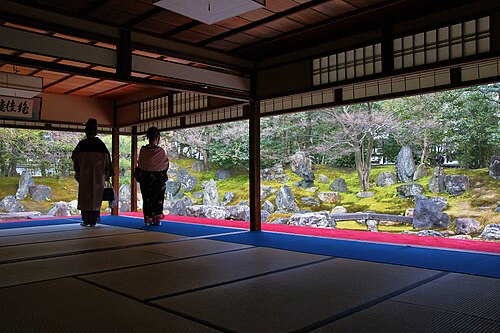
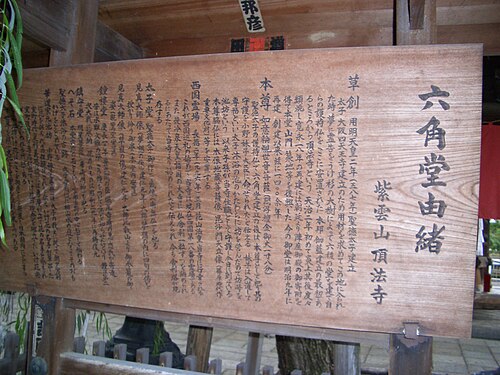
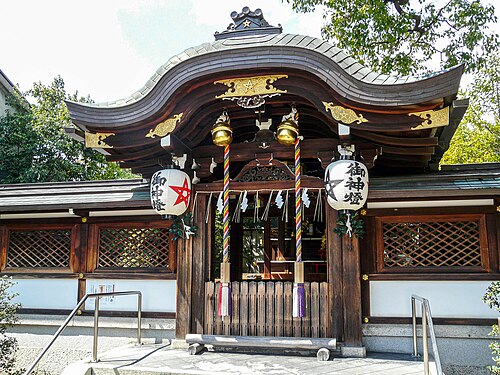
Rokkakudo, formally Chohoji, is a Buddhist temple in central Kyoto near the Karasuma and Sanjo streets. Its common name refers to the hexagonal form associated with the main hall: rokkaku means six angles.
- High
- Place of worship
City guide · Japan
Kyoto's major sights are distributed across the centre and four broad edges rather than concentrated in one old-town core. Downtown and Kyoto Station form the c...
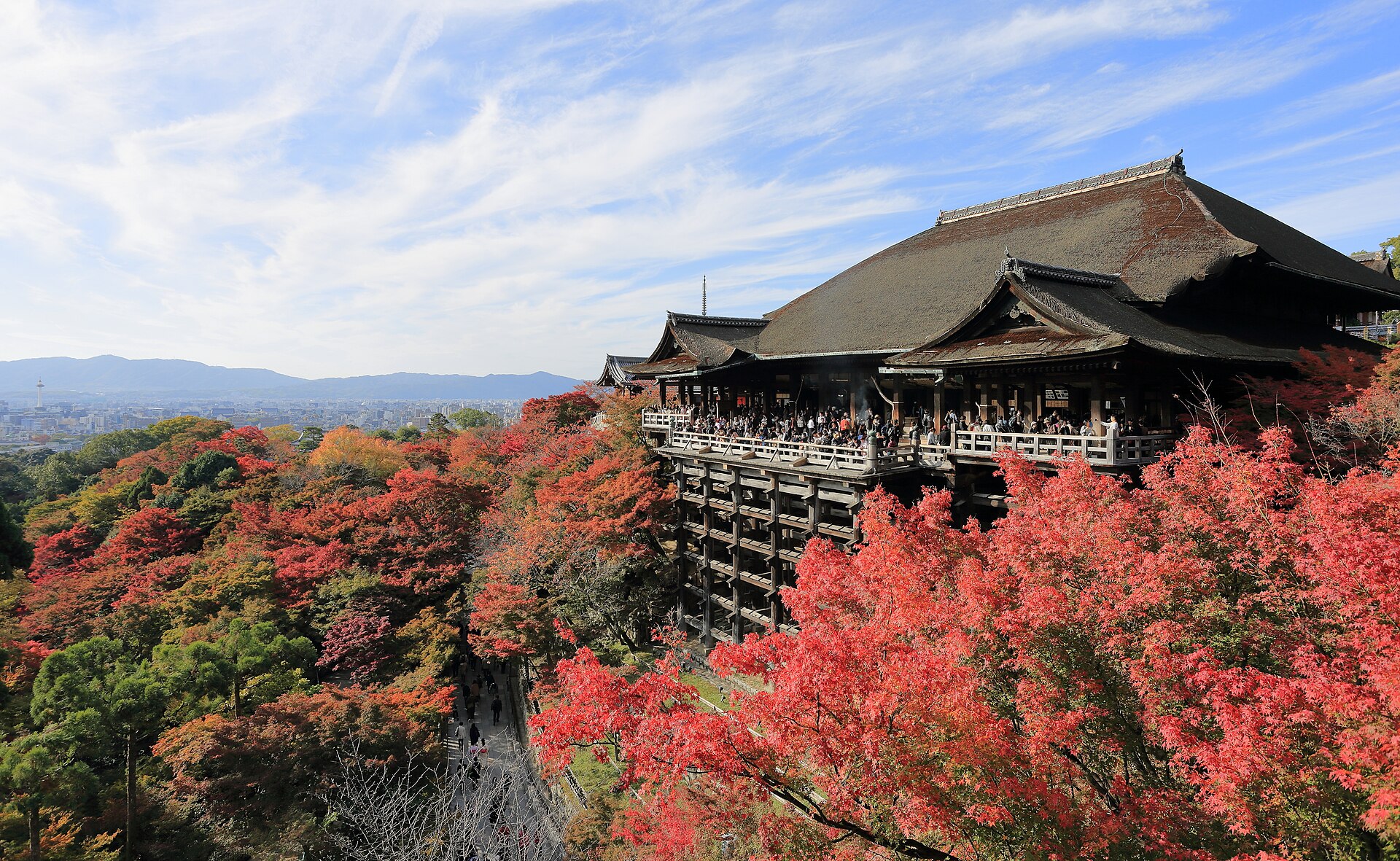
Photograph · Martin Falbisoner · CC BY-SA 4.0
Set your days, your pace and the hours you actually want to be out. The planner works around closing days and travel time, and leaves room to eat.
Reviewed by Elena Voss · Roavina Travel Editor
Kyoto's major sights are distributed across the centre and four broad edges rather than concentrated in one old-town core. Downtown and Kyoto Station form the central transport spine; Higashiyama and Gion lie east, Arashiyama lies west, and major temple districts extend north and south. Efficient visits combine nearby places and avoid returning through Kyoto Station between every stop.
Checked 2026-08-26
September · September in Kyoto has mean high 29.2°C and rainfall 178.5 mm. Rainfall or warmer afternoons are the manageable compromise. A mixed indoor-outdoor plan keeps a September visit to Kyoto comfortable.
Ranked by importance — sitelinks, pageviews and heritage status, not editor preference.
47 places match
Category
Typical visit duration
Interests
頂法寺
Rokkakudo, formally Chohoji, is a Buddhist temple in central Kyoto near the Karasuma and Sanjo streets. Its common name refers to the hexagonal form associated with the main hall: rokkaku means six angles.
晴明神社
Seimei Shrine is a Shinto shrine in Kyoto dedicated to Abe no Seimei, the Heian-period onmyoji associated with traditional Japanese esoteric cosmology.
北野天満宮
Kitano Tenmangu is a Shinto shrine in Kyoto, Japan, dedicated to Sugawara no Michizane, a scholar and politician of the Heian period who was later deified as Tenjin, the god of learning.
平野神社
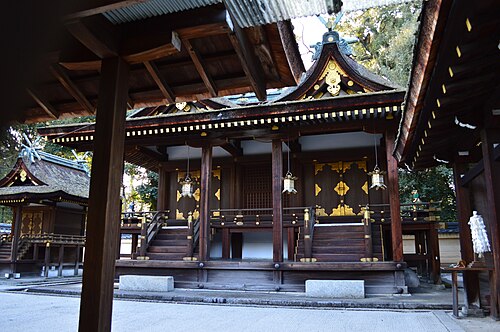
Hirano Shrine is a Shinto shrine in Kyoto, Japan. It holds historical significance as an ancient religious site with traditional architectural elements characteristic of Japanese shrine design.
妙心寺
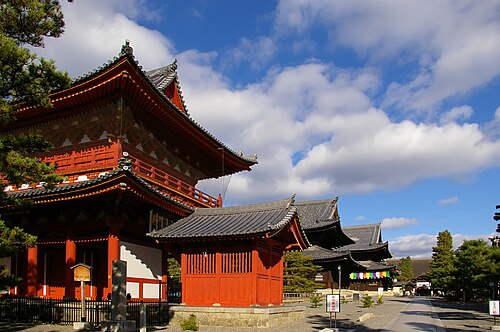
Myoshin-ji is a major Zen Buddhist temple complex in western Kyoto. It serves as the head temple of the associated branch of Rinzai Zen Buddhism.
広隆寺
Koryu-ji is a Buddhist temple in Kyoto’s Ukyo Ward and a fitting stop for travellers interested in the city’s long religious and artistic tradition.
壬生寺
Mibu-dera is a Buddhist temple in central Kyoto and the headquarters of the Yōgyō school, a branch of the Risshū tradition.
梅宮大社
Umenomiya Taisha is a Shinto shrine in Kyoto and part of the city’s extensive religious heritage. It is a place of worship as well as a destination for visitors interested in Japanese shrine architecture and customs.
城南宮
Jonangu Shrine is a Shinto shrine located in southern Kyoto, Japan. It is dedicated to the deified Emperor Nintoku and holds historical significance as a site associated with the protection of the capital.
藤森神社
Fujinomori Shrine is a Shinto shrine in Kyoto and a place where religious practice, traditional architecture and local cultural life meet. Visitors encounter an active sacred setting rather than a purely historical monument.
泉涌寺
Sennyu-ji is a Shingon Buddhist temple in Kyoto’s eastern Higashiyama area, known for its long connection with the imperial household.
今熊野観音寺
Imakumano Kannon-ji is an active Shingon Buddhist temple in Kyoto, dedicated to Kannon, the bodhisattva associated with compassion.
智積院
Chishaku-in is a Buddhist temple in Kyoto, Japan. It serves as the headquarters of the Shingon Buddhist Chizan sect. The temple occupies a significant position within Japanese religious architecture and cultural heritage.
六波羅蜜寺
Rokuharamitsu-ji is a historic Shingon Buddhist temple in Kyoto’s Higashiyama district. Its identity is rooted in religious practice and the long history of this eastern part of the city, where temples and traditional neighbourhoods stand close together.
養源院
Yogen-in is a Buddhist temple located in Kyoto, Japan. The temple belongs to the Rinzai school of Zen Buddhism and is associated with the larger Daitoku-ji temple complex in the northern part of the city.
圓徳院
Entoku-in is a Rinzai Zen sub-temple within the wider Kodai-ji complex in Kyoto’s Higashiyama district.
Central Kyoto includes Kyoto Station, downtown, Nishiki Market, Nijo Castle and the Imperial Palace area. Eastern Kyoto contains Higashiyama, Kiyomizu-dera, Gion, Okazaki and the Philosopher's Path. Arashiyama anchors the west, while Kinkaku-ji and northern temples need their own route. Fushimi and Fushimi Inari lie south. Build days around these geographic sectors instead of a single attraction list.
Checked 2026-08-26
Combine trains, subway and buses rather than relying on buses alone. Kyoto's official guide recommends using rail to approach major sightseeing districts, then transferring where needed, which reduces exposure to road congestion. Walk within Higashiyama, downtown or Arashiyama once there. Kyoto Station is useful for arrivals, but other JR stations may provide a more direct approach to specific districts.
Checked 2026-08-26
A fixed duration is not recorded. Plan by geographic sector and allow separate blocks for eastern Kyoto, central Kyoto, Arashiyama, the north and Fushimi.
Some are, but the major districts sit on different sides of the city. Higashiyama works as a walking cluster, while Arashiyama, northern temples and Fushimi require separate journeys.
No. The official guide recommends combining trains and buses. Rail often bypasses road congestion and can bring you closer to a district before a shorter transfer or walk.
Higashiyama and Gion form a strong walking corridor, as do parts of downtown around Nishiki Market. Reach the district first, then continue between nearby sights on foot.
No. The official guide notes that stations such as Nijo, Enmachi, Tofukuji and Yamashina can provide more direct approaches to particular sightseeing areas and reduce crowding.