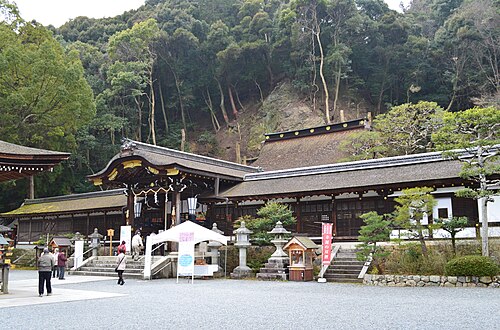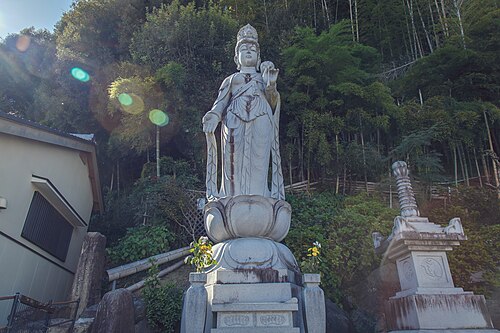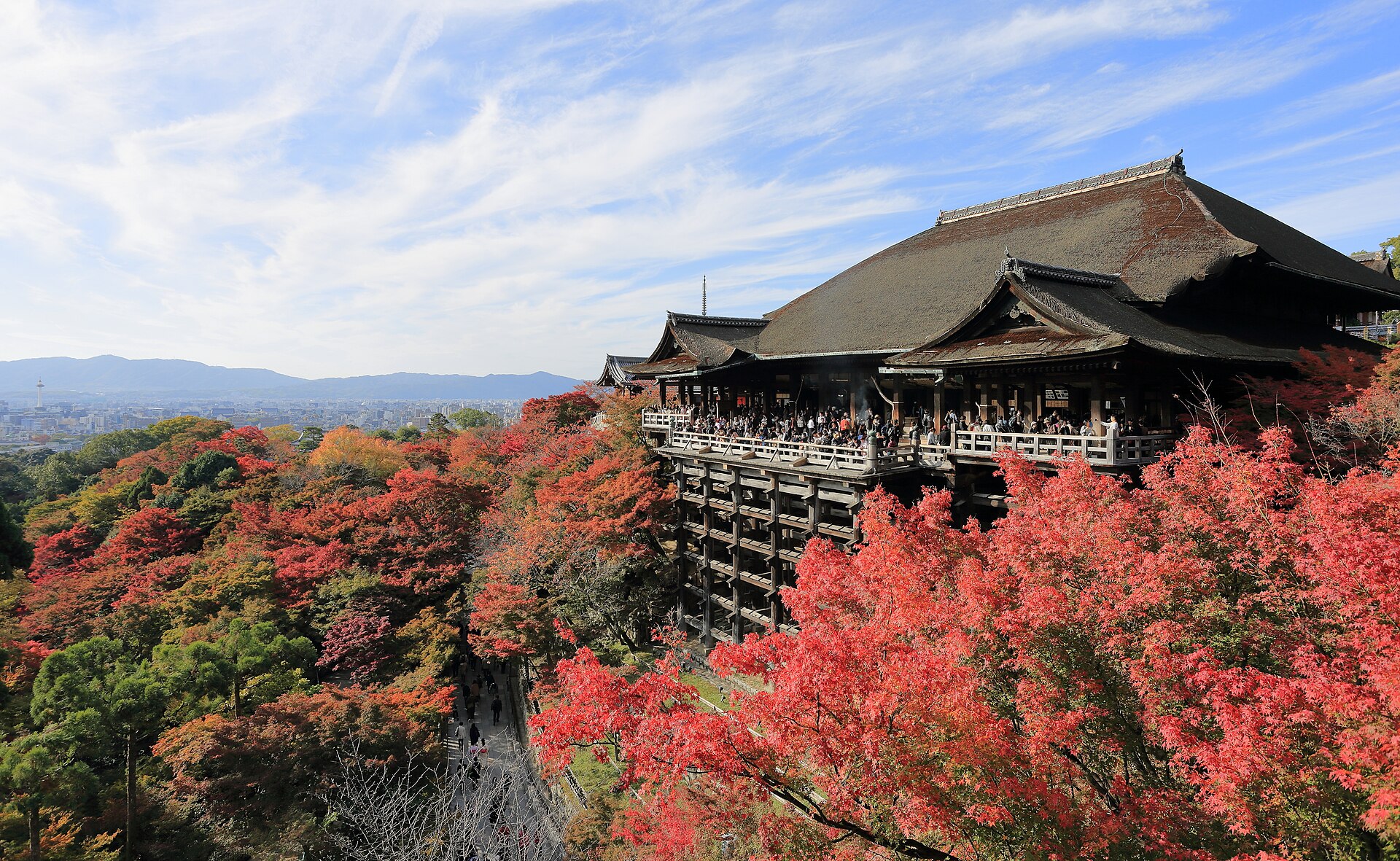
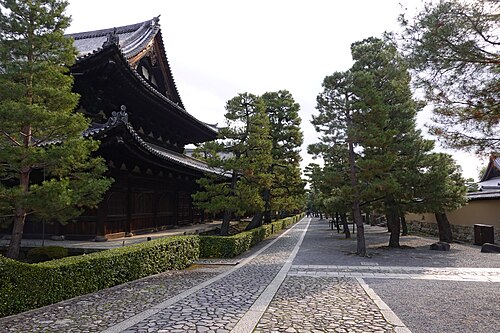
A photograph of Kyoto

City guide · Japan

Places to visit in Kyoto, Japan — page 3

Kyoto's major sights are distributed across the centre and four broad edges rather than concentrated in one old-town core. Downtown and Kyoto Station form the c...

Photograph · Martin Falbisoner · CC BY-SA 4.0

13,290 Places
Suggested stay
Not recorded
Getting around
Train, subway, bus and walking

Turn this list into a plan

Set your days, your pace and the hours you actually want to be out. The planner works around closing days and travel time, and leaves room to eat.

Plan Kyoto

Reviewed by Elena Voss · Roavina Travel Editor

Kyoto's major sights are distributed across the centre and four broad edges rather than concentrated in one old-town core. Downtown and Kyoto Station form the central transport spine; Higashiyama and Gion lie east, Arashiyama lies west, and major temple districts extend north and south. Efficient visits combine nearby places and avoid returning through Kyoto Station between every stop.

Checked 2026-08-26

Practical information

Language spoken
Japanese
National practical orientation; regional and minority languages may also be used
Dialling code
+81
International calling code; local area and mobile prefixes still apply
Currency
Japanese yen (JPY)
Use the official local currency; card acceptance varies by place
Emergency number
110 police · 119 fire and ambulance
Use only for an emergency; tourist assistance may use a separate number
Plug type
Type A · 100 V
Check that chargers support the recorded voltage before using an adapter
Tap water
Safe from the mains
JNTO states that tap water is safe to drink

Planning a visit

September · September in Kyoto has mean high 29.2°C and rainfall 178.5 mm. Rainfall or warmer afternoons are the manageable compromise. A mixed indoor-outdoor plan keeps a September visit to Kyoto comfortable.

  1. January: viable with meaningful trade-offs
  2. February: viable with meaningful trade-offs
  3. March: good time to visit
  4. April: best time to visit
  5. May: best time to visit
  6. June: viable with meaningful trade-offs
  7. July: viable with meaningful trade-offs
  8. August: viable with meaningful trade-offs
  9. September: good time to visit — current month
  10. October: best time to visit
  11. November: good time to visit
  12. December: viable with meaningful trade-offs

Sources

Top things to see

Ranked by importance — sitelinks, pageviews and heritage status, not editor preference.

  1. Daitoku-ji Temple Daitoku-ji Temple
    32 30 min

    Daitoku-ji Temple

    大徳寺

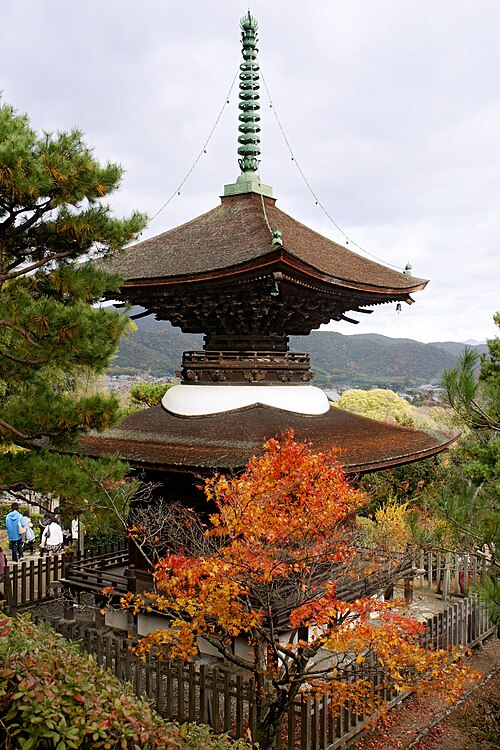
    Daitoku-ji is a major Zen Buddhist temple complex in northern Kyoto, Japan. Founded in the fourteenth century, it belongs to the Rinzai school of Japanese Zen Buddhism.

    • Must see
    • Place of worship
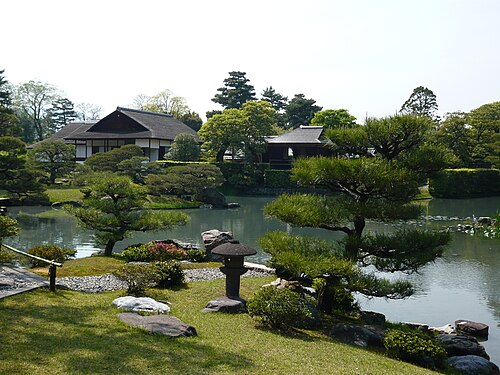
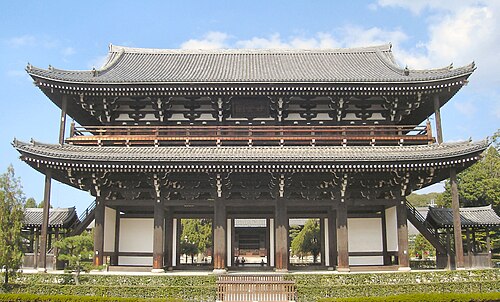
  2. Tōfuku-ji Temple Tōfuku-ji Temple
    33 30 min

    Tōfuku-ji Temple

    東福寺

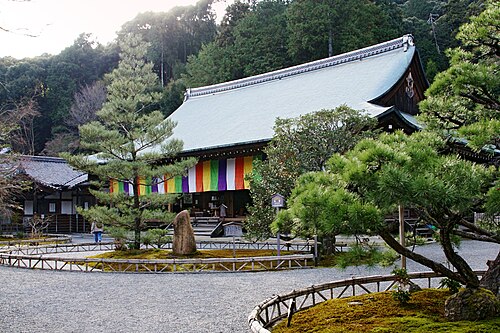
    Tofuku-ji is a Rinzai Zen Buddhist temple in southeastern Kyoto. Founded in 1236 by the statesman Kujo Michiie, it took its name from combining characters from Todai-ji and Kofuku-ji in Nara.

    • Must see
    • Place of worship
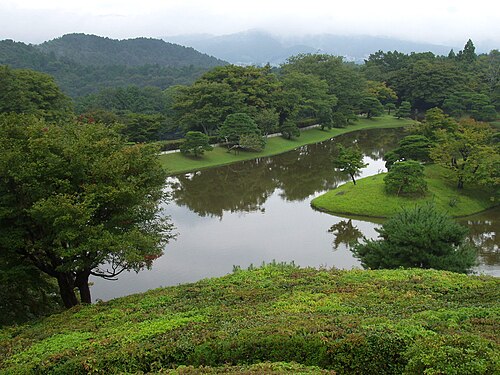
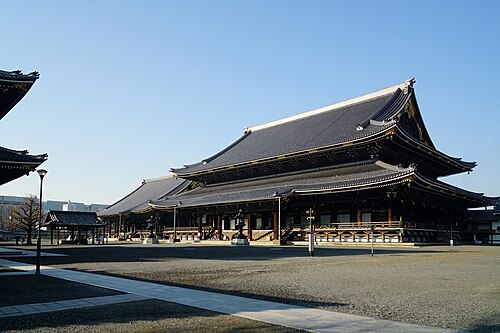
  3. Higashi Hongan-ji Temple Higashi Hongan-ji Temple
    34 30 min

    Higashi Hongan-ji Temple

    東本願寺

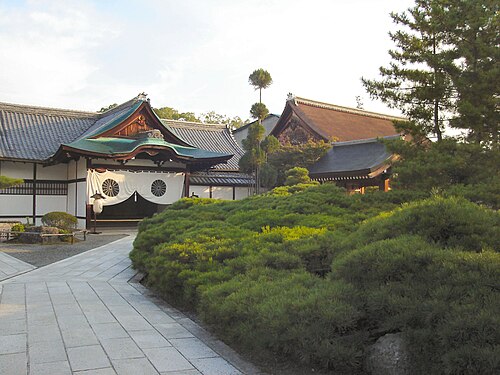
    Higashi Hongan-ji is a Jodo Shinshu Buddhist temple in Kyoto, serving as the headquarters of the Otani-ha branch. Founded in 1602 by Shogun Tokugawa Ieyasu, it was established to reduce the political influence of the original Hongan-ji faction.

    • Must see
    • Place of worship
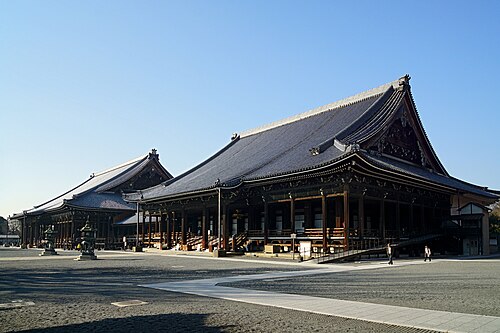
  4. Nishi Hongan-ji Temple Nishi Hongan-ji Temple
    35 45 min

    Nishi Hongan-ji Temple

    西本願寺

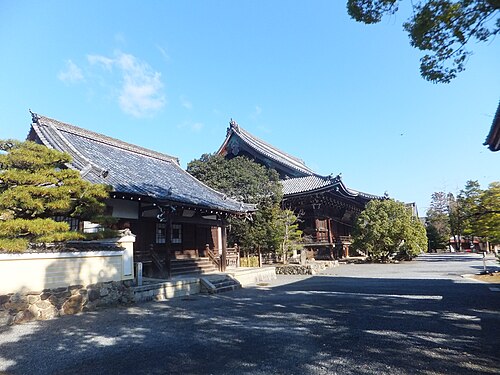
    Nishi Hongan-ji is a Jodo Shinshu Buddhist temple in central Kyoto and the headquarters of one branch of the Hongan-ji tradition. The large complex represents an important religious and architectural landmark close to Kyoto Station.

    • Must see
    • Historic monument
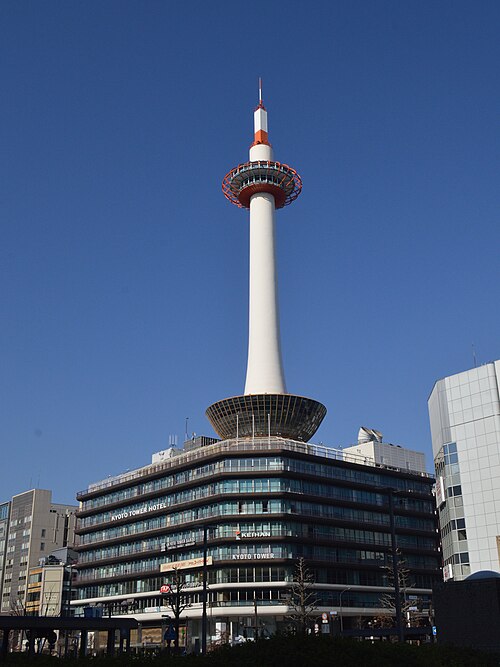
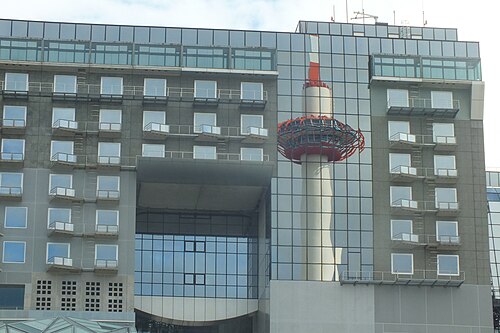
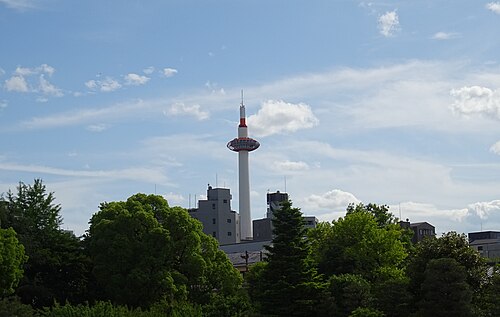
  5. Kyoto Tower Kyoto Tower
    36 20 min

    Kyoto Tower

    京都タワー

    Kyoto Tower is a modern observation landmark beside Kyoto Station in Shimogyo Ward.

    • Must see
    • Viewpoint
  6. Kyoto Station Building Kyoto Station Building
    37 2 hours

    Kyoto Station Building

    Kyoto Station Building is the main railway station and a prominent landmark in Kyoto, Japan. It serves as a major transportation hub for the city and wider region, handling both local and long-distance services including Shinkansen bullet trains.

    • Must see
    • Activity
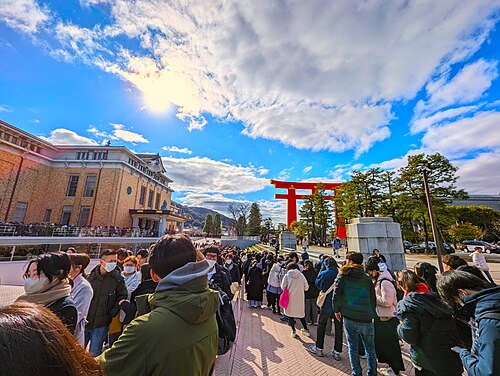
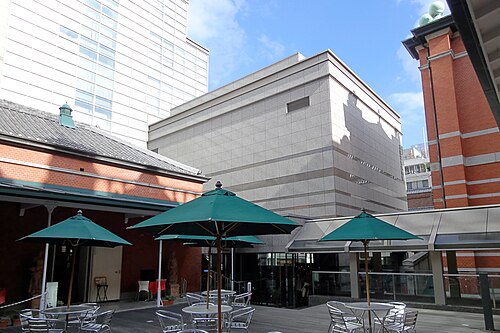
  7. Kyoto Municipal Museum of Art Kyoto Municipal Museum of Art
    38 1 hr 30 min

    Kyoto Municipal Museum of Art

    京都市美術館

    The Kyoto City KYOCERA Museum of Art is a municipal art museum located in Kyoto, Japan. It was established to preserve and exhibit artworks relevant to the city's cultural heritage.

    • Must see
    • Museum
  8. Hosomi Museum Hosomi Museum
    39 1 hr 30 min

    Hosomi Museum

    細見美術館

    Hosomi Museum is a private art museum located in Kyoto, Japan. It houses a significant collection of Japanese and East Asian art, with particular strength in works from the pre-modern period.

    • Must see
    • Museum
  9. Raku Museum Raku Museum
    40 1 hr 30 min

    Raku Museum

    樂美術館

    The Raku Museum in Kyoto is devoted to the Raku tradition of Japanese ceramics.

    • Must see
    • Museum
  10. Museum of Kyoto Museum of Kyoto
    41 1 hr 30 min

    Museum of Kyoto

    京都府京都文化博物館

    The Museum of Kyoto introduces the city through its long history as Japan’s imperial capital and a centre of culture, craft, religion, and political life.

    • Must see
    • Museum
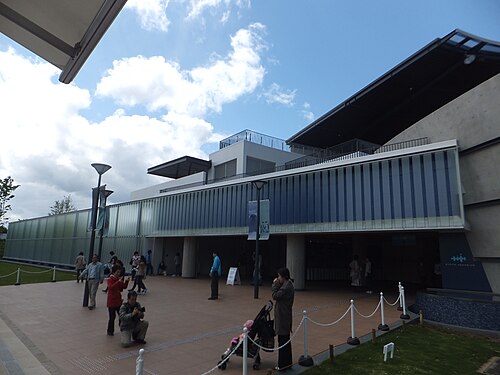
  11. Kyoto Aquarium Kyoto Aquarium
    42 1 hr 30 min

    Kyoto Aquarium

    京都水族館

    Kyoto Aquarium is a public aquarium in Kyoto, offering a modern marine-life experience alongside the city’s temples, shrines, gardens, and historic neighborhoods.

    • Must see
    • Family attraction
  12. Umekōji Park Umekōji Park
    43 1 hour

    Umekōji Park

    梅小路公園

    Umekoji Park is a public park in Kyoto, Japan. The park occupies a significant riverside plot near the confluence of the Kamo and Katsura rivers in the western part of the city.

    • Must see
    • Nature site
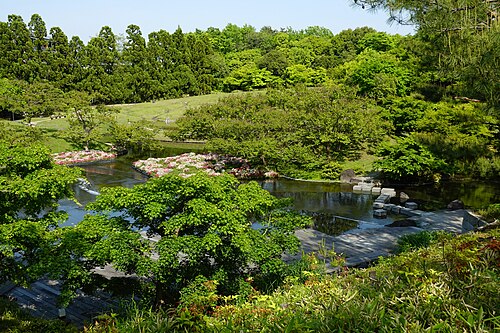
  13. Shōsei Garden Shōsei Garden
    44 1 hour

    Shōsei Garden

    渉成園

    Shosei-en Garden is the detached garden of Higashi Hongan-ji and a compact example of Kyoto’s cultivated landscape tradition. Its ponds, bridges, teahouses, trees, and carefully arranged views create a quiet contrast with the city around it.

    • Must see
    • Nature site
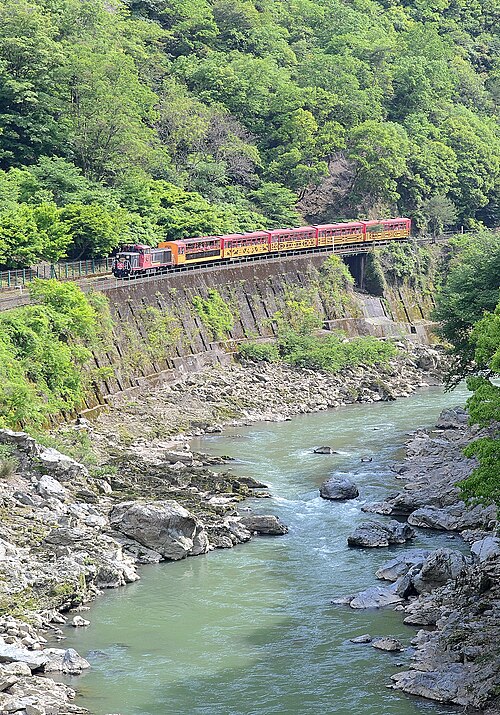
  14. Sagano Scenic Railway Sagano Scenic Railway
    45 45 min

    Sagano Scenic Railway

    Sagano Romantic Train

    The Sagano Scenic Railway is a tourist railway in Kyoto's Arashiyama district. It operates along a former freight line that runs parallel to the Hozu River gorge.

    • Must see
    • Historic monument
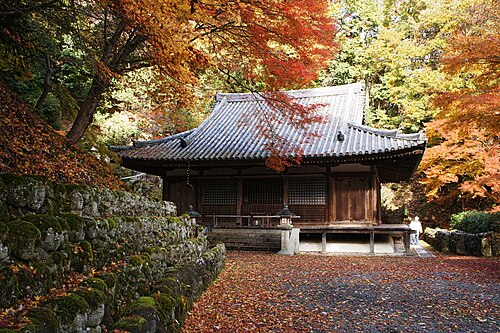
  15. Otagi Nenbutsu-ji Temple Otagi Nenbutsu-ji Temple
    46 30 min

    Otagi Nenbutsu-ji Temple

    愛宕念仏寺

    Otagi Nenbutsu-ji is a Buddhist temple located in the Arashiyama district of western Kyoto. The temple sits in the foothills of Mount Ogura and is known for its collection of rakan statues, the disciples of Buddha.

    • Must see
    • Place of worship
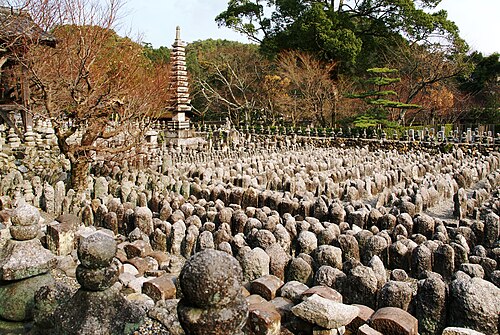
  16. Adashino Nenbutsu-ji Temple Adashino Nenbutsu-ji Temple
    47 30 min

    Adashino Nenbutsu-ji Temple

    化野念仏寺

    Adashino Nenbutsu-ji is a Buddhist temple in Kyoto’s western Saga-Arashiyama area, known for its memorial field of stone figures.

    • Must see
    • Place of worship
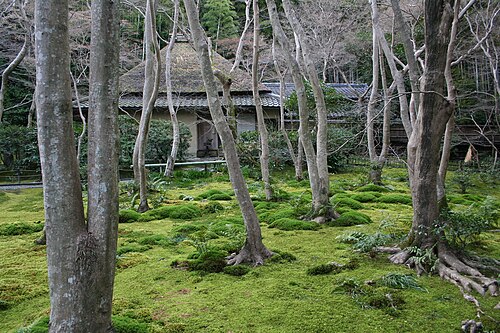
  17. Giō-ji Giō-ji
    48 30 min

    Giō-ji

    祇王寺

    Gio-ji is a Buddhist temple in Kyoto’s Arashiyama district, associated with the Shingon school of Buddhism. Its character comes from scale and setting: the grounds sit within a quiet wooded landscape, away from the busiest paths of western Kyoto.

    • Must see
    • Place of worship
  18. Jōjakkō-ji Temple Jōjakkō-ji Temple
    49 30 min

    Jōjakkō-ji Temple

    常寂光寺

    Jojakko-ji is a Buddhist temple on the wooded slopes of Arashiyama in western Kyoto. Its buildings and paths follow the hillside, creating a visit that combines religious architecture, forest scenery and elevated views.

    • Must see
    • Place of worship
  19. Nison-in Temple Nison-in Temple
    50 30 min

    Nison-in Temple

    二尊院

    Nison-in is a Buddhist temple situated in the Arashiyama district of western Kyoto, Japan. The temple belongs to the Obaku school of Zen Buddhism and holds historical significance dating back centuries.

    • Must see
    • Place of worship
  20. Daikaku-ji Temple Daikaku-ji Temple
    51 30 min

    Daikaku-ji Temple

    大覚寺

    Daikaku-ji is a Shingon Buddhist temple located in the Ukyo ward of Kyoto, Japan. The temple was originally constructed in the early ninth century as a detached palace for Emperor Saga before being converted into a religious institution.

    • Must see
    • Place of worship
  21. Seiryō-ji Temple Seiryō-ji Temple
    52 30 min

    Seiryō-ji Temple

    清凉寺

    Seiryo-ji is a Buddhist temple in Arashiyama, western Kyoto, and a useful stop for travellers exploring the district beyond its best-known paths.

    • Must see
    • Place of worship
  22. Matsunoo Taisha Matsunoo Taisha
    53 30 min

    Matsunoo Taisha

    松尾大社

    Matsunoo Taisha is an ancient Shinto shrine in western Kyoto, near the Arashiyama area. Its origins predate the establishment of Heian-kyo, and its history is closely connected with the Hata clan, an important force in the early development of Kyoto.

    • Must see
    • Place of worship
  23. Kegon-ji Temple Kegon-ji Temple
    54 30 min

    Kegon-ji Temple

    鈴虫寺

    Suzumushi-dera is a Buddhist temple in Kyoto, Japan. Its name translates to Bell Cricket Temple, derived from the insects kept on the grounds. The temple belongs to the Rinzai school of Zen Buddhism.

    • Must see
    • Place of worship
  24. Katsura Imperial Villa Katsura Imperial Villa
    55 45 min

    Katsura Imperial Villa

    桂離宮

    Katsura Imperial Villa is a historic imperial residence in western Kyoto, celebrated for the relationship between restrained architecture and a carefully composed landscape.

    • Must see
    • Historic monument
  25. Shugaku-in Imperial Villa Shugaku-in Imperial Villa
    56 45 min

    Shugaku-in Imperial Villa

    修学院離宮

    Shugakuin Imperial Villa is an imperial property in northeastern Kyoto, Japan. It was established in the seventeenth century as a retreat for retired emperors. The site comprises multiple garden areas set against the foothills of Mount Hiei.

    • Must see
    • Historic monument

Source: OpenStreetMap contributors, Wikidata ·

How the city is laid out

Central Kyoto includes Kyoto Station, downtown, Nishiki Market, Nijo Castle and the Imperial Palace area. Eastern Kyoto contains Higashiyama, Kiyomizu-dera, Gion, Okazaki and the Philosopher's Path. Arashiyama anchors the west, while Kinkaku-ji and northern temples need their own route. Fushimi and Fushimi Inari lie south. Build days around these geographic sectors instead of a single attraction list.

Checked 2026-08-26

Getting around

Combine trains, subway and buses rather than relying on buses alone. Kyoto's official guide recommends using rail to approach major sightseeing districts, then transferring where needed, which reduces exposure to road congestion. Walk within Higashiyama, downtown or Arashiyama once there. Kyoto Station is useful for arrivals, but other JR stations may provide a more direct approach to specific districts.

Checked 2026-08-26

Common questions

How many days should I spend in Kyoto?

A fixed duration is not recorded. Plan by geographic sector and allow separate blocks for eastern Kyoto, central Kyoto, Arashiyama, the north and Fushimi.

Are Kyoto's main sights close together?

Some are, but the major districts sit on different sides of the city. Higashiyama works as a walking cluster, while Arashiyama, northern temples and Fushimi require separate journeys.

Should I use buses for every Kyoto journey?

No. The official guide recommends combining trains and buses. Rail often bypasses road congestion and can bring you closer to a district before a shorter transfer or walk.

Which area is best explored on foot?

Higashiyama and Gion form a strong walking corridor, as do parts of downtown around Nishiki Market. Reach the district first, then continue between nearby sights on foot.

Is Kyoto Station always the best interchange?

No. The official guide notes that stations such as Nijo, Enmachi, Tofukuji and Yamashina can provide more direct approaches to particular sightseeing areas and reduce crowding.